15 Dangerous International Festivals People Attend
There’s something irresistible about stepping into danger for the sake of celebration. While most festivals involve music, food, and maybe some questionable dancing, these events push participants into genuinely risky territory.
From charging bulls to flying oranges, people travel thousands of miles to put themselves in harm’s way — all in the name of tradition and adrenaline.
Running of the Bulls
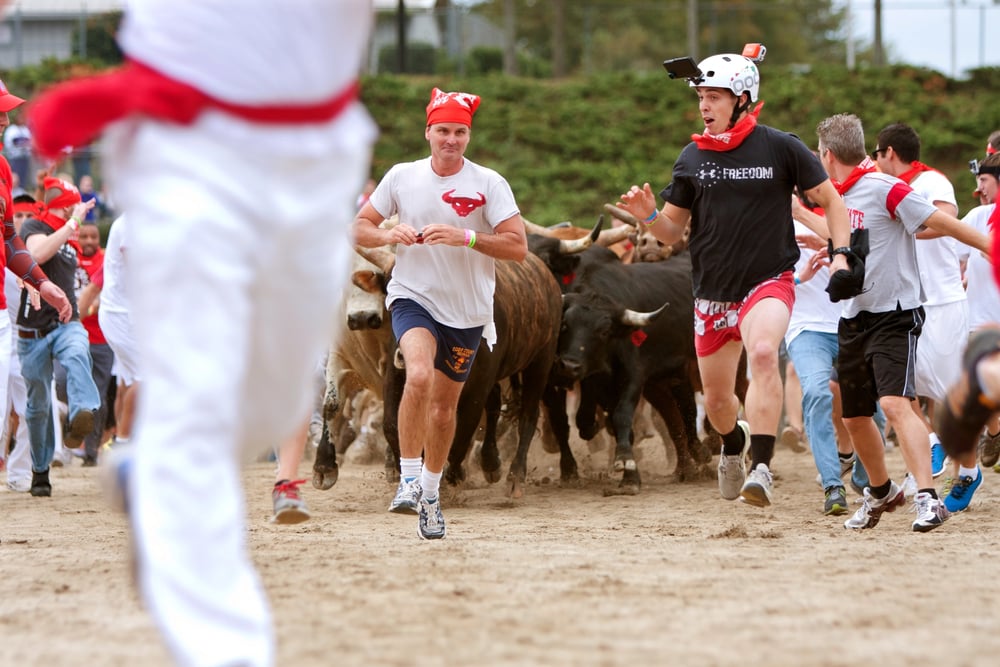
Bulls don’t care about your vacation photos. They weigh 1,500 pounds and run straight through anything blocking their path.
That includes tourists sprinting down cobblestone streets in Pamplona every July.
La Tomatina

Picture this: 20,000 people crammed into narrow Spanish streets, hurling overripe tomatoes at speeds that would make a baseball pitcher jealous (and with significantly less accuracy than someone who’s been training their whole life for precision). What starts as playful food throwing quickly turns into a slippery, chaotic mess where people lose their footing on streets slick with tomato pulp.
And the tomatoes themselves — acidic enough to sting eyes and strong enough to leave welts when thrown with enough force — become weapons in the hands of overzealous participants who forget that bruising strangers isn’t actually the point of the festival. But that’s not even the dangerous part.
So many people pack into such a small space that crowd crushes become a real concern, especially when visibility drops to nearly zero and everyone’s feet are sliding on organic matter that’s been ground into a paste by thousands of shoes.
Burning Man
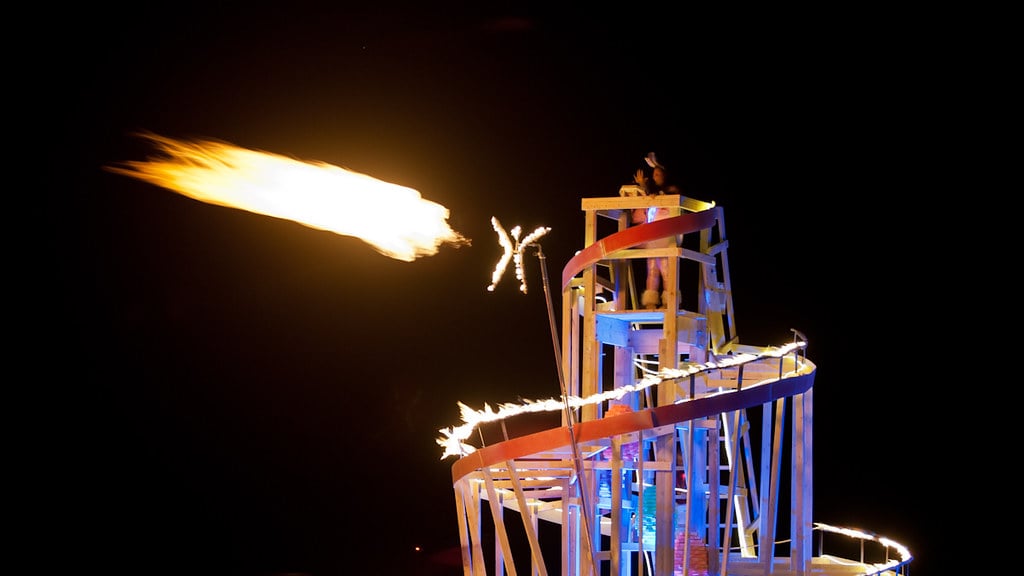
The Nevada desert doesn’t negotiate. Temperatures swing forty degrees between day and night, dust storms appear without warning, and dehydration happens faster than most people realize.
The remote location means medical help isn’t close, and the anything-goes atmosphere means fire accidents are common.
Up Helly Aa
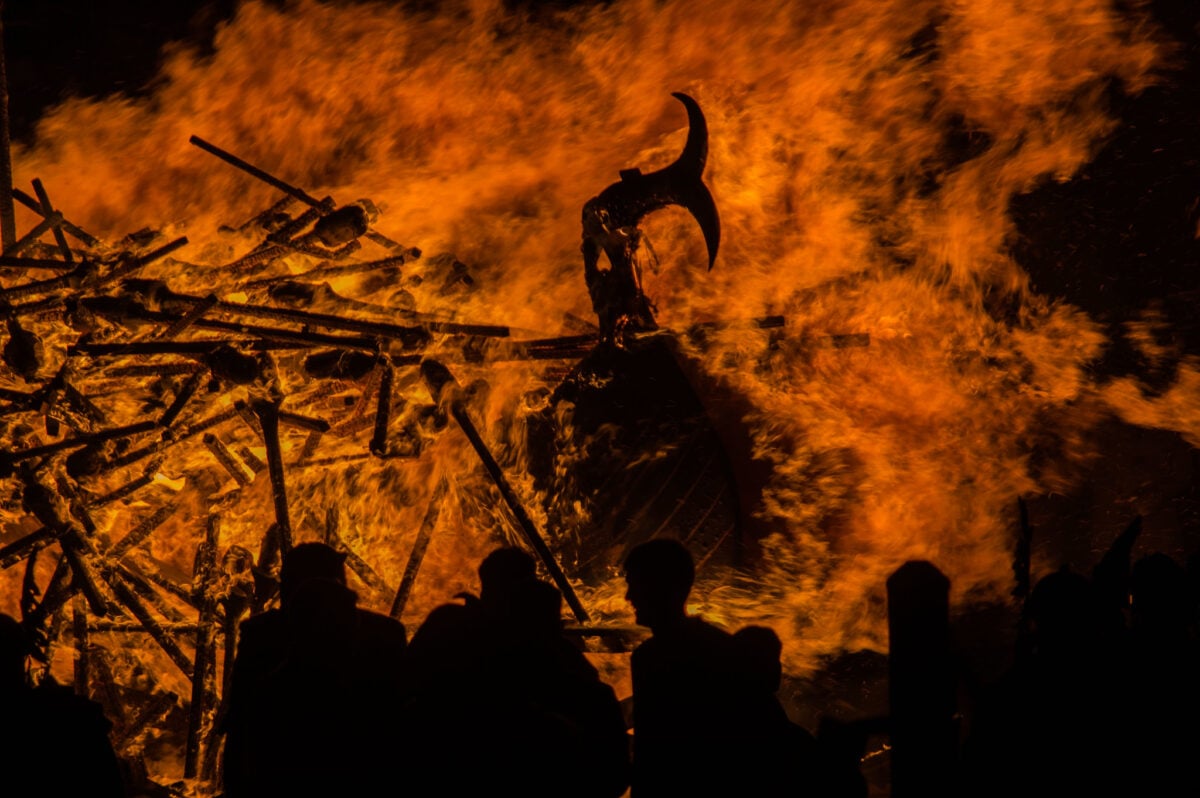
There’s something primal about watching a thousand people march through dark Scottish streets carrying flaming torches, their faces lit by firelight, breath visible in the freezing January air — like stepping back into a time when fire was the only thing standing between civilization and the cold (which, in the Shetland Islands in winter, still feels uncomfortably accurate). The participants, dressed as Vikings, move with the careful intensity of people who know they’re holding something that could burn down the entire town if they’re not careful.
So the danger isn’t just personal — it’s collective, shared among everyone who’s decided that the best way to celebrate their heritage is to recreate the most fire-heavy parts of it. The procession winds through narrow streets where wooden buildings press close enough that a single misstep with a torch could turn celebration into disaster.
Even the finale, where they throw their torches onto a replica Viking galley, becomes a moment where a thousand flames converge in one place and everyone hopes the wind doesn’t shift.
Cheese Rolling

Gravity always wins. Cooper’s Hill has a 50-degree slope, and a wheel of Double Gloucester cheese can reach 70 mph rolling down it. People chase the cheese.
Physics handles the rest. The slope is uneven, rutted, and steep enough that even standing still requires effort.
Holi Festival
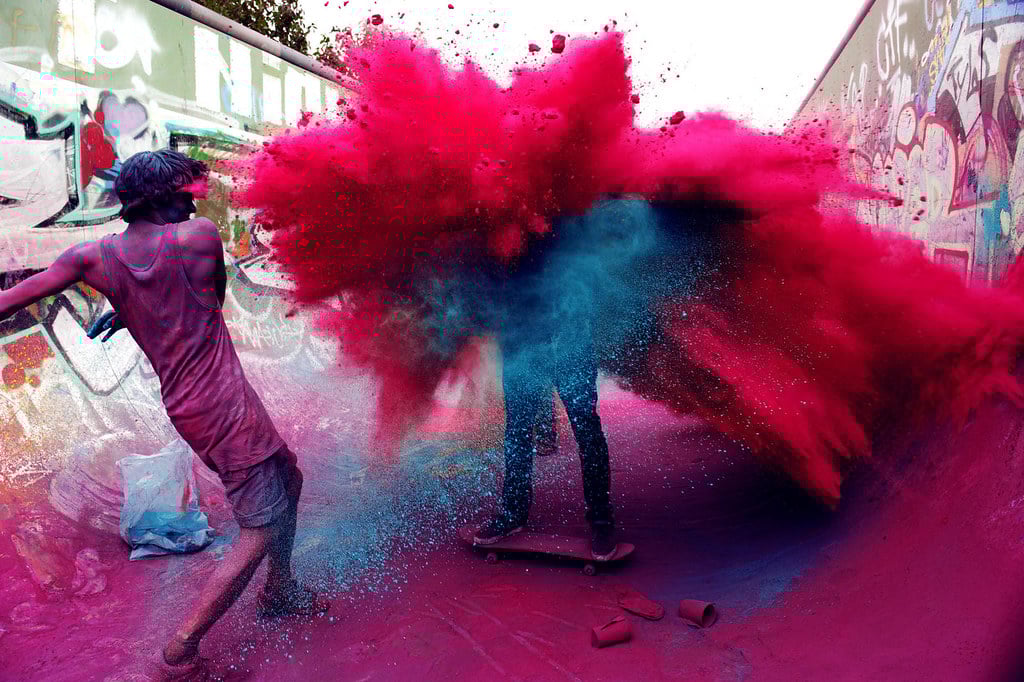
Color powder seems harmless until it’s mixed with industrial dyes that weren’t meant for human skin, thrown by people who’ve lost track of where friendly celebration ends and aggressive targeting begins (because once you’re covered head to toe in rainbow dust, the line between playful and painful starts to blur in ways that surprise everyone involved). And while the spiritual significance of the festival runs deep, the reality is that thousands of people with compromised vision — eyes stinging from powder, respiratory systems struggling with particulate matter — move through crowded spaces where trampling becomes a genuine risk.
The colors that make the photos so stunning are often the same ones that send people to emergency rooms with allergic reactions, chemical burns, or respiratory problems that last long after the celebration ends. So the beauty and the danger occupy the same space, which seems appropriate for a festival about the triumph of good over evil — though figuring out which category the festival itself falls into depends entirely on whether you’re the one needing medical attention afterward.
San Fermin Beyond Bulls
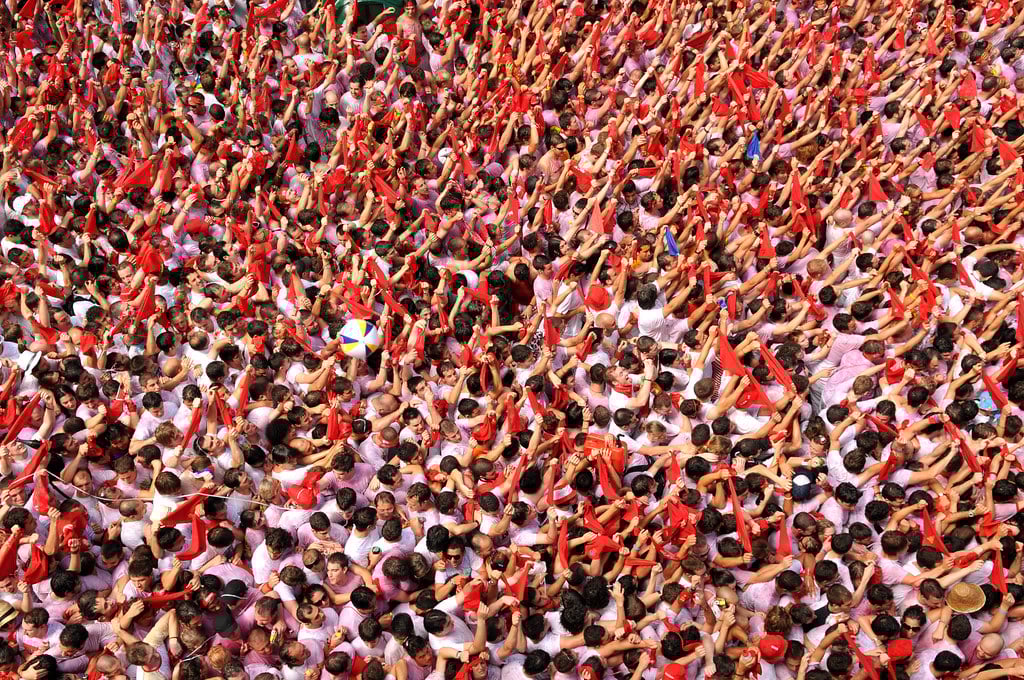
The entire week turns Pamplona into organized chaos. Drunk tourists mix with serious traditions. Balconies collapse under the weight of spectators.
Street fights break out when alcohol and adrenaline collide. The bulls get the attention, but the real danger spreads across seven days of reckless behavior.
Baby Jumping Festival
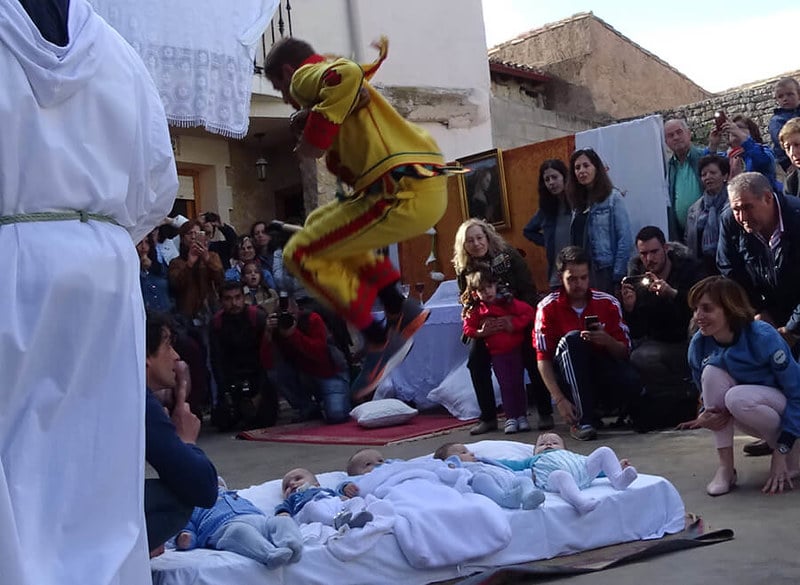
El Colacho involves grown men dressed as devils leaping over newborn babies laid on mattresses in Spanish streets. The margin for error is exactly zero (which is a terrifying calculation when dealing with infants and acrobatics performed by people who may or may not have been drinking).
What’s meant to cleanse babies of original sin instead creates opportunities for accidents that would be tragic under any circumstances, but become especially haunting when they involve the youngest and most vulnerable people in the community. The festival dates back to 1620, which means it’s survived nearly 400 years of people pointing out that jumping over babies seems like a questionable idea — and yet it continues, powered by the kind of faith that either moves mountains or creates preventable disasters, depending on your perspective.
Monkey Buffet Festival

Lopburi, Thailand feeds 3,000 monkeys in a single day. Wild monkeys.
In large groups. With territorial instincts and sharp teeth.
Tourists get caught in the middle when feeding frenzies turn aggressive. Monkeys snatch food, cameras, and anything else within reach.
Bites happen. Disease transmission is possible.
Kanamara Matsuri

The festival celebrating fertility involves parades of anatomical sculptures through crowded Tokyo streets, but the real danger lies in the massive crowds that gather to witness what’s become a tourist spectacle as much as a religious event (and when tens of thousands of people pack into spaces designed for much smaller gatherings, the sculptures become the least of anyone’s worries). The combination of international visitors who don’t understand crowd dynamics in Japan, locals trying to maintain traditional observances, and street vendors creating bottlenecks turns celebration into a crush-risk scenario where people can get trapped against barriers or swept along by human currents they can’t control.
But perhaps the deeper danger is cultural — watching something sacred get transformed into Instagram content, where the spiritual significance gets lost in translation and what remains is mostly confusion about why everyone’s taking photos with oversized sculptures and calling it an authentic cultural experience.
Underwater Music Festival

Playing music 25 feet underwater in the Florida Keys sounds whimsical until you consider that it combines diving with crowds. Divers at different skill levels share the same space.
Equipment fails. People panic underwater.
Marine life doesn’t always appreciate the intrusion. The music is broadcast through underwater speakers, but the real soundtrack is the sound of nervous breathing through regulators.
Fire Walking Festival

Walking across burning coals tests faith and physics. The coals reach 1,200 degrees Fahrenheit.
Hesitation means burns. Stumbling means worse.
World Bog Snorkeling Championship

Swimming through freezing peat bog water in Wales while wearing flippers and a snorkel seems absurd until hypothermia sets in. The water is murky, cold, and full of vegetation that can tangle equipment or limbs.
Visibility is nearly zero. Navigation happens by feel.
The bog doesn’t care about personal records.
Dyngus Day Water Fights
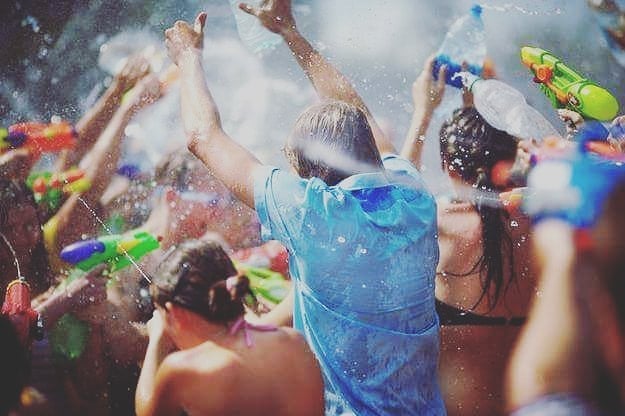
Easter Monday in Poland involves soaking strangers with water balloons, squirt guns, and buckets. What starts playful often turns aggressive.
Cold water and large crowds create slip hazards. Allergic reactions to dyes in colored water happen.
The tradition says water brings good luck. Emergency rooms see it differently.
Thaipusam

Devotees pierce their skin with hooks, spears, and skewers during this Hindu festival in Malaysia and Singapore. The ritual is meant to demonstrate faith through physical endurance, but infection risks are real.
Non-sterile piercing equipment, crowded conditions, and tropical heat create perfect conditions for complications. The procession lasts hours under the sun while participants carry heavy structures attached to their bodies through piercings.
When Tradition Meets Risk
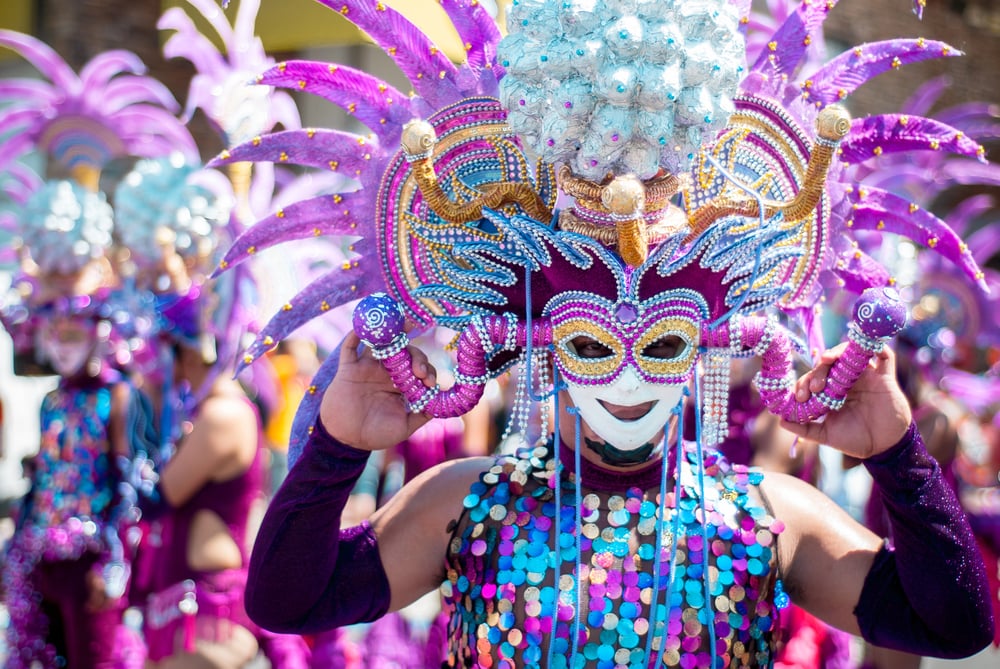
Some experiences can’t be replicated safely, and that’s precisely what draws people to them. These festivals exist at the intersection of culture, adrenaline, and questionable decision-making.
The danger isn’t a bug — it’s a feature. Participants know the risks and show up anyway, drawn by something deeper than common sense or self-preservation instincts.
More from Go2Tutors!

- The Romanov Crown Jewels and Their Tragic Fate
- 13 Historical Mysteries That Science Still Can’t Solve
- Famous Hoaxes That Fooled the World for Years
- 15 Child Stars with Tragic Adult Lives
- 16 Famous Jewelry Pieces in History
Like Go2Tutors’s content? Follow us on MSN.