15 Biggest Wine Producing Countries
Wine production is a way of reflecting not only agriculture, but also climate, tradition, and refinement, and it is, in many cases, associated with national identity. Some countries have been associated with wine culture for centuries, and some have entered this field relatively recently, contributing new knowledge and ideas to the world of wine.
The countries with the highest levels of wine production balance quality and quantity. The regions from which they draw their wines have been shaped by climate, soil, and history, so the wines seem unique even before the first drink.
Behind every bottle, there is a system of winegrowers, producers, and traditions, which have evolved over time, including changes in tastes and world demands.
Here’s a closer look at 15 of the biggest wine-producing countries and what makes each one unique in the world of wine.
Italy
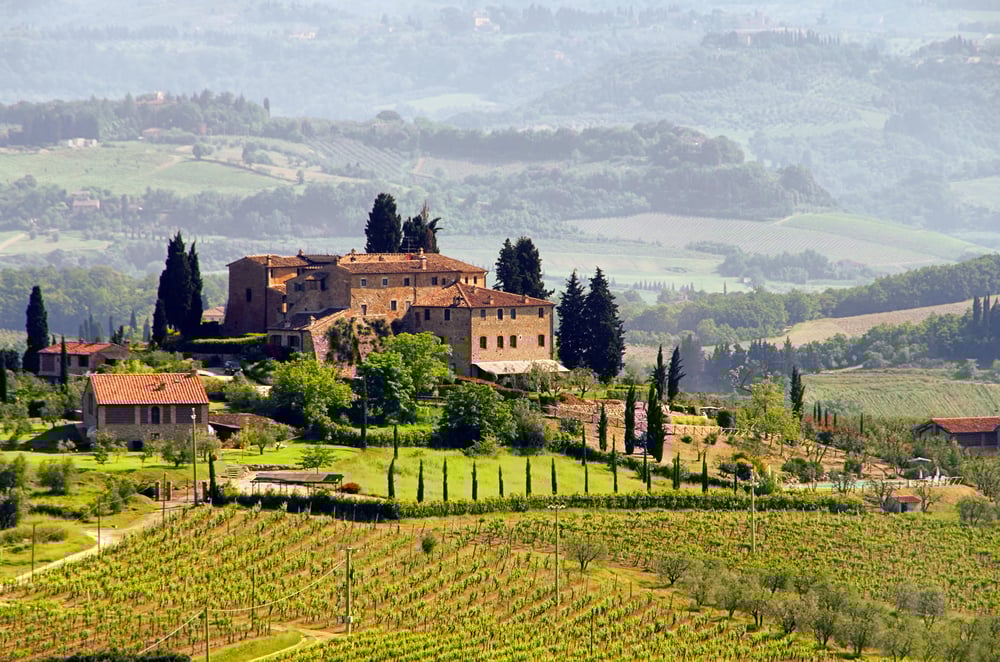
Italy consistently ranks among the top wine producers in the world, with a diversity that is difficult to match. From the rolling hills of Tuscany to the vineyards of Piedmont, each region brings its own character and grape varieties.
The country’s strength lies in this variation. Rather than relying on a single style, Italy produces everything from light, crisp whites to bold, structured reds, all rooted in regional tradition.
Even so, strict classification systems help maintain quality and identity, ensuring that wines remain closely tied to their origins.
France

France’s reputation in the wine world is built on centuries of refinement and a deep connection between land and product. Regions like Bordeaux, Burgundy, and Champagne have become benchmarks for quality.
The French approach emphasizes terroir, the idea that soil and climate shape the final wine. This focus has influenced winemaking practices far beyond its borders.
Still, France continues to balance tradition with innovation, allowing producers to adapt without losing their distinctive identity.
Spain

Spain is one of the largest wine producers by volume, supported by vast vineyard areas across the country. Regions like Rioja and Ribera del Duero are known for their structured red wines.
The country blends traditional methods with modern techniques, creating wines that are both accessible and rooted in history.
In recent years, renewed interest in lesser-known regions has expanded Spain’s global presence, offering a broader range of styles and expressions.
United States

The United States, particularly California, plays a major role in global wine production. Napa Valley and Sonoma have become internationally recognized for their quality and innovation.
American winemaking often leans toward experimentation, with a focus on technology and consistency. This approach has helped the country establish a strong presence in both domestic and international markets.
At the same time, smaller regions across the country continue to emerge, adding depth to the overall industry.
Argentina

Argentina is best known for its Malbec, a grape that thrives in the high-altitude vineyards of the Andes. The country’s climate and elevation create ideal conditions for bold, fruit-forward wines.
Wine production here has grown steadily, with a focus on exporting quality products. Argentina’s wines often balance richness with approachability.
That said, producers are increasingly exploring other grape varieties, broadening the country’s reputation beyond a single signature style.
Australia

Australia has built a reputation for producing consistent, high-quality wines, particularly Shiraz. Regions like Barossa Valley and McLaren Vale are central to its production.
The country’s winemaking style often emphasizes bold flavors and reliability. Even so, there has been a noticeable shift toward more refined and region-specific wines, reflecting a growing appreciation for diversity within its own landscape.
Chile

Chile benefits from a unique geography, with natural barriers that help protect its vineyards from pests and disease. This has allowed for relatively stable and efficient production.
Its wines are often known for their value, offering quality at accessible price points. At the same time, Chile continues to refine its premium offerings, with certain regions gaining recognition for more complex and expressive wines.
South Africa

South Africa’s wine industry combines historical roots with modern development. Regions like Stellenbosch and Franschhoek are known for both tradition and innovation.
The country produces a wide variety of wines, with Chenin Blanc and Pinotage standing out. Still, South Africa’s strength lies in its adaptability, as producers continue to experiment while maintaining a strong sense of identity tied to the land.
Germany
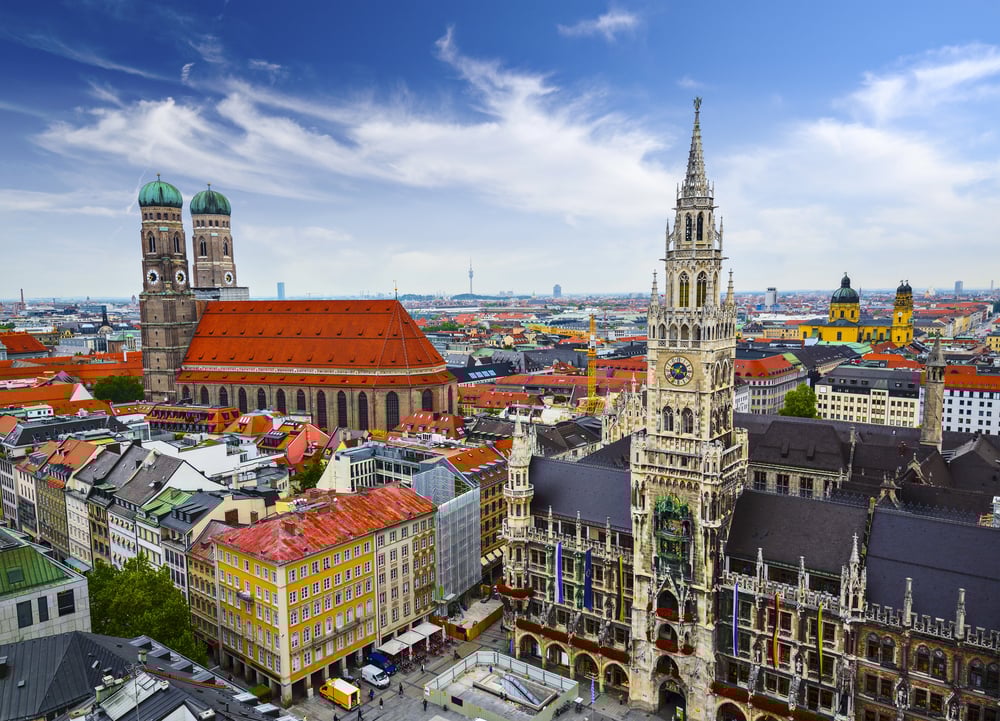
Germany is widely associated with white wines, particularly Riesling. Its cooler climate creates conditions that favor acidity and freshness.
The country’s wines often emphasize balance and precision. Even so, Germany has also expanded its production of red wines in recent years, reflecting shifts in both climate and consumer preferences.
Portugal

Portugal offers a strong mix of traditional and distinctive wines, including Port and Vinho Verde. Its vineyards are often located in rugged terrain, shaping both production methods and flavor profiles.
The country’s wine culture remains closely tied to its history. At the same time, modern producers are finding ways to highlight indigenous grape varieties in new and accessible ways, giving Portugal a renewed presence on the global stage.
China

China’s wine industry has expanded rapidly in recent years, supported by investment and growing domestic demand. Regions like Ningxia have gained attention for their development.
While still evolving, the country is becoming an increasingly important player. Its scale and pace of growth suggest a shifting landscape in global wine production, where new regions may begin to challenge traditional leaders.
Romania

Romania has a long history of winemaking, though it is less widely recognized internationally. Its vineyards produce a mix of traditional and modern styles.
The country’s industry continues to develop, with increasing attention to quality. As exports grow, Romania is slowly gaining recognition for wines that reflect both heritage and innovation.
New Zealand

New Zealand is known for its Sauvignon Blanc, particularly from the Marlborough region. The country’s climate supports fresh, aromatic wines with strong global appeal.
Its production is relatively small in scale but high in quality. Even so, New Zealand continues to diversify, with Pinot Noir and other varieties gaining attention in international markets.
Greece

Greece’s wine tradition dates back thousands of years, making it one of the oldest on this list. Indigenous grape varieties play a central role in its production.
The country’s wines often reflect local conditions and long-standing practices. In recent years, there has been renewed interest in showcasing these unique characteristics to a global audience.
Brazil
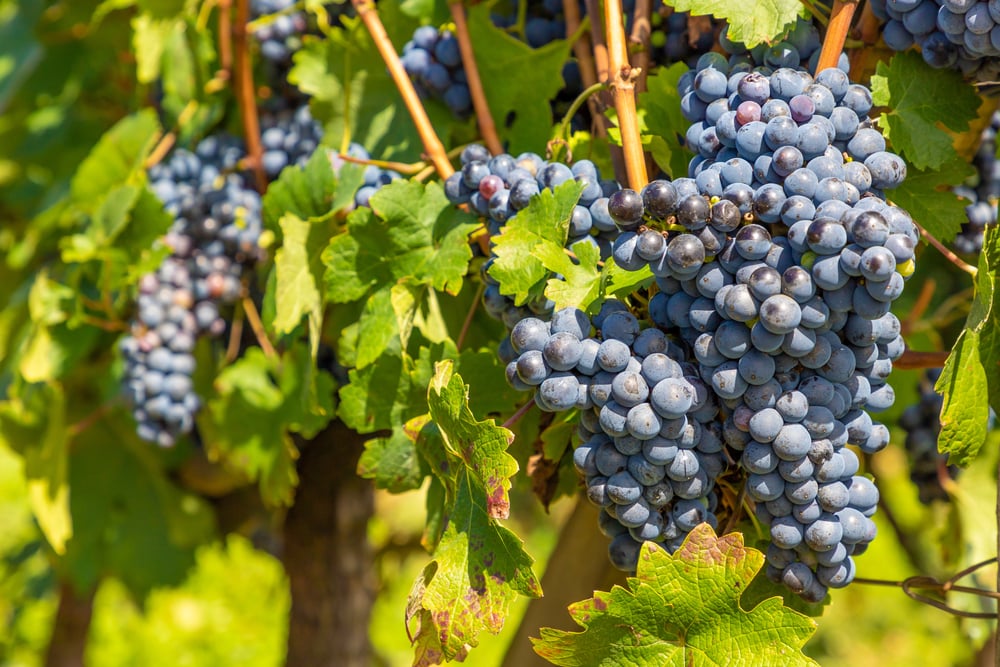
Brazil’s wine industry is still developing but has seen steady growth. Regions in the south of the country provide suitable conditions for vineyards.
Production focuses on both still and sparkling wines. While not yet a dominant force, Brazil is gradually expanding its presence, supported by improving quality and increasing international interest.
A Global Tradition That Continues To Evolve

Wine production is still very much related to geography, culture, and time. The current top producers of wine are the same as they were before, and they are the ones who have managed to contribute to the industry, one way or another.
This is because the vineyards, old or new, are the ones that are influencing the culture of wine and its consumption worldwide.
Today, the changing climate, the changing tastes of consumers, and the changes brought about by technology are slowly but surely changing the industry. However, the basic concept of wine remains the same: it is a reflection of the place where it is made, influenced by nature and human touch.
This is the reason the countries remain relevant to the industry, and the history of wine keeps on changing with every new generation.
More from Go2Tutors!

- The Romanov Crown Jewels and Their Tragic Fate
- 13 Historical Mysteries That Science Still Can’t Solve
- Famous Hoaxes That Fooled the World for Years
- 15 Child Stars with Tragic Adult Lives
- 16 Famous Jewelry Pieces in History
Like Go2Tutors’s content? Follow us on MSN.