15 Bizarre Superstitions People Believed in the 1800s
Life felt more fragile in the 1800s. Death knocked on doors without warning, crops failed for mysterious reasons, and medicine often did more harm than good.
When science couldn’t explain why children got sick or businesses collapsed overnight, people filled those gaps with their own rules. Touch wood three times. Never walk under a ladder. Cross your fingers and hope the spirits were listening.
These weren’t quaint traditions passed down from grandmothers — they were survival strategies that people genuinely believed could mean the difference between prosperity and ruin. Some made a twisted kind of sense.
Others were so strange that it’s hard to imagine anyone taking them seriously. But they did.
Spilling Salt Brought Bad Luck

Salt cost more than most people earned in a week. Spill it, and the financial blow was real enough without adding supernatural dread on top.
But people in the 1800s believed the waste itself cursed you with misfortune. The remedy was immediate and specific: throw a pinch of the spilled salt over your left shoulder using your right hand.
This supposedly blinded the devil, who was always lurking behind your left side, waiting for moments of carelessness. Some families kept separate containers of salt just for this purpose — insurance salt, in case the cooking salt got spilled.
Breaking a Mirror Cursed Your Soul

Mirrors weren’t just expensive — they were considered windows to the soul (which is why some cultures still cover them when someone dies, believing the soul might get trapped in the reflection rather than moving on to whatever comes next). And breaking one didn’t just mean seven years of bad luck: it meant fragmenting your actual spirit into those scattered pieces of glass.
The belief ran so deep that people would bury broken mirror fragments under a full moon or grind them into powder and scatter the dust in running water. Anything to prevent their soul from being trapped in sharp, broken pieces for nearly a decade. Which makes you wonder how many people simply lived with cracked mirrors rather than risk the replacement process.
Umbrellas Opened Indoors Invited Death

Opening an umbrella inside wasn’t just bad luck. It was a direct invitation for death to enter your home.
The logic followed a grim kind of sense. Umbrellas protected you from the elements outside — rain, sun, wind. Pop one open in your house, and you were essentially telling these forces they were welcome indoors.
But it went deeper than weather. The umbrella’s dome shape mimicked the arch of a funeral canopy, and its sudden opening was thought to startle benevolent household spirits into fleeing, leaving your family unprotected.
Black Cats Crossing Your Path Meant Witchcraft Was Near

The black cat superstition had teeth in the 1800s because witchcraft trials were still within living memory. A black cat crossing your path meant a witch had sent her familiar to spy on you or curse your upcoming plans.
But the response varied by region. In some areas, you were supposed to turn around and go home immediately. In others, you had to walk backward until the cat was out of sight, then spit three times and make the sign of the cross.
The most extreme version required you to kill the cat on the spot — which meant a lot of ordinary house cats died for the crime of being born black and walking across roads.
Walking Under Ladders Broke Sacred Triangles

A ladder against a wall formed a triangle — a sacred shape representing the Holy Trinity. Walk through it, and you’d literally broken a divine symbol with your body.
This wasn’t casual bad luck. People believed walking under a ladder marked you as someone who showed disrespect for God’s power, which made you fair game for demonic influence.
The fix required walking backward out of the triangle, then forward through it again while making the sign of the cross. Some versions insisted you had to spit three times or recite the Lord’s Prayer while doing it.
Thirteen People at Dinner Tables Guaranteed Death

Set thirteen places at your dinner table, and one person would be dead within the year. Not might be dead. Would be dead.
This came from the Last Supper — thirteen people at the table, and Judas was the first to leave. Families went to elaborate lengths to avoid this number, even if it meant excluding relatives from holiday meals or desperately hunting for a fourteenth guest.
Some wealthy households kept servants on standby to join formal dinners if the count came up short. Better to dine with the help than tempt the reaper.
Peacock Feathers Inside Homes Brought Misfortune

Peacock feathers were gorgeous, exotic, and absolutely forbidden inside houses. The “eyes” on the feathers were believed to be the actual eyes of malevolent spirits — hundreds of them, all watching your family and reporting back to dark forces.
People genuinely feared these feathers the way others feared loaded weapons (and many homes had those scattered around with less concern than they showed for decorative plumage). Even wealthy families who could afford such luxuries often kept peacock feathers in outdoor pavilions or garden sheds, places where the spirits could watch all they wanted without being able to interfere with daily life.
The risk-to-beauty ratio just wasn’t worth it.
New Shoes on Tables Predicted Death

Place a new pair of shoes on a table — any table, for any reason — and you’d just signed someone’s death warrant. The connection came from funeral preparations, when the deceased’s shoes were often placed on tables while the body was being dressed for burial.
Even briefly setting a shoebox on a kitchen table while unpacking purchases could trigger this superstition (and in some households, anyone who did it accidentally would be required to immediately throw salt over their shoulder and recite specific prayers to undo the damage). Cobblers and shoe merchants had to be especially careful about their workspace arrangements, since their livelihood involved constant proximity to new footwear.
Knives as Gifts Severed Friendships Forever

Give someone a knife, and you’d just cut the relationship permanently. The blade would slice through the emotional bonds between giver and receiver as surely as it cut through rope or fabric.
The workaround was equally specific: the recipient had to immediately give the giver a coin — even a penny — to “purchase” the knife and transform it from a gift into a transaction. Wedding gifts were particularly fraught, since knife sets were practical presents for new households, but the superstition meant couples had to navigate the purchase ritual during their celebration.
Some families simply refused to give or receive knives under any circumstances, preferring to avoid the entire supernatural minefield.
Bird in the House Foretold Someone’s Death

A wild bird flying into your house wasn’t an accident or a navigation error (it was a messenger from the spirit world, coming to announce an upcoming death in the family). The specific bird mattered: ravens and crows were the worst possible visitors, but even cheerful songbirds carried the same dark message when they crossed your threshold uninvited.
The bird had to be removed immediately but gently — killing the messenger would supposedly make the predicted death more violent. And the bird’s behavior inside your house provided additional clues about the coming death.
So families would watch in horrified fascination as sparrows fluttered around their parlors, trying to interpret whether the frantic wing-beating meant a sudden death or whether the bird’s eventual escape through a window meant the death could still be averted.
Dropping Bread Butter-Side Down Ruined Your Week
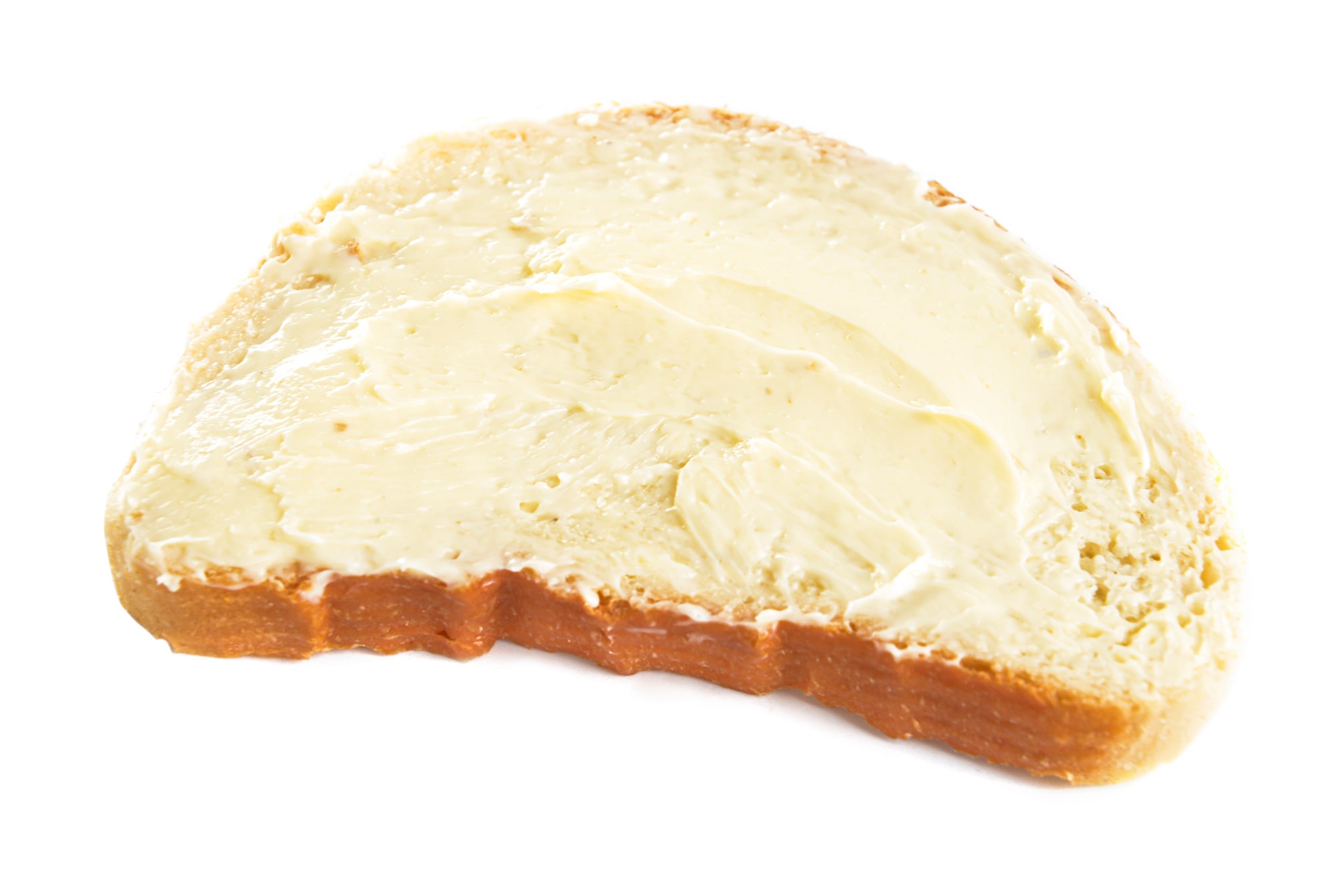
When buttered bread hit the floor, the butter side always seemed to land face-down. People in the 1800s saw this as supernatural punishment for waste or carelessness, and it guaranteed seven days of steadily worsening luck.
But here’s the thing — they weren’t wrong about the physics, just the cause. Bread falls from table height in almost exactly the time it takes to complete half a rotation, which means butter-side down was the mathematical result, not a cosmic judgment.
Even so, families developed elaborate catching techniques and some kept their butter-side up by eating bread plain rather than risk the supernatural consequences of gravity.
Singing at the Table Brought Poverty

Start singing while eating, and you’d literally be singing your family’s prosperity away. The belief was that music during meals showed such disrespect for food that abundance would abandon your household in response.
Children caught humming over their dinners faced immediate correction, and even casual whistling while setting the table was forbidden. Some versions of the superstition were more specific: singing during breakfast meant poverty before noon, while singing during dinner meant your family would be begging for food within a year.
Holiday meals were especially tense, since the festive atmosphere made people naturally inclined toward music, but the abundance on the table made the supernatural stakes feel highest.
Shoes Left Upside Down Invited Evil Spirits
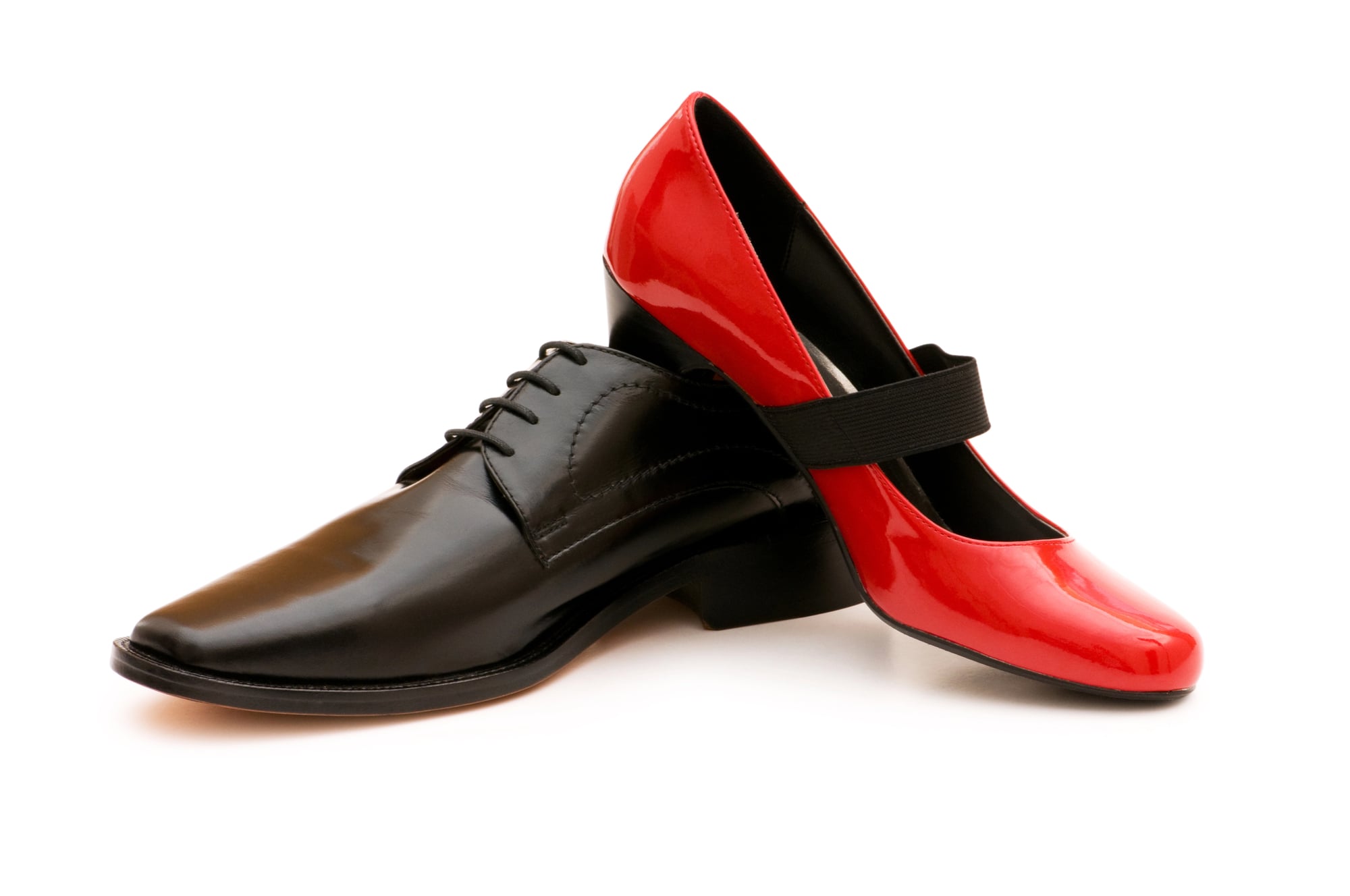
Leave your shoes upside down when you took them off, and evil spirits could use them as doorways into your house. The soles, normally protected by contact with blessed ground, became vulnerable entry points when flipped skyward.
This superstition created elaborate bedtime routines. Every pair of shoes in the house had to be checked and properly positioned before the family went to sleep, because overnight was when malevolent spirits did their worst work.
Some households designated specific family members as shoe-checkers, responsible for walking through the house each evening to ensure no accidentally overturned footwear had left the family spiritually defenseless.
Hearing Your Name Called When Alone Meant Death Was Calling

If you heard someone call your name but nobody was there, Death itself was trying to get your attention. The worst part: answering was supposedly fatal, but ignoring the call would just make Death try harder to reach you.
People developed strategies for this supernatural bind. Some would respond by calling out a different name — tricking Death into thinking it had the wrong person.
Others would immediately recite prayers or Bible verses to drive the dark presence away. The superstition was so strong that family members would announce themselves loudly when approaching someone who was alone, just to avoid accidentally creating a supernatural crisis by calling out a greeting.
Cutting Fingernails on Sundays Brought Week-Long Misfortune

Sunday nail-cutting was forbidden because it was considered work, and work on the Sabbath invited divine punishment that would plague you for the entire following week. But the superstition went beyond religious observance — people believed Sunday-cut nails would grow back weak and brittle, leaving you vulnerable to injury and infection.
Barbers and personal grooming had to be carefully scheduled around this belief. Saturday evenings saw a rush of nail-cutting activity as people prepared for the week ahead, and some families kept detailed schedules to ensure everyone’s grooming was completed before Sunday arrived.
The wealthy sometimes employed servants specifically to handle Sunday grooming emergencies — having someone else cut your nails apparently transferred the supernatural risk to them.
Echoes of Caution

These superstitions feel ridiculous now, but they reveal something essential about how people managed uncertainty when they had fewer tools to control their world. Every ritual was a small attempt to impose order on chaos, to feel like human behavior could influence supernatural forces that seemed to govern everything from weather to death.
Some of these beliefs lingered well into the 20th century, passed down not because people understood why they mattered, but because the cost of ignoring them felt too high. Better to throw salt over your shoulder than risk bad luck. Better to avoid umbrellas indoors than invite death into your living room. The logic was flawed, but the caution was real — and maybe that’s not such a terrible way to move through an unpredictable world.
More from Go2Tutors!

- The Romanov Crown Jewels and Their Tragic Fate
- 13 Historical Mysteries That Science Still Can’t Solve
- Famous Hoaxes That Fooled the World for Years
- 15 Child Stars with Tragic Adult Lives
- 16 Famous Jewelry Pieces in History
Like Go2Tutors’s content? Follow us on MSN.