Unusual Facts About the Toy Cabbage Patch Kids
Those chubby-cheeked dolls with their signature adoption papers seemed innocent enough when they first hit store shelves in the 1980s. Cabbage Patch Kids became one of the most beloved toy franchises in history, but behind their sweet faces lies a surprisingly twisted tale filled with riots, lawsuits, dangerous recalls, and corporate intrigue.
Most people remember the adoption certificates and the soft bodies, but the real story of these dolls involves everything from alleged idea theft to hair-eating mechanisms that terrorized children. Here are some of the most unusual and shocking facts about Cabbage Patch Kids that might change how you look at these childhood icons.
The True Creator Was Allegedly Robbed

Xavier Roberts is widely credited as the creator of Cabbage Patch Kids, but according to court records and a Vice documentary, he actually discovered the concept from artist Martha Nelson Thomas, who had been creating similar ‘Doll Babies’ with adoption papers since the 1970s. Thomas created her soft-sculptured dolls complete with birth certificates and the adoption concept that would become the franchise’s signature feature.
Roberts encountered Thomas’s work at a craft fair, and according to the documentary, he essentially copied her idea and turned it into a $2 billion empire while Thomas received minimal compensation. The situation mirrors other cases where female inventors had their ideas appropriated by men who became wealthy from the concepts.
They Caused Actual Riots in Stores

The 1983 Christmas season turned shopping into a contact sport thanks to Cabbage Patch Kids. Parents literally fought each other in stores across America, with reports of hitting, shoving, and trampling as customers rushed to buy the scarce dolls.
One store manager reported fearing for his life and defending himself with a baseball bat, while police had to be stationed in stores nationwide to maintain order. The Wall Street Journal even noted that more Americans were worried about obtaining a Cabbage Patch Kid than nuclear war during the height of the Cold War.
The madness reached such levels that some parents flew to other countries just to secure a doll for their children.
Like Go2Tutors’s content? Follow us on MSN.
One Version Actually Ate Children’s Hair
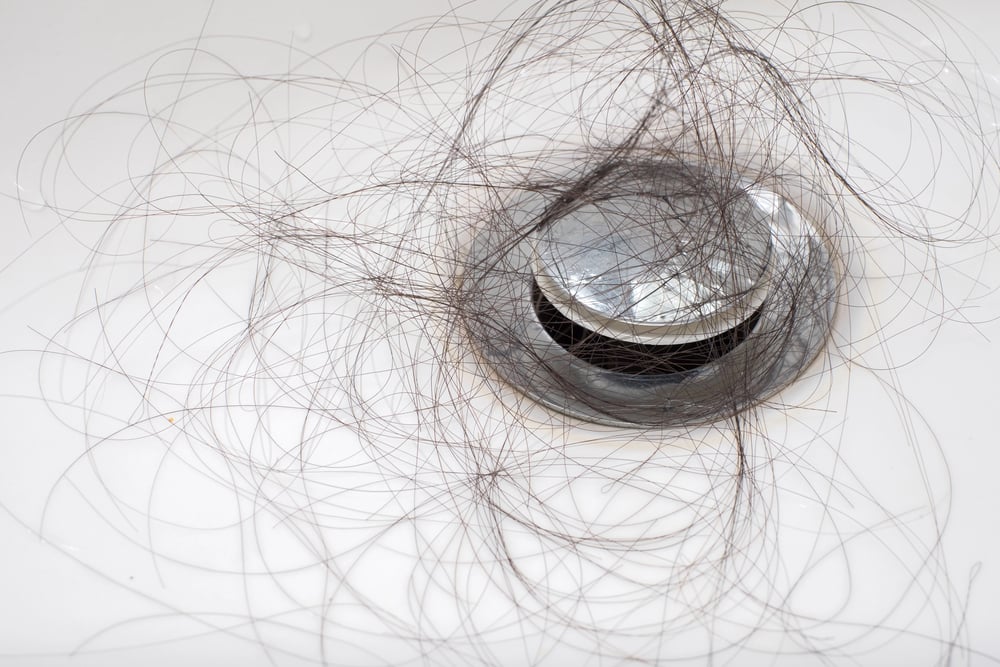
In 1996, Mattel released Cabbage Patch Snacktime Kids, dolls designed to ‘eat’ plastic snacks through motorized jaws. Unfortunately, the mechanism couldn’t distinguish between toy food and children’s hair or fingers, leading to about 100 reported incidents where kids got stuck in the dolls’ mouths.
One parent called them ‘the dolls from hell,’ and another compared them to the murderous Chucky doll from horror movies. Mattel voluntarily recalled all 500,000 Snacktime Kids and offered $40 refunds to customers, pulling the dolls from shelves permanently.
The dolls are now banned from being sold on platforms like eBay due to safety concerns.
Counterfeit Versions Were Fire Hazards

The massive popularity of Cabbage Patch Kids spawned a dangerous black market of knockoff dolls. Consumer advocates warned that fake Cabbage Patch Kids were stuffed with industrial rags and possessed an oily smell from kerosene, making them highly flammable.
Parents were advised to avoid any dolls that reeked of fuel or chemicals. These counterfeit toys posed serious fire risks due to their flammable stuffing materials, creating a safety nightmare for families who unknowingly purchased the bogus versions during the height of the craze.
They Have a Bizarre Origin Story

The official Cabbage Patch Kids mythology involves creatures called BunnyBees – hybrid animals with rabbit ears that fly like bees. According to the legend created by licensing agent Roger Schlaifer, these BunnyBees sprinkle magic crystal dust on mother cabbages, causing Cabbage Patch Kids to be born in a secret cabbage patch.
The story features a young Xavier Roberts following a BunnyBee through a cave behind a waterfall to discover this magical realm. This elaborate fantasy was invented specifically to explain how babies could emerge from vegetables, complete with a character named Otis Lee who serves as the kids’ guide in the cabbage patch world.
Like Go2Tutors’s content? Follow us on MSN.
Seven Different Companies Have Owned Them

Cabbage Patch Kids have been passed between seven different manufacturers throughout their history, making them one of the most frequently traded toy franchises. The brand started with Coleco Industries, then moved to Hasbro after Coleco’s bankruptcy, followed by Mattel, Toys ‘R’ Us, Play Along Toys, JAKKS Pacific, and currently Wicked Cool Toys.
Each company added their own variations and gimmicks, including dolls that played kazoos, birthday-themed versions, and the infamous Snacktime Kids. This corporate musical chairs reflects both the brand’s enduring value and the challenges of maintaining its popularity across decades.
One Doll Went to Space

A Cabbage Patch Kid named Christopher Xavier became the first doll of its kind to journey into outer space as a passenger on the U.S. Space Shuttle. The doll joined NASA’s Young Astronaut Program, representing the brand in one of the most unusual marketing stunts in toy history.
This space mission gave Cabbage Patch Kids a literal out-of-this-world achievement that no other doll franchise can claim. The cosmic adventure added another layer to the already extensive mythology surrounding these adoptable babies.
They Inspired Morbid Parodies

The success of Cabbage Patch Kids inevitably led to satirical versions, most notably Topps’ Garbage Pail Kids trading cards in 1985. Roberts and Original Appalachian Artworks didn’t find much humor in these parodies and pursued legal action against the gross-out cards.
The Garbage Pail Kids featured grotesque versions of the beloved dolls with names like ‘Adam Bomb’ and ‘Dead Ted,’ appealing to children who enjoyed the darker side of the cute doll phenomenon. This legal battle highlighted how protective the brand owners were of their wholesome image, even as the parodies became collectible items in their own right.
Like Go2Tutors’s content? Follow us on MSN.
Adoption Groups Criticized the Marketing

Real adoption organizations spoke out against Cabbage Patch Kids, arguing that the marketing trivialized actual adoptive families and could mislead children into thinking people could be ‘bought’. The adoption community worried that the dolls’ commercial adoption process, complete with certificates and fees, would create unrealistic expectations about human adoption.
Critics felt the toy reduced the serious, emotional process of adoption to a simple transaction. Despite these concerns, the adoption angle remained central to the brand’s identity and continues to be used in marketing today.
They Set Industry Sales Records

Cabbage Patch Kids set every toy industry sales record for three consecutive years, with Coleco shipping a record-breaking 3.2 million dolls and generating $2 billion in retail sales across multiple countries by 1984. The demand was so overwhelming that Coleco actually had to cancel all advertising because they couldn’t keep up with orders.
The brand became one of the most successful children’s licensed product lines of the 1980s, spawning everything from clothing to breakfast cereal. This commercial success established them as one of the longest-running doll franchises in American history.
They Made It to the Toy Hall of Fame

After 40 years of delighting children worldwide, Cabbage Patch Kids were inducted into the Toy Hall of Fame in Rochester, New York in 2023. The recognition came based on three criteria: recognizability, play value, and the number of people who grew up with the toys.
According to Mattel, more than 80 million Cabbage Patch Kids have been ‘adopted’ by children throughout the world since 1983. This honor places them alongside other iconic toys like LEGO, Barbie, and teddy bears as officially recognized cultural treasures.
Like Go2Tutors’s content? Follow us on MSN.
More Than Toys: An Enduring Cultural Legacy

From their disputed origins to their induction into the Toy Hall of Fame, Cabbage Patch Kids have proven to be far more complex than simple children’s playthings. Their story encompasses corporate battles, safety scandals, cultural phenomena, and genuine innovation in toy marketing.
While most people remember them fondly as cuddly adoption fantasies, the reality involves everything from dangerous mechanical jaws to international legal disputes. These unusual facts reveal how a simple doll concept evolved into a multi-billion dollar franchise that continues to surprise and sometimes shock nearly five decades after its creation.
More from Go2Tutors!

- 16 Historical Figures Who Were Nothing Like You Think
- 12 Things Sold in the 80s That Are Now Illegal
- 15 VHS Tapes That Could Be Worth Thousands
- 17 Historical “What Ifs” That Would Have Changed Everything
- 18 TV Shows That Vanished Without a Finale
Like Go2Tutors’s content? Follow us on MSN.



