15 Board Games That Were Banned by Governments
Throughout history, governments have been surprisingly particular about what their citizens can play during game night. From ancient civilizations to modern nations, board games have faced censorship for reasons ranging from religious objections to political concerns.
Some bans lasted centuries, while others were lifted after just a few years. The following games represent some of the most notable examples of tabletop entertainment that crossed the wrong lines with authorities.
Here is a list of 15 board games that governments have banned at various points in history.
Chess

In 1005, chess was banned in Egypt by al-Hakim bi-Amr Allah (985-1021), and chess sets and pieces were ordered burned. This wasn’t an isolated incident either.
Several medieval rulers found chess problematic, viewing it as a distraction from religious duties or military training. In the late 12th century, Casimir II (1138-1194), King of Poland, banned chess.
Monopoly

Russia was part of the Soviet Union, Monopoly was banned in the country for the same reasons that it was in China and Cuba – the country didn’t want a game built around capitalism to clash with its communist ideals. The irony wasn’t lost on many that a game about property acquisition would be unwelcome in communist states.
Monopoly is cited as the board game played most often and most duplicated via handmade copies in the former German Democratic Republic.
Juden Raus

“If you are the first to expel six Jews,” reads the game’s original rules, “you are the undoubted winner.” This deeply offensive 1930s German game was banned in multiple countries after World War II.
Its hateful premise made it one of the most universally condemned board games ever created. Most civilized nations banned it immediately upon learning of its existence.
Public Assistance

A decade ago, he and Ron Pramschufer, a friend, designed two controversial games, Public Assistance and Capital Punishment, spoofing welfare and the criminal justice system. This game sparked outrage for its portrayal of welfare recipients and was banned from numerous stores.
This time, Bob Johnson plans to market his board games as “the games that were banned in the ’80s.”
Escape From Colditz
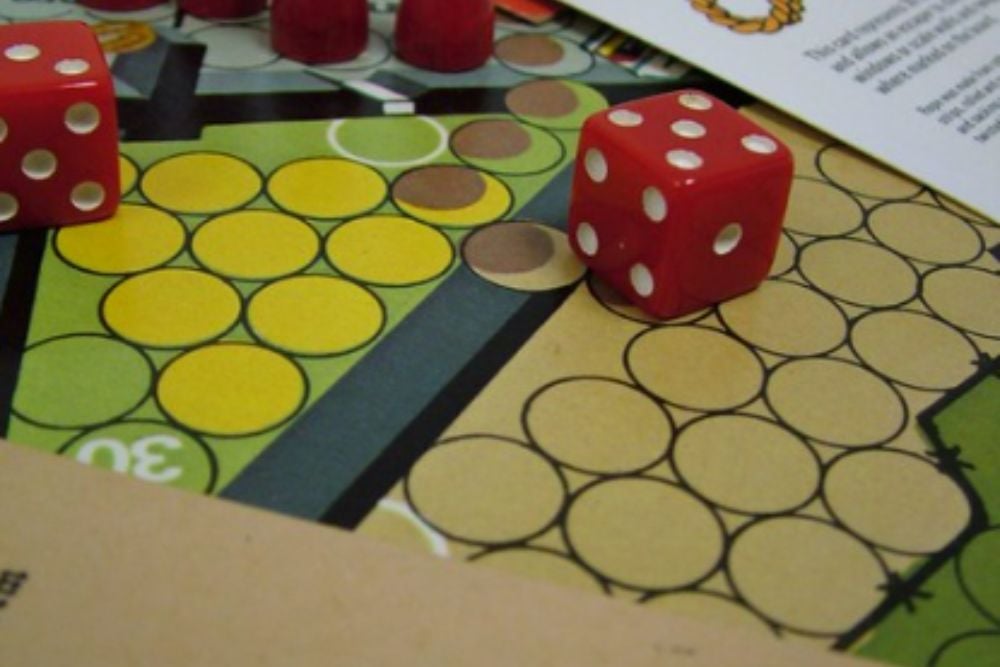
Understandably, Escape From Colditz caused a stir, especially in Germany. The original game had a swastika on the box.
Germany’s strict laws regarding Nazi imagery made this World War II-themed game problematic. The rules around Nazi memorabilia, particularly swastikas, are complicated in Germany, and the game was banned for this reason.
Gay Monopoly

This unofficial variant of Monopoly emerged in the 1980s and faced immediate censorship in numerous locations. Conservative communities found the game’s celebration of LGBTQ+ culture offensive, leading to widespread bans in stores and public venues.
The game used rainbow-colored money and featured properties like ‘Fire Island’ instead of traditional Monopoly locations.
Ghettopoly

This controversial parody of Monopoly replaced traditional properties with stereotypical inner-city locations and used offensive racial imagery. The game faced immediate backlash and bans from major retailers across the United States.
Even the original Monopoly manufacturer, Hasbro, took legal action to prevent its distribution.
Killer
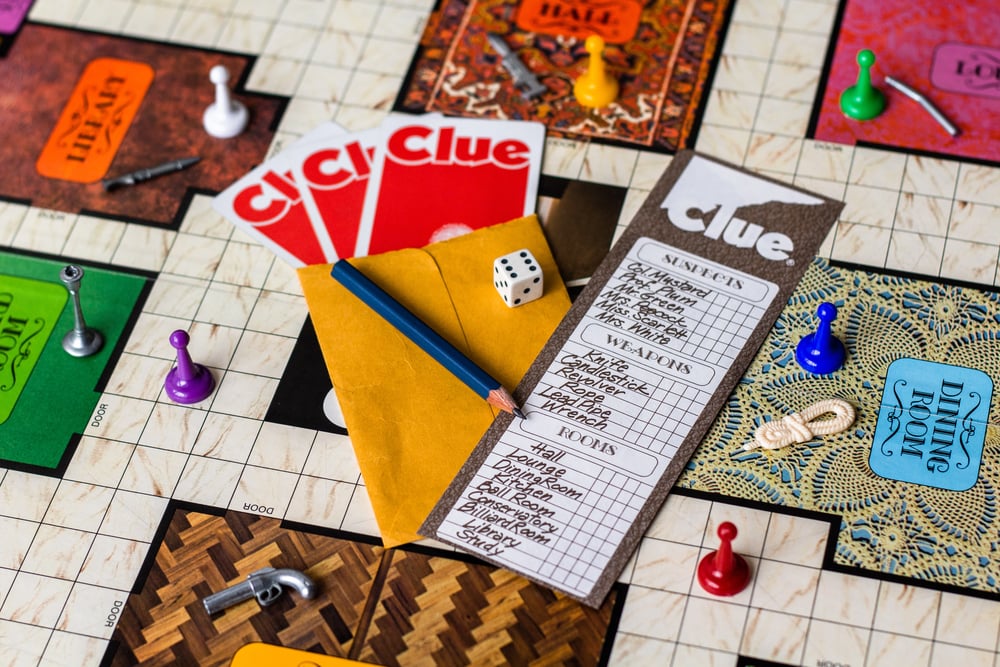
This assassination-themed party game involved players secretly eliminating each other using various creative methods. Several schools banned the game after incidents where the pretend violence spilled into real-world harassment.
Universities and workplaces also prohibited the game due to concerns about creating hostile environments.
Serial Killer
This macabre board game tasked players with committing fictional murders and avoiding capture by law enforcement. Multiple countries banned the game for glorifying violence against innocent people.
Child psychologists raised concerns about the game’s potential impact on developing minds, leading to additional restrictions.
The Sinking of the Titanic
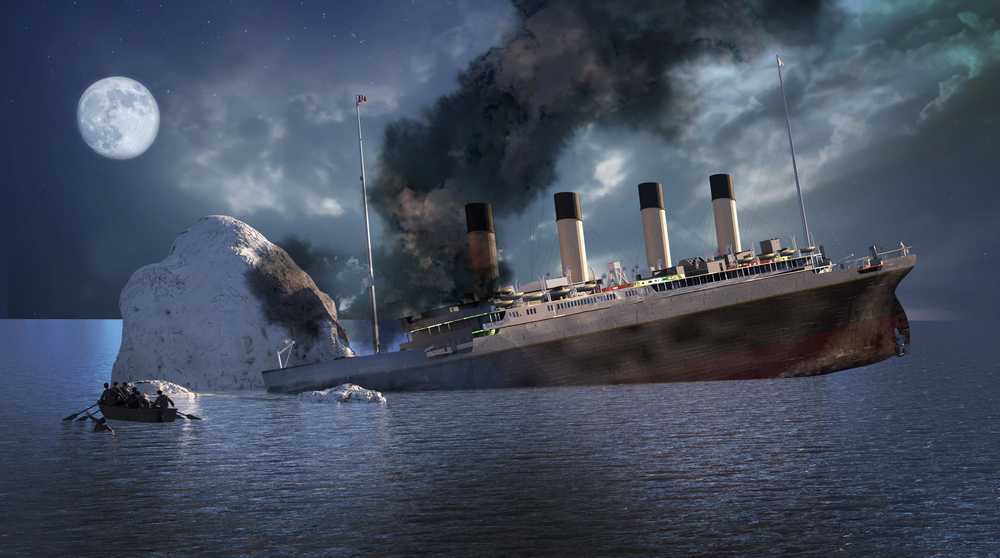
This game recreated the famous maritime disaster, with players attempting to escape the doomed ship. Families of Titanic victims found the game deeply offensive, leading to bans in several countries.
The timing of its release, close to the disaster’s anniversary, made the controversy even more intense.
Capital Punishment
Another creation from the makers of Public Assistance, this game simulated the death penalty process in America. Religious groups and human rights organizations successfully campaigned for its removal from store shelves.
The game’s graphic depiction of execution methods particularly disturbed critics.
What Shall I Be? The Exciting Game of Career Girls

This 1960s board game was later banned in several progressive communities for its limited and stereotypical career options for women. The game reinforced outdated gender roles by offering careers like ‘airline hostess’ and ‘nurse’ while excluding professional options.
Modern feminist groups successfully lobbied for its removal from toy stores.
Bombshell

This party game involved players making inappropriate comments about each other, often crossing into harassment territory. College campuses banned the game after multiple incidents of gameplay leading to real conflicts between students.
The game’s mechanics encouraged personal attacks disguised as entertainment.
Hart an der Grenze

This German board game simulated life near the Berlin Wall, with players attempting to escape East Germany. The East German government banned the game immediately, viewing it as Western propaganda.
Even after reunification, some considered the game’s portrayal of communist life too politically charged for comfort.
Queue

This Soviet-era game recreated the experience of waiting in long lines for basic goods, something many citizens knew all too well. The game was banned in several Eastern Bloc countries for highlighting the failures of communist economic systems.
Authorities viewed it as criticism disguised as entertainment.
When Games Become Political Statements
These banned games reveal how entertainment can reflect and challenge societal values across different eras. What seems harmless to some can represent dangerous ideas to others, especially when political tensions run high.
The fact that simple board games could threaten governments speaks to the power of play in shaping cultural conversations. Today’s controversial games might become tomorrow’s historical curiosities, reminding us that even our leisure activities carry deeper meaning than we might realize.
More from Go2Tutors!

- The Romanov Crown Jewels and Their Tragic Fate
- 13 Historical Mysteries That Science Still Can’t Solve
- Famous Hoaxes That Fooled the World for Years
- 15 Child Stars with Tragic Adult Lives
- 16 Famous Jewelry Pieces in History
Like Go2Tutors’s content? Follow us on MSN.