15 Brands That Quietly Became Premium
Remember when certain brands were just regular everyday options? Over the years, some companies have undergone remarkable transformations, elevating their status from ordinary to luxury without making a big fuss about it. They’ve refined their products, reimagined their image, and repositioned themselves in the market—all while many consumers barely noticed the shift happening.
Here is a list of 15 brands that have subtly evolved from mainstream to premium, transforming their market position without shouting about it from the rooftops.
Levi’s
Once the working person’s denim, Levi’s has stealthily climbed the fashion ladder to become a premium brand charging $200+ for certain jeans. The company masterfully leveraged its authentic American heritage while introducing limited editions and designer collaborations.
Their vintage-inspired collections now compete with luxury denim brands in high-end department stores, a far cry from their utilitarian roots supplying miners during the Gold Rush.
Toyota
Toyota built its reputation on reliability and practicality, but quietly evolved into the premium space with its Lexus division and upscale models. Even within its core lineup, vehicles like the Avalon and higher-trim Highlanders offer luxury features that rival European imports at a fraction of the price.
The company maintained its value-oriented image while gradually introducing premium materials, sophisticated technology, and refined driving experiences.
Like Go2Tutors’s content? Follow us on MSN.
Ikea
The Swedish furniture giant known for affordable flat-pack furnishings has steadily introduced higher-end collections without abandoning its budget-friendly roots. Their Stockholm and Sinnerlig collections feature premium materials like walnut, brass, and hand-woven rattan that wouldn’t look out of place in design magazines.
IKEA has managed this transition by maintaining its democratic design philosophy while quietly elevating quality and aesthetics for consumers willing to spend more.
Starbucks
From a single coffee shop in Seattle’s Pike Place Market to a global premium beverage company, Starbucks transformed coffee from a commodity into an experiential luxury. Their Reserve Roasteries and limited-edition beans can command prices that would have seemed absurd twenty years ago.
The company created an entire language and culture around coffee consumption that positioned it as an affordable luxury rather than just a morning caffeine fix.
Target
Once viewed as just another discount retailer, Target has successfully repositioned itself as ‘affordable premium’ through clever designer collaborations and its own upscale store brands. Collections like Threshold and Project 62 offer design-forward home goods that look far more expensive than they actually are.
Target’s transformation happened gradually through store redesigns, improved product quality, and a carefully cultivated image that separates it from other mass-market retailers.
Like Go2Tutors’s content? Follow us on MSN.
Carhartt
Originally workwear for railroad workers and construction crews, Carhartt items now appear in high-end streetwear stores and fashion runways. Their Work In Progress (WIP) line commands premium prices and collaborates with luxury brands like A.P.C.
The brand’s authenticity and durability appealed to fashion-conscious consumers seeking substance over flash, allowing them to maintain their working-class credibility while charging boutique prices.
Chipotle
What started as a simple burrito joint has evolved into a premium fast-casual concept that positions itself well above traditional fast food. Their emphasis on ‘food with integrity’ and sustainable sourcing created a new category that justified higher prices.
Chipotle transformed fast food expectations by focusing on ingredient quality and transparency long before it was trendy, allowing them to command prices nearly double those of traditional quick-service restaurants.
New Balance
Once the decidedly unstylish choice of suburban dads, New Balance has undergone a remarkable transformation into a premium sneaker brand. Their Made in USA and Made in UK lines feature superior materials and craftsmanship that justify prices reaching well over $200.
The brand maintained its commitment to quality and comfort while gradually becoming a fashion statement through smart collaborations and retro designs that caught the attention of sneakerheads and fashion influencers.
Like Go2Tutors’s content? Follow us on MSN.
Coors
Coors was long considered a basic domestic beer, but repositioned itself with Blue Moon and its craft-inspired offerings to capture the premium segment. The company recognized the growing craft beer movement early and adapted by creating more sophisticated brews with higher price points.
While maintaining its mainstream products, Coors quietly built a portfolio of premium options that appeal to more discerning beer enthusiasts.
Marriott
The once middle-of-the-road hotel chain has steadily expanded into the luxury space with brands like Edition, W Hotels, and The Ritz-Carlton. Their loyalty program integration allows customers to move seamlessly between price points while maintaining a relationship with the parent company.
Marriott’s transformation happened through strategic acquisitions and new brand development rather than trying to reposition their namesake properties, allowing them to capture premium travelers without alienating their core business customers.
Fisher-Price

This childhood staple has quietly introduced premium lines of toys and baby equipment that command significantly higher prices than their standard offerings. Their modern designs and emphasis on developmental benefits appeal to millennial parents willing to invest more in their children’s early years.
The brand leveraged its trusted reputation for safety and durability to expand into the premium space with products featuring sustainable materials and contemporary aesthetics.
Like Go2Tutors’s content? Follow us on MSN.
Subaru
Once known primarily for practical, somewhat quirky all-wheel-drive vehicles, Subaru has steadily moved upmarket with more refined interiors and sophisticated technology. Their higher trim models now offer luxury features that rival premium European brands while maintaining their reputation for reliability and outdoor capability.
The company’s transformation has been so subtle that many owners don’t realize they’re driving vehicles that compete with entry-level luxury models.
Champion
This basic athletic wear brand experienced a remarkable resurgence, transitioning from discount store staple to premium streetwear label. Collaborations with designers like Supreme and Off-White positioned Champion as a heritage brand worth premium prices.
What once sold for $20 at big box stores now commands $100+ in boutiques, all while maintaining essentially the same core products and recognizable ‘C’ logo that’s been around for decades.
Lululemon
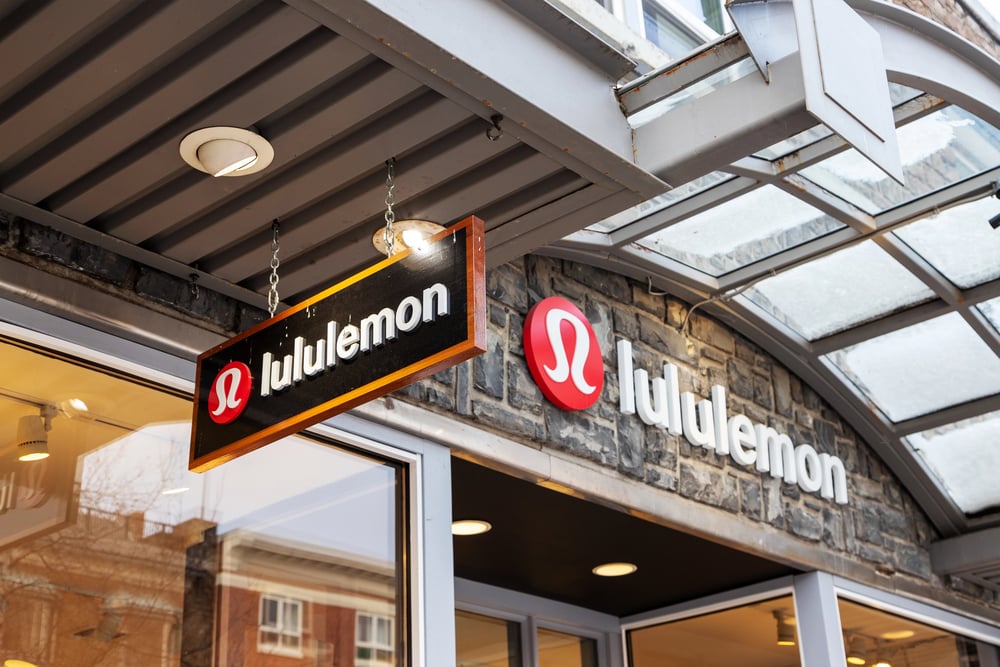
Starting as a yoga-specific clothing brand, Lululemon has expanded into a premium lifestyle empire with prices that far exceed typical athletic wear. Their careful control of distribution and reluctance to discount merchandise helped maintain an exclusive image.
The brand turned basic athletic staples like leggings into status symbols by emphasizing technical fabrication and creating a community around their products that justified prices sometimes triple those of competitors.
Like Go2Tutors’s content? Follow us on MSN.
Yeti

The cooler company transformed an ordinary product category into a premium status symbol through superior performance and clever branding. Their heavy-duty coolers and drinkware command prices many times higher than traditional alternatives.
Yeti recognized that outdoor enthusiasts would pay premium prices for genuinely superior performance, then expanded that reputation into adjacent product categories while maintaining their rugged, adventure-ready image.
The Quiet Luxury Revolution

These brands demonstrate that premium status doesn’t always arrive with fanfare and flashy marketing campaigns. Instead, these companies gradually elevated their offerings through improved quality, thoughtful design, and strategic positioning.
They found the sweet spot between accessibility and exclusivity, allowing everyday consumers to experience a touch of luxury without the intimidation of traditional high-end brands. As consumers continue seeking meaningful quality over obvious status symbols, expect more brands to follow this path of quiet elevation—becoming premium while hardly anyone notices it happening.
More from Go2Tutors!

- 18 Unexpectedly Valuable Collectibles You Might Have Lying Around
- 15 Things Every Teenager in the ’70s Did That Teens Today Wouldn’t Understand
- 15 Strange Things People Have Tried to Ban (And Failed)
- 15 Inventions That Were Immediately Banned After Being Created
- 20 Actors Who Were Almost Cast in Iconic Roles
Like Go2Tutors’s content? Follow us on MSN.