15 Most Famous Firsts In History
Something shifts when one person steps ahead of everyone else. Not every change gets noticed right away, yet each begins the same way – unseen, until it isn’t.
A quiet act today might be common tomorrow, only because someone tried it while silence still ruled. What seems natural now once felt impossible, strange, out of reach.
Firsts don’t announce themselves – they simply happen, often without warning. Curiosity pulls harder than fear, sometimes enough to move whole worlds forward.
Something about these “firsts” grabs attention – not only because they’re new, but because they shift what comes next without making noise. After one limit breaks, it almost never gets rebuilt.
Peering into the past reveals 15 groundbreaking moments that shifted everything. Each one arrived quietly – then altered how life unfolded from that point on.
The First Powered Flight

When the Wright brothers achieved the first powered flight in 1903, it lasted just 12 seconds. By modern standards, it sounds almost underwhelming, yet it marked the beginning of a completely new era of transportation.
Their aircraft, the Flyer, proved that controlled, sustained flight was possible. Even so, the real impact came later, as aviation rapidly evolved into a global industry.
That brief moment in the air redefined how distance and travel would be understood.
The First Man On The Moon
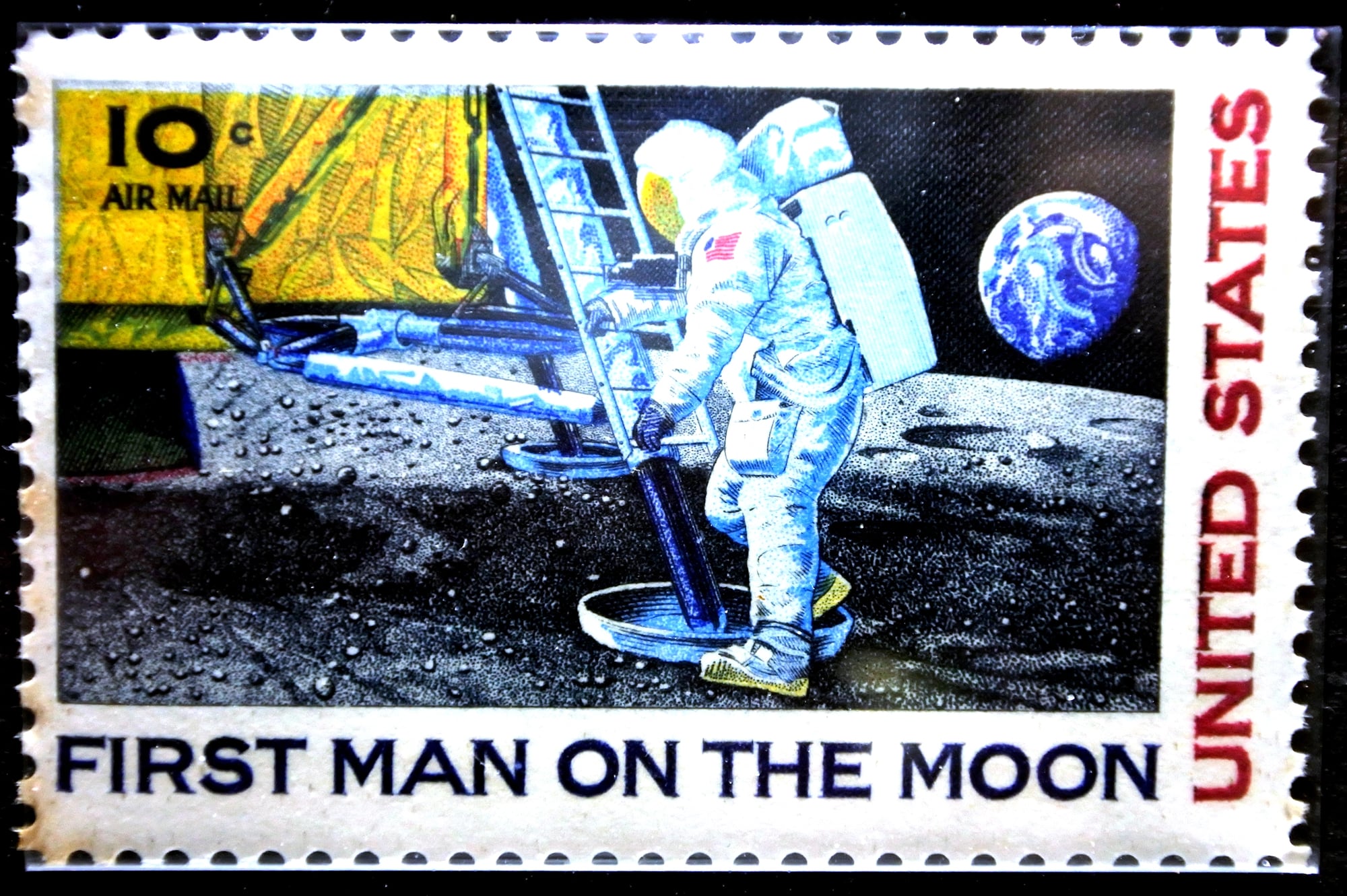
In 1969, Neil Armstrong stepped onto the surface of the moon, marking one of the most watched moments in history. The Apollo 11 mission represented years of intense competition, innovation, and risk.
Armstrong’s first step wasn’t just symbolic—it confirmed that humans could leave Earth and reach another world. Still, the achievement went beyond space exploration, influencing technology, science, and global perception of possibility.
It turned imagination into something tangible.
The First Printed Book
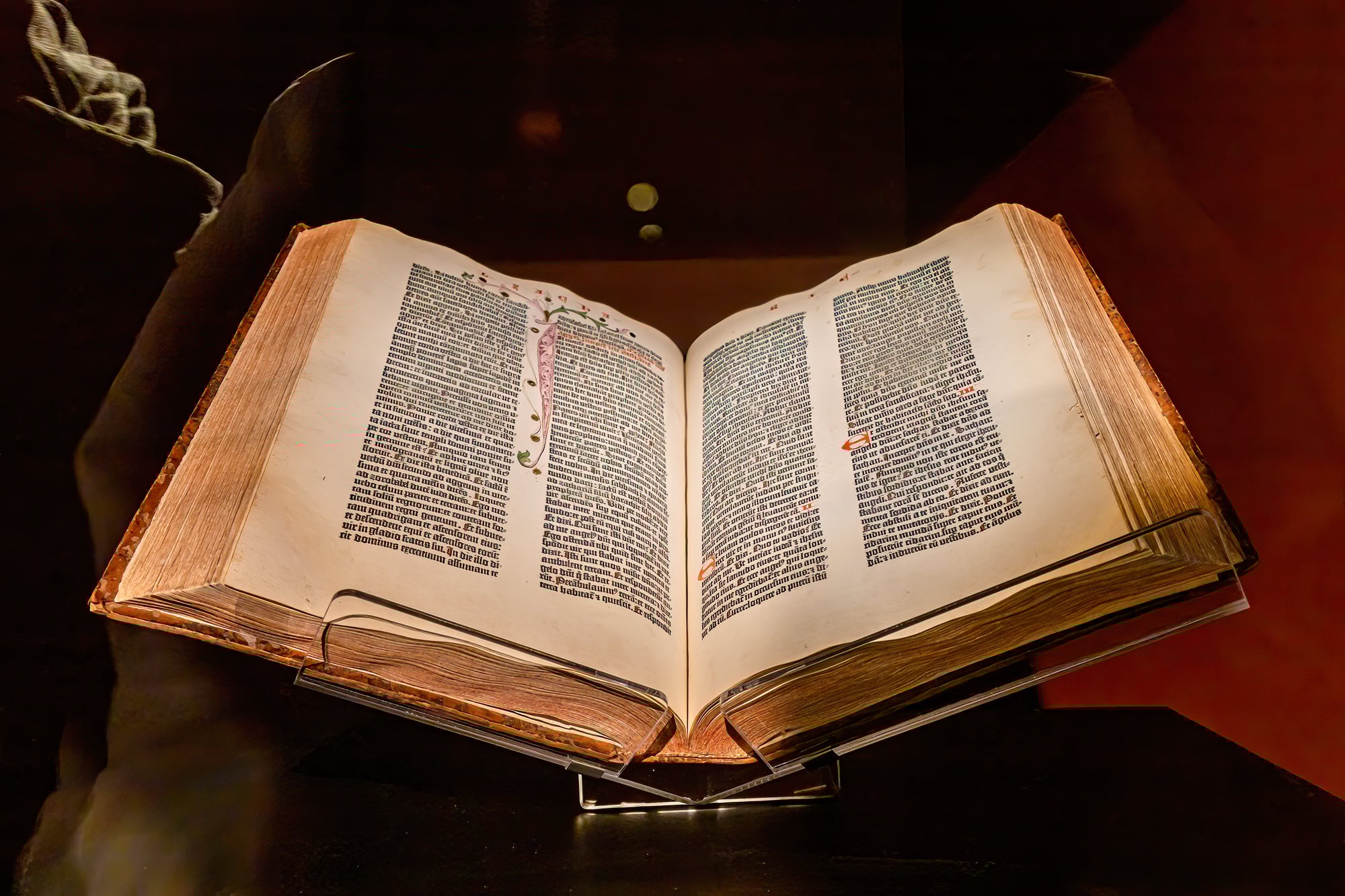
Johannes Gutenberg’s printing press in the 15th century made it possible to produce books on a scale never seen before. The Gutenberg Bible is often considered the first major printed book using movable type.
Before this, texts were copied by hand, making them rare and expensive. The printing press changed that entirely, allowing knowledge to spread more freely.
Even so, its broader effect was cultural, shaping education and communication for centuries.
The First Successful Vaccine

Edward Jenner’s development of the smallpox vaccine in 1796 marked a turning point in medical history. By using material from cowpox, he demonstrated a way to protect people from a far more dangerous disease.
At the time, the idea was met with skepticism, yet it laid the foundation for modern immunology. Still, its long-term impact is undeniable, contributing to the eventual eradication of smallpox.
It showed that prevention could be just as powerful as treatment.
The First Telephone Call
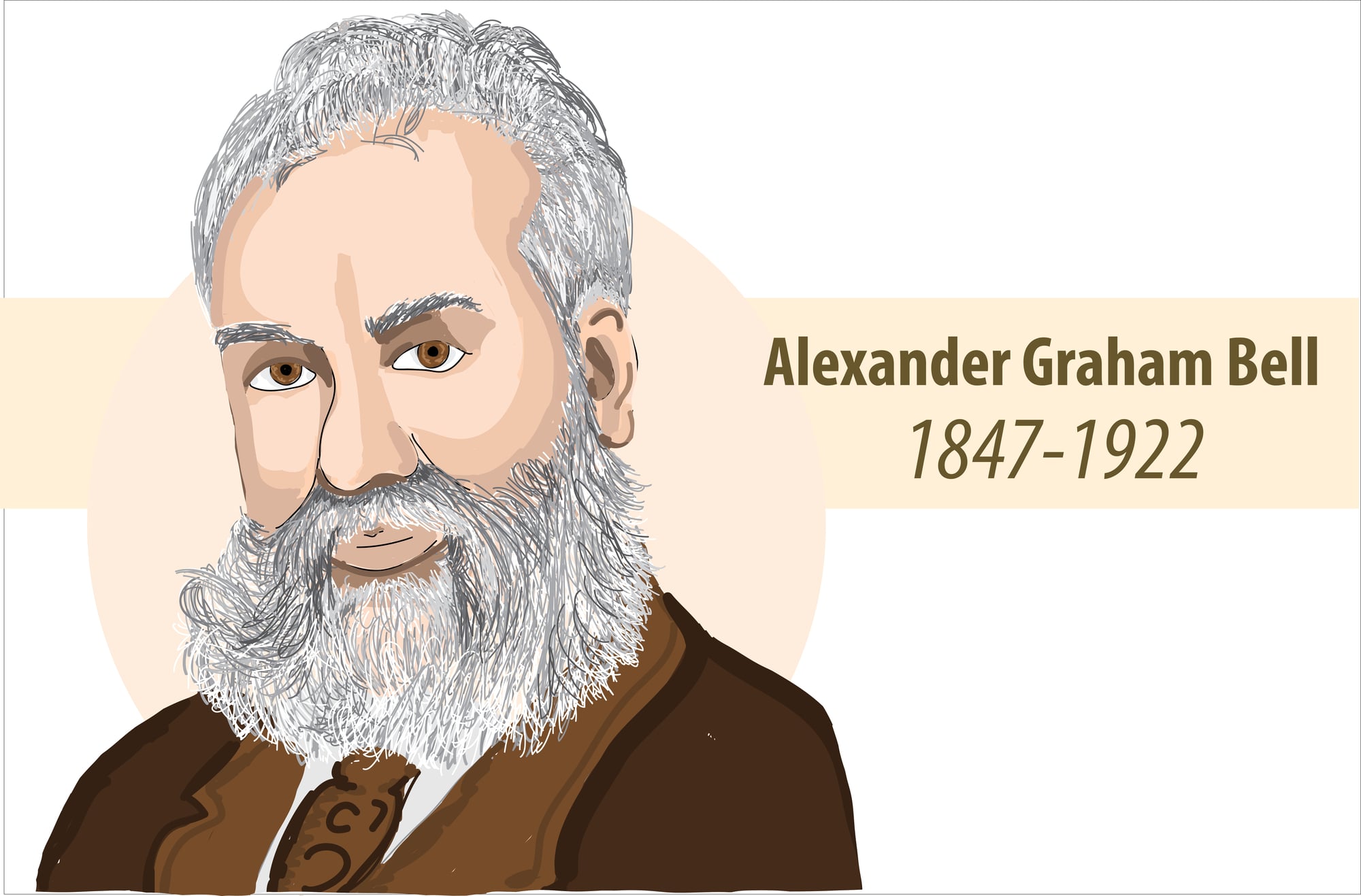
Alexander Graham Bell’s first successful telephone call in 1876 changed communication forever. His famous words to his assistant marked the beginning of real-time voice communication over distance.
Before this, messages relied on written or coded transmission. The telephone introduced immediacy, making conversations possible across vast spaces.
Even so, its influence continues today, shaping how people connect in increasingly advanced ways.
The First Powered Automobile

Karl Benz is credited with creating the first practical automobile in 1885. His invention replaced horse-drawn transport with a self-propelled vehicle powered by an internal combustion engine.
At first, it was seen as a novelty rather than a necessity. Over time, however, it transformed cities, industries, and daily life.
Still, its introduction marked the beginning of a shift toward mobility that continues to evolve.
The First Computer
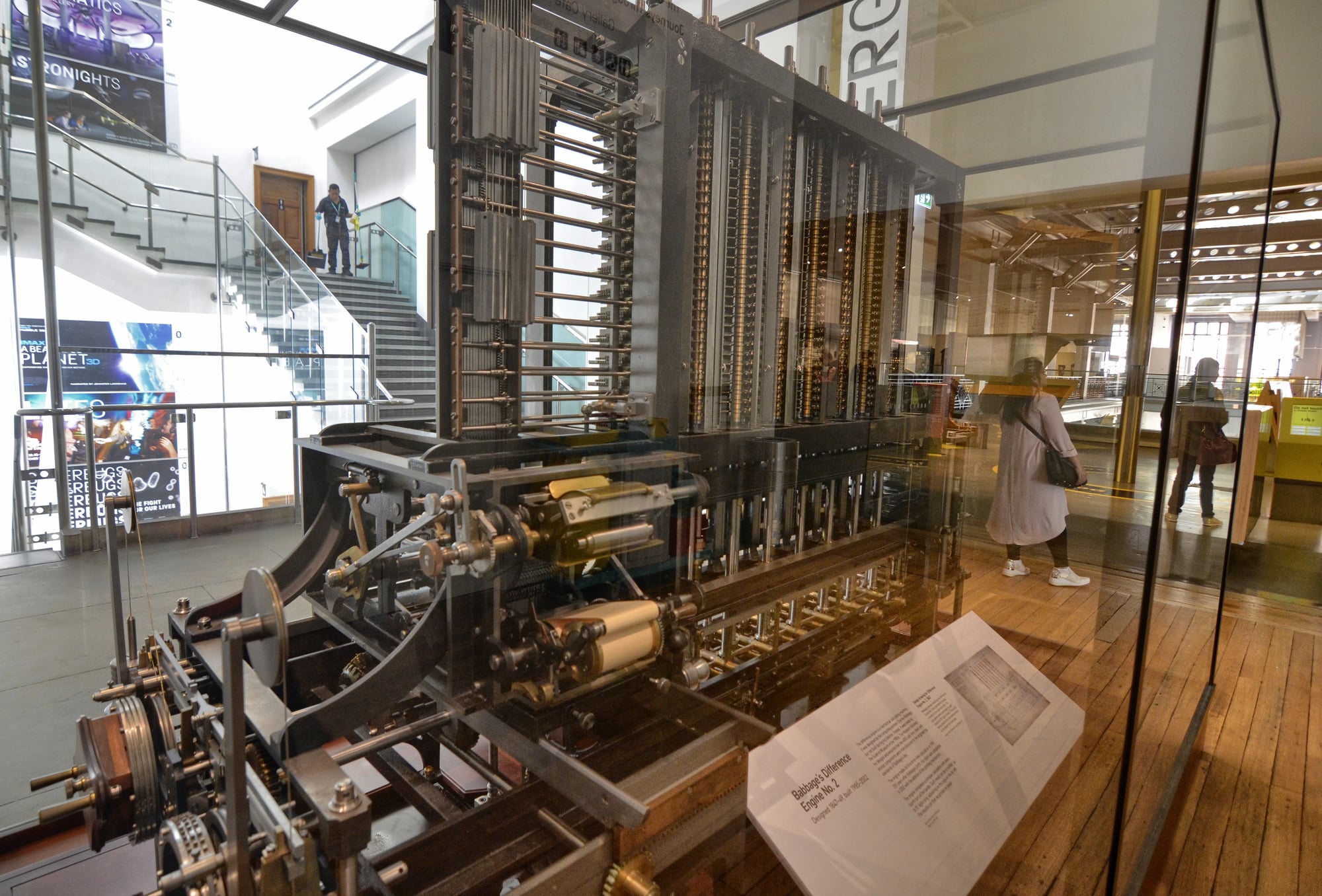
The concept of the first computer depends on definition, but early machines like ENIAC in the 1940s laid the groundwork for modern computing. These systems were massive, complex, and limited in function compared to today’s devices.
Even so, they introduced the idea of programmable machines capable of solving complex problems. That foundation led to rapid advancements in technology.
What began as room-sized equipment eventually became something carried in a pocket.
The First Email

The first email was sent by Ray Tomlinson in 1971, marking the beginning of digital communication as it’s known today. The message itself was simple, but the system behind it introduced a new way to exchange information instantly.
It also established the use of the ‘@’ symbol in email addresses, which remains standard. Still, the significance lies in how it paved the way for modern online interaction.
It quietly reshaped communication habits worldwide.
The First Artificial Satellite
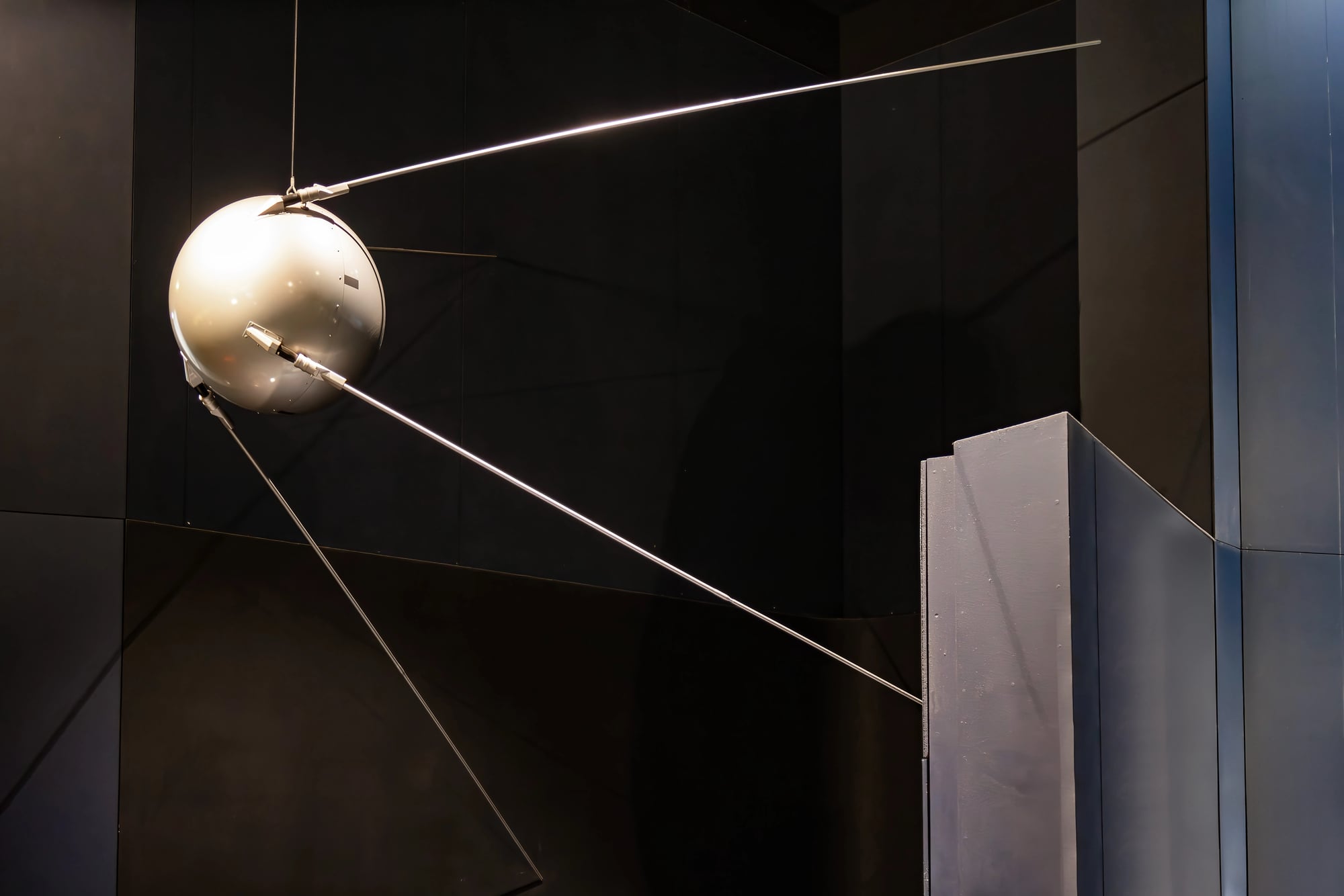
Sputnik 1, launched by the Soviet Union in 1957, became the first artificial satellite to orbit Earth. Its launch signaled the start of the space age and intensified global competition in science and technology.
The satellite itself was small, but its impact was enormous. It demonstrated that objects could be placed into orbit, opening the door to countless applications.
Even so, it also shifted geopolitical dynamics in lasting ways.
The First Heart Transplant

In 1967, Dr. Christiaan Barnard performed the first successful human heart transplant in South Africa. The procedure was groundbreaking, pushing the boundaries of what medicine could achieve.
While early survival rates were limited, the operation proved that such transplants were possible. Over time, advancements improved outcomes significantly.
Still, that first surgery remains a defining moment in medical innovation.
The First Television Broadcast
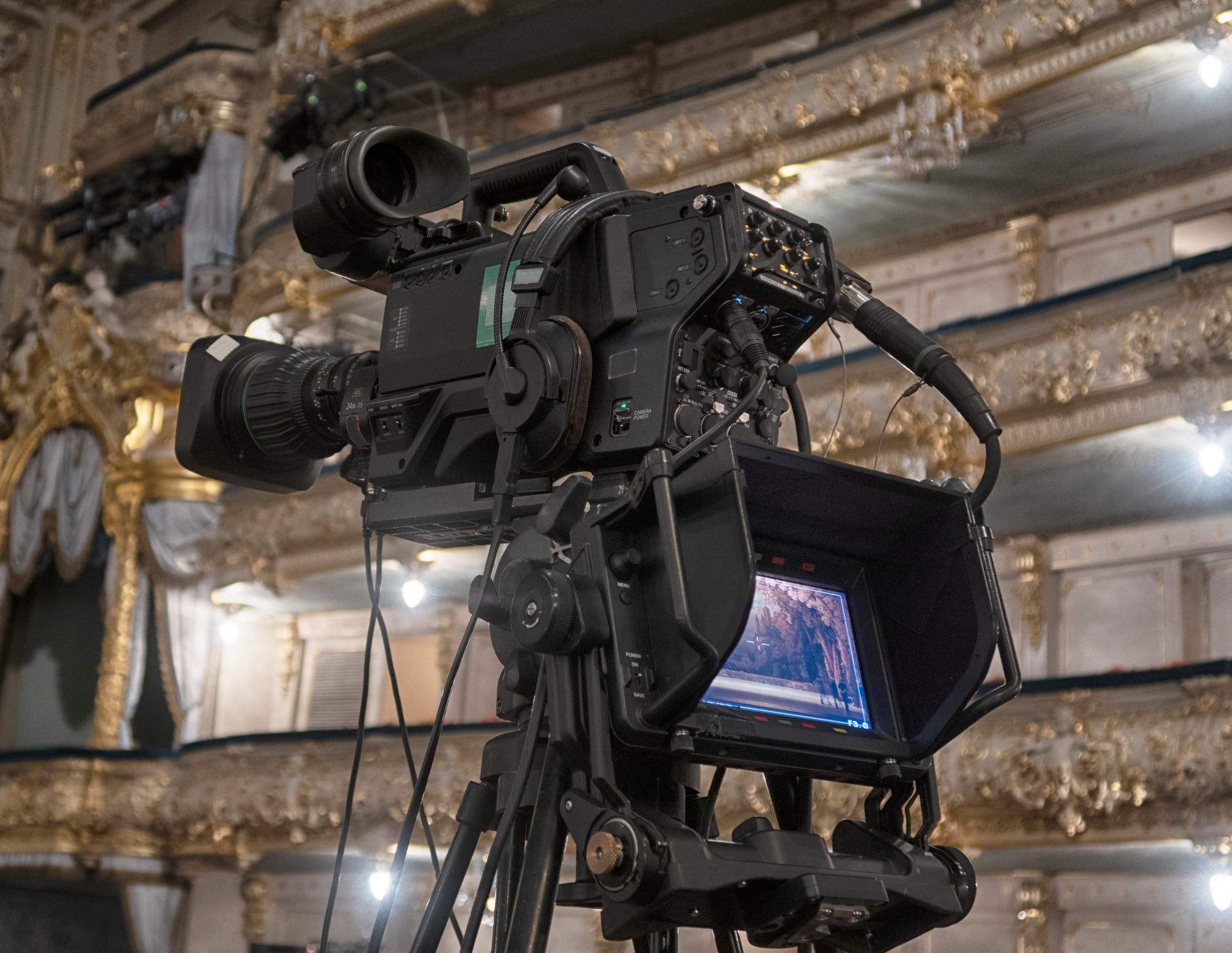
The first television broadcasts in the early 20th century introduced a new way of sharing information and entertainment. Unlike radio, television combined sound with moving images, creating a more immersive experience.
Early broadcasts were limited in scope, but they quickly expanded. Even so, technology transformed how people consumed media.
It brought events, stories, and news directly into homes.
The First Internet Website

The first website went live in 1991, created by Tim Berners-Lee. It was simple, focused on explaining how the World Wide Web worked.
At the time, few could have predicted how rapidly the internet would grow. Still, that initial page marked the beginning of a digital ecosystem that now shapes nearly every aspect of life.
It turned information into something instantly accessible.
The First Woman In Space

Valentina Tereshkova became the first woman to travel into space in 1963. Her mission challenged existing assumptions about who could participate in space exploration.
It also highlighted broader social and political dynamics of the time. Even so, her achievement opened doors for future generations of women in science and engineering.
It remains a milestone in both space history and gender representation.
The First DNA Structure Discovery
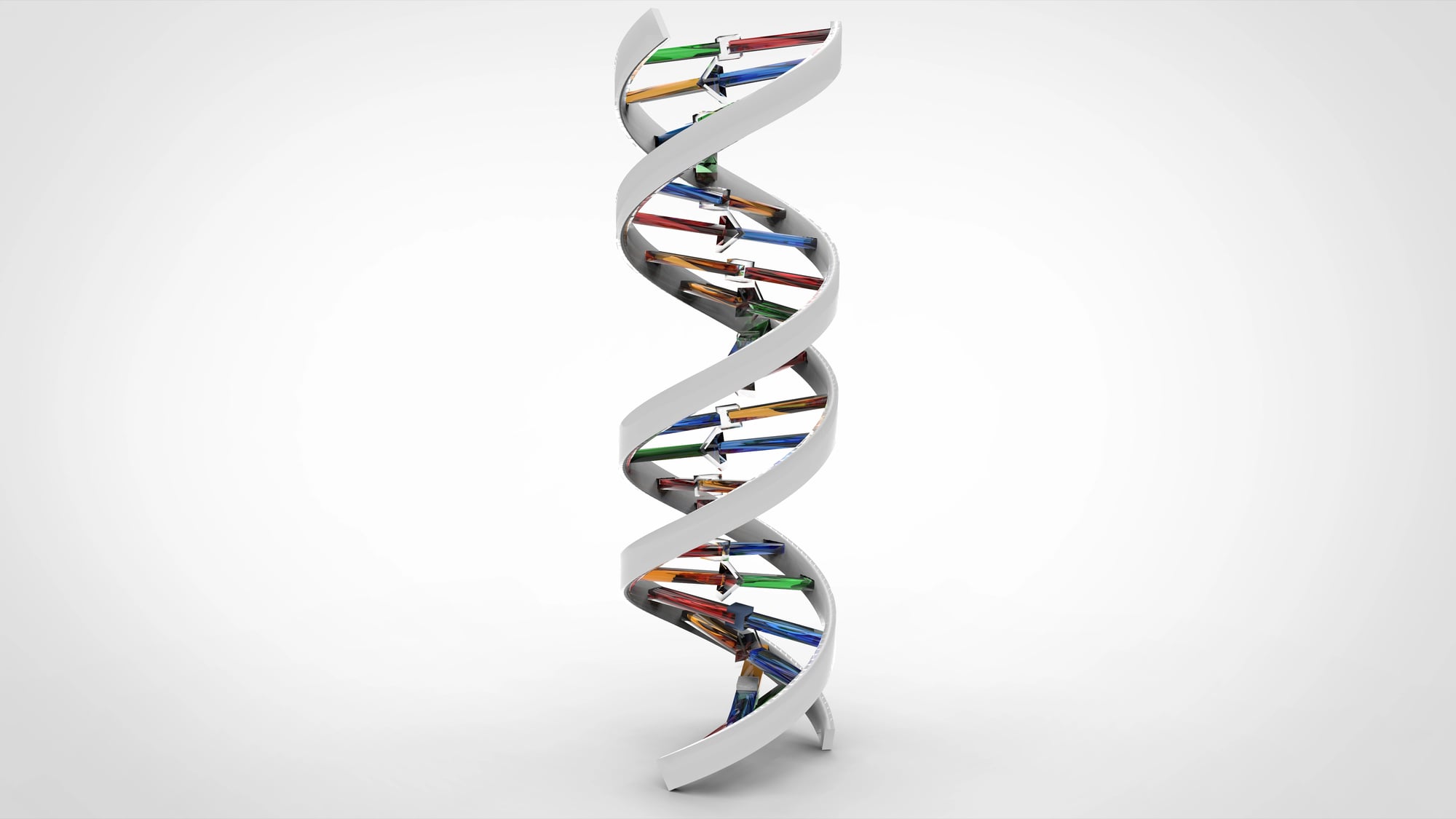
In 1953, James Watson and Francis Crick identified the double helix structure of DNA. This discovery provided a clearer understanding of how genetic information is stored and passed on.
It became a cornerstone of modern biology and medicine. Still, its implications continue to unfold, influencing fields from genetics to forensic science.
It reshaped how life itself is understood.
The First Social Media Platform

Early platforms like Six Degrees in the late 1990s introduced the concept of connecting people online through profiles and networks. While primitive compared to today’s standards, they laid the groundwork for modern social media.
The idea of digital identity and interaction began to take shape. Even so, the long-term impact has been profound, influencing communication, culture, and relationships worldwide.
Where Firsts Continue To Lead

Out of nowhere, big beginnings lose their shine when they settle into daily routines. At some point, what shocked the world slips quietly into normal tasks, barely noticed now.
Still, every single one started where doubt met change and stepped forward. Still the same rhythm.
Quiet moments keep unfolding into major breakthroughs, later revealing their weight. Milestones sit in hindsight, not only marking progress but showing how fast the unusual fades into daily life.
Every beginning holds a quiet power to shift what comes after.
More from Go2Tutors!

- The Romanov Crown Jewels and Their Tragic Fate
- 13 Historical Mysteries That Science Still Can’t Solve
- Famous Hoaxes That Fooled the World for Years
- 15 Child Stars with Tragic Adult Lives
- 16 Famous Jewelry Pieces in History
Like Go2Tutors’s content? Follow us on MSN.