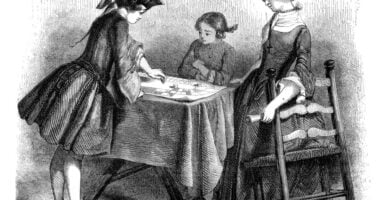
15 Cafes Where Revolutionary Ideas Were Born
The world’s greatest revolutions didn’t always start in grand halls or government buildings. Many of history’s most transformative ideas began over steaming cups of coffee in small, bustling cafes where thinkers, writers, and rebels gathered to debate the future.
These humble establishments became incubators for movements that would reshape entire civilizations, proving that sometimes the most powerful weapon against the status quo is a good conversation and strong caffeine. From political upheavals to artistic breakthroughs, these coffee houses served as neutral ground where dangerous ideas could flourish away from prying eyes.
Here is a list of 15 cafes where revolutionary concepts first took root and eventually changed the world.
Cafe Procope, Paris
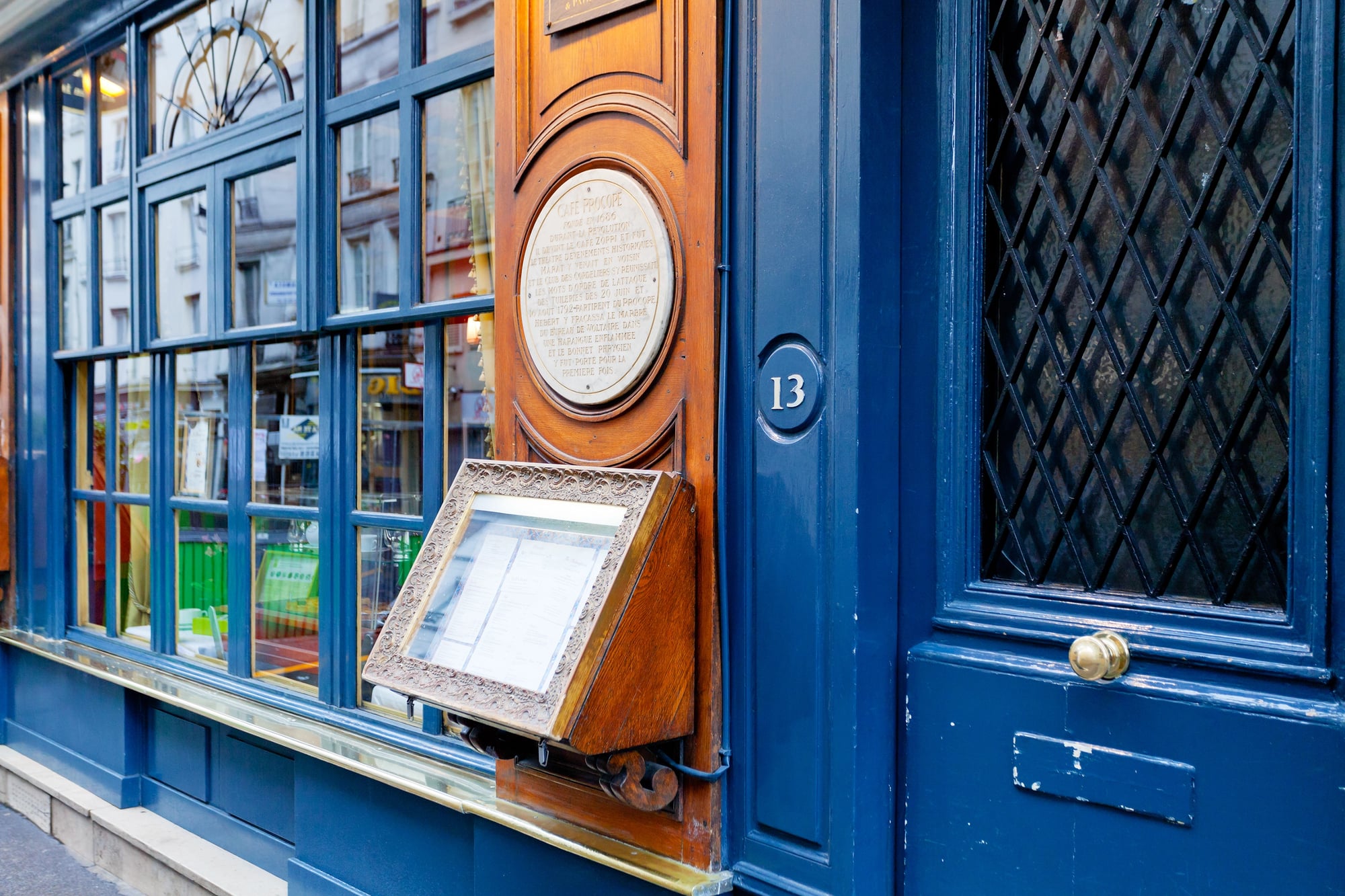
Founded in 1686, Cafe Procope became the unofficial headquarters of the French Enlightenment, where Voltaire, Rousseau, and Diderot gathered to discuss philosophy and challenge royal authority. The cafe’s walls witnessed conversations that would later fuel the French Revolution, as intellectuals debated concepts of liberty, equality, and popular sovereignty over their morning coffee.
By the time revolutionaries stormed the Bastille, many of their core ideas had already been refined through years of heated discussions at Procope’s marble-topped tables.
Lloyd’s Coffee House, London
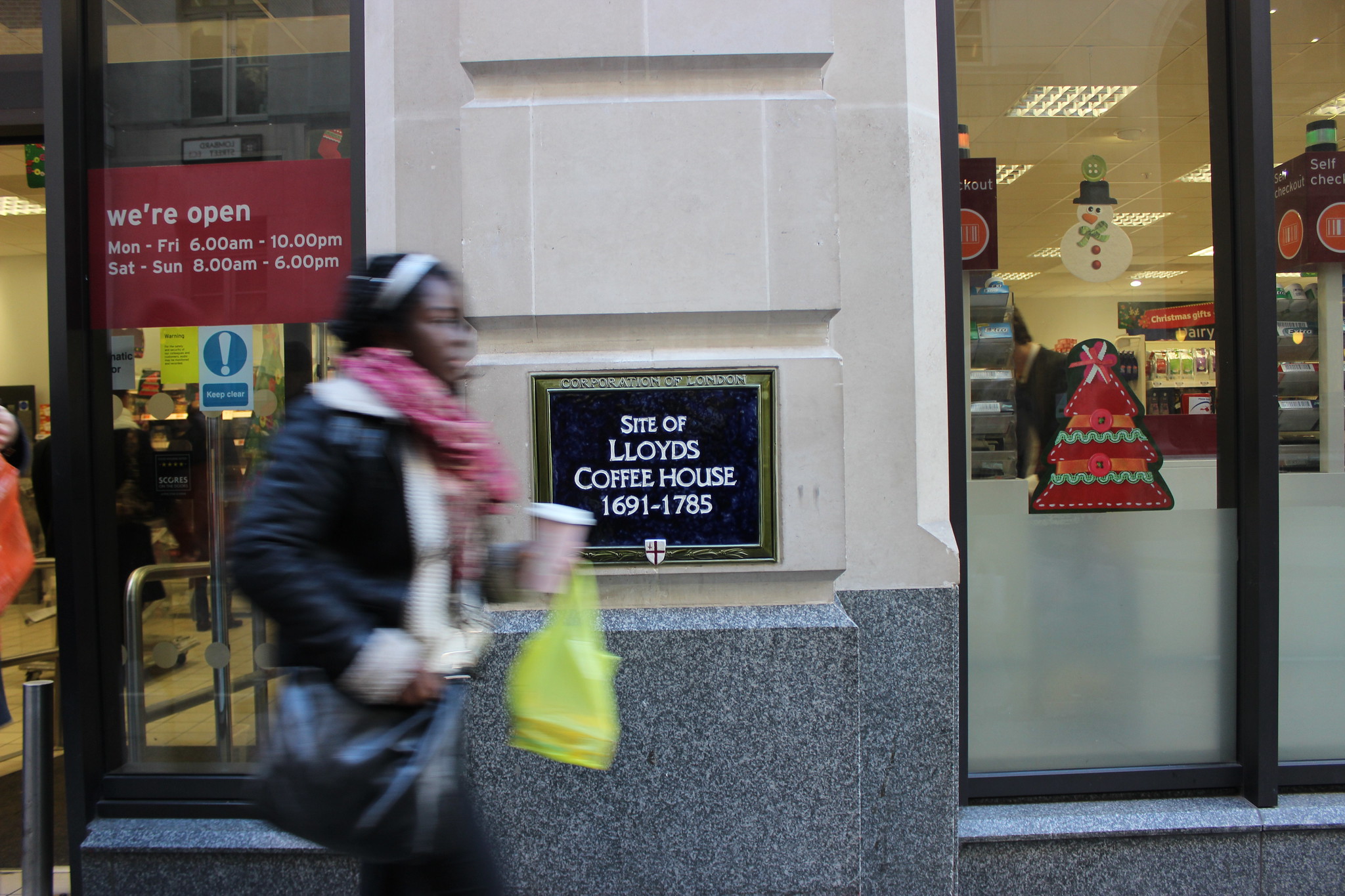
Edward Lloyd’s coffee house transformed from a simple meeting place for sailors and merchants into the birthplace of modern insurance and global maritime commerce. Ship captains would gather here to share information about cargo, weather conditions, and safe passage routes, creating an informal network that evolved into Lloyd’s of London insurance market.
The conversations over coffee literally built the foundation for international trade as we know it today.
Cafe Central, Vienna
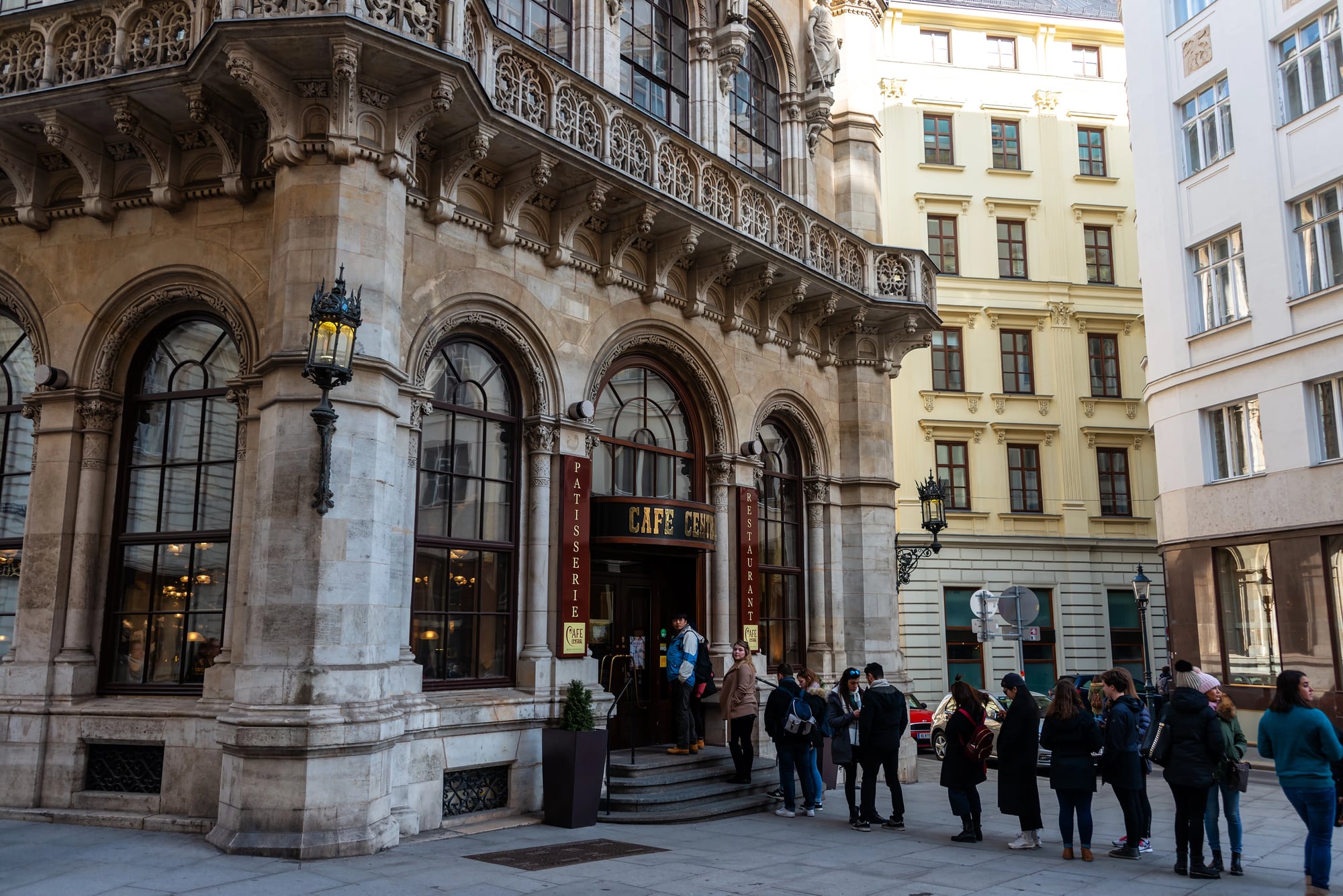
This elegant Viennese coffee house became a breeding ground for revolutionary political thought in the early 20th century, hosting future leaders like Lenin, Trotsky, and Hitler during their formative years. The cafe’s atmosphere of intellectual freedom allowed these men to develop the ideologies that would later reshape entire continents through communist and fascist movements.
Patrons could spend entire days reading newspapers from across Europe while debating the future of civilization over endless cups of coffee and pastries.
Cafe de Flore, Paris
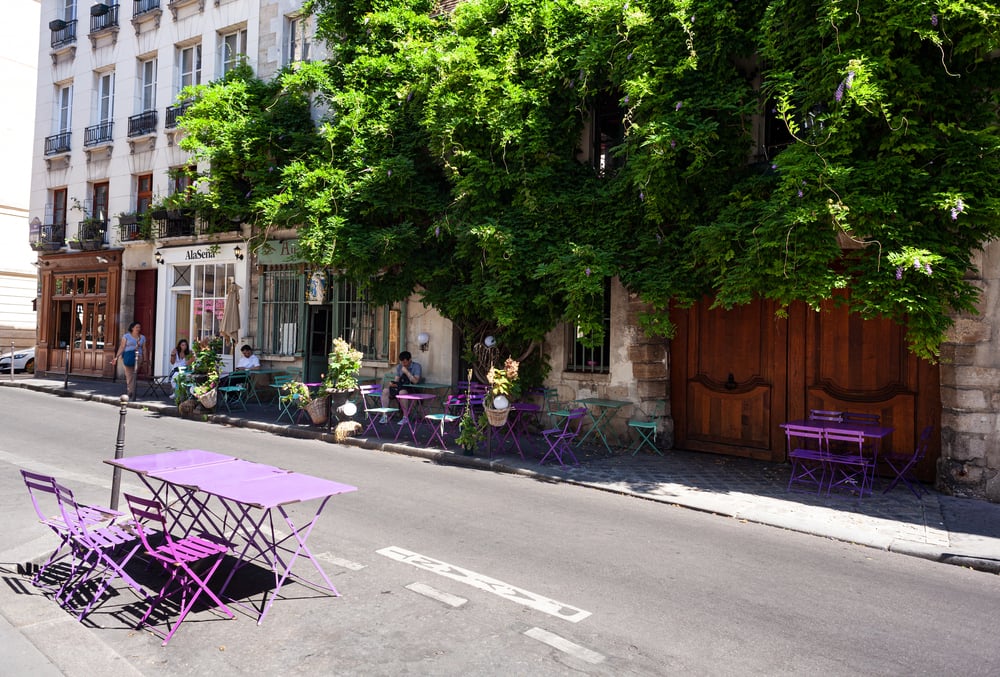
During World War II and its aftermath, Cafe de Flore became the epicenter of existentialist philosophy, where Jean-Paul Sartre and Simone de Beauvoir held court daily, developing ideas about human freedom and responsibility. Their discussions over coffee and cognac gave birth to existentialism, a philosophy that would influence everything from literature to psychology to political movements worldwide.
The cafe’s heated intellectual atmosphere proved that profound philosophical revelations could emerge from everyday conversations about life’s meaning.
Green Dragon Tavern, Boston
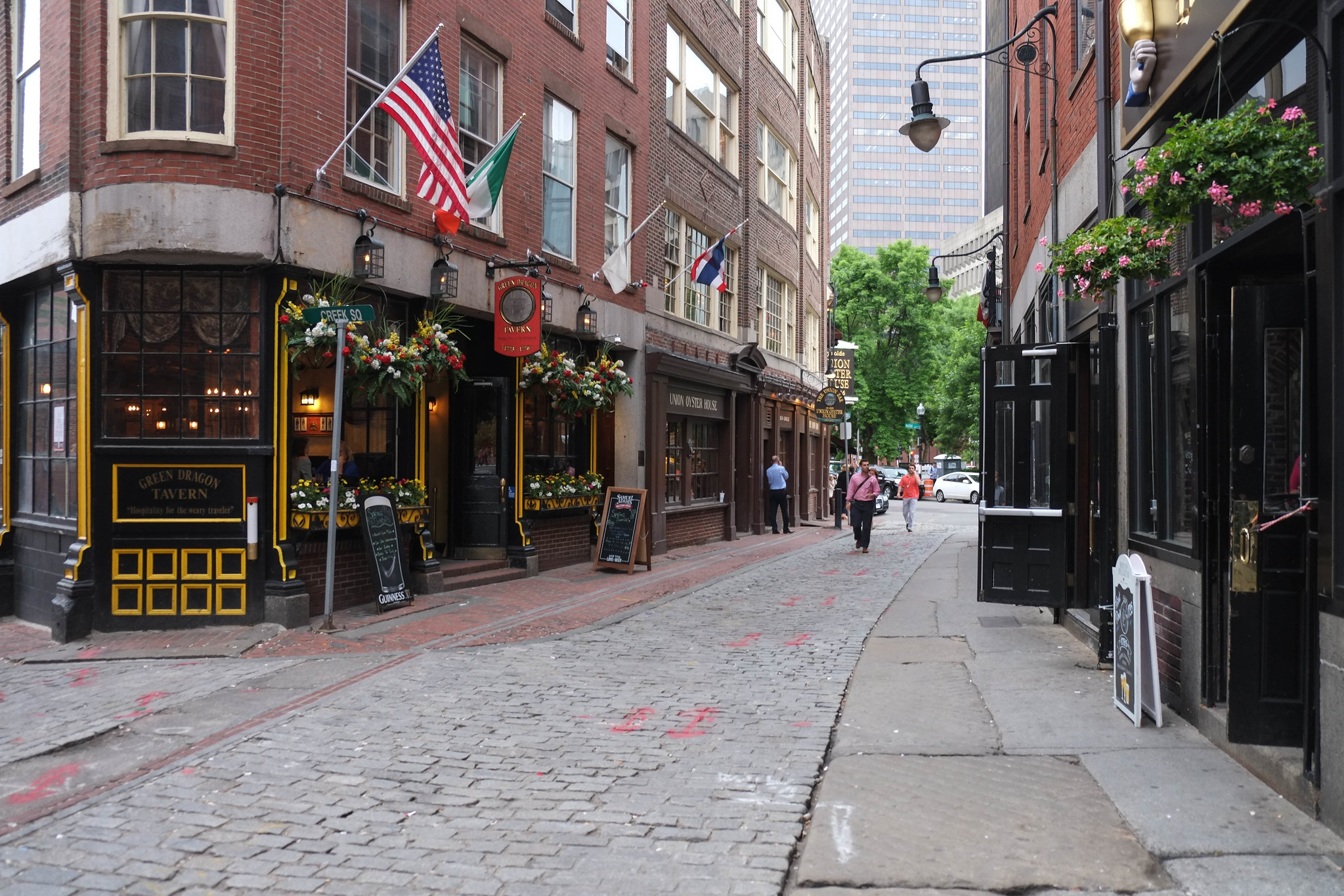
Though technically a tavern rather than a cafe, the Green Dragon served coffee alongside stronger beverages and became known as the ‘Headquarters of the Revolution’ where American patriots planned the Boston Tea Party and other acts of rebellion. Samuel Adams, Paul Revere, and other founding fathers gathered here to organize resistance against British taxation and plot the course toward independence.
The conversations that began over coffee in this establishment ultimately led to the creation of the United States of America.
Cafe Griensteidl, Vienna
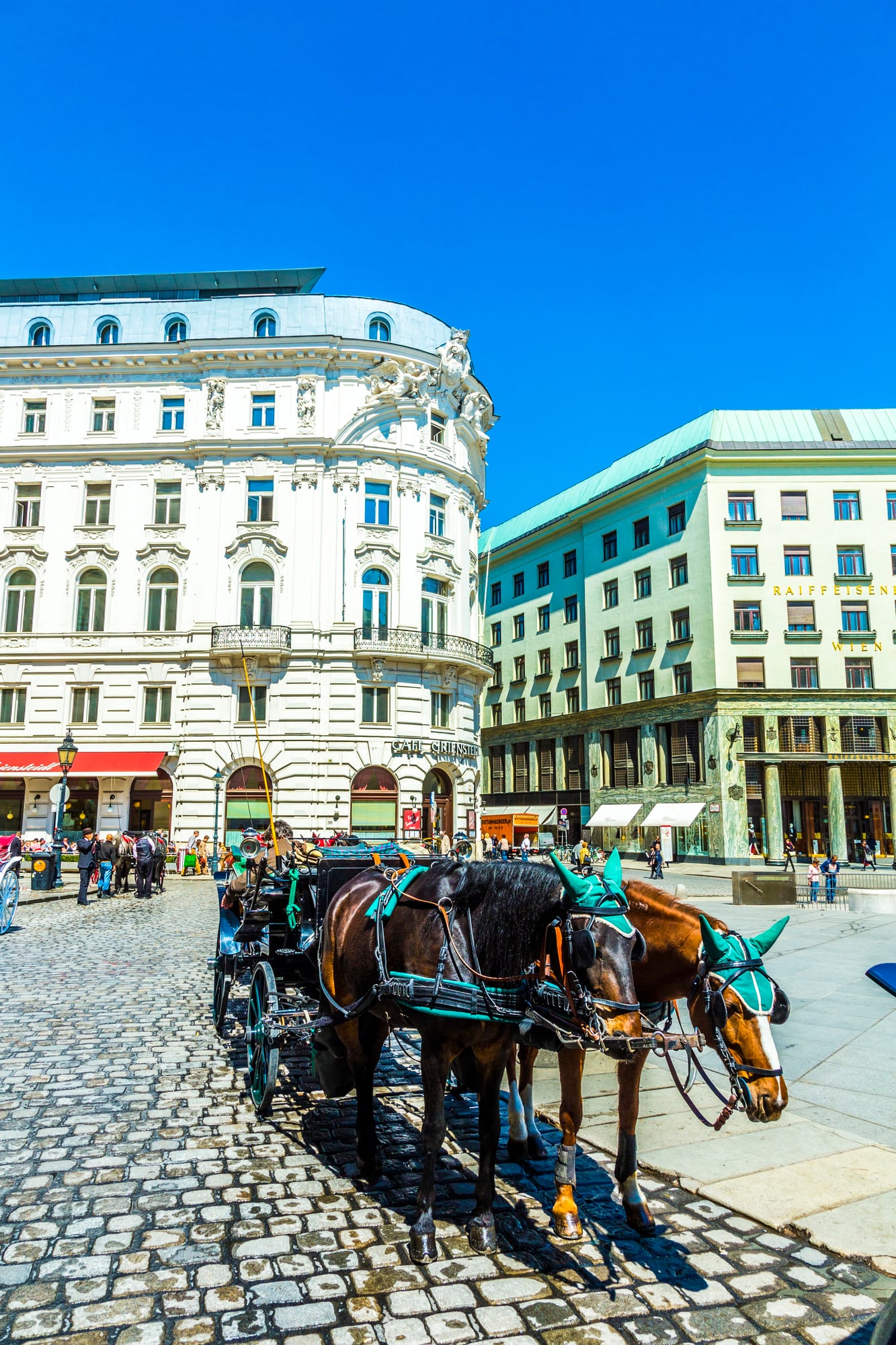
This Viennese coffee house became the birthplace of modern psychology when Sigmund Freud regularly met here with fellow physicians to discuss his revolutionary theories about the unconscious mind. The cafe’s relaxed atmosphere provided the perfect setting for Freud to develop and refine his ideas about dreams, repression, and psychoanalysis through informal discussions with colleagues.
Many concepts that would fundamentally change how humanity understands the human mind were first articulated over coffee at Griensteidl’s familiar tables.
Cafe New York, Budapest
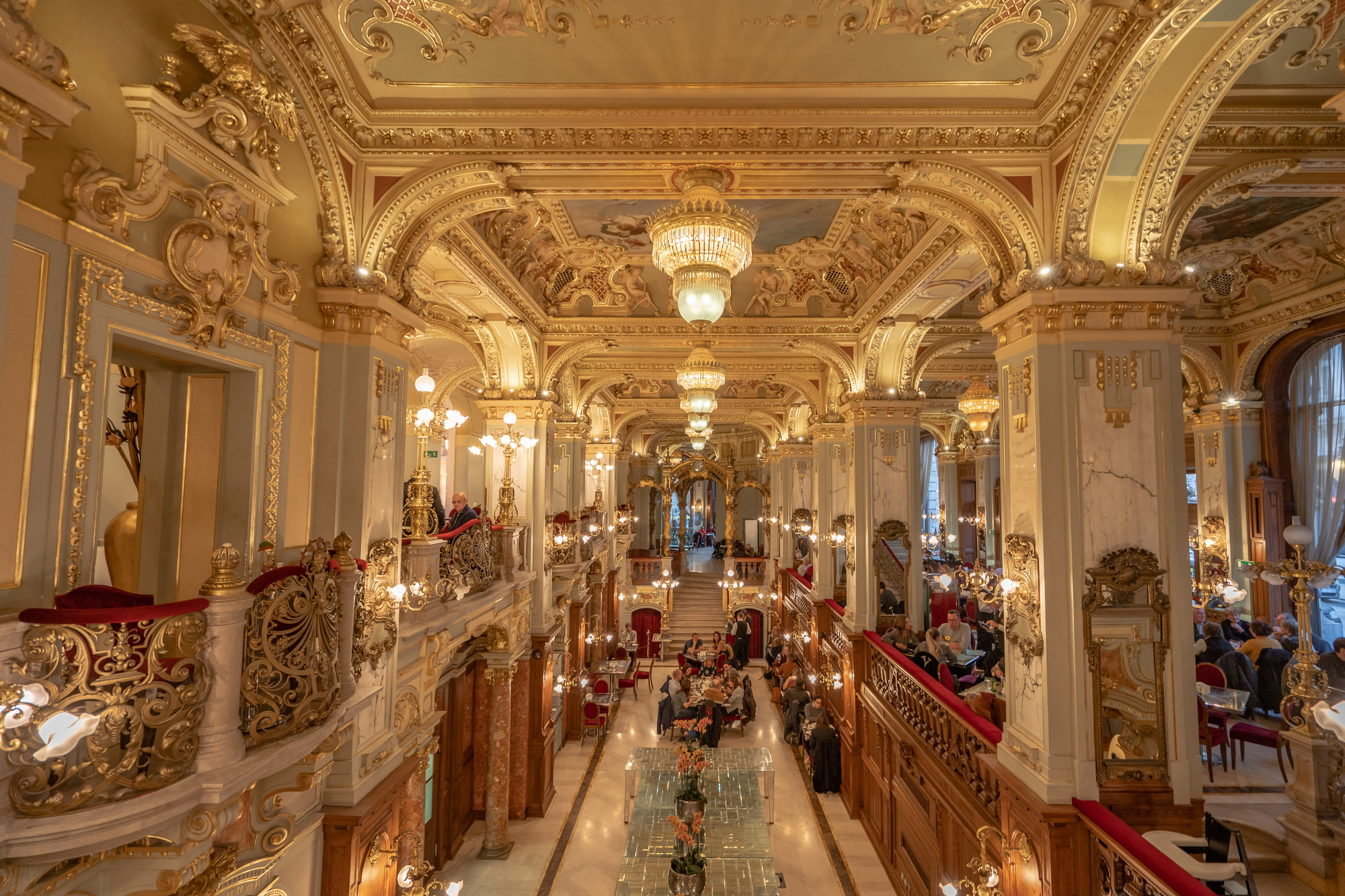
At the turn of the 20th century, this Hungarian coffee house became a gathering place for writers and journalists who would spark major literary and political movements across Eastern Europe. The cafe’s all-night atmosphere allowed writers to work on novels and manifestos that challenged traditional social structures and promoted democratic ideals.
Many of the ideas that would later fuel the Hungarian Revolution of 1956 were first discussed in the smoke-filled rooms of Cafe New York decades earlier.
Cafe Luitpold, Munich
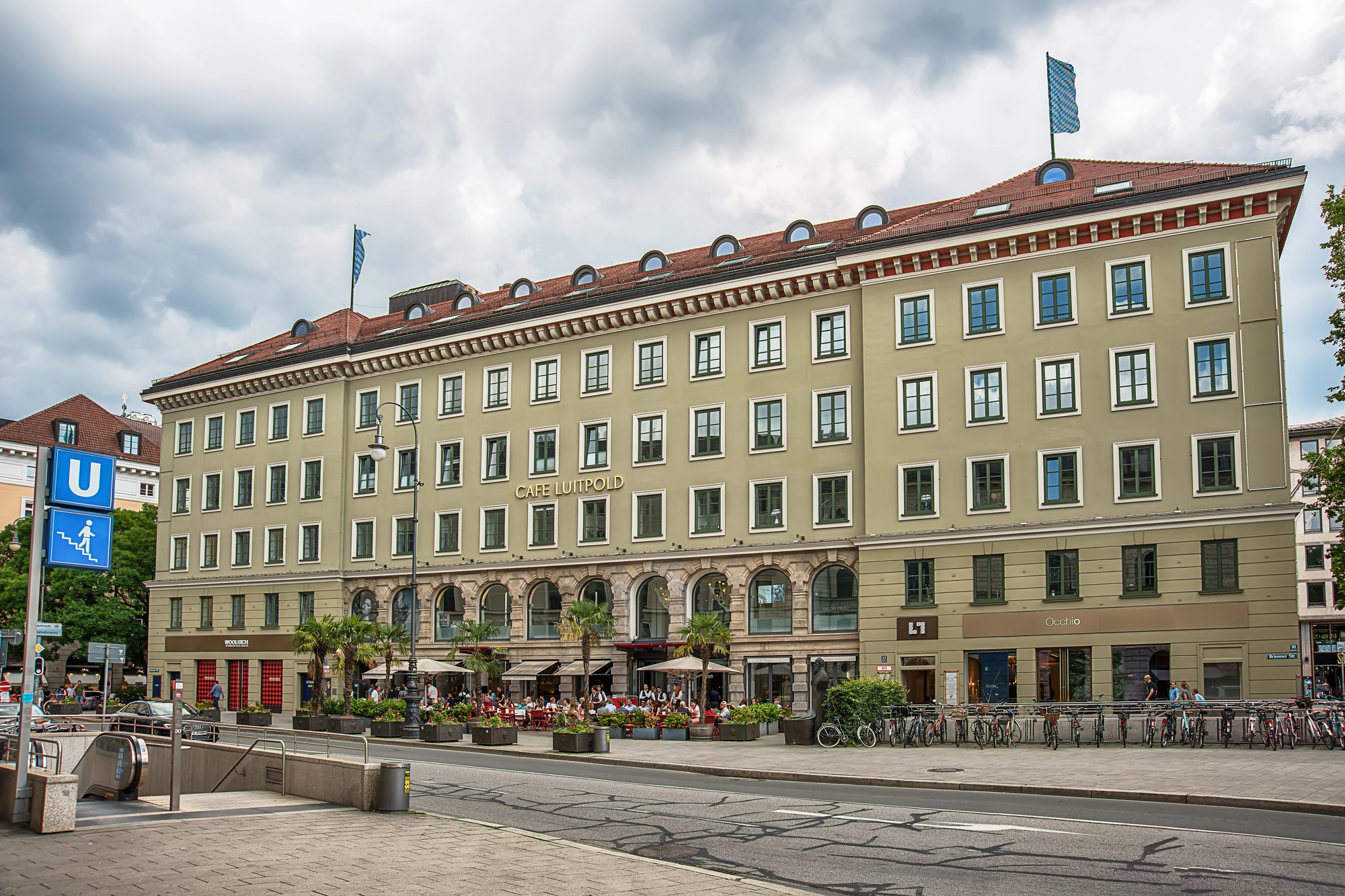
This Bavarian coffee house became a meeting place for artists and intellectuals who would later form the foundation of the German expressionist movement in art and literature. The cafe’s bohemian atmosphere encouraged experimental thinking about art’s role in society, leading to revolutionary approaches to painting, theater, and literature that broke completely with traditional forms.
Many of the artistic concepts that would define modern European culture were first sketched out on napkins at Cafe Luitpold’s tables.
Cafe Slavia, Prague
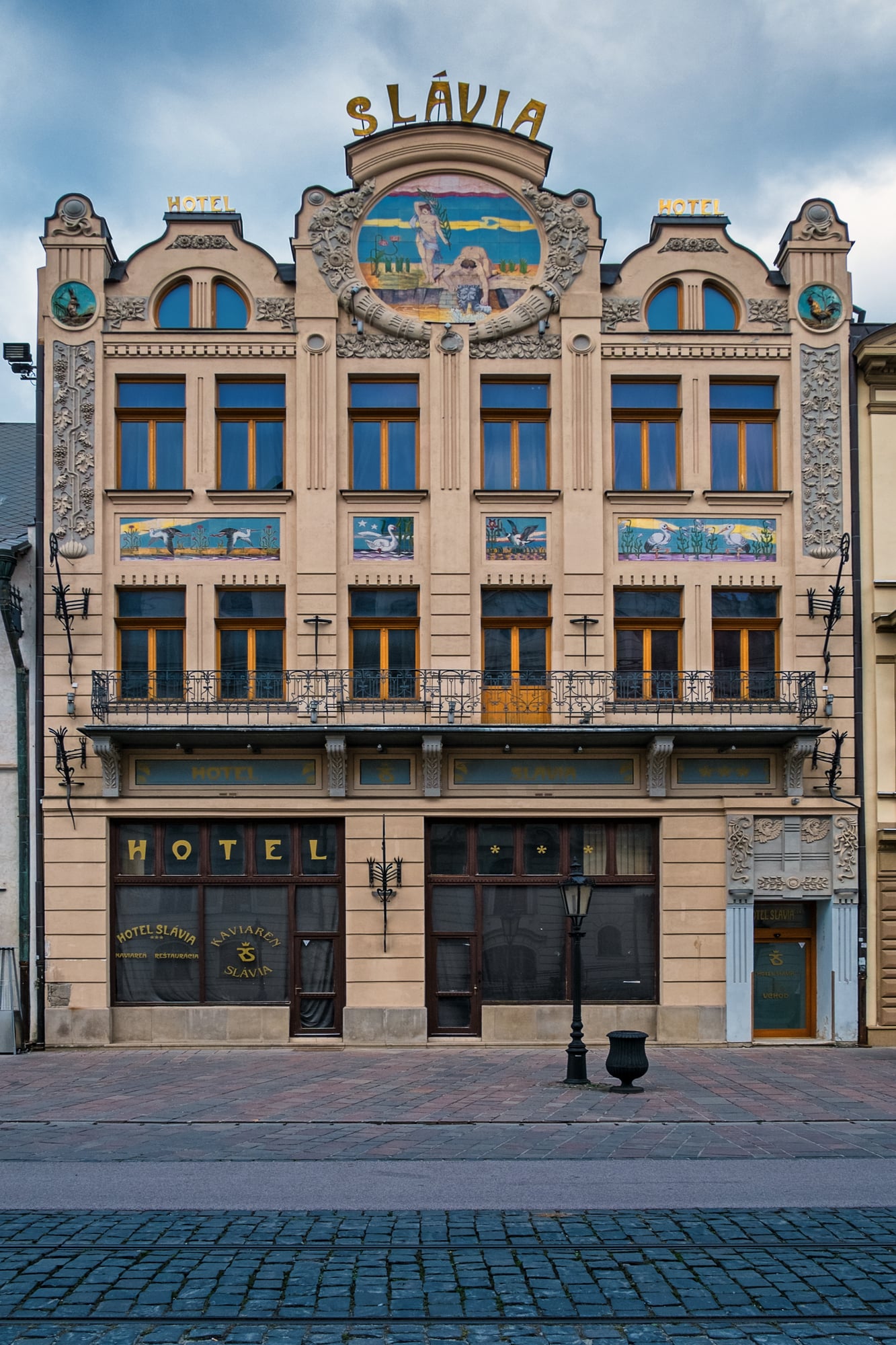
Throughout the 20th century, this Prague coffee house served as a meeting place for Czech intellectuals and dissidents who would eventually lead the Velvet Revolution against communist rule. Writers, artists, and political activists gathered here to discuss freedom and democracy while carefully avoiding the attention of secret police.
The conversations that took place over coffee at Slavia helped maintain the intellectual foundation for resistance that would eventually topple the communist government peacefully in 1989.
Antico Caffe San Marco, Trieste
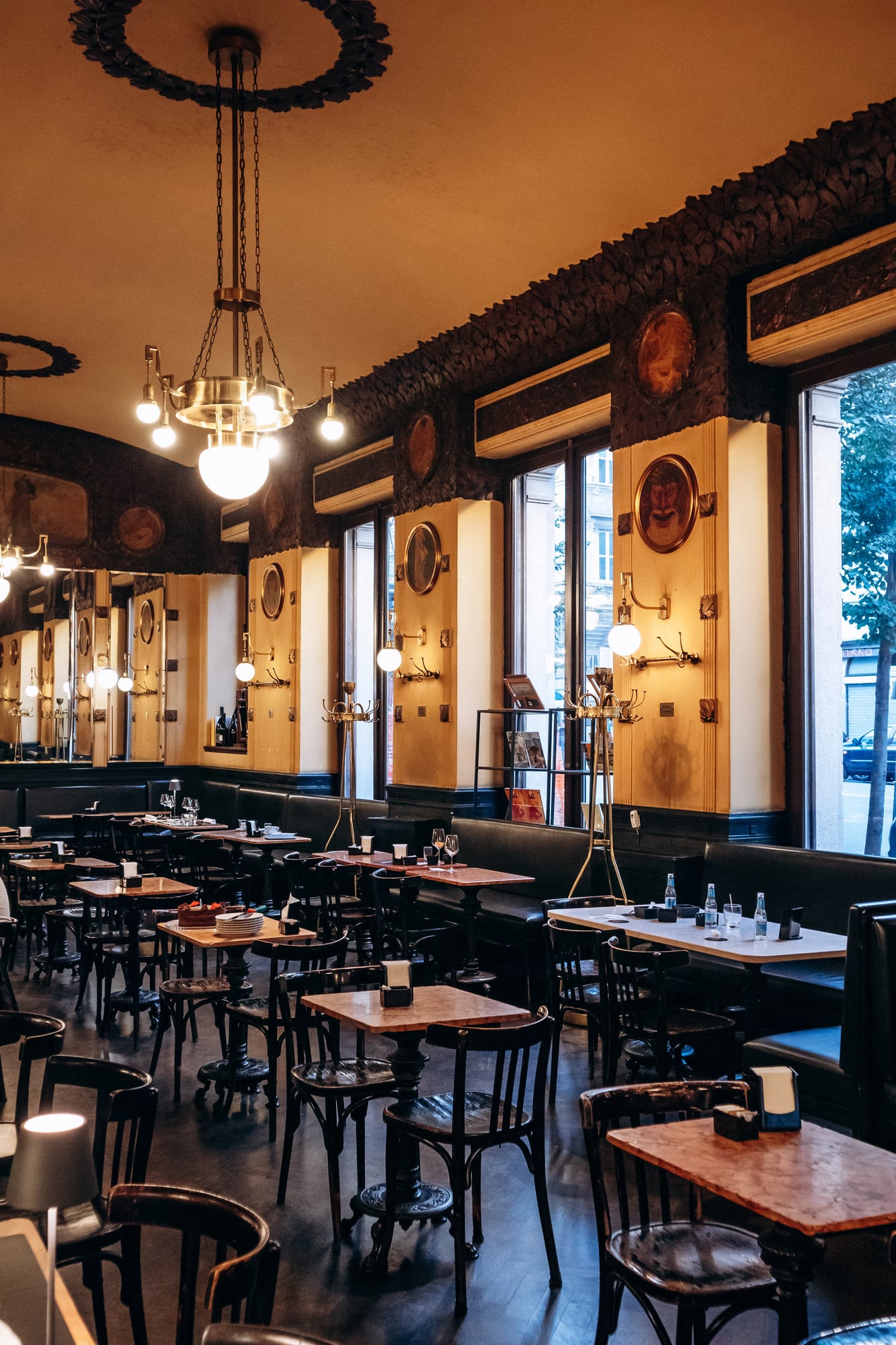
This Italian coffee house became a center for irredentist movements in the early 20th century, where Italian nationalists planned campaigns to unite Italian-speaking territories under one flag. The cafe’s location near the Austrian border made it perfect for clandestine meetings between revolutionaries working to liberate Italian lands from foreign control.
Many of the strategies that led to Italy’s territorial expansion after World War I were first discussed over espresso at San Marco’s marble tables.
Cafe Tortoni, Buenos Aires
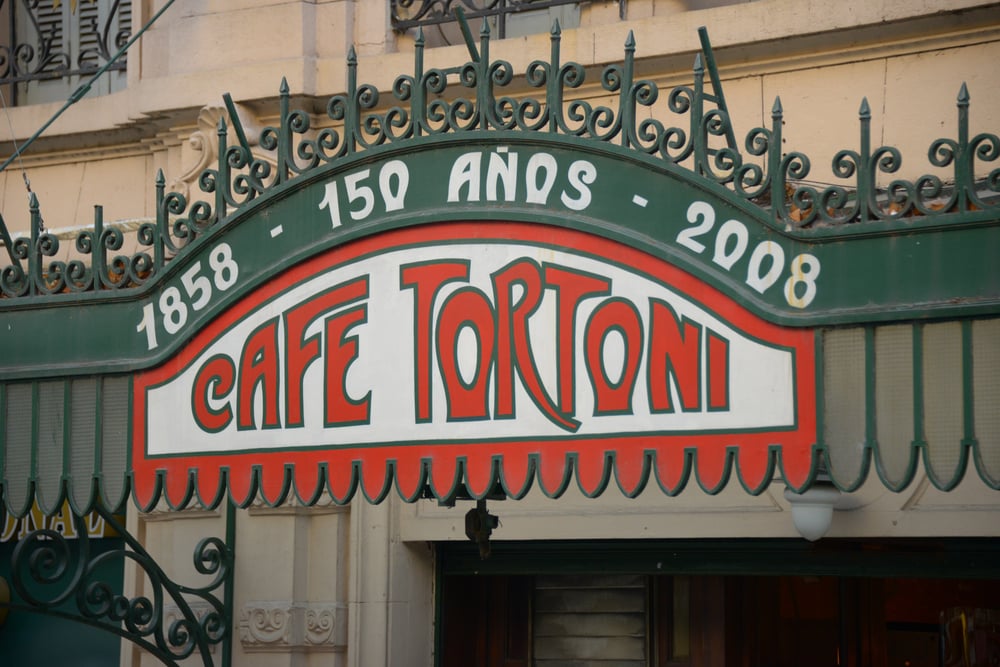
Since 1858, this Argentine coffee house has served as a gathering place for writers, politicians, and revolutionaries who shaped Latin American independence movements and literary traditions. The cafe’s intimate atmosphere provided a safe space for intellectuals to discuss democratic ideals and anti-colonial resistance during periods of political oppression.
Jorge Luis Borges and other literary giants developed many of their revolutionary approaches to storytelling and philosophy during long conversations at Tortoni’s legendary tables.
Ruszwurm Confectionery, Budapest
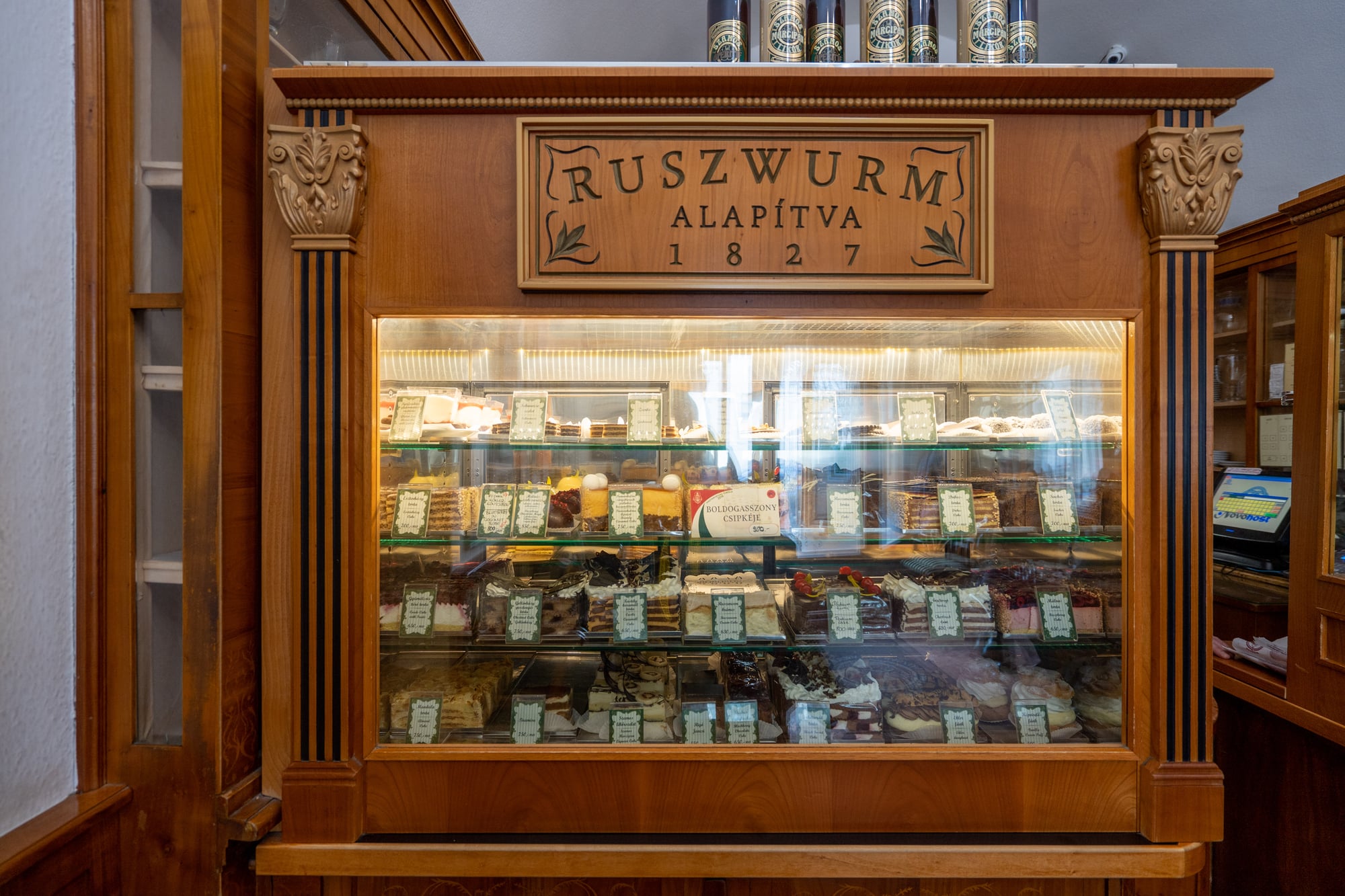
Though primarily known for pastries, this historic Budapest establishment also served coffee and became a meeting place for Hungarian revolutionaries planning the 1848 uprising against Austrian rule. The confectionery’s respectable appearance provided perfect cover for political conspirators who could meet regularly without arousing suspicion from imperial authorities.
The revolution that began with conversations over coffee and cake at Ruszwurm ultimately established principles of national self-determination that would influence independence movements worldwide.
Caffe Florian, Venice
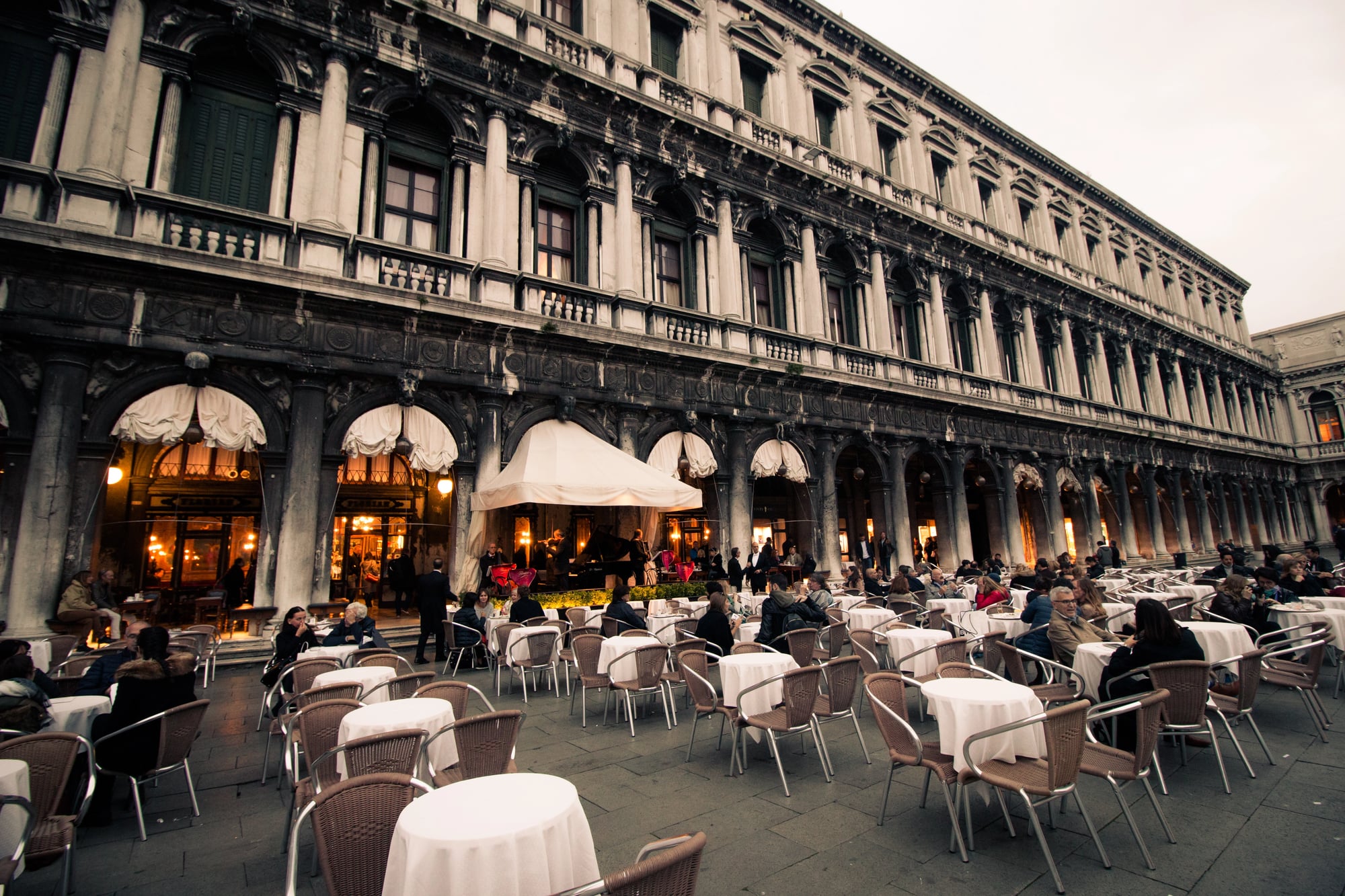
Opened in 1720, this elegant Venetian coffee house became a center for political and artistic discussion during the Italian unification movement, hosting meetings between revolutionaries and intellectuals throughout the 19th century. The cafe’s opulent setting attracted wealthy patrons who funded various revolutionary causes while artists developed new forms of expression that challenged traditional authority.
Many concepts central to Italian nationalism and romantic literature were refined over coffee in Florian’s ornate rooms overlooking St. Mark’s Square.
Cafe de la Paix, Paris
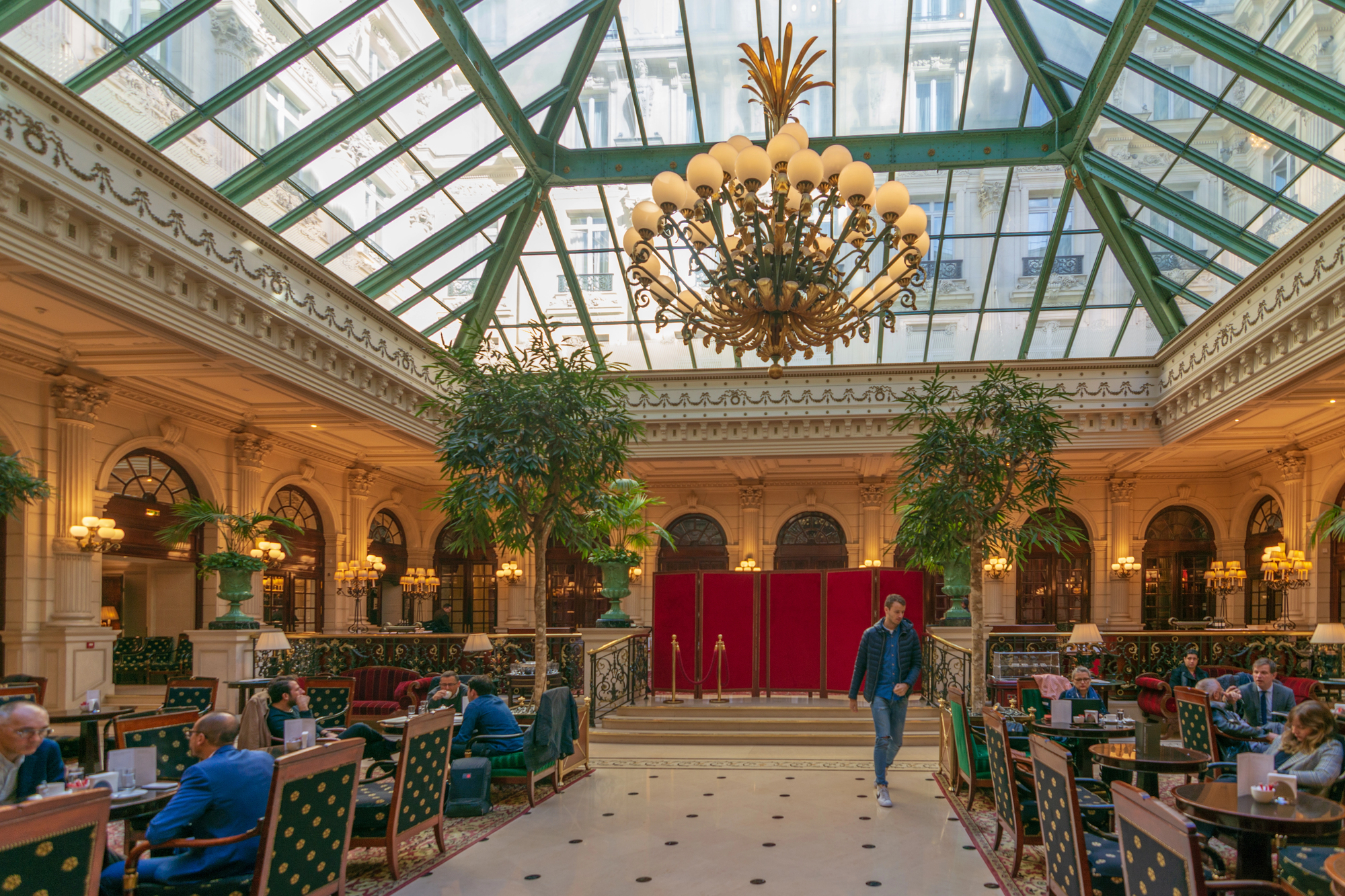
During the late 19th century, this Parisian establishment became a meeting place for anarchists and socialist revolutionaries who developed many of the ideas that would influence labor movements worldwide. The cafe’s location near the Opera House made it popular with artists and intellectuals who combined aesthetic innovation with political radicalism.
Conversations over coffee here helped establish the theoretical foundations for worker’s rights movements that would transform industrial societies across the globe.
Cafe Majestic, Porto
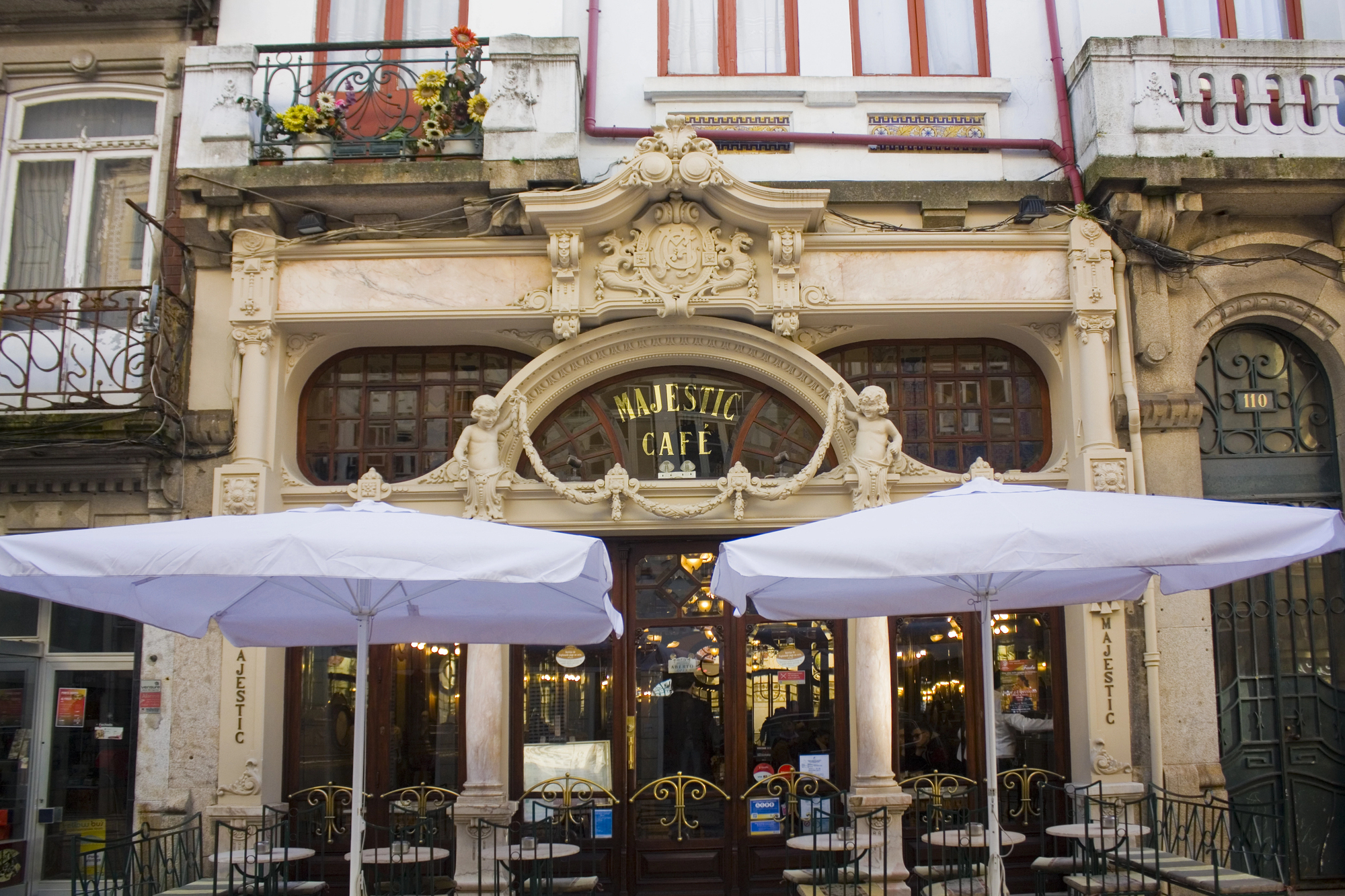
During Portugal’s transition from monarchy to republic in the early 20th century, this Porto coffee house became a gathering place for republican revolutionaries and progressive intellectuals who shaped the country’s democratic future. The cafe’s discreet location away from Lisbon’s government centers allowed conspirators to meet regularly while planning the overthrow of the royal family.
The republican ideals that were discussed over coffee at Majestic ultimately established Portugal as one of Europe’s early constitutional democracies.
Where Ideas Still Percolate

These historic coffee houses remind us that world-changing ideas often emerge from simple human connections rather than formal institutions or grand gestures. The combination of caffeine, conversation, and comfortable surroundings created perfect conditions for revolutionary thinking that challenged established orders and imagined better futures.
Today’s coffee shops continue this tradition, hosting startup meetings, political discussions, and creative collaborations that may well produce the next great breakthrough in human progress. The next time you sit down with a cup of coffee and good company, remember that you might be participating in a tradition that has literally changed the world, one conversation at a time.
More from Go2Tutors!

- The Romanov Crown Jewels and Their Tragic Fate
- 13 Historical Mysteries That Science Still Can’t Solve
- Famous Hoaxes That Fooled the World for Years
- 15 Child Stars with Tragic Adult Lives
- 16 Famous Jewelry Pieces in History
Like Go2Tutors’s content? Follow us on MSN.