15 Canned Foods With Bizarre Origins
When you grab a can from your pantry, you’re probably thinking about dinner, not history. But behind every humble tin sits a story that’s often stranger than fiction. Some canned foods were born from military necessity, others from pure desperation, and a few from ideas so wild they shouldn’t have worked—but somehow did.
From mystery meats that saved armies to entire holiday dinners crammed into single cans, the world of preserved food is filled with unexpected twists and turns. These aren’t just products that happened to end up in cans—they’re foods that exist specifically because someone, somewhere, had a truly bizarre idea about what people might want to eat from a tin. Here is a list of 15 canned foods with bizarre origins that prove necessity really is the mother of invention, no matter how strange the results might be.
SPAM
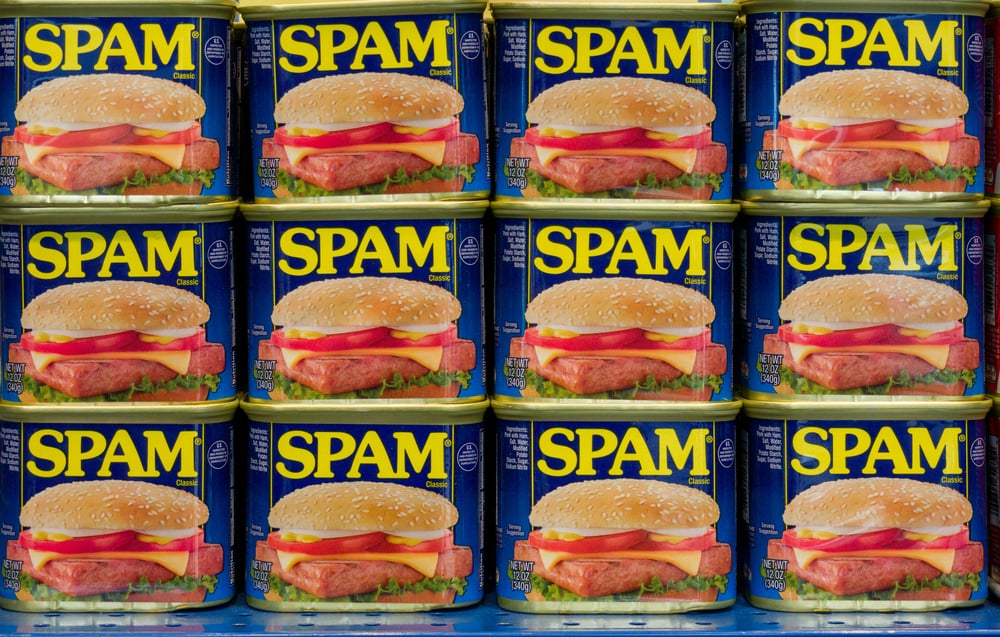
SPAM’s origin began in 1937 when Hormel Foods faced an oversupply of pork shoulder, a cut that few wanted. By grinding it with ham, salt, sugar, and sodium nitrite, then canning it, they created a product whose name came from Ken Daigneau, a New York actor who won $100 for suggesting it.
During World War II, more than 100 million pounds were shipped to Allied troops. What began as a solution for unwanted meat scraps became an international phenomenon.
Canned Whole Chicken

Before rotisserie chickens became common, an entire chicken could be found inside a can. This product appeared in the early-to-mid 20th century when shelf-stable protein was in high demand.
Its pale, gelatinous appearance made it unappealing to many, yet it served campers, emergency planners, and households without refrigeration. Its long shelf life was one of its few redeeming qualities.
Like Go2Tutors’s content? Follow us on MSN.
Deviled Ham
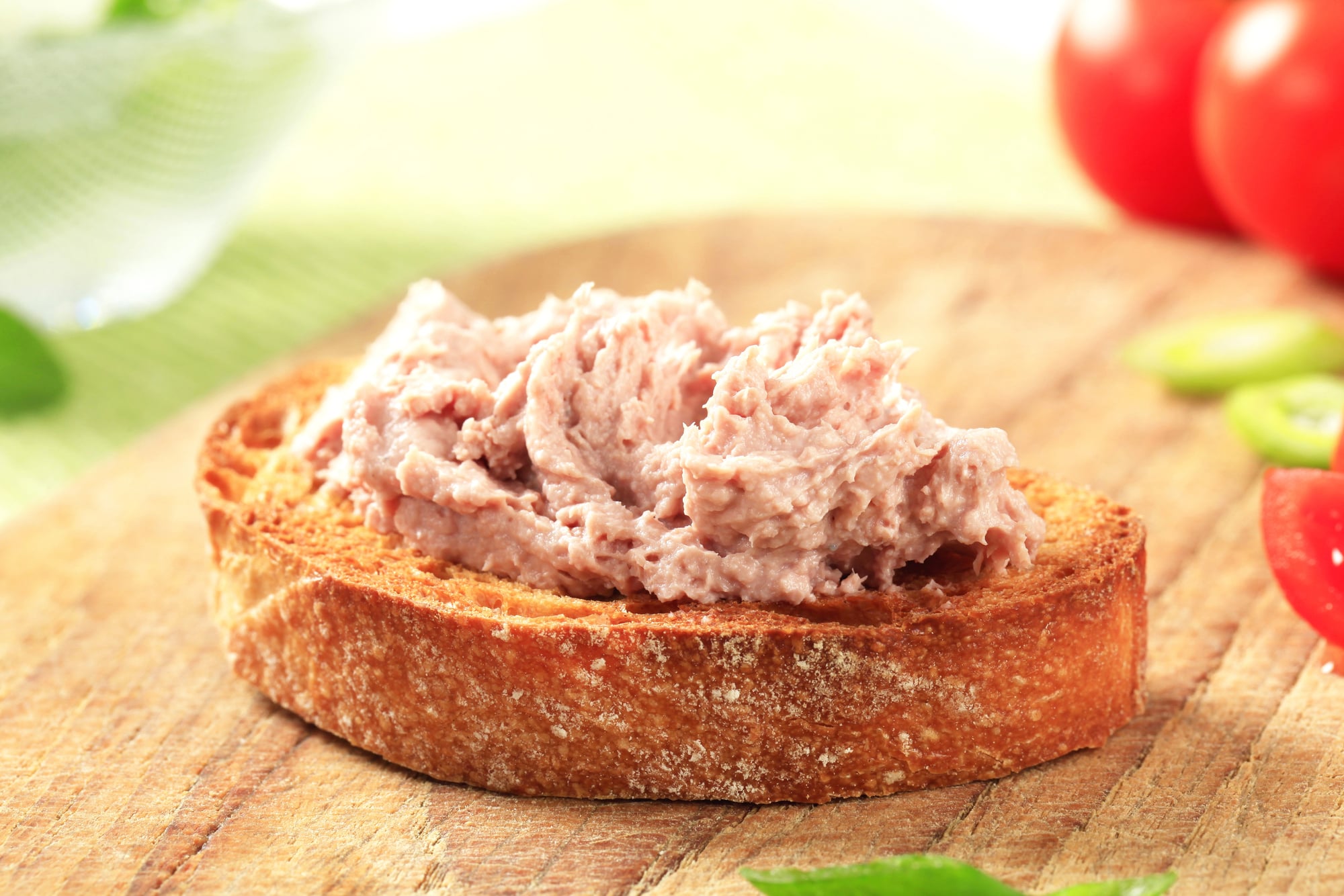
This spreadable meat paste has existed since 1868, originating as a way to make ham last without refrigeration. A New England company mixed ground ham with spices and packed it into tins.
The “deviled” term referred to the heavy seasoning that masked any unpleasant flavors from storage. It began as a worker’s lunch staple and remains popular in the South today.
Turkey Dinner in a Can

In the 1970s, Craig’s Turkey Dinner in a Can attempted to put an entire holiday meal in one tin. It featured layers of turkey, stuffing, gravy, sweet potatoes, peas, and cranberry sauce.
Marketed as a quick alternative to cooking, it appealed to those seeking convenience. However, most people found the idea more unsettling than appetizing.
Canned Tamales
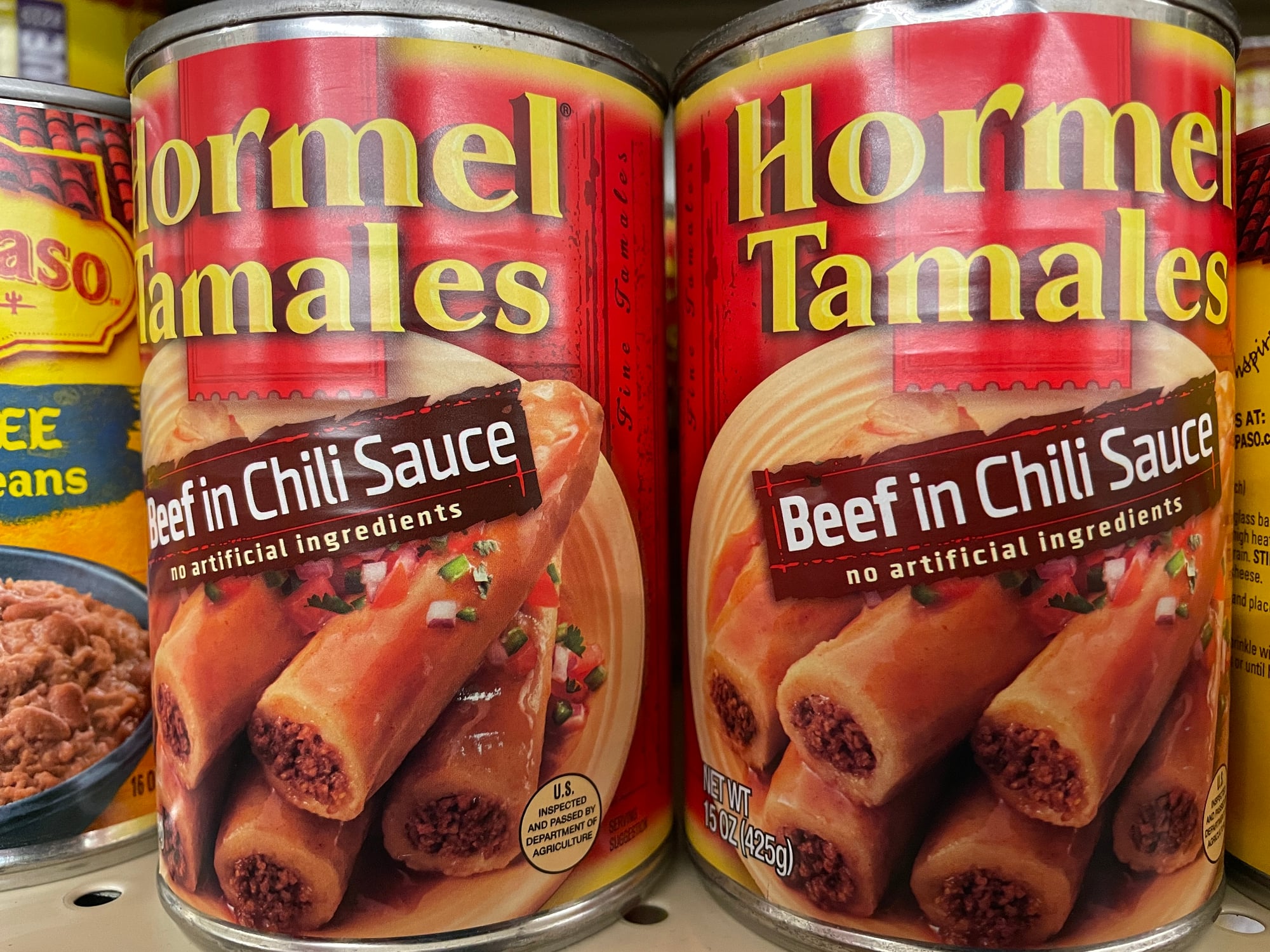
Tamales are labor-intensive, requiring hours of preparation. In the early 1900s, the Workman Packing Company introduced canned tamales to save time.
Though the texture and fillings differed from traditional versions, they satisfied cravings without the lengthy process. Multiple companies still produce them today, though purists remain skeptical.
Like Go2Tutors’s content? Follow us on MSN.
SpaghettiOs
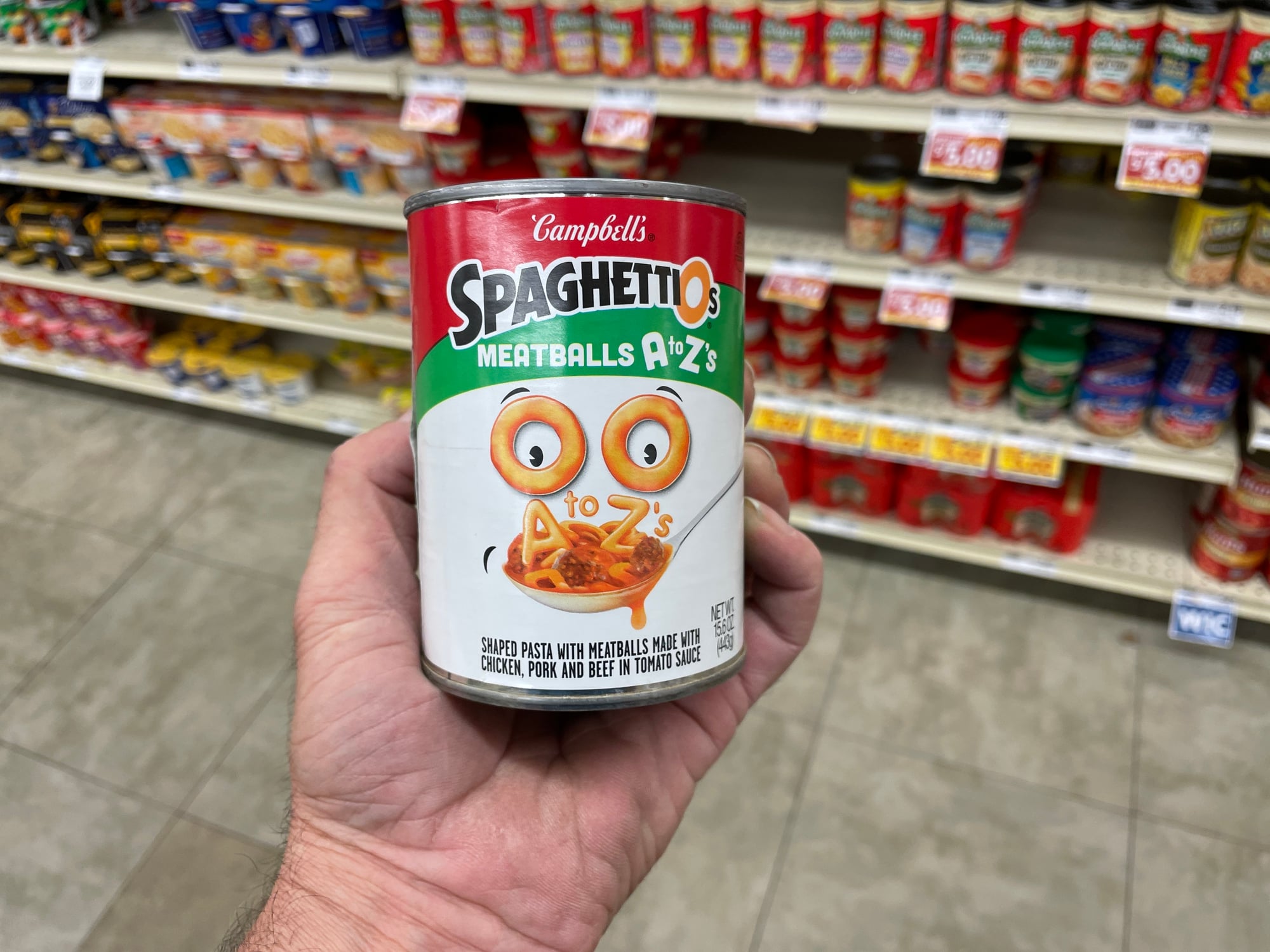
Franco-American introduced SpaghettiOs in the 1960s to reduce mealtime mess for children. Their ring-shaped pasta stayed on the spoon more easily than long noodles.
The sauce was designed to be less likely to stain clothes. While convenient, later health concerns about processed meats reduced their appeal.
Cheeseburgers in a Can

A German camping supplies company created canned cheeseburgers containing bun, meat, cheese, and toppings. The idea promised convenience and long shelf life.
In reality, the soggy, compressed burgers failed to match expectations. They remain more of a novelty than a serious food option.
Canned Bread

Canned brown bread has long been a New England tradition, dating back to the 1920s. Made from rye, wheat, and cornmeal, it is steamed in the can until fully cooked.
Its dense, slightly sweet texture requires no additional preparation. It served communities where fresh bread wasn’t always available.
Like Go2Tutors’s content? Follow us on MSN.
Vienna Sausages
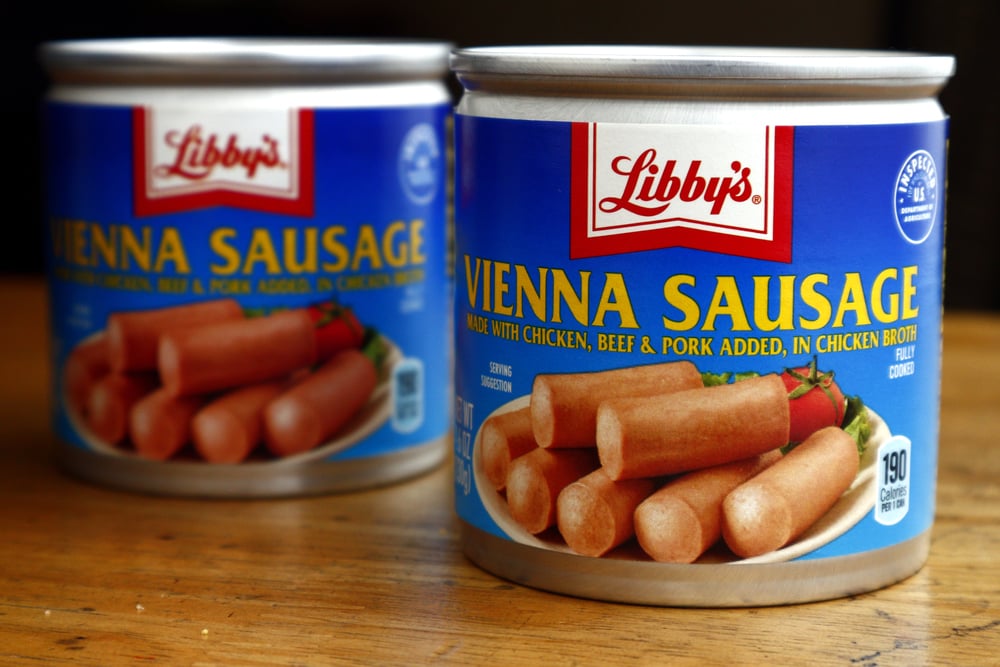
Despite their name, Vienna sausages have little in common with Austrian wursts. Created in the early 1900s, they were an American take on European sausage styles.
Made mostly from mechanically separated chicken and pork, they became a quick protein option. Marketing emphasized an exotic European image to appeal to consumers.
Canned Haggis
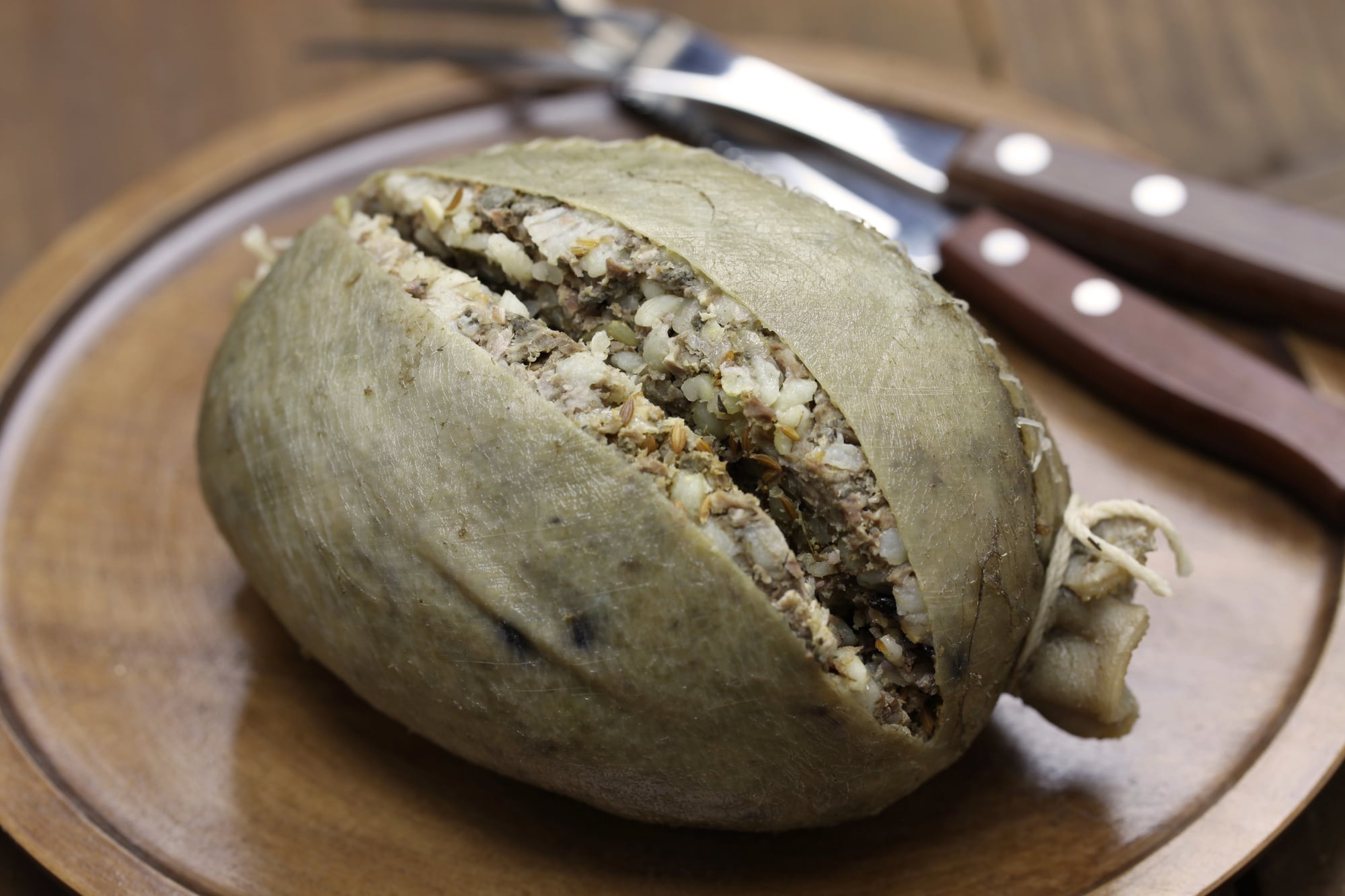
Scotland’s national dish of organ meats and oatmeal found new life in canned form. This method allowed it to be exported to places without access to sheep organs.
Canned haggis also hid its more intimidating ingredients from view. Purists claim it lacks authenticity, yet it introduced the dish to new audiences.
Potted Meat
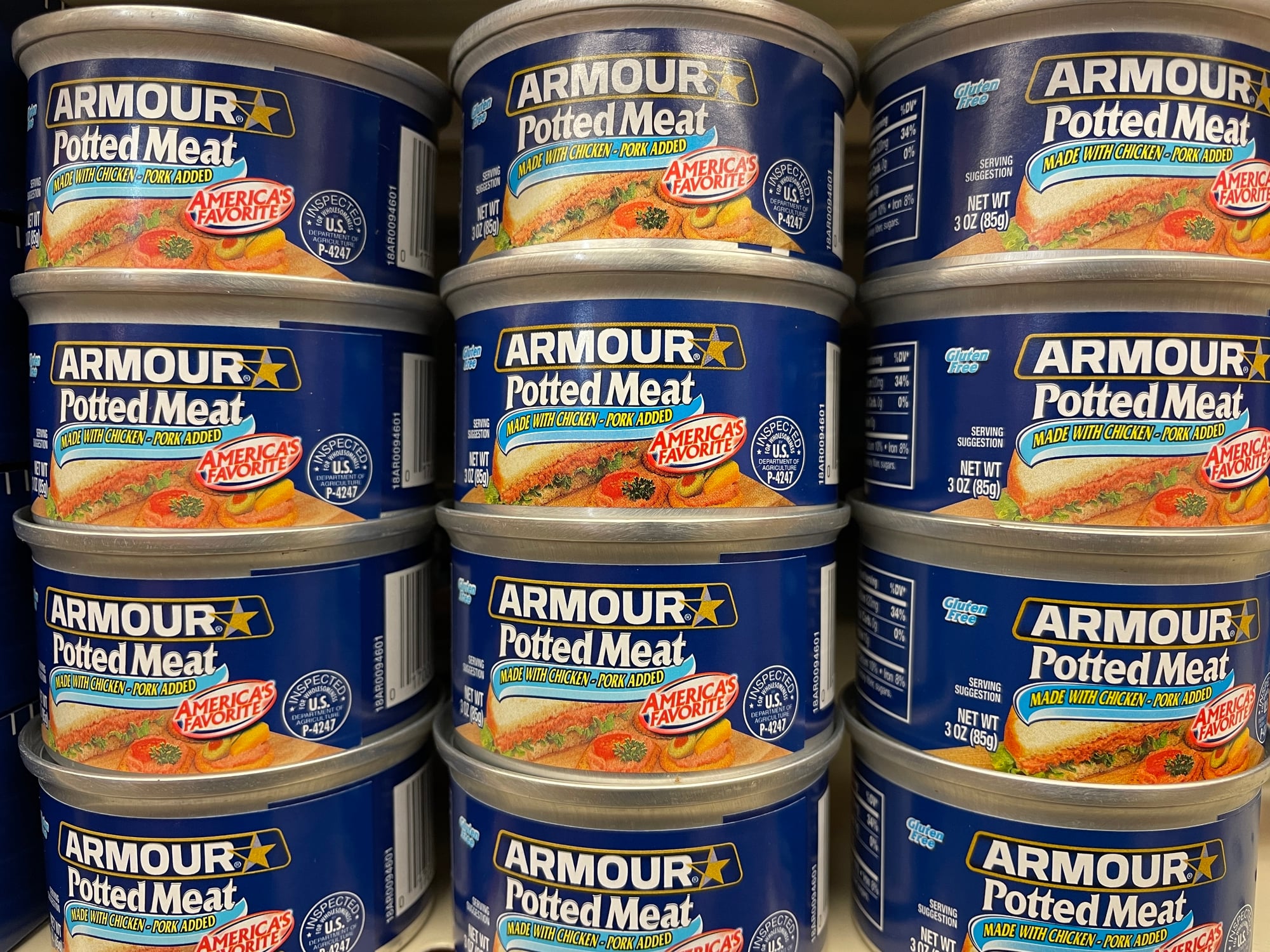
Potted meat was born from a need to use every scrap in processing plants. Leftover beef, pork, and chicken were ground, seasoned, and canned as a fine paste.
Its name comes from an older method of preserving meat under fat. The canned version became a cheap source of protein for those who could not afford better cuts.
Like Go2Tutors’s content? Follow us on MSN.
Canned Whole Mushrooms

Before fresh mushrooms were available year-round, canned mushrooms were considered a luxury. They were preserved at peak freshness but transformed in texture and flavor.
Their softer, more intense taste worked well in certain recipes. They were especially useful in areas far from mushroom farms.
Armour Potted Ham

In the early 1900s, Armour used ham scraps and offcuts to create a spreadable ham paste. The finely ground meat was blended with spices and packed in small cans.
It was marketed as a refined sandwich spread for modern homes. In reality, it was a clever way to turn waste into a sellable product.
Canned Corned Beef Hash
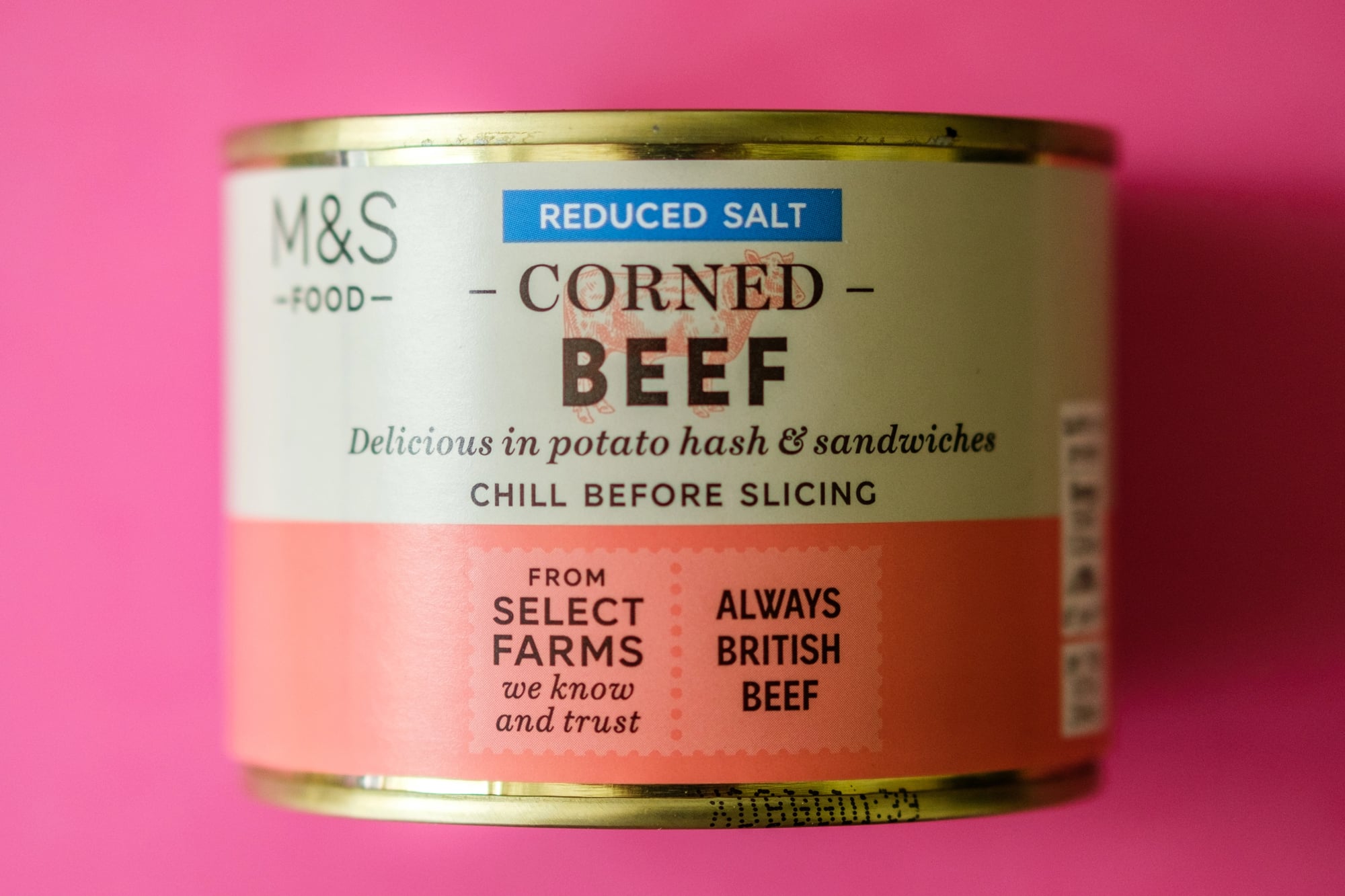
This canned mix of corned beef, potatoes, onions, and spices began as a way to use leftovers. Over time, it evolved into a popular breakfast comfort food.
Canning allowed the flavors to blend into a rich, savory dish. Many people came to prefer it over freshly made hash.
Like Go2Tutors’s content? Follow us on MSN.
Underwood Deviled Ham Spread
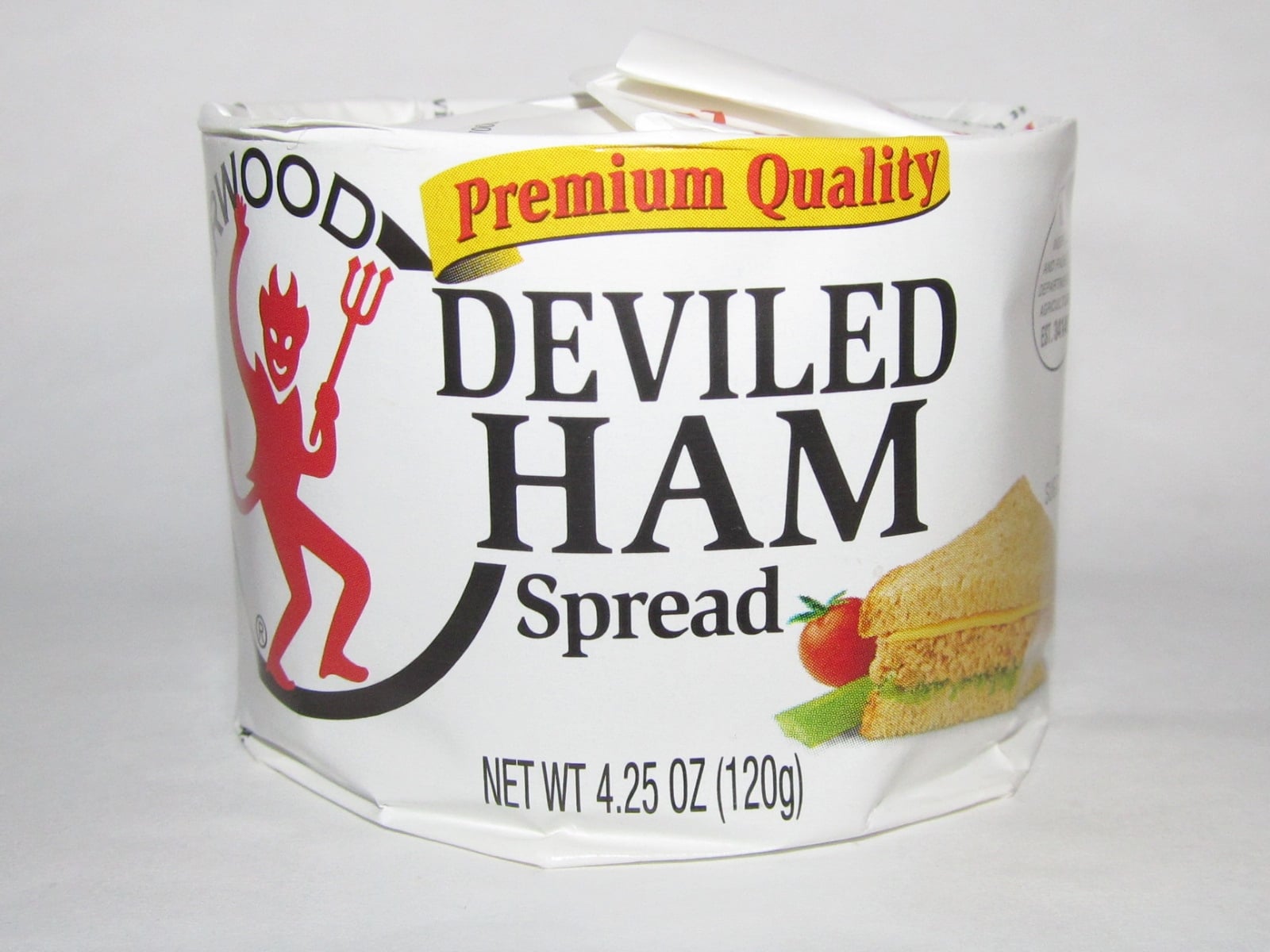
Created in 1868, Underwood’s ham spread was one of America’s first branded canned foods. It was ground to a smooth paste, spiced heavily, and made shelf-stable.
The brand’s red devil logo became instantly recognizable. Its recipe has remained largely unchanged for over 150 years.
From Military Rations to Kitchen Staples
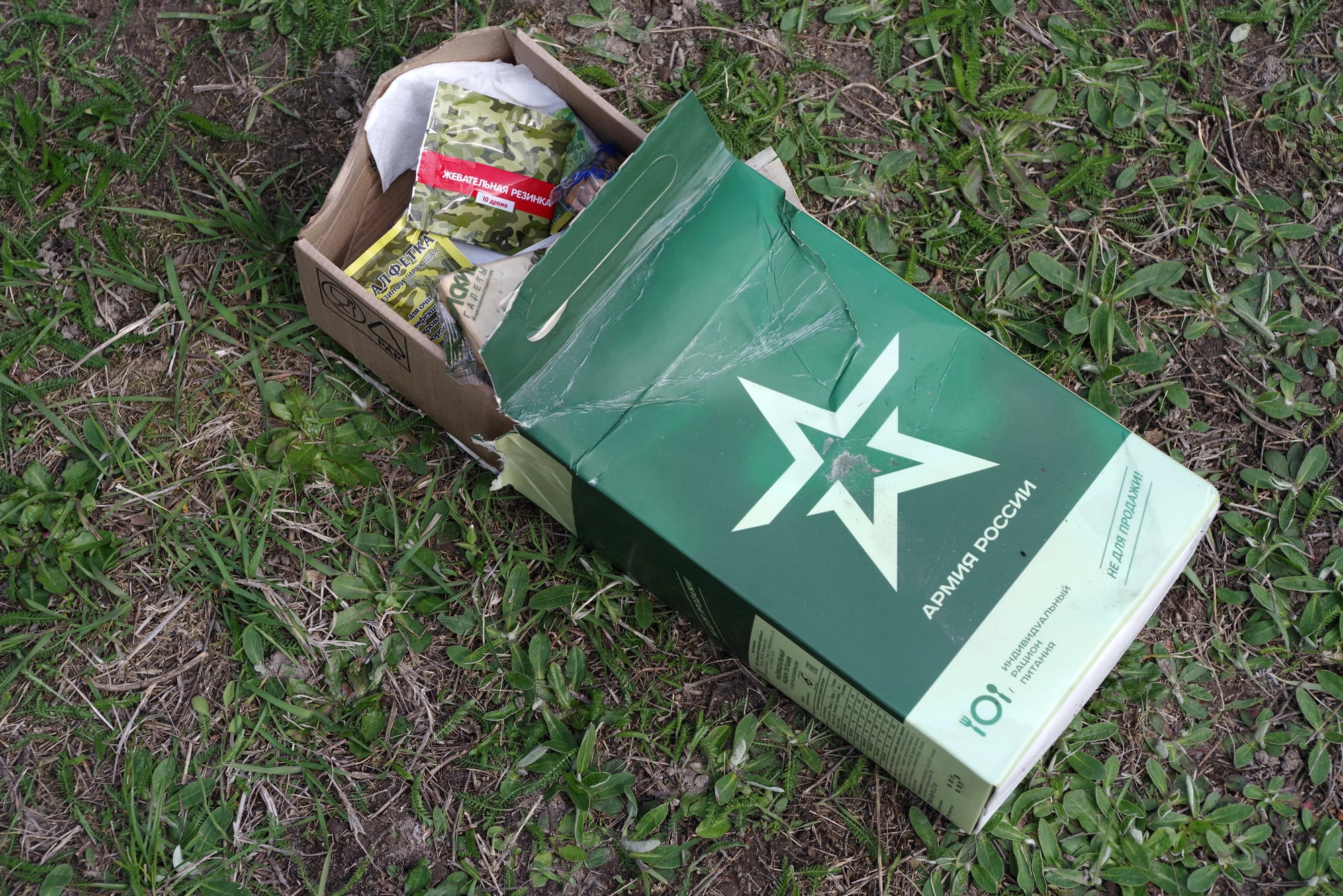
Many canned products began as practical solutions to serious problems. They fed armies, preserved seasonal goods, and prevented food waste.
Some evolved into beloved comfort foods, despite their strange origins. These creations show that necessity can inspire lasting culinary innovations.
More from Go2Tutors!

- 16 Historical Figures Who Were Nothing Like You Think
- 12 Things Sold in the 80s That Are Now Illegal
- 15 VHS Tapes That Could Be Worth Thousands
- 17 Historical “What Ifs” That Would Have Changed Everything
- 18 TV Shows That Vanished Without a Finale
Like Go2Tutors’s content? Follow us on MSN.



