Strange Rituals from Medieval Doctors
Medieval medicine was a strange mix of genuine observation and wild guesses about how the human body worked. Doctors back then believed all kinds of things that seem completely bonkers today.
They thought that drilling into skulls would let demons escape, that the position of stars affected when to perform surgery, and that tasting someone’s urine could diagnose any disease. These weren’t random ideas from confused people.
These were established medical practices taught at universities and written down in serious textbooks. Here’s a look at the truly bizarre methods medieval doctors used to heal their patients.
Tasting urine to diagnose illness

Medieval doctors would actually taste their patients’ urine to figure out what was wrong with them. They believed different diseases made urine taste specific ways, so doctors would take a sip and make notes about whether it tasted sweet, salty, or bitter.
Thomas Willis, a doctor in the 1600s, discovered that diabetic patients had urine that tasted ‘wonderfully sweet as if it were imbued with honey or sugar.’ He wasn’t the first to taste urine for diagnosis, just the first willing to admit it in writing.
The practice was so common that the urine flask became the symbol of a medieval doctor, the way a stethoscope identifies modern physicians. Some patients tested their doctors by sending samples of white wine instead of actual urine to see if the physician could tell the difference.
Drilling pits in skulls

Trepanning involved using a drill to bore a circular piece of bone out of someone’s skull while they were still alive. Medieval doctors believed this would release pressure, let out demons causing mental illness, or allow bad air and humors to escape from the brain.
The procedure was done with hand drills that looked like carpenter’s tools. Surprisingly, many patients survived this brutal operation, as shown by skulls with healed bone around the drill site.
One 13th century medical text recommended drilling into the heads of people with epilepsy so that ‘the humors and air may go out and evaporate.’ The practice was so widespread that about 5 to 10 percent of all skulls found from some ancient periods show evidence of trepanning.
Balancing the four humors

Doctors believed the body contained four fluids called humors: blood, phlegm, yellow bile, and black bile. They thought all illness came from having too much or too little of one of these humors.
A person with too much blood was considered hot and wet, while someone with excess black bile would be cold and dry. Treatments involved trying to restore balance through various methods.
If you had too much blood, they’d remove some. Too much phlegm meant you needed something to dry you out.
This theory dominated medicine for over a thousand years and influenced almost every treatment decision medieval doctors made.
Using leeches for everything

Leeches were medical superstars in the Middle Ages. Doctors applied these bloodsucking creatures to patients for almost any complaint.
Got a headache? Leeches. Fever? More leeches.
Feeling sad? You guessed it, leeches. The practice became so popular that leeches nearly went extinct in some areas of Europe.
Doctors kept jars full of leeches in their offices, and the creatures were bred commercially to meet demand. The idea was that leeches would suck out bad blood and restore the balance of humor.
People believed bloodletting through leeches could clear the mind, strengthen memory, cure fevers, and even make your voice more musical.
Consulting the stars before surgery

Medieval physicians refused to perform surgery without first checking the position of the planets and stars. They believed each zodiac sign governed a different body part, and operating when the moon was in the wrong sign could kill the patient.
Aries ruled the head, Taurus the neck, Gemini the arms, and so on down to Pisces controlling the feet. Doctors carried elaborate charts showing which days were safe for surgery on which body parts.
If you needed your appendix removed but the stars weren’t right, you’d have to wait and hope you didn’t die in the meantime. This wasn’t considered superstition but actual medical science taught in universities.
Placing blood bowls in windows

Barber surgeons in medieval London used to display bowls of fresh human blood in their shop windows as advertising. The blood came from their bloodletting procedures and was meant to show potential customers that business was good.
Unfortunately, the blood would sit there in the sun, congealing and rotting and smelling terrible. The stench got so bad that in 1307, the city passed a law specifically forbidding barbers from putting blood in their windows.
The official wording of the law stated ‘no barbers shall be so bold or so hardy as to put blood in their windows.’ After that, barbers had to dump the blood into the River Thames instead, which everyone apparently thought was a much better solution.
Treating wounds with boiling oil
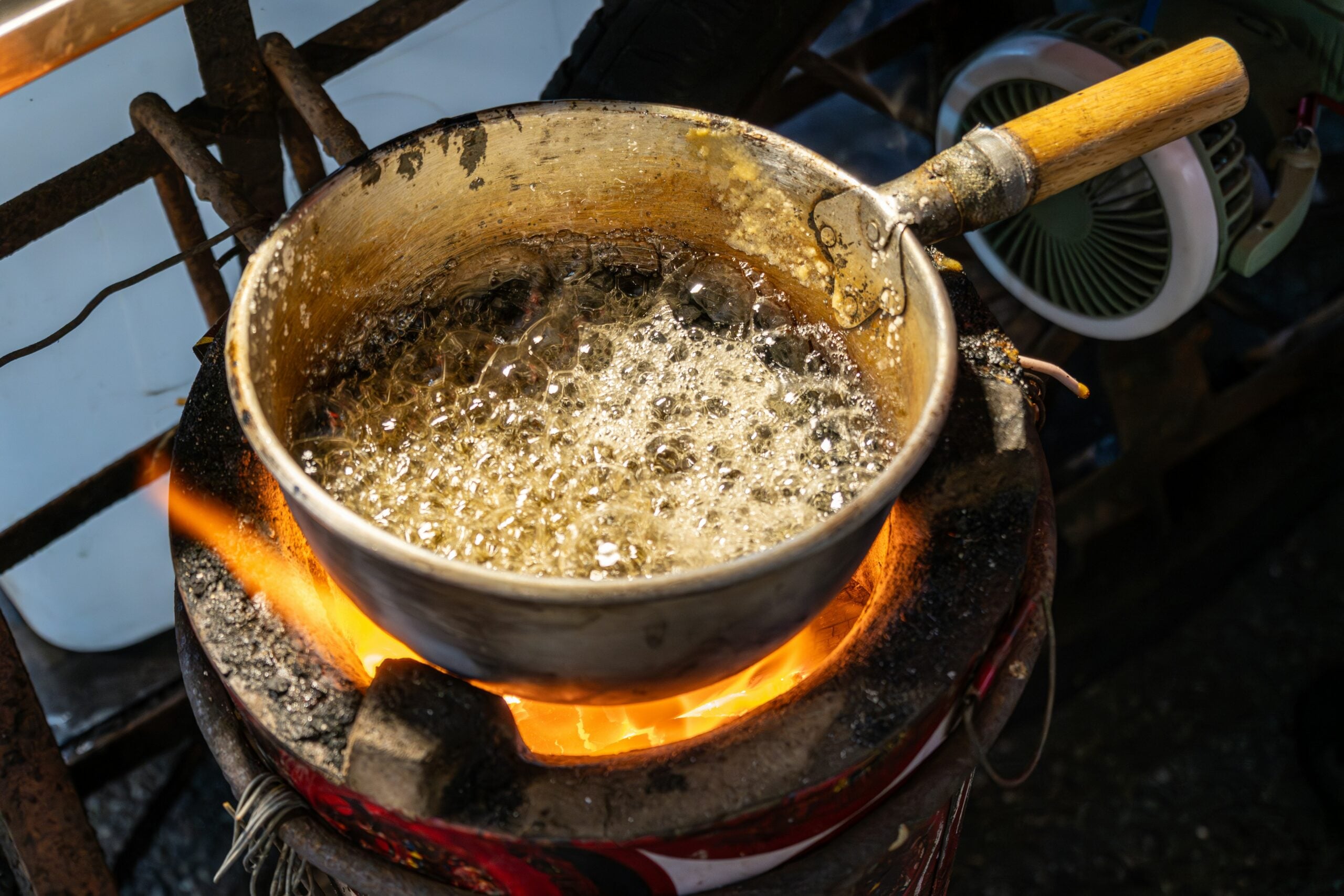
When soldiers got shot with early firearms, doctors would pour boiling oil directly into the gunshot wounds. They believed this would cauterize the injury and prevent infection.
The screaming must have been awful. A French barber surgeon named Ambroise Paré ran out of oil during a battle in 1536 and had to improvise a salve made from egg yolks, rose oil, and turpentine instead.
He spent a sleepless night worried about his patients, but the next morning discovered that the soldiers who got his experimental salve were doing much better than those who’d been burned with boiling oil. Yet it took many more years before doctors stopped pouring scalding liquid into open wounds.
Believing the womb wandered around
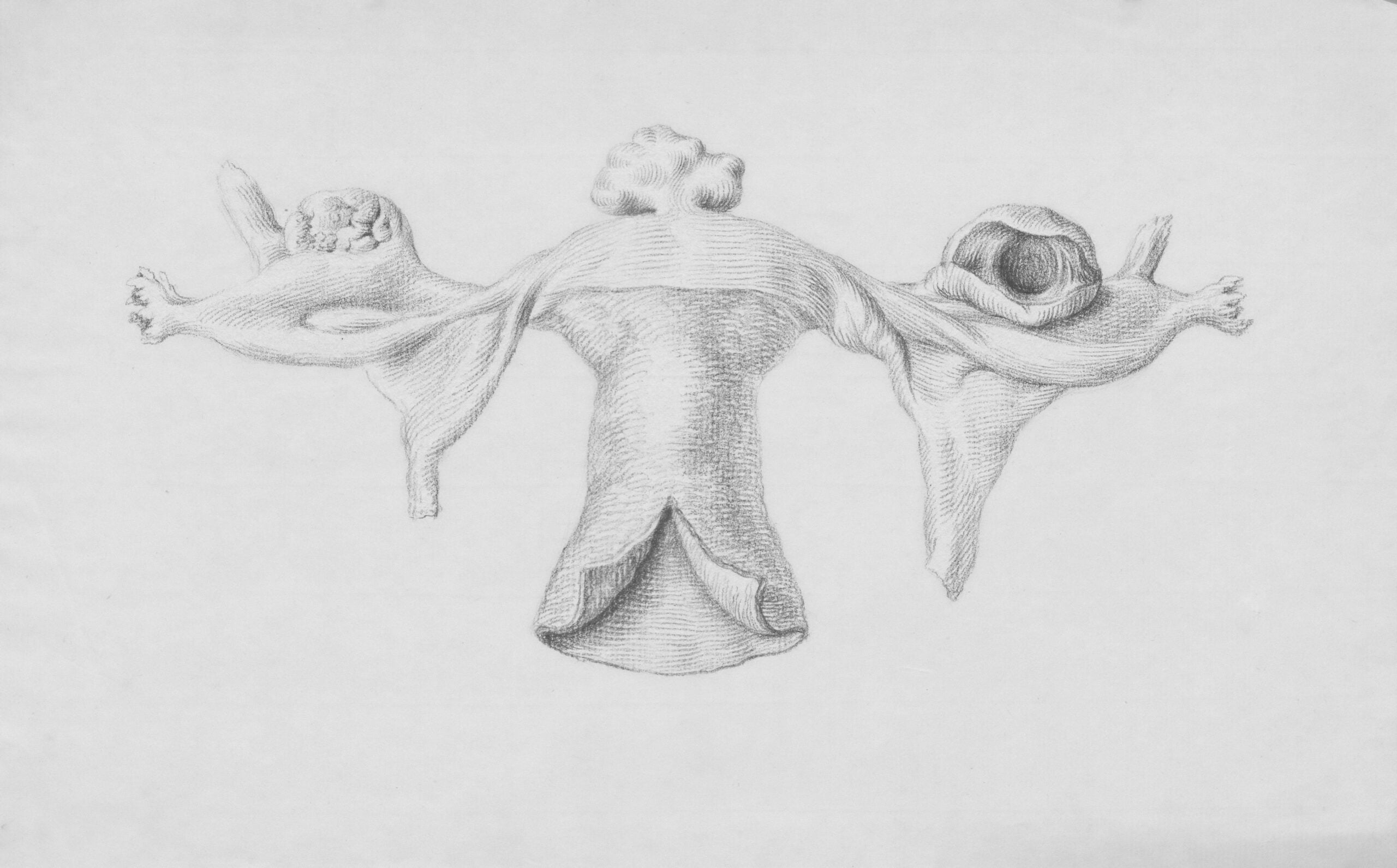
Medieval doctors thought the female uterus wasn’t attached to anything and could travel around inside a woman’s body causing all sorts of problems. They called this the ‘wandering womb’ theory.
If a woman had chest pains, doctors blamed a uterus that had wandered up too high. Headaches? The womb had traveled to the head.
To lure the wayward organ back to its proper place, doctors would place sweet smells near the woman’s private parts and foul odors near her nose. The theory was that the womb would be attracted to the pleasant scent and repelled by the bad one, encouraging it to return home.
This was taken completely seriously and appears in medical textbooks from ancient Greece all the way through the Renaissance.
Fumigating to move organs

Doctors believed they could use strong smells to literally push organs around inside the body. If they thought an organ had moved from its proper location, they’d burn aromatic herbs and direct the smoke at various body parts.
Foul-smelling fumigation applied to one end of the body would supposedly drive organs away toward the other end. Pleasant fumigation would attract organs toward the smell.
This treatment was especially common for the wandering womb theory. Women might find themselves sitting over a pot of burning herbs with their skirts lifted, while doctors wafted the smoke upward, believing this would coax the uterus back into position.
The entire medieval medical establishment accepted this as legitimate therapy.
Royal Touch healing

People believed that kings and queens had magical healing powers granted by God. The sick would line up by the hundreds to be touched by royalty, particularly for a disease called scrofula, which caused swollen lymph glands in the neck.
The monarch would place their hands on the afflicted area and recite prayers. Sometimes they’d hang a gold coin around the patient’s neck as part of the ritual.
The practice was called ‘the King’s Touch’ and continued for centuries. In England, King Charles II reportedly touched nearly 100,000 people during his reign.
The practice only ended in the 1700s when it finally became too embarrassing for educated monarchs to pretend they could cure disease with their hands.
Burning using scorching metal rods

Cauterization meant heating iron tools till they turned red hot, then shoving them onto cuts, growths, or spots hurting for ages. Hissing noise and stink of scorched tissue? That’s how folks knew it was doing its job.
Heat, they thought, shut up open sores, wiped out germs, zapped sickness clean. Sometimes, they burned parts that looked fine – no damage visible – but where people said things ached inside.
Burning the surface, they figured, might fix what’s broken beneath. Back then, barber surgeons stored variously shaped cautery tools, heating them in coals while working.
Patients simply bore the pain – no numbing available at all.
Checking color charts for pee

Doctors once relied on complex round diagrams – urine wheels – with around twenty shades tied to different illnesses. These disks reminded people of paint swatches at a local home depot.
A physician took a bottle of pee, lined it up against the chart, then traced from the closest hue to find a condition. If the liquid was nearly black, that pointed somewhere; light yellow hinted at something else; red-tinged suggested another issue entirely.
Certain versions also added remarks on how hazy, thick, or stinky the sample seemed. These charts were key for diagnosis, while doctors took small copies along during home visits.
Students needed to learn every color – each linked to a specific illness.
Plague doctor beak masks

Back then, when plagues spread fast, physicians covered their faces with odd masks shaped like bird beaks – stuffed full of sweet-smelling plants or dried seasonings. Because they figured rotten odors were what made folks ill – they called it miasma theory.
Inside that strange snout? Stuff such as crushed clove buds, dried rose bits, sharp camphor chunks, even rags soaked in sour vinegar water. Breathing through those layers, they hoped, kept dangerous air away so sickness wouldn’t reach them.
With hoods on and these long-nosed covers, healers sorta resembled huge crows – which probably scared patients who were already fighting for life. The full getup had a lengthy waxed jacket, gloves, then a rod to check people without contact.
It didn’t really stop plague – fleas carried it, not foul vapors – yet this look turned into a lasting symbol of old-time healing.
How come they thought it made sense

Back then, medical ideas didn’t come from experiments like today’s science. Instead, healers trusted old writings by Greeks and Romans – those were seen as unquestionable rules.
When a person got better, folks thought the cure must’ve done its job. But if someone passed away, blame went either to late-stage sickness or poor obedience from the sick individual.
The thoughts fit with what they knew about human bodies back then. Because if sickness came from uneven humors, taking out blood would make perfect sense.
Since spirits caused madness, making an exit through the skull didn’t seem extreme. Those healers tried hard using whatever info was around – most of which turned out to be totally off.
More from Go2Tutors!

- The Romanov Crown Jewels and Their Tragic Fate
- 13 Historical Mysteries That Science Still Can’t Solve
- Famous Hoaxes That Fooled the World for Years
- 15 Child Stars with Tragic Adult Lives
- 16 Famous Jewelry Pieces in History
Like Go2Tutors’s content? Follow us on MSN.



