16 Giant Sea Creatures That Broke Size Records
The ocean depths hide giants that defy imagination. Some creatures in our seas reach sizes comparable to multiple school buses, while others stretch longer than entire city blocks.
Below are 16 marine monsters that shattered every size record, proving that when it comes to the sea, bigger is often better.
Blue Whale
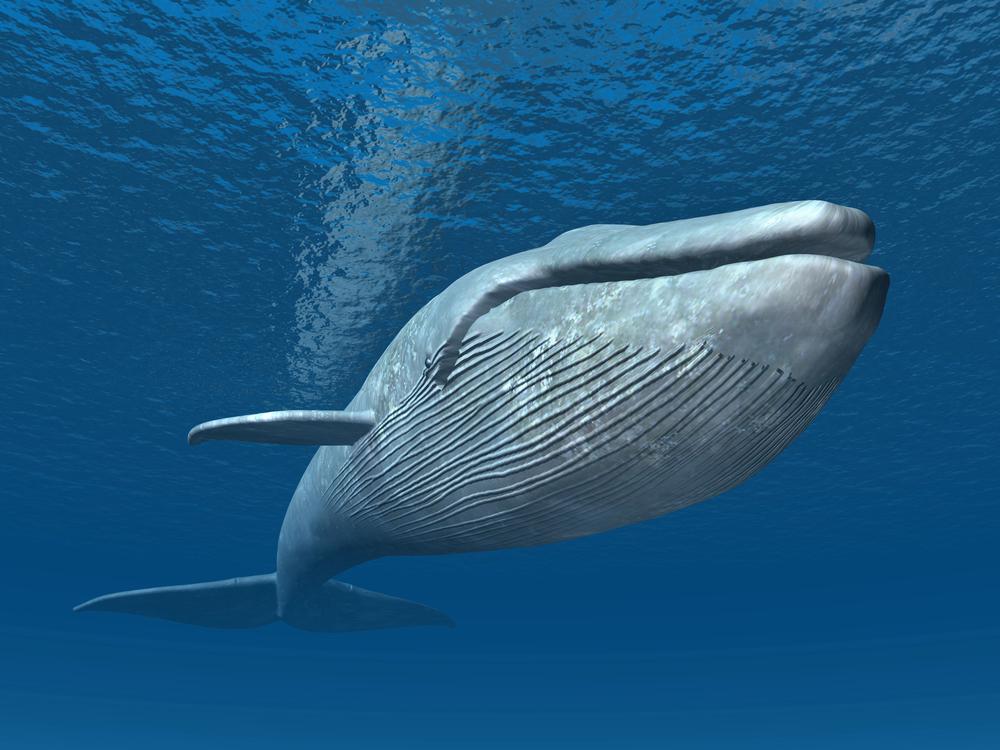
The blue whale holds the title of largest mammal on Earth and largest animal overall that ever existed, dinosaurs included. These ocean titans can reach lengths up to 110 feet and weigh around 400,000 pounds.
Their hearts alone weigh 680 kg (1,500 lb), which is the same size as a VW Beetle car. And their tongues? Four tonnes of pure muscle. That’s heavier than an elephant.
Whale Shark
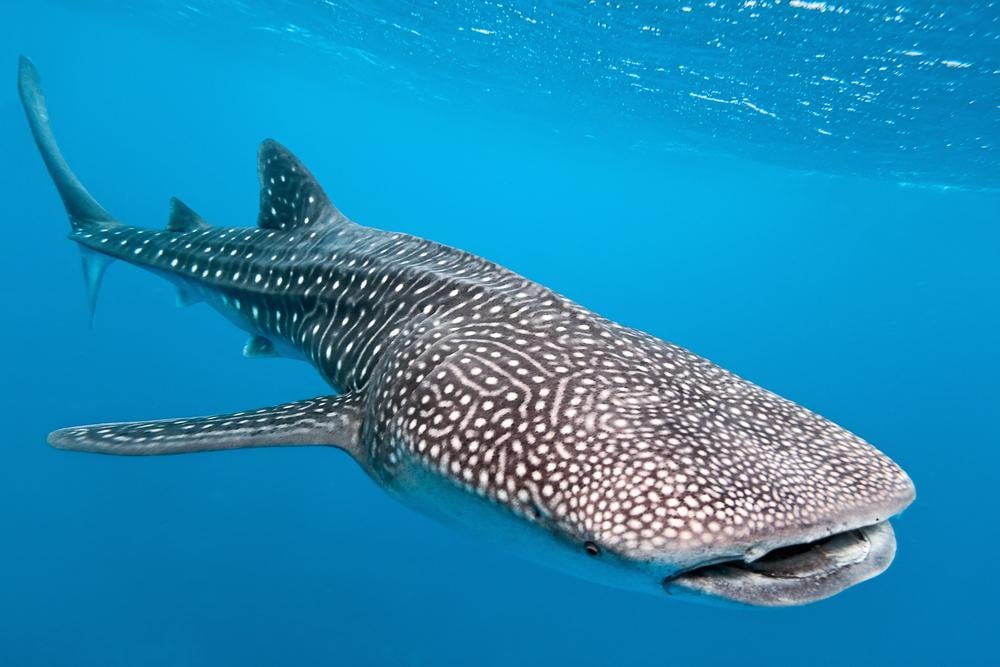
Filter-feeding through tropical waters, whale sharks claim the crown as the world’s largest fish. The largest scientifically documented whale shark was a female caught in the Arabian Sea off Veraval in Gujarat, India, on 8 May 2001; she measured a whopping total of 18.8 metres (61 feet 8 inches).
Despite their massive size reaching up to 65 feet, these gentle giants prefer dining on plankton and small fish. They’re basically living vacuum cleaners with fins.
Like Go2Tutors’s content? Follow us on MSN.
Colossal Squid

This deep-sea giant is the largest invertebrate in the world, measuring a total length of 46ft (including tentacles) and weighing up to 1100Ib. But here’s what sets them apart from their cousins—they sport the largest eyes in the animal kingdom at 10 inches across.
One eye is bigger than a basketball. Imagine the underwater horror movies they must see.
Japanese Spider Crab
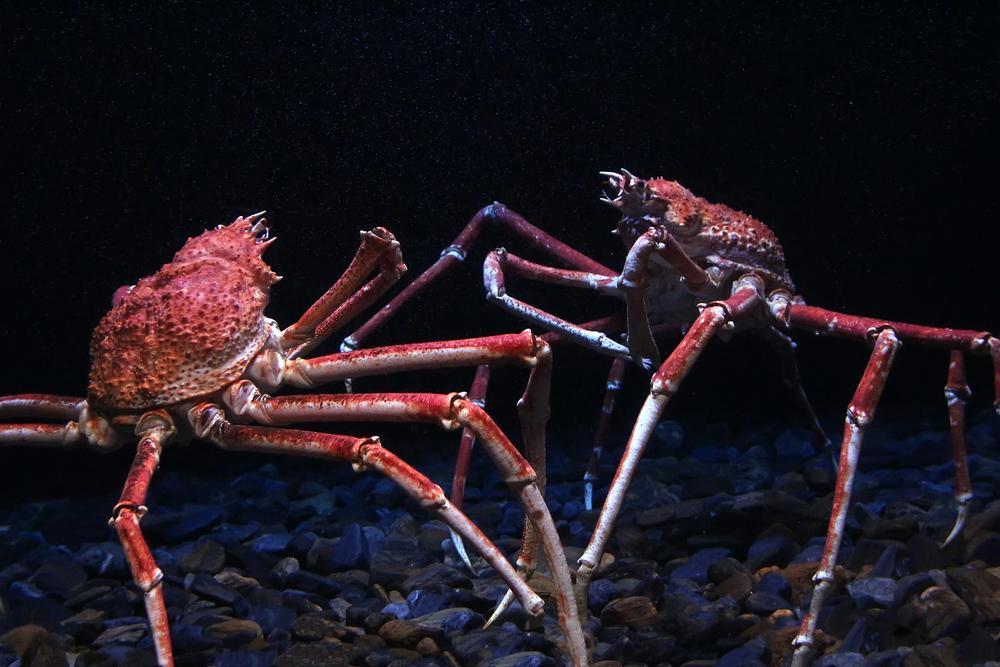
At around 3.75 meters (12 ft), it has the largest leg span of any arthropod. A Japanese spider crab called “Big Daddy” was the world’s widest crustacean in captivity ever, measuring 3.11 metres (10 ft 2.5 in).
These living nightmares can live up to 100 years, slowly crawling across the ocean floor with legs that just keep growing. Their Japanese name literally translates to “tall-legged crab.” Subtle.
Lion’s Mane Jellyfish
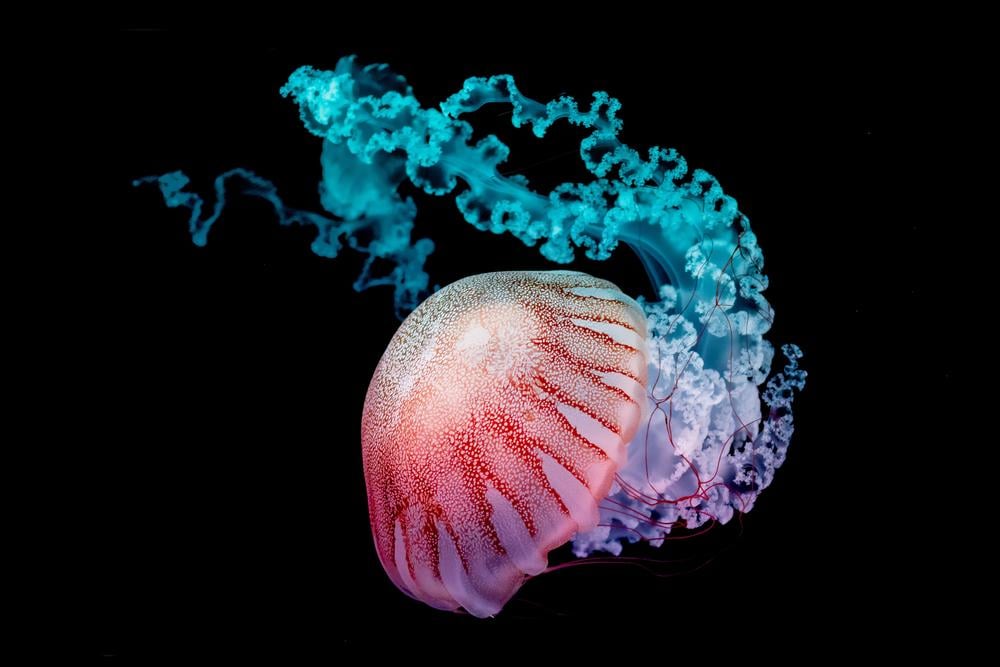
Not great for beach days. The largest recorded specimen was measured off the coast of Massachusetts in 1865 and had a bell with a diameter of 210 centimetres (7 feet) and tentacles around 36.6 m (120 ft) long. That’s longer than a blue whale.
The tentacles of larger specimens may trail as long as 30 m (100 ft) or more, creating underwater death curtains that capture fish, crustaceans, and smaller jellyfish. They pack enough venom to ruin your whole week.
Like Go2Tutors’s content? Follow us on MSN.
Giant Pacific Octopus
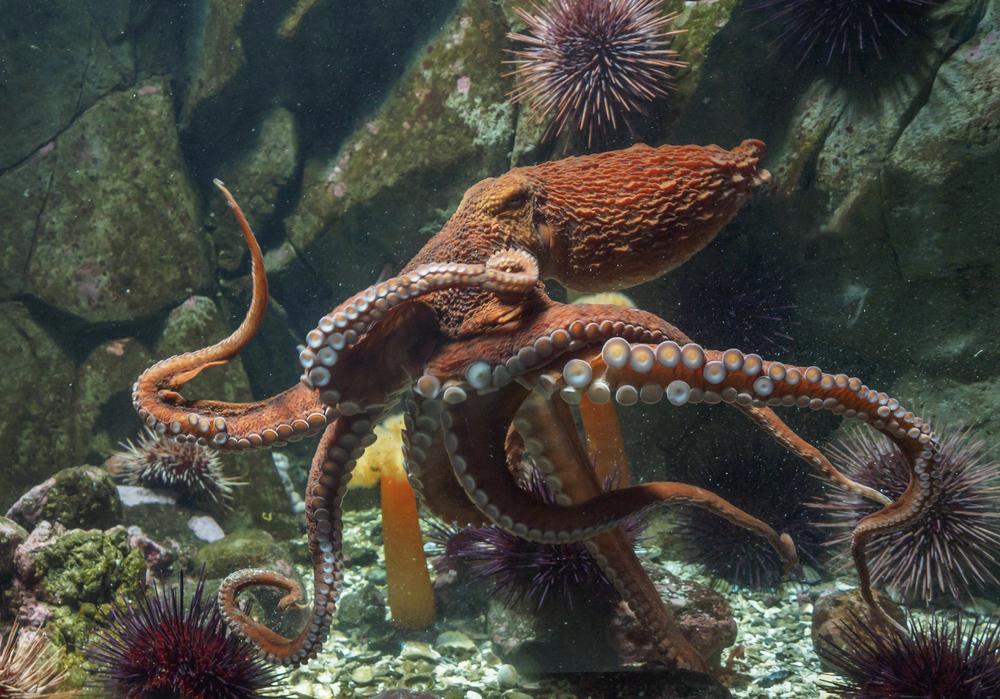
With a full radius spread of about 32 feet and a weight of over 600 pounds, the Giant Pacific Octopus grows bigger and lives longer than any other octopus species in the world. They’re also remarkably intelligent problem-solvers.
Still… It could be worse. At least they don’t have tentacles trailing 120 feet behind them.
Sperm Whale
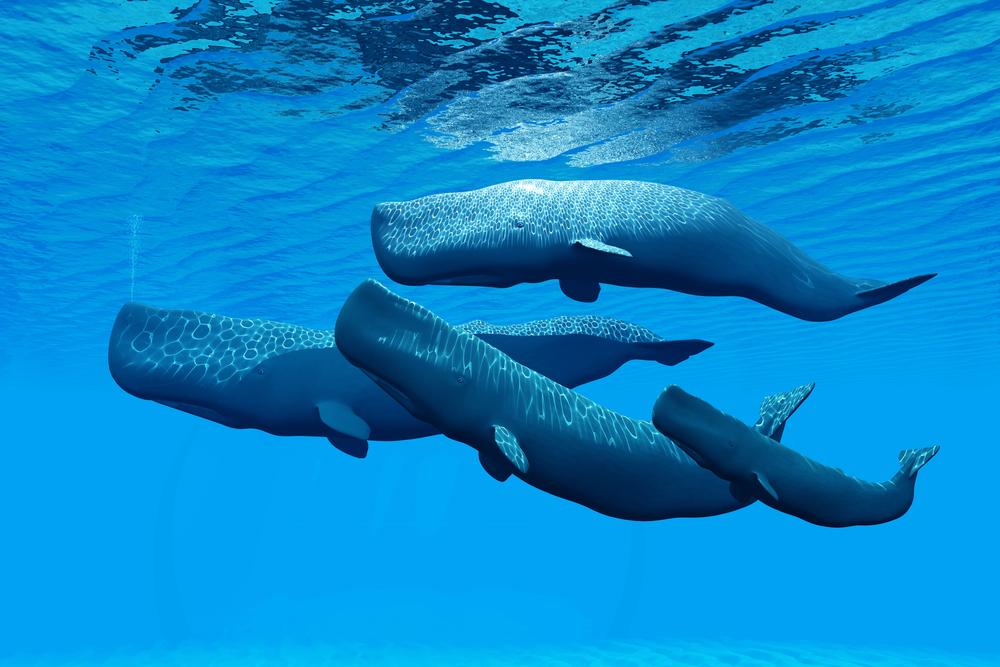
The ocean’s heavyweight champion of toothed predators. The Sperm Whale can grow upwards of 80 feet in length, which is essentially an 8-story building that can swim. They dive deeper than any other whale, hunting giant squid in the midnight zone.
Their square heads contain the largest brain of any animal on Earth. And their clicks can stun prey from a distance—nature’s own sonic weapon.
Giant Oarfish
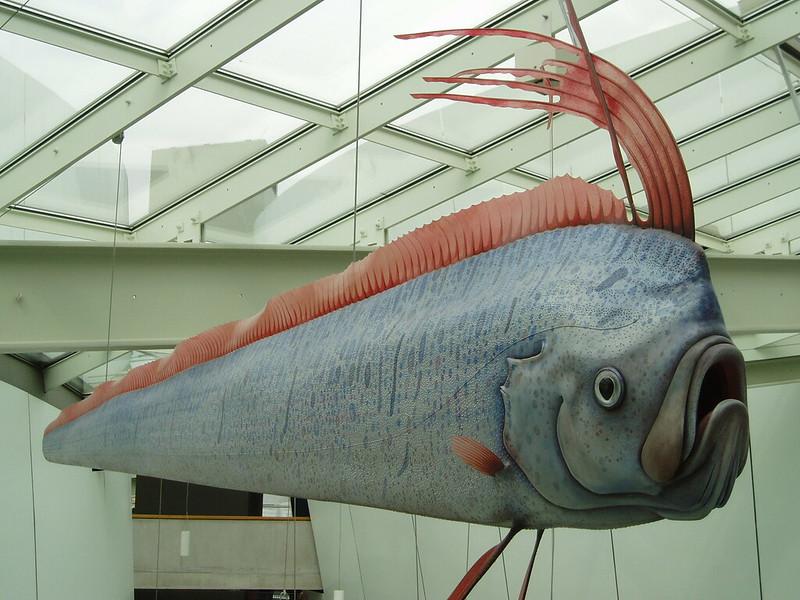
These bony fish can grow up to lengths of 36 feet, with the largest recorded weight being more than half a ton at around 600 kilograms. They’re so rarely seen that folklore claims they surface before disasters.
True or not, finding a 36-foot serpentine fish on your beach would definitely feel like an omen. They prefer the deep ocean, swimming vertically like living ribbons.
Like Go2Tutors’s content? Follow us on MSN.
Basking Shark
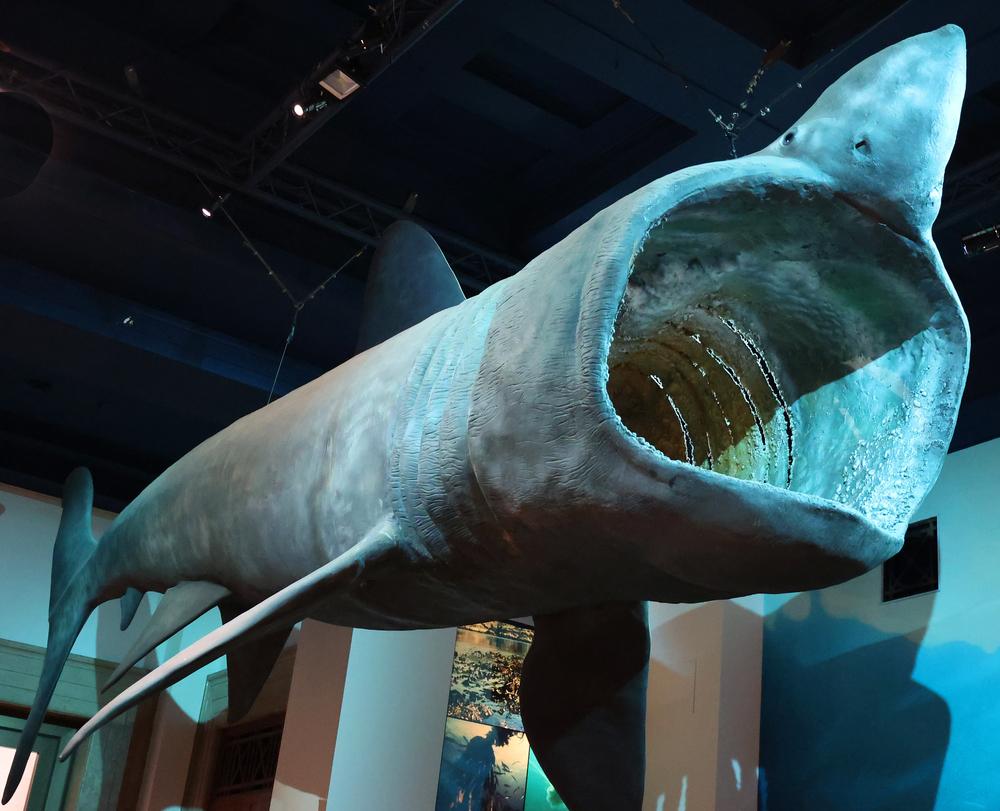
The Basking Shark can grow upwards of 40 feet, which also happens to be about the size of a school bus. Despite their intimidating size, these are the gentle giants of the shark world, filtering plankton through their massive mouths.
Their dorsal fins often break the surface, creating what many mistake for sea monster sightings. But they’re about as dangerous as a floating garbage truck.
Giant Manta Ray
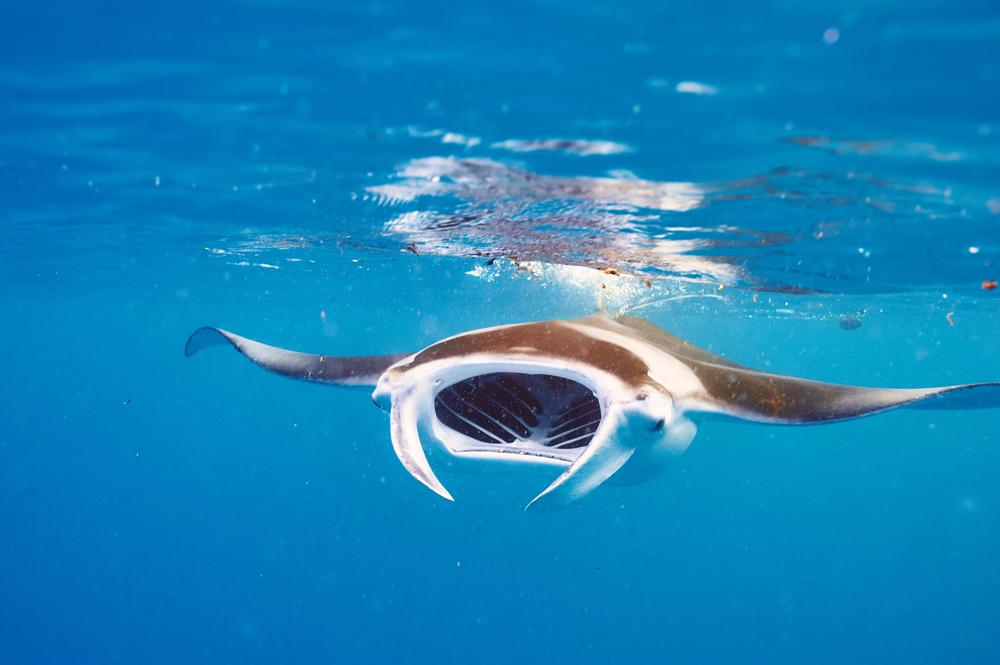
Their large pectoral fins stretch to an unbelievable 30 feet across which is about four-and-a-half times as wide as Michael Jordan is tall. These graceful giants glide through tropical waters like underwater aircraft.
They’re filter feeders too, but watching them fly through the water feels like witnessing marine ballet. Just with wings the size of a small airplane.
Portuguese Man o’ War
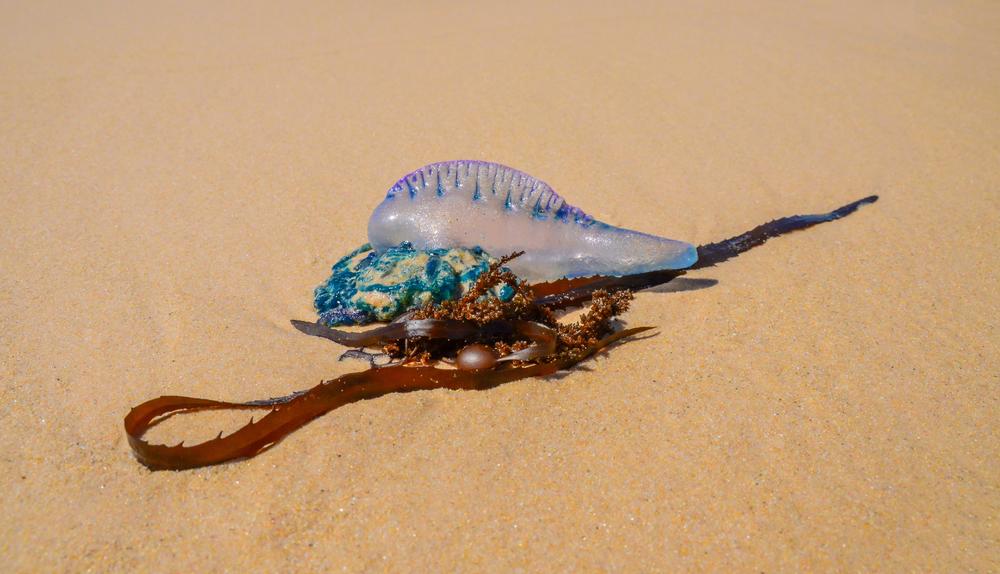
The Man-of-War is an interesting species that have tentacles that can grow to be about 8 feet but in some cases, there have been findings of these creatures with tentacles as long as 165 feet. Technically not a jellyfish, but it stings like one.
The smell of ocean spray carries a different meaning when you know these floating landmines might be lurking nearby.
Like Go2Tutors’s content? Follow us on MSN.
Giant Barrel Sponge

The largest known species of sea sponge is the giant barrel sponge, Xestospongia muta. These massively built sponges can reach 2.4 m (8 ft) in height and can be about the same thickness at the thickest part of the “body”. Some specimens have been estimated at over 2,400 years old.
Living barrels older than Christianity, quietly filtering water in Caribbean reefs. They’ve watched empires rise and fall while doing absolutely nothing but existing.
Giant Isopod
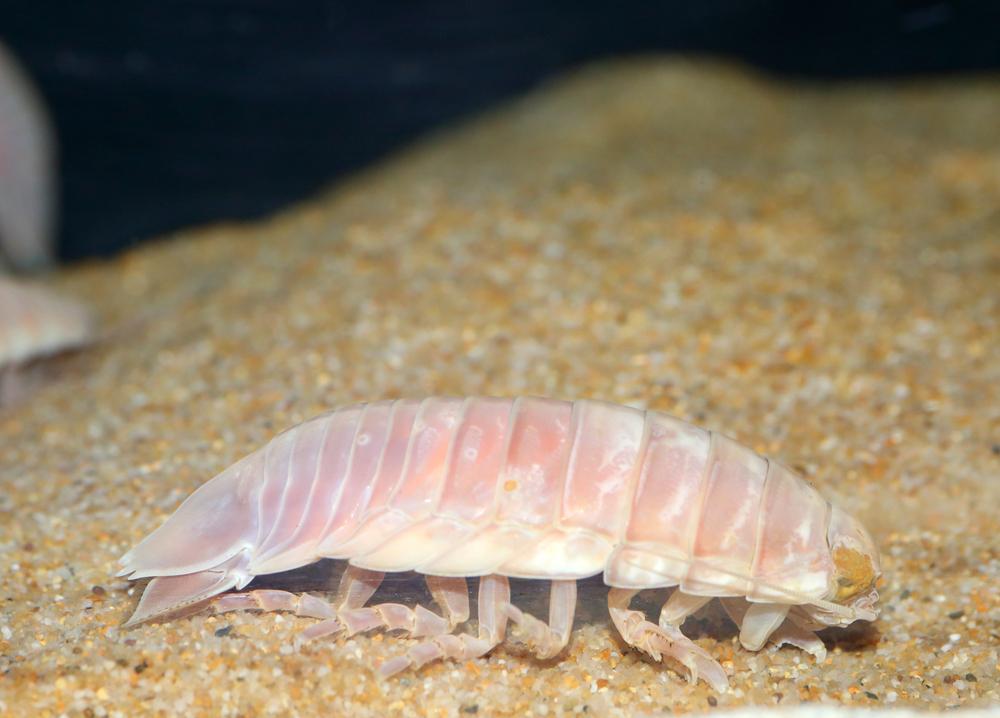
Deep-sea gigantism at its finest. The largest species is the giant isopod (Bathynomus pergiganteus), which can reach a length of 45 cm (18 inches) and a weight of 1.7 kg (3.7 lb). They’re basically underwater pill bugs the size of footballs.
These armor-plated scavengers patrol the ocean floor, eating whatever falls from above. Think of them as the sea’s cleanup crew, just with more attitude.
Ocean Sunfish
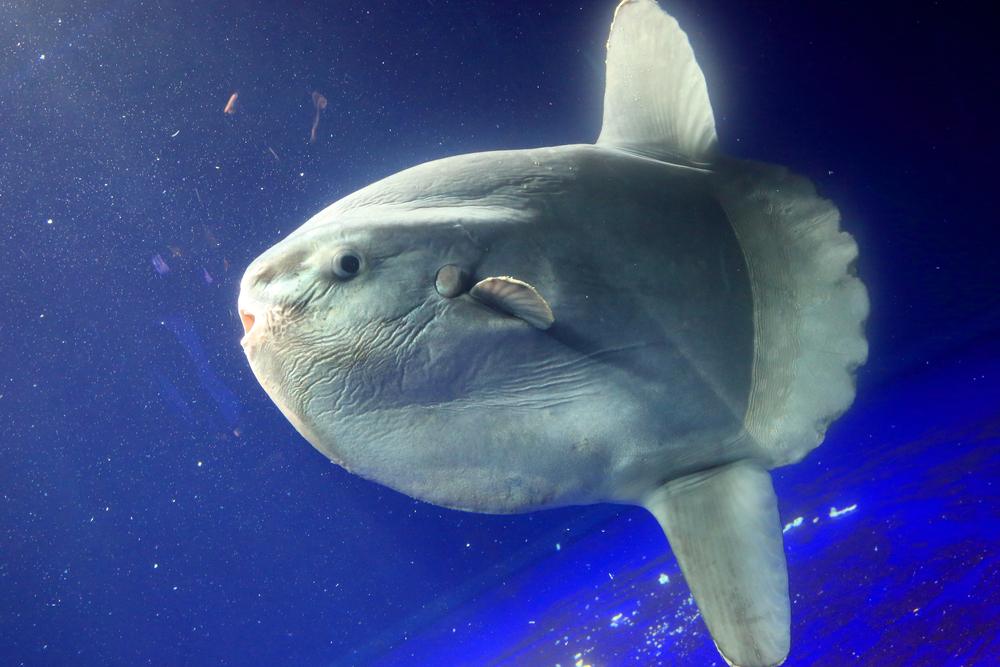
Known as the “swimming head” the ocean sunfish can grow up to 10.82 feet and a whopping 5,070 pounds. They’re essentially giant fish heads with fins stuck on as an afterthought.
Despite their awkward appearance, they’re surprisingly accomplished swimmers and dedicated parents. Though they do look like someone’s unfinished art project.
Like Go2Tutors’s content? Follow us on MSN.
Giant Tube Worm
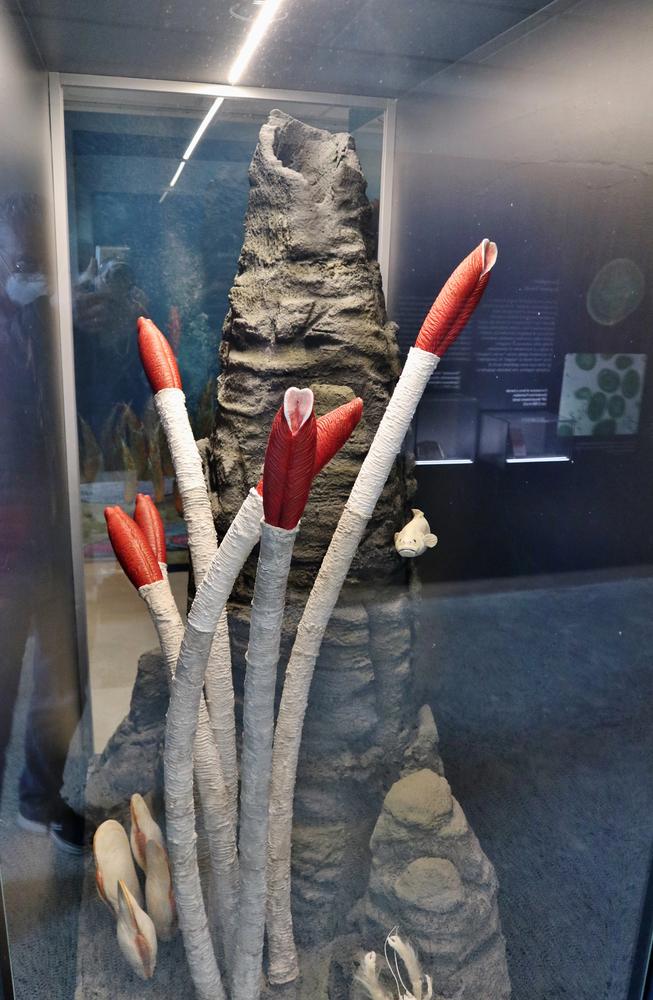
Deep-sea vents host these otherworldly creatures that can grow several feet long. They have no mouth, no stomach, and somehow thrive in waters hot enough to melt lead.
- Their survival depends entirely on bacteria living in their bodies
- They can live over 300 years in complete darkness
- They’re basically living chemistry experiments
Pretty sure they’re from another planet.
Giant Coral Colony
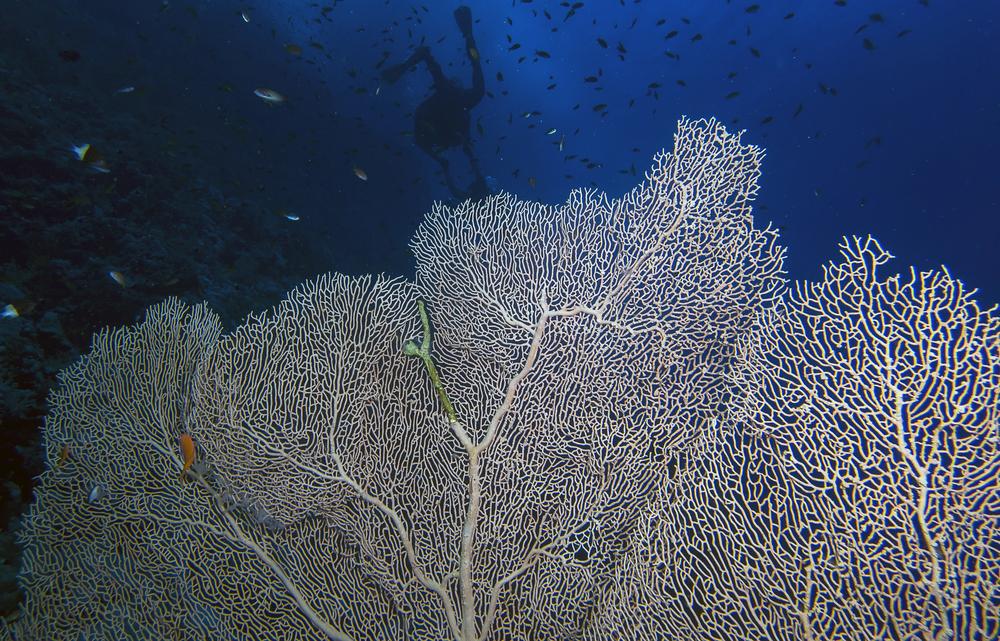
At 105 by 111.5 feet, it’s the largest recorded sea organism to date. Recently discovered in the Solomon Islands, this single coral colony is visible from space and estimated to be 300-500 years old.
It’s not just one animal but hundreds of thousands of tiny polyps working together, creating underwater cities that can be seen from orbit.
The Deep Keeps Its Secrets
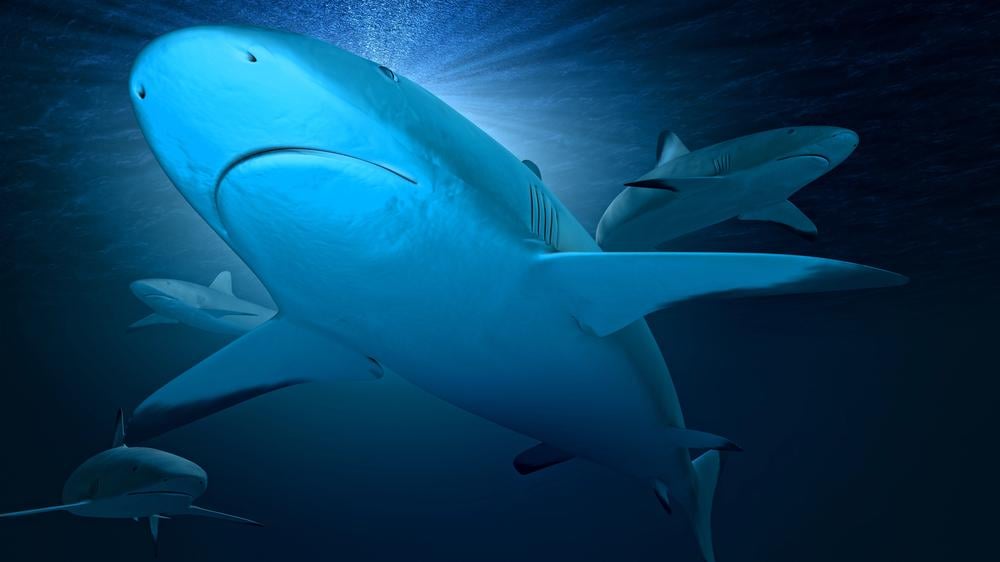
About 5 percent of the oceans have been explored, meaning larger giants almost certainly lurk in unexplored depths. Every deep-sea expedition reveals new monsters that rewrite the record books, proving the ocean still holds surprises that would make ancient sea captains’ tales seem modest by comparison.
More from Go2Tutors!

- 16 Historical Figures Who Were Nothing Like You Think
- 12 Things Sold in the 80s That Are Now Illegal
- 15 VHS Tapes That Could Be Worth Thousands
- 17 Historical “What Ifs” That Would Have Changed Everything
- 18 TV Shows That Vanished Without a Finale
Like Go2Tutors’s content? Follow us on MSN.



