15 Carrier Pigeons That Aided in Wars
Throughout history, these unassuming birds have played crucial roles in military communications when all other options failed. Their natural homing abilities and remarkable speed—reaching up to 60 miles per hour—made them invaluable messengers during times when radio silence was necessary or equipment had been destroyed.
Here is a list of 15 remarkable carrier pigeons that changed the course of battles and saved countless lives through their extraordinary service during wartime.
Cher Ami

This valiant bird saved nearly 200 American soldiers during World War I by delivering a message despite being shot through the chest. Cher Ami managed to return to his loft with the message capsule dangling from the torn tendons of his shattered leg, allowing Allied commanders to halt the friendly fire that had been decimating the trapped battalion.
G.I. Joe

During a 1943 mission in Italy, G.I. Joe flew 20 miles in just 20 minutes to deliver a message that stopped Allied bombers from attacking a recently captured town. His timely arrival saved over 1,000 British troops and countless Italian civilians who would have otherwise been caught in the bombing raid.
Like Go2Tutors’s content? Follow us on MSN.
Commando

This British military pigeon completed three successful missions during the D-Day landings in June 1944. Commando carried vital information about German positions while flying through smoke, bullets, and challenging weather conditions to deliver intelligence that helped Allied forces advance inland from the beaches.
Paddy

As the only non-American pigeon to receive the Dickin Medal (the animal equivalent of the Victoria Cross) during World War II, Paddy delivered critical information about the success of the D-Day operations. He made the journey from Normandy to England in just under five hours, one of the fastest cross-Channel flights of any military pigeon during the war.
Mary of Exeter

This remarkable female pigeon survived multiple injuries during her service in World War II, including being shot, losing a wing tip, and having her chest sutured. Mary completed numerous missions between England and France, often returning home with critical intelligence despite her wounds and the predatory falcons specifically released by the Germans to intercept messenger pigeons.
Like Go2Tutors’s content? Follow us on MSN.
William of Orange

During the brutal Battle of Arnhem in 1944, William of Orange was the only pigeon to successfully deliver messages when all other communication methods had failed. He flew 260 miles back to Britain in adverse weather conditions carrying intelligence that proved crucial for the evacuation of survivors of the failed operation.
The Mocker

This American pigeon earned its name from its apparent ability to evade German falcons by flying extremely close to the ground. The Mocker delivered 52 messages during the Italian Campaign and became known for his reliability in reaching his destination regardless of weather or distance.
Gustav

When human messengers couldn’t get through, Gustav delivered the first news of the D-Day landings to Britain, flying over 150 miles in just over five hours. His message from a Reuters news correspondent contained the first press dispatch from the Normandy beaches, outpacing all other forms of communication during those critical early hours.
Like Go2Tutors’s content? Follow us on MSN.
White Vision
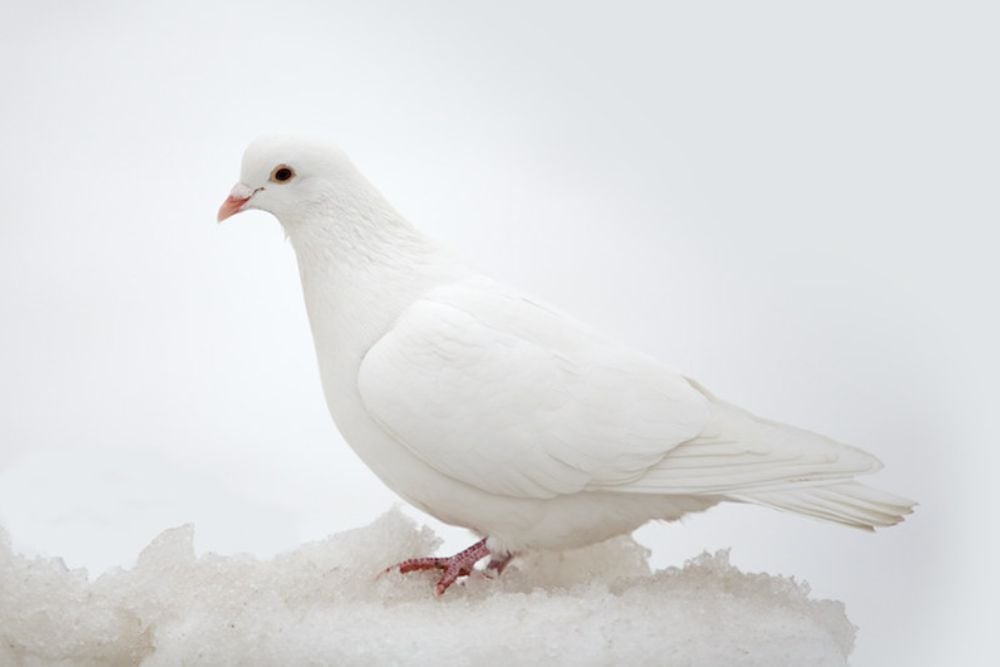
During a rescue mission in the North Sea in 1942, White Vision flew 60 miles through gale-force winds and heavy mist to deliver a message that saved the lives of a downed air crew. Her perseverance through storm conditions that grounded search aircraft resulted in a successful rescue operation that would have otherwise been impossible.
Duke of Normandy

This pigeon flew multiple missions during the Normandy invasion, carrying detailed maps of German defensive positions drawn by French Resistance fighters. The Duke of Normandy’s deliveries helped Allied commanders adjust their strategy during the critical days following the initial landings, potentially saving hundreds of lives through more precise tactical planning.
Kenley Lass

As one of the first pigeons to be air-dropped in a container into occupied France, Kenley Lass successfully returned with intelligence from French Resistance operatives. She completed this dangerous mission during the early stages of World War II when Allied forces desperately needed information about German troop movements and fortifications.
Like Go2Tutors’s content? Follow us on MSN.
President Wilson

Named after the American president, this World War I pigeon saved many lives by delivering 12 critical messages at the height of the Meuse-Argonne Offensive in 1918. His most famous delivery carried the locations of heavy German artillery that was subsequently targeted and neutralized by American forces.
Lucia di Lammermoor
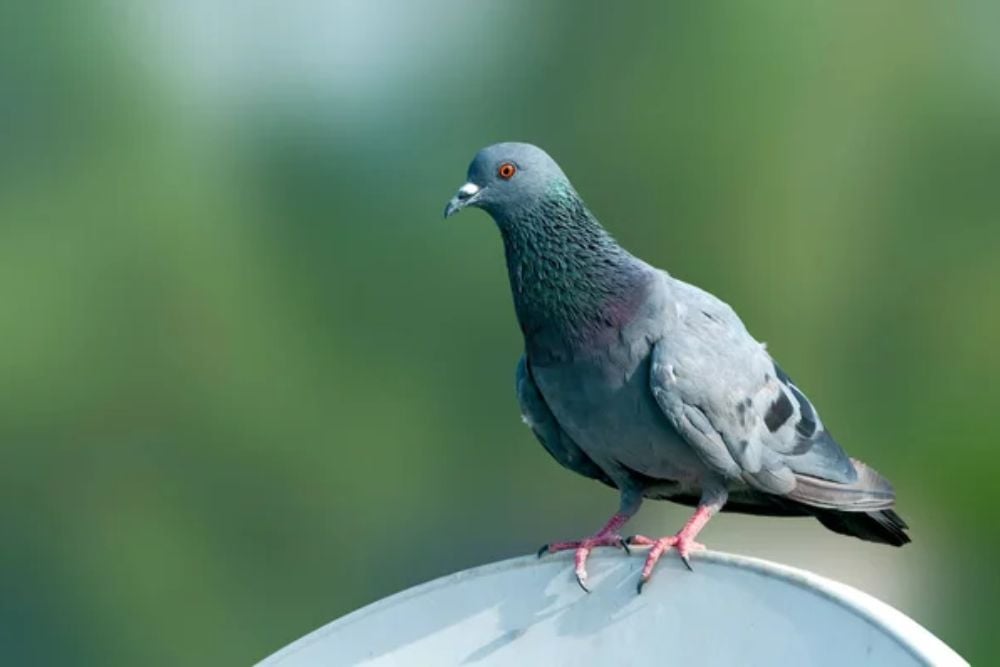
This Italian pigeon served with the British forces in North Africa during World War II, delivering messages across desert terrain where radio signals were often unreliable. Lucia di Lammermoor navigated through sandstorms and extreme temperature changes to maintain communication lines between forward units and headquarters.
Scotch Lass

During the final push into Germany in 1945, Scotch Lass delivered crucial intelligence about a German counterattack, allowing Allied forces to prepare defensive positions. She flew through an area actively being shelled, arriving at her destination with singed feathers but an intact message that potentially saved hundreds of soldiers from being caught in a surprise attack.
Like Go2Tutors’s content? Follow us on MSN.
Royal Blue
This champion racing pigeon was requisitioned for war service and became renowned for his speed and accuracy in delivering messages from agents in occupied Belgium. Royal Blue completed the 300-mile journey across the North Sea in record time on multiple occasions, carrying microfilms with information about German V-weapon launch sites that were subsequently destroyed by Allied bombing raids.
Winged Warriors, Forgotten Heroes

These feathered messengers often operated in conditions that would ground aircraft and disable electronic communications, yet they persevered through gunfire, storms, and exhaustion to complete their missions. The legacy of these carrier pigeons reminds us that sometimes the most reliable technology isn’t technology at all—it’s the natural abilities of animals that have evolved over millennia to perform extraordinary feats. Today, while military communications have advanced dramatically, the contribution of these birds to wartime efforts stands as a testament to the unexpected heroes that emerge during humanity’s darkest hours.
More from Go2Tutors!

- 18 Unexpectedly Valuable Collectibles You Might Have Lying Around
- 15 Things Every Teenager in the ’70s Did That Teens Today Wouldn’t Understand
- 15 Strange Things People Have Tried to Ban (And Failed)
- 15 Inventions That Were Immediately Banned After Being Created
- 20 Actors Who Were Almost Cast in Iconic Roles
Like Go2Tutors’s content? Follow us on MSN.



