15 Worst Architectural Disasters From Around The Modern World
Architecture shapes the landscape of our cities and reflects our ambitions as a society. When buildings succeed, they inspire and endure for generations.
When they fail, they become cautionary tales that haunt skylines and drain budgets for decades. Some architectural disasters result from overambitious designs that ignore basic engineering principles, while others stem from rushed construction or misguided aesthetic choices that prioritize form over function.
The modern world has produced its share of spectacular architectural failures — buildings that leak, crack, sink, or simply offend the senses so thoroughly that they become symbols of everything wrong with contemporary design.
These structures remind us that even with advanced technology and centuries of building knowledge, hubris and poor planning can still create monuments to failure.
Ryugyong Hotel

The Ryugyong Hotel in Pyongyang stands as perhaps the most visible symbol of architectural overreach. Construction began in 1987 with plans for a 105-story luxury hotel.
Work stopped abruptly in 1992 when North Korea ran out of money. For decades, this concrete pyramid sat unfinished, earning the nickname “Hotel of Doom.”
The building has no windows, no interior fixtures, and structural problems that may make completion impossible. Even with recent attempts to add a glass facade, the Ryugyong remains a stark reminder of what happens when political ambition exceeds economic reality.
Millennium Tower
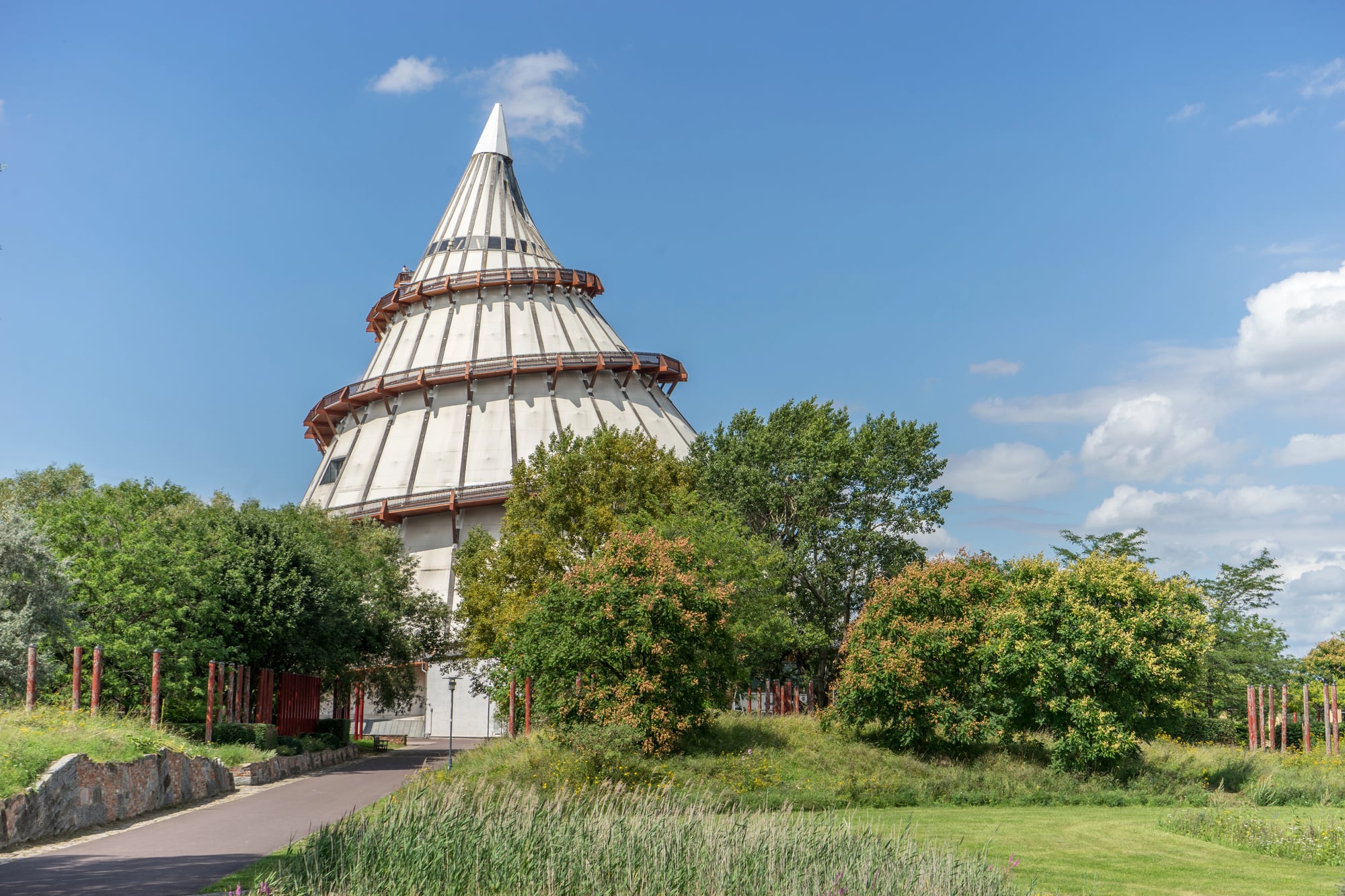
San Francisco’s Millennium Tower was supposed to represent luxury living at its finest, but it turned into a nightmare that keeps getting worse (and the residents who paid millions for their condos are watching their investments literally sink into the ground). The 58-story building has sunk more than 17 inches and tilted 14 inches since opening in 2009 — which wouldn’t be quite so alarming if it weren’t still moving.
Engineers initially blamed the adjacent construction project for the building’s instability, but investigations revealed that the tower’s foundation simply wasn’t designed properly for the soft soil conditions. So now San Francisco has a leaning tower that makes Pisa look stable, and the fix could cost hundreds of millions of dollars that nobody wants to pay.
Ponte City
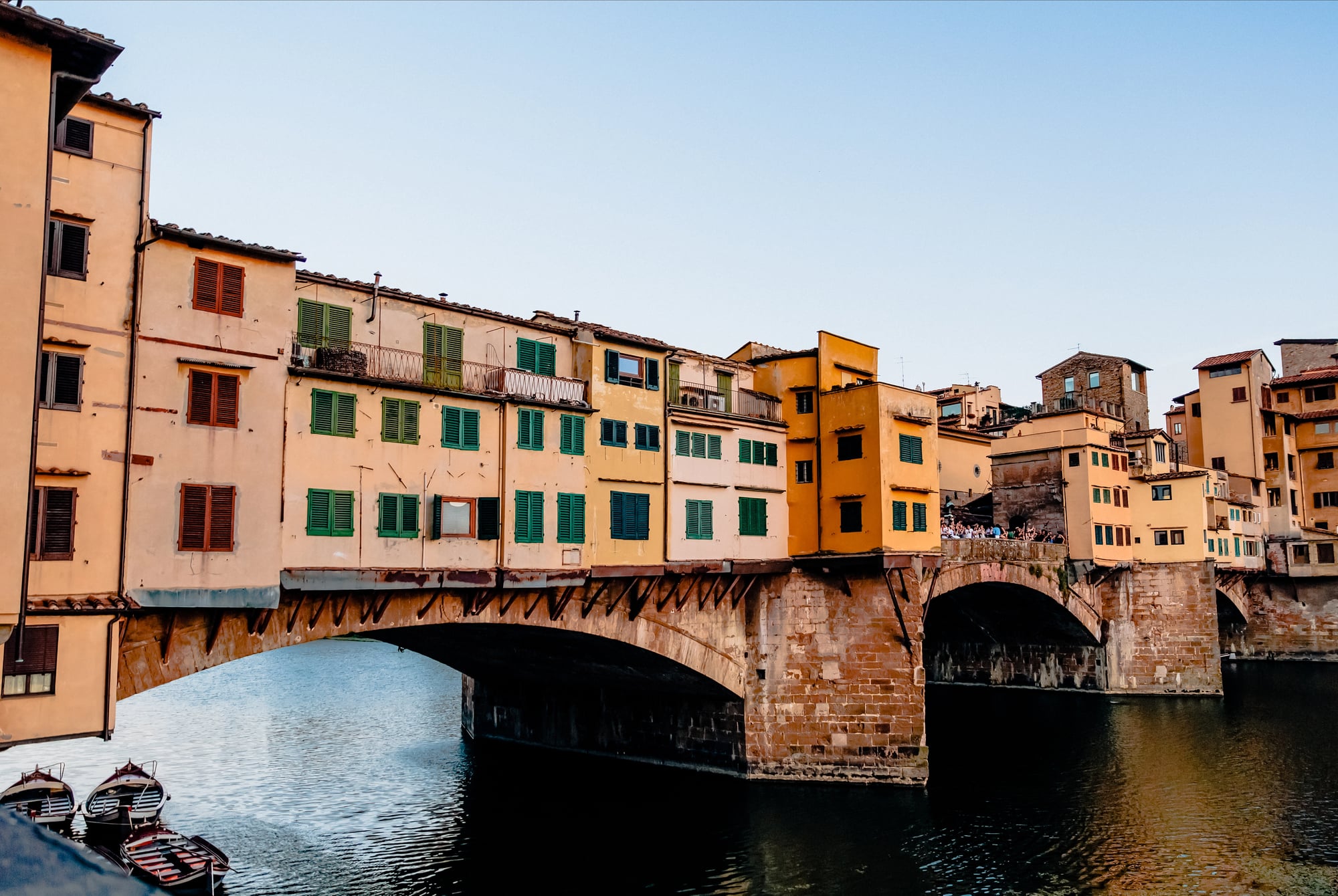
Johannesburg’s Ponte City Apartments rise like a concrete cig from the urban landscape, and the comparison feels more apt than anyone intended when construction finished in 1975. This cylindrical tower was designed as luxury housing, but social and economic changes transformed it into something closer to a vertical slum.
The building’s hollow core became a dumping ground for garbage that piled stories high. Crime flourished in the narrow corridors and identical apartments that created a maze-like environment perfect for hiding.
While recent renovation efforts have improved conditions, Ponte City remains a stark example of how architectural form without social consideration creates its own problems.
Vdara Hotel
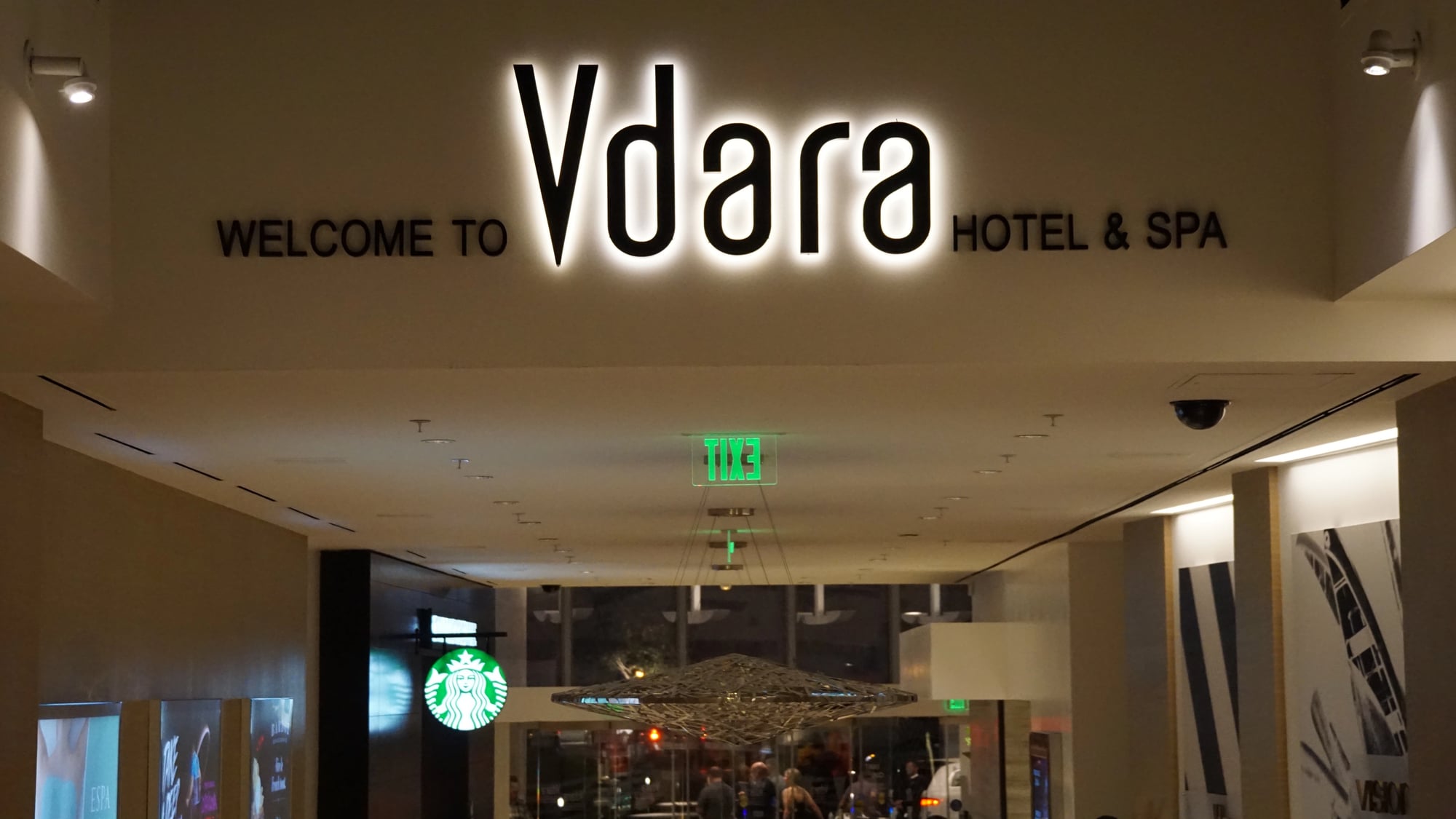
Las Vegas builds monuments to excess, but the Vdara Hotel achieved something uniquely destructive: it became a giant magnifying glass that could literally burn people. The hotel’s curved glass facade focuses sunlight into concentrated beams that reach temperatures hot enough to melt plastic and singe hair — which guests discovered when they tried to relax by the pool and instead found themselves under assault by architecture.
The “death ray” effect forced the hotel to install umbrellas and redesign landscaping to protect visitors from their own building. Engineers knew curved glass could focus light but somehow failed to calculate that a 57-story curved tower might create problematic concentrations of solar energy.
The oversight turned a luxury hotel into an inadvertent weapon.
Walkie Talkie Building
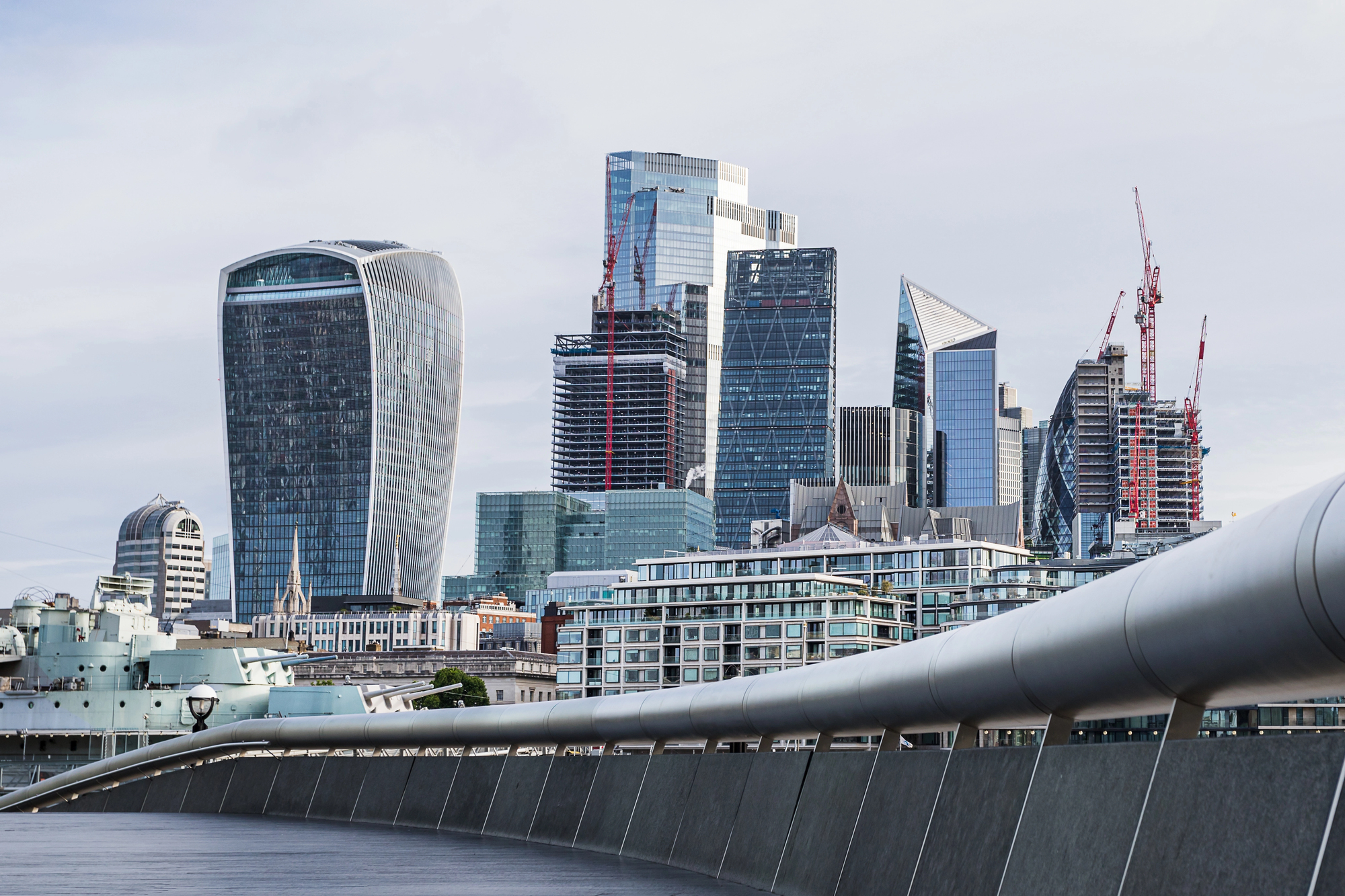
London’s Walkie Talkie building proves that architectural disasters can cross oceans and repeat themselves. Like its Las Vegas cousin, this curved glass tower focuses sunlight into beams intense enough to melt cars parked on the street below.
The building’s distinctive bulge was meant to maximize office space on upper floors, but it created a parabolic mirror that concentrated solar energy with frightening precision. Shop owners reported damaged merchandise, and one journalist famously fried an egg using only the building’s reflected heat.
Developers eventually installed permanent sun shades, but not before the structure earned the nickname “Fryscraper.”
Boston City Hall
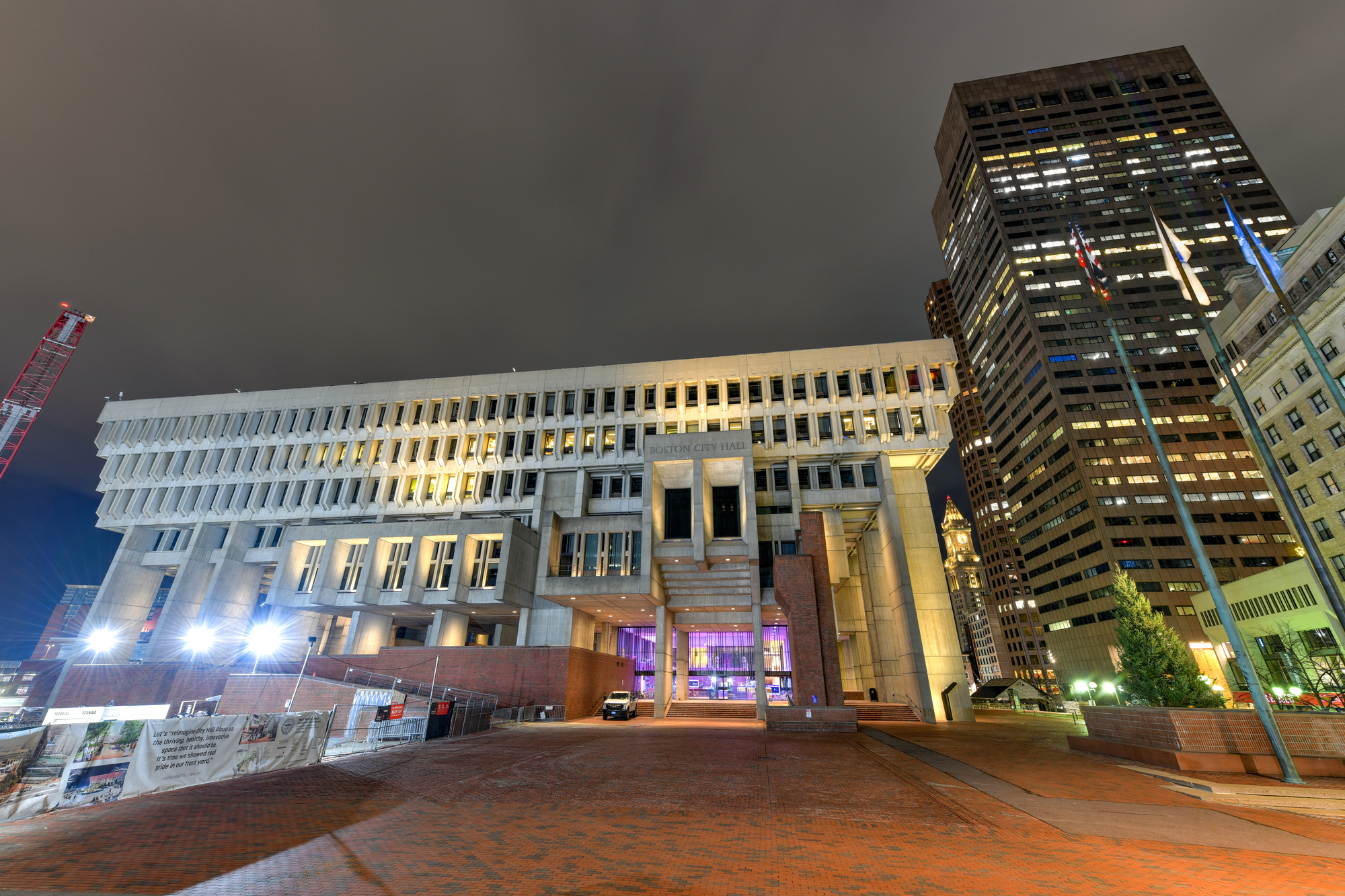
Boston City Hall squats in Government Center like a concrete fortress designed to repel citizens rather than welcome them, and after more than 50 years of public complaints, city officials still haven’t figured out how to make this Brutalist monument feel less hostile. The building’s massive concrete overhangs create dark, windswept spaces that feel more like parking garages than public plazas — which explains why most people hurry past rather than linger in what was supposed to be the city’s civic heart.
The interior layout confuses visitors with its maze-like corridors and seemingly random room numbering system, making simple tasks like renewing a license feel like navigating a concrete labyrinth designed by someone who actively disliked the public.
Nakagin Capsule Tower
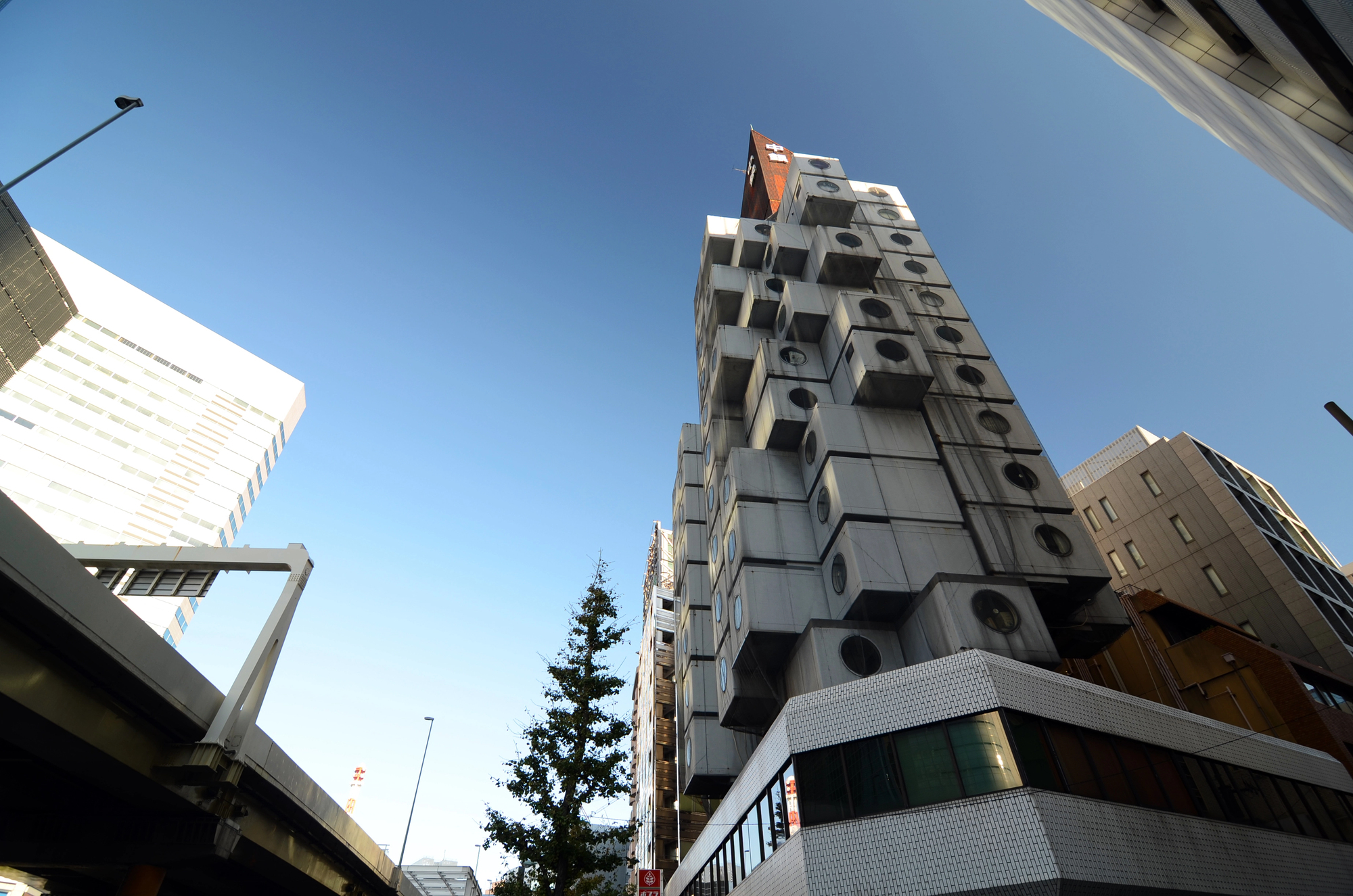
Tokyo’s Nakagin Capsule Tower embodied the metabolist movement’s vision of modular, replaceable architecture. Each apartment was designed as a prefabricated capsule that could be easily swapped out as needs changed.
The theory was elegant — the reality proved otherwise. The capsules were never actually replaced or updated, and the building’s systems deteriorated rapidly.
Tiny living spaces that seemed futuristic in 1972 felt cramped and outdated by the 1990s. Most capsules lack basic amenities like private bathrooms, and the building’s mechanical systems have failed repeatedly.
What was meant to represent architecture’s future became a monument to ideas that sounded better on paper than in practice.
Pruitt-Igoe
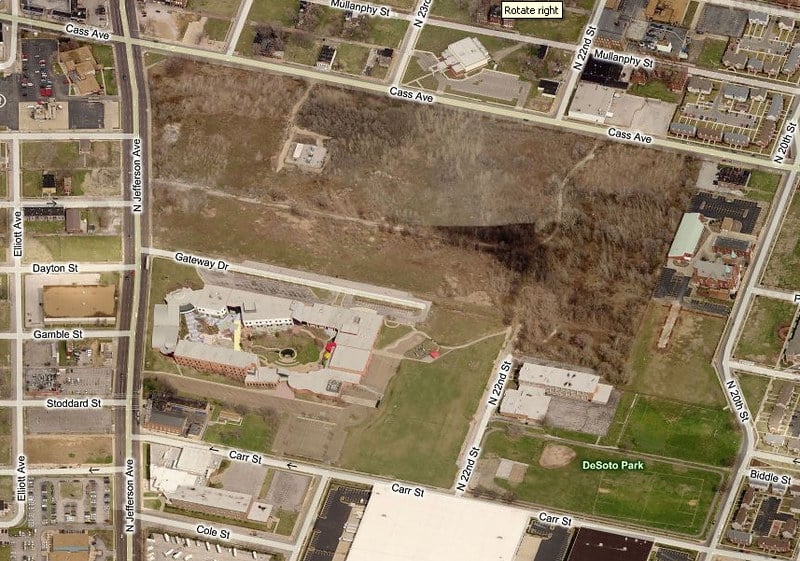
St. Louis demolished the Pruitt-Igoe housing complex in the 1970s, but its legacy as an architectural disaster continues to influence urban planning discussions decades later. This modernist housing project was meant to provide clean, efficient living spaces for low-income families, replacing crowded tenements with towers set in parkland.
The reality was more complex and ultimately tragic. The buildings’ design created isolated, difficult-to-supervise spaces where crime flourished. Maintenance proved expensive and complicated, leading to rapid deterioration.
Social and economic factors contributed to the project’s failure, but the architecture itself — with its long corridors, skip-stop elevators, and separation from street life — made community formation nearly impossible.
The dramatic implosion of Pruitt-Igoe’s towers became symbolic of modernist architecture’s failure to solve social problems through design alone.
The Shard
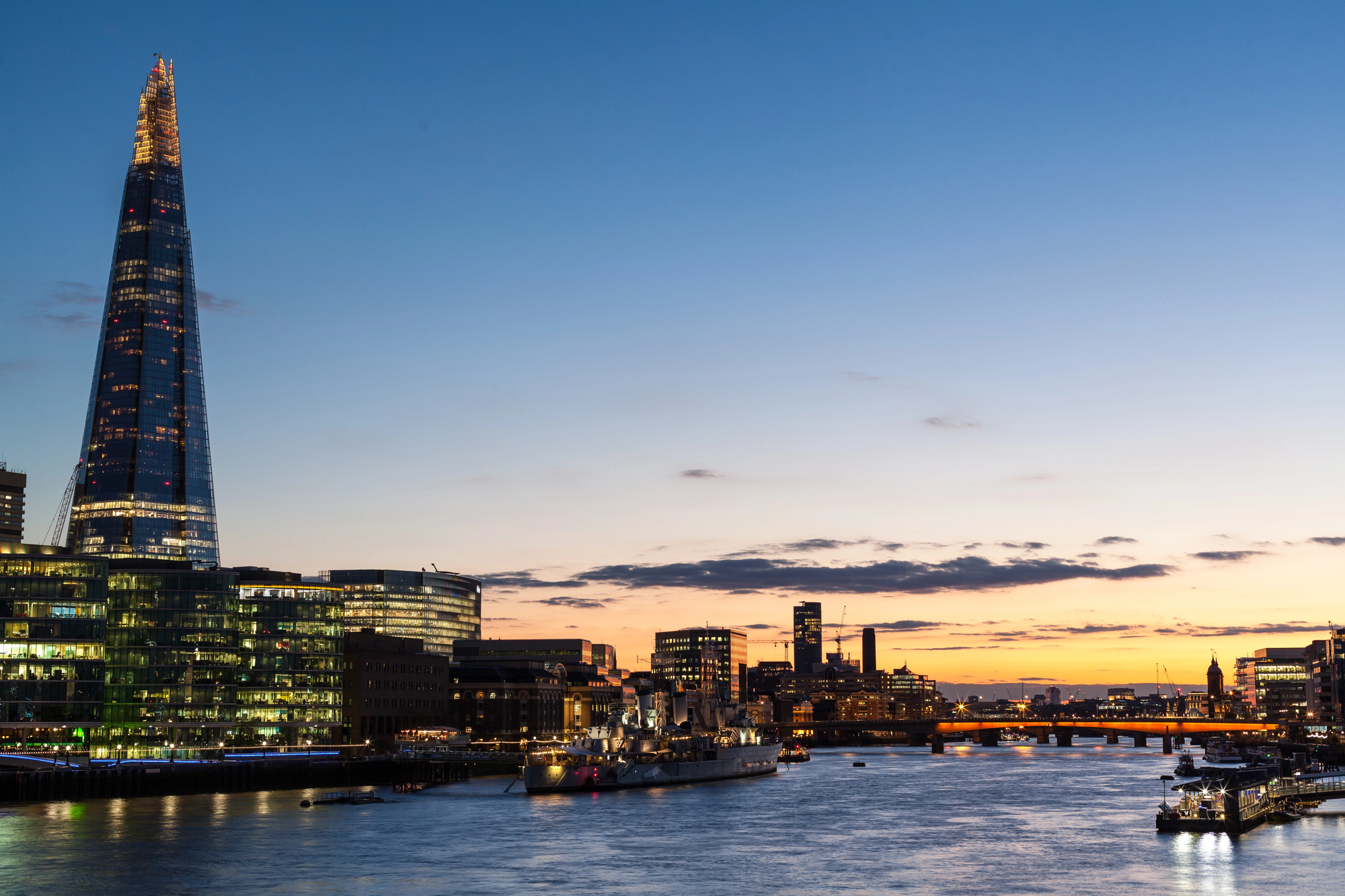
London’s Shard pierces the skyline like a glass splinter, and the metaphor captures both its visual impact and its problematic relationship with the city below — this 95-story tower overwhelms everything around it with the subtle grace of someone shouting in a library. The building’s pyramid shape creates unusable space at the top while its massive base disrupts the historic street pattern that gives London neighborhoods their character.
And here’s the thing about designing the tallest building in Western Europe: it turns out that putting a skyscraper in a city not built for skyscrapers creates problems nobody anticipated, like overwhelming the local transportation system and casting shadows that stretch for blocks.
The Shard succeeds as an engineering feat but fails as urban architecture, proving that just because you can build something doesn’t mean you should.
Seagram Building
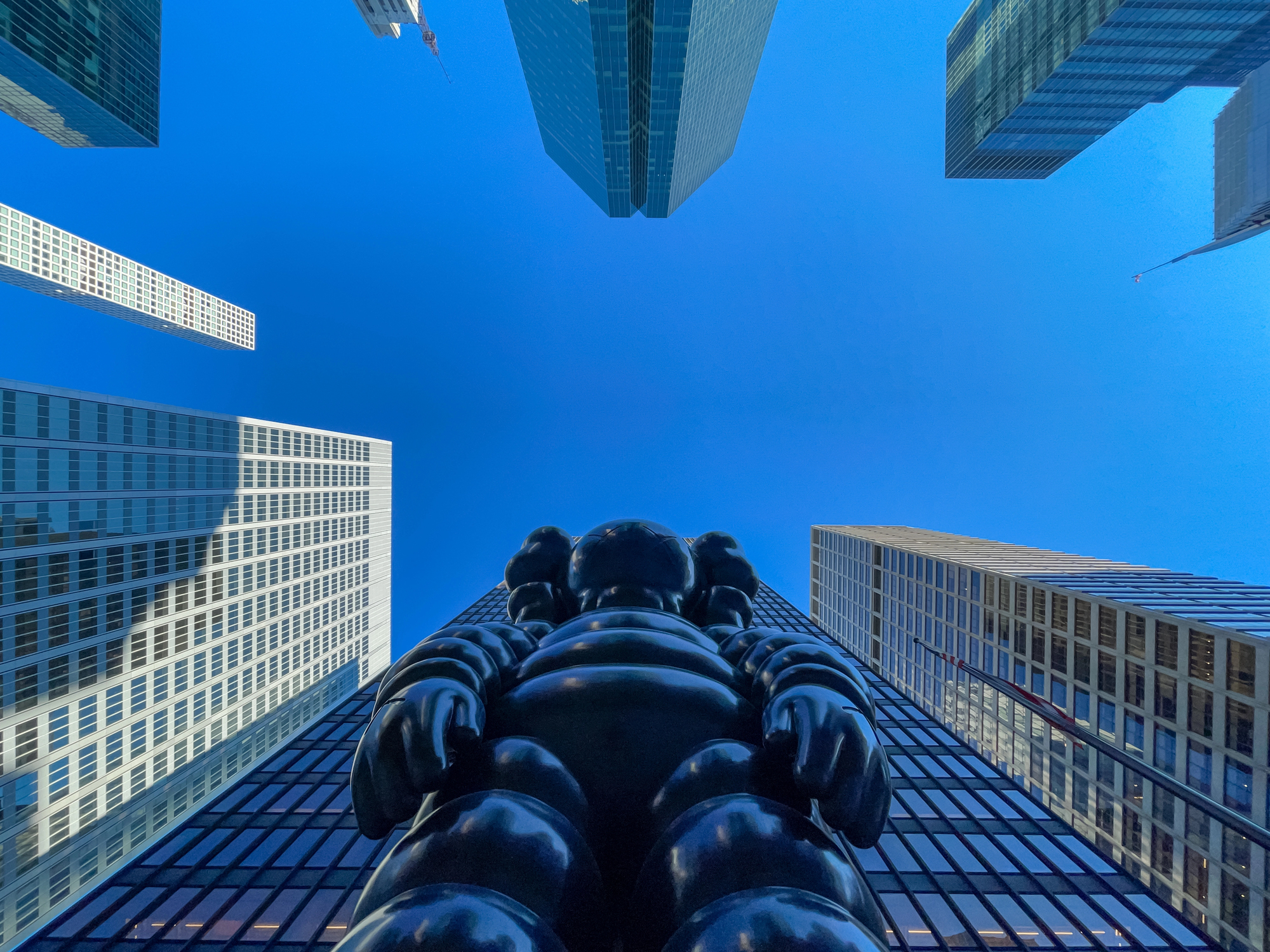
The Seagram Building stands as one of modernism’s most celebrated achievements, yet it also represents everything wrong with the movement’s approach to urban design. Mies van der Rohe created an undeniably elegant bronze and glass tower, but he set it back from the street behind a sterile plaza that dead zones an entire city block.
The building’s perfection exists in isolation, ignoring the messy vitality of street life that makes cities work. Its influence spawned countless imitators that transformed downtown areas into collections of isolated towers separated by empty plazas.
The Seagram Building proves that architectural beauty and urban success don’t always align — sometimes the most admired buildings create the least livable cities.
Torres De Colón
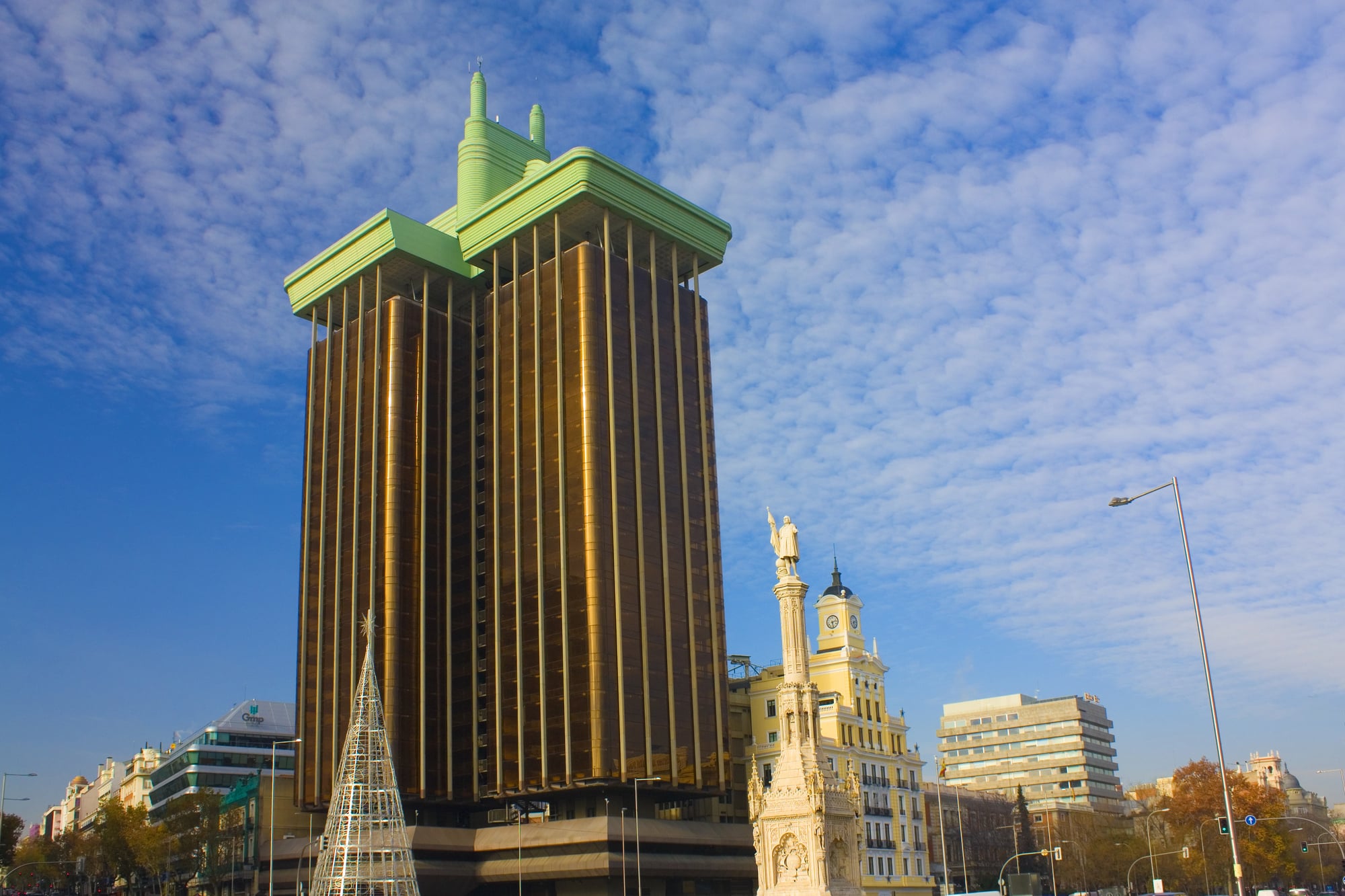
Madrid’s Torres de Colón lean into the sky at impossible angles, and the dramatic gesture that was supposed to make them architectural landmarks instead made them engineering nightmares that have required constant structural reinforcement since they opened in 1976. These twin towers hang from massive concrete cores in a display of technical bravado that ignores practical concerns like maintenance access and energy efficiency — try cleaning windows on a building that tilts 15 degrees or running utilities through a structure that defies gravity for no clear reason beyond showing off.
The towers’ dramatic form creates unusable space at the base and complicated floor plans throughout, proving that architectural acrobatics often sacrifice function for the sake of making a statement.
But the real problem isn’t the engineering challenge or the wasted space: it’s that all this structural drama was deployed in service of creating office buildings that could have been built more simply, more cheaply, and more successfully using conventional methods.
AT&T Building
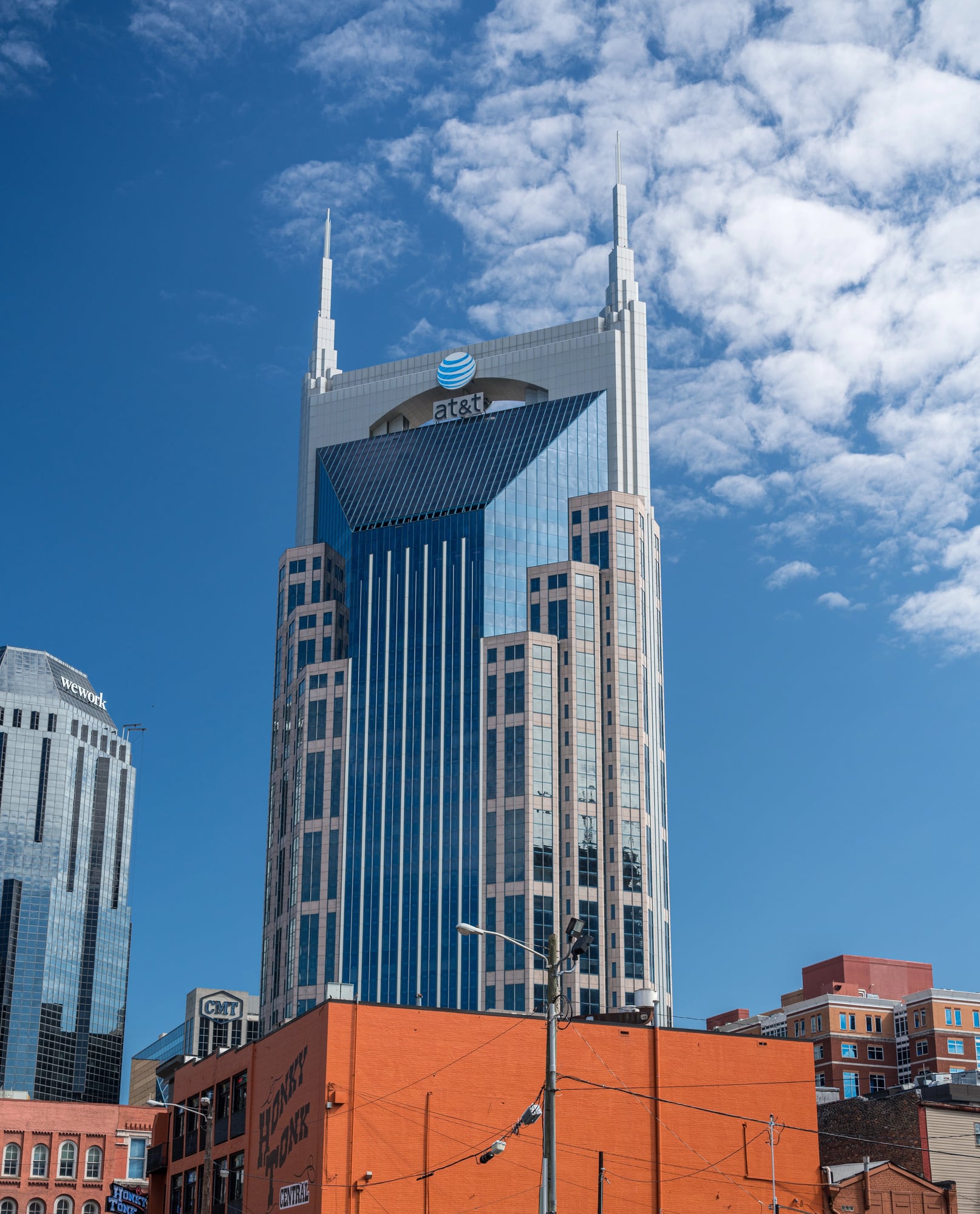
New York’s AT&T Building (now known as 550 Madison Avenue) sparked architecture’s postmodern revolution with its Chippendale-style top, but the building that launched a thousand debates about historical reference and architectural meaning also created one of the most dysfunctional urban spaces in Manhattan. Philip Johnson’s design features a massive arched entrance that appears welcoming from the street but leads to a cavernous lobby that feels more like a mausoleum than a public space.
The building’s granite cladding and fortress-like base create an imposing presence that dominates the streetscape without contributing to it. Office workers hide behind tinted glass while pedestrians hurry past walls that offer nothing to engage with.
The AT&T Building succeeded as architectural provocation but failed as urban architecture, proving that historical references can’t compensate for poor street-level design.
Tricorn Centre
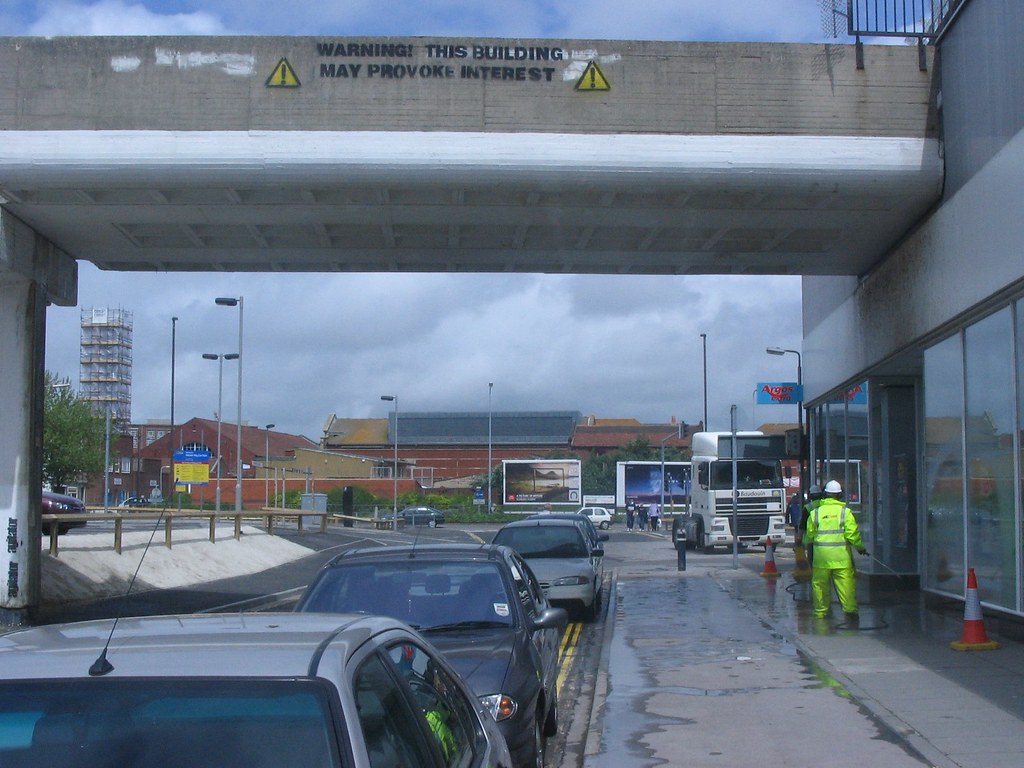
Portsmouth’s Tricorn Centre earned the distinction of being voted Britain’s ugliest building before its demolition in 2004, and the brutal concrete structure deserved every bit of criticism it received for turning a city center into something resembling a concrete bunker complex designed by someone who had never seen a successful shopping district. The building’s raw concrete surfaces and fortress-like appearance created an environment so hostile that shoppers avoided it even when stores offered competitive prices — which explains why the center struggled with vacancy rates and crime throughout its existence.
The Tricorn’s multi-level design separated pedestrians from street life and created confusing circulation patterns that made navigation feel like solving a puzzle nobody wanted to complete, proving that architectural ambition without regard for human behavior creates monuments to designer ego rather than functional buildings.
Robin Hood Gardens
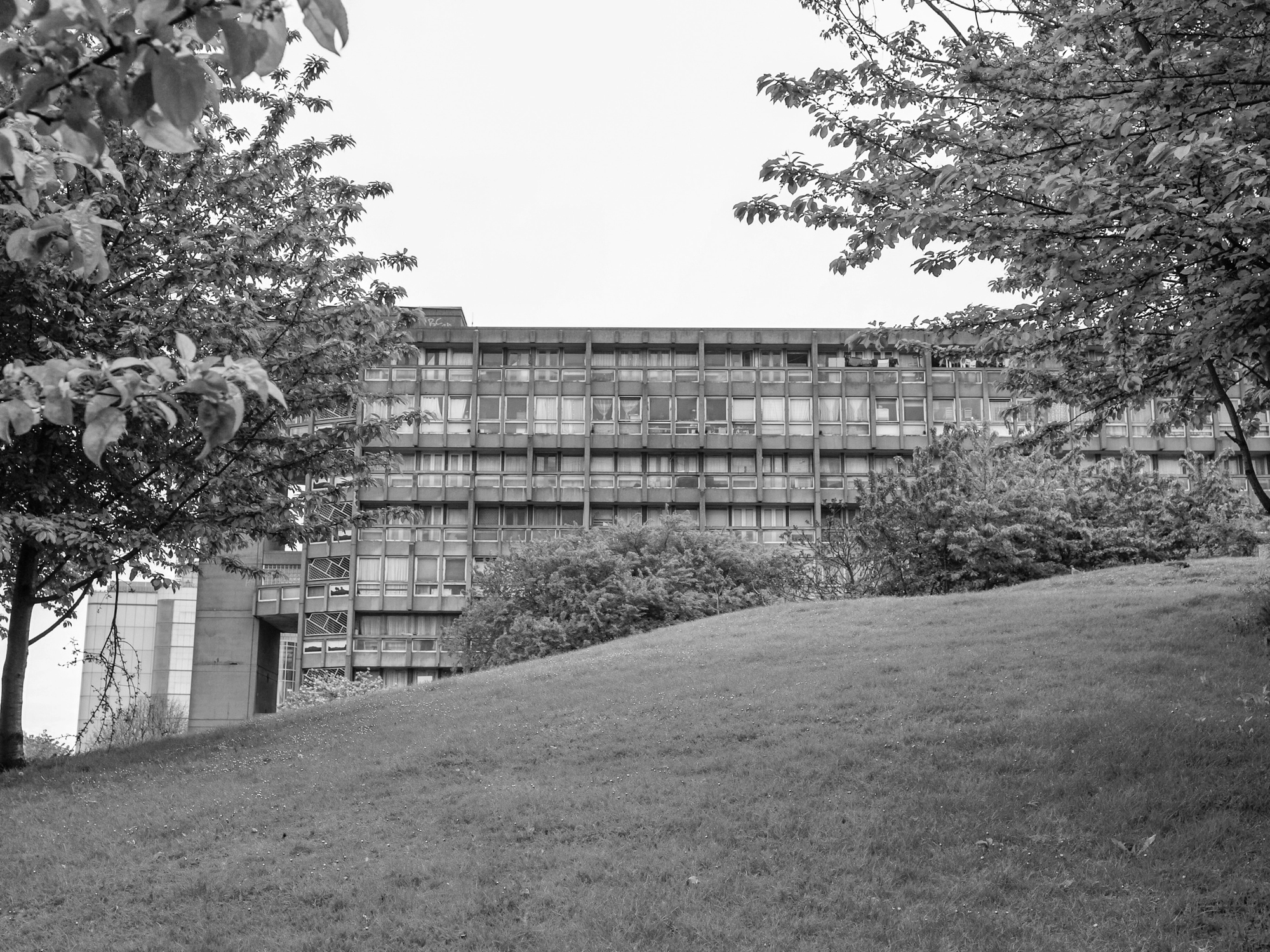
London’s Robin Hood Gardens represented Brutalist architecture’s attempt to reimagine social housing, but the concrete complex became synonymous with architectural failure despite passionate defenses from preservation groups. Alison and Peter Smithson designed the project as streets in the sky — elevated walkways were meant to recreate the social interactions of traditional neighborhoods within modernist towers.
The concept failed to account for human behavior and maintenance realities. The elevated walkways became isolated corridors that felt unsafe, while the building’s concrete surfaces showed every stain and required constant cleaning.
The central green space, meant to provide communal recreation, remained largely unused due to poor sight lines and lack of natural surveillance from surrounding apartments.
Robin Hood Gardens proved that architectural theory can’t override practical concerns about safety, maintenance, and community formation.
Strata SE1
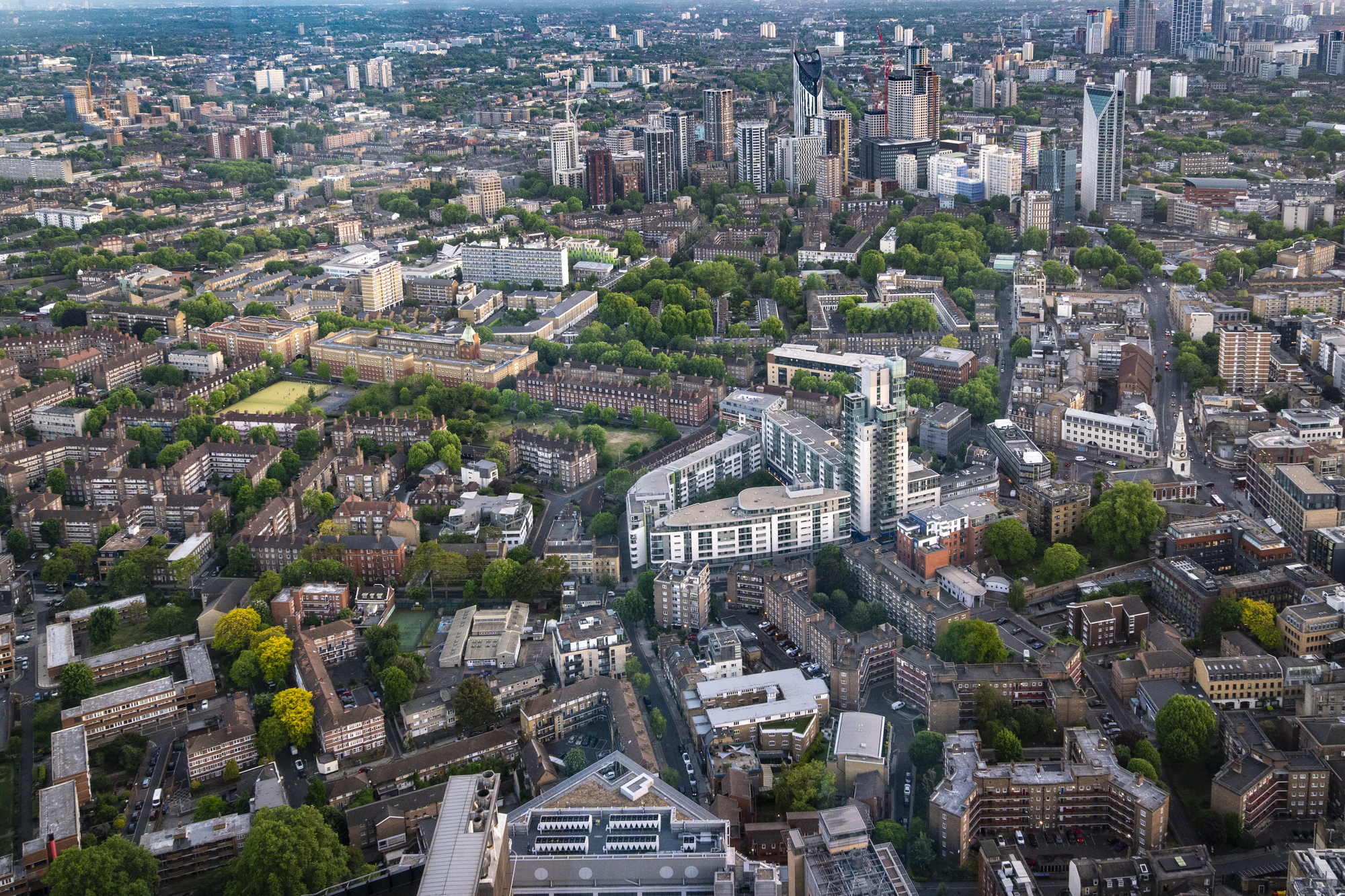
London’s Strata SE1 towers above the Elephant and Castle with three wind turbines crowning its 43 stories, creating what was supposed to be an iconic example of sustainable architecture. The reality proved less inspiring than the concept suggested.
The wind turbines generate minimal power and create noise problems for upper-floor residents. The building’s location in a mixed-income area was meant to promote social integration, but the tower’s design effectively segregates residents by income level, with luxury penthouses literally above affordable housing units.
The structure’s bulk overwhelms the surrounding neighborhood while its green credentials turned out to be more marketing than substance. Strata SE1 demonstrates how sustainability can become architectural greenwashing when environmental concerns are treated as design accessories rather than fundamental organizing principles.
Looking Beyond The Wreckage

These architectural disasters share common themes that extend beyond individual design failures. Most result from prioritizing visual impact over functional performance, treating buildings as isolated objects rather than parts of urban fabric, or pursuing technological innovation without considering long-term consequences.
The worst examples combine multiple failures — structural problems, poor urban integration, and disregard for human needs — creating compounding problems that persist for decades.
Yet these failures serve an important purpose by illustrating what not to do. Each disaster provides lessons about the relationship between design ambition and practical constraints, reminding architects and planners that successful buildings must work as both aesthetic objects and functional environments.
The most enduring architecture balances innovation with humility, creating structures that serve their users while contributing positively to their surroundings.
More from Go2Tutors!

- The Romanov Crown Jewels and Their Tragic Fate
- 13 Historical Mysteries That Science Still Can’t Solve
- Famous Hoaxes That Fooled the World for Years
- 15 Child Stars with Tragic Adult Lives
- 16 Famous Jewelry Pieces in History
Like Go2Tutors’s content? Follow us on MSN.