17 Most Elaborate Stage Costumes
Stage costumes do more than just dress actors—they transform performers into characters, transport audiences to different worlds, and sometimes become as legendary as the shows themselves. From hand-sewn sequins to mechanically operated wings, the most elaborate theatrical costumes represent months of design work, expert craftsmanship, and incredible attention to detail.
The theater world has given us some truly spectacular costume creations that push the boundaries of what’s possible on stage. Here is a list of 17 of the most elaborate stage costumes ever created.
The Phantom’s Mask from The Phantom of the Opera

The half-mask worn by the Phantom might look simple, but it’s one of theater’s most technically sophisticated costume pieces. Over 300 masks have been made for the Broadway run alone, with each actor having a mask custom-made to the shape of their face. The mask was originally designed to cover both eyes, but Michael Crawford found it too restricting as it covered a large portion of his face, so designer Maria Bjornson recreated the mask to cover only half the face. What makes it truly elaborate is the intricate foam latex prosthetics underneath that complete the Phantom’s disfigured appearance.
Elphaba’s ‘Defying Gravity’ Dress from Wicked

This seemingly simple black dress is actually a masterpiece of textile engineering. Though entirely black, it is made from 37 different fabrics and the skirt alone is made up of almost 250 metres of material. The dress must withstand the mechanical demands of lifting the actress high above the stage while maintaining its dramatic silhouette. Designer Susan Hilferty won a Tony Award for her outstanding work on this show, creating costumes that feel both magical and grounded in their own unique aesthetic.
The Lion King Animal Costumes

Julie Taymor revolutionized stage costume design with her animal creations for The Lion King. These aren’t just costumes—they’re wearable sculptures that blend human performers with animal essences. The designs use masks, puppetry, and innovative construction techniques to create giraffes that tower over the audience, elephants with sweeping fabric bodies, and birds that seem to actually fly. Each costume required extensive engineering to allow actors to move naturally while embodying completely different species.
Anna’s Ballgown from The King and I

Arguably the largest ballgown in musical theatre history, the champagne dress that features in the ‘Shall We Dance?’ scene is a spectacle on stage. The dress weighs 40 pounds and has a 9-metre circumference. The dress utilises steel weights around the hem to stop it from flying up during vigorous waltzing. The internal structure includes bamboo, sprung steel and hoops to allow the actress to glide along the stage. So beloved was this costume that Gertrude Lawrence, who played Anna in the original Broadway production, was so fond of the dress that she asked to be buried in it.
Cinderella’s Transforming Ballgown

William Ivey Long created theatrical magic with this costume that literally transforms before the audience’s eyes. The dress has a breakaway bodice, held together with fishing wire and the skirt of the ballgown is tucked up in the bustles of the villager dress. What starts as tattered rags becomes an opulent white ballgown with just a few strategic movements. The engineering behind this quick-change costume required precise timing and hidden mechanisms to create the fairy tale transformation audiences expect.
The Cats Bodysuits

John Napier’s skin-tight patterned bodysuits for Cats transformed ordinary humans into convincing felines. Each costume is individually painted and fitted to create unique cat markings and personalities. The elaborate makeup and wig work complement the costumes, but it’s the precision of the bodysuit construction that allows actors to move with feline grace and agility. The costumes must withstand eight shows a week of intense physical choreography while maintaining their intricate painted details.
The Beast’s Costume from Beauty and the Beast

Disney’s stage adaptation required a costume that could transform a man into a convincing beast while still allowing for complex choreography and singing. The elaborate headpiece, body padding, and claw extensions create the illusion of a massive creature, but the real magic happens during the transformation scene. The Beast’s body levitated and spun in complete circles, surrounded by flashing lights and stage smoke, requiring costumes that could withstand special effects while maintaining the illusion.
Anita Morris’s Catsuit from Nine
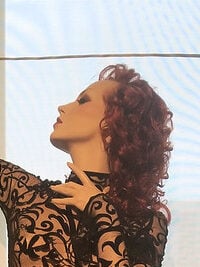
William Ivey Long designed a black lace catsuit for Anita Morris that became legendary in theater circles. This sheer black coverall essentially covered nothing, with carefully placed lace patterns and flesh-toned panels keeping the actress from being unclothed, but barely. The costume required precise construction to maintain its shape and coverage while allowing for the seductive choreography that made the character of Carla so memorable.
The Spider Woman Dress from Kiss of the Spider Woman

Florence Klotz created a costume that had to work both as elegant evening wear and as part of a complex stage effect. The Spider Woman dress was a full-length dark shift with a glittering spider web pattern covering it, with the addition of a black velvet cape. The actress wearing it had to cling to the inside of an enormous projection of a web, requiring the costume to be both visually stunning and mechanically functional for aerial work.
Aladdin’s Genie Costumes

The Genie’s multiple costume changes in Disney’s Aladdin stage adaptation showcase theatrical quick-change artistry at its finest. Each outfit must accommodate rapid transformations while maintaining the character’s larger-than-life personality. The costumes incorporate bold colors, flowing fabrics, and innovative construction techniques that allow for the Genie’s magical appearances and disappearances throughout the show.
Hamilton’s Period-Inspired Ensembles

— Photo by Image Press Agency
Paul Tazewell’s costume designs for Hamilton blend 18th-century period details with modern sensibilities. The elaborate military uniforms, complete with intricate embroidery and multiple layers, must withstand the show’s demanding choreography while maintaining historical authenticity. Each costume tells a story about its character’s social status and political allegiances through carefully chosen fabrics, colors, and construction details.
My Fair Lady’s Ascot Dress

Cecil Beaton’s designs for the original My Fair Lady production set the standard for elegant musical theater costuming. For a musical about a poor flower girl who transforms into perceived royalty, it was essential that the costumes visually capture the evolution of her station. The Ascot scene dress, with its elaborate black and white pattern and matching enormous hat, represents the pinnacle of Edwardian fashion recreation on stage.
Chicago’s Flapper Dresses
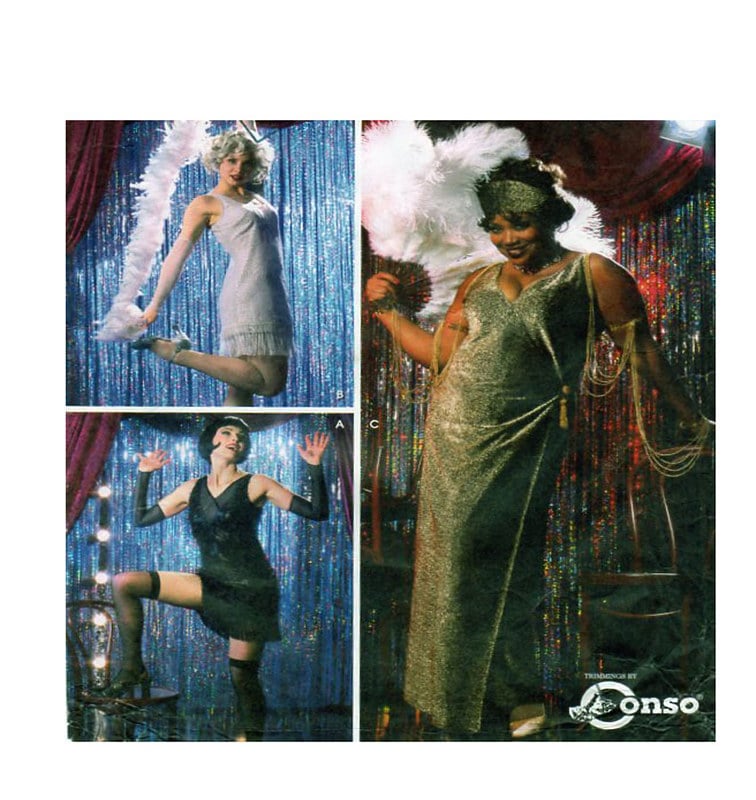
The sleek, beaded dresses in Chicago may look simple, but they’re marvels of 1920s recreation. Each dress must accommodate complex dance numbers while maintaining the era’s signature silhouette. The costumes use authentic construction techniques and period-appropriate materials to create the illusion of genuine Jazz Age glamour, complete with fringe that moves perfectly with the choreography.
Les Misérables Revolutionary Costumes

Andreane Neofitou’s costume designs for Les Misérables required extensive historical research to accurately portray 19th-century French society across multiple social classes. The elaborate period details, from intricate embroidery on upper-class garments to the carefully distressed clothing of the poor, create an authentic sense of time and place. Each costume tells the story of its character’s journey through one of history’s most turbulent periods.
The Phantom’s Red Death Costume

Beyond his famous mask, the Phantom’s Red Death costume represents one of theater’s most elaborate villain outfits. The flowing cape, skull mask, and ornate detailing create a truly terrifying presence that must work both in close-up dramatic scenes and large ensemble numbers. The costume’s construction allows for dramatic entrances and exits while maintaining its imposing silhouette.
Wicked’s Emerald City Ballgowns

The citizens of Emerald City wear some of musical theater’s most elaborate ensemble costumes. Each features intricate beadwork, metallic fabrics, and complex construction that creates the illusion of a fantastical society. The costumes incorporate innovative materials and techniques to achieve their otherworldly appearance while allowing for the complex choreography of the ballroom scene.
Hair’s Hippie Ensembles
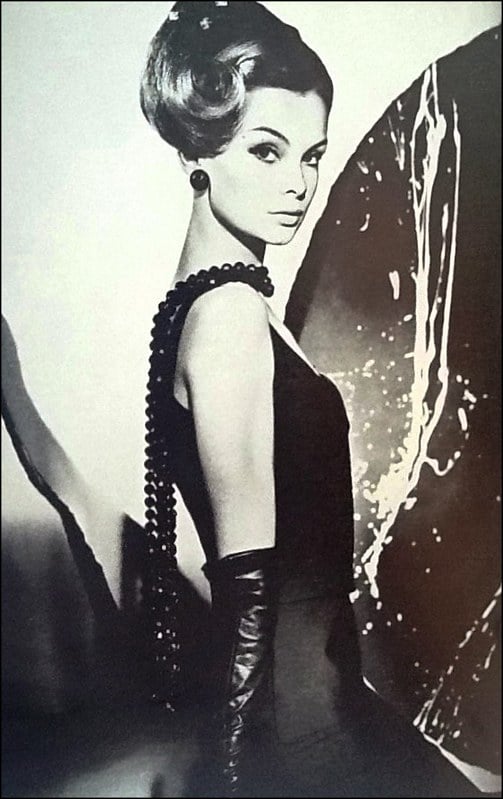
While seemingly casual, the costume designs for Hair actually required careful recreation of authentic 1960s counterculture clothing. The elaborate layering, handmade details, and period-accurate accessories create believable hippie characters while accommodating the show’s energetic choreography. Each costume appears naturally worn and lived-in, a effect that requires significant skill to achieve convincingly on stage.
When Elaborate Becomes Timeless

These seventeen costumes represent more than just elaborate clothing—they’re wearable works of art that have helped define theatrical history. From mechanically transforming dresses to hand-painted animal suits, each represents countless hours of design, construction, and refinement. They prove that in theater, the most memorable costumes aren’t necessarily the most expensive, but rather those that perfectly serve both the story and the magic of live performance.
More from Go2Tutors!

- The Romanov Crown Jewels and Their Tragic Fate
- 13 Historical Mysteries That Science Still Can’t Solve
- Famous Hoaxes That Fooled the World for Years
- 15 Child Stars with Tragic Adult Lives
- 16 Famous Jewelry Pieces in History
Like Go2Tutors’s content? Follow us on MSN.