Iconic Vintage Watches That Hold Major Value
The world of vintage watches has exploded over the past two decades, transforming from a niche hobby into a full-blown obsession for collectors worldwide. What started as enthusiasts hunting through antique shops has evolved into million-dollar auctions and waitlists stretching years into the future.
These aren’t just timepieces – they’re wearable investments, mechanical art, and pieces of history you strap to your wrist. Here’s what separates the valuable from the merely old.
Rolex Daytona Paul Newman

The holy grail. Paul Newman’s personal Daytona sold for $17.75 million in 2017, making headlines as the most expensive wristwatch ever sold at auction at the time. But here’s the wild part – when these watches were in production, nobody wanted these “exotic” dials and they sat on shelves for years.
Vintage Newman Daytonas come in reference numbers 6239, 6241, 6262, 6263, 6264, or 6265, ranging from $100,000 to over $1 million at auction. The distinctive dial features contrasting subdials and art deco-style numerals.
Recent market data suggests dealers quote around $250,000 for pump pusher versions and $400,000 for screw-down pusher models.
Patek Philippe Nautilus
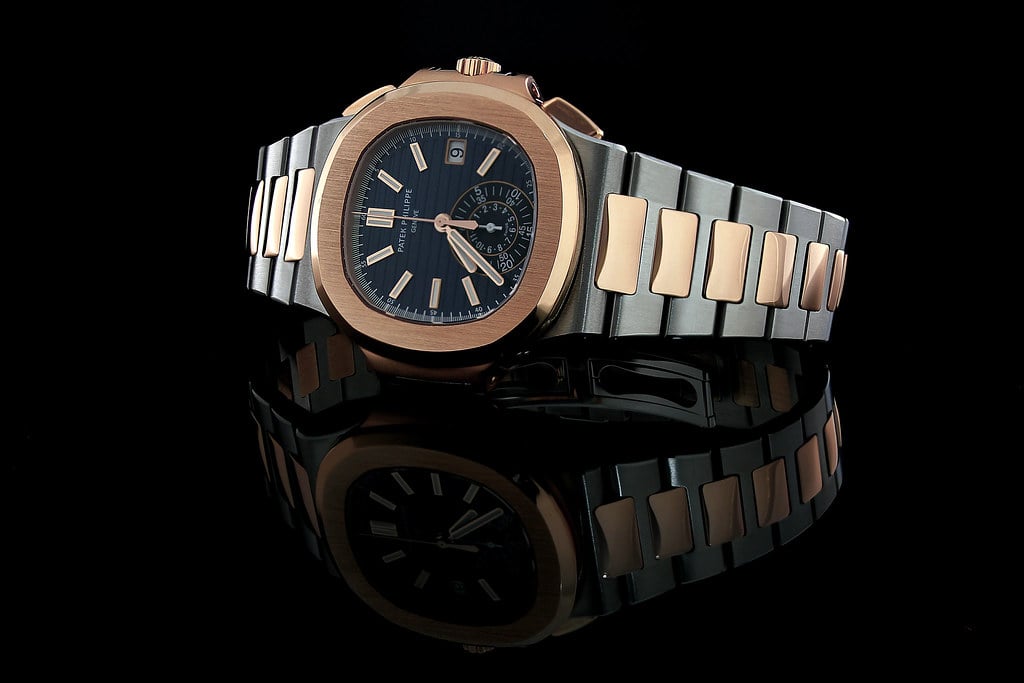
Gerald Genta designed this watch in 1976 as Patek Philippe’s answer to the quartz crisis, and the tagline was perfect: “One of the world’s costliest watches is made of steel.”
Vintage steel Nautilus reference 3700 prices touched $250,000 at the peak of the 2021-2022 watch hype, though they currently trade for about half that. As of spring 2025, the current market value generally ranges between $110,000 and $300,000, depending on reference, condition, and originality.
The porthole-inspired case with those distinctive “ears” and the horizontally embossed dial make every Nautilus instantly recognizable.
Omega Speedmaster Professional Moonwatch

The watch that went to the moon. The Omega Speedmaster 105.012 was the first model with the word “Professional” on the dial, and because it went to the moon, collectors go wild for them.
NASA chose the Speedmaster after rigorous testing, and astronauts wore them during the Apollo missions. Early references like the CK 2998 from 1959-1962 are among the rarest vintage watches available today.
The chronograph’s precision and distinctive design, with its black dial and tachymeter bezel, created an icon that transcends its original purpose.
Rolex Submariner
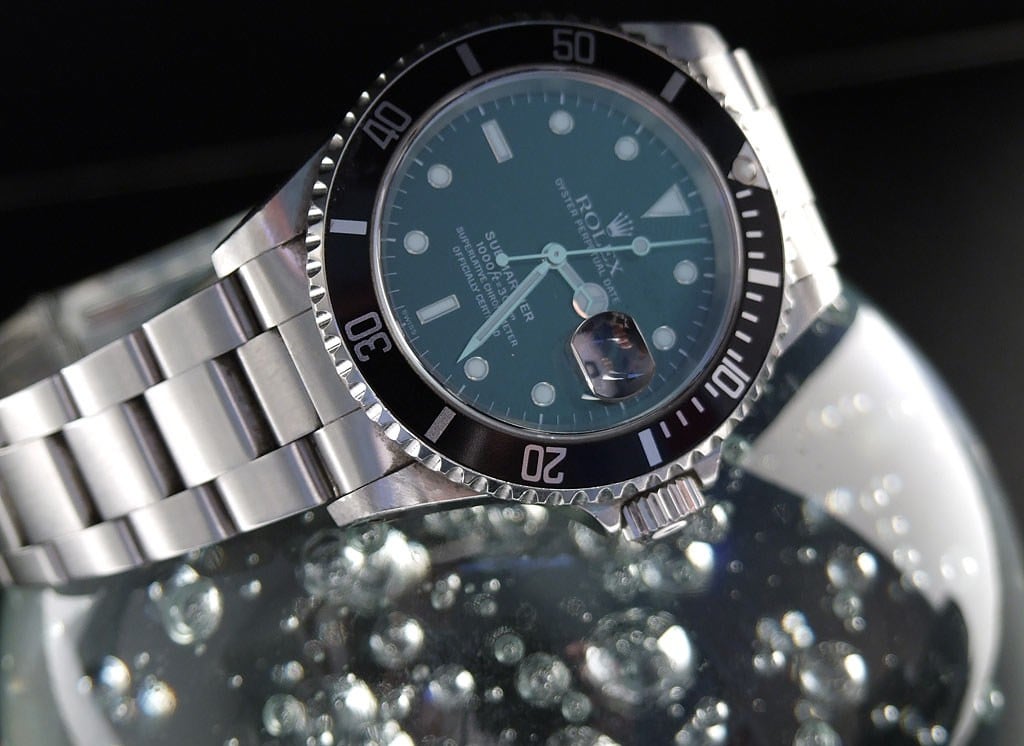
In 1953, the Rolex Submariner was introduced to the masses, garnering mainstream appeal for a dive bezel complication. The watch became famous not just among divers but also on the wrist of James Bond in early films.
Early models with “gilt” dials featuring gold-tone lettering add to their rarity and appeal. Finding an affordable vintage Submariner from Rolex? Nearly impossible.
But Tudor, Rolex’s sister brand, produced the Tudor Submariner 94110 with the iconic Snowflake hands, which typically sells for $7,500-$10,000. The Tudor represents tremendous value while maintaining that vintage dive watch aesthetic collectors crave.
Patek Philippe Calatrava

Introduced in 1932, the Calatrava is admired for its understated elegance and refined aesthetics. Collectors hunt for early models with minimalist dials and classic round cases that showcase Patek Philippe’s philosophy of timeless design.
The Calatrava proves you don’t need complications or sports watch credentials to command serious money. The beauty lies in proportion, finishing, and the unmistakable Patek Philippe movement.
Early references with original dials and unpolished cases fetch premium prices because originality matters more than anything.
Audemars Piguet Royal Oak

Another Gerald Genta masterpiece from 1972, the Royal Oak pioneered the luxury sports watch category. Both the Royal Oak and Nautilus were created by Genta in the 1970s, beginning as time-and-date luxury steel sports models before expanding into full collections.
The octagonal bezel with exposed screws was revolutionary. Both watches feature distinctive dial patterns, unusually shaped cases, and integrated bracelets.
The Royal Oak’s “Grande Tapisserie” dial pattern remains instantly recognizable. Early references in steel are particularly desirable, though Nautilus models tend to command higher prices in current market conditions.
Rolex Daytona Reference 6263 and 6265
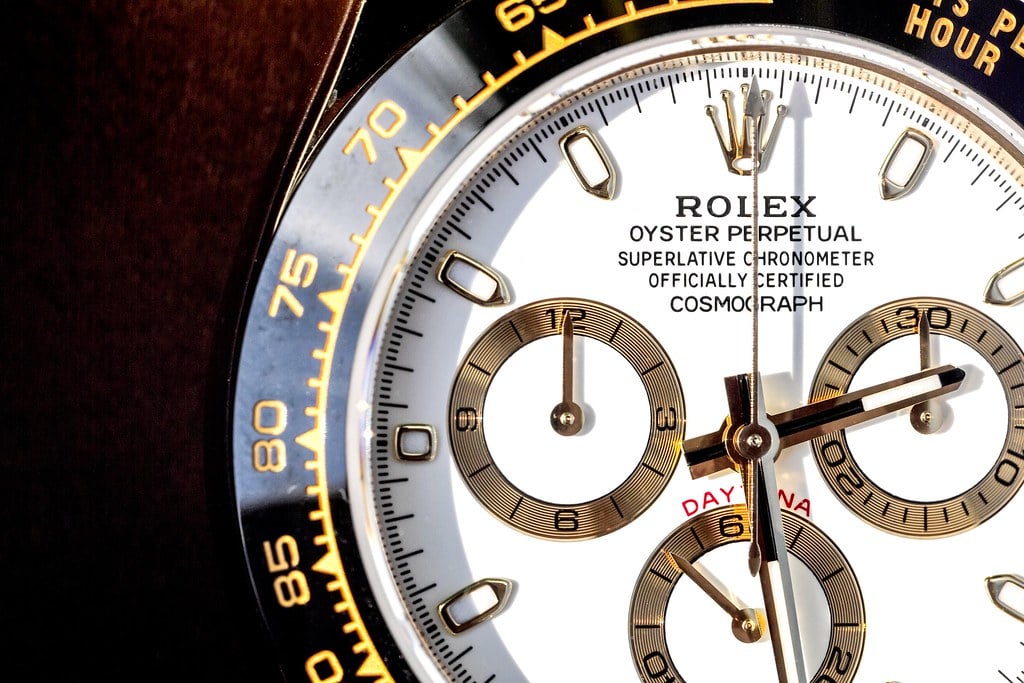
Beyond the Paul Newman variants, standard Daytona references from this era hold substantial value. The 6263 and 6265 were produced from 1969 to 1985 and featured screw-down pushers and the Valjoux 727 movement.
These models represent the final generation of manually wound Daytonas. The standard edition of the 6263 without the exotic dial costs between $61,000 and $100,000, making it more accessible than its Paul Newman siblings while maintaining the classic Daytona aesthetic. The black acrylic bezel on the 6263 versus the metal bezel on the 6265 creates distinct personalities.
Jaeger-LeCoultre Reverso

The Reverso holds historical significance, representing a blend of craftsmanship, innovation, and timeless design that has endured for nearly a century. Created in 1931 for polo players who needed protection for their watch crystals, the reversible case became an art deco icon.
During World War II, the British Army adopted the Reverso due to its durability and practicality. Early to mid-century Reverso watches are highly sought after for their historical importance and limited production numbers.
The rectangular case flips over to protect the dial, revealing either a solid case back or, in later models, a second dial.
Omega Seamaster
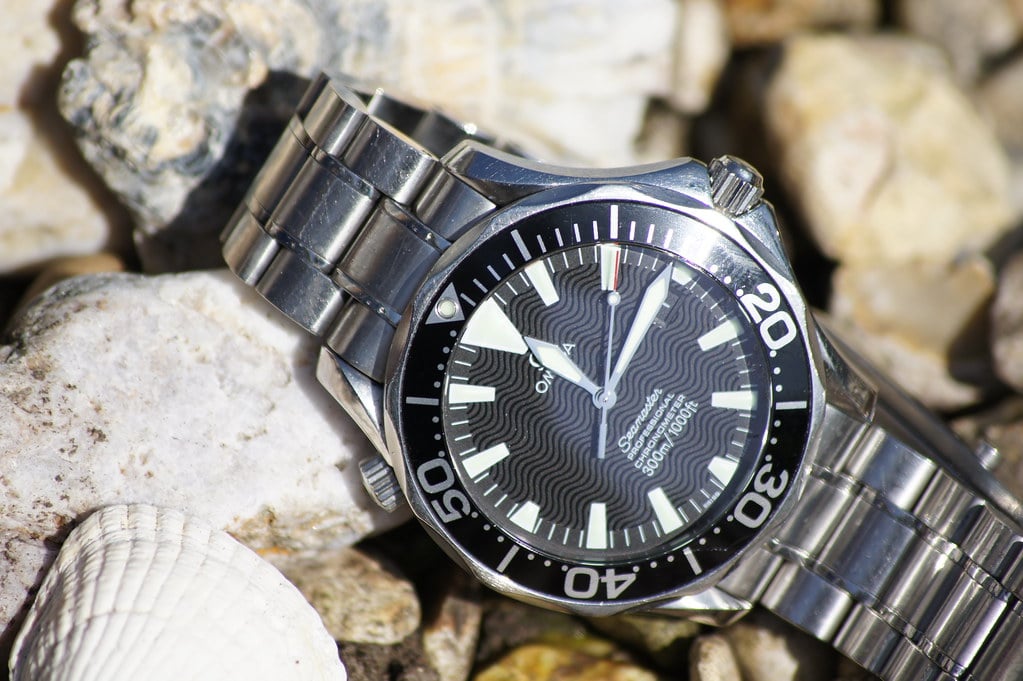
Originally introduced in 1948, the Seamaster was designed as a rugged, water-resistant timepiece and later evolved into a popular diver’s watch. The Seamaster 300 models are particularly regarded among collectors who appreciate their connection to both military and civilian diving history.
The watch gained additional fame through James Bond films, though the vintage references predate Pierce Brosnan by decades. Early Seamaster models with original dials and cases represent solid value, offering Omega quality without the astronomical prices of the Speedmaster Professional.
Cartier Tank
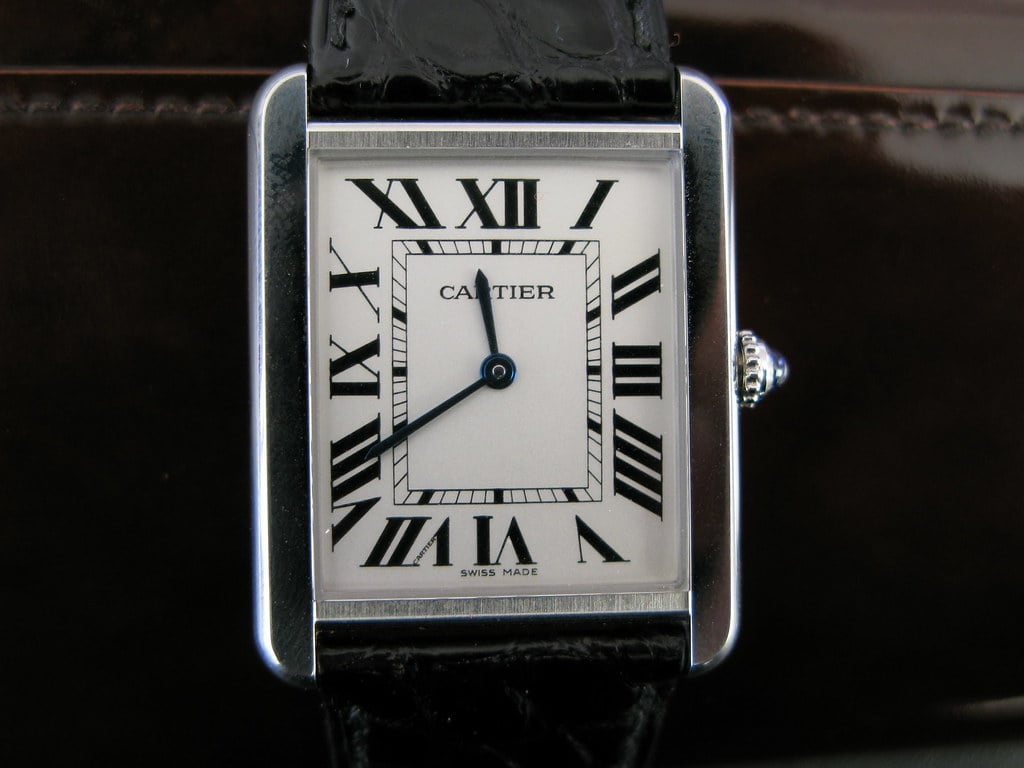
A vintage Cartier Tank represents timeless elegance. Iconic models like the Cartier Tank watch are highly sought after for their classic designs. Designed in 1917 and inspired by military tanks from World War I, the rectangular case broke from the round pocket watch tradition.
A 1970s Cartier Tank with a Roman dial is an exquisite vintage watch to wear, combining dressy sophistication with historical significance. Tank watches have graced the wrists of everyone from Jackie Kennedy to Andy Warhol.
The design transcends trends.
Rolex Explorer II Reference 1655

The watch was made famous because Steve McQueen himself wore a Rolex Explorer 1655, and since the watch was discontinued, collectors started clamoring for them. Nicknamed the “Steve McQueen,” though the connection remains somewhat mythical.
The marketing campaign by Rolex placed McQueen next to this timepiece, driving up interest. Featuring a stainless case, steel bezel, acrylic crystal matt black dial, offset markers and a 39mm case, there’s nothing like this within Rolex’s catalogue.
The bright orange 24-hour hand stands out dramatically. The watch originally sold for only a few hundred dollars in the 1970s, and prices now start at about $28,000.
Omega Constellation Pie Pan

Known for its elegant design and “pie-pan” dials, the Constellation was Omega’s flagship model in the 1950s and 1960s. The distinctive domed dial shape that slopes downward toward the edges creates a three-dimensional effect unlike any other watch.
Collectors often seek out early models with intricate dial details and the iconic “C-shape” case. The Constellation represented Omega at its peak of mid-century design excellence.
Original examples with the observatory medallion on the case back and unpolished cases command premium prices. The variety of dial colors and marker styles means collectors spend years hunting for the perfect combination.
Patek Philippe Perpetual Calendar Chronograph

Patek Philippe’s complicated watches represent the pinnacle of horological achievement. The Reference 1518 was produced in limited quantities from 1941 to 1954, with only 281 pieces created in total.
The watch features a perpetual calendar and chronograph in a single package, requiring extraordinary mechanical skill. The movement, the caliber 13″‘130 Q, was developed in collaboration with Victorin Piguet, a renowned movement manufacturer.
The challenge involved integrating intricate complications without compromising elegance. Several examples of Reference 1518 have achieved multi-million-dollar sales in the market.
Rolex Datejust
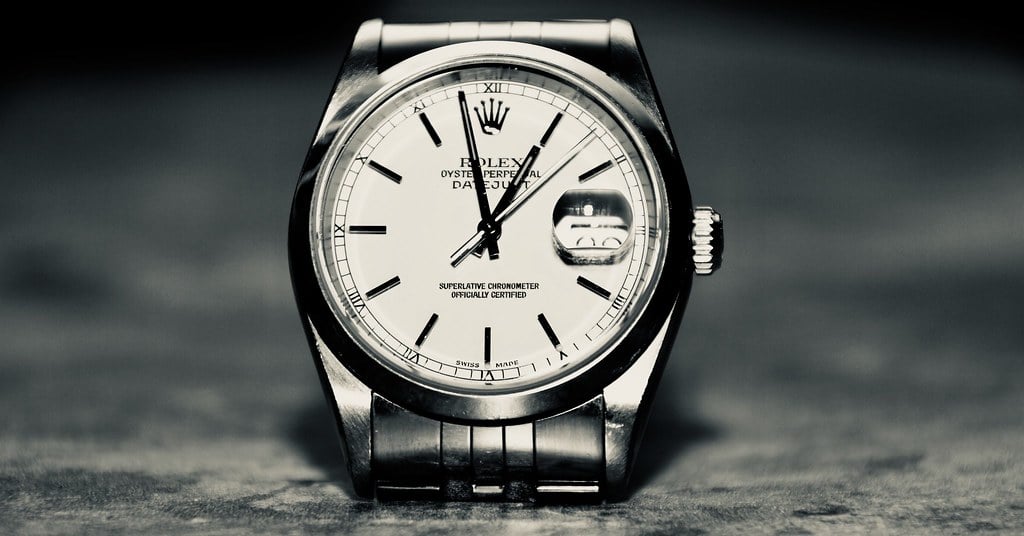
Vintage Datejusts are grotesquely undervalued according to some collectors, trading at almost half the price of a brand new Rolex Datejust. The variety of dial options, from simple stick markers to diamonds and colorful configurations, makes the Datejust endlessly collectible.
The 1990s models have more heft and a sportier feel while being more practical with quickset movements. The Datejust represents accessible vintage Rolex collecting.
You get the crown logo, solid build quality, and that distinctive fluted bezel without needing to mortgage your house. Models from the 1960s through the 1980s offer a tremendous variety.
The Quiet Ones Worth Watching

Not every valuable vintage watch comes from obvious names. Enicar designed some of the most beautiful tool watches of the golden era, and their Sherpa Graph chronograph features one of the most balanced and aesthetically pleasing dials.
A 1960s Enicar Sherpa 600 GMT is hard to find, with prices typically between $1,000 and $2,000 depending on condition. Patek Philippe’s simple, time-only pocket watches present great opportunities for collectors who want pieces with great value.
Longines watches from the post-World War Two period, between the 1950s and 1960s, most notably the Conquest line, represent some of the best vintage watches from the brand. Universal Genève chronographs, particularly the Uni-Compax and Tri-Compax models, fly under the radar of mainstream collectors.
Where Value Lives Now

The vintage watch market has matured beyond the wild speculation of 2020-2021. Prices have corrected, but quality pieces with provenance, original parts, and proper documentation continue holding strong value.
Boxes and papers matter more than ever – they add up to 10-15% in value, and unpolished cases are more desirable than overly “restored” ones. The watches that maintain value share certain traits: historical significance, limited production numbers, connection to notable figures or events, and designs that transcend their era.
These aren’t just old watches. They’re time capsules that happen to tell time, mechanical art that appreciates while serving a function, and increasingly rare examples of craftsmanship from an analog age.
The market rewards knowledge now more than hype. Understanding reference numbers, movement variations, and dial authenticity separates collectors from speculators.
The watches worth owning are the ones worth studying, and the pieces that hold value are the ones that earned their reputation through decades of proof rather than Instagram posts. The vintage watch world keeps turning, and the truly iconic pieces keep ticking along with considerable worth attached to every second.
More from Go2Tutors!

- The Romanov Crown Jewels and Their Tragic Fate
- 13 Historical Mysteries That Science Still Can’t Solve
- Famous Hoaxes That Fooled the World for Years
- 15 Child Stars with Tragic Adult Lives
- 16 Famous Jewelry Pieces in History
Like Go2Tutors’s content? Follow us on MSN.



