15 Chilliest Peppers You Can Eat
Some people chase the burn. That moment when your mouth catches fire and your eyes start watering and you wonder why anyone would willingly put themselves through this.
But pepper lovers know the answer. Beyond the heat, there’s flavor.
There’s the rush. There’s the satisfaction of conquering something that makes most people back away.
The Scoville scale measures capsaicin, the compound that creates that burning sensation. Bell peppers sit at zero.
Jalapeños hover around 5,000. The peppers on this list?
They start in the hundreds of thousands and climb into the millions.
Pepper X
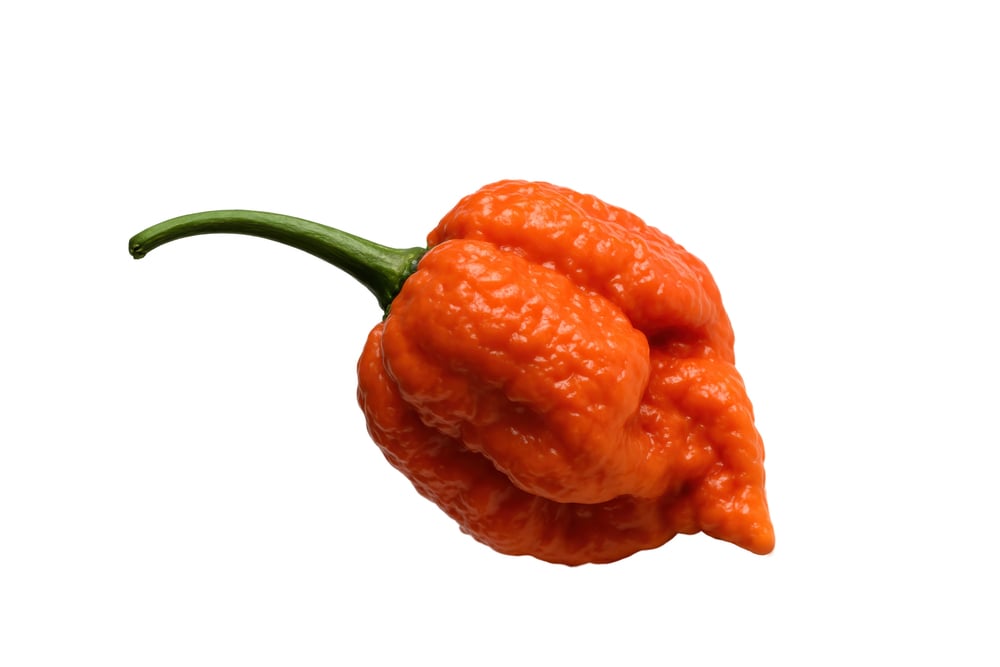
This one holds the current record. Pepper X measures over 2.69 million Scoville Heat Units, making it the chilliest pepper on the planet right now.
Ed Currie, the same breeder who created the Carolina Reaper, spent years developing this beast. The heat doesn’t just hit you.
It builds slowly, then crashes down like a wave you didn’t see coming. The flavor has a sweet, fruity note underneath all that fire, but you’ll need serious tolerance to taste it.
Most people just experience pain. Pepper X rarely shows up in fresh form.
Currie uses it in his hot sauces, where you can experience the heat in slightly more manageable doses. Slightly.
Apollo Pepper
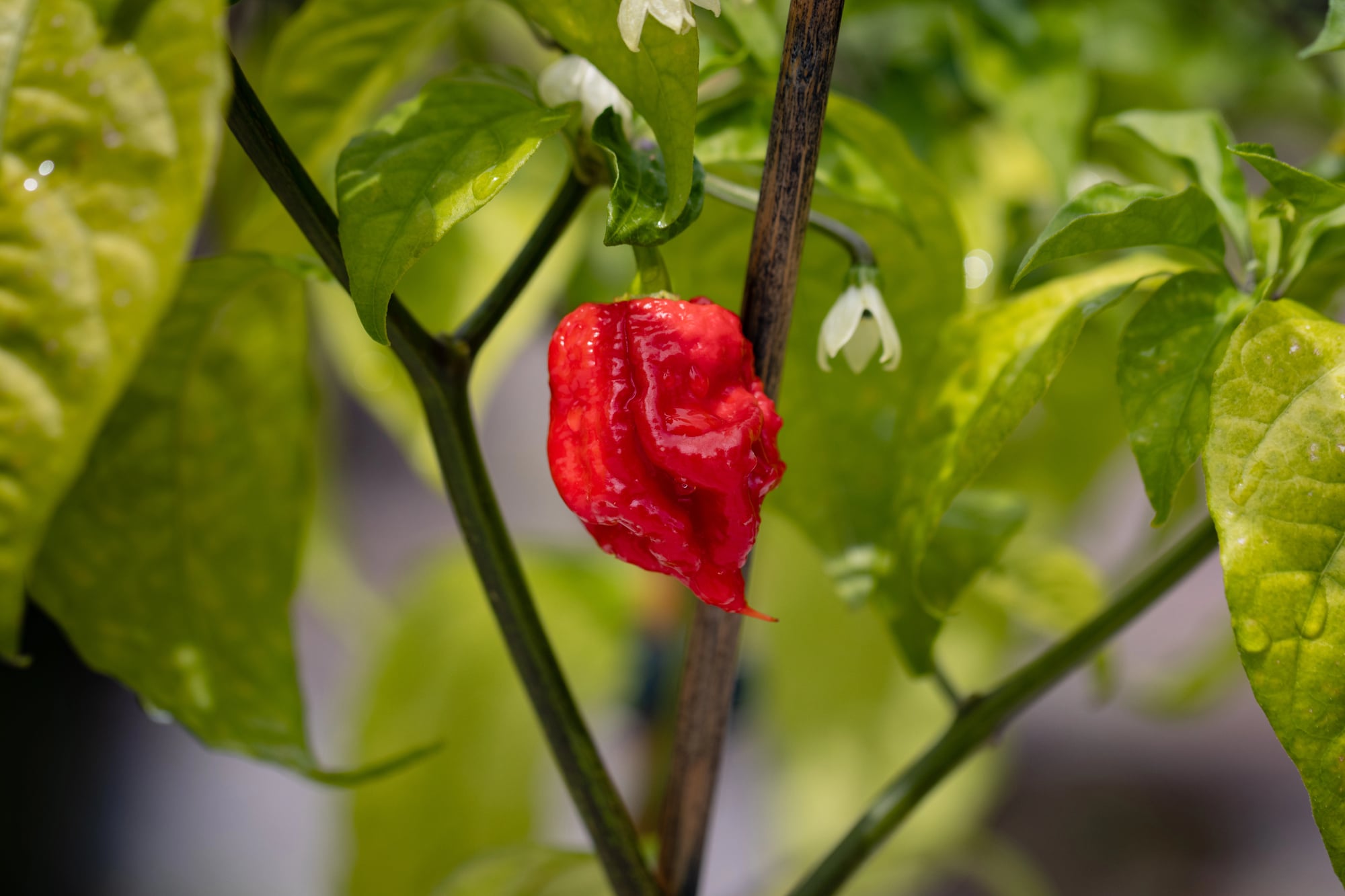
The Apollo pepper pushes past 2.5 million Scoville units. Another creation from Ed Currie, this one was designed to be even more extreme than his previous work.
The name comes from the Greek god, which tells you everything about the ambition behind it. The pepper has a rough, textured skin that looks intimidating before you even taste it.
The heat peaks quickly and stays there. No gradual build-up, no mercy.
The flavor profile includes hints of citrus and caramel, but good luck detecting those through the inferno.
Carolina Reaper
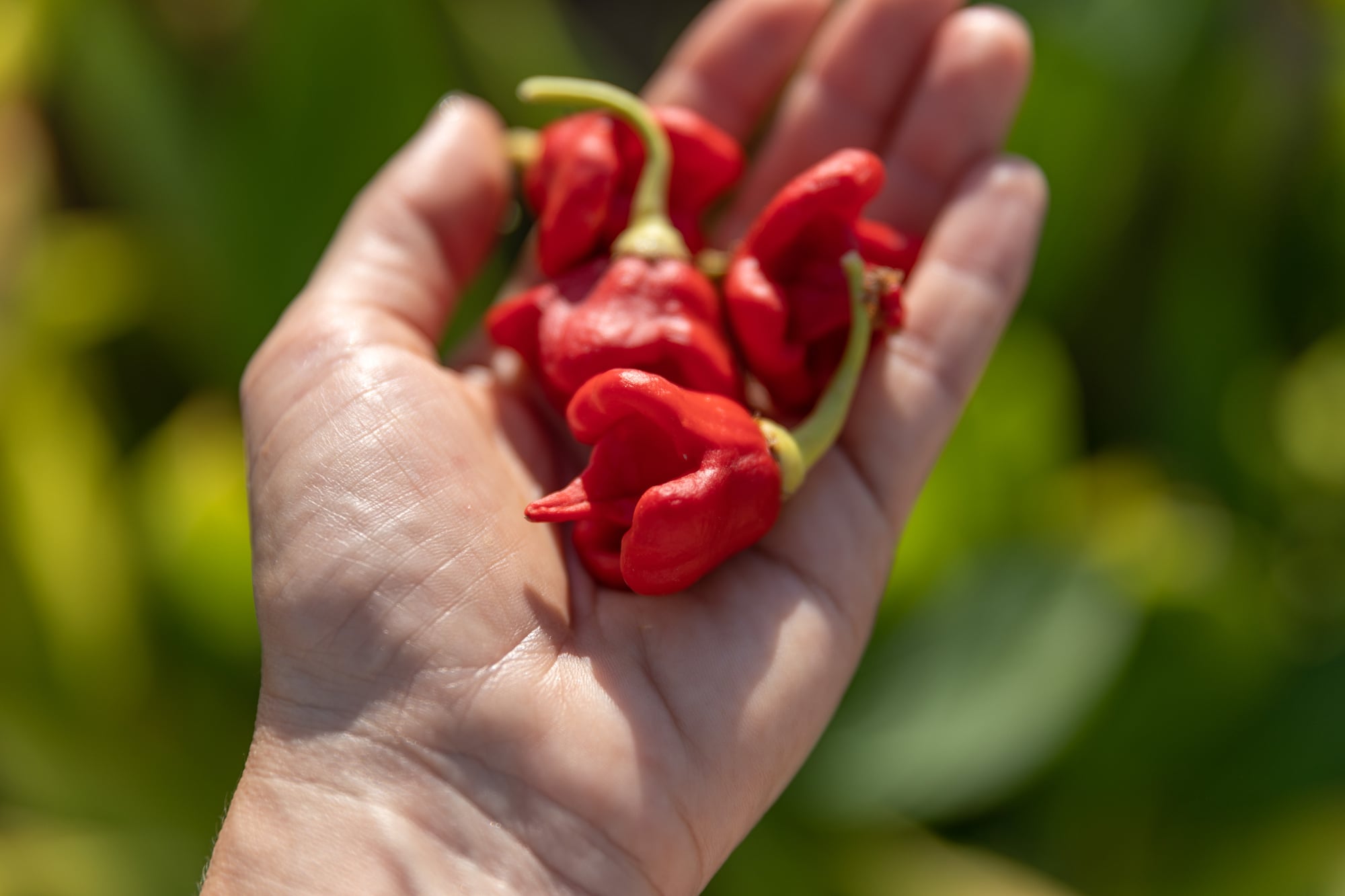
Before Pepper X took the title, the Carolina Reaper held the record for years. It still sits around 2.2 million Scoville units, which means it can absolutely wreck you.
The pepper has a distinctive scorpion-like tail and comes in shades of red that scream danger. The Reaper delivers a delayed reaction.
You take a bite, think maybe it’s not so bad, and then the heat arrives. It starts in your mouth, spreads to your throat, and keeps going.
The flavor has a sweet, fruity taste with a hint of cinnamon, but that’s academic when your mouth feels like it’s melting. People use Reapers in hot sauces, salsas, and as a challenge ingredient.
Eating a whole one raw is a documented internet phenomenon that usually ends in tears and regret.
Dragon’s Breath
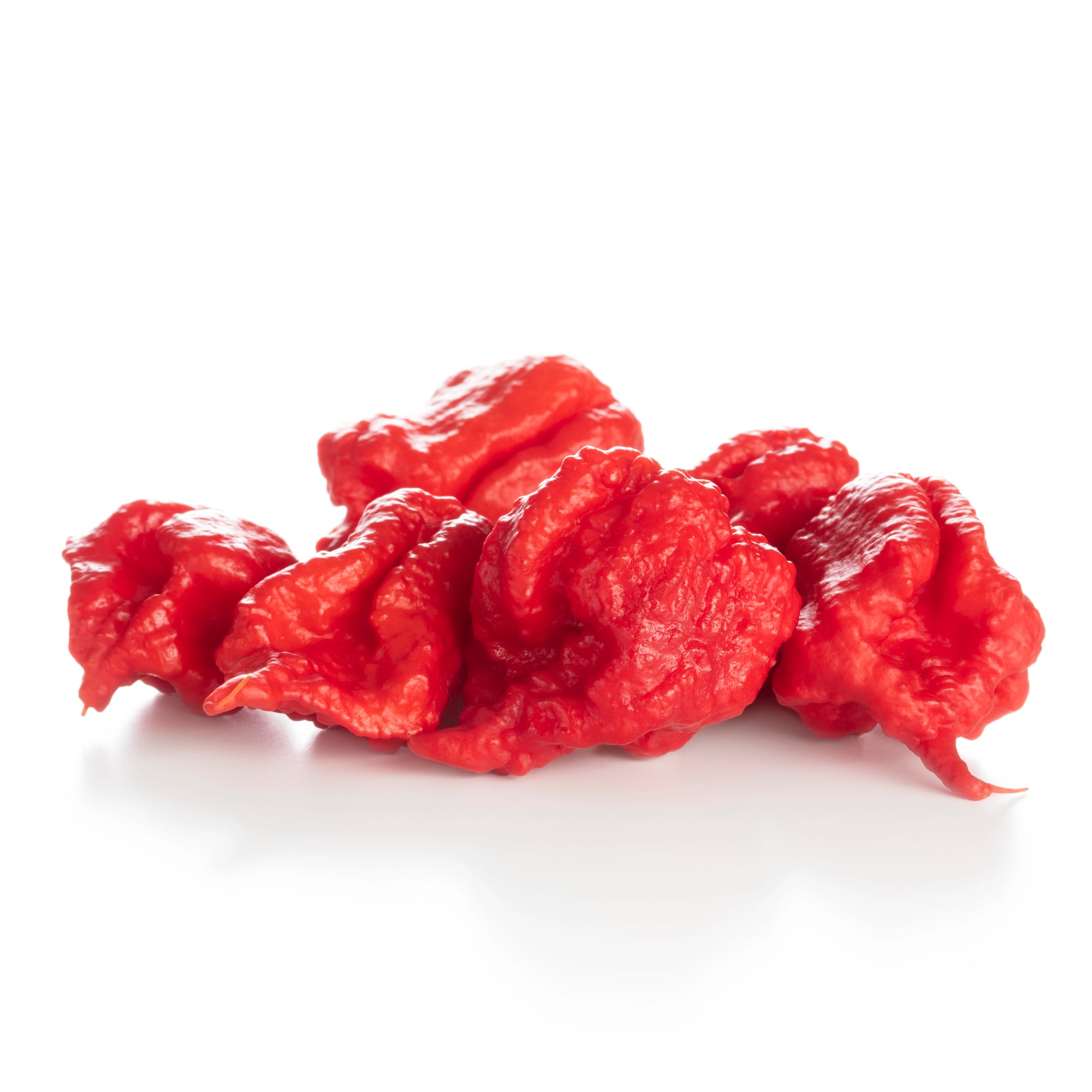
Dragon’s Breath peppers measure around 2.48 million Scoville units. Originally developed for medical use, the oils were meant to numb skin before surgery.
That should tell you something about the intensity. The pepper is small, wrinkled, and deceptively innocent-looking.
Don’t be fooled. The heat can cause your airways to close up.
Serious pepper enthusiasts treat this one with respect, and some won’t eat it at all because the risk outweighs the experience.
Trinidad Moruga Scorpion
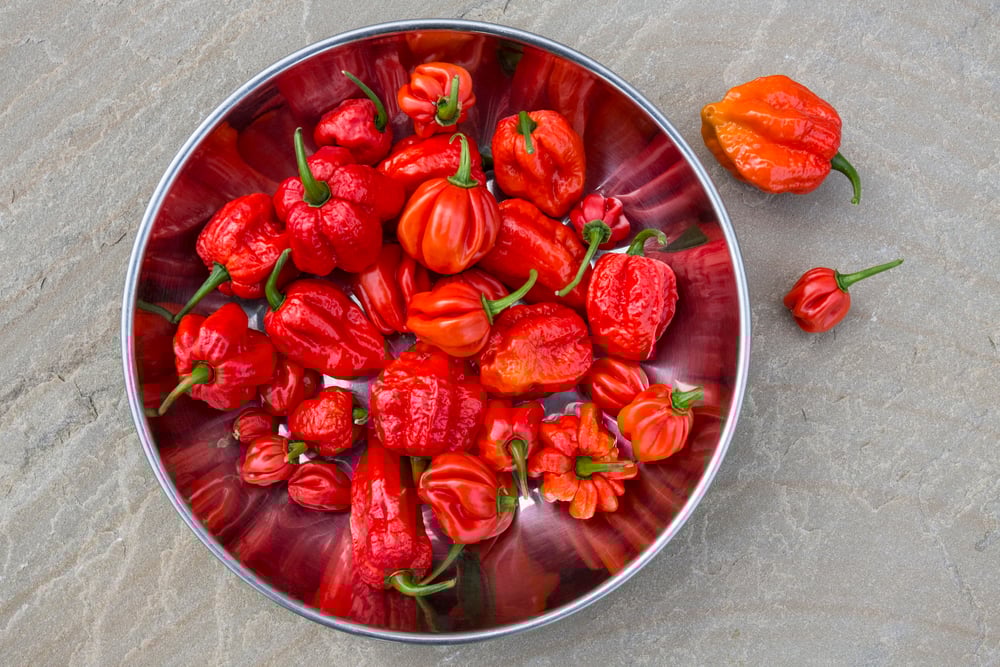
Before the Reaper, the Trinidad Moruga Scorpion held the record. It averages 1.2 million Scoville units, with some individual peppers testing over 2 million.
The name comes from Moruga, a district in Trinidad where the pepper originated. The heat builds gradually, which makes it dangerous.
You might think you can handle it, and then suddenly you can’t. The flavor has a sweet, fruity taste that pepper aficionados actually appreciate.
The heat lasts longer than most peppers too, sometimes lingering for an hour or more. The Scorpion works well in hot sauces where you can control the quantity.
A little bit adds serious heat and flavor to a dish.
7 Pot Douglah
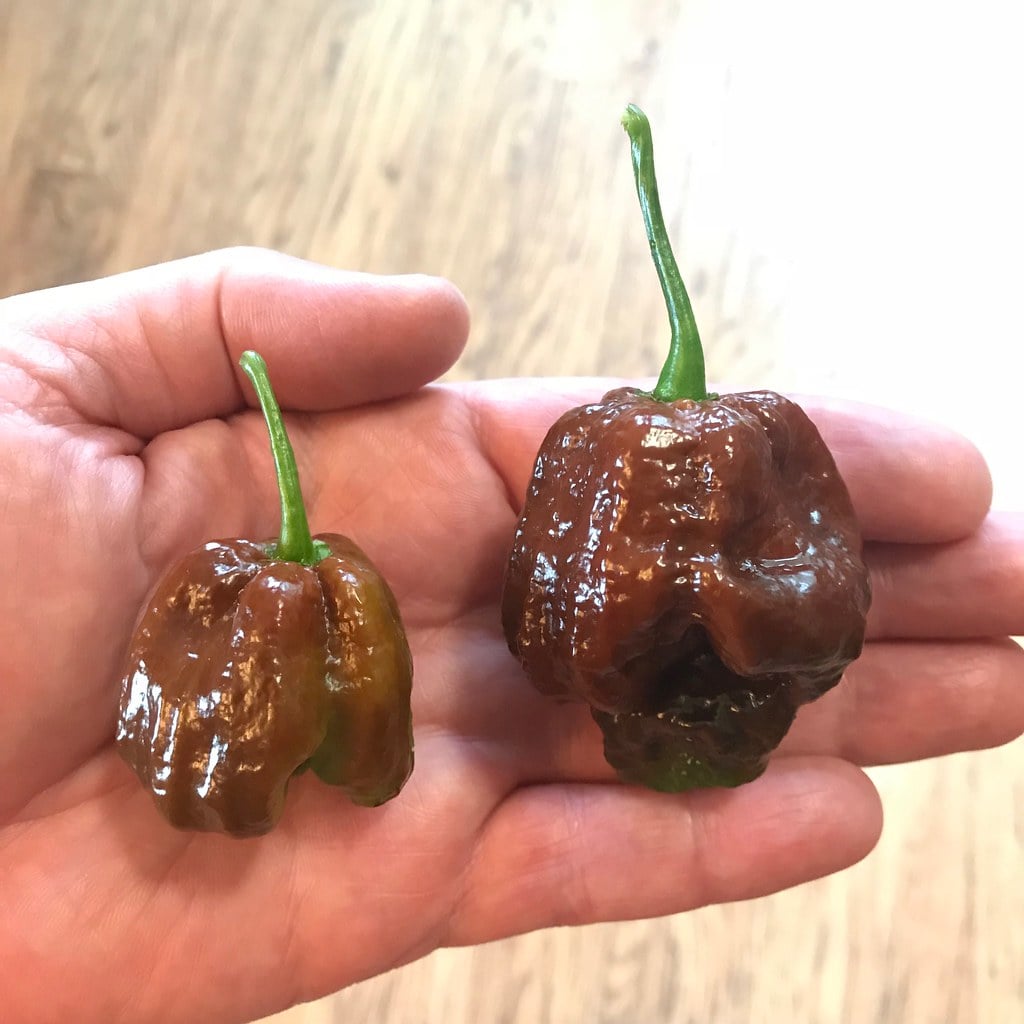
The 7 Pot Douglah comes from Trinidad and rates between 923,000 and 1.8 million Scoville units. The name “7 Pot” refers to the claim that one pepper can spice seven pots of stew.
The “Douglah” part comes from a local term meaning “brown,” which describes the pepper’s deep chocolate color. This pepper looks different from most superhots.
Instead of bright red or orange, it ripens to a dark brown that’s almost black. The flavor has a rich, smoky quality that stands out even through the intense heat.
The burn starts quickly and spreads everywhere. Your whole mouth, your throat, even your ears feel it.
The heat peaks fast but doesn’t quit for a long time. Many people consider this one of the most painful peppers to eat raw.
7 Pot Primo
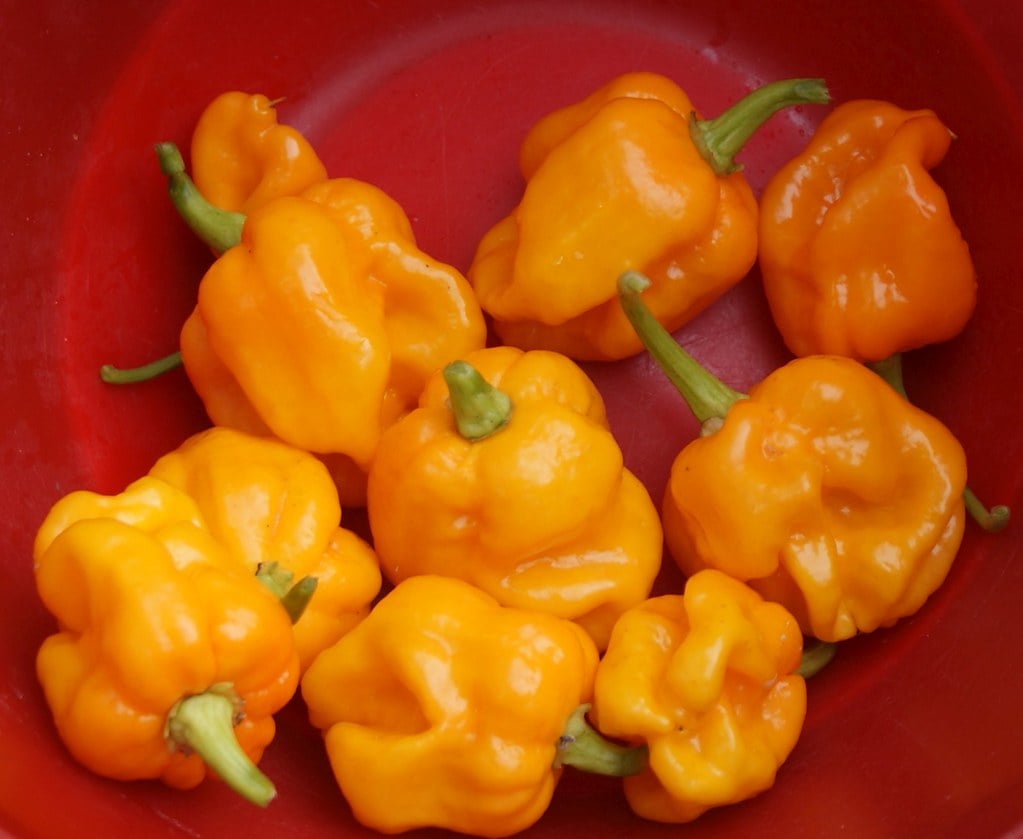
The 7 Pot Primo measures between 1.4 and 1.6 million Scoville units. Horticulturist Troy Primeaux created this hybrid in Louisiana, which is where the “Primo” name comes from.
The pepper has a distinctive pointed tail that makes it look extra menacing. The texture is bumpy and rough.
The color shifts from green to red as it ripens. The flavor has hints of fruit and a slight smokiness, but the heat dominates everything.
It hits your mouth immediately and spreads fast. Primo peppers work well dried and ground into powder.
You need very little to add serious heat to any dish. Fresh peppers need careful handling because the oils can burn your skin on contact.
Trinidad Scorpion Butch T
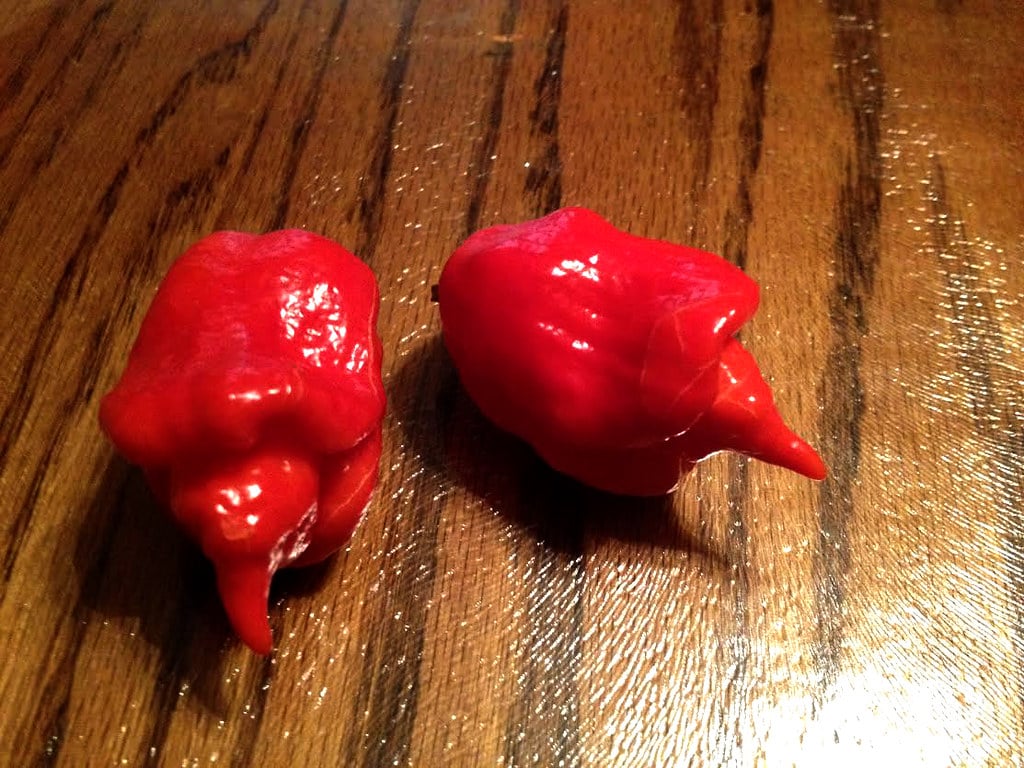
This pepper held the world record back in 2011, measuring 1.46 million Scoville units. Butch Taylor from Mississippi grew and popularized this variety, which is where the name comes from.
The pepper has the characteristic scorpion tail that curls at the end. The heat is immediate and intense.
No gradual build-up, no warning. Your mouth starts burning within seconds of biting into it.
The Butch T has a slightly sweet, fruity flavor underneath the heat. But you need serious tolerance to taste anything beyond the fire.
The burn lasts a long time too, sometimes up to an hour with no real relief.
Komodo Dragon
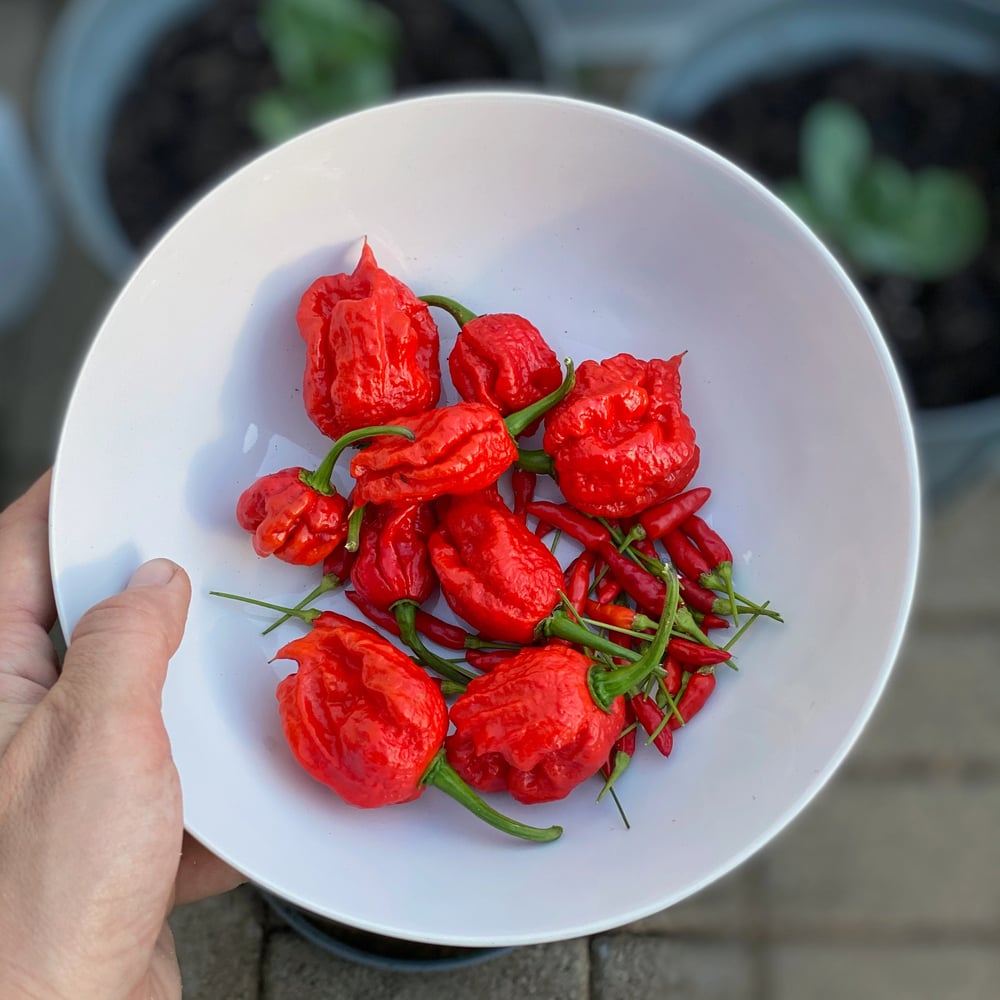
The Komodo Dragon pepper averages 1.4 million Scoville units. Developed in the UK, this pepper was bred specifically for intense heat and bold flavor.
The name references the famous lizard, suggesting something dangerous and exotic. The pepper looks similar to other superhots but has a slightly smoother skin.
The flavor profile includes tropical fruit notes with a hint of sweetness. The heat builds fast and hits hard, but it’s not as painful as some of its competitors.
That doesn’t mean it’s easy, just relatively less brutal.
Naga Viper
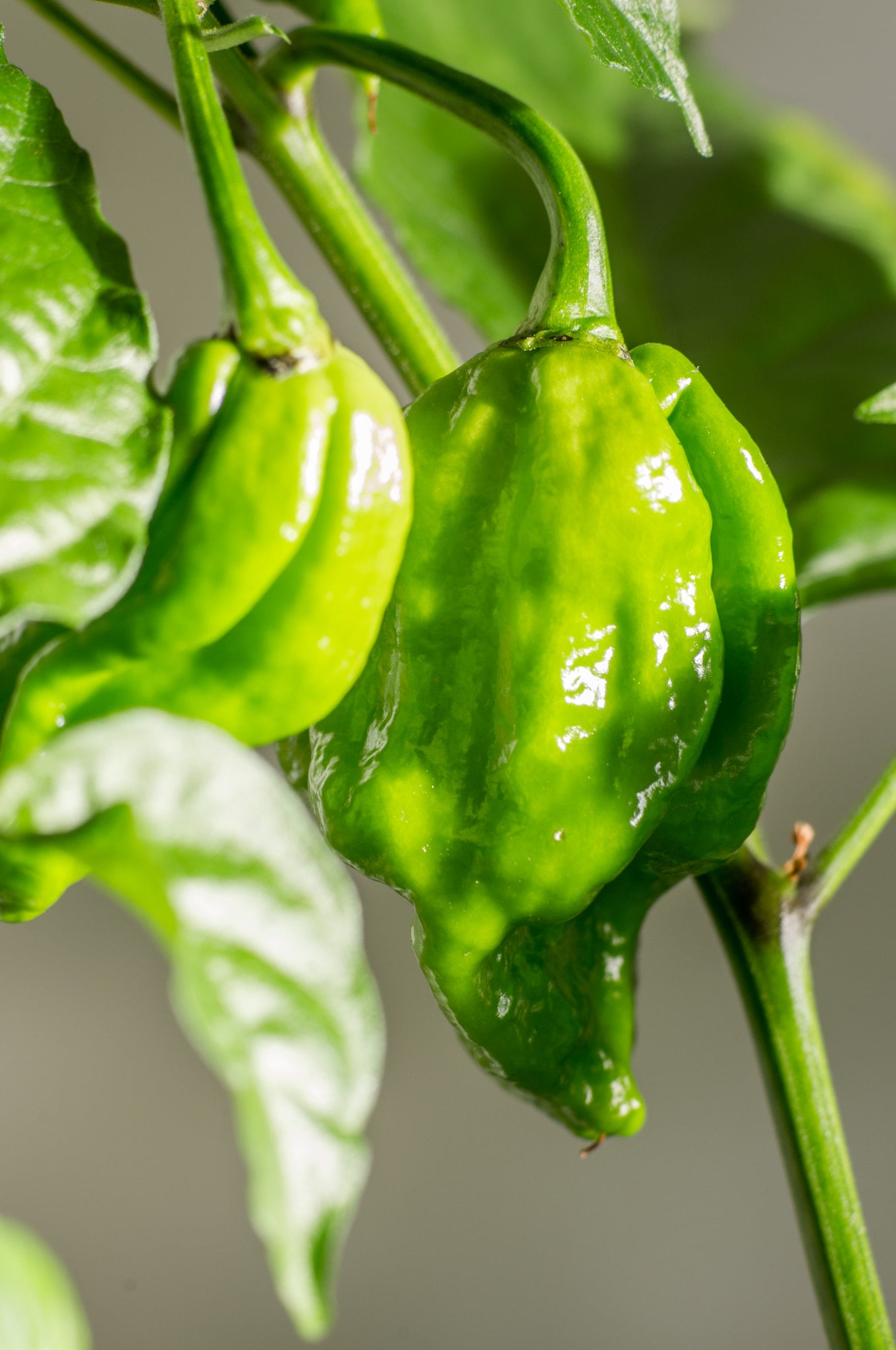
The Naga Viper briefly held the world record in 2011, measuring 1.38 million Scoville units. It’s a hybrid created by crossing three other extremely hot peppers.
The Naga Morich, the Bhut Jolokia, and the Trinidad Scorpion. The pepper is unstable, meaning its offspring don’t reliably produce the same heat level.
This makes it difficult to grow consistently. The peppers that do reach full potential deliver massive heat with a slightly sweet, fruity undertone.
The burn is intense and immediate. Your mouth, your throat, your stomach all feel it.
The heat stays with you for a while too, making this a memorable experience for anyone brave enough to try it.
Ghost Pepper (Bhut Jolokia)
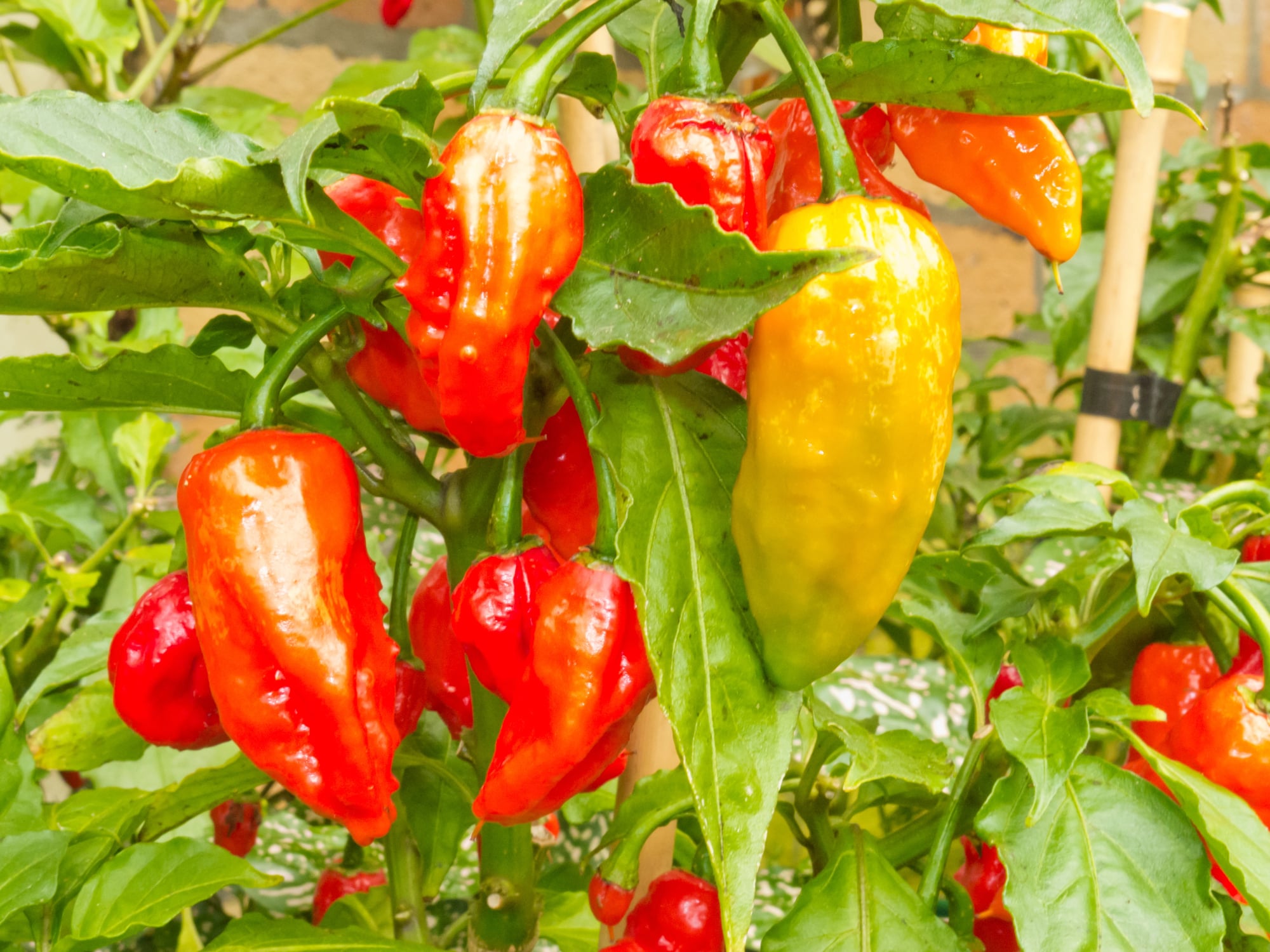
The Ghost Pepper measures around 1 million Scoville units. It was the first pepper to officially break the million-mark.
Originally from Northeast India, it became famous worldwide and launched the superhot pepper craze. The pepper starts green and ripens to red, orange, or yellow depending on the variety.
The heat builds slowly, which makes it dangerous. You take a bite, taste the fruity, slightly smoky flavor, and think it’s manageable.
Then the heat hits. And keeps hitting.
Ghost Peppers show up in hot sauces, salsas, and even some snack foods now. They’re extreme but accessible enough that people actually use them in cooking.
Handle them carefully though because the oils can cause serious burns.
Chocolate Bhutlah
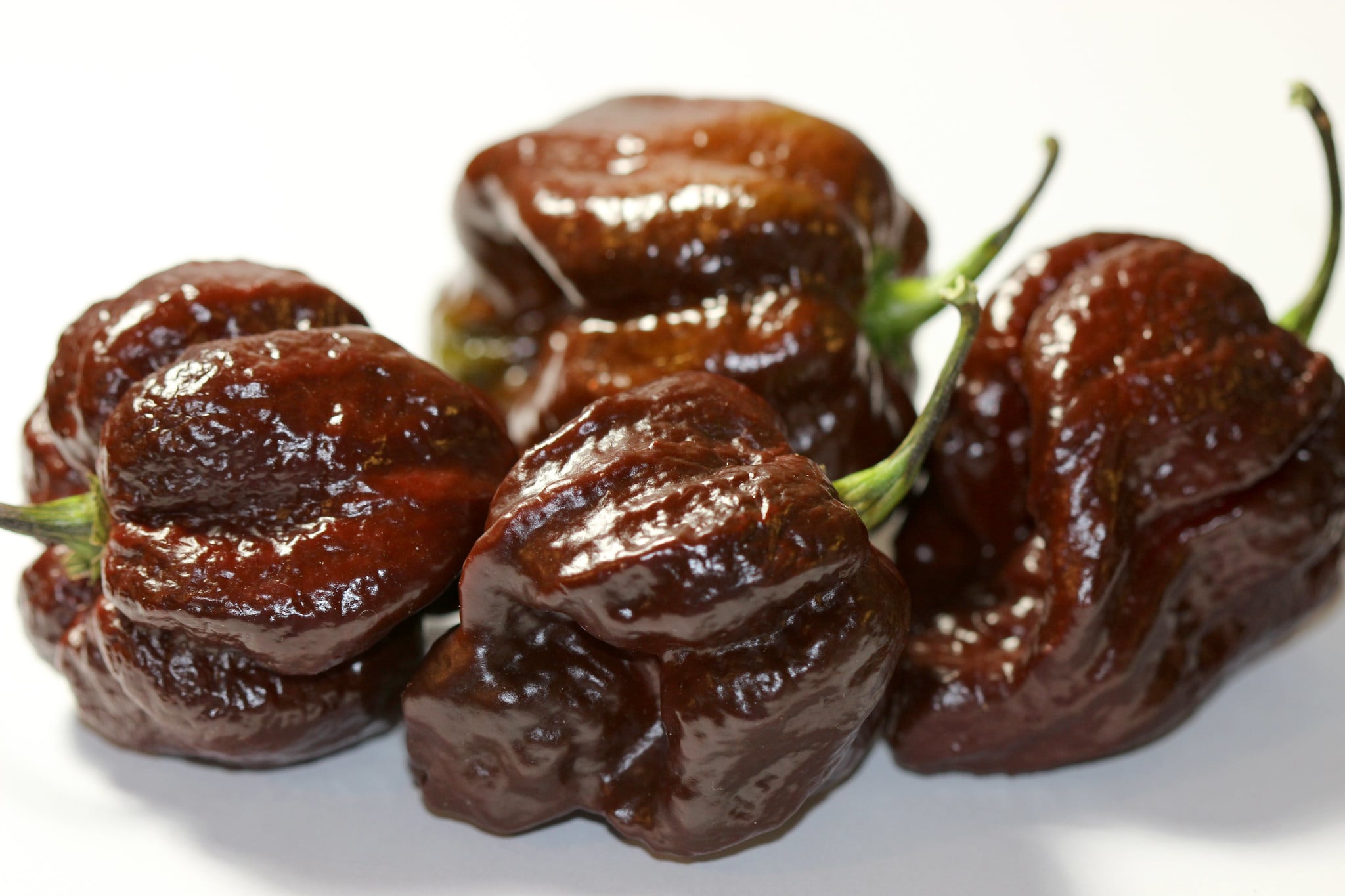
The Chocolate Bhutlah measures around 2 million Scoville units. It’s a cross between the Bhut Jolokia and the 7 Pot Douglah.
The dark brown color gives it the “chocolate” name, though it tastes nothing like actual chocolate. This pepper combines the worst qualities of both its parents.
The heat is immediate and overwhelming. The burn spreads fast and stays intense for a long time.
The flavor has some smokiness and a slight fruitiness, but you probably won’t notice through the pain. People who grow this pepper treat it with extreme caution.
Even handling it can cause skin burns. Eating it raw is something only the most dedicated pepper enthusiasts attempt.
7 Pot Brain Strain
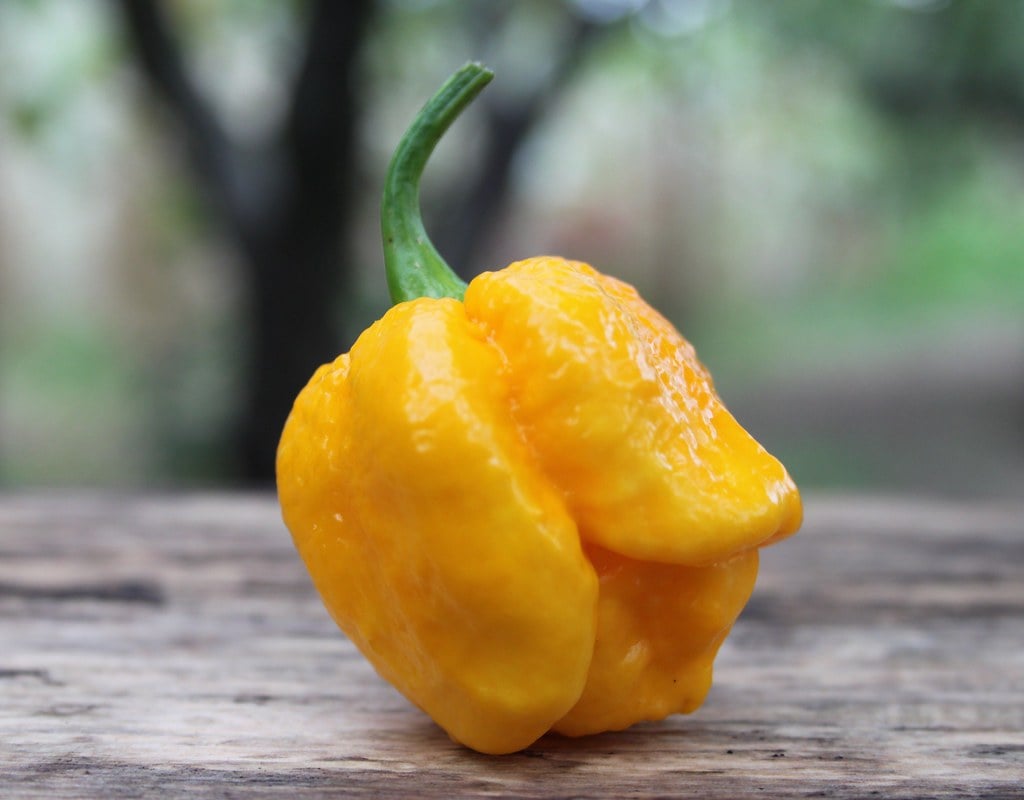
The Brain Strain measures between 1.3 and 1.8 million Scoville units. The name comes from the bumpy, wrinkled texture that supposedly resembles a brain.
It’s part of the 7 Pot family from Trinidad. The pepper ripens to a bright red color.
The heat is intense and immediate. No warning, no gradual build-up.
Your mouth starts burning within seconds. The flavor has some sweetness and fruitiness, but the heat overpowers everything else.
This pepper is popular among hot sauce makers who want extreme heat with some actual flavor complexity. In small amounts, you can taste more than just fire.
But fresh, whole peppers are a serious challenge that most people shouldn’t attempt.
Infinity Chili
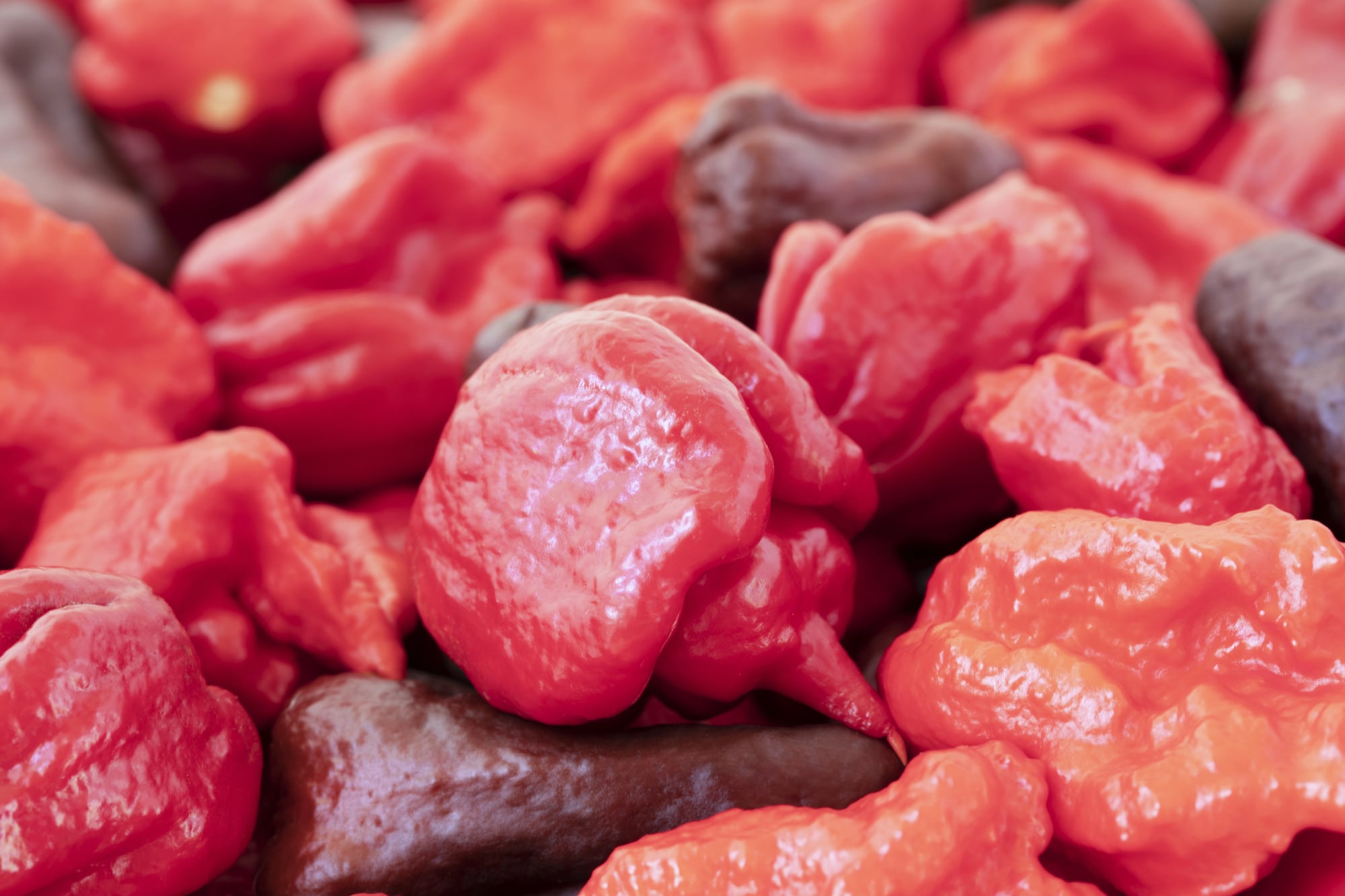
The Infinity Chili briefly held the world record in 2011, measuring 1.17 million Scoville units. Developed in England by Nick Woods, this pepper was specifically bred to be extremely hot.
The pepper looks similar to other superhots with its wrinkled skin and bright red color. The heat is intense but not as long-lasting as some others on this list.
That doesn’t make it easy, just slightly less punishing. The flavor has some fruity notes, but they’re hard to appreciate when your mouth is on fire.
Naga Morich
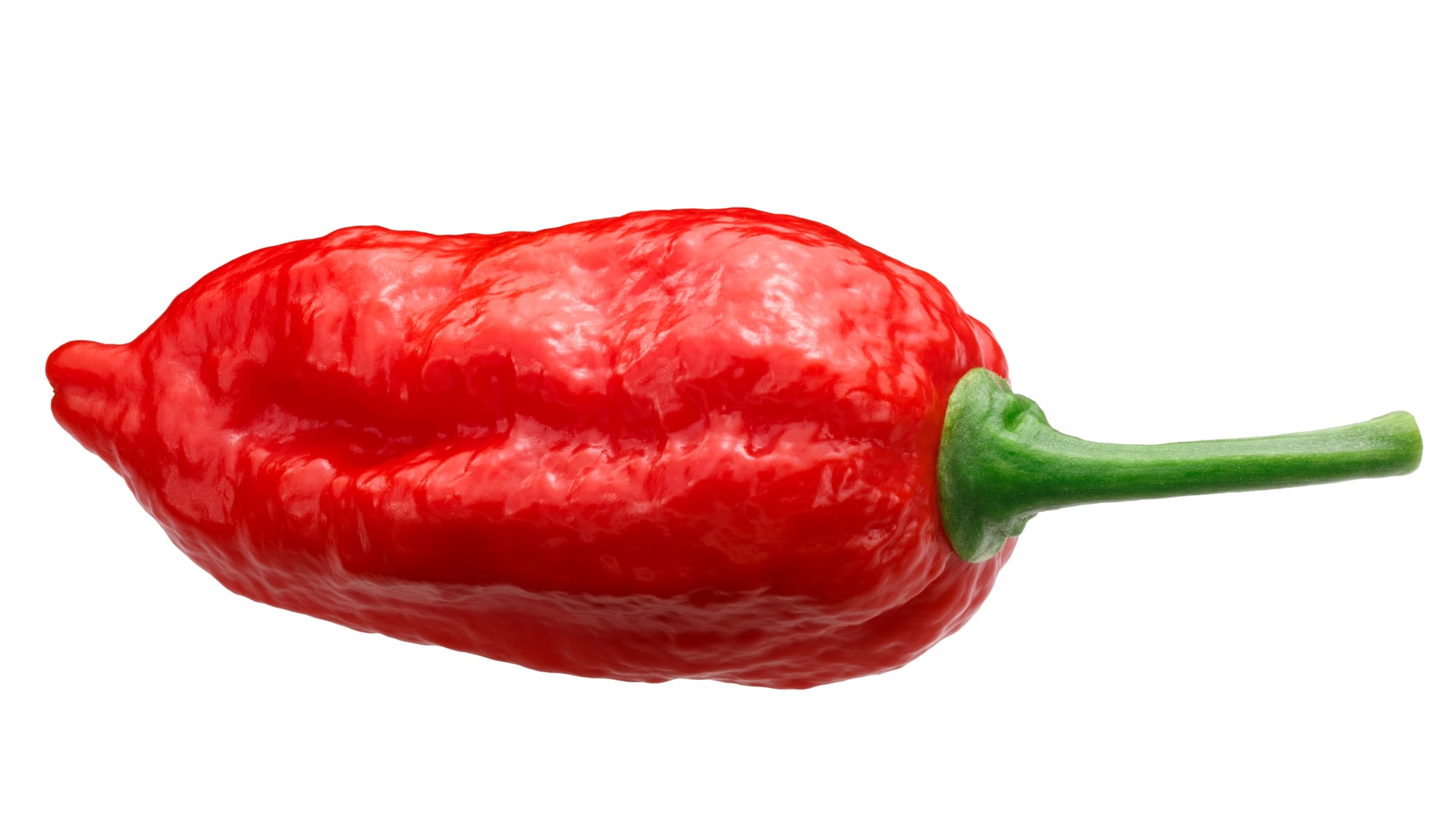
A single Naga Morich hits close to 1.5 million on the Scoville scale. Hailing from parts of Northeast India along with regions of Bangladesh, it carries a reputation.
In Bengali, its name translates to “serpent chili,” revealing local perception through language alone. Not quite like the Ghost Pepper, though close – shape shifts just enough, flavor too.
Fruit steps forward here, bright with a zesty twist that lingers at the edges. At first, warmth creeps slowly, almost quietly.
Then it surges, sharp and full, refusing to let go. That peak holds tight, stretching minutes into something heavy, unshaking.
This pepper shows up in kitchens across its homeland, just a tiny bit at a time. A pinch finds its way into curries; sometimes it slips into chutneys, warming each bite.
Raw? That’s a different path altogether.
The Real Question
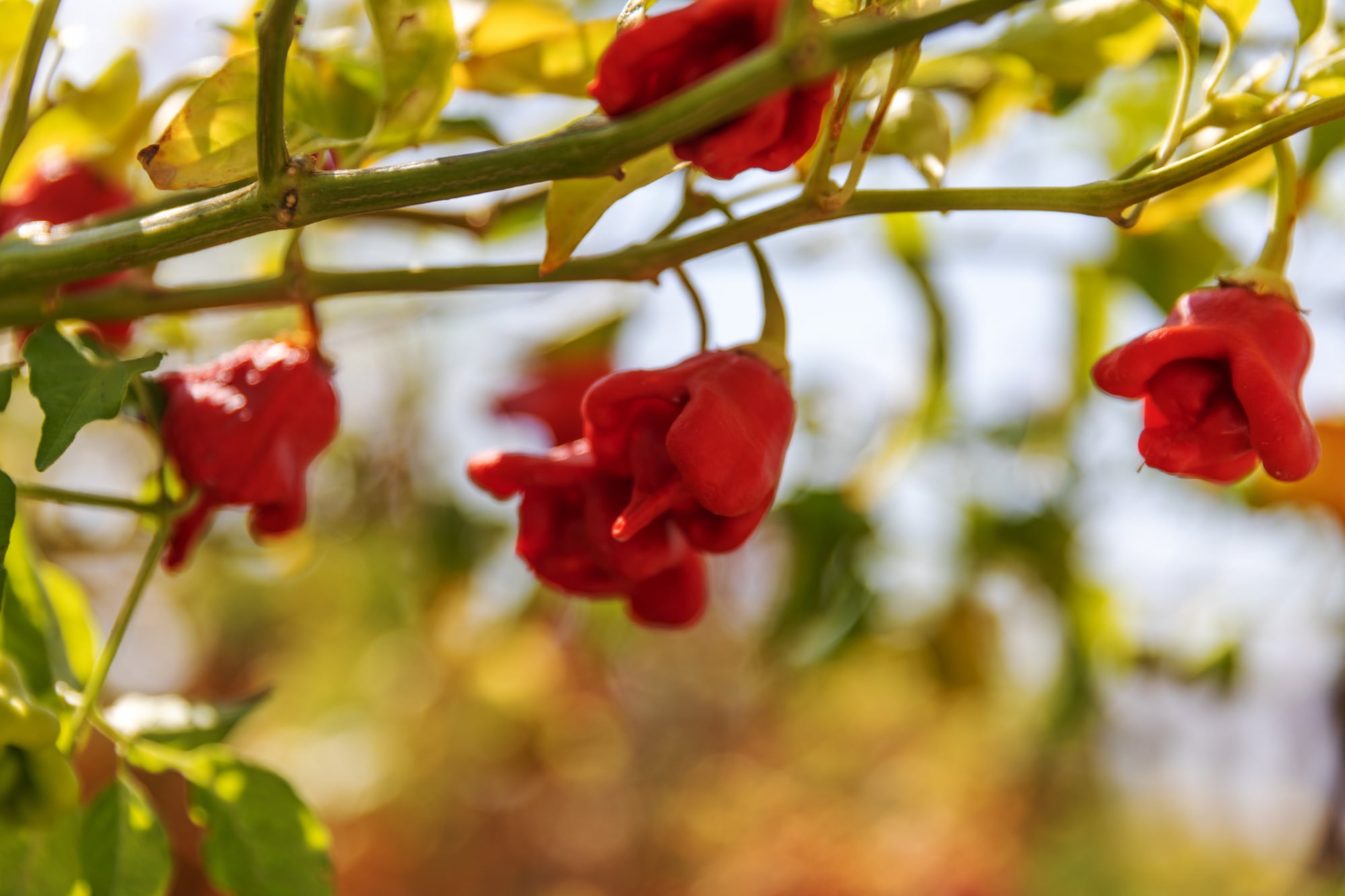
One tale comes from digits on a page. A chili rated at 1.5 million Scoville heat units seems fiercer than its 1-million counterpart.
Yet what happens in your mouth isn’t captured by charts. Certain chilies strike like sparks – bright, quick, gone.
Still others creep in silence, spreading warmth that refuses to leave. A few bring quick jabs, like needles under the skin.
Different ones roll in slowly, a heavy ache pulsing outward without warning. What you can tolerate plays a role.
A person used to spice manages these peppers better than one overwhelmed by mild chilies. Still, even seasoned eaters treat the chilliest ones carefully.
Danger goes beyond discomfort – it’s real. What something tastes like means a lot if you value peppers for more than how hot they can get.
Beneath layers of intense heat, nearly every superhot pepper carries its own character. Some bring sweetness like ripe fruit, others carry a campfire’s shadow or traces of lemon peel, even dark cocoa.
Still, noticing these details demands either fearless tastebuds or the sense to try only a speck. Out on the outer limit of taste sits these peppers.
Pushing beyond mealtime, they turn into a test. Could be that hunger for heat drives folks to cook up newer kinds.
Then again, perhaps it mirrors why some scale cliffs or dive from the skies. What matters is not flavor – it’s beating the burn.
More from Go2Tutors!

- The Romanov Crown Jewels and Their Tragic Fate
- 13 Historical Mysteries That Science Still Can’t Solve
- Famous Hoaxes That Fooled the World for Years
- 15 Child Stars with Tragic Adult Lives
- 16 Famous Jewelry Pieces in History
Like Go2Tutors’s content? Follow us on MSN.