15 Cities Planned from Scratch—How They Fared
Most cities grow the way weeds do. A few houses here, a road there, a market that becomes a town center over decades.
But some cities skipped all of that. They were drawn on paper first, then built from the ground up with a clear vision, a government decision, and a lot of money.
Some of these planned cities turned out exactly as intended. Others became cautionary tales.
Here is a look at 15 cities that were built from scratch and what actually happened to them.
Brasília, Brazil
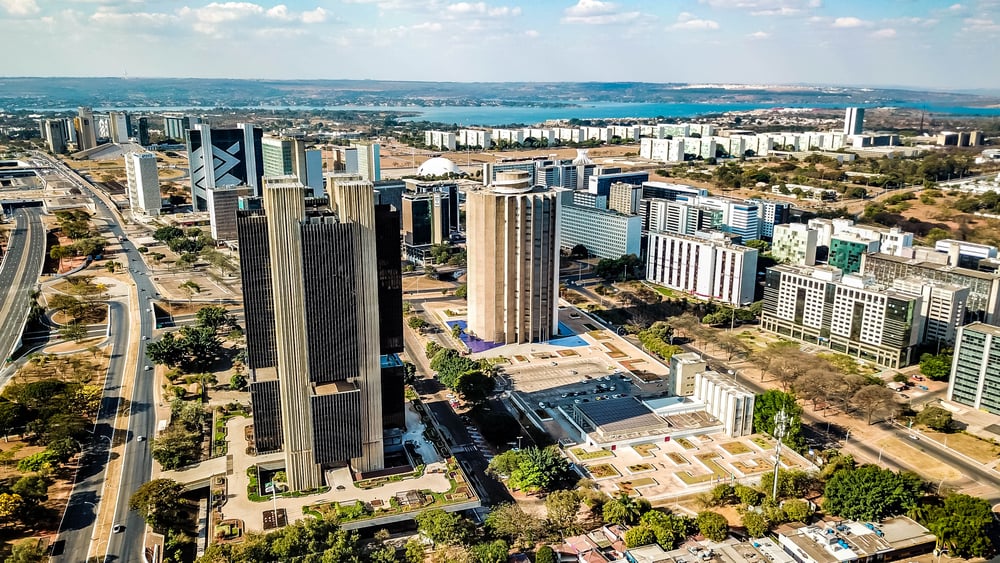
Brazil decided in the late 1950s to build an entirely new capital deep in the country’s interior, partly to shift focus away from the coastal cities and partly to assert national ambition. Architect Oscar Niemeyer and urban planner Lúcio Costa designed the city in the shape of an airplane when viewed from above.
It was officially inaugurated in 1960, just four years after construction began. Today, Brasília is a UNESCO World Heritage Site and home to over 3 million people, though critics say it was designed more for cars than for people.
Chandigarh, India

After the partition of India in 1947, Punjab lost its former capital Lahore to Pakistan. India needed a new one fast.
Swiss-French architect Le Corbusier was brought in to design Chandigarh, and he created a strictly organized city divided into sectors, each with its own market, school, and green spaces. The city is one of India’s wealthiest and most livable today.
It works well on paper and, surprisingly, pretty well in real life too.
Canberra, Australia
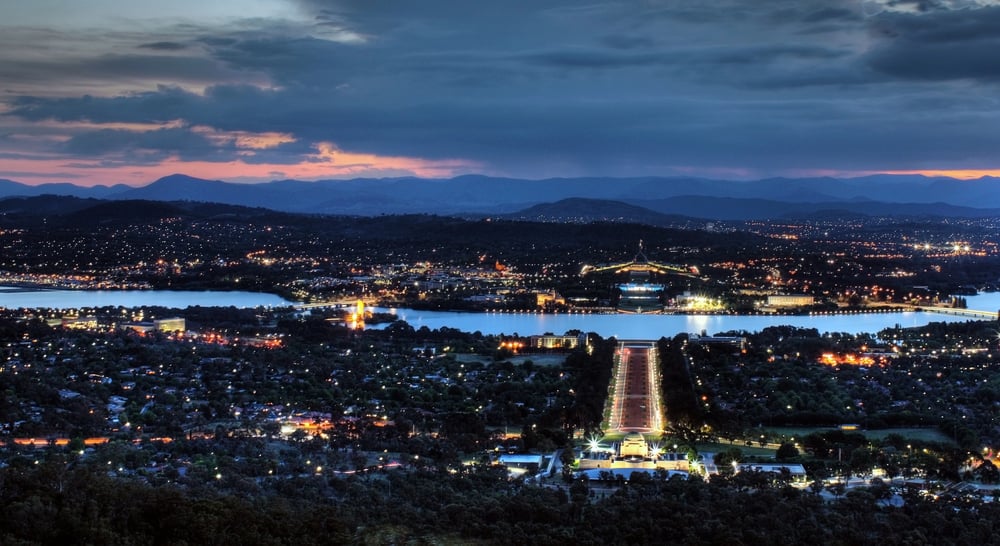
Australia had a rivalry between Sydney and Melbourne, both of which wanted to be the national capital. The compromise was to build a brand-new city between the two.
American architects Walter Burley Griffin and Marion Mahony Griffin won the design competition in 1913, and Canberra was officially established as the capital in 1927. The city is now home to nearly half a million people and functions as a calm, organized government hub.
It is often described as a city without a soul, but the people who live there tend to disagree loudly.
Naypyidaw, Myanmar
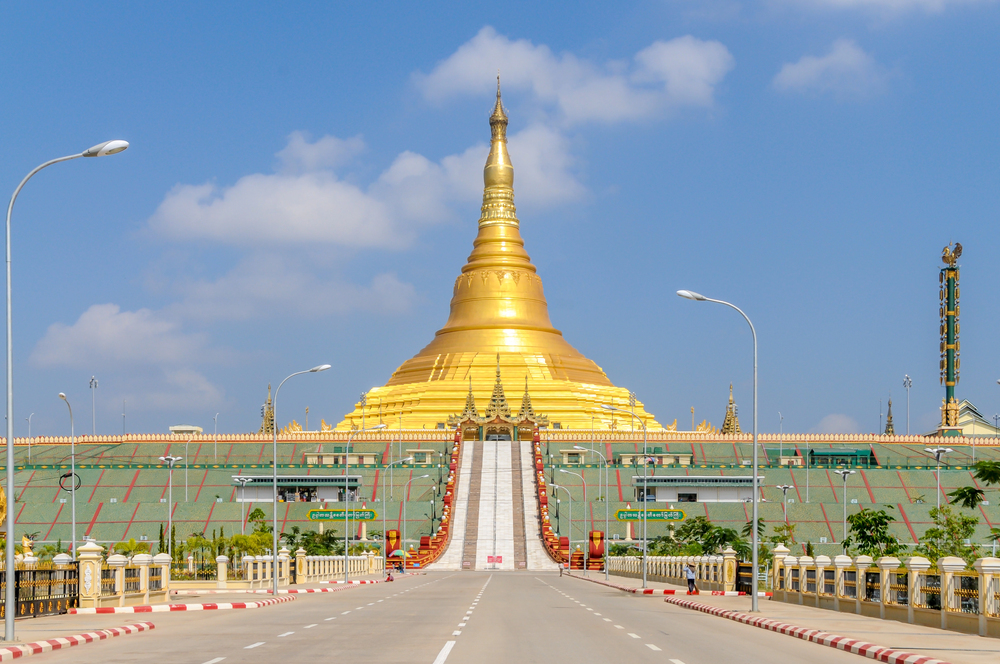
Myanmar’s military government announced in 2005 that the capital was moving from Yangon to a brand-new city built in the middle of the country. Naypyidaw has enormous roads, massive government buildings, and very few pedestrians.
The city covers an area larger than London but has a fraction of the activity. International observers have called it eerily empty, and many diplomats and foreign workers prefer to stay in Yangon.
It serves its political purpose but feels more like a stage set than a living city.
Islamabad, Pakistan
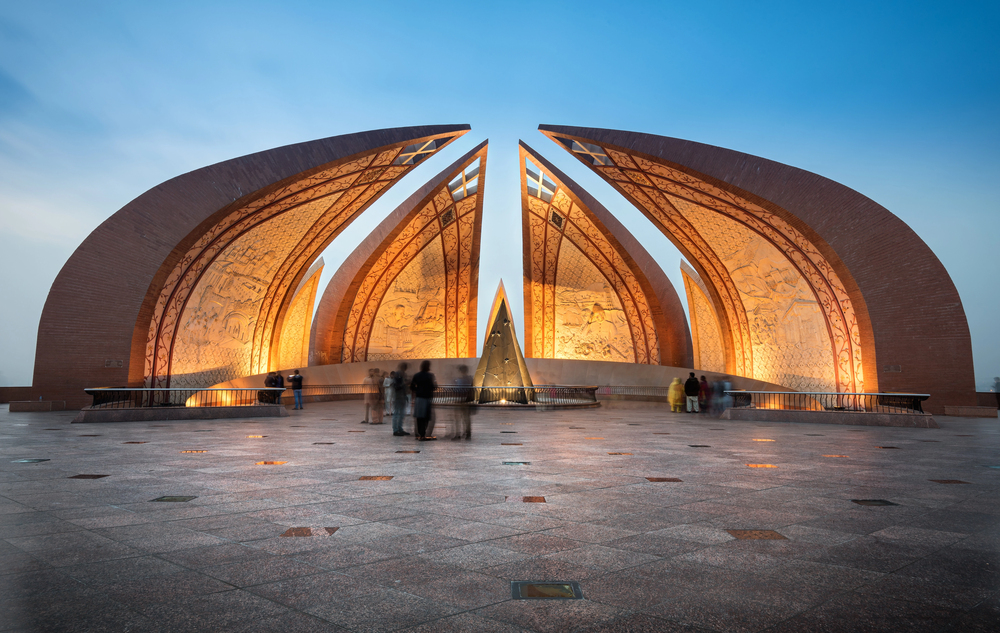
When Pakistan gained independence in 1947, Karachi served as the capital, but it was considered too far from the country’s center of gravity. A new capital was planned in the 1960s, and Greek planner Constantinos Doxiadis designed Islamabad with wide roads, organized zones, and plenty of greenery.
The city has grown into a functional capital with a population of over 1 million. It is generally cleaner and more organized than most South Asian cities, which makes it stand out in the best way.
Putrajaya, Malaysia
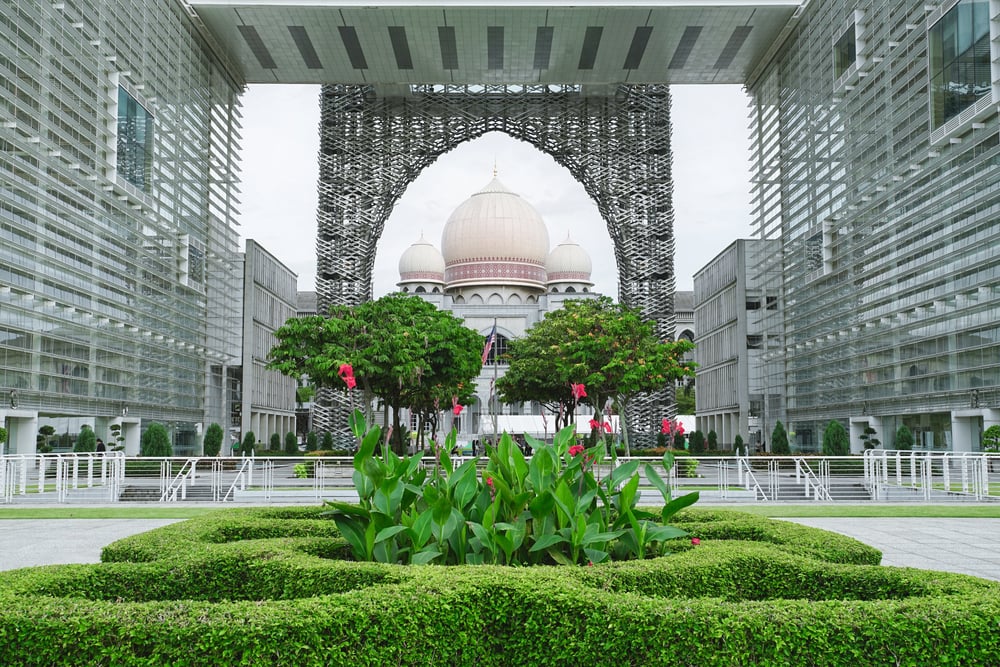
Malaysia built Putrajaya in the 1990s to ease the administrative pressure on Kuala Lumpur. The city was designed as a ‘garden city’ with large government complexes surrounded by lakes and parks.
It is visually impressive and well-maintained. However, most Malaysians still prefer to live and work in Kuala Lumpur, which means Putrajaya can feel underused outside of government hours.
It is a city that looks great in photographs and works fine as a government hub, even if weekends are quiet.
Astana (Nur-Sultan), Kazakhstan
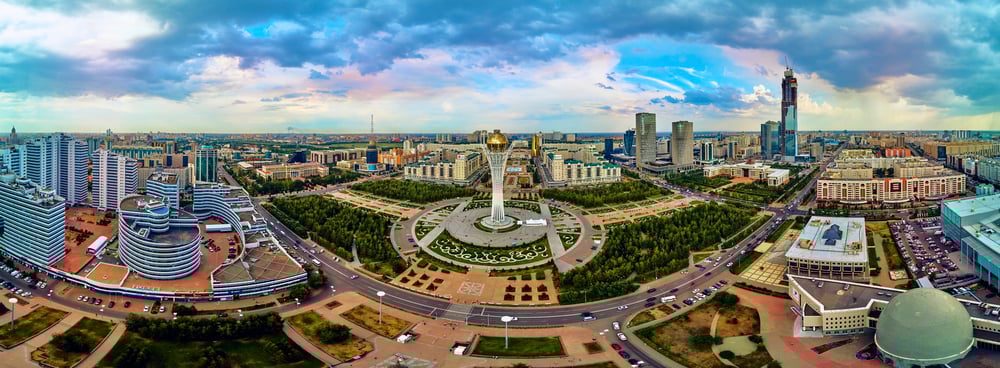
Kazakhstan moved its capital from Almaty to a frozen steppe city in 1997. President Nursultan Nazarbayev had grand ambitions for Astana, and international architects including Norman Foster were brought in to design futuristic buildings.
The city grew fast and now hosts over 1 million residents. It has a tent-shaped shopping mall, a glass pyramid, and a building shaped like a lighter.
Whether it is inspiring or bizarre depends entirely on who you ask.
Washington, D.C., USA

After the American Revolution, the founding fathers wanted a capital city that belonged to no individual state. A site along the Potomac River was chosen in 1790, and French-American engineer Pierre Charles L’Enfant designed the city’s layout of wide diagonal avenues crossing a grid.
The design was ambitious, and for years the city was a half-built mess of muddy roads and unfinished monuments. Today, Washington, D.C. is one of the most recognized cities in the world, which is a pretty solid comeback story.
Abuja, Nigeria
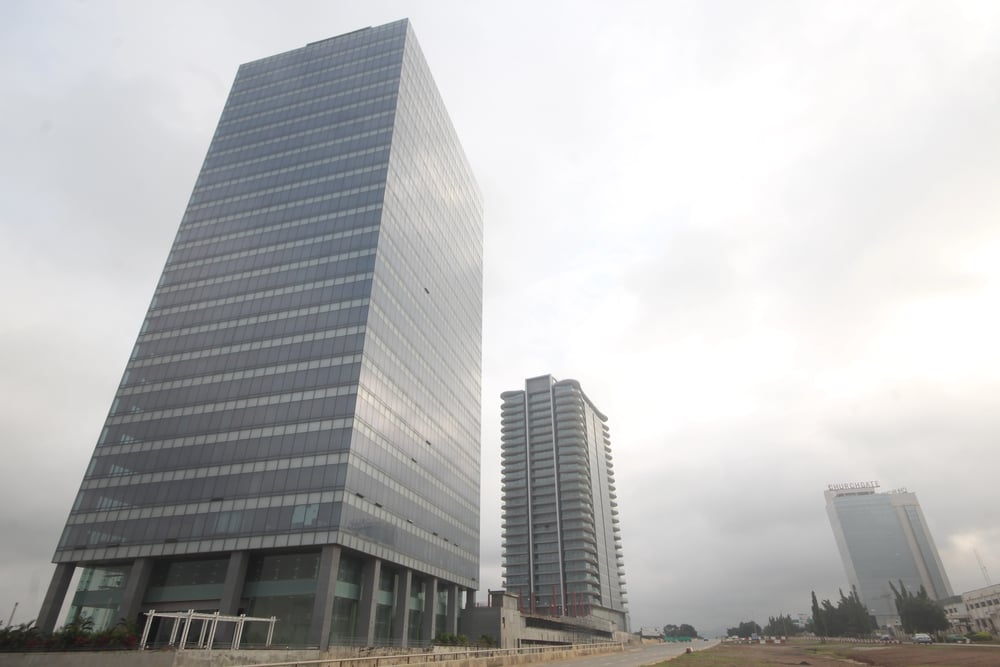
Nigeria moved its capital from Lagos to Abuja in 1991 after Lagos became overwhelmingly crowded and difficult to govern. The new capital was planned in the 1970s with help from international consultants.
Abuja has broad roads, well-separated government zones, and a cleaner feel than Lagos. The move worked in terms of giving Nigeria a functional capital, though Lagos still dominates the country’s economy and culture.
Abuja is where Nigeria governs; Lagos is where Nigeria lives.
New Delhi, India
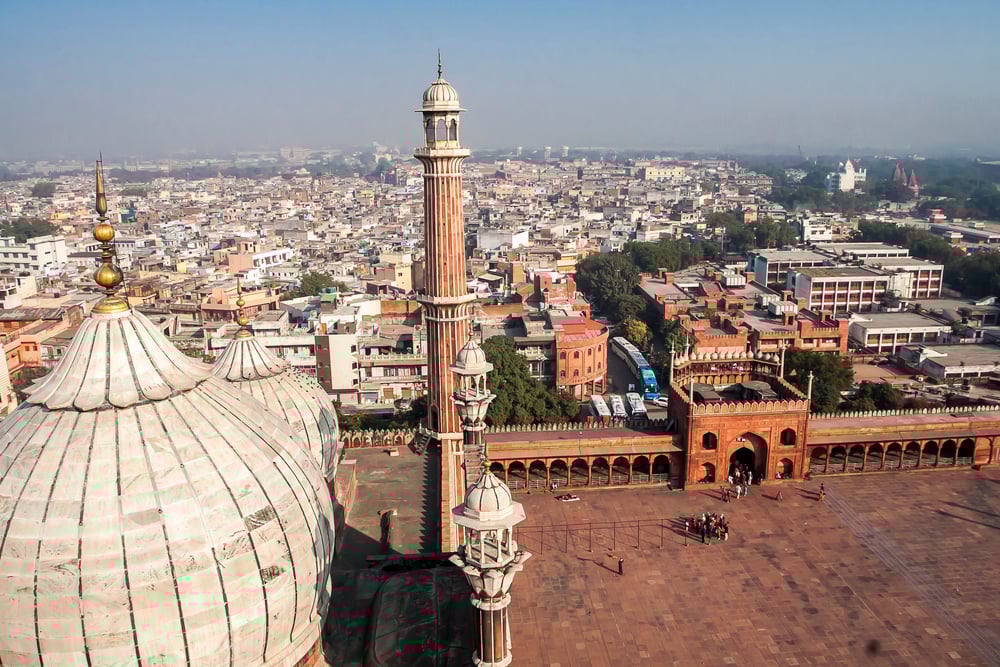
When Britain decided to move its Indian imperial capital from Calcutta to Delhi in 1911, it commissioned architects Edwin Lutyens and Herbert Baker to design an entirely new city next to the old one. New Delhi was built over two decades and officially inaugurated in 1931.
The wide avenues, government buildings, and circular roads remain largely intact today. It functions as the political heart of the world’s most populous democracy.
Not bad for a city designed by the people who were, at the time, running the country against its will.
Dodoma, Tanzania
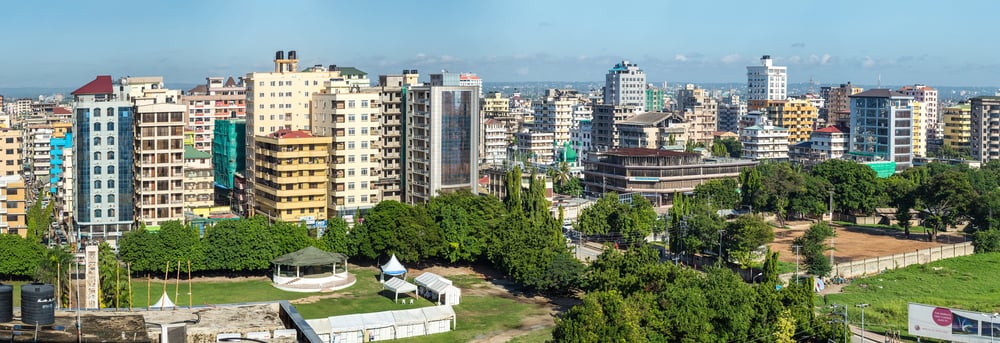
Back in 1974, Tanzania made Dodoma its new capital, stepping in for Dar es Salaam. Aim? To shape a more balanced center, one that reached across the nation fairly.
Yet after years passing by, the bulk of ministries stick to the old coastal hub. So do nearly all foreign embassies.
While parliament sits in Dodoma now, along with the label, the shift stayed incomplete. In name it reigns supreme – yet on the ground, it lags behind its status.
Canberra’s Twin? Songdo, South Korea
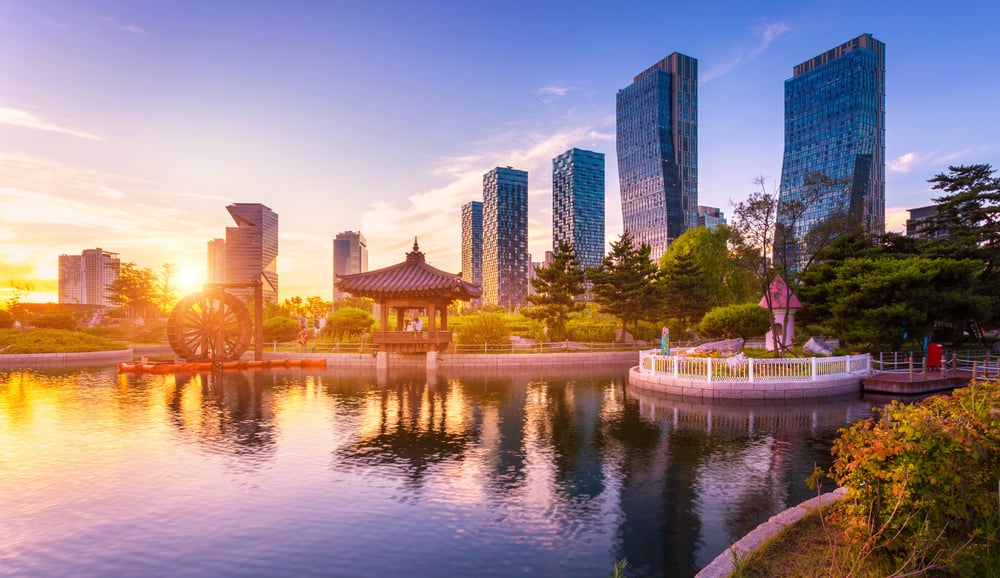
Built on filled-in sea ground close to Incheon during the 2000s, Songdo took shape as a high-tech urban area where digital tools blend into everyday structures. Its purpose? Drawing global companies while shaping a modern kind of city life.
Green spaces stretch wide, services run tight, web speeds feel almost unreal. Yet emptiness lingered too long – quiet streets brought whispers of a ghost town.
New faces appear more often now, though proving real value remains a daily effort.
Palmas, Brazil

Out in the middle of what used to be untouched land, construction began after Tocantins emerged as a new state back in 1988. A fresh urban layout took shape deep within the Amazon area, aiming for clean lines and open space.
Wide streets carved through green terrain gave it an orderly look right from the start. Though progress crept along at less speed than anyone hoped, empty plots still sit beyond paved roads.
Over time, people kept arriving anyway, filling homes block by block. What once existed only as drawings now breathes with daily life, slowly turning structure into community.
Milton Keynes, United Kingdom

Started in the 1960s, Britain shaped Milton Keynes to ease London’s crowding. Roads laid out like a grid define it, while roundabouts pop up at nearly every turn.
Green spaces stretch between districts, wide enough to feel separate yet close. Concrete cows appeared later – odd sculptures that stuck around far longer than anyone guessed.
Growth surprised planners; more people arrived, pushing numbers past 250,000. Those outside often laugh, but locals stand firm when it comes to their home.
King Abdullah Economic City in Saudi Arabia
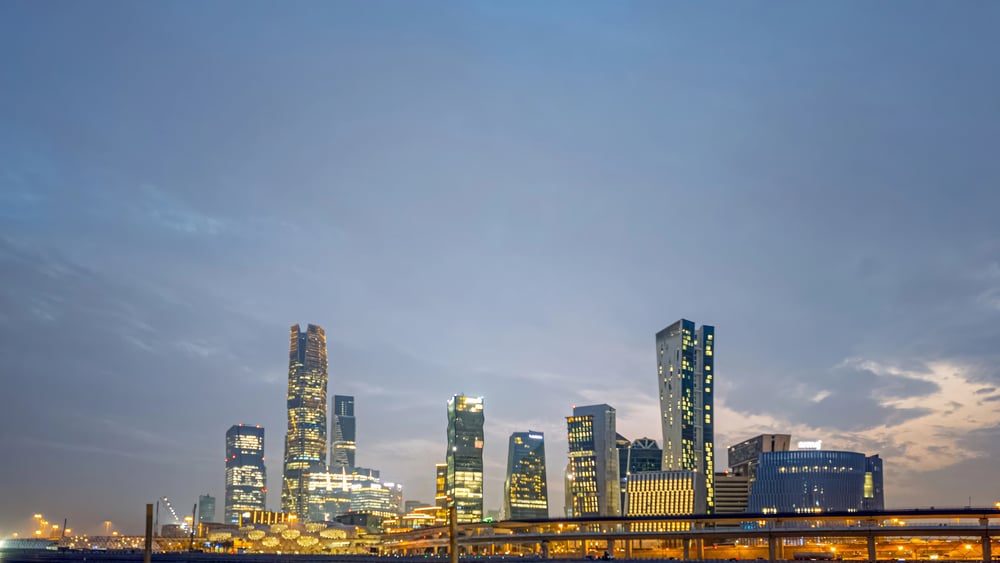
Back in 2005, Saudi Arabia broke ground on a huge coastal project along the Red Sea, aiming to shape a new center for world business. A major port was part of it, alongside factories, schools, housing – room for two million souls.
Things moved at less than half the speed anyone predicted; today, the place remains incomplete. Work trickles forward bit by bit, phase after phase, though dreams once sky-high now sit closer to earth.
Not done yet – that matters – so while rough patches marked the beginning, what comes next stays unwritten.
The Cities That Outlasted Their Blueprints
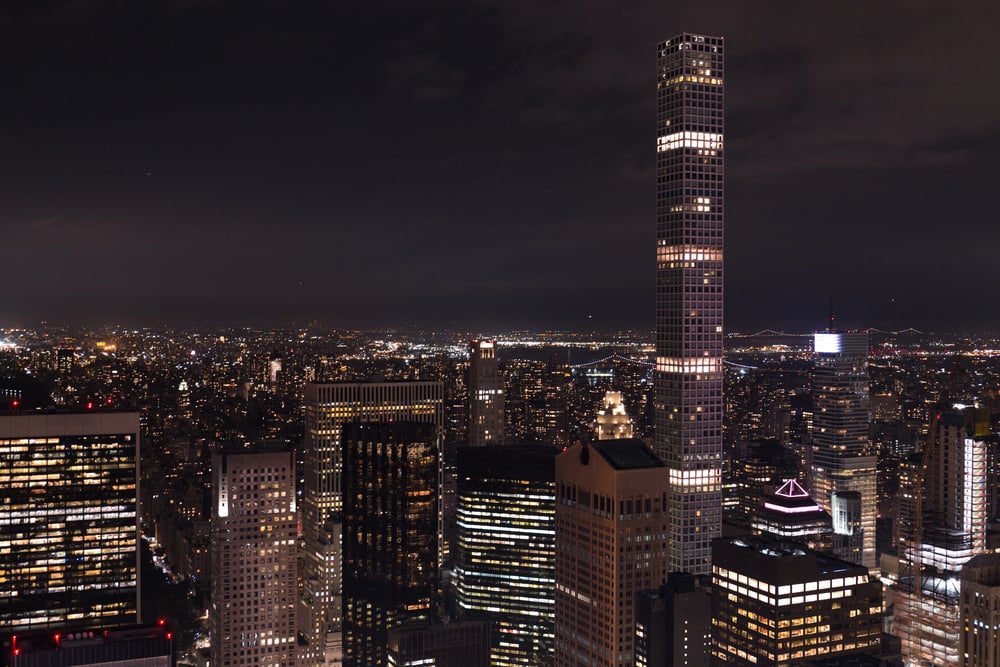
Strange how planned cities turn out. Brasília, Washington – both started on paper yet now pulse with lives never imagined by drafters.
Then there’s Naypyidaw, Dodoma – quieter, half-filled, still waiting for belief to catch up with concrete. The difference? Folks just came, kept coming, made homes where they wanted to be.
A city doesn’t live by plans. What keeps it going is how it makes people stay, something never drawn on paper.
More from Go2Tutors!

- The Romanov Crown Jewels and Their Tragic Fate
- 13 Historical Mysteries That Science Still Can’t Solve
- Famous Hoaxes That Fooled the World for Years
- 15 Child Stars with Tragic Adult Lives
- 16 Famous Jewelry Pieces in History
Like Go2Tutors’s content? Follow us on MSN.