Physical Photo Albums Versus Digital Cloud Storage
Remember when choosing between photo storage options meant deciding which shoebox to use? Those days feel both ancient and strangely recent.
Now the choice sits between the weight of physical albums in your hands and the invisible vastness of cloud storage — two completely different approaches to preserving the moments that matter most to you.
Each method carries its own promises and compromises, its own relationship to memory, and its own way of failing you when you need it most. The decision isn’t just about storage space or convenience — it’s about how you want to experience your past and what you’re willing to risk losing.
Tangibility and Physical Connection

Physical albums demand your full attention. You can’t scroll past a photo when you have to turn each page deliberately.
The weight of the book in your lap, the slight resistance of plastic sleeves, the way certain pages naturally fall open to photos you’ve looked at most — these aren’t just details, they’re part of how the memory gets stored.
Digital photos exist everywhere and nowhere at once. Swiping through hundreds of images creates a different kind of relationship with your memories, one where individual moments blur into streams of content.
Cost Considerations Over Time
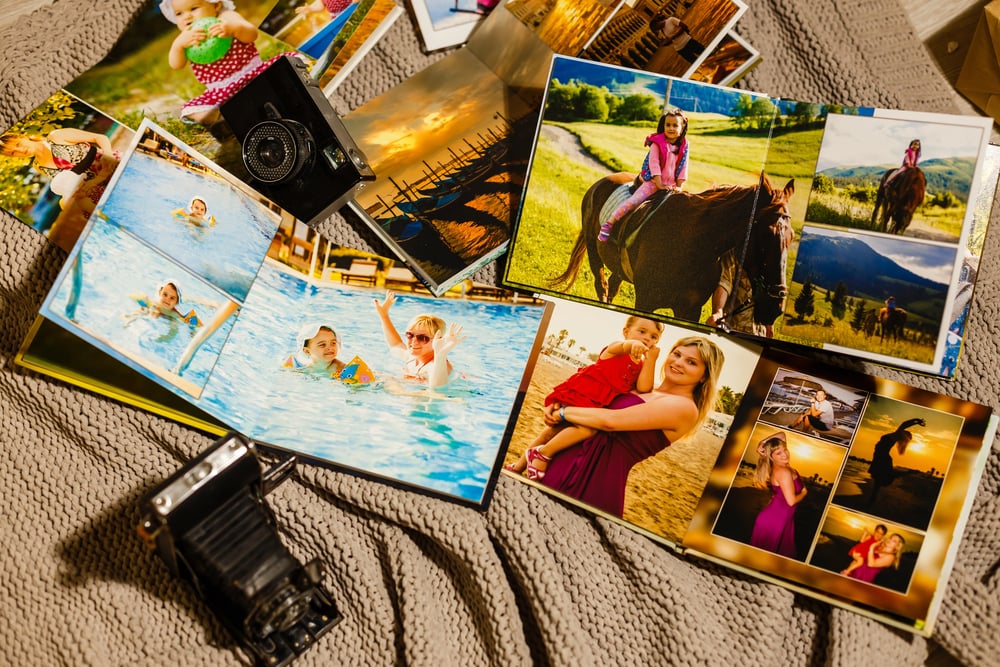
Albums hit you with upfront costs that sting immediately. Quality photo books run $30 to $100 each, and that’s before you factor in printing dozens or hundreds of photos.
The expense feels real because you’re holding exactly what you paid for. Cloud storage starts cheap and stays cheap for years — until it doesn’t.
That $2 monthly fee becomes $10, then $20, as your photo library grows beyond the free tier. After a decade of payments, you’ve spent more than you would have on albums, except you own nothing you can hold.
Accessibility and Convenience

Cloud storage wins this category so decisively that it feels unfair to compare. Your entire photo collection fits in your pocket, searchable by date, location, or even the faces in the pictures.
Share a photo with someone across the country in seconds. Access everything from any device, anywhere with internet.
Albums require you to remember which book contains which photos, then physically retrieve that book from wherever you stored it. Want to show someone a photo?
Hope you remember which year you put it in, and hope that album is within reach.
Durability and Longevity

Physical photos face enemies you can see coming: water, fire, fading, physical damage. But they also survive in ways that surprise you.
Photos from the 1940s still look recognizable, still tell their stories decades later. The medium itself needs no technology, no updates, no compatibility patches.
Digital files promise permanence but depend on an entire ecosystem staying functional. File formats become obsolete (remember when everything was stored as .bmp files, or when we thought CDs would last forever, or how many people lost photos when their computer crashed and they discovered their backup drive had been corrupted for months without them knowing).
Cloud services shut down, companies change policies, and accounts get locked for mysterious violations of terms nobody reads. And yet — when digital storage works, it works beautifully: multiple copies stored across different servers, automatic syncing that happens without you thinking about it, recovery options that can resurrect photos you thought were gone forever.
So digital wins on redundancy when it functions properly, but physical photos win on simplicity. One requires faith in technology maintaining itself; the other requires faith in your ability to keep physical objects safe, which turns out to be a different kind of gamble entirely.
Organization and Search Capabilities

Digital organization feels like magic when it works. Type “beach 2019” and watch relevant photos appear instantly.
Facial recognition groups pictures by person automatically. Location data shows you exactly where each photo was taken, sometimes down to the specific restaurant table.
Album organization is whatever system you create and maintain yourself. Chronological order works until you find photos from last month mixed in with pictures from two years ago.
Thematic organization makes sense until one photo could fit into three different albums. The system breaks down the moment life gets messy — which it always does.
But there’s something to be said for the limitations of physical organization. When you can only put a photo in one place, you make a decision about what that photo means.
Digital photos can be tagged and sorted into infinite categories, which sometimes means they end up belonging nowhere in particular.
Backup and Security
Albums store your photos in exactly one place, which is either perfectly safe or completely vulnerable depending on what happens to that place. House fires don’t discriminate between precious memories and junk mail.
Neither do floods, theft, or simple human carelessness. Digital storage offers multiple backup options that range from bulletproof to surprisingly fragile.
Cloud services maintain copies across different data centers, protecting against local disasters. But they also create new vulnerabilities: accounts get hacked, services experience outages, and privacy policies change without warning.
The trade-off is between concentrated risk and distributed risk. Physical albums bet everything on your ability to protect them personally.
Digital storage spreads that risk across multiple systems and companies, which usually works better until it doesn’t.
Sharing and Social Aspects

Showing someone a physical photo album creates a shared experience that feels increasingly rare. You sit together, turn pages at the same speed, and naturally pause to comment on specific pictures.
The other person can’t skip ahead or swipe through your entire collection at their own pace. Digital sharing offers convenience that physical albums can’t match.
Send someone fifty photos instantly, create shared albums that multiple people can add to, and let others save copies of images they want to keep. The friction disappears, which is both the benefit and the problem.
Privacy and Control

Physical albums give you complete control over who sees your photos and when. Unless someone breaks into your house, your private moments stay private.
You decide exactly which photos to include and how to present them. There’s no algorithm suggesting what you might want to share or accidentally syncing personal photos to public galleries.
Cloud storage operates under privacy policies that change frequently and terms of service that grant platforms broad rights to your content. Even with privacy settings enabled, your photos exist on servers owned by companies with their own interests and vulnerabilities.
Data breaches happen regularly, and once your photos leak online, you can’t get them back. The convenience of cloud storage comes with an implicit agreement to trust these companies with your most personal moments.
Sometimes that trust is well-placed, and sometimes it isn’t.
Creative Presentation Options

Albums let you control the entire narrative experience in ways that digital galleries struggle to match. You choose which photo appears on which page, how images relate to each other, and what story the sequence tells.
Add handwritten captions, tickets, letters, or other memorabilia that creates context digital storage can’t replicate. The physicality itself becomes part of the creative expression: cover design, page layouts, photo sizes, and even the tactile experience of different papers and finishes.
Each album becomes a unique object that reflects your aesthetic choices as much as your memories. Digital storage offers different creative tools — slideshows with music, automatic movie creation, filters and editing options — but the end result feels more standardized.
Everyone’s digital photo collection starts to look similar after a while, organized by the same algorithms and displayed through the same interfaces.
Environmental Impact
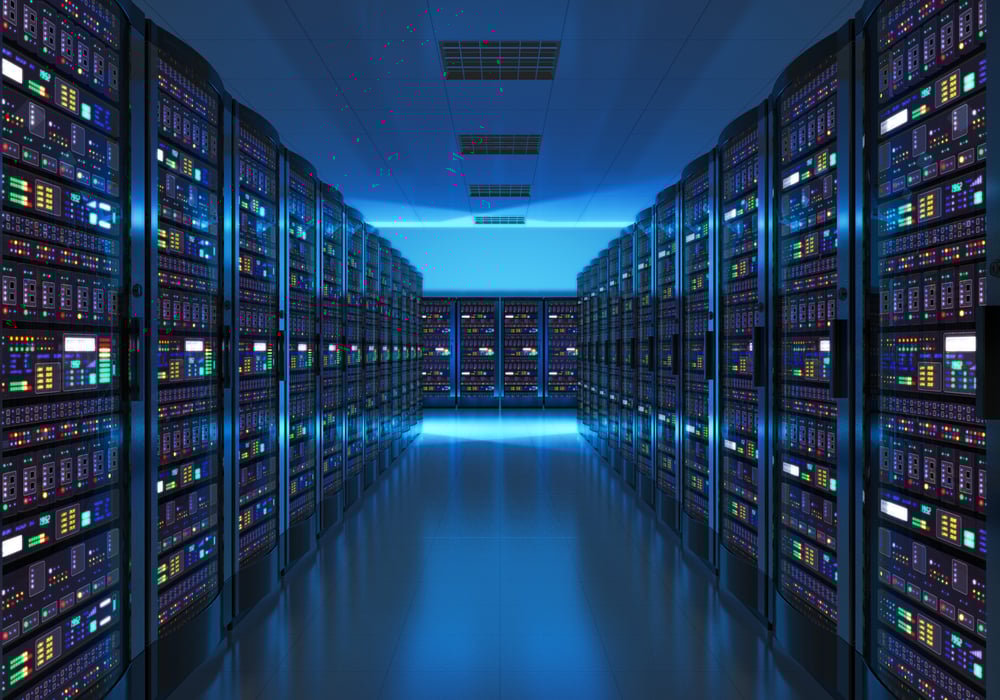
Physical photo printing uses chemicals, paper, and plastics that create waste at every step of the process. Albums themselves require materials and manufacturing processes that consume resources.
Every photo printed represents a permanent addition to the physical world that will eventually need disposal. Digital storage seems cleaner until you consider the infrastructure required to maintain it.
Data centers consume enormous amounts of electricity, require constant cooling, and need regular hardware upgrades that create electronic waste. Every photo stored in the cloud uses energy continuously, not just during the initial upload.
The environmental math gets complicated quickly, but generally speaking: printing photos you’ll look at regularly has a lower environmental impact than storing thousands of digital photos you’ll never see again. The problem is predicting which photos those will be.
Technology Dependencies
Albums need no technology beyond your ability to open a book and see. They work during power outages, internet failures, and device malfunctions.
As long as you have light and functional eyes, your photos remain accessible. This simplicity is both a limitation and a strength.
Digital photos depend on a complex chain of technology functioning correctly: your device, your internet connection, the cloud service’s servers, and the compatibility between your files and current software. Any link in that chain breaks, and your entire photo collection becomes temporarily or permanently inaccessible.
The dependency goes beyond just viewing photos — it extends to the entire ecosystem of devices, accounts, and services that make digital storage work. When it works, it’s seamless.
When it breaks, it breaks completely.
Memory and Nostalgia Factors

There’s something irreplaceable about finding an old photo album in exactly the same place you left it years ago, opening it to pages that fall naturally to photos you’ve looked at countless times before. The physical ritual of album browsing creates its own kind of memory that intertwines with the photos themselves.
The weight of the book, the sound of pages turning, even the slight chemical smell of old photo prints — these sensory details become part of how you remember remembering. Physical albums don’t just store photos; they create a specific emotional experience around revisiting the past.
Digital photo browsing offers its own pleasures, but they’re different. The ease of searching through thousands of photos can surface forgotten moments that might never emerge from a physical album.
But scrolling through digital galleries can also feel more like consuming content than revisiting memories, depending on your relationship with the technology.
When Everything Goes Right, When Everything Goes Wrong
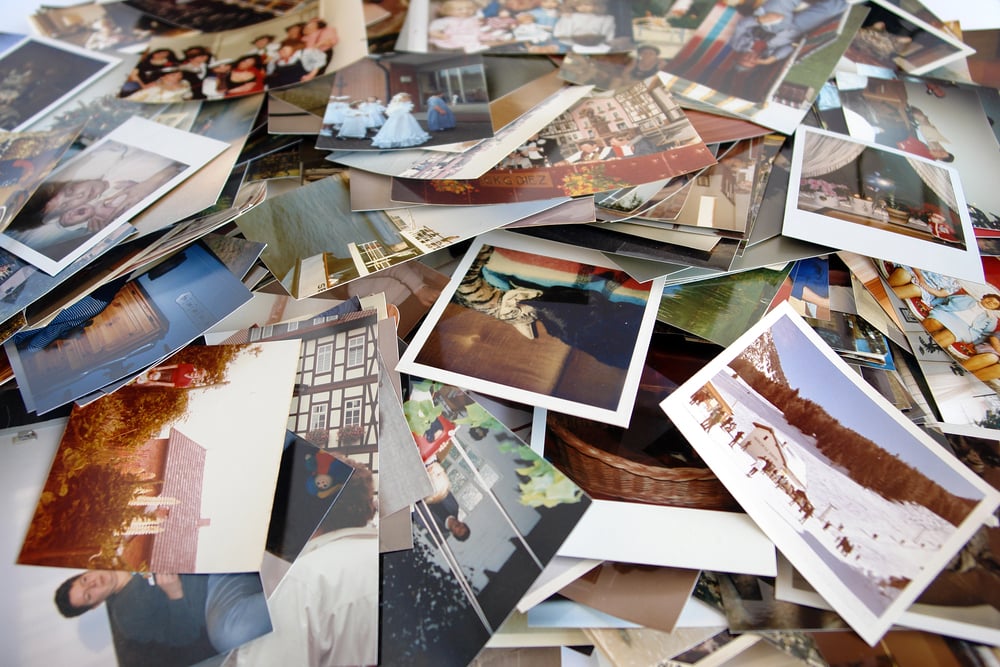
The choice between physical and digital photo storage isn’t really about which method is objectively better — it’s about which kind of failure you can live with and which kind of success matters most to you.
Physical albums offer the satisfaction of permanence you can hold, but they’re vulnerable to disasters you can’t control. Digital storage provides convenience and accessibility that feels almost magical, but it requires ongoing faith in systems beyond your control.
Maybe the real answer isn’t choosing between them at all, but understanding what each does best and planning accordingly. Some photos deserve the weight and ceremony of physical albums.
Others work better as part of the flowing, searchable river of digital memory. The trick is knowing which moments call for which treatment, and being honest about how much effort you’re actually willing to put into preserving the past.
More from Go2Tutors!

- The Romanov Crown Jewels and Their Tragic Fate
- 13 Historical Mysteries That Science Still Can’t Solve
- Famous Hoaxes That Fooled the World for Years
- 15 Child Stars with Tragic Adult Lives
- 16 Famous Jewelry Pieces in History
Like Go2Tutors’s content? Follow us on MSN.