15 Regional Words That Confuse Americans From Other States
English might be the common language across the U.S., but that doesn’t mean everyone’s speaking the same version of it. From coast to coast, certain words and phrases pop up that sound completely normal to locals—and completely baffling to everyone else. One person’s grocery cart is another person’s buggy, and don’t even get started on the soft drink debate.
Here is a list of 15 regional words that leave Americans scratching their heads when they cross state lines.
Buggy (Southern U.S.)
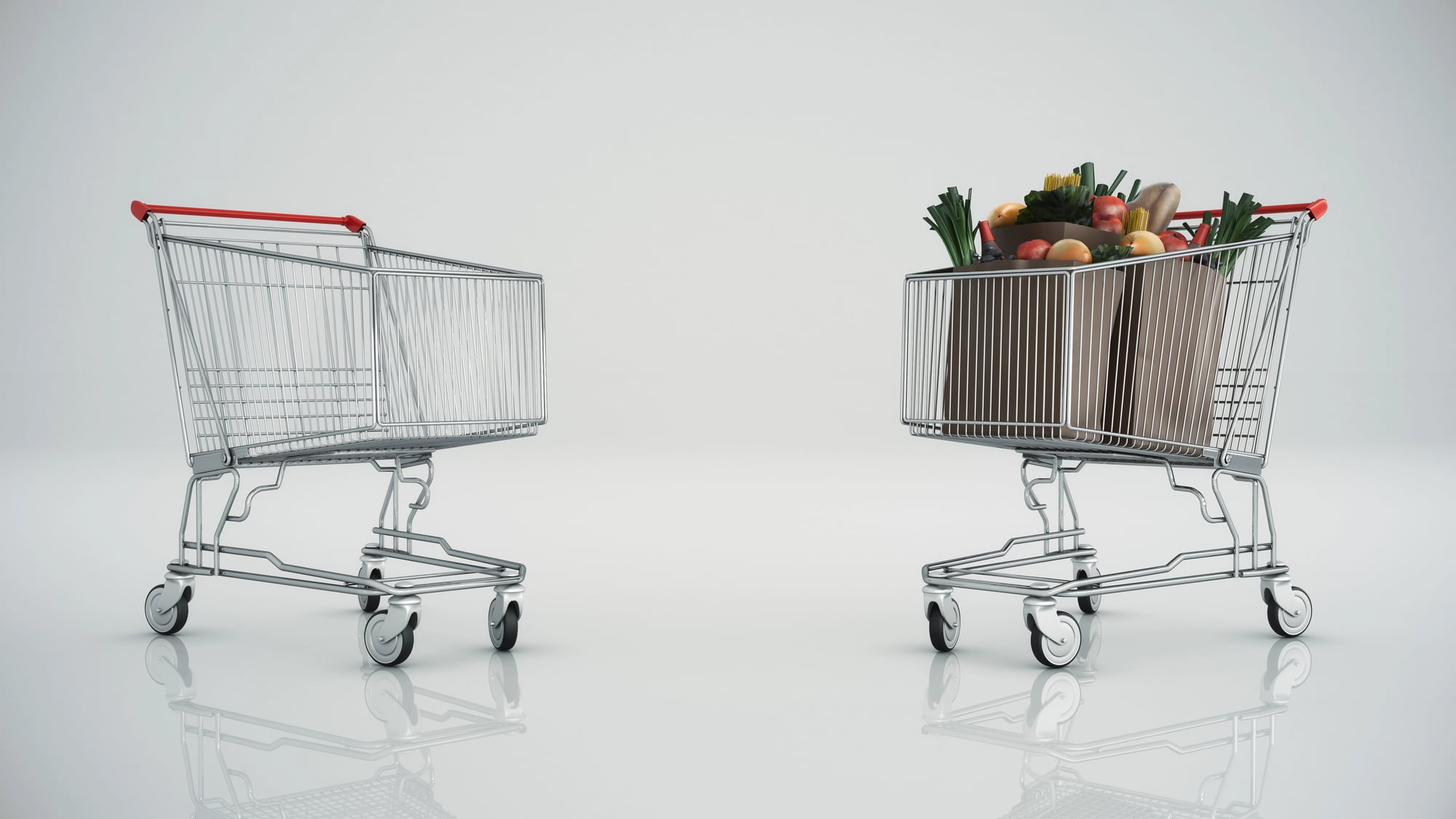
In much of the South, a ‘buggy’ isn’t something you pull behind a horse—it’s what you grab at the grocery store to hold your groceries. Visitors from the Northeast or West Coast often picture an actual baby stroller or a ride at a fair.
But to Southerners, it’s just the everyday shopping cart.
Grinder (Northeast)

Ask for a grinder in Connecticut or parts of Massachusetts, and you’ll end up with a large sandwich. It’s basically a sub, hoagie, or hero, depending on where you’re from.
Why is it called a grinder? Local lore says it takes some serious jaw work to chew through one.
Pop (Midwest)

In states like Ohio, Michigan, and Minnesota, ‘pop’ means soda. If you ask for a soda there, people might guess you’re from California or New York.
The soft drink name game is serious—and it definitely marks your origin.
Crawdad (South and Midwest)
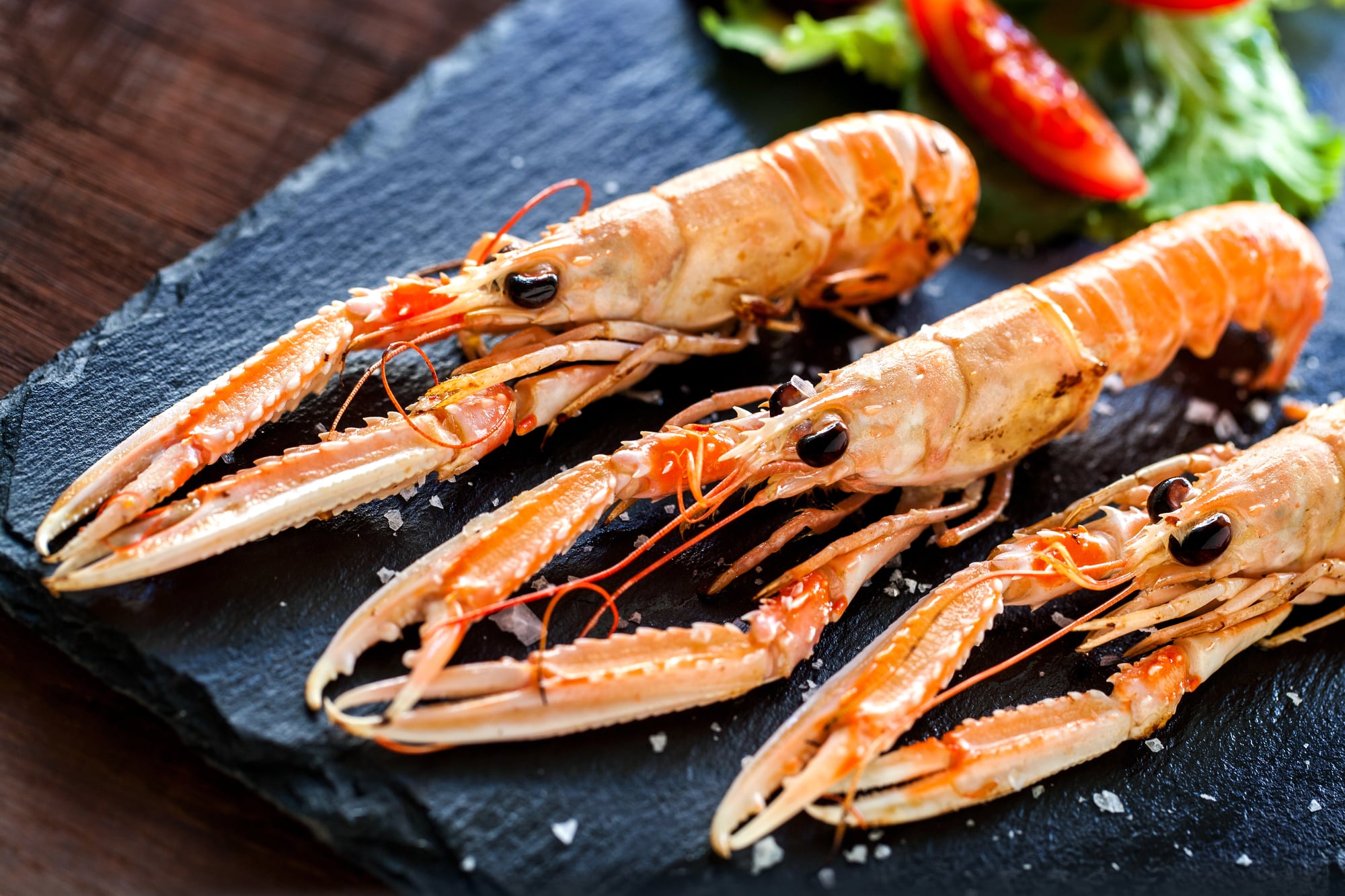
Crawdad, crayfish, or crawfish—it’s all the same little freshwater critter, but the word changes depending on the region. In Texas or Arkansas, you’ll likely hear ‘crawdad’, while Louisiana favors ‘crawfish’.
Out West, most folks just call them crayfish and avoid the whole argument.
Jimmies (New England)

If someone in Boston asks if you want jimmies on your ice cream, they’re not offering anything weird—it’s just chocolate sprinkles. The term is hyper-local and confuses plenty of tourists.
Outside New England, jimmies either mean nothing or sound like the name of someone’s uncle.
Bubbler (Wisconsin)

Step into a school or public building in Wisconsin and you might hear someone ask where the ‘bubbler’ is. They’re not looking for a fish tank—they’re just thirsty.
A bubbler is what most people call a drinking fountain, and you’ll rarely hear the term outside the Badger State.
Yinz (Western Pennsylvania)

‘Yinz’ is Pittsburgh’s take on the plural ‘you’. It serves the same purpose as ‘y’all’ in the South or ‘you guys’ just about everywhere else.
It’s part of the local dialect known as Pittsburghese, and if you’re not from around there, it’ll definitely catch your ear.
Lagniappe (Louisiana)

In Louisiana, especially in Cajun country, ‘lagniappe’ means a little something extra—like a bonus gift or a baker’s dozen. The word comes from French and Spanish roots and is part of daily life in markets and restaurants.
For anyone outside the Gulf region, it often sounds more like a typo than a real word.
Wicket (Mid-Atlantic)
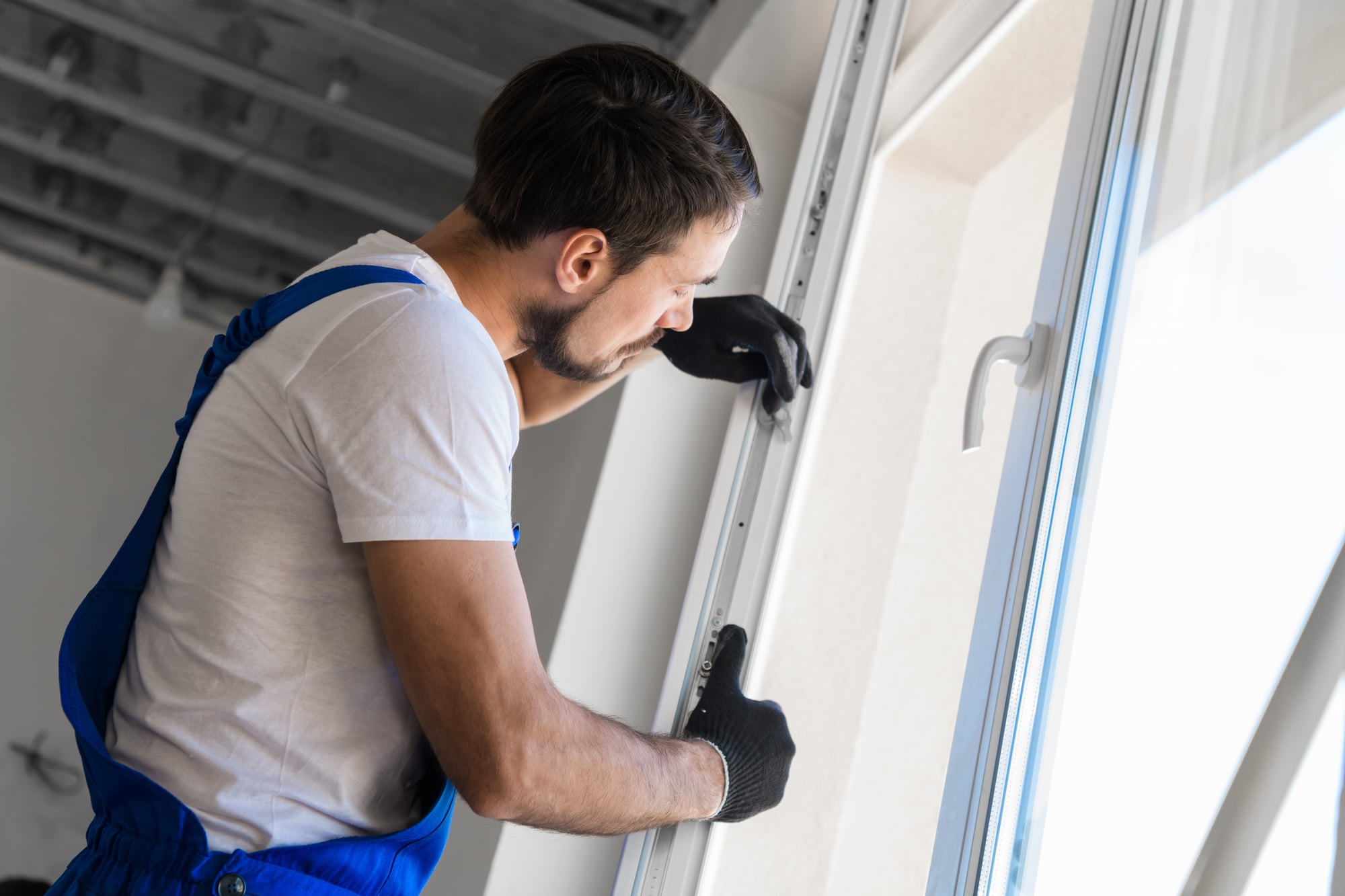
At the post office in parts of New Jersey or Delaware, you might hear someone refer to the service window as a ‘wicket’. It’s an old-school British term that stuck around in pockets of the Mid-Atlantic.
Most Americans only know the word from cricket, if they’ve heard it at all.
Snicklefritz (Pennsylvania Dutch country)

If someone calls you a ‘snicklefritz’ in rural Pennsylvania, don’t panic. It’s usually said with affection and means a mischievous or spirited child.
It’s got roots in the Pennsylvania Dutch language and feels more like a character from a cartoon than an actual insult.
Hella (Northern California)
People in Northern California, especially around the Bay Area, often say ‘hella’ to mean ‘very’ or ‘a lot’. It’s hella hot, hella cool, or hella crowded.
Outside that bubble, the term often gets strange looks or playful teasing.
Carryout (Midwest and Mid-Atlantic)
In parts of Ohio and Maryland, ‘carryout’ means food you order to go. While other places stick with ‘takeout’ or ‘to-go’, these regions use ‘carryout’ like it’s the national standard.
And yes, some locals will insist there’s a difference—even if no one else sees it.
Cattywampus (South)
If something is crooked or out of place, Southerners might call it ‘cattywampus’. It’s a funny-sounding word that fits somewhere between chaos and confusion.
Most other regions will just call it crooked, off-center, or maybe just ‘messed up’.
Pakery (Boston)
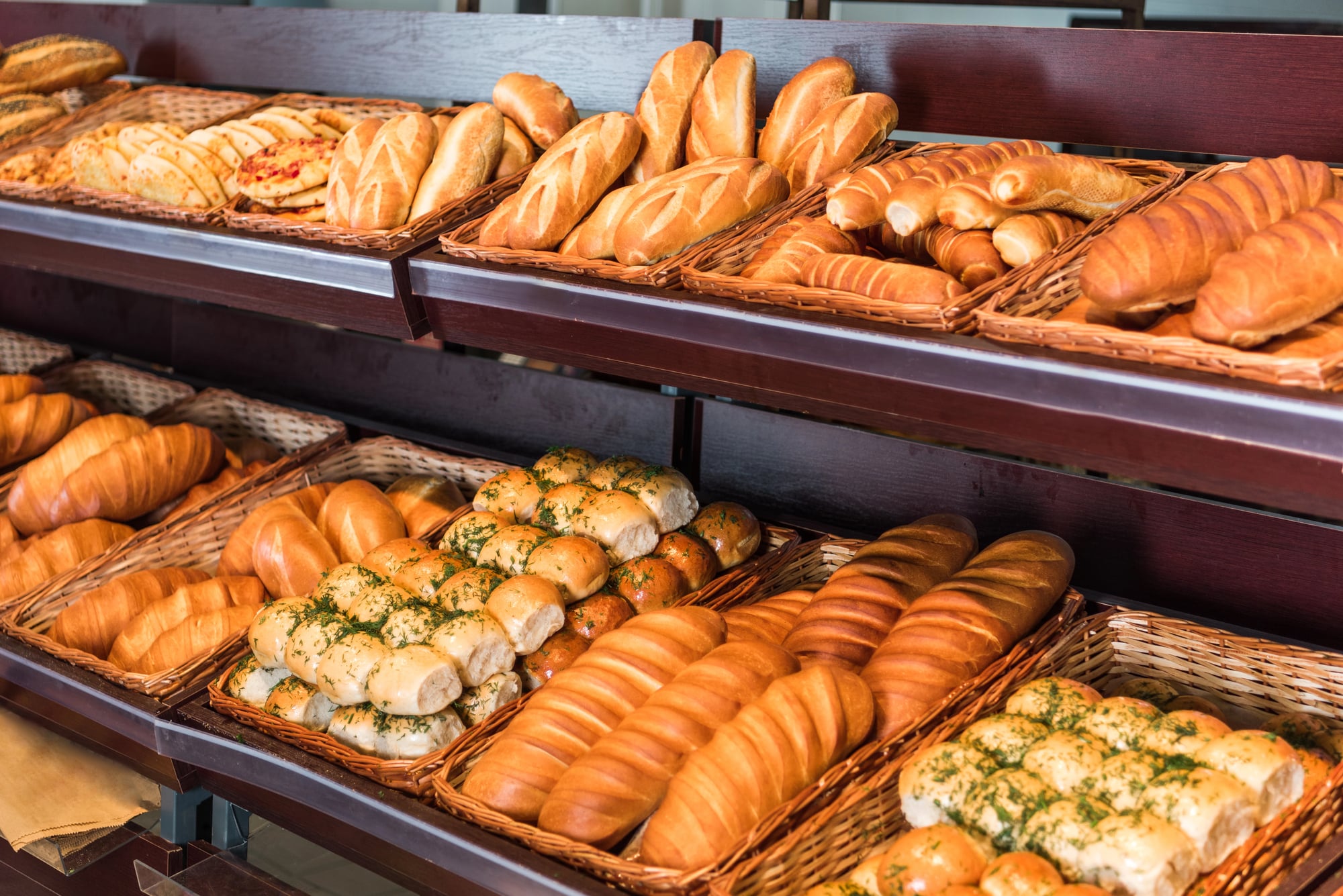
In and around Boston, ‘pakery’ is how ‘bakery’ sounds when spoken in that famous local accent. It’s not a different word, but it might as well be when you’re trying to decode the dialect.
The Boston accent turns common words into full-blown regional vocabulary.
Fixin’ (South)

When someone says they’re ‘fixin’ to do something’ in the South, they’re about to get started—not making repairs. It’s a heads-up that something’s about to happen, even if it might still be a while.
The phrase is casual, flexible, and completely normal from Texas to Georgia.
Dialects That Double As Maps
Regional words do more than add color to conversation—they hint at history, culture, and how communities have grown in their own corners of the country. These words aren’t mistakes or slang—they’re markers of place.
The way people speak reflects where they come from, and every odd-sounding term has roots that go deeper than most realize.
More from Go2Tutors!

- The Romanov Crown Jewels and Their Tragic Fate
- 13 Historical Mysteries That Science Still Can’t Solve
- Famous Hoaxes That Fooled the World for Years
- 15 Child Stars with Tragic Adult Lives
- 16 Famous Jewelry Pieces in History
Like Go2Tutors’s content? Follow us on MSN.



