15 Energy-Saving Home Upgrades That Pay Off
Your monthly utility bills don’t have to drain your wallet forever. Smart home upgrades can slash your energy costs while making your living space more comfortable year-round. The best part is that many of these improvements actually pay for themselves through reduced energy bills over time.
Think of energy-efficient upgrades as investments rather than expenses. Here is a list of 15 home improvements that deliver real savings while boosting your property value.
LED Light Bulbs
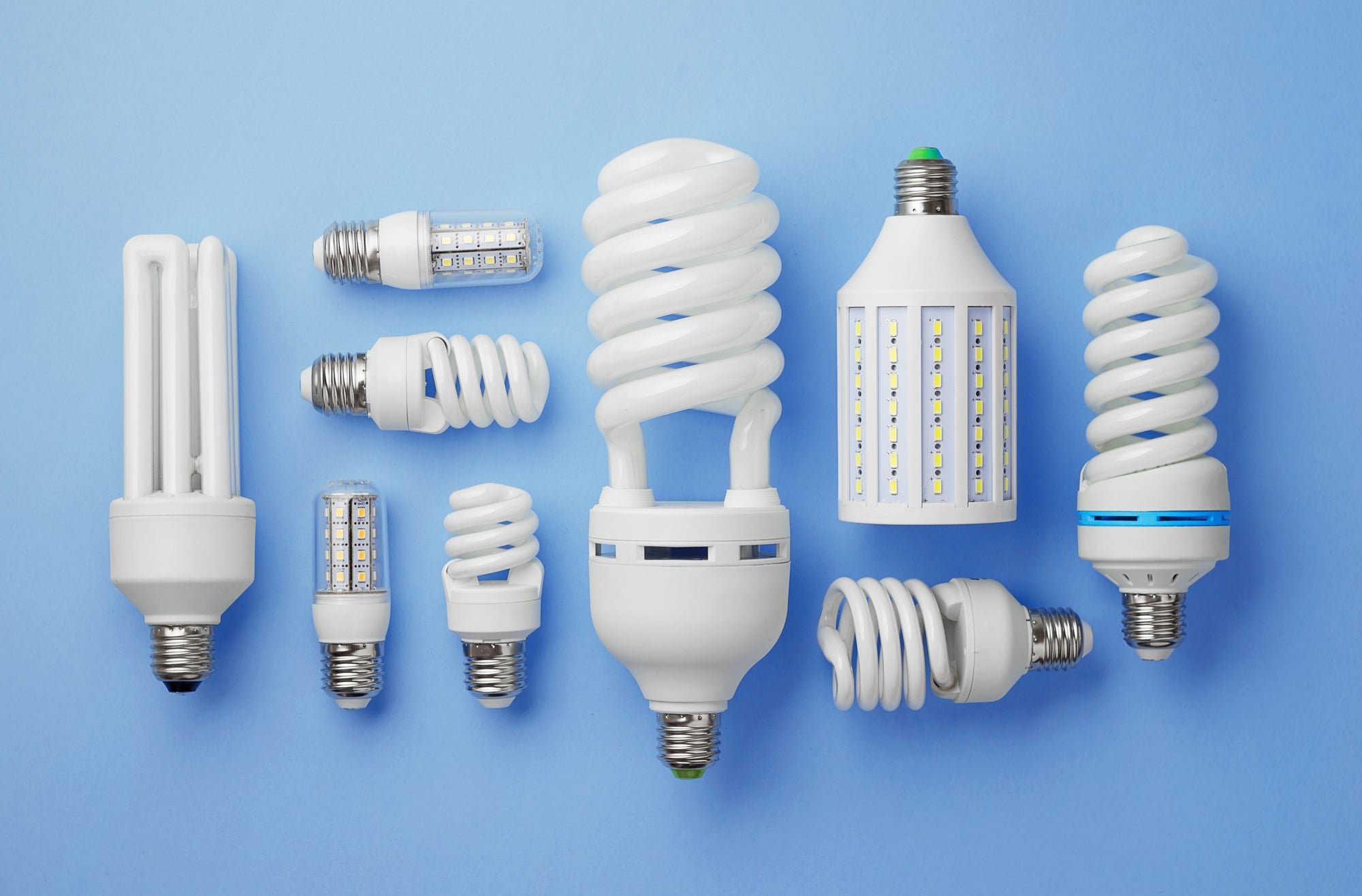
Swapping out old incandescent bulbs for LED lights is probably the easiest upgrade you’ll ever make. LEDs use about 75% less energy and last 25 times longer than traditional bulbs.
A typical household can save around $75 per year just by making this simple switch throughout the home.
Smart Thermostats
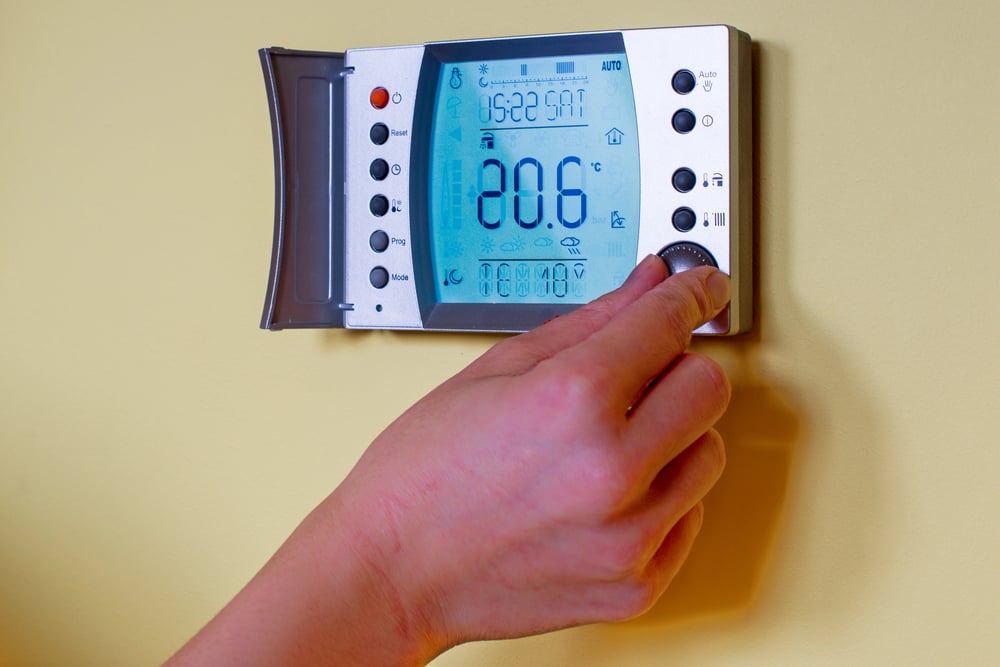
A programmable smart thermostat learns your schedule and adjusts temperatures automatically when you’re away. These devices can reduce heating and cooling costs by 10-15% annually, which translates to savings of $100-200 for most homeowners.
Many utility companies even offer rebates that cover part of the installation cost.
Like Go2Tutors’s content? Follow us on MSN.
Window Replacement
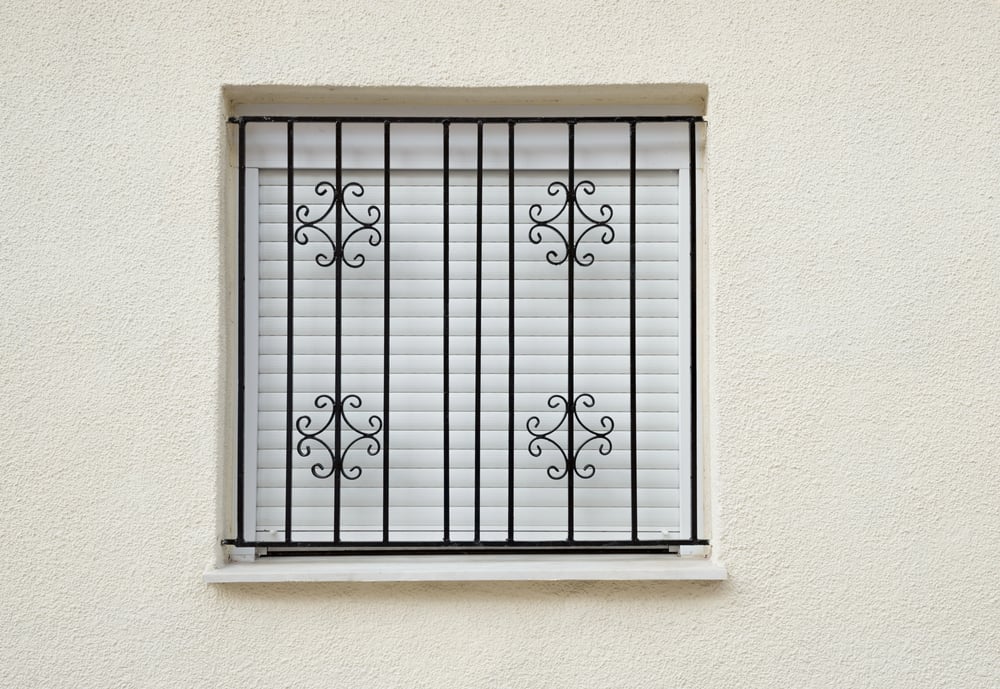
Old windows are like leaving money on the table every month. Energy-efficient windows with double or triple panes can cut heating and cooling costs by 15-30%.
While the upfront investment is substantial, most homeowners recover the cost within 8-12 years through lower utility bills.
Attic Insulation
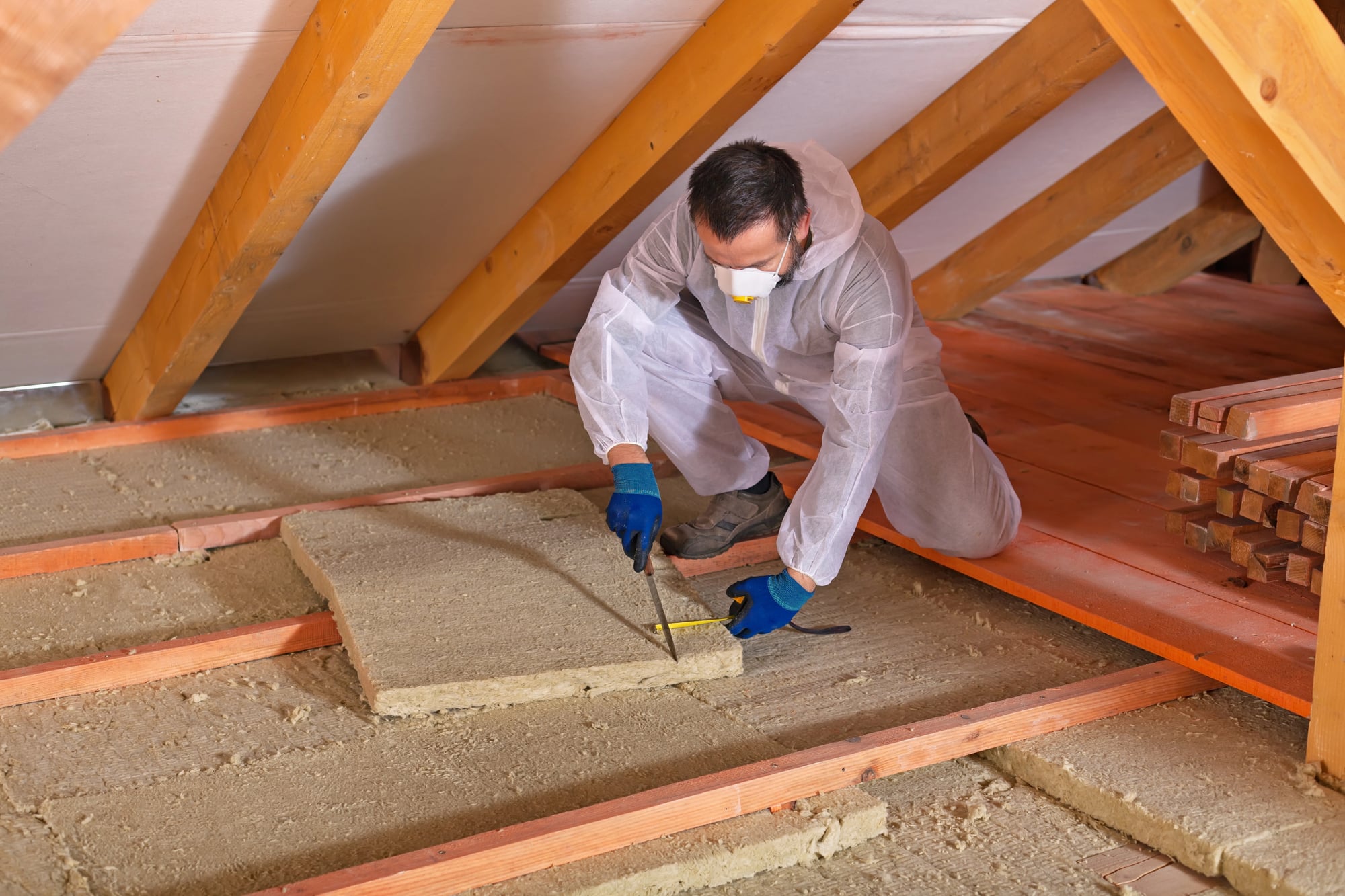
Heat rises, and without proper attic insulation, you’re basically heating the great outdoors. Adding or upgrading insulation can reduce energy bills by 15-20% and costs much less than you might expect.
The payback period is typically just 2-4 years, making this one of the smartest investments you can make.
Energy Star Appliances
When your old appliances finally give up, replacing them with Energy Star models makes financial sense. These certified appliances use 10-50% less energy than standard models.
A new Energy Star refrigerator alone can save $200-300 over its lifetime compared to older units.
Like Go2Tutors’s content? Follow us on MSN.
Weatherstripping and Caulking
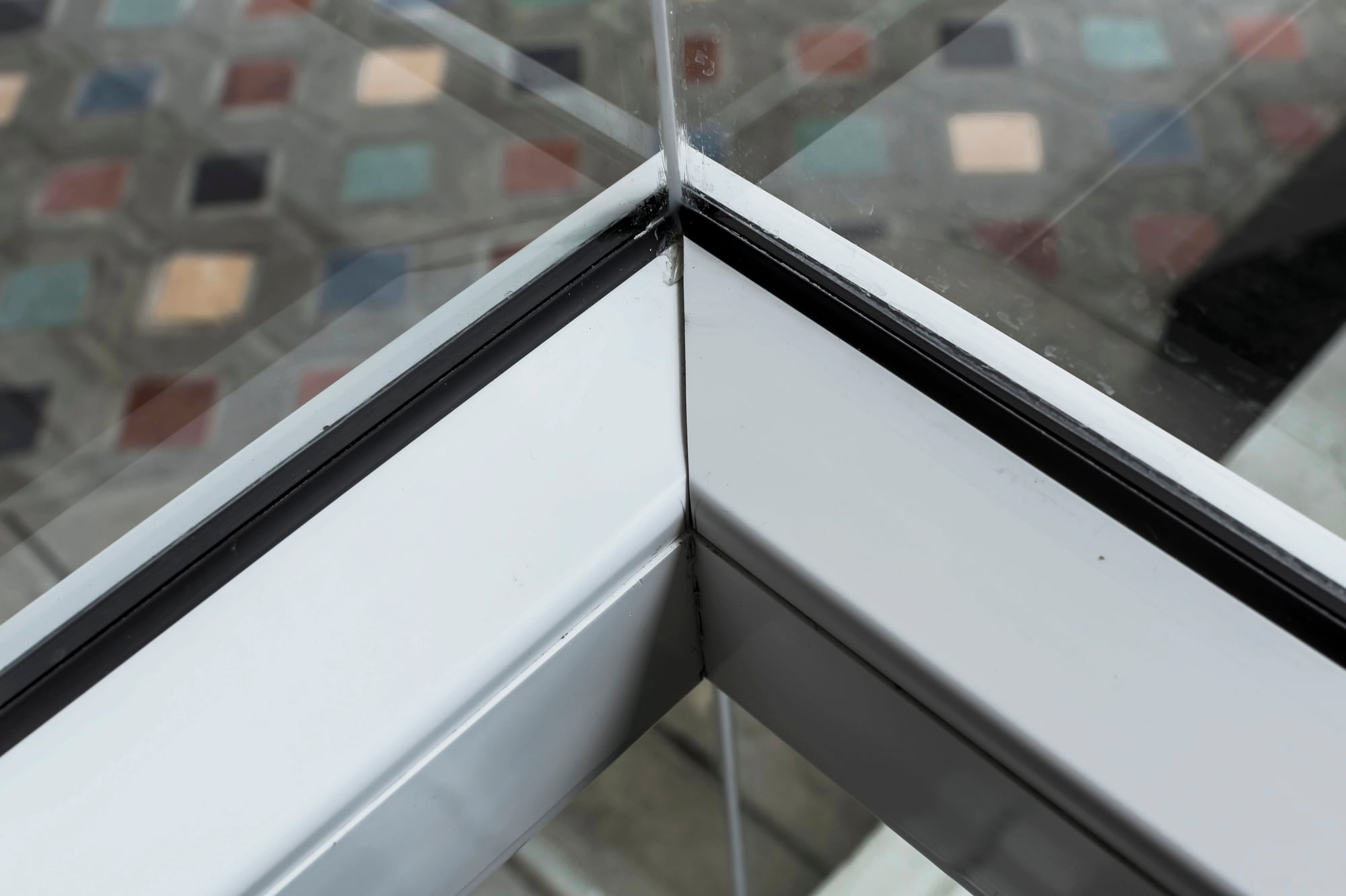
Air leaks around doors and windows force your heating and cooling system to work overtime. Simple weatherstripping and caulk can seal these gaps for under $50 in materials.
This basic maintenance task typically pays for itself within a few months through reduced energy waste.
Tankless Water Heater
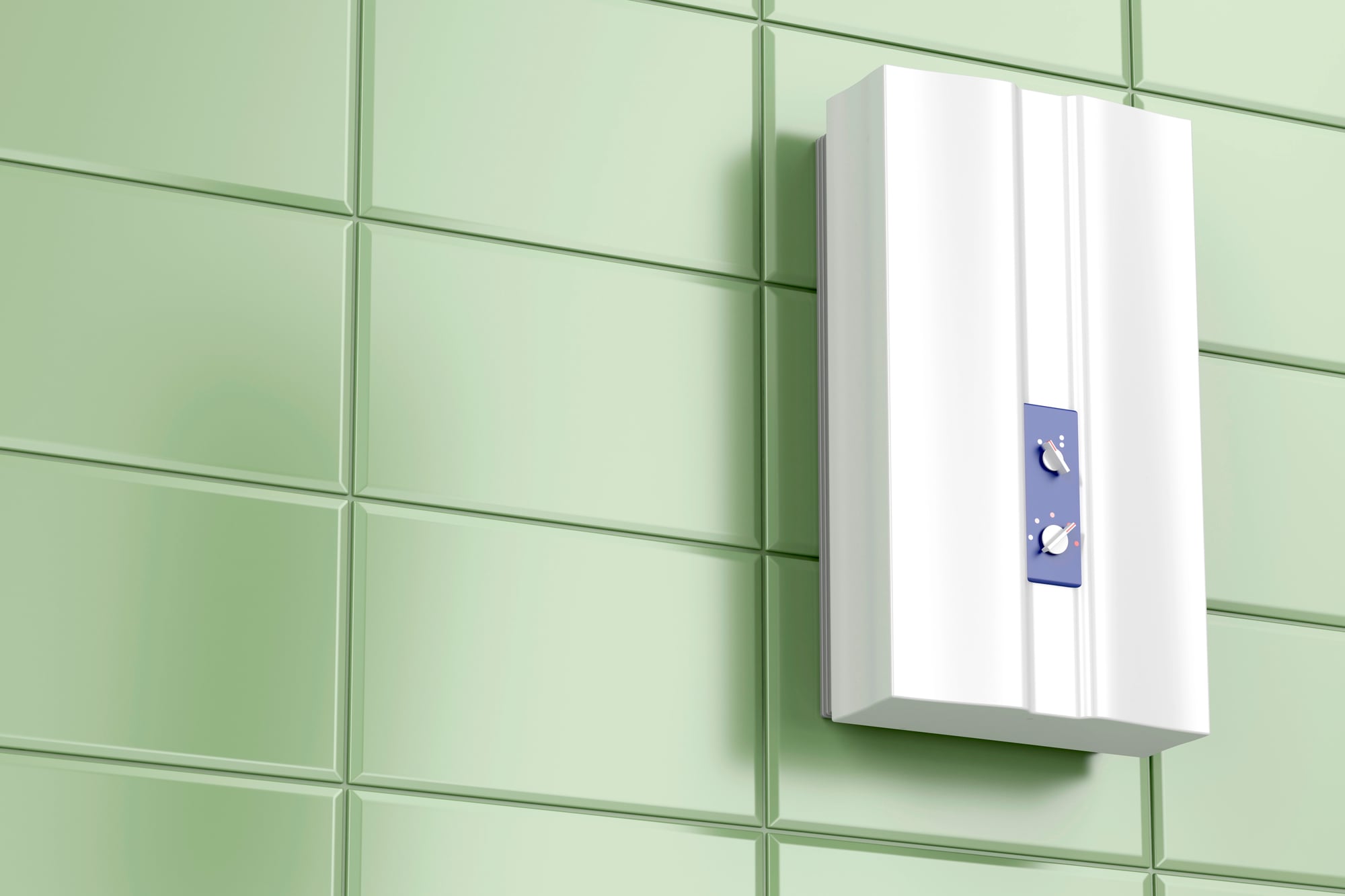
Traditional water heaters keep 40-80 gallons of water hot around the clock, even when you’re not using it. Tankless units heat water on demand, reducing energy consumption by 20-30%.
Though more expensive upfront, they last longer and provide endless hot water when you need it.
Solar Panels
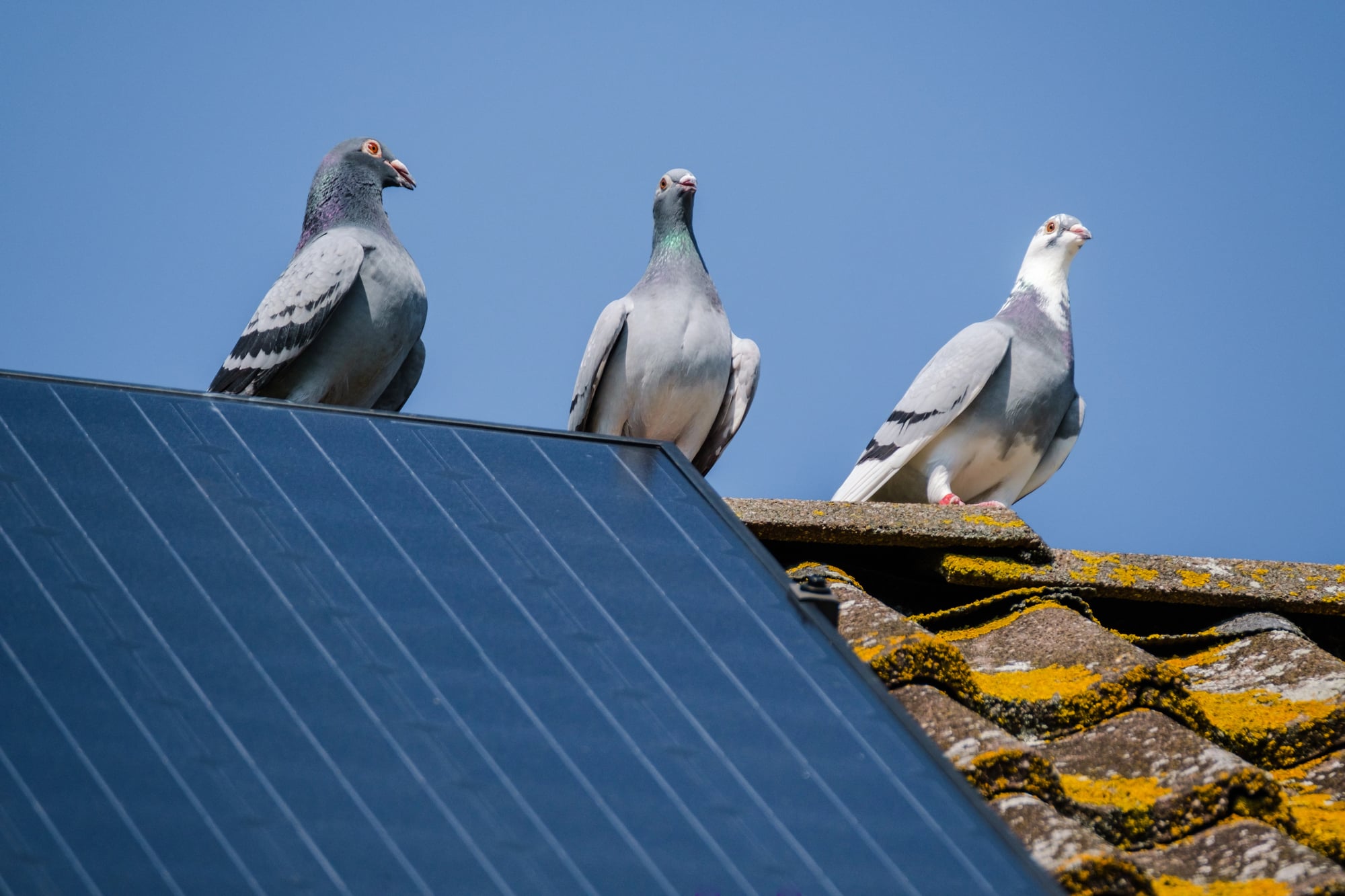
Solar installation costs have dropped dramatically in recent years, and federal tax credits make the investment even more attractive. Most homeowners see their solar panels pay for themselves within 6-10 years.
After that, you’re essentially getting free electricity for the remaining 15-20 years of the system’s life.
Like Go2Tutors’s content? Follow us on MSN.
Programmable Pool Pump

Pool pumps can be energy hogs, but variable-speed models use 50-90% less electricity than single-speed versions. The average pool owner saves $500-800 per year with an efficient pump.
Many utility companies offer substantial rebates that can cover half the upgrade cost.
Ceiling Fans
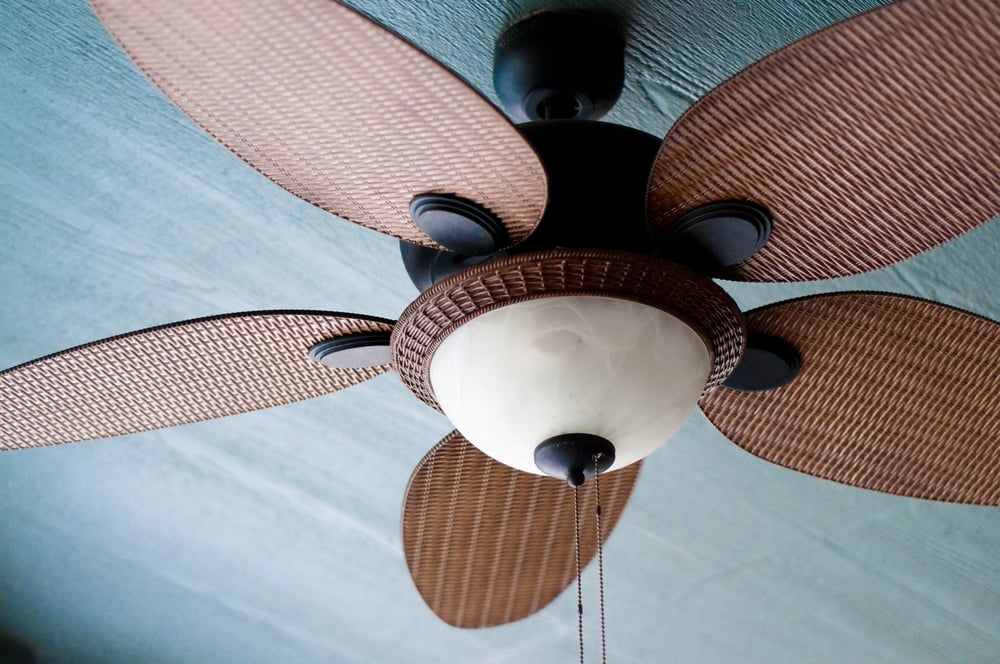
Strategic ceiling fan placement allows you to raise your thermostat setting by 3-4 degrees without sacrificing comfort. Fans cost pennies per hour to operate compared to air conditioning.
Installing fans in frequently used rooms can reduce cooling costs by 8-15% during summer months.
Duct Sealing
Leaky ductwork wastes up to 30% of your heated and cooled air before it reaches living spaces. Professional duct sealing typically costs $1,500-3,000 but can reduce energy bills by 15-20%.
Many homeowners recover this investment within 3-5 years through improved efficiency.
Like Go2Tutors’s content? Follow us on MSN.
High-Efficiency HVAC System
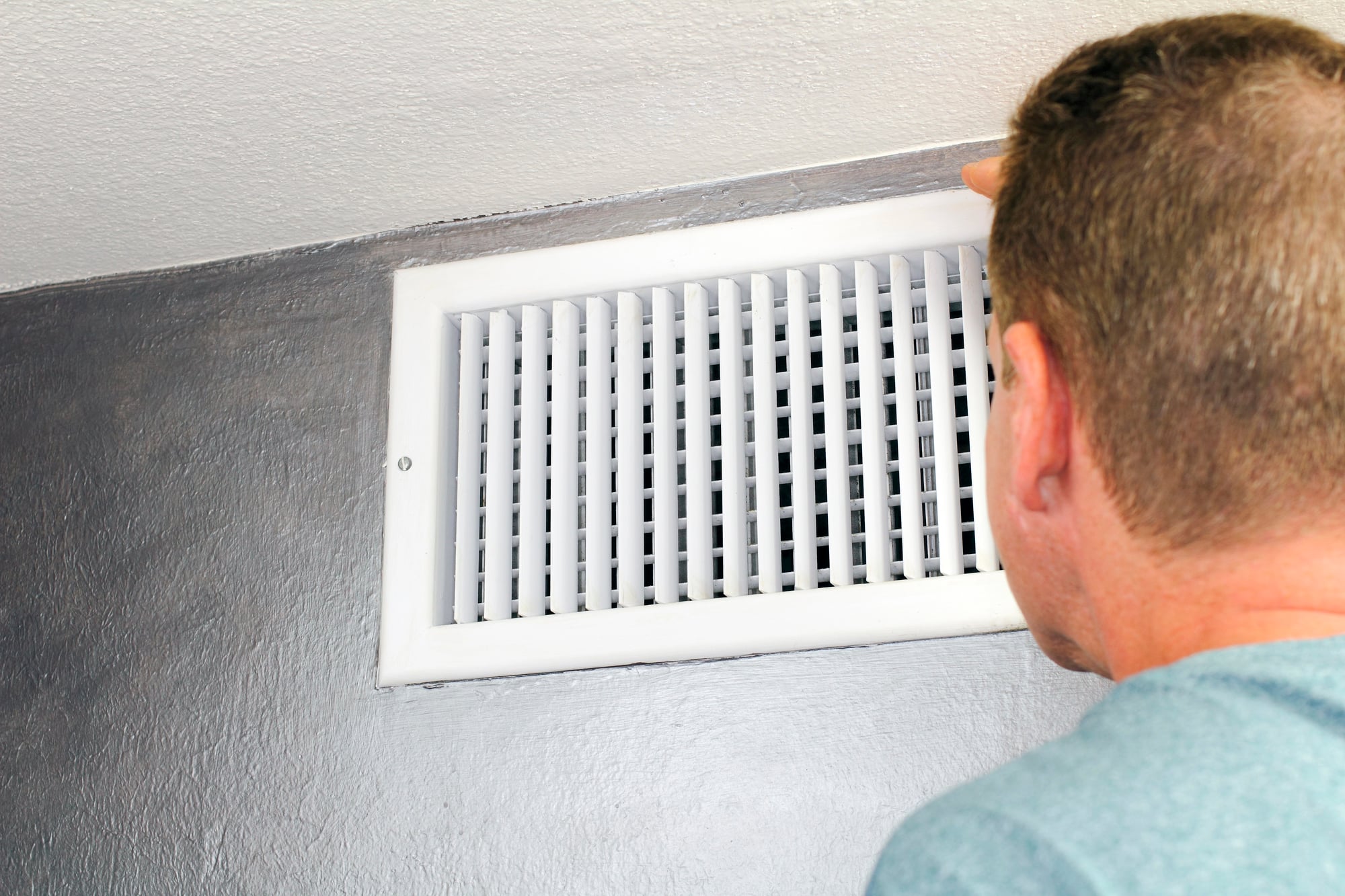
When your heating and cooling system reaches the end of its life, upgrading to a high-efficiency model makes sense. Modern systems use 20-40% less energy than units from the 1990s.
The energy savings often cover the monthly payment if you finance the replacement.
Storm Doors
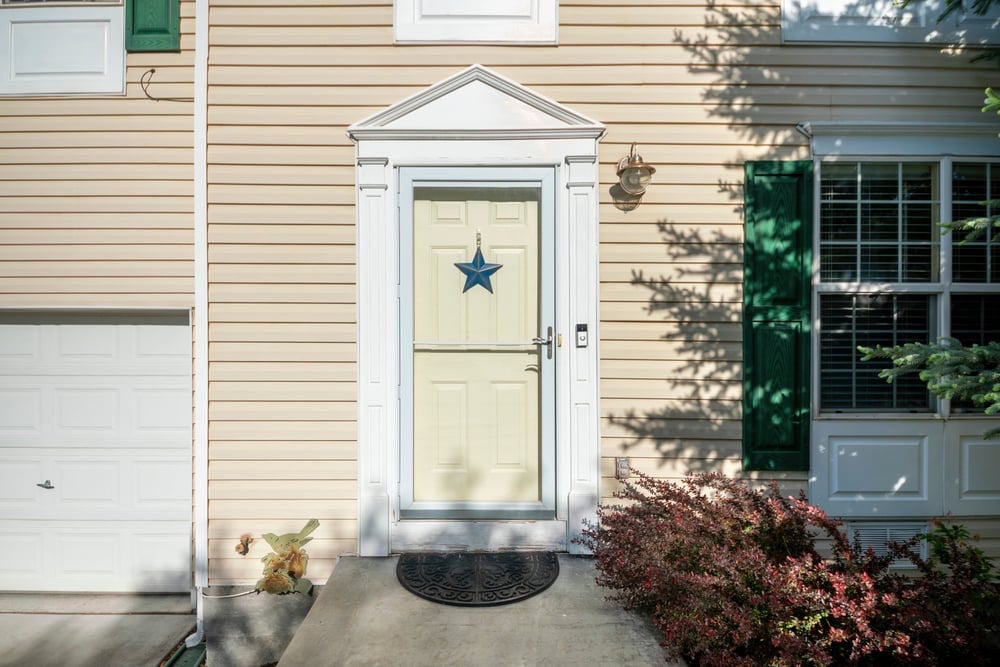
Adding storm doors creates an extra barrier against temperature transfer and air infiltration. Quality storm doors can reduce energy loss through existing doors by 45-50%.
This relatively inexpensive upgrade typically pays for itself within 3-5 years in most climates.
Reflective Roofing

Dark roofs absorb heat and force air conditioning systems to work harder during summer months. Light-colored or reflective roofing materials can reduce cooling costs by 10-15%.
While you probably won’t replace your roof just for energy savings, choosing efficient materials during planned replacement makes economic sense.
Like Go2Tutors’s content? Follow us on MSN.
Whole-House Fans
These powerful fans pull cool outside air through your home during evening hours, reducing the need for air conditioning. Installation costs around $500-1,500, but whole-house fans can cut cooling bills by 50-90% on mild days.
They work best in climates with significant temperature drops at night.
The Compound Effect
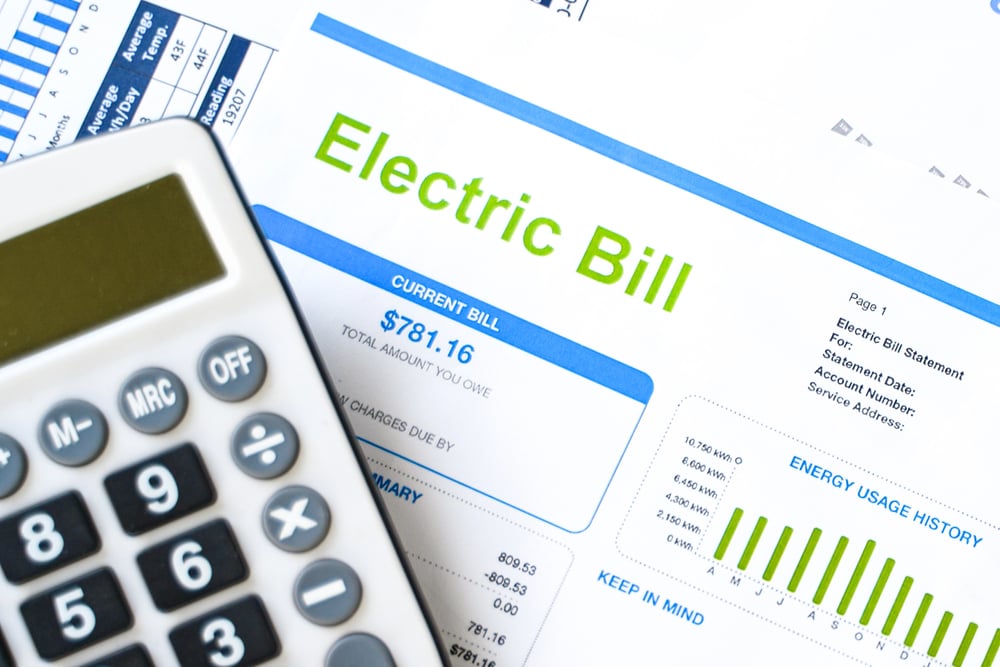
Smart energy investments create momentum that builds over time. Each upgrade reduces your baseline energy consumption, making subsequent improvements even more cost-effective.
Homeowners who tackle multiple projects often see total energy bills drop by 30-50%. The money you save each month can fund additional improvements, creating a positive cycle that transforms your home into an efficiency powerhouse.
More from Go2Tutors!

- 16 Historical Figures Who Were Nothing Like You Think
- 12 Things Sold in the 80s That Are Now Illegal
- 15 VHS Tapes That Could Be Worth Thousands
- 17 Historical “What Ifs” That Would Have Changed Everything
- 18 TV Shows That Vanished Without a Finale
Like Go2Tutors’s content? Follow us on MSN.