Elite Special Forces Units With The Toughest Training
When most people think about military training, they picture boot camp drill sergeants and obstacle courses. That’s kindergarten compared to what elite special forces endure.
These units don’t just break down ordinary people and rebuild them as soldiers — they take already exceptional military personnel and forge them into something approaching superhuman capability.
The selection processes alone eliminate 80-90% of candidates before training even begins. Those who make it through face months or years of deliberate physical and psychological punishment designed to identify the tiny fraction who won’t break under impossible pressure.
The training isn’t just difficult — it’s engineered to be traumatic in carefully controlled ways.
Navy SEALs
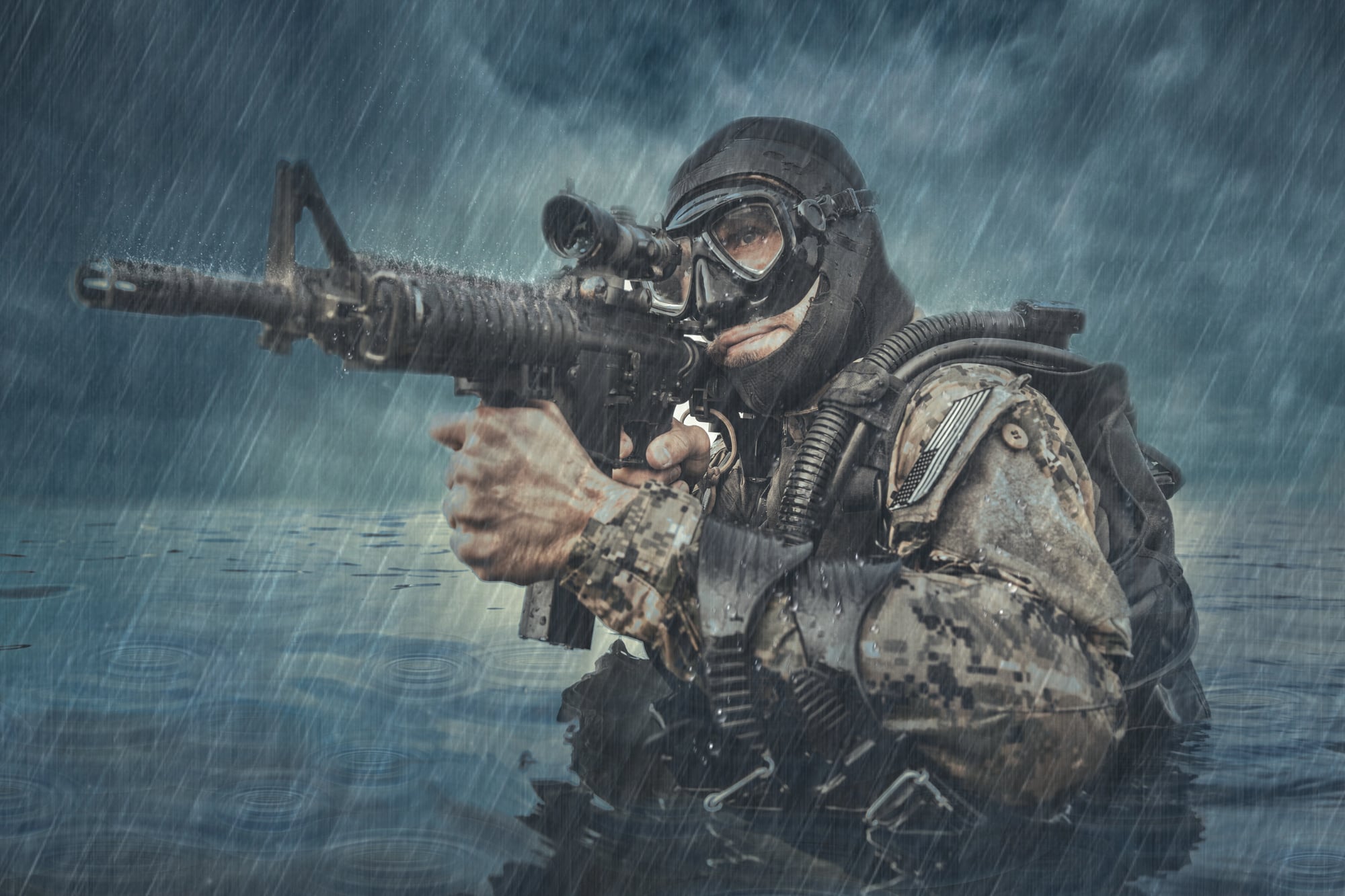
Navy SEAL training breaks people. That’s the point.
Basic Underwater Demolition/SEAL training lasts six months and has a failure rate that hovers around 75%. Hell Week alone — five and a half days with maybe four hours of sleep total — sends most candidates home.
The water is always cold in Coronado. Hypothermia becomes a constant companion.
Instructors drag trainees into the surf repeatedly until their core temperature drops low enough that thinking becomes difficult. Then they test decision-making skills.
But the physical punishment is secondary to the psychological pressure. Instructors monitor each candidate for signs of mental fracture, applying targeted stress to individual weaknesses until something gives.
The training assumes that everyone breaks eventually — the question is whether they break in training or during an actual mission where other lives depend on them.
Delta Force
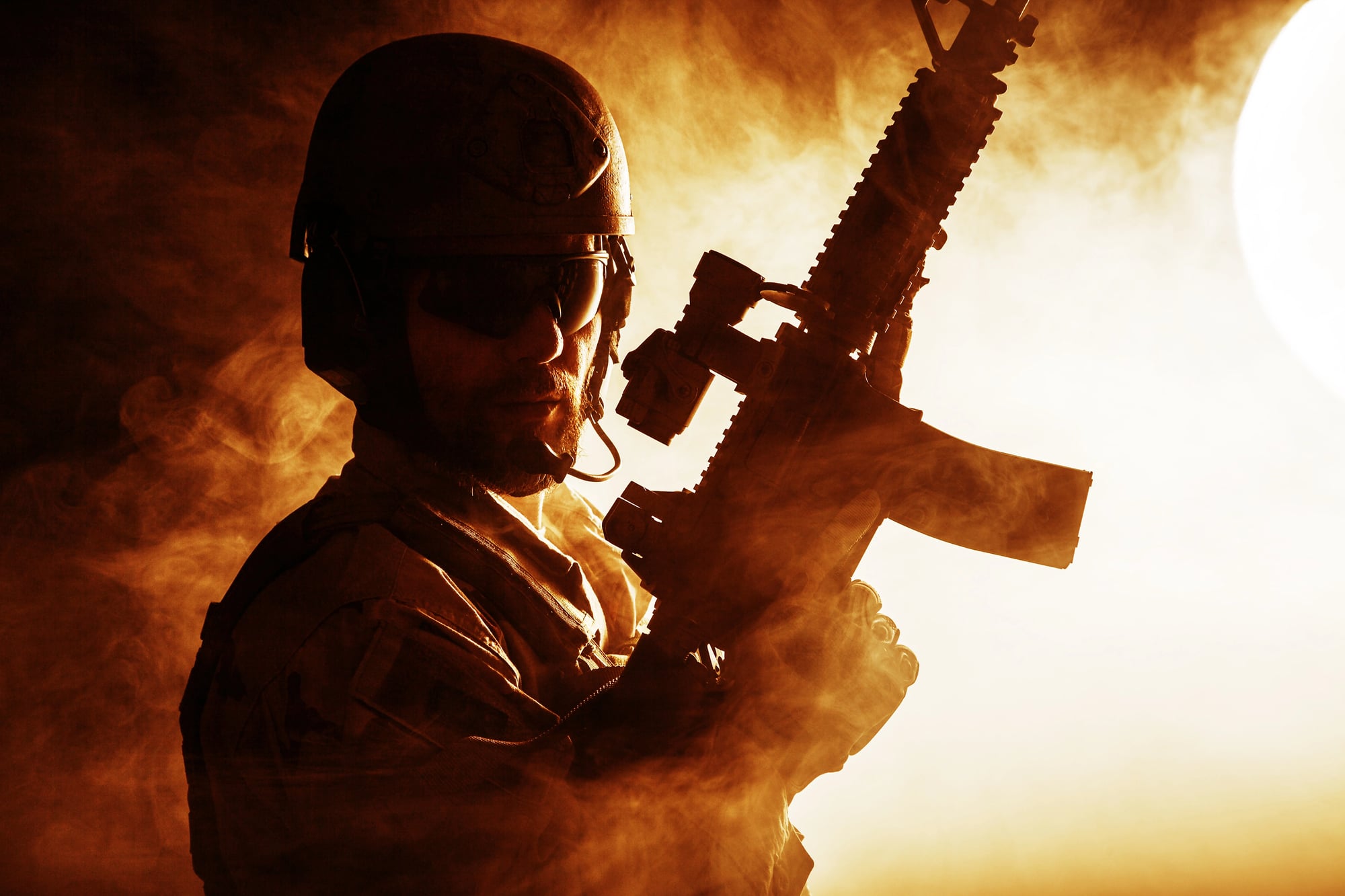
Selection for Delta Force (officially the 1st Special Forces Operational Detachment-Delta, though they prefer not to discuss official designations or really anything else) happens at Fort Bragg (now Fort Liberty) in North Carolina, and the failure rate approaches 90% because the assessment is designed around a simple premise: find people who won’t quit when quitting makes perfect sense.
Candidates navigate courses through rough terrain carrying heavy packs, but the real test isn’t physical endurance — it’s mental resilience when every rational thought says to stop.
The psychological evaluation phase involves scenarios that most people (and this includes experienced military personnel who have already proven themselves in combat) find genuinely disturbing. So the training weeds out not just those who lack physical capability, but those who retain too much normal human reluctance to do certain things.
Which sounds harsh until you consider that Delta Force operators work in situations where normal human responses get people killed. And the strange thing is that many who fail the selection process say they’re almost relieved afterward — not because they couldn’t handle the difficulty, but because they realized they didn’t want to become the kind of person who could.
British Special Air Service
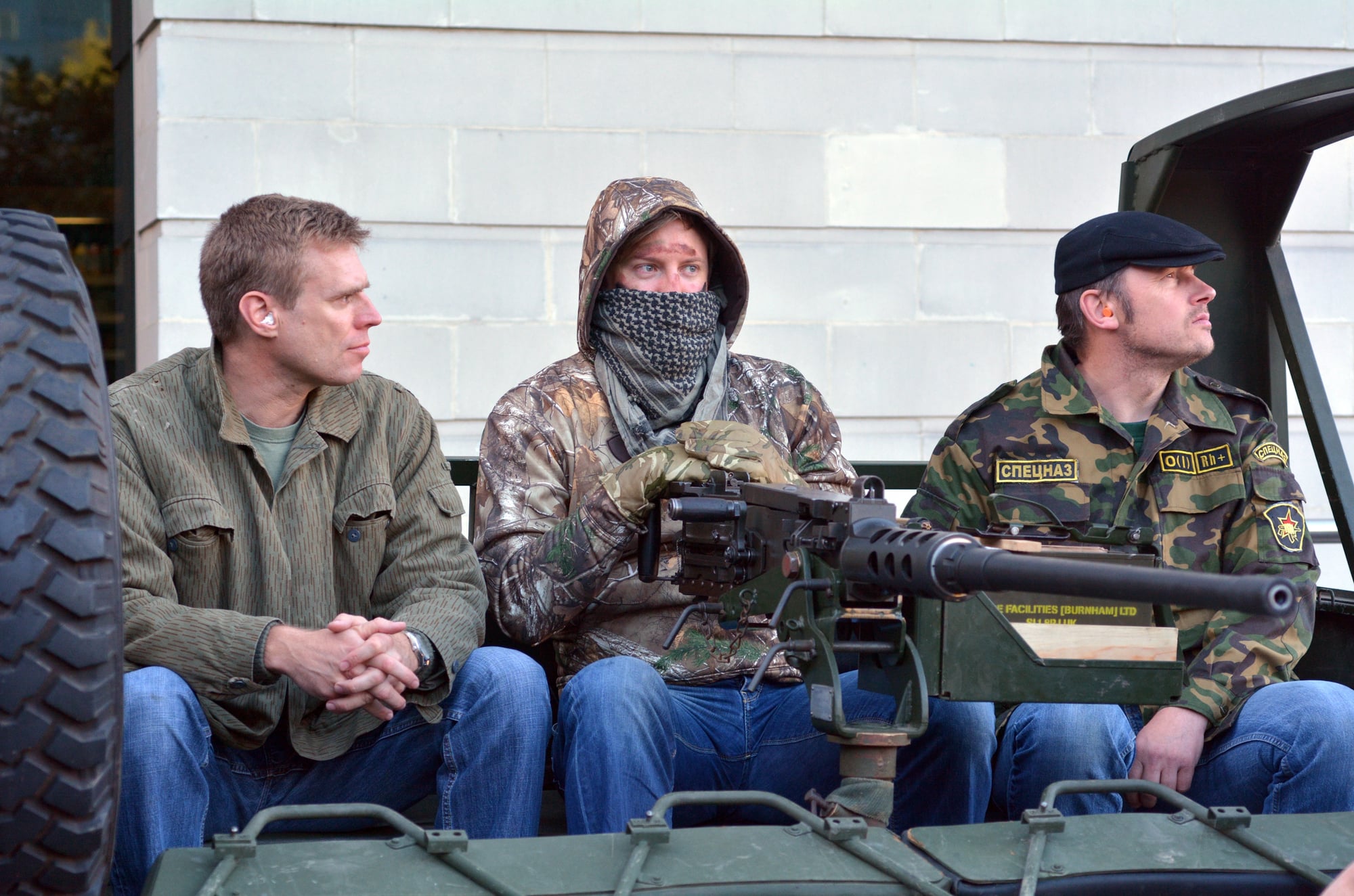
The SAS invented modern special forces training, and their selection course in the Brecon Beacons remains a masterclass in controlled brutality. Candidates navigate unmarked routes across some of Britain’s most unforgiving terrain, carrying progressively heavier loads over longer distances while sleep deprivation accumulates like interest on a debt.
The mountains don’t care about your previous accomplishments. Weather changes without warning.
Visibility drops to nothing. The weight on your back increases each day until your shoulders feel like they’re separating from your spine, and still the instructors add more weight.
What breaks most people isn’t any single moment of difficulty — it’s the gradual realization that the suffering won’t end, that each day brings new forms of calculated misery, and that the instructors seem genuinely indifferent to whether you continue or quit.
The SAS selection process strips away everything except pure stubborn refusal to stop moving forward. Most people discover they don’t have as much of that quality as they thought.
Russian Spetsnaz
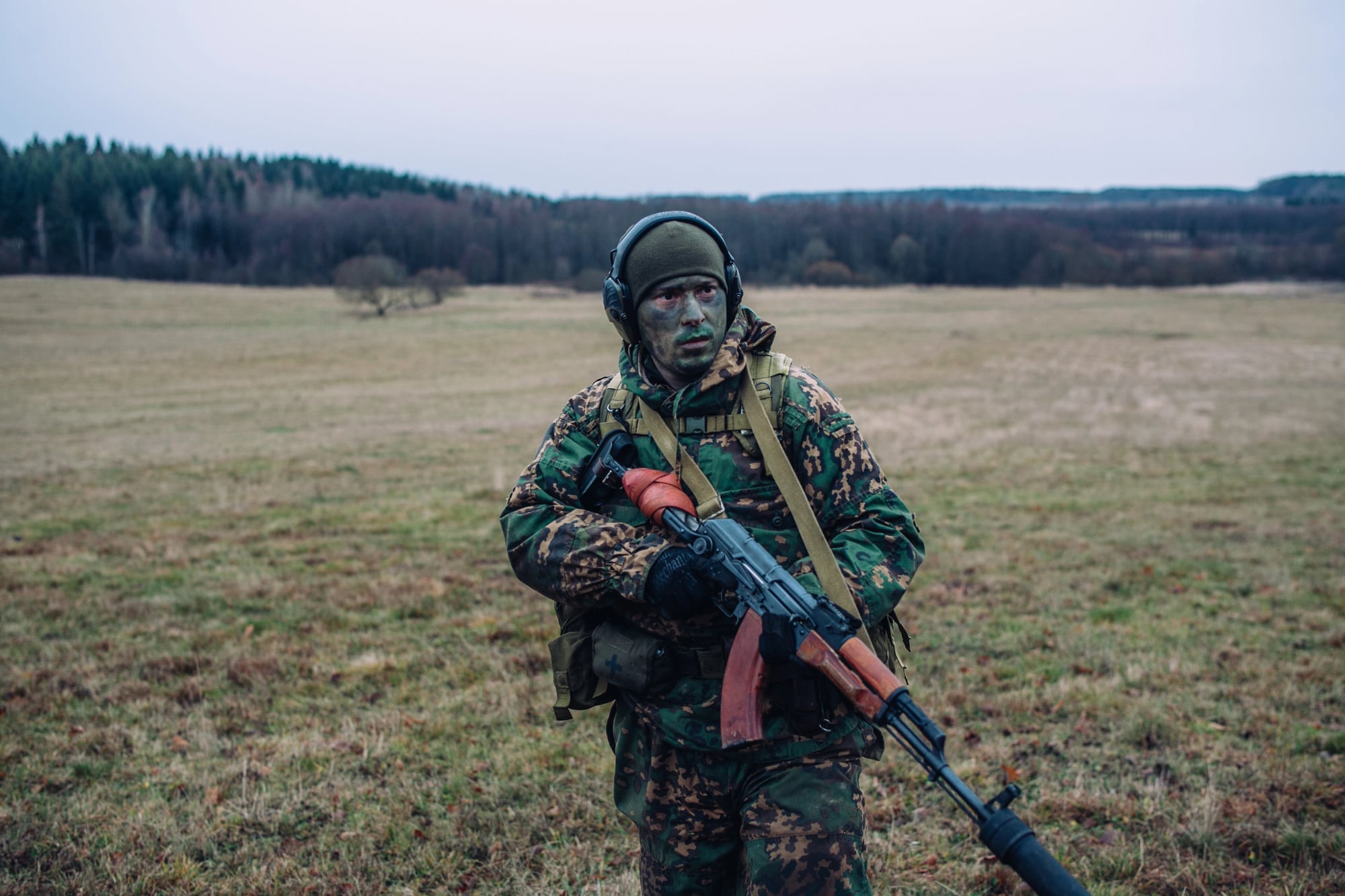
Spetsnaz training operates on the theory that comfort is weakness waiting to be exploited. Trainees sleep on concrete.
They eat when food is available, which isn’t always. Hand-to-hand combat training includes getting punched in the face repeatedly until flinching becomes impossible.
The physical conditioning goes beyond normal human limits. Spetsnaz operators train to function with broken bones, to fight effectively while concussed, to maintain operational capability under conditions that would hospitalize most people.
Pain becomes irrelevant — not because they don’t feel it, but because they’ve learned to file it away as unimportant information.
Israeli Sayeret Matkal
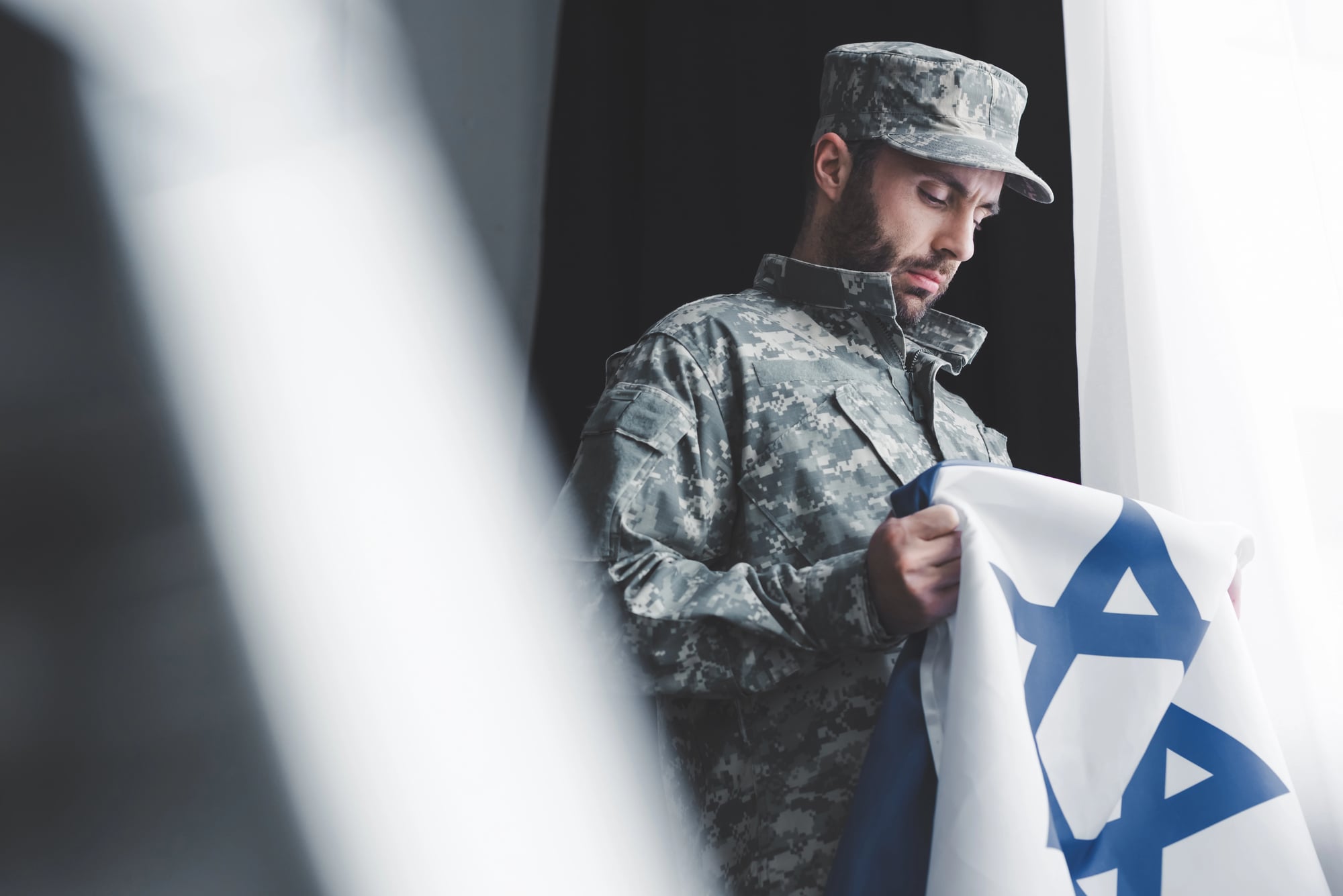
Israel’s General Staff Reconnaissance Unit recruits from a population that already takes military service seriously, then subjects candidates to selection processes that eliminate 95% of applicants. The training assumes that operators will work alone or in tiny teams, surrounded by people who want to kill them, with no possibility of rescue if things go wrong.
Psychological resilience training includes interrogation resistance that crosses lines most militaries won’t approach. Physical training happens in desert conditions that can kill through dehydration or heatstroke if attention wanders for even brief moments.
The unit’s operational history speaks to the effectiveness of their training methods, though the specifics remain classified decades after missions conclude. What’s known publicly suggests that Sayeret Matkal operators function in situations that would break most special forces personnel from other nations.
U.S. Army Rangers
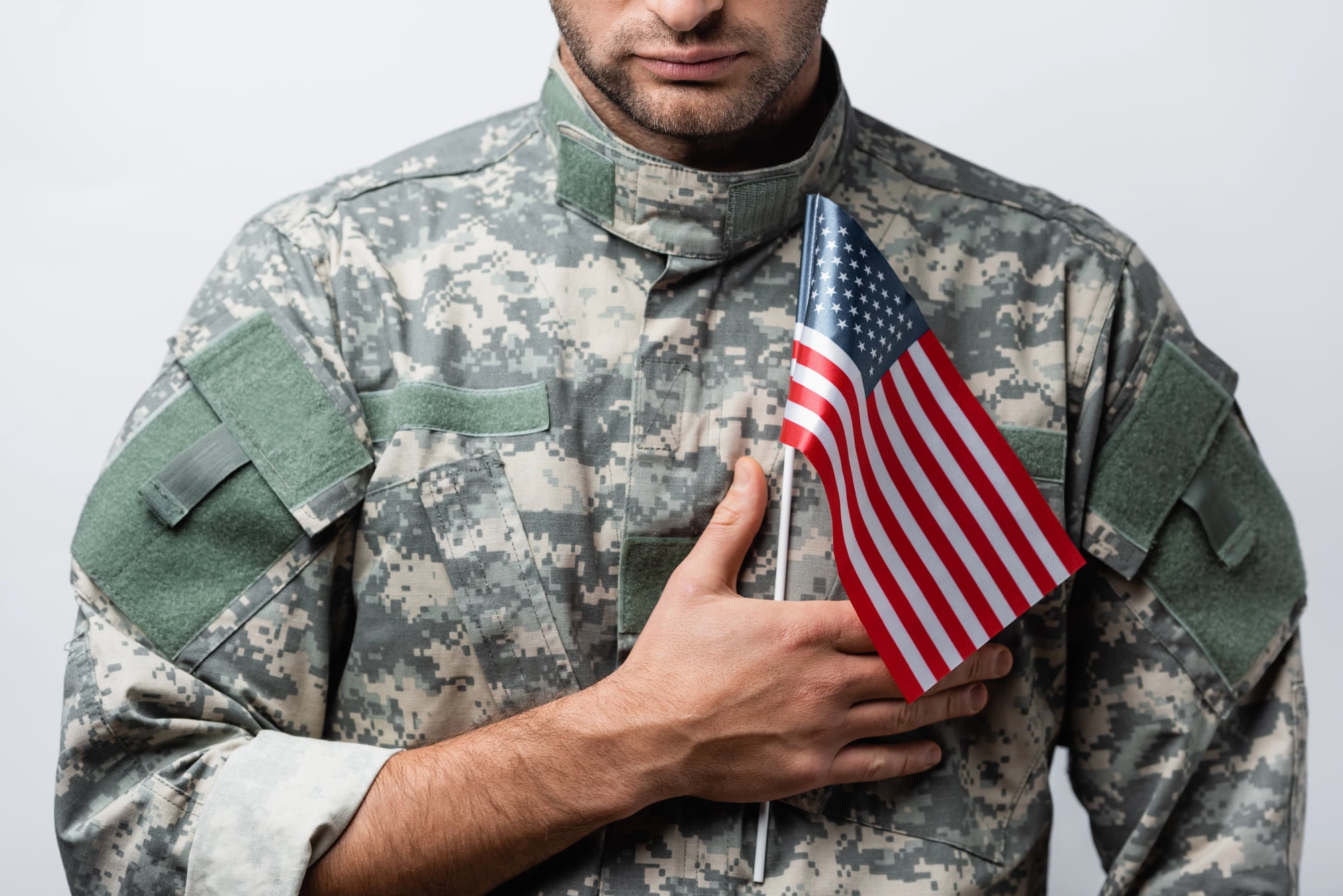
Ranger School isn’t technically special forces training — it’s a leadership course that anyone in the Army can attempt. The distinction becomes meaningless when you’re carrying a machine gun up a mountain in Georgia summer heat on two hours of sleep and one meal in the past thirty-six hours, wondering why you thought this seemed like a good idea.
The course lasts sixty-one days and covers three phases: Benning, Mountain, and Swamp (which sounds almost pastoral until you’re living it and discovering that swampland contains surprisingly sharp objects that cut through boots and into feet, and that infection spreads quickly in humid conditions when proper hygiene becomes impossible).
But the real education happens in the spaces between scheduled training events, when exhaustion makes everything difficult and students learn whether they can still think clearly when their bodies are shutting down.
And here’s what makes Ranger School particularly brutal: it’s designed around the assumption that leadership under extreme stress can’t be taught through classroom instruction — it has to be experienced repeatedly until it becomes automatic, which means subjecting students to months of carefully calibrated misery to see who rises to the occasion and who falls apart.
French Foreign Legion
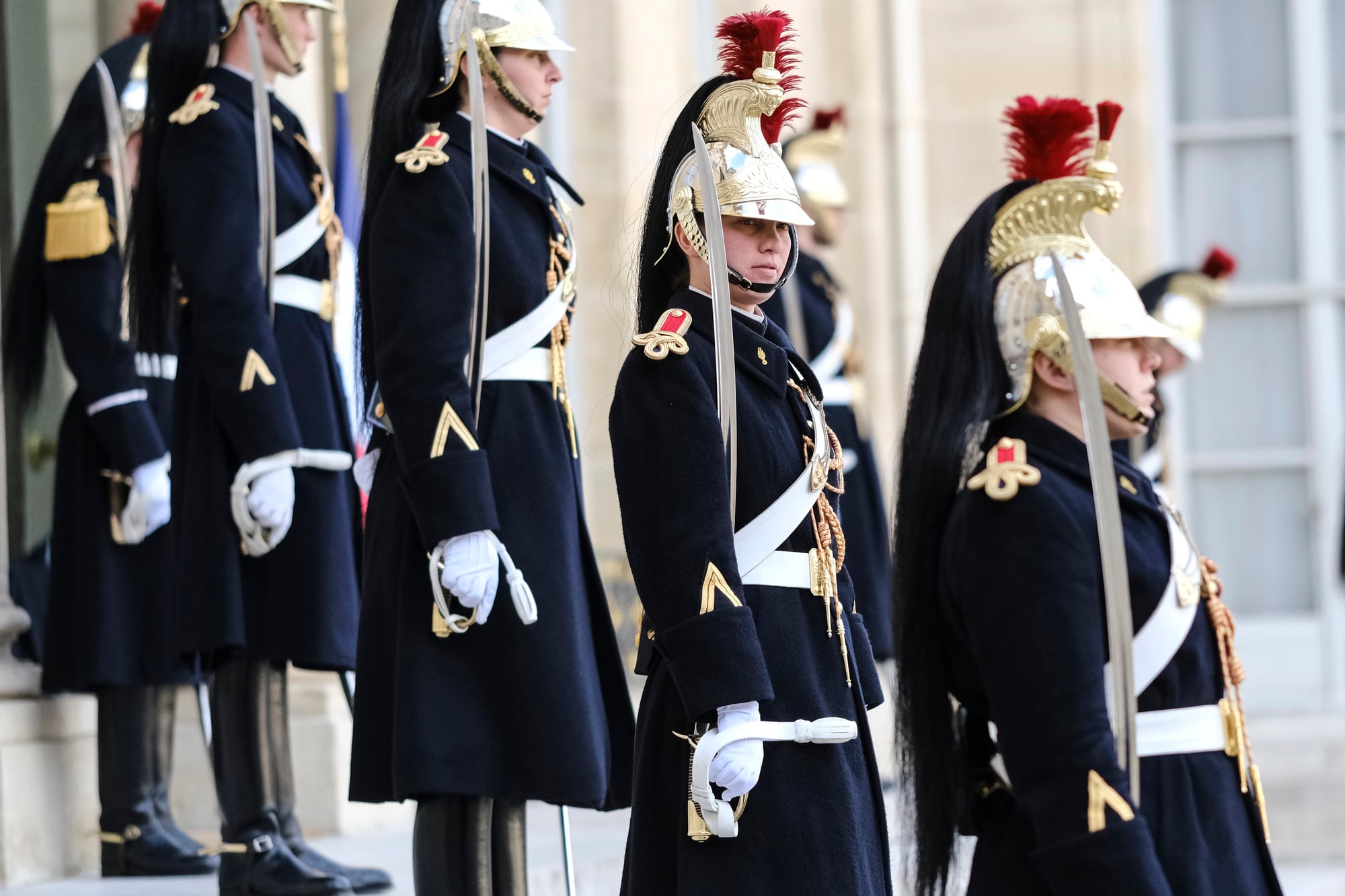
The French Foreign Legion accepts people running from their past, then gives them something worse to run from. Selection begins with a psychological evaluation designed to identify individuals desperate enough to endure training that other militaries would consider abusive.
Physical conditioning happens in the heat of southern France, where summer temperatures make wearing full gear genuinely dangerous. The Legion trains through it anyway.
Dehydration becomes a constant threat that must be managed rather than avoided. But the psychological component remains the real test.
The Legion attracts people with complicated histories — individuals who burned bridges in their previous lives and need to disappear completely. Training breaks down their old identities entirely, then rebuilds something harder in its place.
Most people aren’t desperate enough to let that happen to themselves voluntarily.
Green Berets
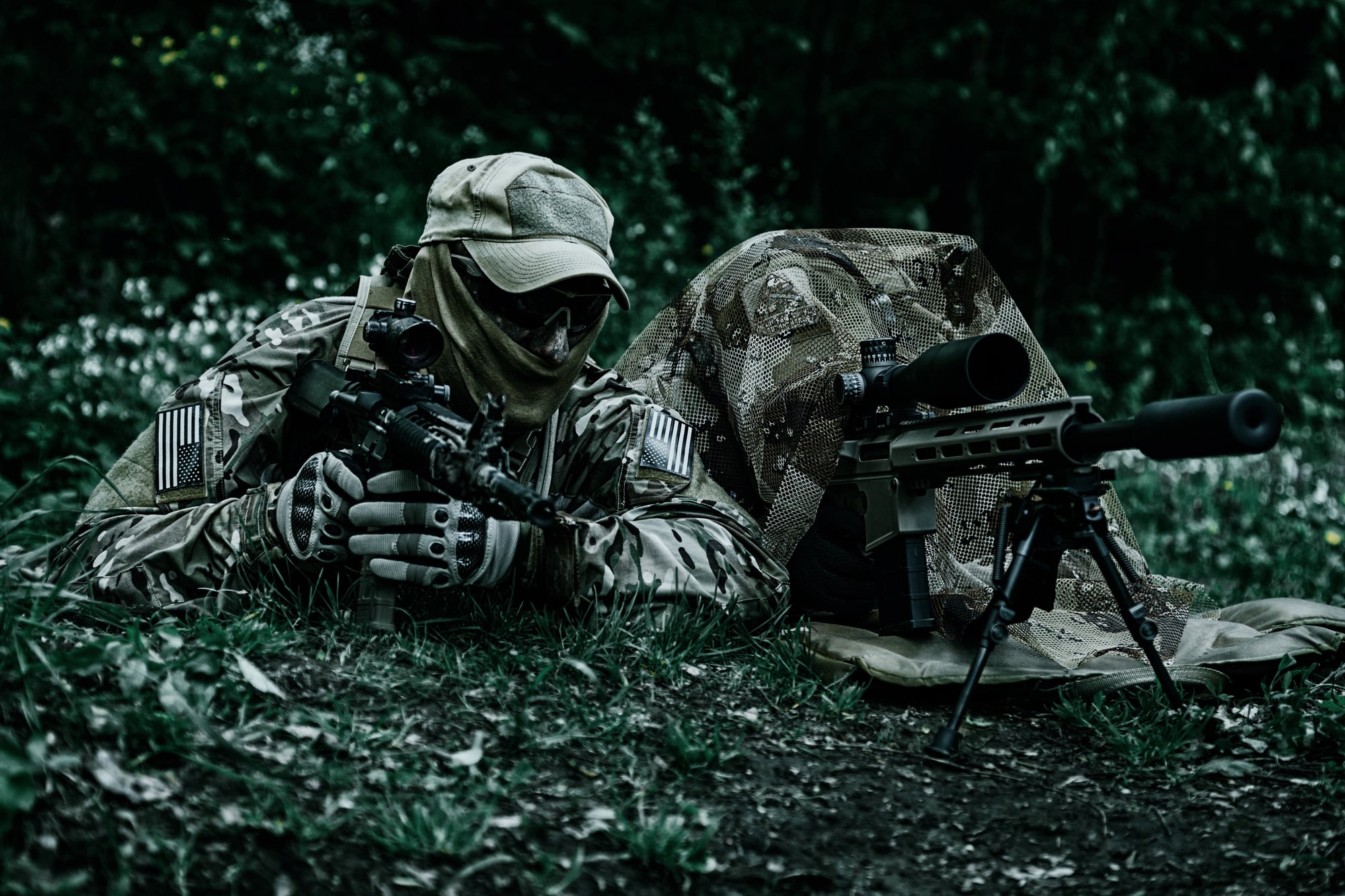
Special Forces Assessment and Selection followed by the Special Forces Qualification Course represents nearly two years of training designed around a simple premise: Green Berets work in small teams in remote locations where making friends with local populations often determines mission success or failure.
This requires people who can endure physical hardship while maintaining enough psychological stability to teach, advise, and lead others effectively.
The training reflects these requirements through scenarios that combine extreme physical stress with complex problem-solving tasks (because teaching counterinsurgency tactics to a village militia while under fire from multiple directions tests different capabilities than simply enduring physical punishment).
And the psychological evaluation process screens not just for mental toughness, but for the kind of intelligence and emotional stability that allows someone to build trust with people from completely different cultures while living in primitive conditions.
So Green Beret training produces specialists who can operate independently for months at a time, which requires a different kind of mental resilience than units that work in larger teams with better logistical support — and explains why the selection process eliminates candidates who might succeed in other special forces units.
Australian SASR
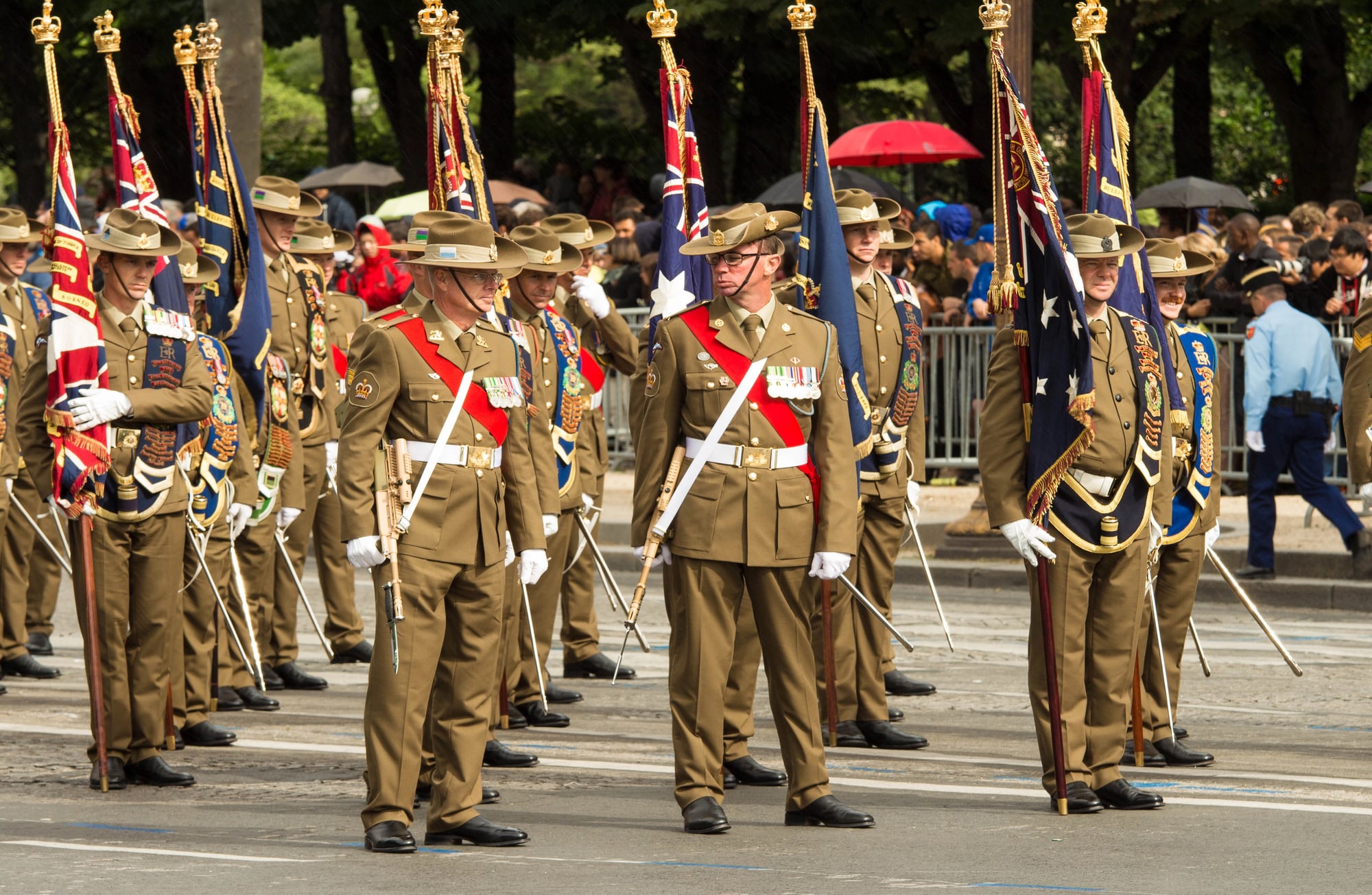
The Special Air Service Regiment selection course in the Australian Outback operates on the principle that candidates who can navigate unmarked routes across some of the world’s most hostile terrain while carrying heavy loads and maintaining tactical awareness probably won’t break under operational stress.
The desert doesn’t negotiate or make exceptions. Heat exhaustion becomes a daily threat that must be managed rather than avoided.
Water discipline separates those who can think ahead from those who react to immediate discomfort. The distances between checkpoints are calculated to push candidates beyond normal endurance limits while still remaining technically possible.
Navigation errors in the Outback can be fatal, so the training includes scenarios where getting lost means genuine danger rather than simply failing an exercise.
This adds psychological pressure that can’t be simulated in safer environments — the knowledge that mistakes have real consequences tends to reveal character traits that don’t surface during routine training.
Polish GROM
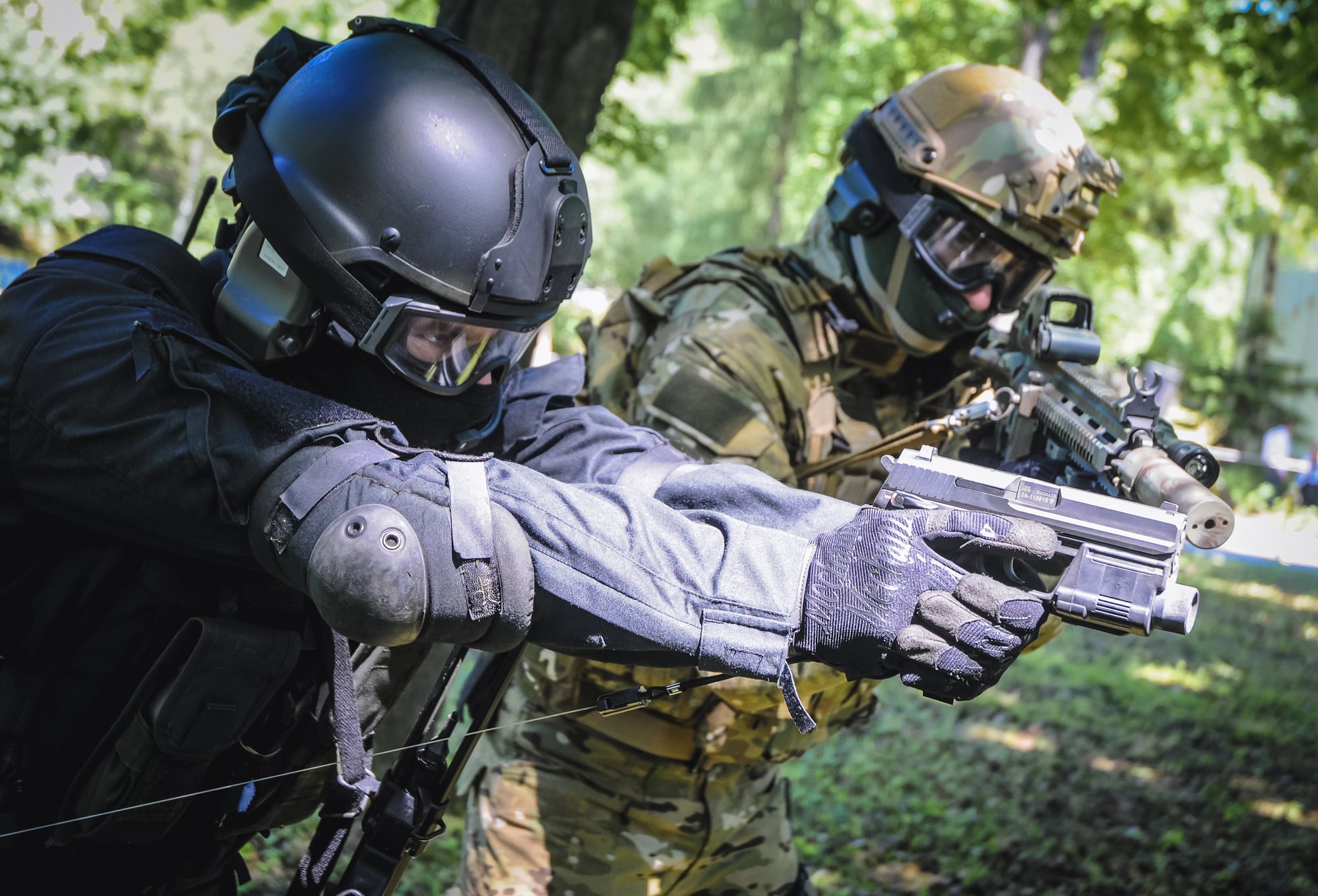
Poland’s special forces unit trains under the assumption that operators will face numerically superior enemies with better equipment and more resources. This creates training scenarios focused on achieving impossible objectives through superior planning, physical conditioning, and psychological resilience rather than overwhelming firepower.
Selection happens in Polish winter conditions that make hypothermia a constant threat. Candidates learn to function effectively when cold becomes a permanent condition rather than temporary discomfort.
Sleep deprivation combines with physical exhaustion and cold exposure to create psychological stress that reveals how candidates respond when multiple systems begin failing simultaneously.
GROM training also includes extensive urban warfare components, reflecting Poland’s history and geographic position.
Candidates train in cities that have been actually bombed, lending an authenticity to the training environment that can’t be replicated in purpose-built facilities.
Canadian Joint Task Force 2
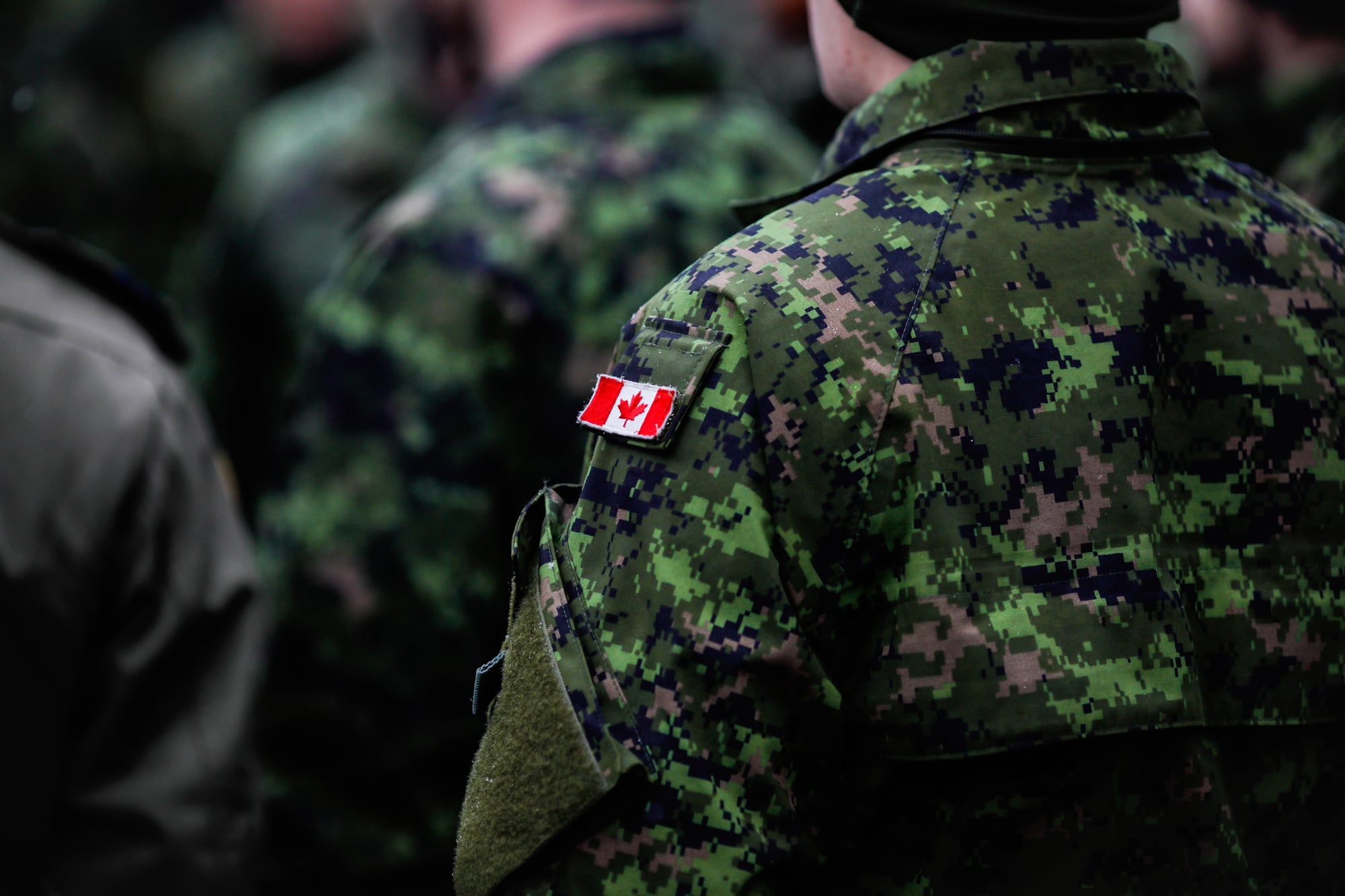
JTF2 selection occurs in conditions that take advantage of Canada’s climate — specifically, the kind of cold that makes exposed skin freeze within minutes and renders standard equipment unreliable. Candidates learn to operate when normal human responses to cold would compromise mission effectiveness.
The psychological evaluation component focuses on identifying people who can function independently for extended periods, reflecting JTF2’s operational requirements.
Training scenarios involve weeks of isolation where candidates must maintain operational capability without external support or regular communication.
Arctic survival training goes beyond basic cold weather operations to include scenarios where standard survival techniques become insufficient.
Candidates learn to function when their environment is actively trying to kill them, and backup systems are days or weeks away.
Spanish Special Operations Command
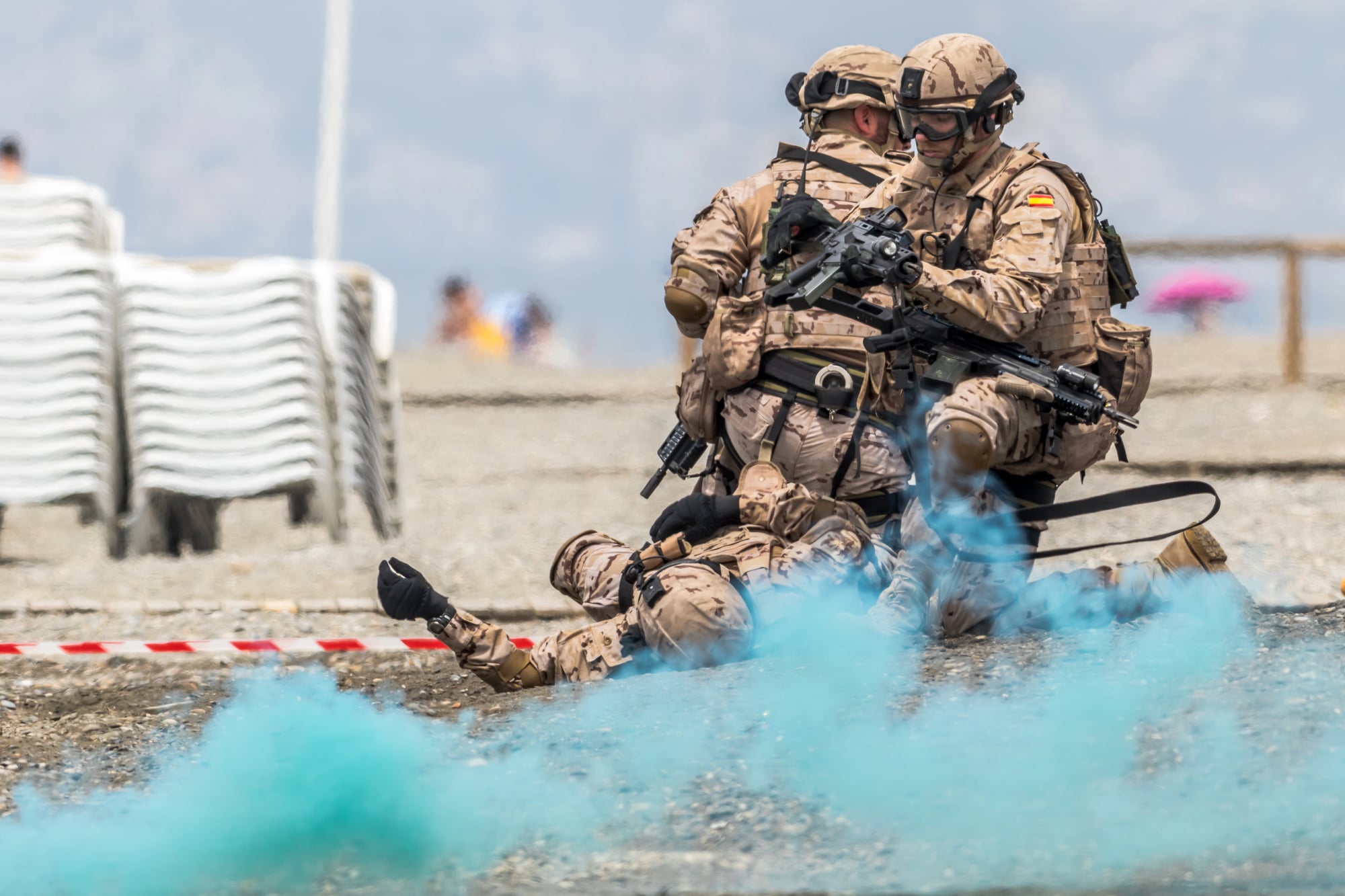
Spain’s special forces training incorporates mountain warfare in the Pyrenees, desert operations in southeastern Spain, and amphibious assault techniques along the Mediterranean coast. This geographic diversity creates training scenarios that few other nations can replicate within their own borders.
Selection processes take advantage of Spain’s varied terrain to test candidates under multiple environmental stresses within relatively short timeframes.
Someone who performs well in desert conditions might fail completely when transferred to mountain environments, revealing adaptability issues that wouldn’t surface in more limited training scenarios.
The psychological evaluation component includes extended periods of social isolation, reflecting operational requirements where teams work independently for months at a time.
Candidates learn whether they can maintain mental stability when cut off from normal social contact and familiar environments.
Indian Para Commandos
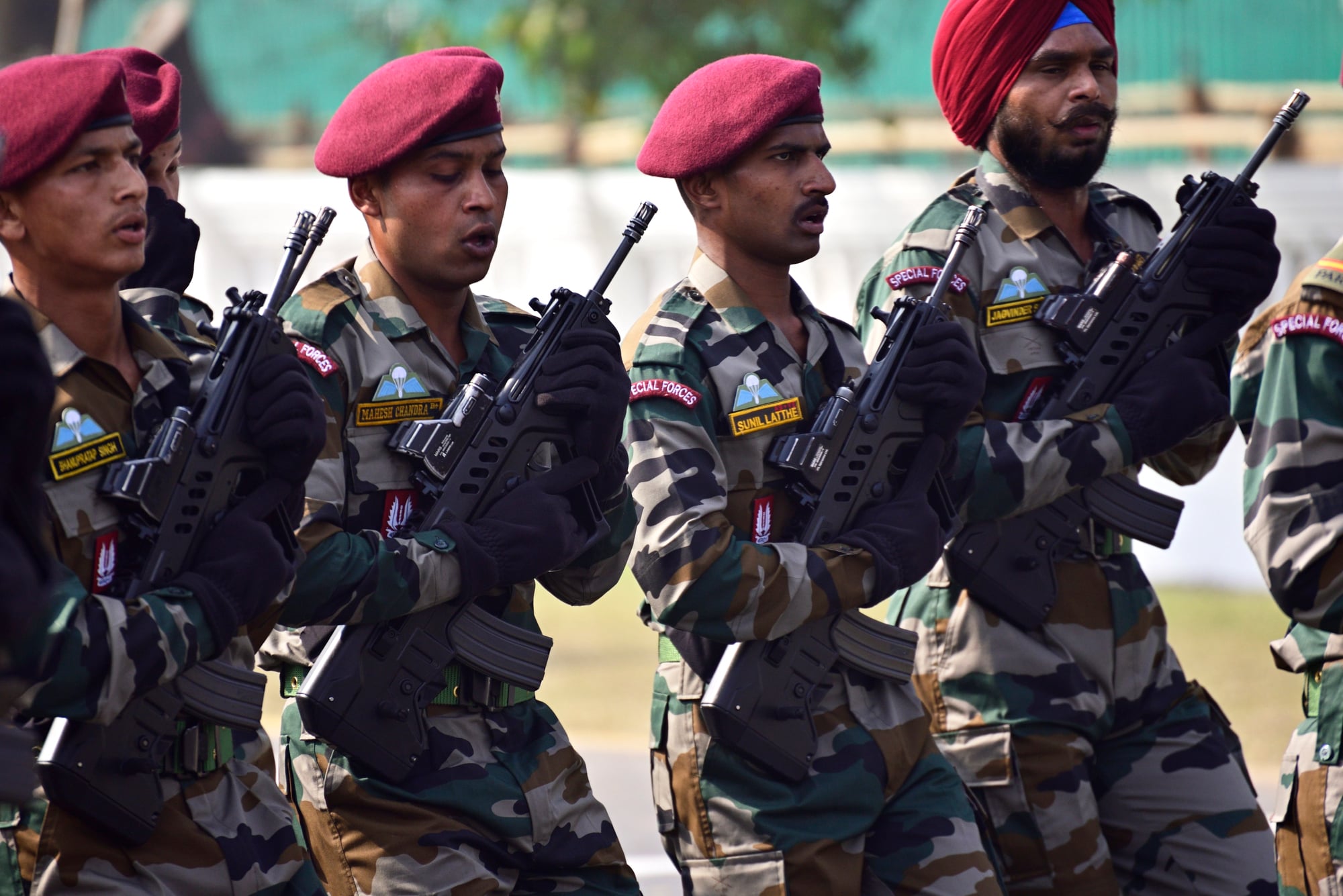
Para Commando training happens at altitudes that make physical exertion significantly more difficult due to reduced oxygen availability. Candidates learn to function effectively when their bodies can’t process oxygen efficiently, creating physical stress that compounds the normal difficulties of special forces training.
High-altitude mountain warfare training occurs in conditions where weather changes can trap teams for days without resupply.
Survival becomes a constant background concern that must be managed while maintaining operational capability.
Equipment failure at altitude can be fatal, so training includes scenarios where candidates must improvise solutions using minimal resources.
The selection process also includes jungle warfare training in conditions where visibility drops to a few feet, communication becomes nearly impossible, and disease represents a constant threat.
Candidates learn to operate when standard tactical procedures become insufficient due to environmental constraints.
The Crucible Of Excellence
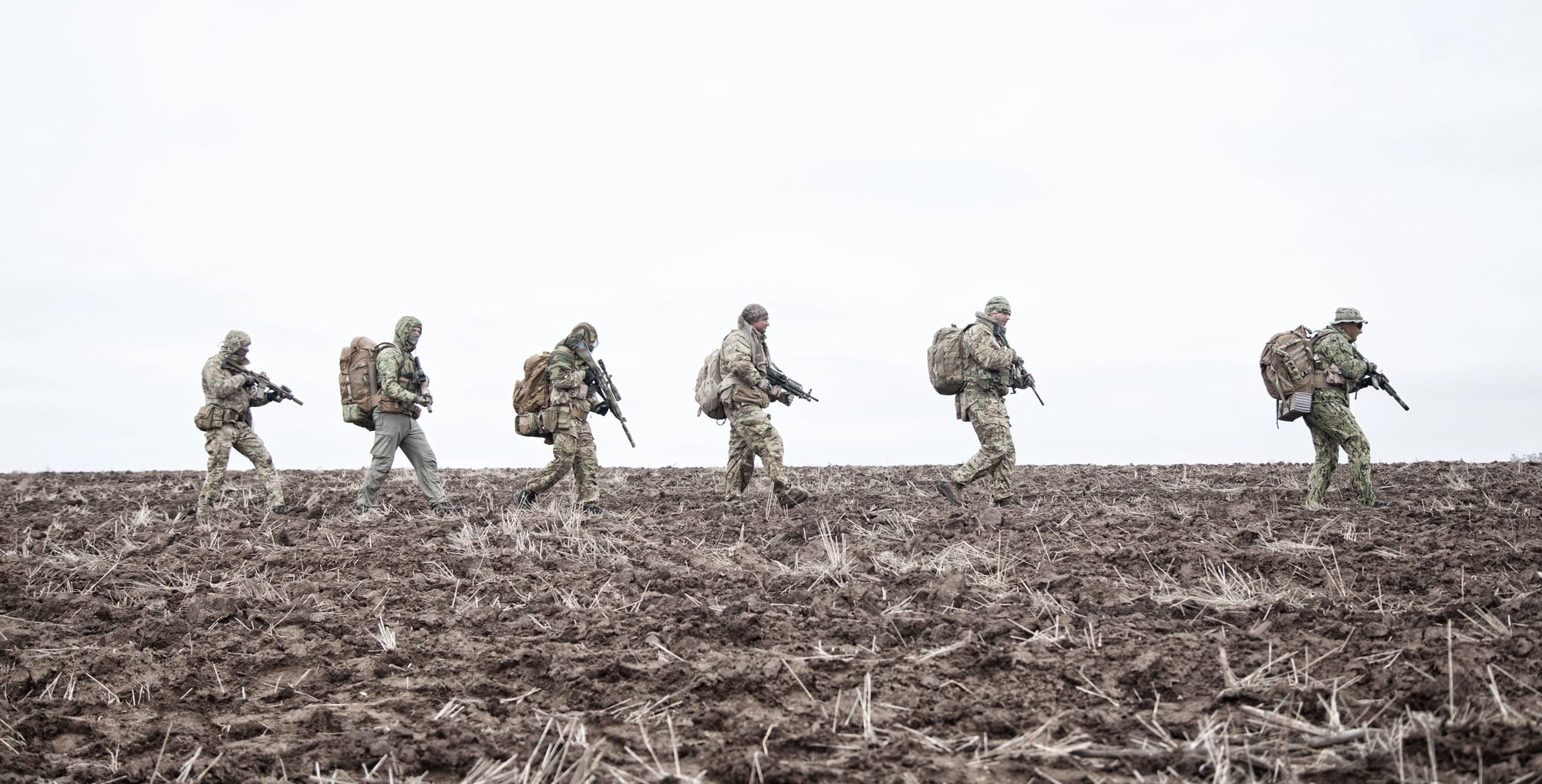
These training programs share common elements that transcend national differences or tactical specialties. They all recognize that special operations require people who won’t break under impossible pressure — and that the only reliable way to identify such people is to subject them to impossible pressure and observe what happens.
The physical demands serve as a screening mechanism, but the real test remains psychological.
Can someone think clearly when their body is shutting down? Do they maintain operational effectiveness when everything hurts and sleep becomes a distant memory?
Will they continue functioning when every rational thought suggests giving up?
The answer, for most people, is no. And that’s precisely why these units maintain their reputation for excellence — not because their training is difficult, but because it’s designed to find the tiny fraction of people who become more capable under extreme stress rather than less so.
More from Go2Tutors!

- The Romanov Crown Jewels and Their Tragic Fate
- 13 Historical Mysteries That Science Still Can’t Solve
- Famous Hoaxes That Fooled the World for Years
- 15 Child Stars with Tragic Adult Lives
- 16 Famous Jewelry Pieces in History
Like Go2Tutors’s content? Follow us on MSN.