15 Cities That Have Been Ranked the Best in the World and Why
Finding the perfect city feels like chasing a moving target. What makes one place irresistible to some leaves others cold, and the metrics keep shifting — livability one year, innovation the next, then sustainability or culture or some blend that changes with whoever’s doing the measuring.
But certain cities keep appearing on these lists, year after year, earning recognition from organizations like the Economist Intelligence Unit, Mercer, and Monocle for reasons that go beyond mere statistics. These rankings matter more than civic pride.
They influence where people choose to live, work, and invest their futures. They shape how cities see themselves and what they aspire to become.
The cities that consistently rank among the world’s best have cracked some essential code about balancing competing demands — being prosperous without losing character, efficient without becoming soulless, modern while respecting history.
Zurich
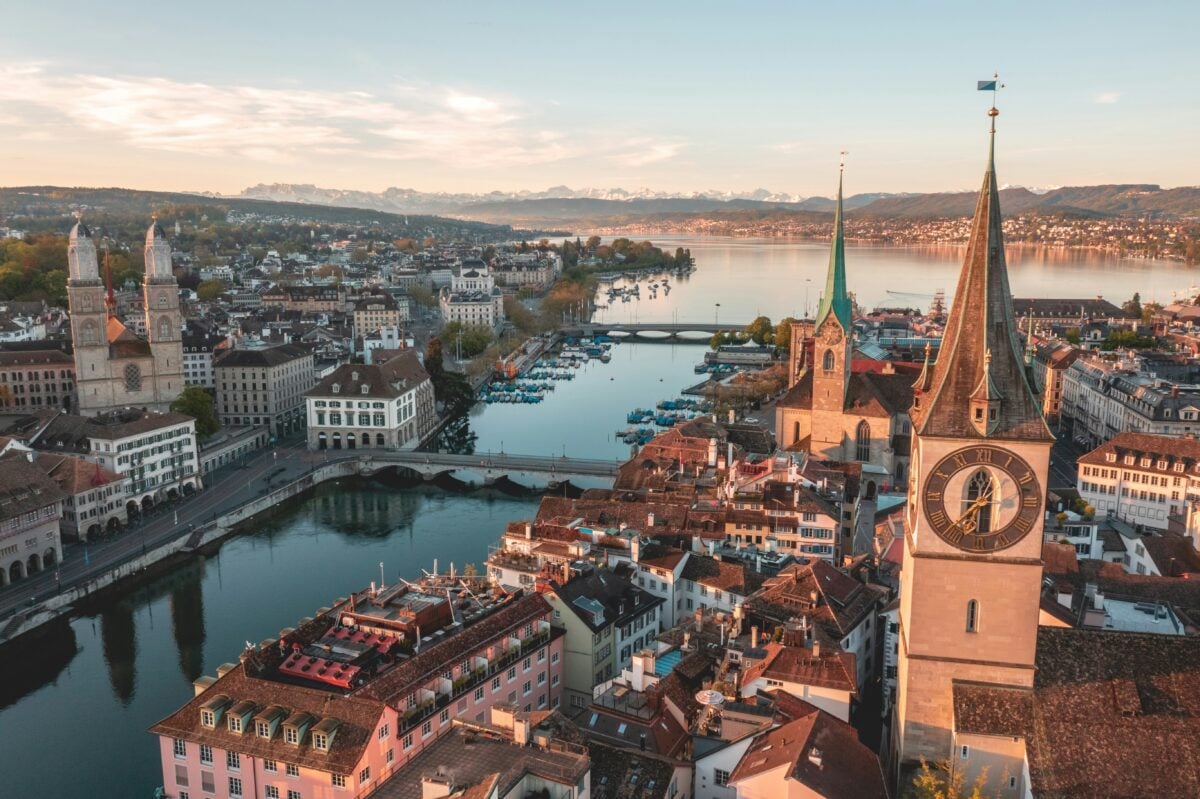
Zurich operates like Swiss clockwork, which sounds like a cliche until you spend time there. The trains arrive exactly when they’re supposed to.
The streets stay clean without armies of street sweepers. Everything functions with a precision that makes other cities look like they’re winging it.
This efficiency comes with a price tag that can make your eyes water. A basic lunch costs what many people spend on dinner elsewhere.
But the city delivers what it promises — stability, beauty, and quality of life that justifies the expense for those who can afford it.
Melbourne
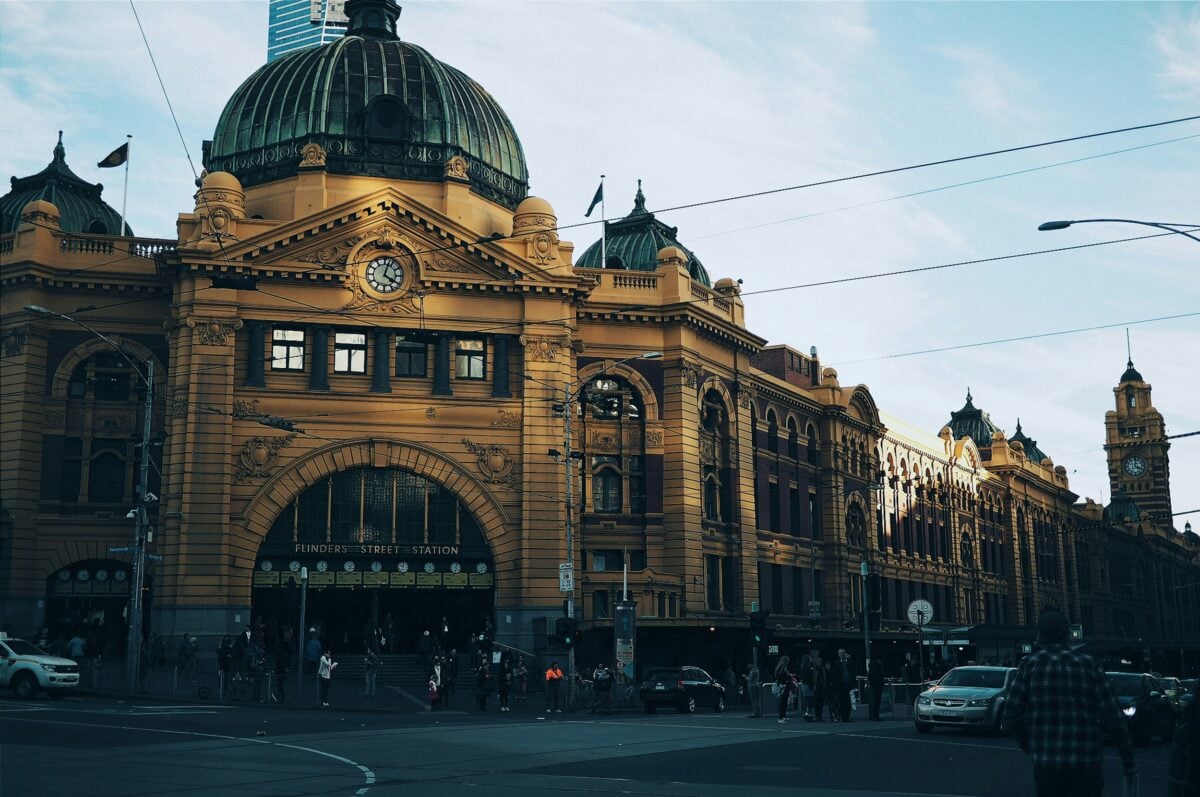
Melbourne is the kind of city that grows on you slowly, then all at once — like a friend who seems unremarkable until you realize they’re the most interesting person you know (and probably the most opinionated about coffee). The city sprawls in all directions, connected by trams that rattle through neighborhoods where street art covers entire building sides and laneway cafes serve flat whites that put other cities’ coffee to shame.
And yet, for all its cultural credentials and livability rankings, Melbourne maintains this peculiar habit of insisting its weather is fine when it clearly changes moods every twenty minutes. But perhaps that’s part of its charm: a city confident enough in its other qualities to shrug off meteorological unpredictability.
So you find yourself walking through the Royal Botanic Gardens in the morning (because it’s sunny), ducking into the National Gallery when the afternoon rain hits, then emerging to perfect evening light that makes the Yarra River look almost elegant — which is saying something. The rhythm becomes familiar: plan nothing, expect everything, and trust that Melbourne will offer something worthwhile between the weather changes.
Vienna
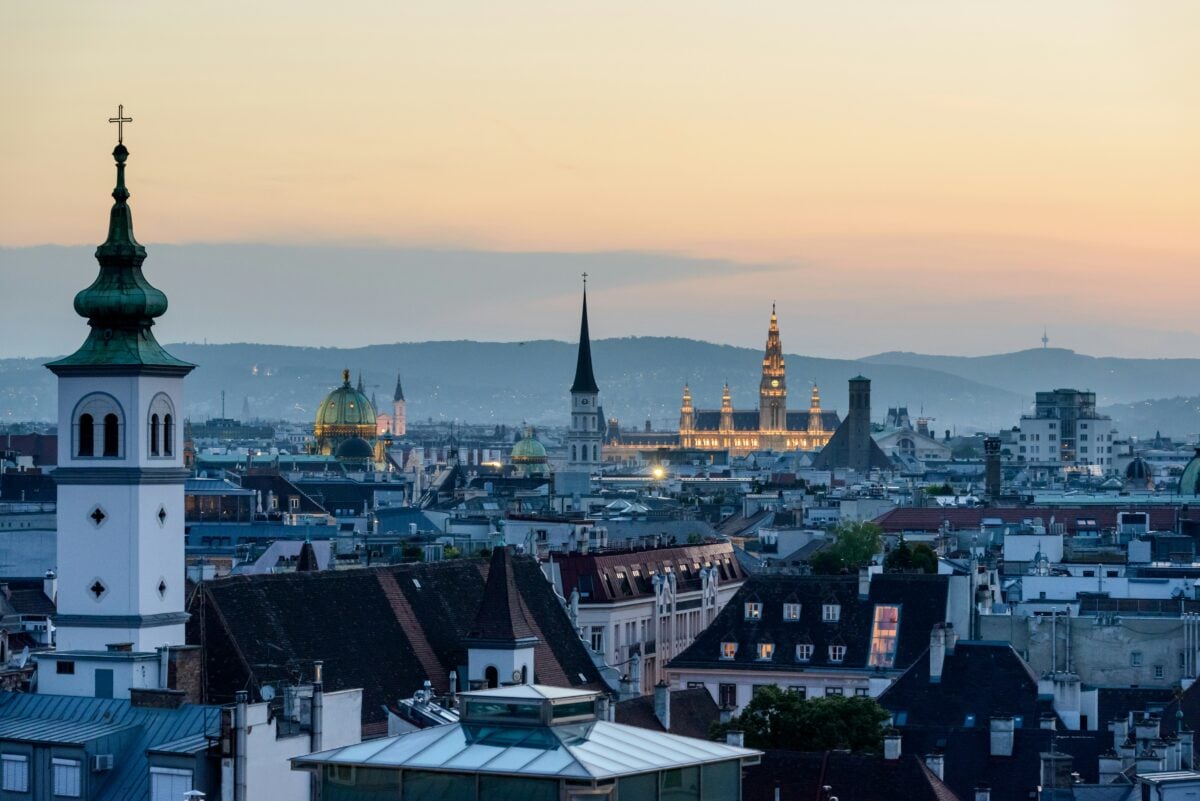
Vienna carries itself like a city that has seen empires rise and fall and learned something valuable from the experience. The architecture doesn’t shout for attention — it simply stands there, dignified and substantial, knowing it has outlasted plenty of louder trends.
The coffee houses operate as informal civic institutions. People spend entire afternoons reading newspapers, writing, or just watching the world slow down to a more manageable pace.
This isn’t laziness disguised as culture. It’s a deliberate choice to value contemplation over constant motion. Vienna ranked first in multiple livability studies not because it reinvented urban living, but because it perfected an older model.
Public transportation works. Green spaces exist throughout the city. Housing remains accessible compared to other European capitals. Sometimes the best innovation is refusing to break what already functions.
Tokyo
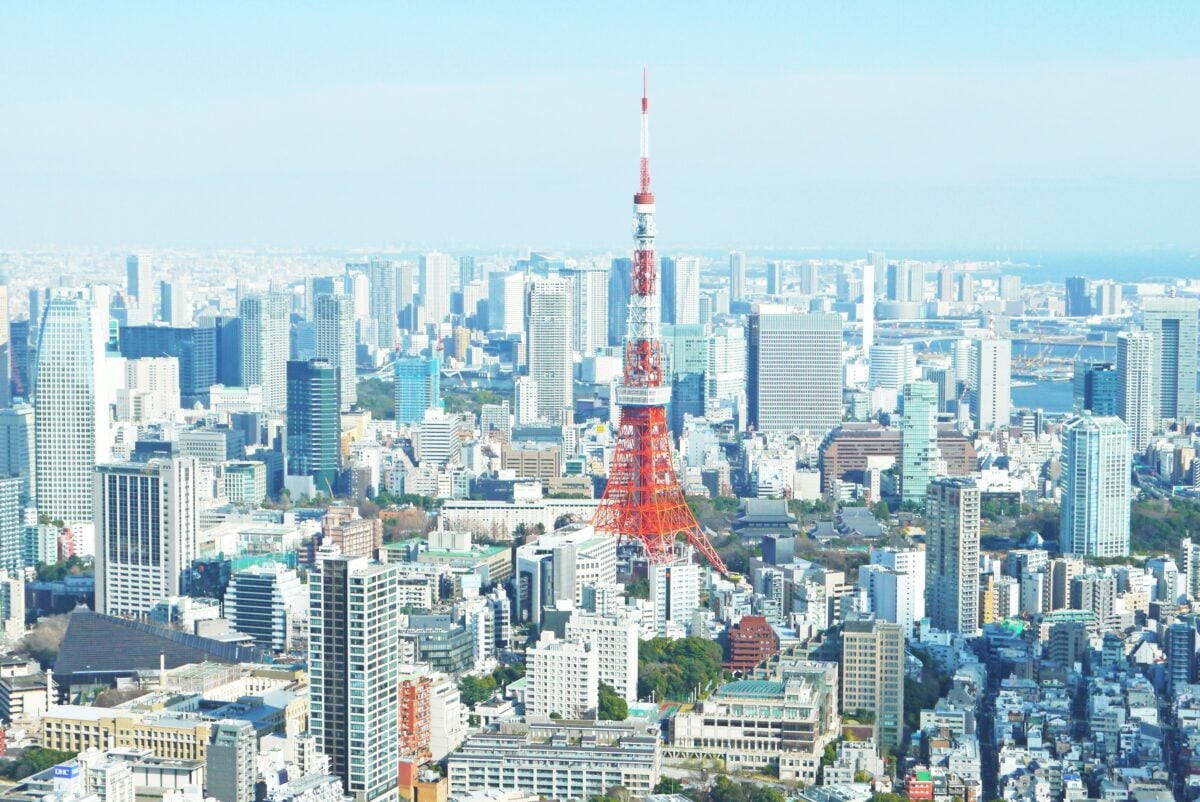
Tokyo shouldn’t work. Over 37 million people in the metropolitan area are crammed into a space that defies logic, where trains during rush hour pack humans like puzzle pieces, yet somehow the whole system runs with mechanical precision.
But efficiency isn’t what makes Tokyo remarkable — it’s the way the city manages to be both relentlessly modern and quietly traditional, often within the same city block. You can eat at a sushi counter that’s been serving the same six items for forty years, then walk two minutes to a robot cafe that looks like it fell through a time portal from 2050.
The contrast isn’t jarring because Tokyo doesn’t try to reconcile these differences. It simply lets them coexist.
The city demands adaptation rather than comfort. Street signs disappear when you need them most. The language barrier turns simple tasks into puzzles.
But Tokyo rewards persistence with experiences that exist nowhere else — vending machines selling hot coffee at 3 AM, neighborhoods where every restaurant has twelve seats and no English menu, train stations that connect to underground cities you didn’t know existed.
Copenhagen
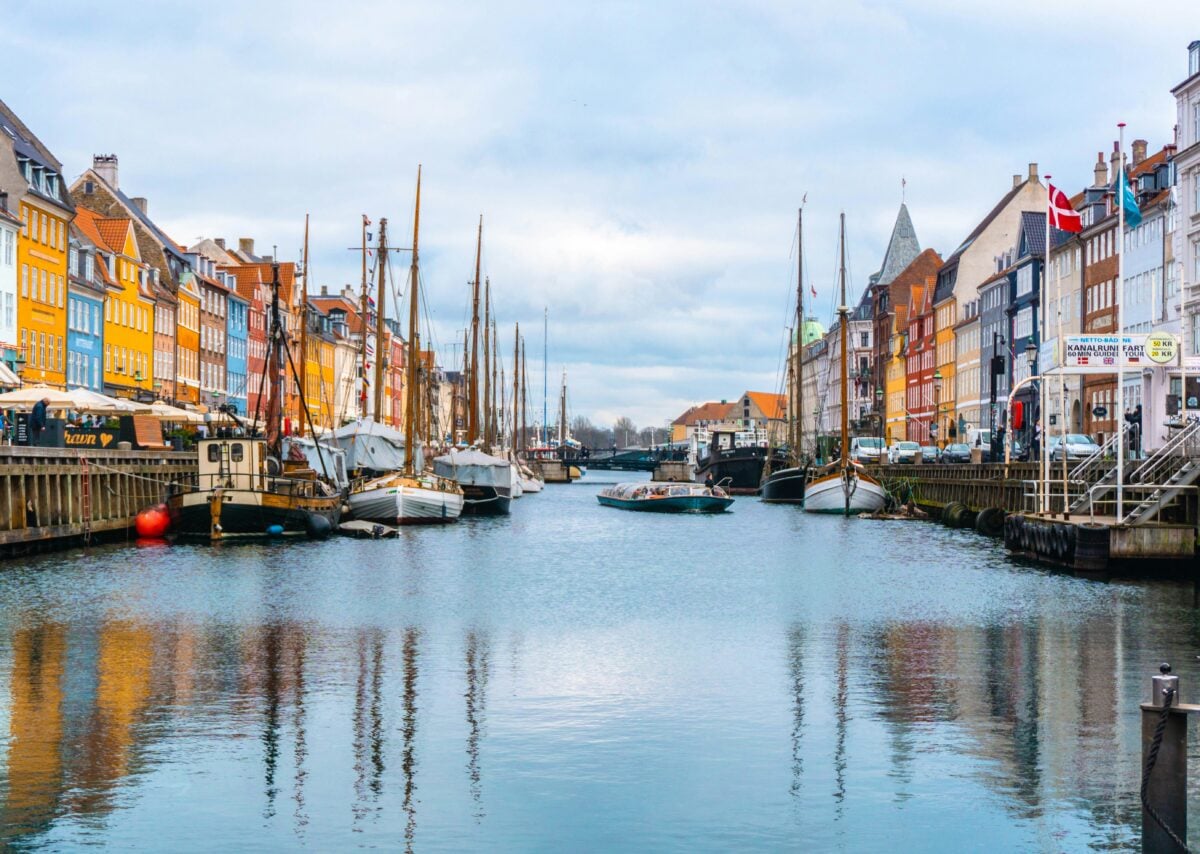
Copenhagen proves that socialism isn’t just about policy — it’s about bike lanes. The city built infrastructure that assumes people are reasonable and will choose the sensible option if you make it convenient enough.
Turns out they were right. Half the city commutes by bicycle, not because they’re environmentally conscious zealots, but because it’s faster than driving and the bike lanes actually go where people need to go.
Revolutionary concept. The weather should make this impossible.
Danish winters are dark and wet, the kind that make you question life choices. But Copenhagenians bike anyway, in rain gear that costs more than most people’s cars, because the alternative is sitting in traffic like a tourist.
Singapore
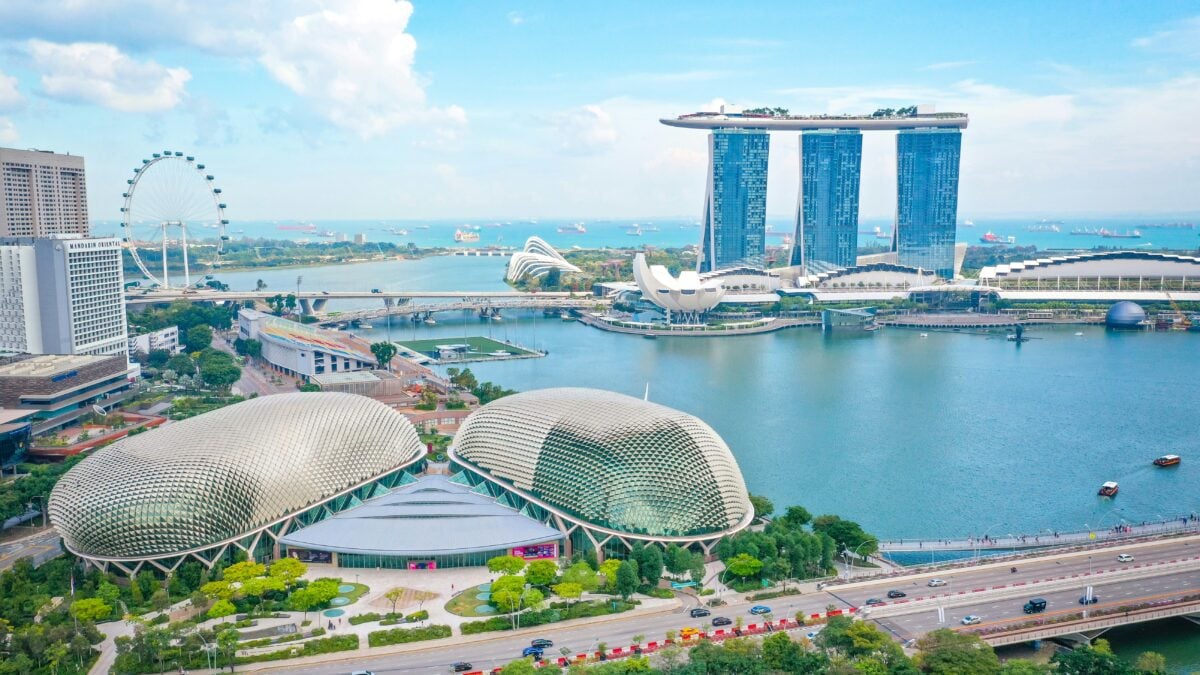
Singapore is what happens when a city-state decides efficiency matters more than charm and somehow ends up with both. The place runs like a corporation that figured out how to govern itself — clean, orderly, and successful in ways that make other cities look like they’re run by committee.
The rules are numerous and specific. The import and sale of chewing gum for commercial purposes is restricted. Jaywalking gets you fined.
The death penalty applies to drug trafficking. This sounds oppressive until you realize the flip side: the trains run on time, the streets stay safe at night, and the tap water won’t make you sick. Sometimes trading some chaos for functionality is worth it.
But Singapore’s real achievement isn’t the famous efficiency — it’s creating a genuinely multicultural society that works. Four official languages, major holidays from different religions, and food courts where Chinese, Malay, and Indian vendors work side by side.
The melting pot actually melted instead of just bubbling with resentment.
Sydney
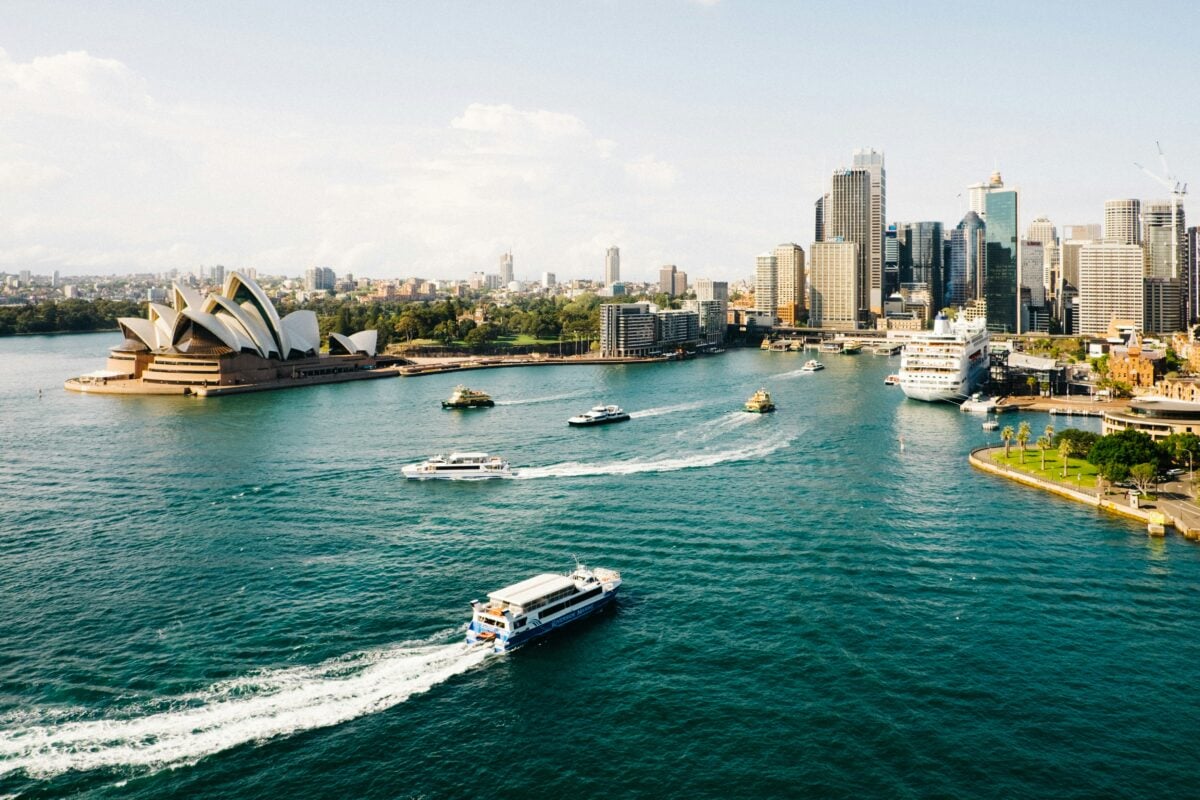
Sydney sits on one of the world’s great harbors and never lets you forget it — which would be insufferable if the harbor weren’t actually that spectacular. The city built itself around water views and beach access like a real estate developer’s fever dream, except it worked.
The lifestyle is aggressively outdoorsy in a way that makes other cities’ residents feel pale and sedentary. People surf before work, run during lunch, and spend weekends on boats they probably can’t afford.
This isn’t healthy living as virtue signaling — it’s just what you do when the weather cooperates and the geography enables it. But Sydney’s secret isn’t the postcard views. It’s that the city functions well enough to support the lifestyle.
Public transportation connects beaches to business districts. The job market can support the high cost of living.
Infrastructure keeps up with growth, mostly. The balance between work and life tilts toward life because the systems allow it to.
Amsterdam
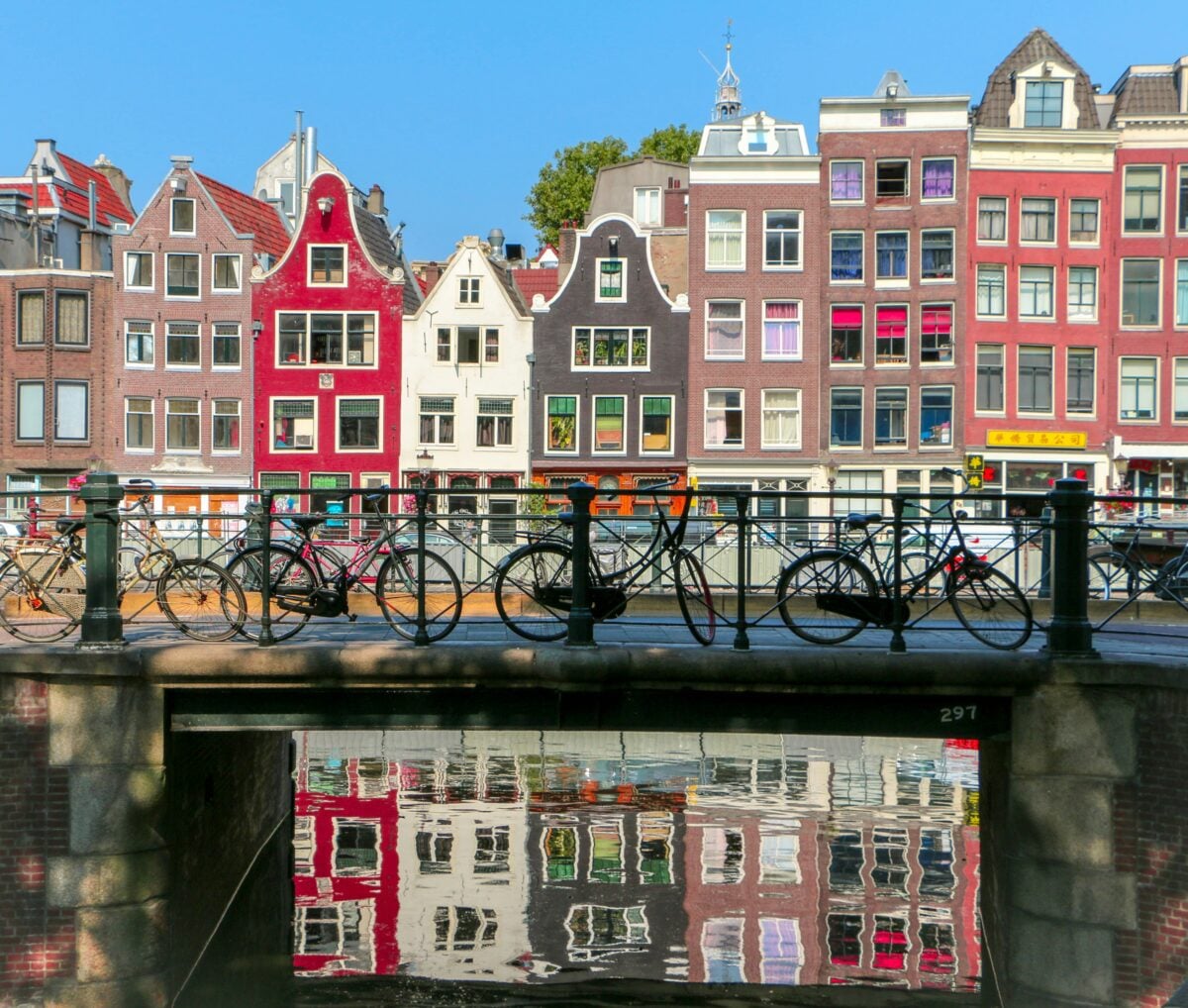
Amsterdam understands that cities work best when they’re built for people, not cars — a lesson it learned by accident when its historic center proved too narrow and winding for modern traffic. Now the limitation has become the city’s greatest asset.
The canals force everything to human scale. You walk or bike because that’s what fits.
Neighborhoods maintain distinct personalities because they developed organically rather than being planned by committees. The Red Light District coexists with family-friendly areas because the city never tried to sanitize itself into generic perfection.
But Amsterdam’s real achievement is making tolerance functional rather than just idealistic. The drug policy treats addiction as a health issue.
Immigration integration happens through practical programs rather than symbolic gestures. Social services work because they’re designed to solve problems, not win political points.
Pragmatism disguised as progressive values, or maybe the other way around.
Vancouver
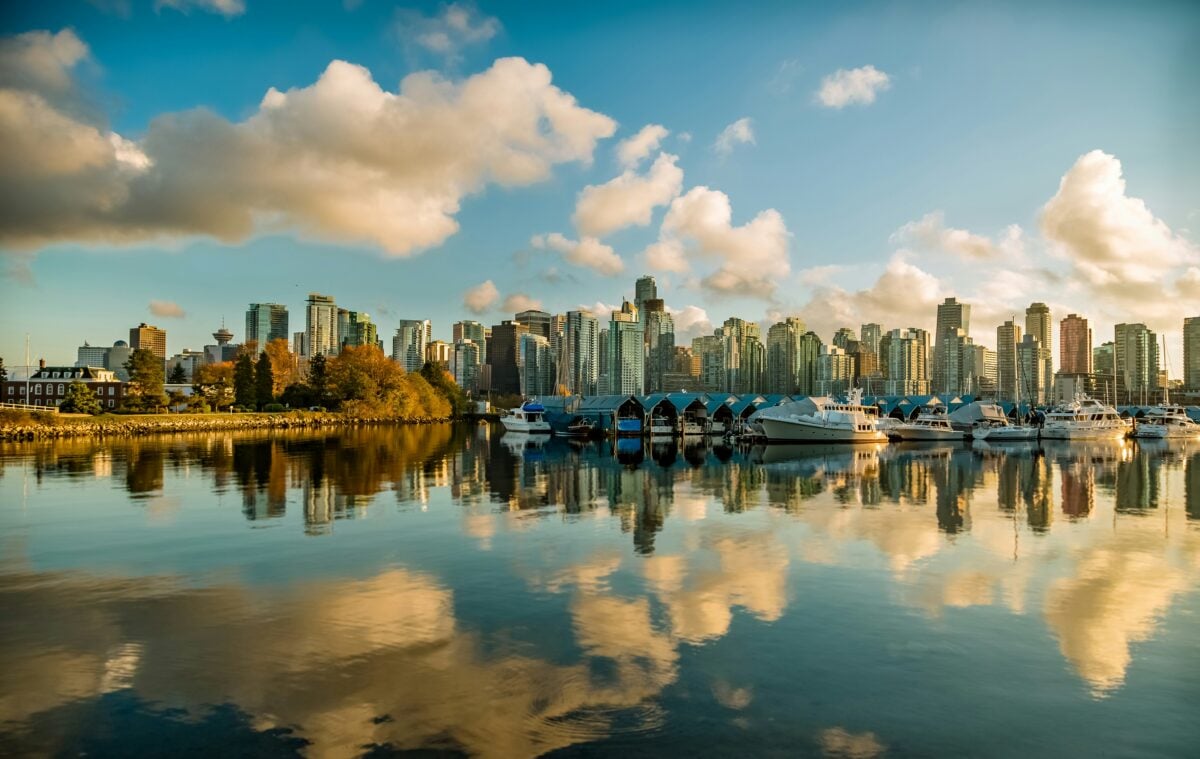
Vancouver won the geographic lottery, then had the good sense not to waste it. Mountains, ocean, and forest within a thirty-minute drive of downtown — most cities would build shopping malls over everything and charge admission to see the trees.
Instead, Vancouver preserved green space like it understood something valuable was at stake. Stanley Park remains larger than some small towns.
The seawall connects neighborhoods without destroying waterfront access. Hiking trails start where the city ends, which in many places is just a few bus stops from downtown.
The city’s other smart decision was embracing its role as a Pacific Rim hub instead of trying to be a smaller version of Toronto or New York. The result is a genuinely international city where being from somewhere else is normal, not noteworthy.
When half your population was born elsewhere, diversity stops being a talking point and becomes just how things are.
Frankfurt
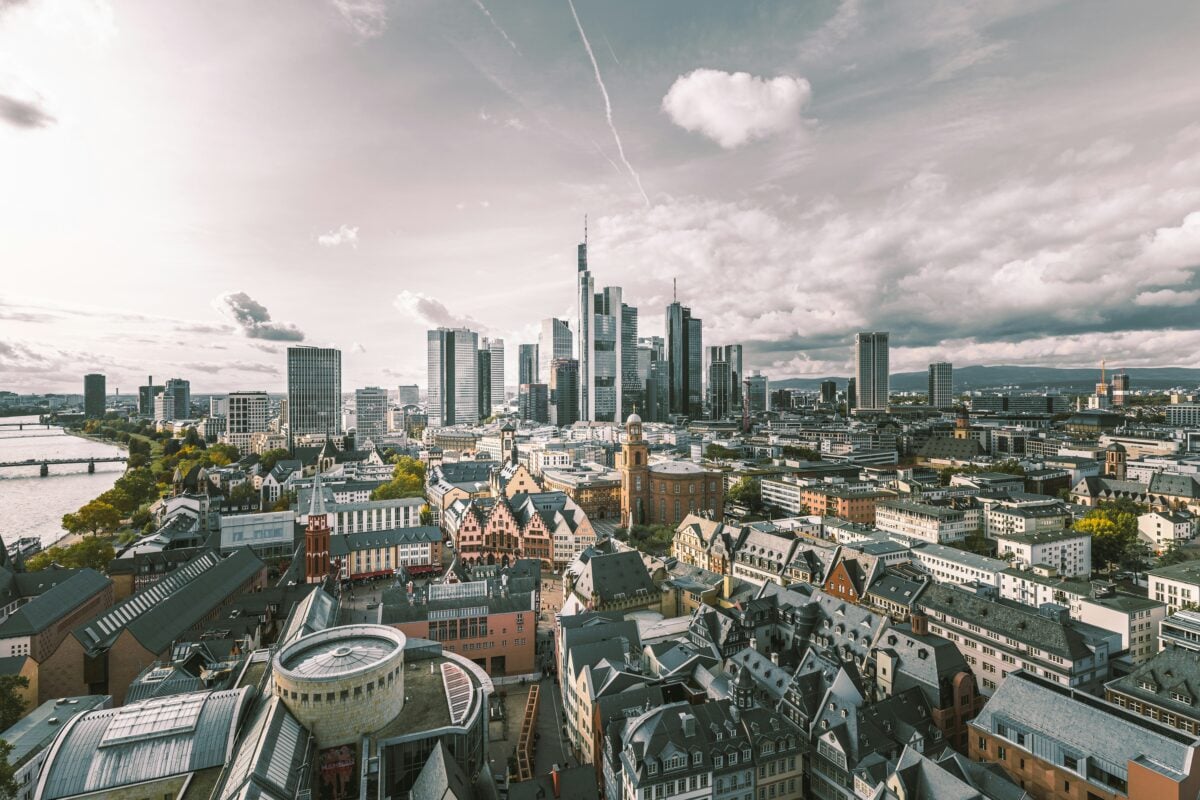
Frankfurt doesn’t try to be charming, which ends up being oddly charming. The city focuses on being good at what it does — banking, commerce, and moving people and goods efficiently — without pretending to be Paris or Rome.
The skyline looks like someone transplanted a piece of Manhattan to Germany, complete with glass towers and international corporate headquarters. This should feel soulless, but Frankfurt’s compact size keeps everything walkable.
You can work in a skyscraper and live in a neighborhood that still has corner bakeries and beer gardens.
Geneva
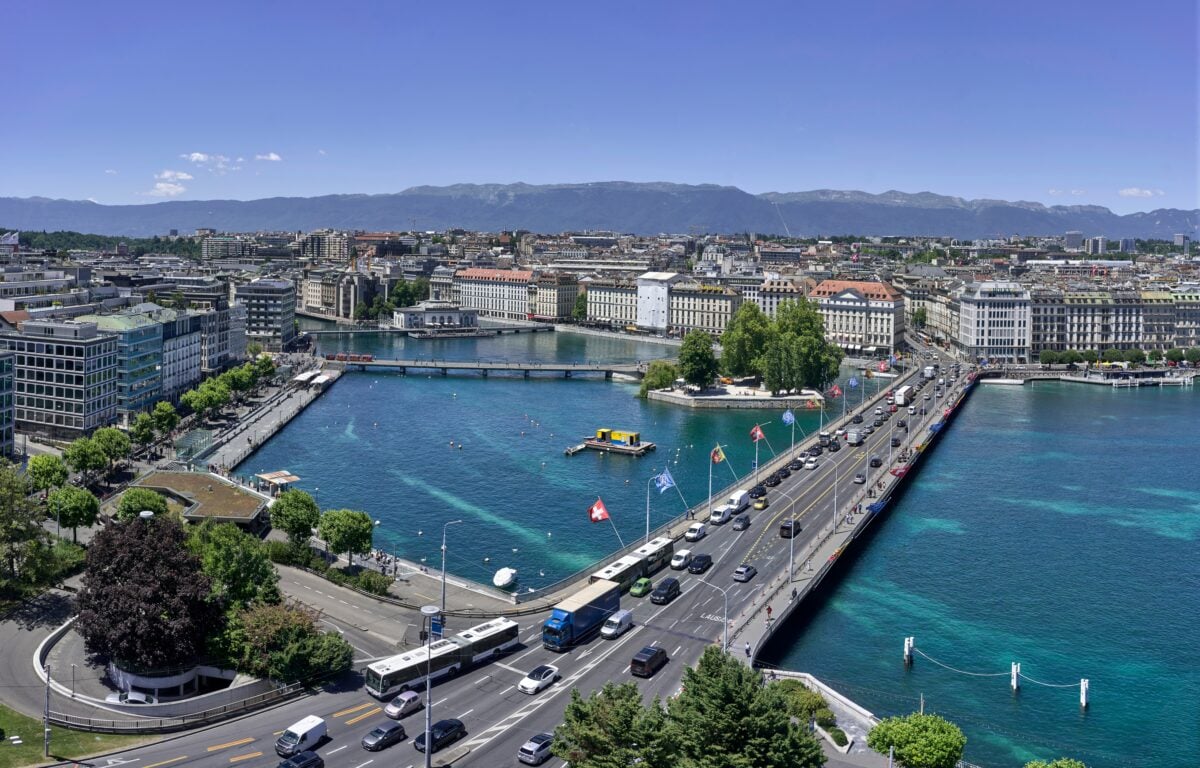
Geneva operates in the shadow of its own reputation for international diplomacy and banking, which means it gets judged as either boringly bureaucratic or impossibly expensive. Both criticisms miss the point.
The city works precisely because it takes itself seriously. The United Nations presence isn’t just prestigious window dressing — it brings together people from everywhere, creating a genuinely cosmopolitan atmosphere where being multilingual is common and cultural differences are navigated daily.
The banking sector provides economic stability that lets the city invest in quality of life improvements without worrying about the next boom-bust cycle. And yes, everything costs more than it should.
But Geneva delivers what it charges for — reliability, safety, and systems that function without drama. Sometimes boring is exactly what you want from a city.
Oslo
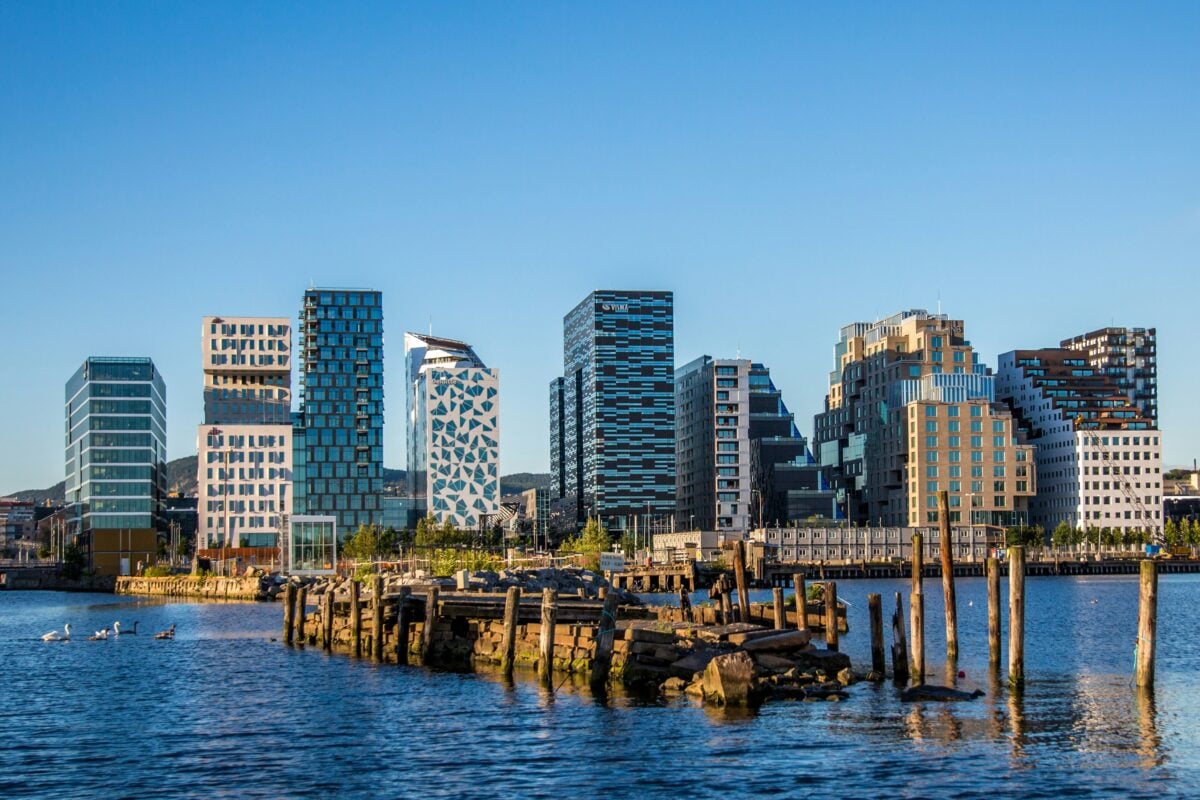
Oslo spent decades being overshadowed by Stockholm and Copenhagen, the more stylish Scandinavian capitals. Then it stopped trying to compete and focused on becoming the best version of itself — which turned out to be pretty remarkable.
The city rebuilt its waterfront into public space instead of luxury condos. The opera house has a sloped roof you can walk on, turning architecture into topography.
Public art appears throughout the city, not just in designated cultural districts. But Oslo’s real transformation happened in how it approaches urban problems.
The city banned cars from the downtown core and redesigned streets for pedestrians and cyclists. Public transportation runs on renewable energy.
Urban planning prioritizes livability over economic development, which paradoxically made the city more economically successful. Sometimes doing the right thing works better than doing the profitable thing.
Perth
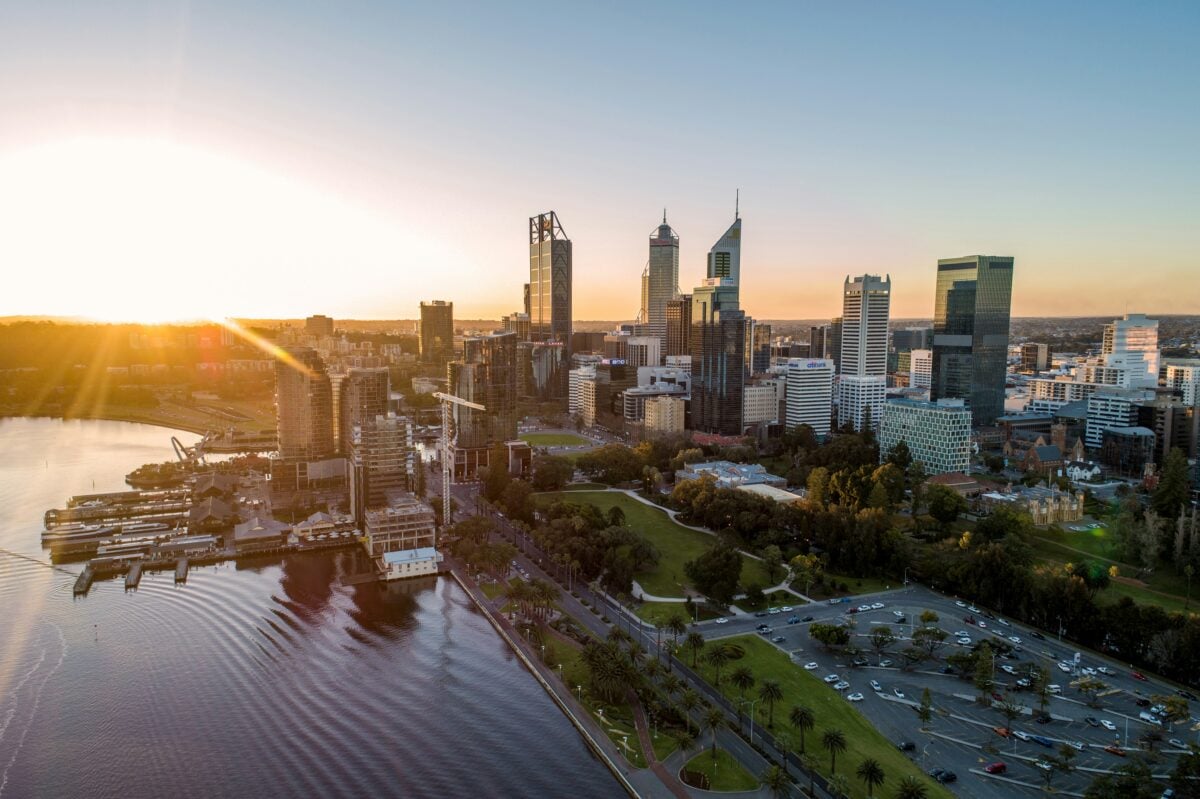
Perth exists in splendid isolation on Australia’s west coast, closer to Jakarta than Sydney, which should make it a backwater but somehow doesn’t. The city developed its own rhythm and priorities, uninfluenced by what other Australian cities were doing.
The result is a place that feels more relaxed than Sydney, more affordable than Melbourne, and more connected to Asia than anywhere else in Australia. The beaches stretch for miles without high-rise development.
The business district empties out after work, but that’s because people actually go home to live outside the office. Perth’s mining wealth could have created a boom-bust economy, but the city invested in infrastructure and education instead.
The university research programs attract international talent. The lifestyle attracts people who want Australian living without Australian prices.
Sometimes being overlooked is an advantage.
Osaka
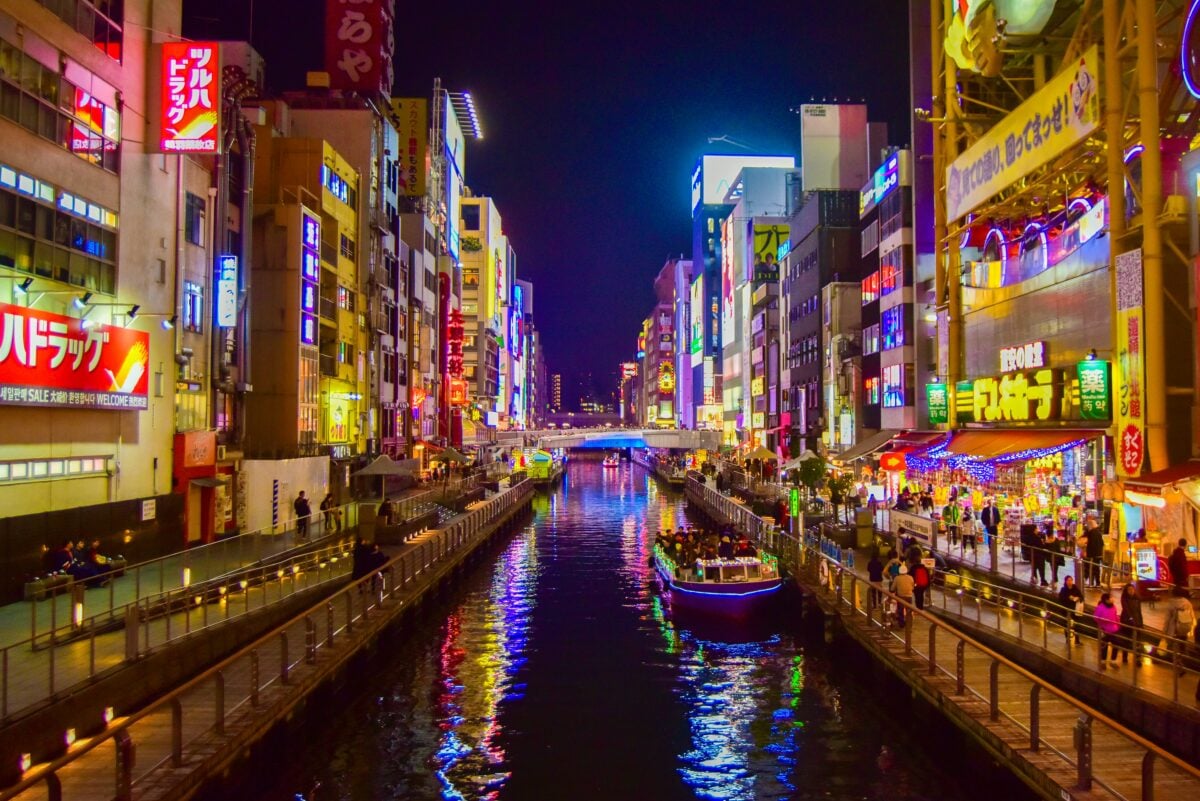
Osaka gets mistaken for Tokyo’s smaller sibling, which misses everything interesting about the city. Where Tokyo is formal and precise, Osaka is irreverent and improvisational.
The food scene operates by different rules — street vendors matter as much as Michelin-starred restaurants, and local specialties evolve faster than guidebooks can track them. The city’s merchant culture runs deeper than commerce.
Osaka residents will argue loudly about the best takoyaki vendor, then walk you there personally to prove their point. Conversations happen between strangers.
Neighborhoods maintain distinct personalities that resist corporate standardization. But Osaka’s real strength is making urban density feel human rather than overwhelming.
Markets weave between buildings. Small bars occupy spaces that other cities would consider closets.
The architecture assumes people want to interact with each other, not just move efficiently from point A to point B.
Helsinki
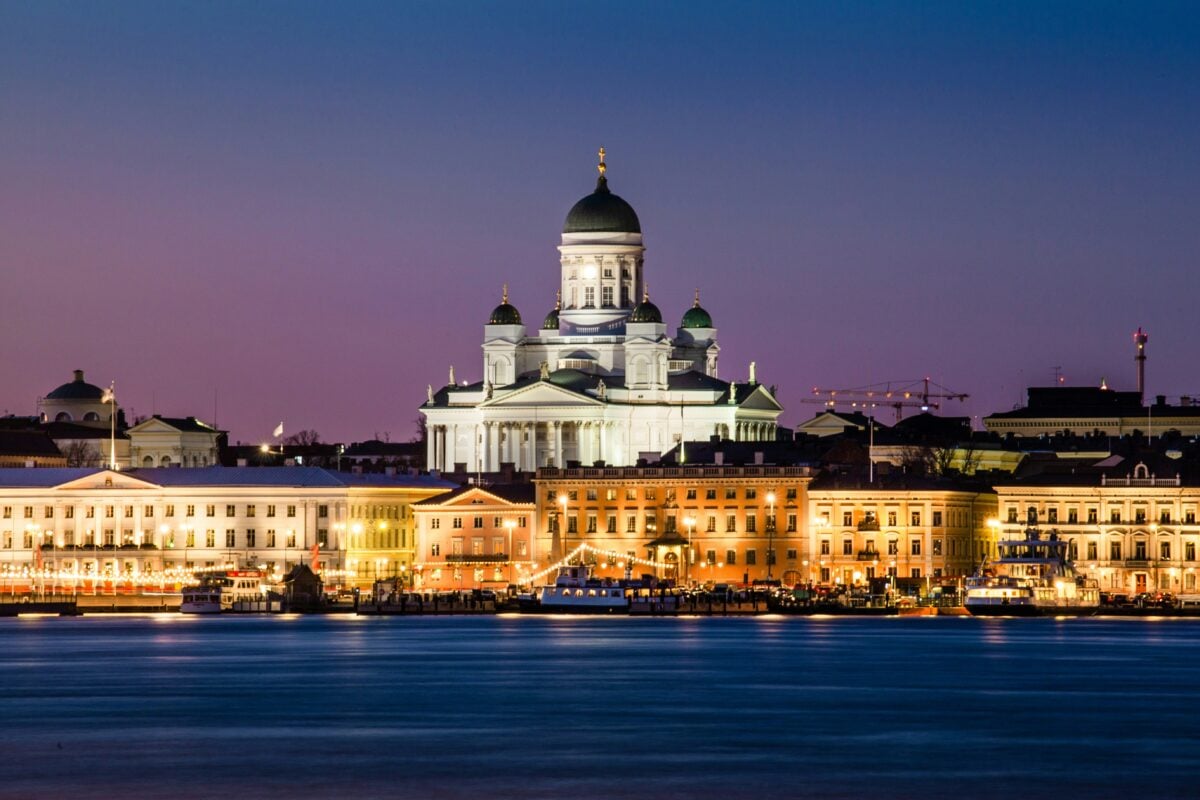
Helsinki succeeds by refusing to apologize for being exactly what it is — a Nordic city that gets dark in winter and doesn’t pretend otherwise. Instead of fighting the climate, Helsinki designed itself around it.
The city’s heating systems are marvels of engineering efficiency. Public buildings stay warm and well-lit during the months when daylight becomes scarce.
Saunas aren’t tourist attractions — they’re essential infrastructure for physical and mental health during long winters. But Helsinki’s innovation goes beyond managing weather.
The education system produces results that make other countries send delegations to figure out what they’re doing differently. Public libraries function as community centers with programs that go far beyond lending books.
Social services work because they’re designed by people who understand what social problems actually look like. Finland’s reputation for getting the basics right isn’t accidental — it’s the result of systematic attention to what makes societies function well.
Finding What Works

These cities didn’t become ranked among the world’s best by following the same playbook or chasing identical goals. Zurich perfected precision, Melbourne embraced cultural complexity, Vienna maintained historical wisdom while adapting to modern needs.
What they share isn’t a specific approach but a willingness to be honest about their strengths and limitations, then build systems around that reality. The rankings change year to year as priorities shift and new metrics emerge.
But the cities that consistently appear understand something fundamental about urban life — success isn’t about being perfect for everyone, it’s about being exceptionally good at what matters most to the people who choose to live there. Sometimes the best place in the world is simply the one that works.
More from Go2Tutors!

- The Romanov Crown Jewels and Their Tragic Fate
- 13 Historical Mysteries That Science Still Can’t Solve
- Famous Hoaxes That Fooled the World for Years
- 15 Child Stars with Tragic Adult Lives
- 16 Famous Jewelry Pieces in History
Like Go2Tutors’s content? Follow us on MSN.