Famous Racetracks With Unforgettable Memories
Racing was never just fast cars.
It’s tied to spots where heroes rise.
Where racers go past limits thought unreachable yet somehow do it.
Or when crowds pack in hoping to see something huge happen right before their eyes.
Some circuits turned sacred over time not due to shape or scenery but thanks to wild events locked into memory forever.
Each one carries tales big enough to sum up whole chapters of race history.
Take a peek at the rides that changed the game and stuck with fans forever.
Indianapolis Motor Speedway

The Brickyard is known as the most iconic race spot in the U.S. thanks to its deep roots.
Constructed back in 1909, it saw its debut Indy 500 just two years later, kicking off a yearly event tied to Memorial Day.
Its name came from the 3.2 million bricks used on the track early on.
Though now nearly all are buried under fresh pavement.
A small patch of those old bricks stays exposed at the finish line, where champs still press their lips right after winning.
With space for over a quarter-million fans, this place beats every other stadium when it comes to seating.
Monaco Grand Prix Circuit
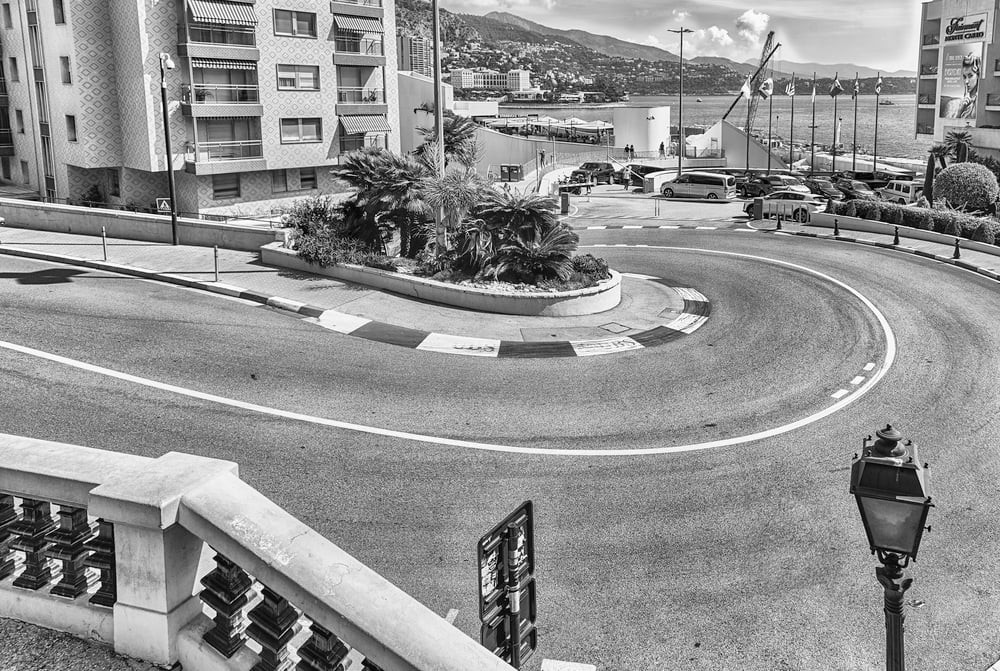
Snaking through Monte Carlo’s roads, this circuit mixes flash and risk like few others in F1.
Around every sharp turn, sudden hills, or stretch inside the tunnel, drivers push limits with barely any margin for error.
Walls loom just off the edge of the track.
Chances to overtake another car pop up hardly at all.
Senna took victory here six times, saying he loved it not in spite of its harsh challenge but thanks to it.
Held only one time each year, the event turns the tiny country into a full-on motorsport stage.
Boats parked in the bay become floating VIP seats among the priciest in athletics.
Circuit de la Sarthe

Le Mans isn’t about raw speed.
It’s a grind few races come close to matching.
Through the full day-night cycle, crews fight sleep, storms, busted engines, all while keeping up the tempo.
Back when it was wide open, vehicles screamed down the Mulsanne Strip past 240 mph until officials slapped on slowdown zones.
Over decades, glory and heartbreak have shared this asphalt.
In 1955, chaos took over eighty lives in seconds.
Still, year after year, brands and racers show up, chasing what only this place delivers.
Daytona International Speedway

The steep walls at Daytona make a scene nothing like other U.S. race spots.
When it opened in 1959, this oval took over from the sandy shoreline races that dated back to the 1900s.
Every February, the Daytona 500 starts off NASCAR’s year.
Claiming victory here is still what most sedan racers dream of.
In the curves, the slope hits 31 degrees, so vehicles keep wild momentum even when packed three or four side by side.
After Dale Earnhardt died during a race in 2001, shock rippled through auto racing.
It pushed big upgrades in driver protection everywhere.
Nürburgring Nordschleife

Drivers nicknamed it the Green Hell.
Winding through Germany’s Eifel range, this circuit spans just over 12 miles, packed with around 150 bends while climbing and dropping nearly a thousand feet.
Constructed back in the 1920s, it pushed machines and racers to their limits, where weather shifted wildly between zones.
After Niki Lauda’s life-threatening wreck in 1976, F1 pulled out.
Engineers still bring cars here to check performance.
Tourists too.
Even though Jackie Stewart loathed its perilous layout, he managed to claim victory.
Monza

Italy’s so-called Temple of Speed has been part of F1 since the series kicked off back in 1950.
Nestled inside a former royal estate close to Milan, this place uses long full-throttle stretches along with quick turns to push cars faster on average than most tracks.
Fans known as tifosi fill the stands, turning events into loud, chaotic scenes closer to soccer games than quiet motorsport weekends.
Over decades, Monza witnessed wild highlights.
Think Alberto Ascari ruling races at the start of the 1950s or Ferrari pulling off a gut-punch win in 2019 shortly after losing the boss’s son.
Cracked remains of old banked curves linger around, silent relics hinting at how racing used to be.
Spa-Francorchamps
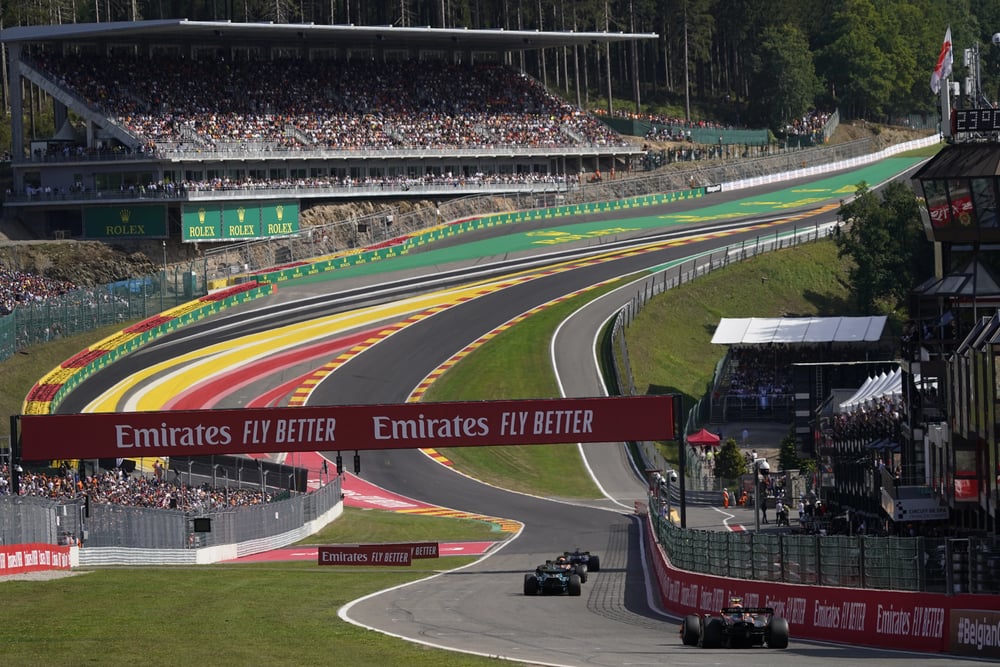
Nestled deep in Belgium’s Ardennes woods, Spa mixes fast straights with tricky turns only the sharpest racers truly master.
Stretching close to four and a half miles, this place ranks among today’s longest F1 tracks.
Eau Rouge followed by Raidillon makes up motorsport’s best-known bend series.
A steep, flick-left-then-right-then-left again move demanding total nerve.
Conditions shift out of nowhere.
One end soaked, the other still grippy under gray skies.
In 1992, Schumacher grabbed his debut win right here, sliding through puddles at Benetton during a storm-soaked race.
Talladega Superspeedway

Alabama’s huge oval drives NASCAR to the edge.
This 2.66-mile course has turns tilted at up to 33 degrees, pushing vehicles past 200 mph most times.
You’ll see long lines of racers drafting tight together, battling wheel-to-wheel till the last turn decides it by tiny gaps.
In 2003, the tiniest gap ever recorded happened here only two-thousandths of a second split top spot from runner-up.
After Bobby Allison’s wreck in 1987 flung parts into the crowd, officials added restrictor plates aiming to reduce speed.
Even so, Talladega still holds the title for quickest pace in stock car events.
Brands Hatch

Britain’s tough track feels nothing like Silverstone, its more famous cousin.
Instead of flat openness, Brands Hatch winds through uneven land—hills, tilted turns, errors here cost you big time.
The full race version builds on the basic loop, tacking on stretches that challenge both machine tuning and reflexes.
In the 1960s and 1970s, it shared F1 duties with Silverstone, switching off each season.
When Mansell was chasing titles, crowds swarmed the place.
Their energy fired him up, helping fuel some of his strongest drives.
Laguna Seca
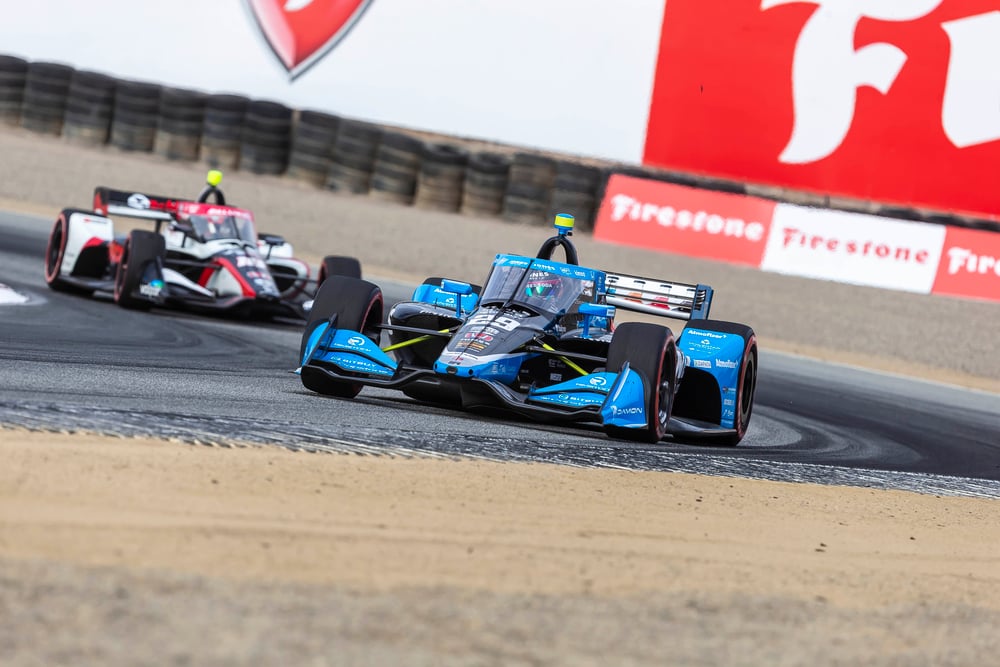
California’s well-known raceway holds what might be motorsport’s most legendary turn—the Corkscrew.
Dropping nearly 60 feet in under 500 feet, this steep descent throws drivers into a hidden left-then-right flick that seems closer to tumbling than steering.
Built back in 1957, the circuit’s seen everything—sports prototypes, superbikes, even Grand Prix bikes roll through its gates.
One wild move still stands out.
Zanardi diving past Herta in 1996 during a CART showdown, cutting wide, running off course, yet somehow pulling ahead.
Nestled along the dramatic cliffs of the Monterey coast, the whole place carries a vibe.
You’re not just racing, you’re earning it.
Suzuka
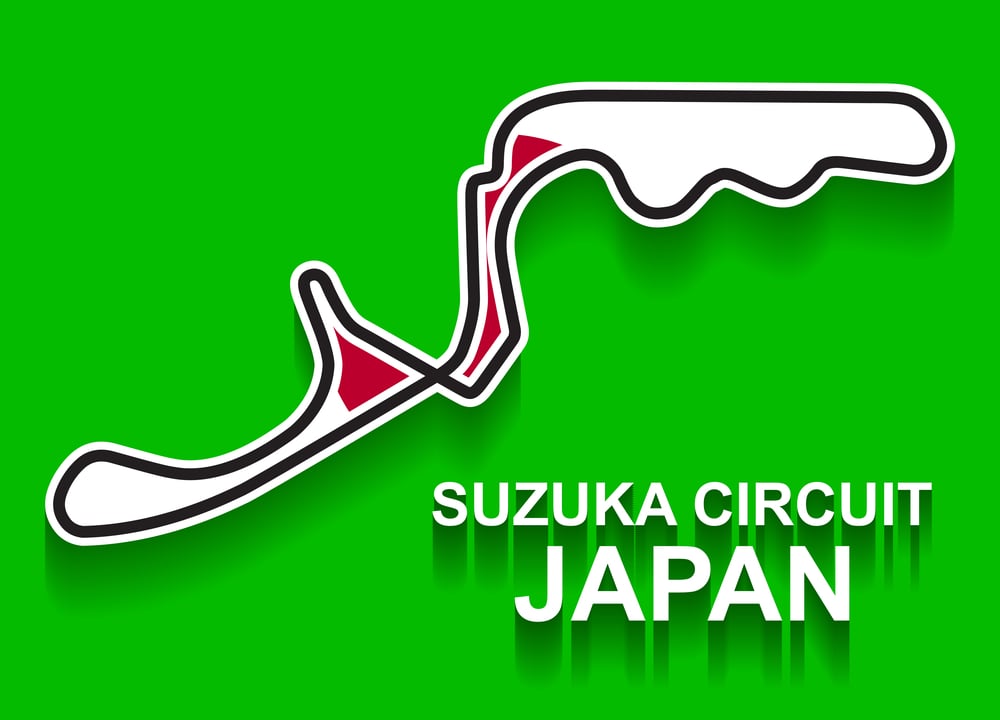
Japan’s figure-eight design makes for a tough ride that pushes cars to their limits in every way.
With quick, flowing turns mixed into narrow, tricky zones, plus the legendary 130R taking full throttle even at scary speeds, it keeps drivers on edge.
Opened by Honda back in 1962, this place has seen many title fights go down under intense heat.
Right off the bat, the opening bend—a sharp right following high-speed buildup—triggers pileups more times than not.
Senna and Prost smacked each other here two years straight.
Both crashes shaped titles in messy, debated outcomes.
Mount Panorama

Australia’s Bathurst track winds uphill, zips across the peak, before dropping sharply on the far end.
Slopes hit one in six, making things tough.
Only bold racers thrive here.
Up top, the Egos throw quick, unseen turns that demand full faith in your machine and recall.
Each October, the Bathurst 1000 rolls around.
Taking it means fame like no other title match.
Nine victories belong to Peter Brock.
Fans call him King of the Mountain, sealing his rep as the nation’s finest behind the wheel.
Watkins Glen
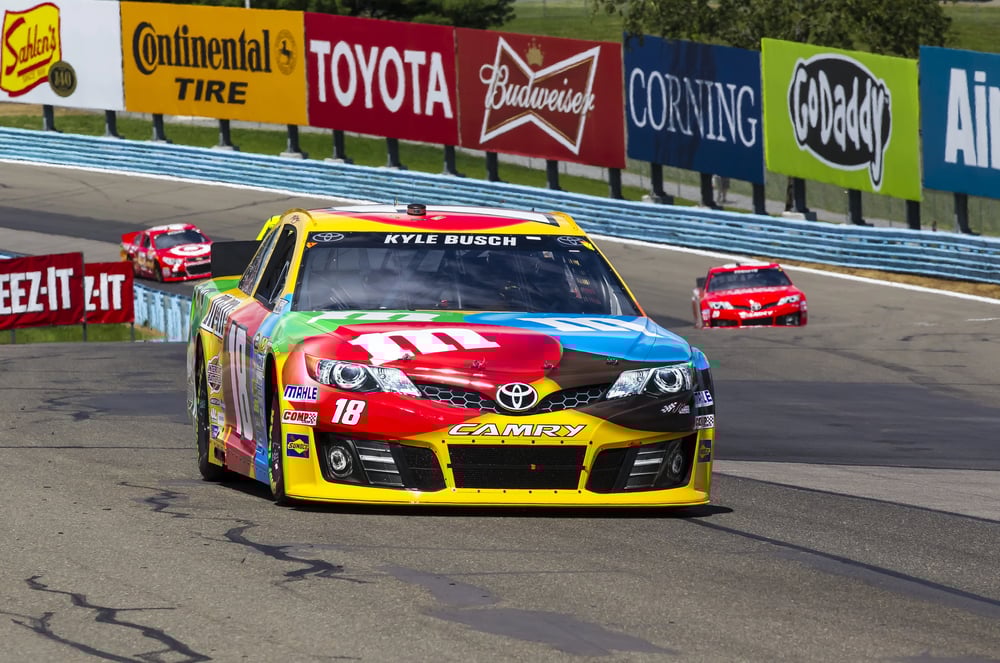
New York’s road course introduced European-flavored races into middle America.
It twists across hilly terrain, linking swift bends in smooth sequence.
First held on open streets passing through town, today’s fixed track launched back in 1956 and saw F1 compete between 1961 and 1980.
After Cevert died during practice in 1973, the Tyrrell crew was shattered and pulled out immediately.
These days, NASCAR shows up every year.
Close battles happen often even though the design suits other types of cars.
Road America
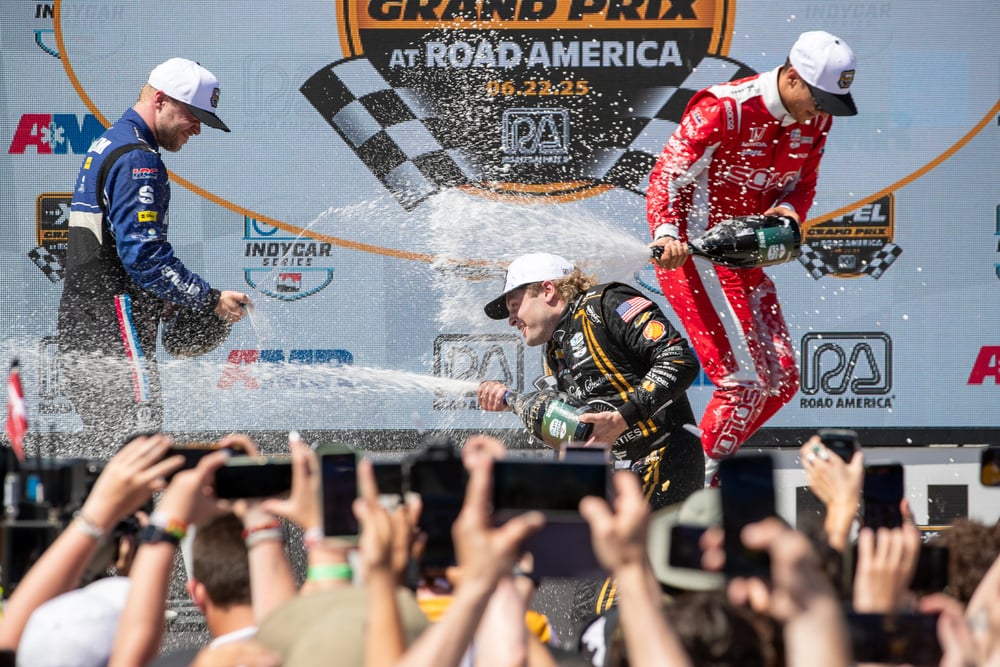
Wisconsin’s winding outdoor circuit runs four miles across the soft slopes of Kettle Moraine.
With extended straightaways, tricky turns, yet shifting elevations, it draws racers from every league.
That spot called The Kink—a subtle curve hit close to 180 mph—tells bold ones apart from careful types.
Since day one in 1955, Road America saw everything.
Sports vehicles, open-wheel Indycars, bikes, besides others.
The circuit still stays under private control, keeping a vibe big commercial spots usually miss.
Yet drivers always list it as one of their top go-to racing spots worldwide.
Silverstone
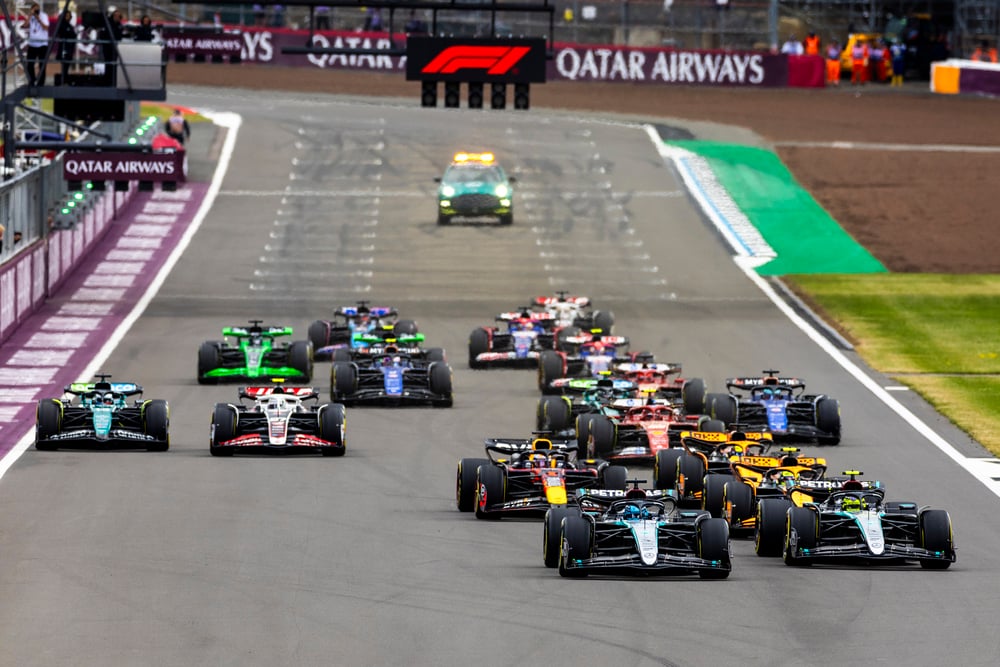
Back in the day, a UK airfield for military planes turned into the spot where the British Grand Prix kicked off.
It hosted F1’s debut race back in 1950.
Over time, tweaks reshaped the circuit.
Now it throws sharp, linked bends at drivers—Maggots, then Becketts, followed by Chapel—in one stretch that shows which machines truly stand out.
Crowds bring wild energy, matching any big game vibe here, particularly when Lewis Hamilton was on top form.
Situated right near the middle of England, Silverstone sits close to most hubs of the motorsport scene.
Teams and shops have settled nearby.
Interlagos

Brazil’s intense love for speed lives right here, on this São Paulo racetrack.
Instead of going clockwise, it winds uphill backward, making things tough while giving crowds amazing sightlines.
When storms roll in, they shake up what was already tricky to drive.
In 1991, Senna won his hometown race but struggled so much he could hardly raise the cup afterward.
A scene still burned into F1 history.
This place is tucked into a local area where people climb nearby slopes just to peek over.
Because of that, you feel closer to the action than at those shiny new circuits built far from real life.
Sebring International Raceway
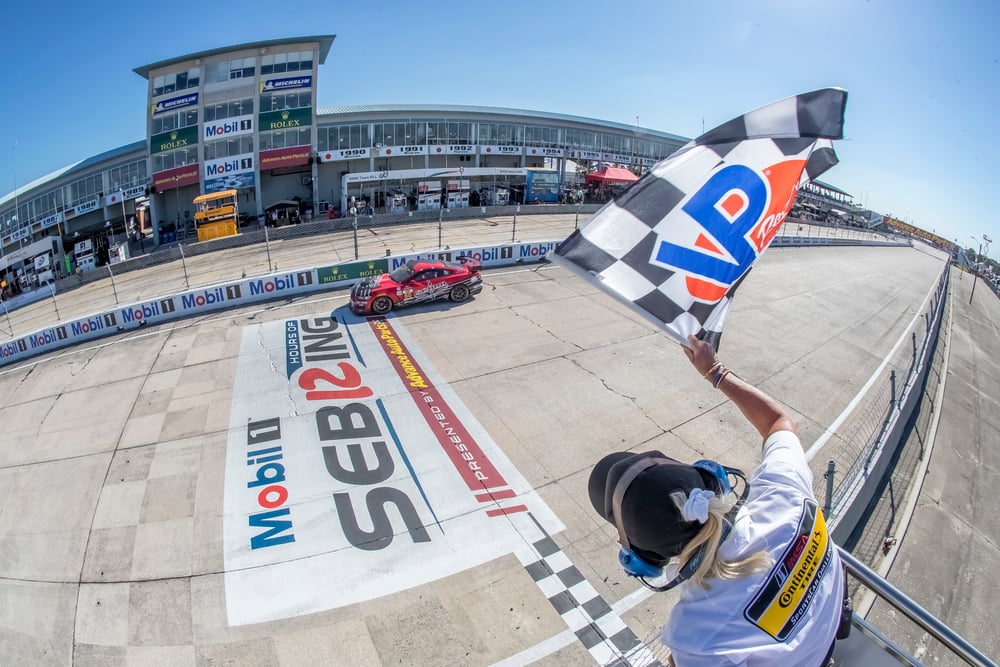
Florida’s rough airstrip layout pushes vehicles and racers harder than any polished contemporary course could.
Bumps from the paved wartime runways rattle autos mercilessly during the grueling 12-hour event each March.
It doesn’t shine like Monte Carlo nor stretch flat-out like Indy, yet earns admiration by being brutally tough.
Races have roared here since 1950, back when it stood as the U.S. counterpart to Le Mans.
Beating Sebring means showing up ready, built strong, and okay with grinding through pain most tracks let you skip.
Riverside International Raceway

Even though it shut down back in 1989, Riverside should still get credit for its impact on U.S. auto racing.
This California circuit had a tough road setup, running everything from NASCAR to IndyCar and endurance events during its run.
Thanks to wins by Dan Gurney, people saw how skill on twisty tracks didn’t mean you couldn’t handle ovals.
And the other way around too.
When they tore it up for a mall, it showed how hard it is to keep old-school race sites alive when money’s at stake.
Guys who raced there still talk about the rough design and scorching dirt that made every lap stick in your mind.
Here’s Where the Past Never Stops Running

These roads aren’t just pavement and gravel.
They’re arenas where drive crashes into endurance, yet choices lasting less than a breath decide triumph or failure.
Moments stick around long after engines fade away.
A few got updates like better barriers or rerouted corners, though some vanished completely.
Still, tales about them live on within racing’s shared past.
Top circuits do more than hold events.
They turn into figures in the sport’s unfolding drama, influencing how we recall racers who mastered them plus the flashes that marked whole generations.
More from Go2Tutors!

- The Romanov Crown Jewels and Their Tragic Fate
- 13 Historical Mysteries That Science Still Can’t Solve
- Famous Hoaxes That Fooled the World for Years
- 15 Child Stars with Tragic Adult Lives
- 16 Famous Jewelry Pieces in History
Like Go2Tutors’s content? Follow us on MSN.