15 Classic Cars That Ruled The Racing World
Racing has always been about more than just speed. It’s where engineering dreams collide with the brutal reality of competition, where manufacturers learn what their machines can really do when pushed beyond reasonable limits. The greatest racing cars weren’t just fast – they were revolutionary, changing how we think about performance, design, and what’s possible when rubber meets asphalt.
These machines didn’t just win races. They rewrote the rulebook entirely.
Ford GT40
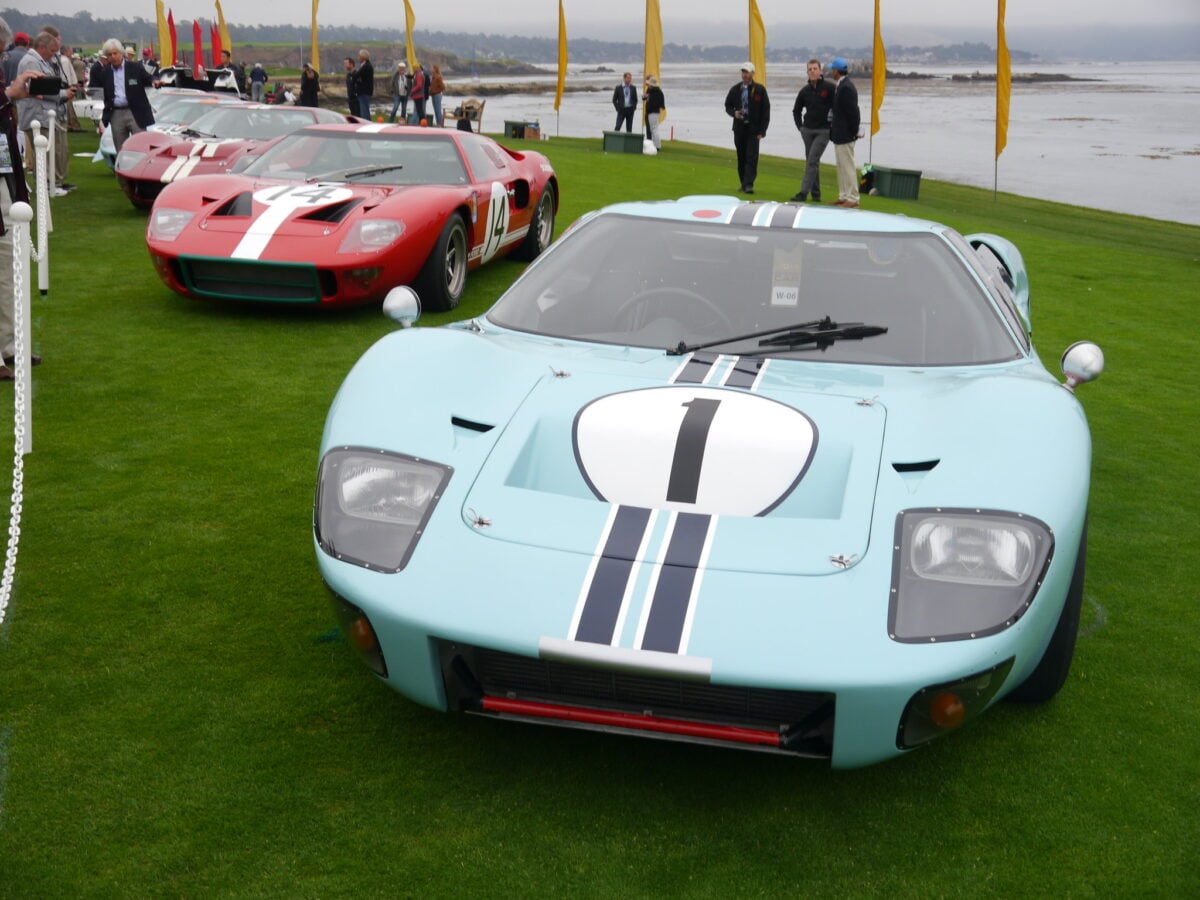
The GT40 exists for one reason: Henry Ford II got mad. Ferrari embarrassed Ford at the negotiating table in 1963, and Ford decided to respond the only way that mattered – by beating Ferrari at Le Mans.
Four consecutive victories from 1966 to 1969 settled that score definitively.
Porsche 917
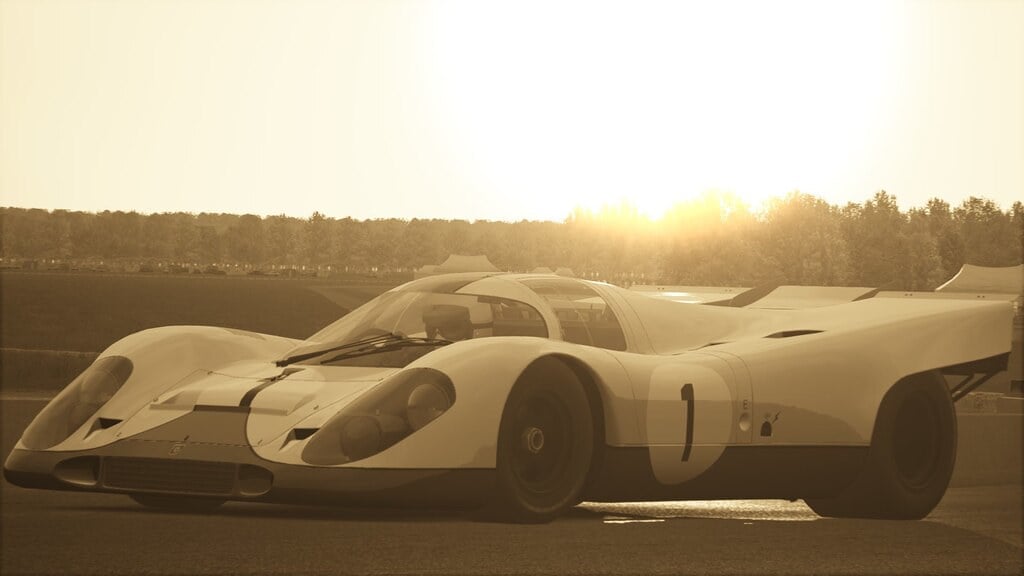
When Porsche built the 917, they weren’t just making a race car (they were making something that looked like it had been designed by someone who understood that aerodynamics and raw power could be combined into something almost supernatural) – and the result was a machine that dominated Le Mans in 1970 and 1971 while simultaneously terrifying every driver who climbed behind its wheel. The 917 was fast in a way that felt dangerous even by racing standards.
Which it was. And yet drivers kept climbing in, because winning mattered more than fear, and the 917 delivered victories like nothing else on the track.
Ferrari 250 GTO
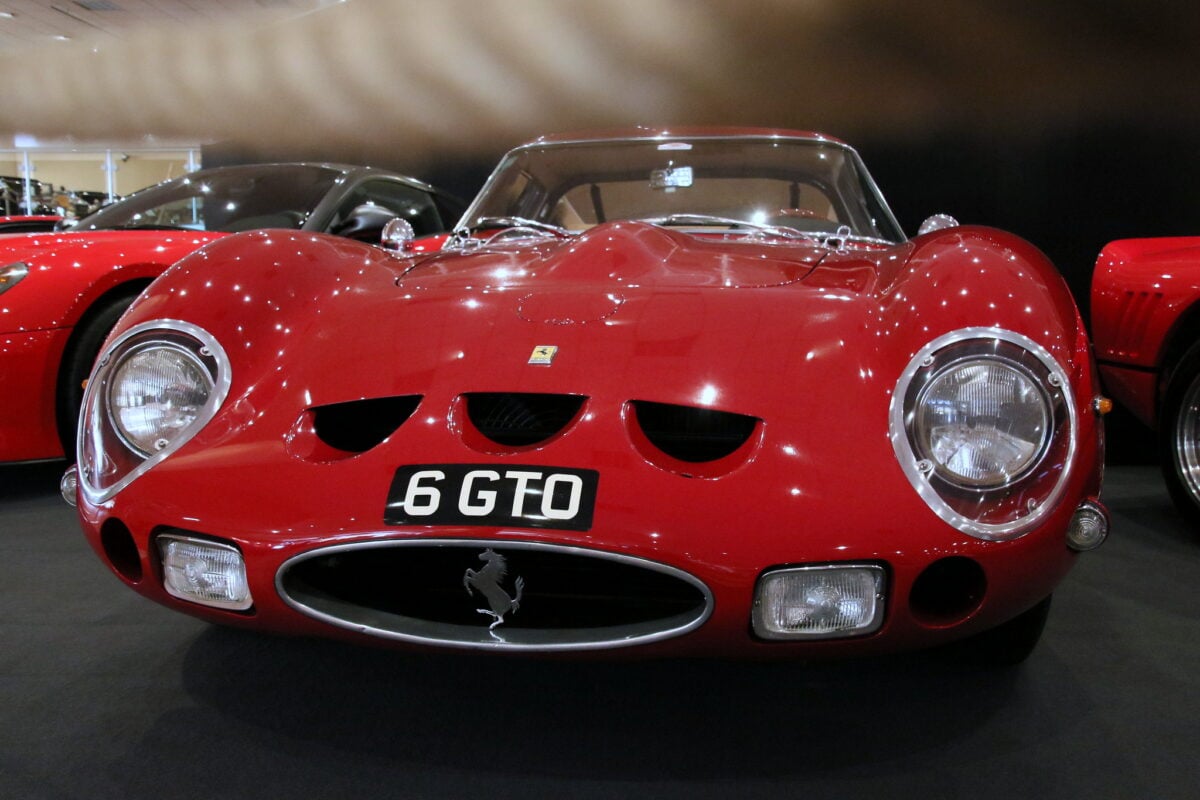
The 250 GTO moves through racing history like a perfect sentence moves through a paragraph – every line serves a purpose, nothing is wasted, and the whole thing feels inevitable once you’ve seen it. Enzo Ferrari built only 39 of them between 1962 and 1964, and each one carried the kind of focused intensity that only comes from knowing exactly what needs to be done.
Racing drivers describe the 250 GTO differently than other cars. They talk about how it communicates, how it seems to anticipate what the track requires before the driver fully understands it themselves.
That’s not mysticism – that’s what happens when engineering reaches a level where the machine stops fighting the physics and starts working with them instead.
McLaren F1 GTR
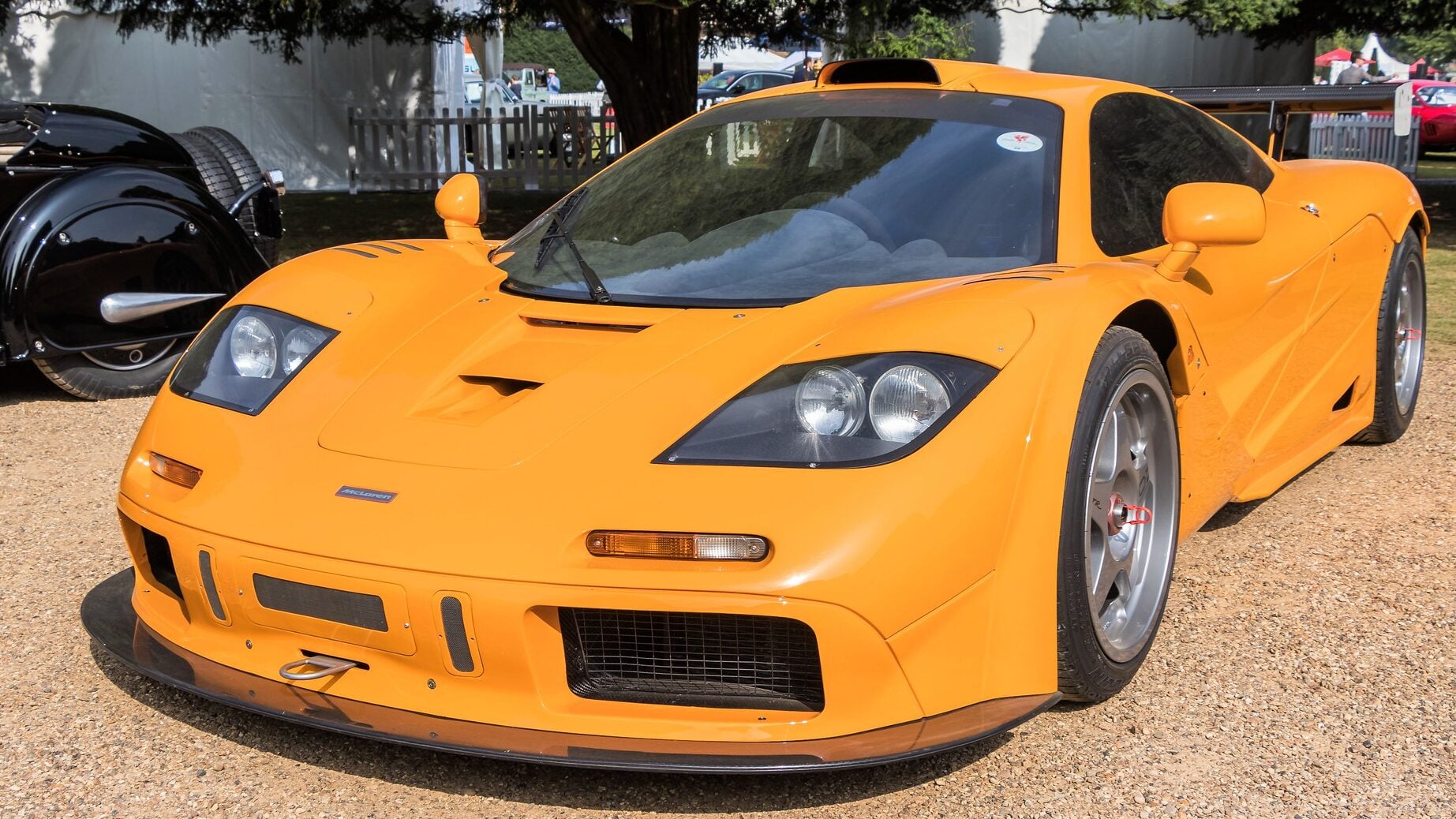
The F1 GTR shouldn’t have worked as well as it did. Gordon Murray designed the road car without racing in mind, but when McLaren decided to go racing in 1995, they discovered they’d accidentally built something extraordinary.
The car won Le Mans on its first attempt – which is saying something in a field that included purpose-built racing machines from manufacturers who’d been doing this for decades. To be fair, calling it an accident sells McLaren short.
When your road car already weighs less than most race cars and produces over 600 horsepower from a naturally aspirated V12, you’re not exactly starting from a disadvantaged position.
Audi Quattro
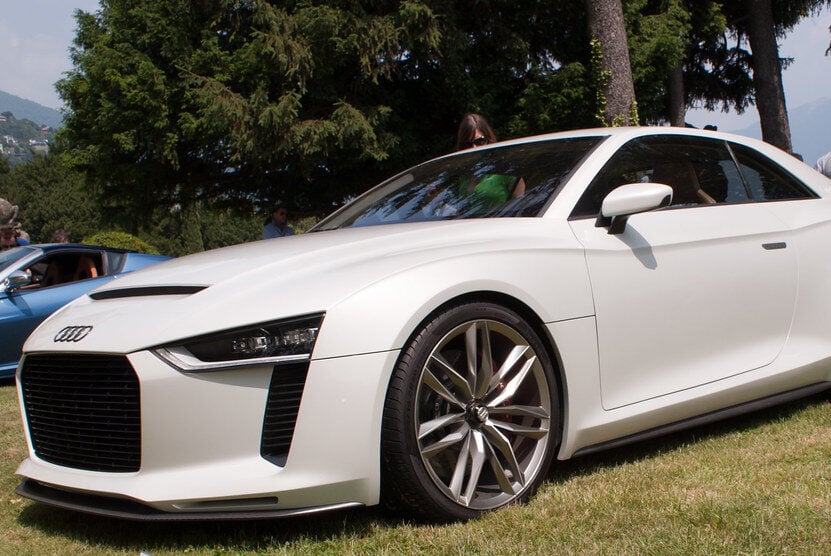
Picture this: it’s 1981, and the World Rally Championship belongs to rear-wheel-drive cars that dance sideways through corners because that’s simply how rally works. Then Audi shows up with permanent all-wheel drive and proceeds to rewrite the entire sport’s understanding of what grip means on loose surfaces.
The Quattro didn’t just win rallies – it made every other approach look quaint. Suddenly, sending power to all four wheels wasn’t an engineering curiosity, it was the only sensible way to build a rally car. The technology that started here eventually found its way into everything from family sedans to supercars, because once you’ve seen what proper traction can do, there’s no going back.
Lancia Stratos
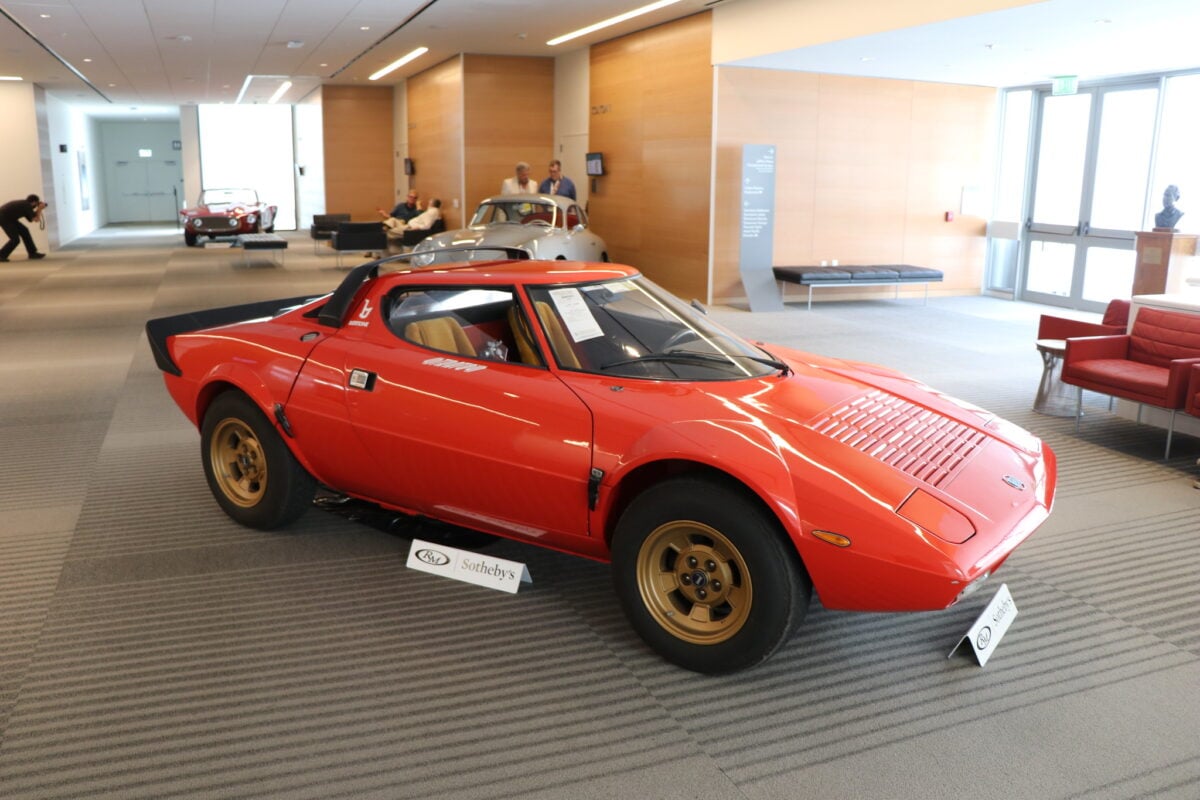
Marcello Gandini designed the Stratos to look like it was moving even when parked. The wedge-shaped body, the impossibly short wheelbase, the way it seemed to crouch over its wheels – everything about the car announced its intentions before it turned a wheel.
Lancia built it specifically for rallying, which meant starting with a clean sheet and asking what a rally car should actually look like if nobody had ever built one before. The answer, apparently, was something that resembled a spaceship more than a traditional automobile.
The Stratos won the World Rally Championship three consecutive times in the mid-1970s, proving that sometimes the most radical solution is also the most effective one.
Jaguar D-Type
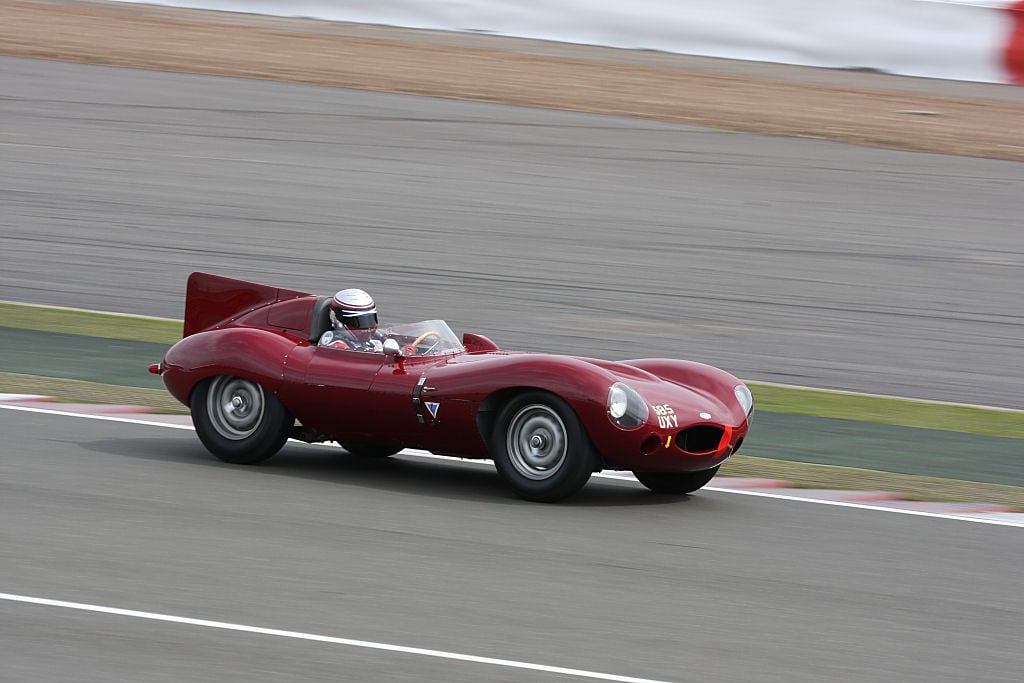
The D-Type carries itself with the kind of understated menace that only British engineering seems to manage – sleek enough to slip through air with minimal resistance, purposeful enough that nobody mistakes it for anything other than a racing machine built to win Le Mans. And win it did, taking victories in 1955, 1956, and 1957.
What made the D-Type special wasn’t just its monocoque construction or its aerodynamic efficiency, though both mattered enormously. It was how Malcolm Sayer managed to create something that looked inevitable, as if this was simply what a racing car should look like once all the unnecessary elements had been stripped away.
The D-Type didn’t just win races – it established a visual language for what purpose-built speed could look like.
BMW M1 Procar
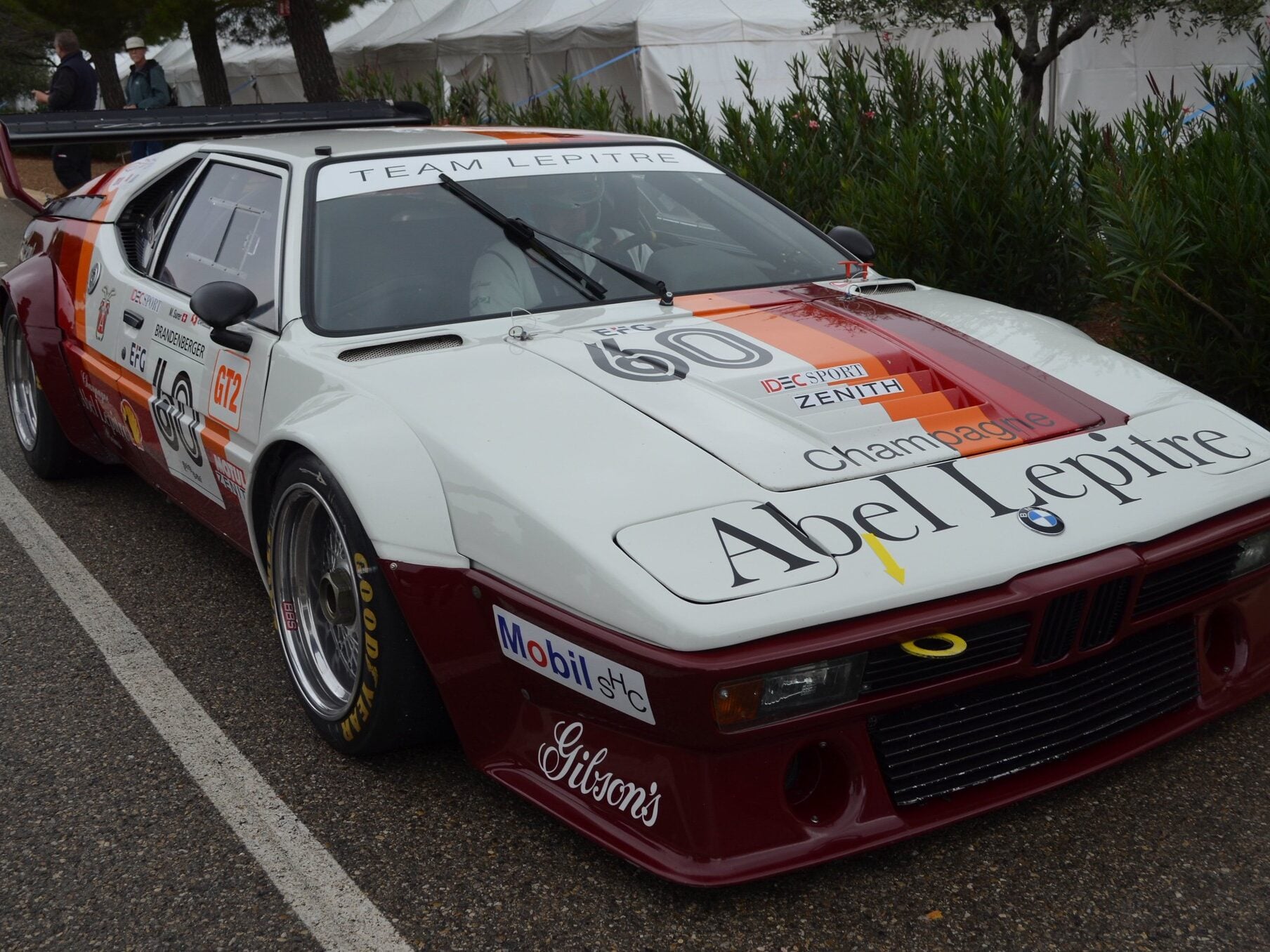
BMW wanted to go racing in Group 5, but the homologation rules required building road cars first. So they created the M1 – a mid-engined supercar that looked like it had been designed by someone who understood that racing pedigree and street presence could coexist without compromise.
Then they built the Procar series, where Formula 1 drivers raced identical M1s as support events for Grand Prix weekends. The whole project lasted only a few years, but it demonstrated something important about BMW’s ambitions.
They weren’t content to just build excellent sedans and coupes. When they decided to build a supercar, they built one that could hold its own against Ferrari and Lamborghini.
When they went racing, they created their own championship series and convinced the world’s best drivers to participate.
Shelby Cobra
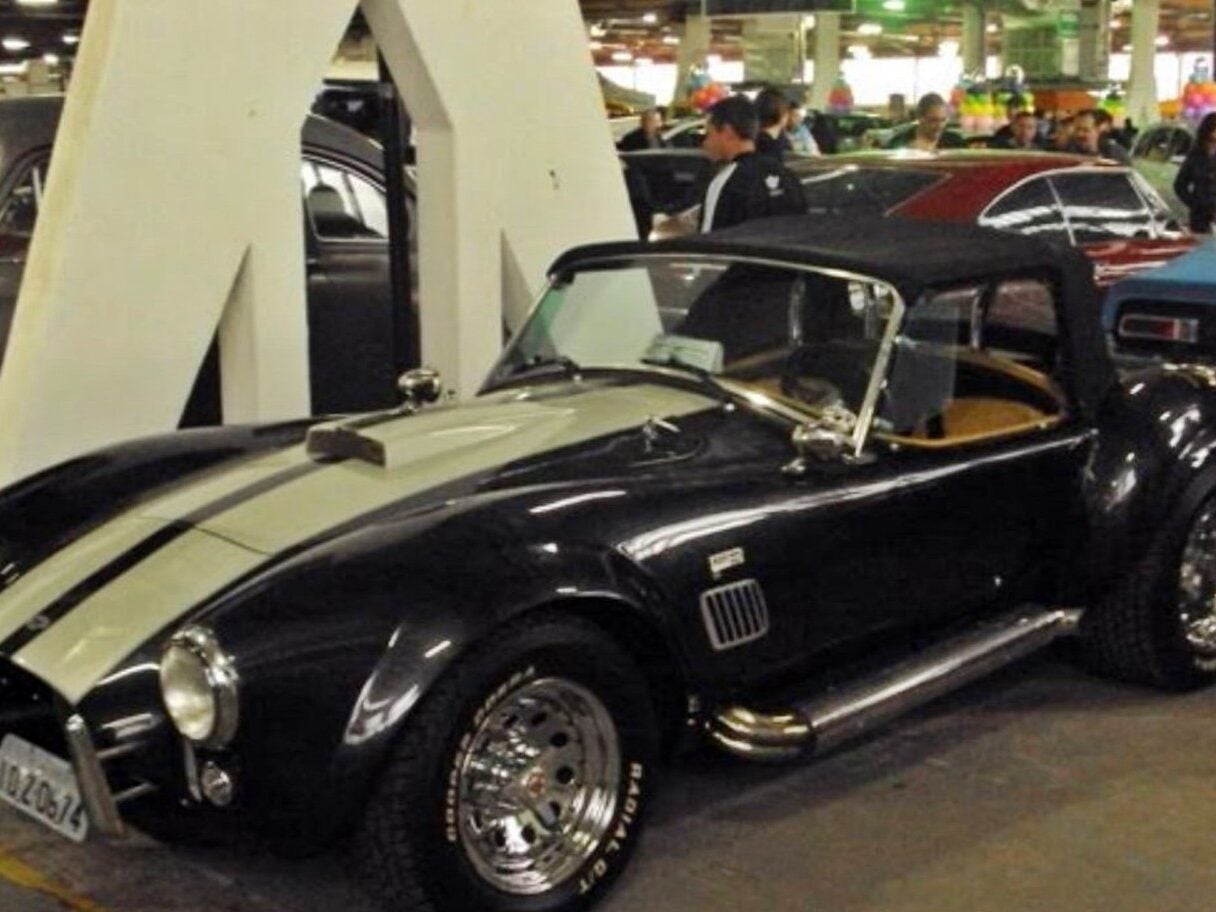
Carroll Shelby looked at the lightweight AC Ace, looked at Ford’s 260 cubic inch V8, and decided to see what would happen if he combined them. What happened was the Cobra – a car that delivered American muscle in a British chassis with results that redefined what “fast” meant on both sides of the Atlantic.
The Cobra succeeded because Shelby understood that racing wasn’t about building the most sophisticated car. It was about building the most effective one.
The combination of minimal weight and maximum power created something that could embarrass much more expensive and complex machinery, which is exactly what it did throughout the 1960s on tracks across America and Europe.
Aston Martin DBR1
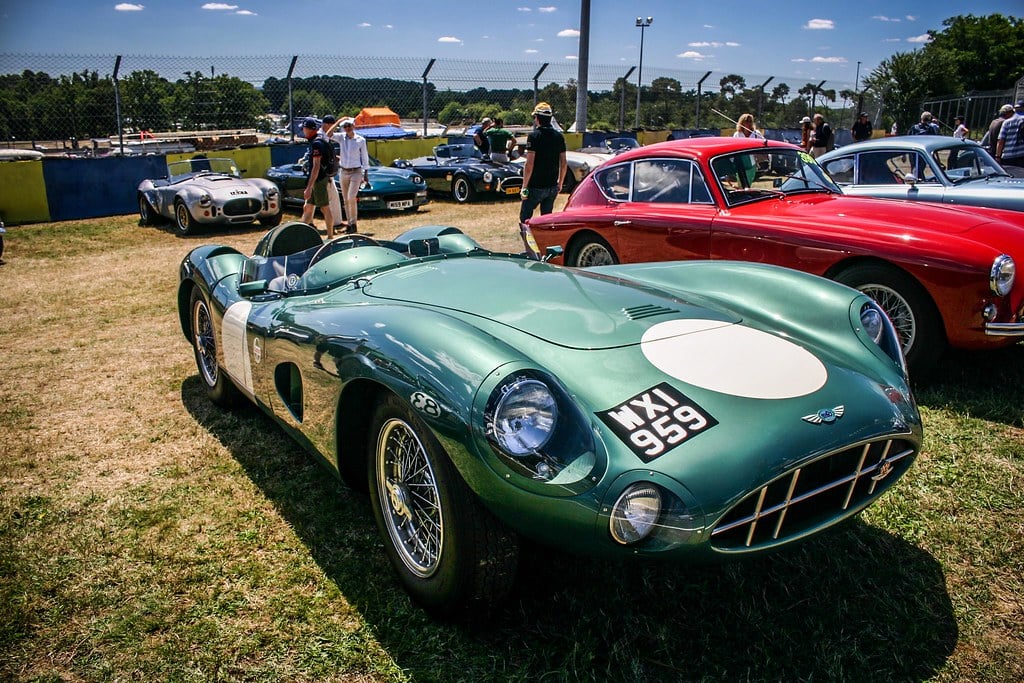
Some racing cars announce themselves with aggressive styling and obvious performance cues. The DBR1 took a different approach – it looked like what would happen if someone decided to make a traditional British sports car absolutely perfect at everything it attempted.
The proportions, the details, the way every surface seemed to serve both aesthetic and aerodynamic purposes simultaneously. Aston Martin built only five of them, and those five proceeded to dominate sports car racing in the late 1950s.
The DBR1 won Le Mans in 1959 and took the World Sports Car Championship the same year, proving that sometimes the most elegant solution is also the most effective one.
Toyota TS050 Hybrid
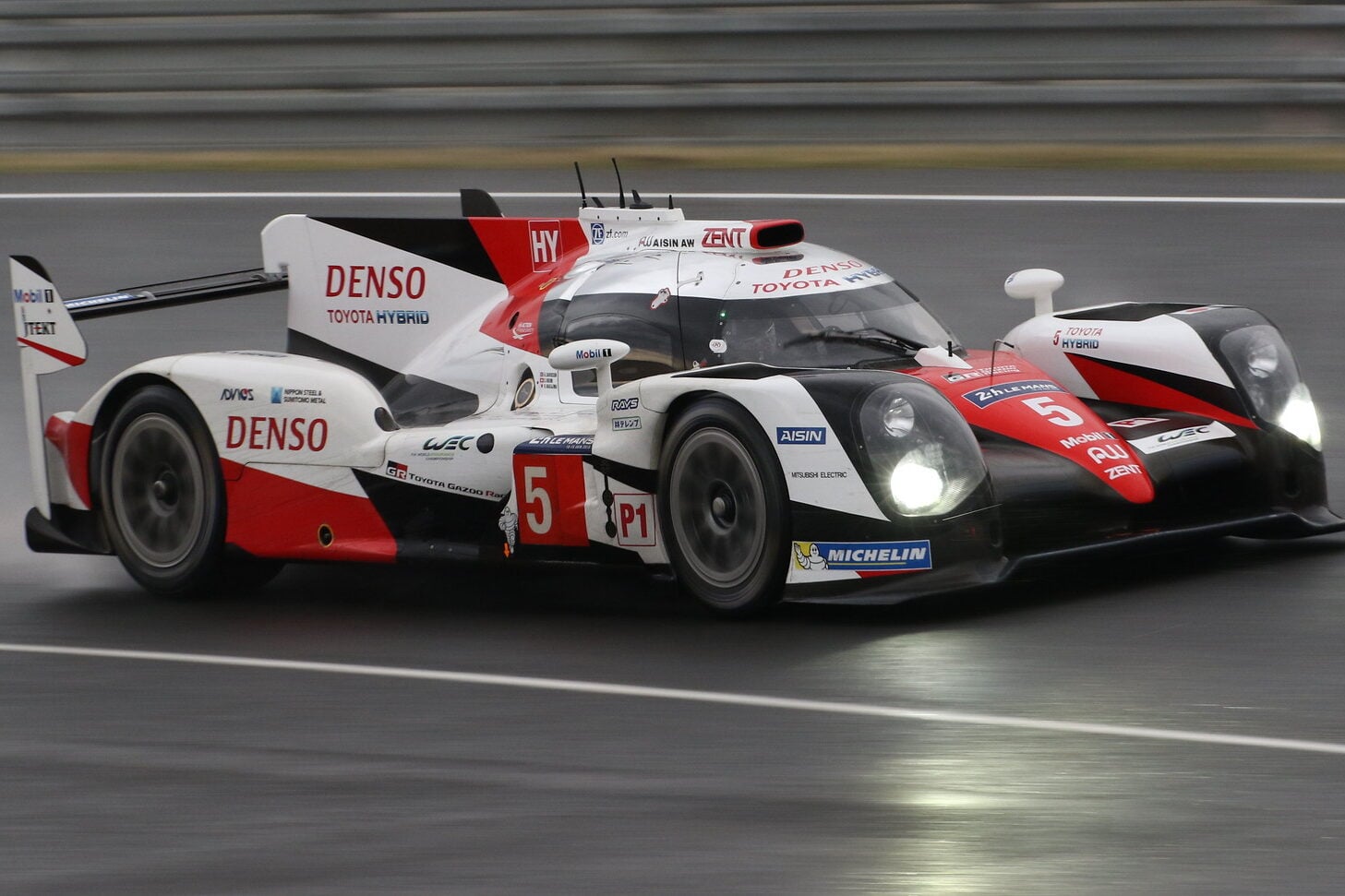
The TS050 represents everything modern endurance racing has become – hybrid powertrains, advanced aerodynamics, and enough computing power to run a small city, all focused on the singular goal of circulating Le Mans faster than anything else on four wheels. Toyota spent years getting close before finally winning in 2018, 2019, and 2020.
What’s remarkable about the TS050 isn’t just its technical sophistication, though that matters enormously. It’s how Toyota managed to create something that honors the fundamental purpose of endurance racing – covering the greatest distance in 24 hours – while incorporating technology that seems borrowed from aerospace engineering.
The car manages to be both a racing machine and a rolling laboratory for hybrid technology that eventually finds its way into road cars.
Mercedes-Benz W196
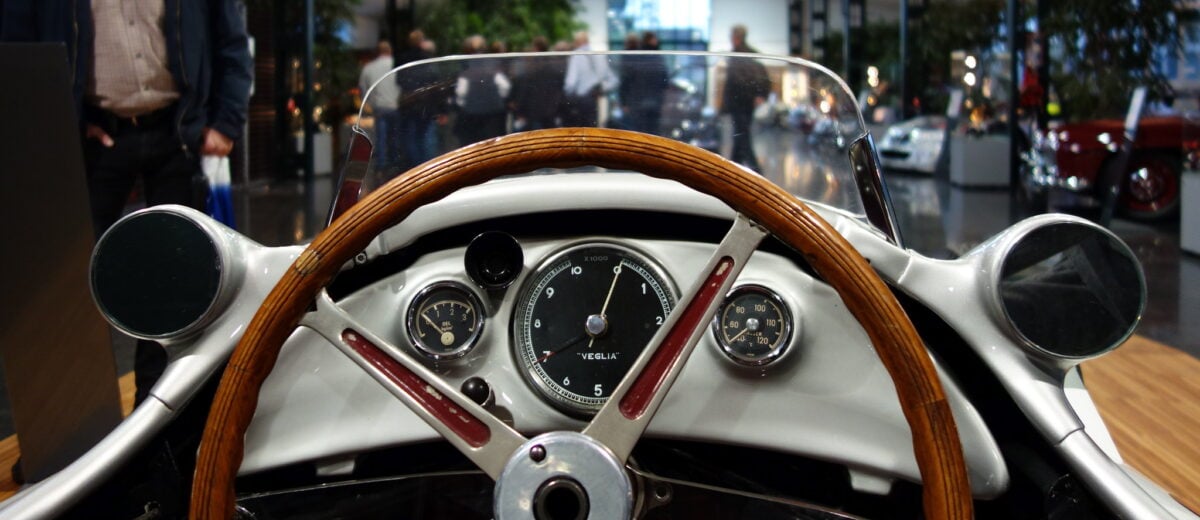
When Mercedes-Benz returned to Formula 1 in 1954 after a twenty-year absence, they didn’t just build a competitive car (they built something that made every other team reconsider what they thought they knew about Grand Prix racing) – the W196 featured fuel injection, desmodromic valves, and a level of engineering sophistication that belonged more in a laboratory than on a racetrack. Juan Manuel Fangio won the World Championship in 1954 and 1955 driving it.
The W196 lasted only two seasons before Mercedes withdrew from racing following the Le Mans disaster. But those two seasons demonstrated what German engineering could accomplish when given unlimited resources and a clear mandate to build the fastest racing car possible.
Every victory felt inevitable, which is the highest compliment you can pay any racing machine.
Ford Escort RS1800
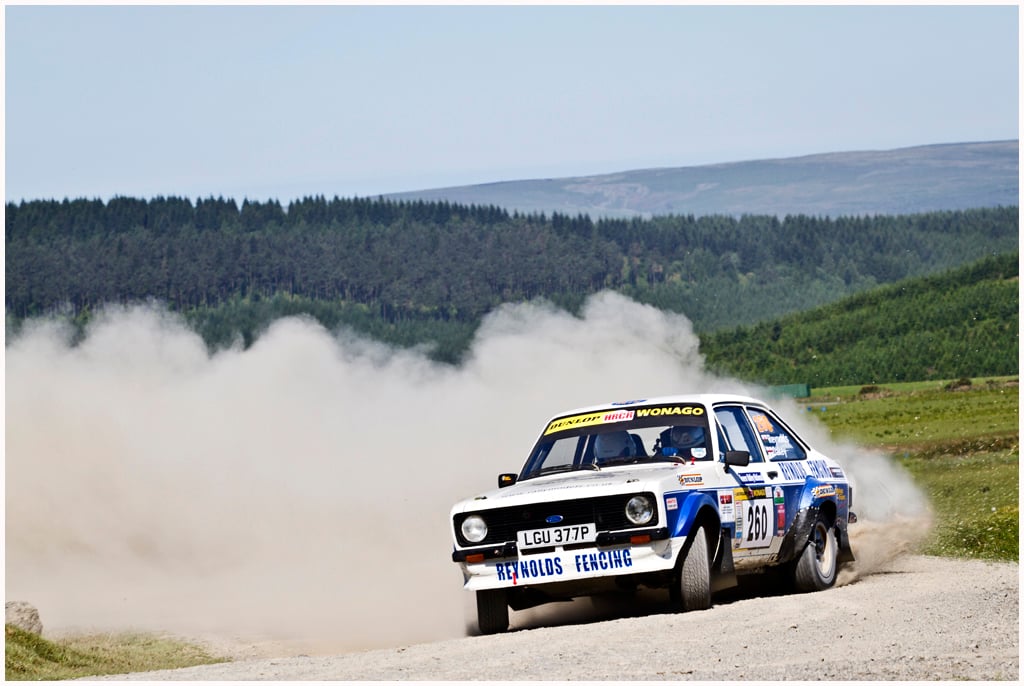
Rally cars are supposed to be tough, fast, and reliable, but the Escort RS1800 managed something more difficult – it made rallying look effortless. The car dominated the World Rally Championship throughout the mid-1970s, winning with a combination of mechanical simplicity and driving dynamics that allowed talented drivers to extract performance that shouldn’t have been possible from such a straightforward machine.
What made the Escort special wasn’t revolutionary technology or exotic materials. It was Ford’s understanding that rallying rewards cars that work perfectly under the worst possible conditions.
The RS1800 delivered that reliability while remaining fast enough to win championships, which is exactly what good rally cars are supposed to do.
Chaparral 2J
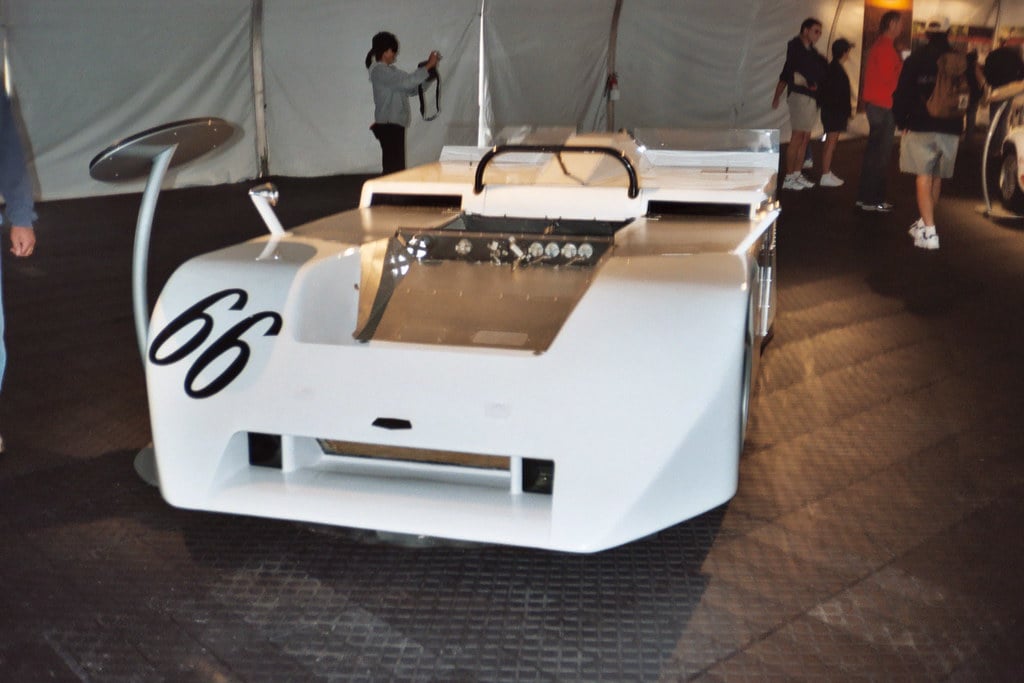
The 2J looks like someone decided to build a racing car after spending too much time thinking about aircraft design. Jim Hall mounted two fans in the back of the car, powered by a separate engine, to remove air out from underneath and create downforce through ground effect.
The result was a machine that could corner faster than anything else in the Can-Am series, at least until the other teams convinced officials to ban it. Racing history is full of cars that were too innovative for their own good, but the 2J stands out because it actually worked.
The fans created genuine downforce, the car was genuinely fast, and Jim Hall had genuinely solved aerodynamic problems that other designers were still struggling with. The fact that it got banned says more about the competition than it does about the car.
Alfa Romeo Tipo 33
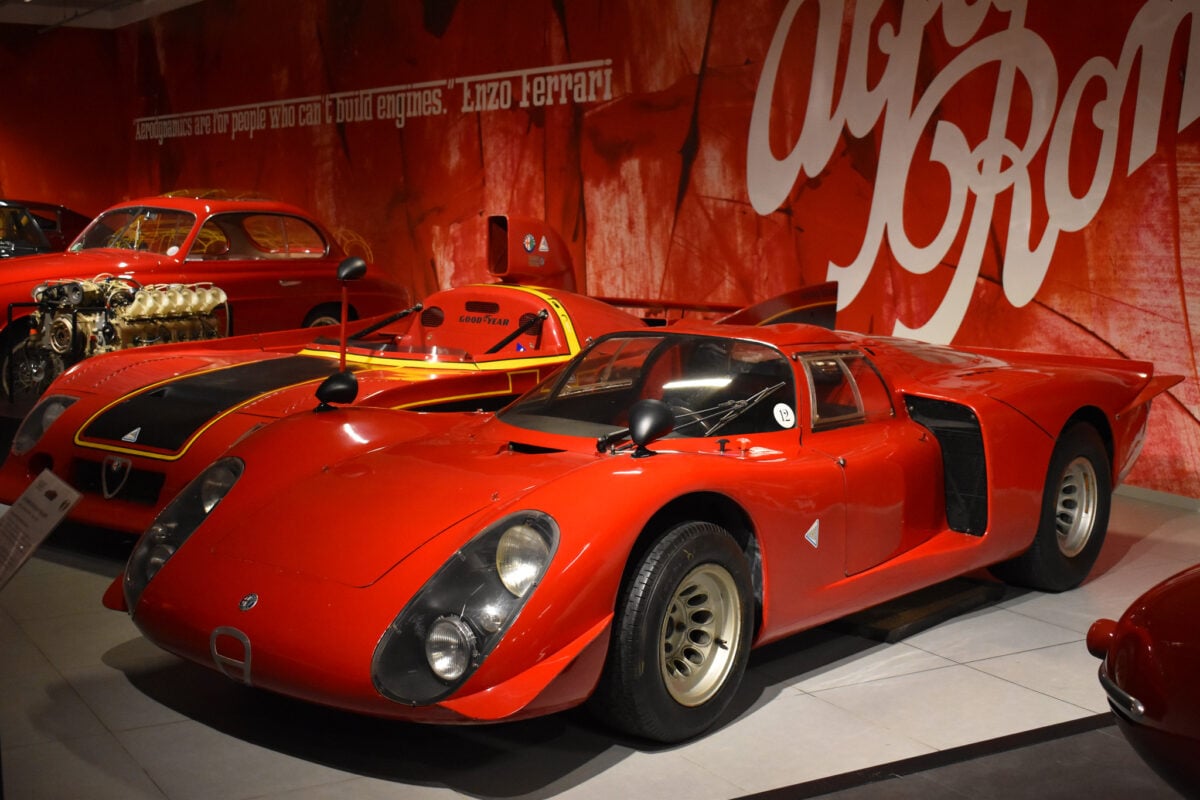
The Tipo 33 spent most of the 1970s doing exactly what Alfa Romeo built it to do – win sports car races with style, speed, and the kind of mechanical music that only a properly tuned V8 can produce. The car took multiple victories at the Targa Florio, Nürburgring, and other circuits where handling mattered as much as horsepower.
Alfa Romeo understood something about racing that larger manufacturers sometimes forgot: winning with elegance matters more than winning through brute force. The Tipo 33 delivered both, but it was the elegance that made it memorable.
Every victory felt like a demonstration of what Italian engineering could accomplish when focused on the pure joy of going fast.
The Lasting Impact of Racing Legends
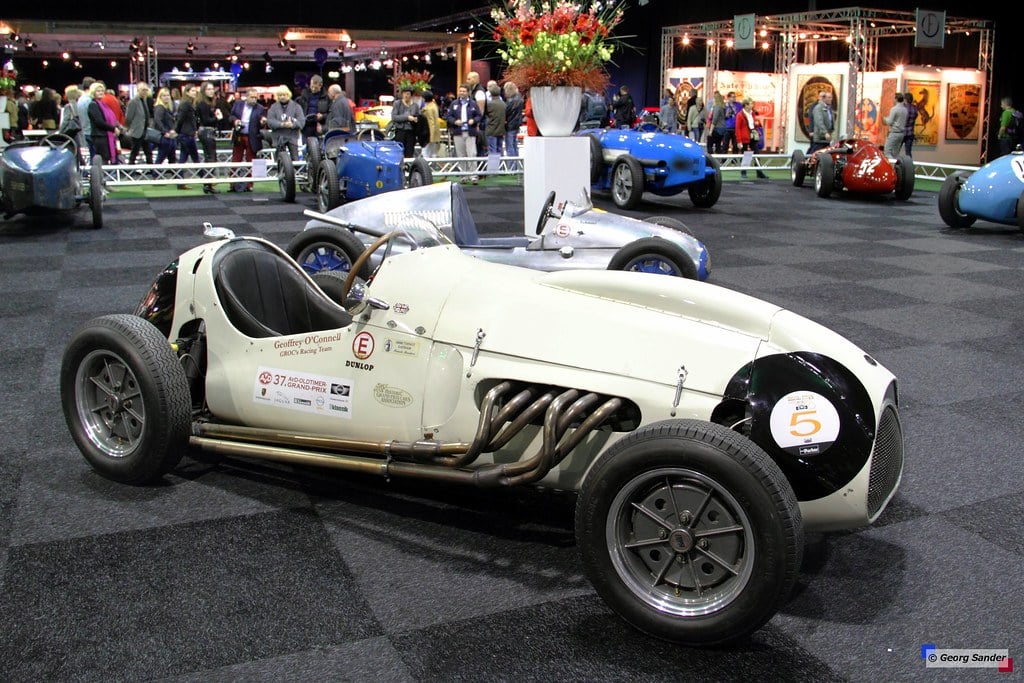
These cars didn’t just win races – they changed how we think about what automobiles can be. The technology developed for tracks like Le Mans, Monaco, and the Monte Carlo Rally eventually found its way into everyday cars, making them safer, faster, and more efficient.
Every time you use all-wheel drive in the rain, benefit from advanced aerodynamics at highway speeds, or rely on hybrid powertrains for better fuel economy, you’re experiencing lessons learned by machines that were built to win. The greatest racing cars remind us that competition drives innovation in ways that comfort never could.
More from Go2Tutors!

- The Romanov Crown Jewels and Their Tragic Fate
- 13 Historical Mysteries That Science Still Can’t Solve
- Famous Hoaxes That Fooled the World for Years
- 15 Child Stars with Tragic Adult Lives
- 16 Famous Jewelry Pieces in History
Like Go2Tutors’s content? Follow us on MSN.