Lost Cities Buried by Sand and Time
The desert has a way of swallowing everything whole. Entire cities that once buzzed with life, trade, and culture now lie hidden beneath endless dunes, forgotten by most of the world.
These weren’t small settlements either. Many were thriving centers of civilization with grand architecture, bustling markets, and thousands of residents.
Then the sand came, slow and relentless, burying streets, temples, and homes until nothing remained visible above ground. Some of these lost cities stayed hidden for centuries before archaeologists rediscovered them, while others are still being uncovered today, revealing secrets about ancient life that textbooks never told us.
Let’s dig into some of the most incredible cities that the desert decided to claim for itself.
Timgad

The Romans built this city in the Algerian desert around 100 AD, and it was something special. Timgad had everything a Roman citizen could want: a massive library, public baths, a theater that seated thousands, and a forum where people gathered to argue about politics and gossip.
The city followed the classic Roman grid pattern, with streets crossing at perfect right angles. After the Roman Empire fell apart, Timgad slowly emptied out, and the Sahara Desert moved in like an uninvited guest.
Sand buried the entire city so completely that people forgot it even existed for over a thousand years. French archaeologists stumbled upon it in 1881, and what they found was basically a time capsule of Roman life in North Africa, preserved almost perfectly under all that sand.
Ubar
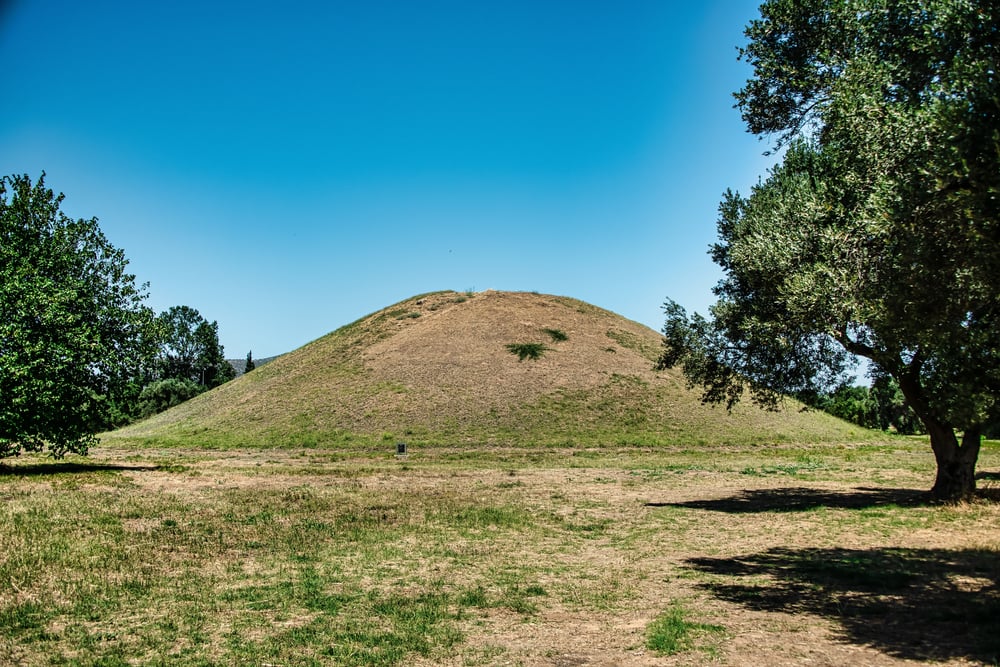
This city earned the nickname ‘Atlantis of the Sands’ because it was mentioned in ancient texts but nobody could prove it actually existed. Ubar sat at the crossroads of frankincense trade routes in what is now Oman, and frankincense was worth more than gold back then.
The city supposedly thrived for thousands of years before it vanished, and local legends said it was so wealthy and sinful that God destroyed it. In 1992, a team using satellite images and ground radar finally located the city buried under the desert.
Turns out Ubar didn’t suffer divine punishment; it collapsed into a massive limestone cavern beneath it. The desert then covered up the ruins, and the legend grew bigger than the actual city ever was.
Ctesiphon

Ctesiphon was the capital of the Persian Empire, sitting on the eastern bank of the Tigris River in modern-day Iraq. The city featured one of the largest brick arches ever constructed in ancient times, a massive vault that still stands today even though most of the city has crumbled.
At its peak, hundreds of thousands of people lived there, making it one of the most populated cities in the ancient world. The Arab conquest in the 7th century marked the beginning of its decline, and people gradually abandoned it for Baghdad.
Desert sands and river floods worked together to bury most of the structures, leaving only that incredible arch standing like a lonely monument. The ruins that remain give just a hint of how grand this place must have been when Persian kings ruled from golden palaces.
Petra

Most people know Petra from movies, with its famous rose-colored buildings carved directly into cliff faces. The Nabataeans built this city in Jordan around 300 BC, and they picked the location because it sat at the center of major trade routes connecting Arabia, Egypt, and Syria.
Water was scarce in the desert, but the Nabataeans were engineering geniuses who built complex systems of dams, cisterns, and channels to collect every drop of rain. The city thrived for centuries until trade routes shifted and earthquakes damaged key structures.
People left, and blowing sand gradually filled the streets and lower levels of buildings. A Swiss explorer rediscovered it in 1812, but even today, archaeologists believe about 85 percent of Petra still lies buried underground.
Palmyra

Palmyra stood as an oasis city in the Syrian desert, a place where caravans could rest after crossing hundreds of miles of sand. The city became incredibly wealthy by taxing every merchant who passed through, and its rulers used that money to build temples, colonnaded streets, and a massive theater.
Queen Zenobia ruled Palmyra in the 3rd century AD and challenged Rome itself, which didn’t end well for the city. After Rome crushed the rebellion, Palmyra slowly faded, and desert sand crept over many of its structures.
Modern conflicts have damaged some of the ancient ruins, but much of the city still stands, half-buried in sand, as a reminder of when this desert crossroads rivaled the greatest cities of the Mediterranean world.
Skara Brae

This one’s different because it wasn’t buried by desert sand but by coastal sand dunes in Scotland’s Orkney Islands. Skara Brae is older than Stonehenge and the Egyptian pyramids, built around 3100 BC.
The stone houses are remarkably well-preserved, complete with stone furniture, beds, and even an early form of indoor plumbing. Around 2500 BC, a massive sandstorm buried the entire village in a single event, preserving it like prehistoric Pompeii.
The settlement stayed hidden until 1850 when another storm stripped away the sand dunes and revealed the ancient structures. Walking through Skara Brae today feels eerie because you can see exactly how these people lived over 5,000 years ago, down to the stone dressers where they kept their belongings.
Mohenjo-daro
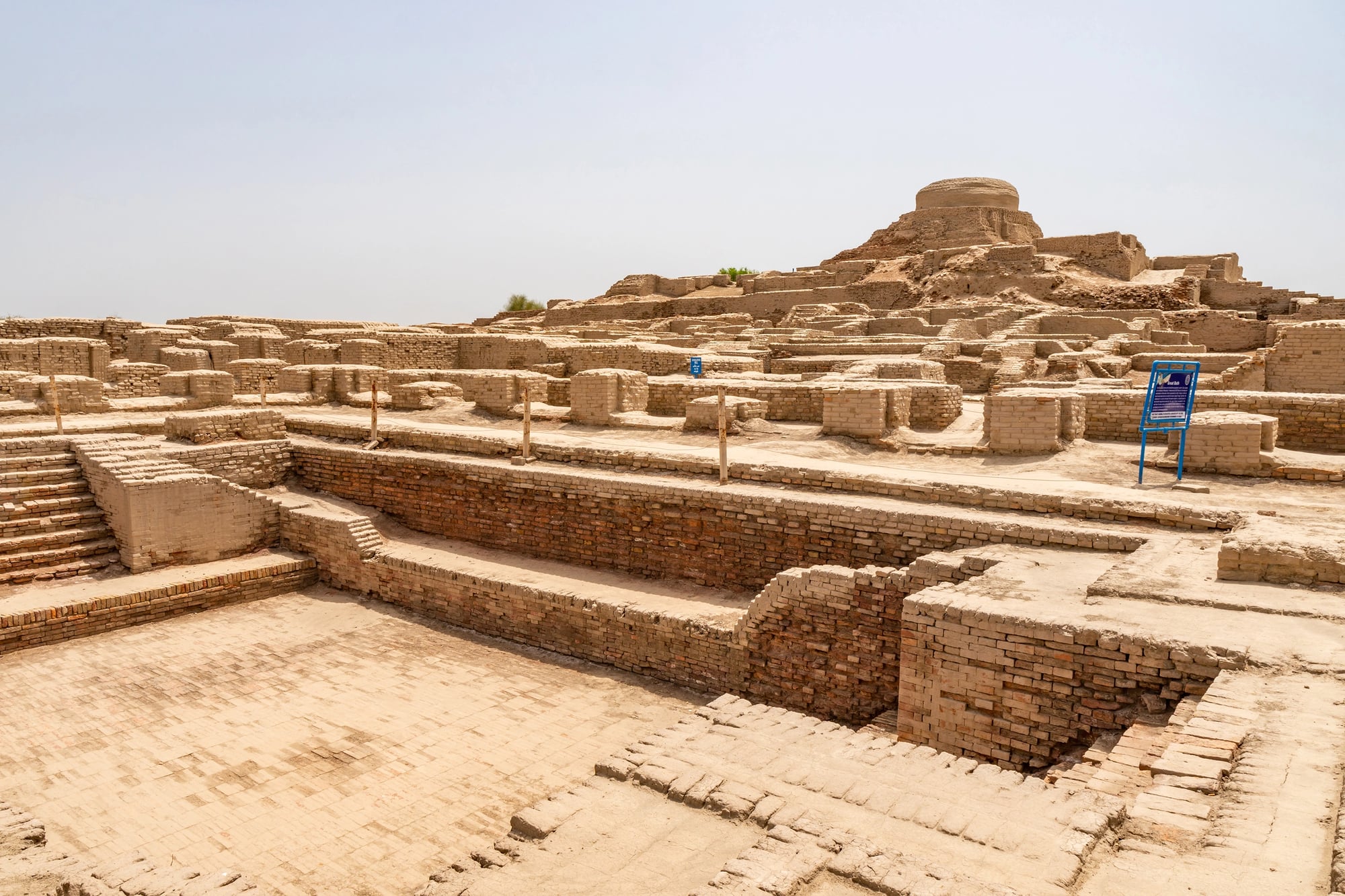
The Indus Valley Civilization built this city in what is now Pakistan around 2500 BC, and it was way ahead of its time. Mohenjo-daro had planned streets, sophisticated drainage systems, and multi-story buildings made of baked brick.
The city housed around 40,000 people at its peak, making it one of the largest settlements of the ancient world. Nobody knows exactly why the inhabitants abandoned it around 1900 BC, but the city slowly disappeared under layers of sand and silt.
British and Indian archaeologists started excavating in the 1920s and uncovered incredible artifacts that showed how advanced this civilization was. The name Mohenjo-daro literally means ‘Mound of the Dead,’ which the local people called it long before anyone knew an entire city lay beneath.
Heracleion

Unlike most entries on this list, Heracleion sank into the Mediterranean Sea before sand and silt buried it completely. This Egyptian city served as the main port of entry to Egypt for centuries before Alexandria was founded.
Earthquakes and rising sea levels caused the land beneath the city to liquefy and sink around the 8th century AD. Over time, sand and sediment from the Nile covered the sunken ruins completely.
French archaeologist Franck Goddio discovered the underwater city in 2000, finding massive statues, ships, gold coins, and temple remains. The sand and silt that buried Heracleion actually helped preserve organic materials that would have disintegrated in open water, giving researchers an amazing window into ancient Egyptian port life.
Great Zimbabwe

This massive stone city in southern Africa was the capital of the Kingdom of Zimbabwe during the Iron Age. Great Zimbabwe featured walls up to 36 feet high built without mortar, just carefully fitted stones that have stood for centuries.
At its peak between the 11th and 15th centuries, it was home to about 18,000 people and controlled trade routes between the interior and the coast. When the kingdom collapsed, people abandoned the city, and vegetation took over while windblown sand filled the lower areas.
European colonizers who found the ruins in the 19th century refused to believe Africans could have built something so impressive, making up wild theories about who really constructed it. Modern archaeology has thoroughly debunked those racist myths and confirmed Great Zimbabwe as an indigenous African achievement.
Babylon

Babylon was one of the most famous cities in the ancient world, located in modern-day Iraq about 50 miles south of Baghdad. King Nebuchadnezzar II built the Hanging Gardens there, one of the Seven Wonders of the Ancient World, though archaeologists still debate whether they actually existed.
The city thrived for thousands of years before a combination of war, shifting river courses, and political changes led to its abandonment. Desert sand gradually buried much of the city, and local people hauled away bricks from exposed structures to build their own houses.
Excavations began in the 1800s and continue today, though modern politics and conflict have complicated the work. The ruins that remain show only a fraction of what this legendary city must have looked like when it dominated Mesopotamia.
Merv

This city in Turkmenistan was once the largest city in the world during the 12th century, with possibly a million people living there. Merv sat on the Silk Road and prospered from trade between East and West for over 4,000 years.
The city featured massive walls, beautiful Islamic architecture, and sophisticated irrigation systems that made the desert bloom. The Mongols destroyed Merv in 1221, massacring most of the population and destroying the water systems that kept the city alive.
Without irrigation, the desert reclaimed the land, and sand slowly buried the ruins. Soviet archaeologists did extensive work at the site in the 20th century, but most of the ancient Merv still lies under layers of sand, waiting to be properly excavated.
Carthage

Carthage stood near modern-day Tunis in Tunisia and was Rome’s greatest rival for centuries. The Phoenicians founded it around 814 BC, and it grew into a powerful trading empire that controlled much of the western Mediterranean.
After three brutal wars, Rome finally destroyed Carthage in 146 BC, burned it to the ground, and allegedly salted the earth so nothing would grow. The Romans later rebuilt it, but that city also eventually fell into ruin.
Over the centuries, sand and soil buried much of ancient Carthage, and later civilizations built on top of the ruins. Archaeologists have uncovered impressive remains, including harbors, temples, and residential areas, but much of the original Phoenician city still lies buried beneath modern suburbs and sand.
Angkor
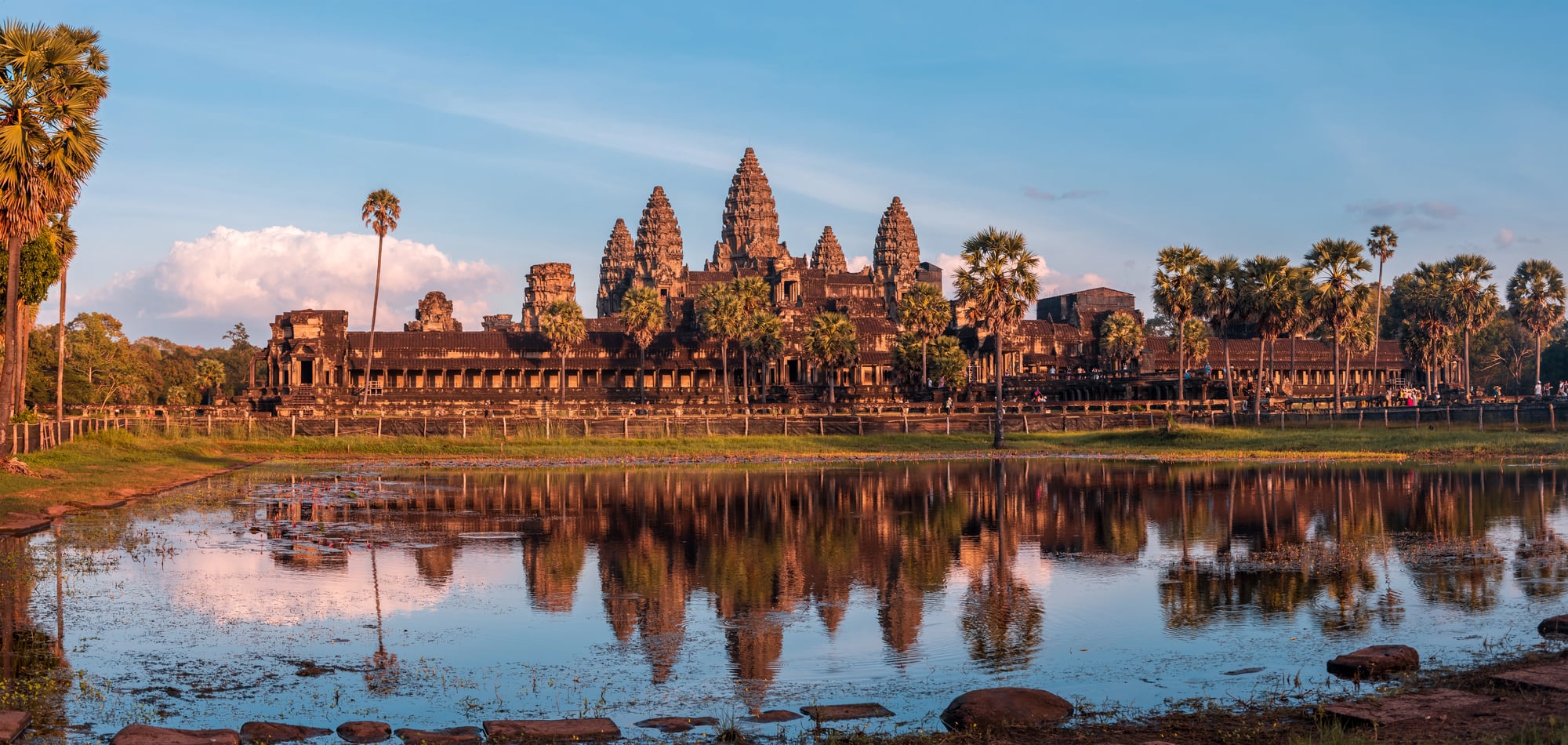
The Khmer Empire built this massive temple complex and city in Cambodia between the 9th and 15th centuries. Angkor Wat is the most famous structure, but the city once covered over 400 square miles and housed nearly a million people.
Elaborate water management systems fed rice paddies and filled the city’s many reservoirs and moats. When the Khmer Empire declined, people abandoned Angkor, and the jungle moved in aggressively.
While not technically buried by sand, the combination of jungle vegetation and windblown dust created thick layers that hid many structures. French explorers stumbled upon the ruins in the 1800s, though local people always knew they were there.
Today, archaeologists are still discovering new temples and structures using advanced radar technology that can see through the jungle canopy and soil.
Persepolis

The Persian king Darius I built this ceremonial capital in Iran around 518 BC, and it was designed to impress anyone who visited. Massive stone columns, intricate carvings, and grand staircases showed the wealth and power of the Persian Empire.
Alexander the Great burned much of Persepolis in 330 BC, either in revenge or while drunk at a party, depending on which ancient source you believe. After that, the city was gradually abandoned, and wind-blown sand from the Iranian plateau buried many of the ruins.
Excavations began in the 1930s and revealed incredible details about Persian art, architecture, and daily life. The dry desert climate helped preserve carvings and structures that would have eroded away in wetter environments.
Volubilis

This Roman city in Morocco was the southwestern frontier of the Roman Empire, sitting in fertile land surrounded by much harsher desert. Volubilis produced olive oil that was shipped all over the empire, making it wealthy despite its remote location.
The city thrived from the 3rd century BC until the 11th century AD, longer than most Roman settlements. When Arab dynasties took control of Morocco, they built new cities elsewhere, and Volubilis was abandoned.
Earthquakes knocked down many buildings, and sand slowly covered streets and lower levels of structures. The site’s beautiful mosaic floors survived under the sand, protected from weathering, and they’re some of the best-preserved Roman mosaics in North Africa.
Nineveh

Once a mighty hub along the Tigris in today’s Iraq, this old Assyrian stronghold ranked among antiquity’s most prominent centers. Rising to power in the 700s BCE under Sennacherib, Nineveh boasted towering fortifications, grand royal homes, alongside a vast collection of written works unmatched at the time.
Overrun by enemy forces around 612 BCE, it was razed beyond recognition – so completely wiped out that memory of it faded. Time heaped earth upon its remains until nothing showed above ground.
Centuries passed before people settled into Mosul close by, unaware of silent wreckage sleeping below the hills. Fragments of a long-buried city started coming to light when British diggers uncovered ruins back in the 1800s.
Hidden beneath soil and time, countless tablets shaped from clay emerged alongside carved stone figures. Palaces once grand now lay broken, revealed piece by piece through early spadework.
Though war has scarred parts already unearthed, vast stretches remain untouched below. What lies underfoot could still reshape what we know.
Troy

Nobody really believed Troy existed beyond stories in old Greek poetry – until someone started digging in Turkey during the 1870s. That dig uncovered not one city, but nine stacked like layers of stone cake across centuries.
After battles, fires, or quakes flattened it, new homes rose right atop what remained. Over time, dust carried by air settled in and sealed older parts below ground.
The version tied to the famous war story most likely sits at level seven, scarred by sudden ruin near 1200 BC. Hidden under layers built up over hundreds of years, old cities stayed buried till recent digs brought them back to light.
What’s turning up now makes experts rethink earlier ideas – turns out Troy stretched farther and meant more than anyone guessed before.
Footsteps echo where stories take shape beneath the surface
Beneath layers of time, forgotten cities lie hidden, showing how fleeting greatness can be. Power means little to the wind sweeping across open dunes.
Year by year, it piles grains higher, swallowing palaces without a sound. When uncovered, broken stones speak louder than history books ever did.
Something always turns up when digging – clues about old lives, beliefs, hidden shifts behind empires growing strong then vanishing. Burial under dust didn’t erase entire worlds; it held them still, voices waiting beneath grains until now.
More from Go2Tutors!

- The Romanov Crown Jewels and Their Tragic Fate
- 13 Historical Mysteries That Science Still Can’t Solve
- Famous Hoaxes That Fooled the World for Years
- 15 Child Stars with Tragic Adult Lives
- 16 Famous Jewelry Pieces in History
Like Go2Tutors’s content? Follow us on MSN.