15 Cold Cases That Were Finally Solved
Heavy is how cold cases feel after time passes. Stored they remain – inside drawers or on hard drives – for years, maybe forever untouched.
Older become the families who wait. Away go the people who saw something.
Dust covers the clues left behind. Still, lately, new tools in labs plus fresh eyes on old files are shifting the line between solvable and not.
Nowhere near finished, some cases have cracked open after years of silence – thanks to steady effort paired with sharper methods. Forgotten clues get another look using fresh techniques, so missing identities slowly come back into view.
Here’s a closer look at 15 cold cases that were ultimately solved.
The Golden State Killer

For decades, the Golden State Killer terrorized California, committing a string of crimes in the 1970s and 1980s. Despite extensive investigation, the suspect’s identity remained elusive.
In 2018, investigators used genetic genealogy to match crime scene DNA to distant relatives in public ancestry databases. That breakthrough led to the arrest of Joseph James DeAngelo.
The case marked a turning point in modern investigations, demonstrating how emerging technology could unlock answers hidden in decades-old evidence.
The BTK Killer

The BTK killer, whose nickname stood for ‘bind, torture, kill,’ committed crimes in Kansas between 1974 and 1991. The case went cold for years until the perpetrator resurfaced in 2004 by sending letters to media outlets.
Still, it was a digital trail that ultimately exposed him. Dennis Rader was identified in 2005 after investigators traced metadata from a computer disk he mailed to authorities.
The arrest showed how evolving technology could close even the most calculated cases.
The Green River Killer
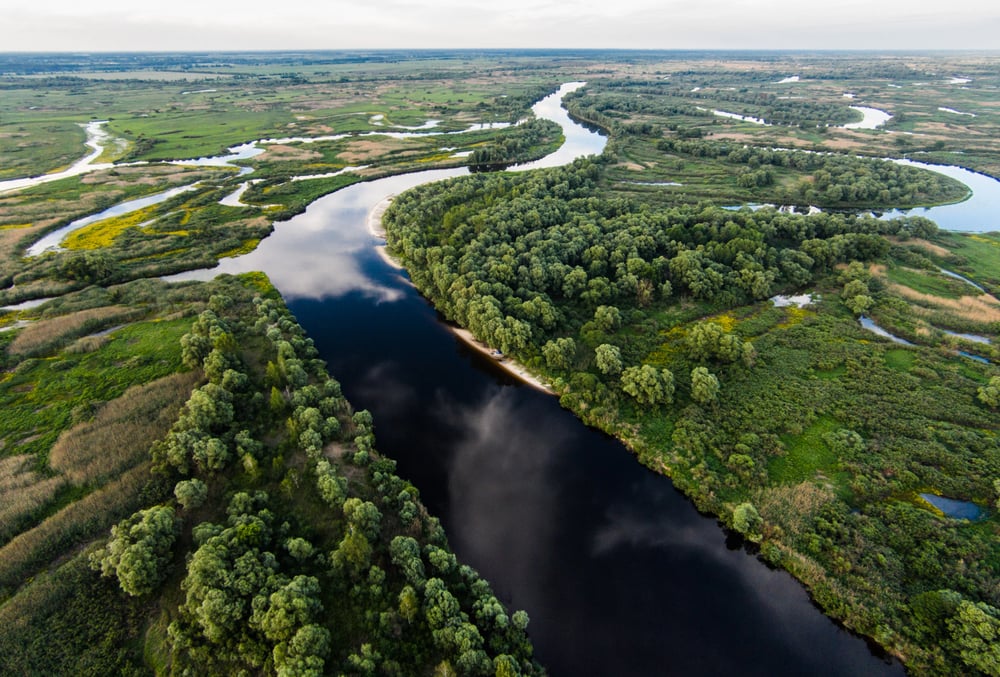
The Green River murders began in the early 1980s in Washington state. Investigators suspected a serial offender but struggled to gather enough evidence for conviction.
The case remained open for nearly two decades. In 2001, DNA testing connected Gary Ridgway to multiple victims.
He later pleaded guilty to dozens of murders. Advances in forensic science transformed a long-stalled investigation into one of the most significant resolutions in criminal history.
The Grim Sleeper
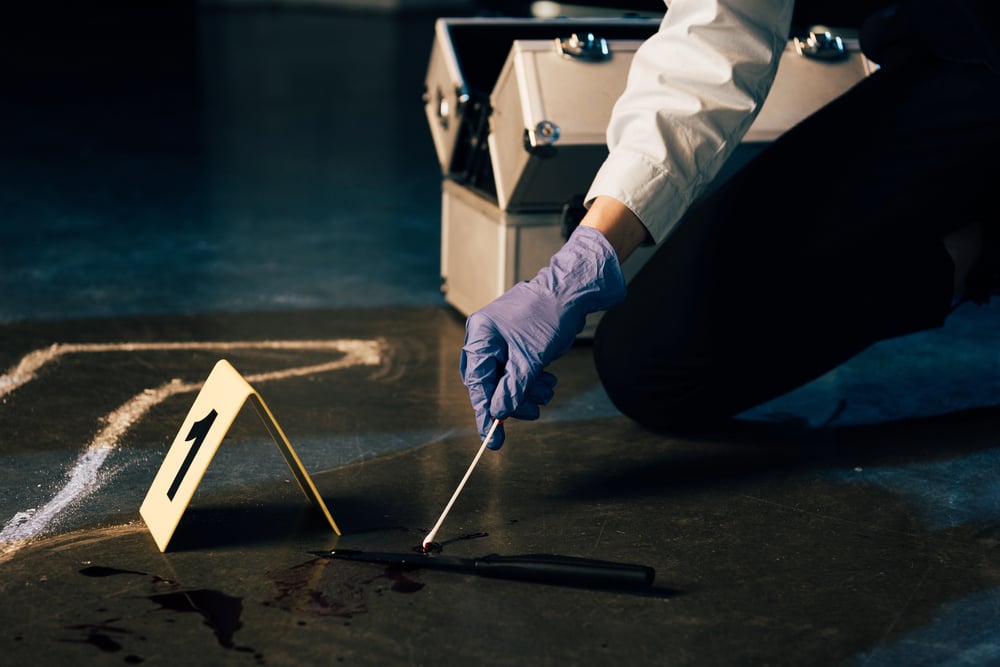
In Los Angeles, a string of killings spanning the 1980s and 2000s became known as the Grim Sleeper case. The name reflected a long pause between crimes, which complicated investigative efforts.
That said, familial DNA played a decisive role. In 2010, authorities matched crime scene DNA to a relative in a database, leading to the arrest of Lonnie Franklin Jr.
The case highlighted how partial matches could generate powerful leads.
The Bear Brook Murders
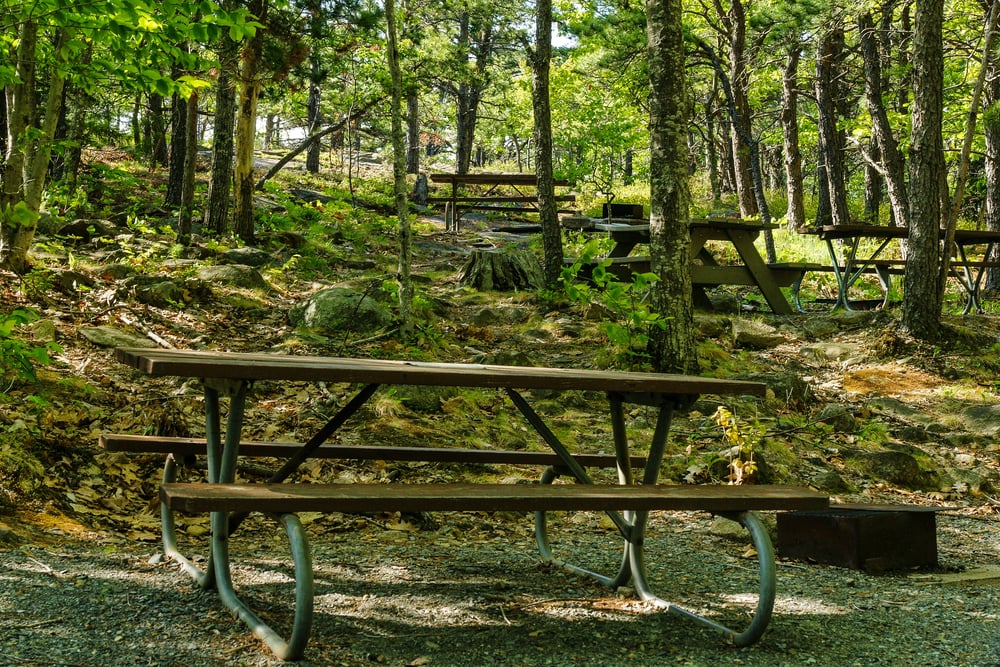
In 1985, barrels containing unidentified remains were discovered in Bear Brook State Park in New Hampshire. For years, the identities of the victims remained unknown.
The case lingered with few solid answers. Decades later, advanced DNA analysis and genealogical research identified both the victims and the perpetrator.
The investigation became one of the earliest successes of forensic genealogy in identifying unknown victims, not just suspects.
April Tinsley
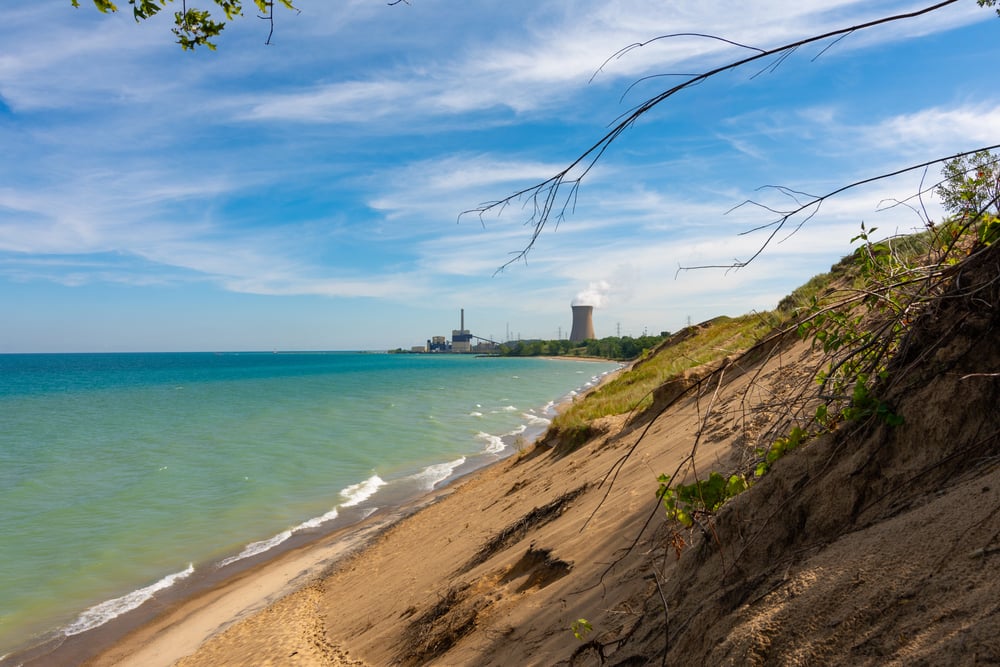
Eight-year-old April Tinsley was killed in Indiana in 1988. Despite widespread community efforts and billboards seeking tips, the case went unsolved for 30 years.
Evidence was preserved but yielded no matches in traditional databases. In 2018, genetic genealogy pointed investigators to John D. Miller.
DNA obtained from discarded items confirmed the match. The resolution underscored how preserved evidence can become newly valuable with updated techniques.
Carla Walker

Carla Walker was abducted and killed in Texas in 1974. For decades, investigators revisited leads without success.
The case remained one of the region’s most haunting mysteries. In 2020, DNA evidence identified Glen McCurley as the suspect.
The breakthrough relied on genealogical databases and careful reanalysis of preserved samples. After 46 years, the case finally reached resolution.
Kristin Smart

Kristin Smart disappeared in 1996 after attending a college party in California. Suspicion surrounded fellow student Paul Flores, but insufficient evidence stalled the case for years.
That changed in 2021 when renewed searches and witness testimony strengthened the prosecution. In 2022, Flores was convicted.
The case demonstrated how persistence and evolving forensic techniques can revive long-dormant investigations.
The NorCal Rapist
A series of assaults in Northern California during the 1990s baffled investigators for decades. DNA evidence existed but did not match known offenders in databases at the time.
In 2018, genetic genealogy identified Roy Charles Waller as the suspect. His arrest reinforced how interconnected family DNA networks can unlock cases once considered permanently stalled.
The Boy In The Box

In 1957, the body of a young child was discovered in Philadelphia. For decades, he was known only as ‘The Boy in the Box.’
Despite countless tips and theories, his identity remained unknown. In 2022, advanced genetic testing finally identified him as Joseph Augustus Zarelli.
The identification provided long-delayed clarity and demonstrated the expanding capability of forensic genealogy to restore names to the unidentified.
The Somerton Man

The Somerton Man was found dead on an Australian beach in 1948. The cryptic note in his pocket and lack of identification fueled decades of speculation.
The mystery spanned generations. In 2022, DNA analysis led researchers to identify him as Carl Webb.
While some details remain debated, the identification closed one of the 20th century’s most puzzling cases.
The Jay Cook And Tanya Van Cuylenborg Case
In 1987, a young Canadian couple was killed in Washington state. The case went unsolved for over 30 years.
Investigators preserved biological evidence, hoping future technology might provide answers. In 2018, genetic genealogy identified William Earl Talbott II as the suspect.
The arrest marked one of the earliest courtroom uses of genealogical DNA to secure a conviction.
The LISK Developments

The Long Island Serial Killer investigation began in 2010 after multiple remains were found along a highway. For years, the case generated intense media attention but little movement.
In 2023, Rex Heuermann was arrested following renewed investigative efforts that included cell phone data and DNA analysis. The arrest brought momentum to a case long marked by uncertainty.
Michella Welch

Twelve-year-old Michella Welch was killed in Washington state in 1986. The case went unsolved despite substantial early investigation.
Advances in DNA profiling eventually revived the search. In 2019, genetic genealogy identified William Earl Talbott II as responsible for her killing as well.
The link demonstrated how a single technological breakthrough can resolve multiple long-cold cases.
The Racine County Jane Doe
In 1999, the remains of an unidentified woman were found in Wisconsin. Despite efforts to determine her identity, traditional methods failed to produce results.
In 2023, genetic genealogy identified her as Christine Ann Gibbons. Decades after her death, her name was restored.
The case illustrated how identification itself can be a form of resolution.
Why Cold Cases Are Being Solved Now
Through most of the 1900s, detectives leaned on what people said they saw, along with fingerprints and basic lab methods. Stalled cases piled up – not because anyone gave up, yet simply due to missing tech.
Old evidence gathered years back rested untouched, biding its time until science moved forward. Right now, studying family history through genes, decoding DNA faster, followed by scanning online records has changed how investigations work.
Stalled cases once left behind are getting another look, thanks to better methods plus fresh effort. Every resolution brings something deeper than closure.
What stands out is steady effort, leaps in science, alongside people simply unwilling to accept silence where answers should be.
More from Go2Tutors!

- The Romanov Crown Jewels and Their Tragic Fate
- 13 Historical Mysteries That Science Still Can’t Solve
- Famous Hoaxes That Fooled the World for Years
- 15 Child Stars with Tragic Adult Lives
- 16 Famous Jewelry Pieces in History
Like Go2Tutors’s content? Follow us on MSN.