Field Trips Every Millennial Remembers Taking
he rumbling yellow bus parked outside could only mean one thing – time to ditch the desks. Trips like these shook things up when chalkboard talks dragged on, though plenty of lessons slipped away near snack stands or toilet stops.
If you grew up in school during the ’90s or early 2000s, some spots showed up way more than others. A few outings actually taught something real.
Most just let teachers keep track of kids while everyone poked stuff they shouldn’t.
The Local History Museum
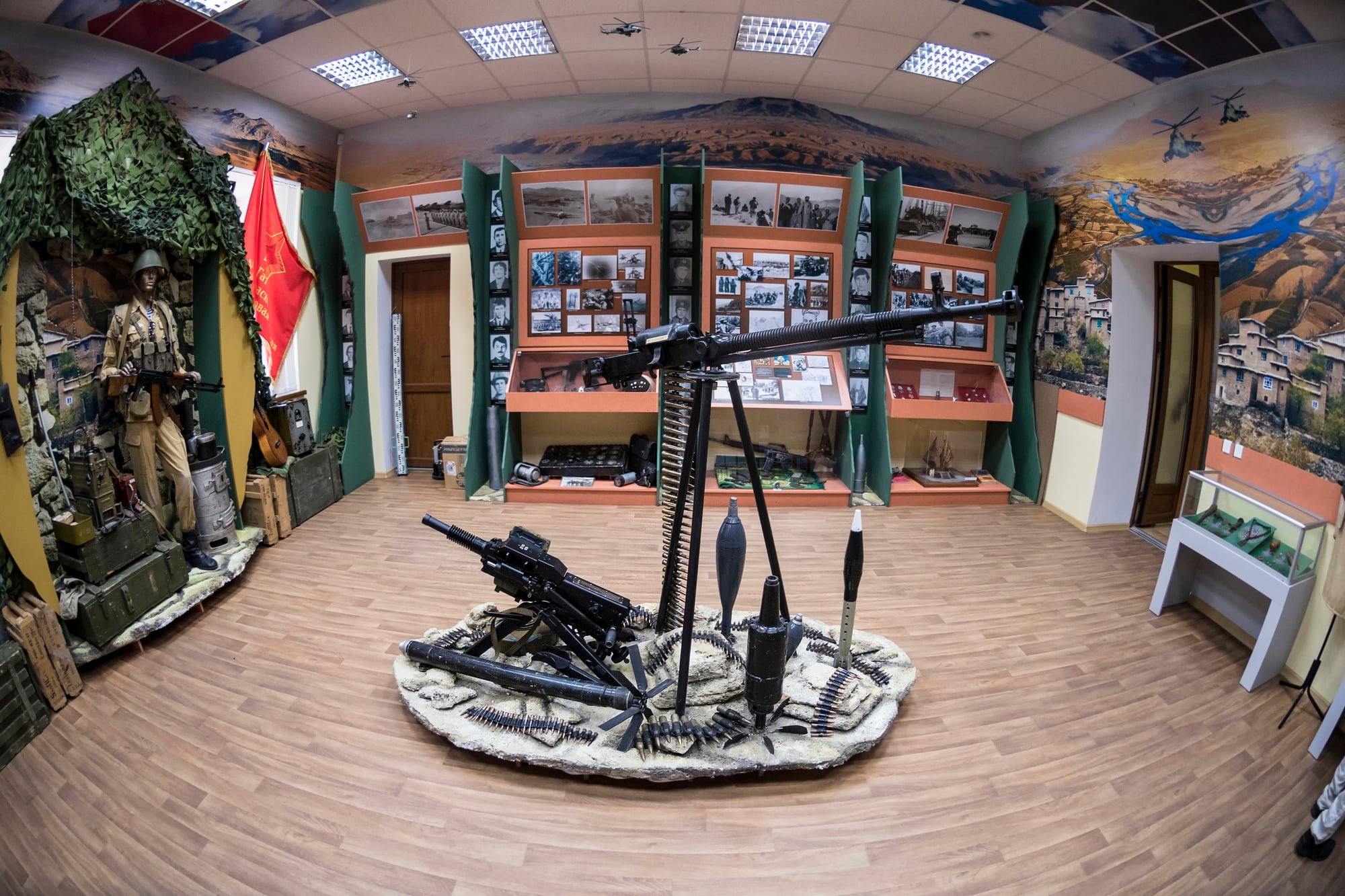
Every region had one, and every school made it mandatory. Dusty dioramas showed settlers in bonnets churning butter or soldiers frozen mid-battle.
The tour guide spoke in that particular museum voice—slightly too loud, overly enthusiastic about wagon wheels. You learned local history through recreated rooms behind velvet ropes, pioneer kitchens with cast iron pots, and displays of arrowheads arranged in cases that hadn’t been updated since 1987.
The gift shop sold pencils with your town’s name and rock candy that tasted like disappointment.
The Science Center

This trip actually made science fun, which felt like a betrayal of everything the school stood for. Interactive exhibits let you launch tennis cannons, walk through giant hearts, or watch electricity arc between metal spheres.
The planetarium show put half the class to sleep within five minutes—something about darkness and comfortable seats. But the earthquake simulator, the dinosaur fossils, and the gross human body exhibit with the transparent torso made up for it.
Teachers spent the entire time telling people not to run.
The Working Farm

City kids and suburban kids alike got loaded onto buses to see where food came from before the grocery store. The smell hit first—that unmistakable farm odor that clung to clothing for hours afterward.
You fed goats, watched someone milk a cow, and walked through gardens while a farmer explained crop rotation to students who were more interested in avoiding stepping in manure. Baby animals drew crowds.
The hayride bounced everyone around while yellow jackets investigated lunch boxes. Someone always asked if they could take a chicken home.
The State Capitol Building

Government in action meant watching important-looking people walk quickly through hallways while your group shuffled through marble corridors. The tour guide explained the legislative process using words nobody retained.
You saw the governor’s office from the doorway, stood in the rotunda looking up at the dome, and maybe watched a session from the gallery where whispering got you death stares from chaperones. The most exciting part was usually the metal detectors at the entrance or finding your county on a giant wall map.
The Zoo
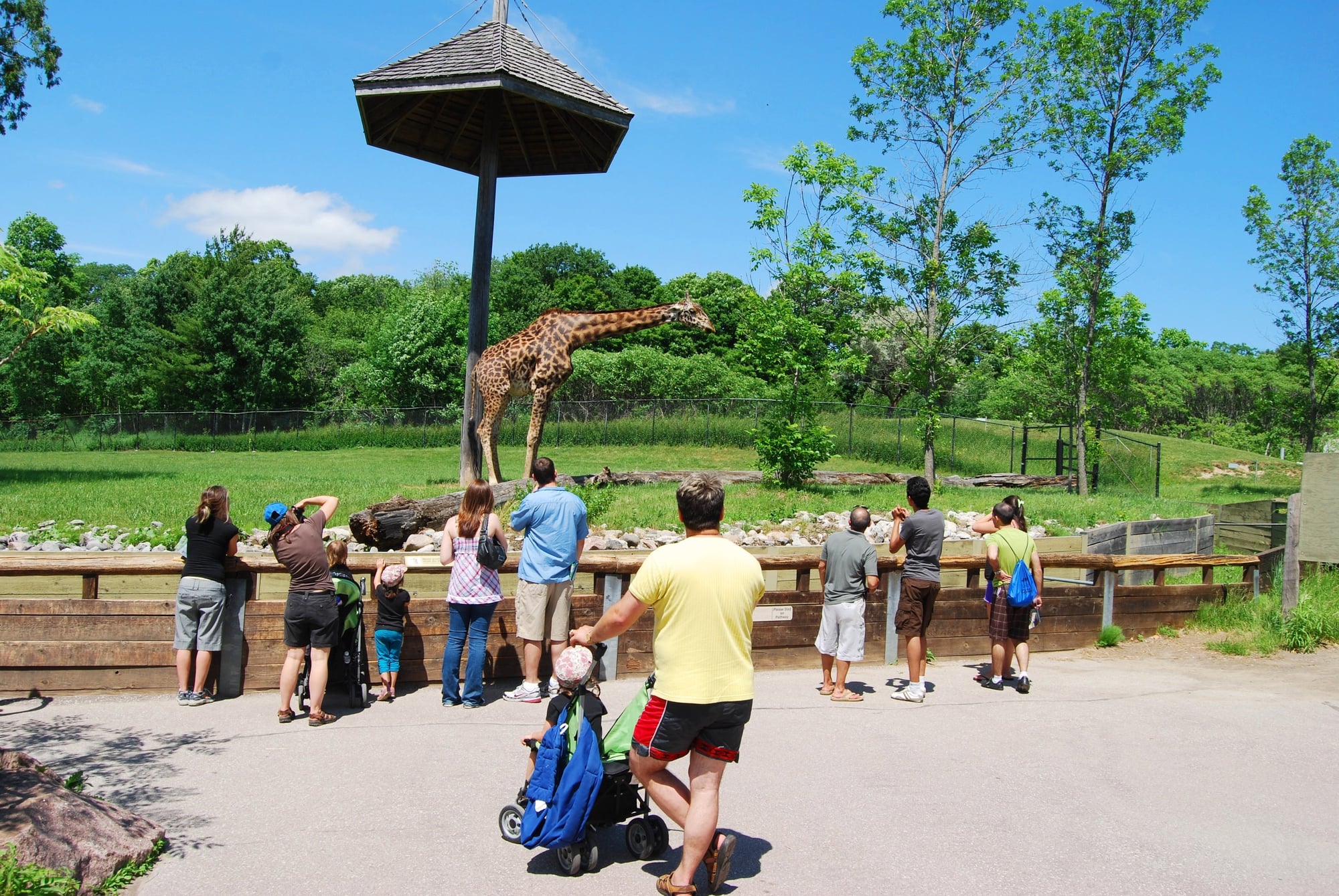
Every elementary school sent at least one grade level to the zoo, armed with clipboards and worksheets about habitats. The animals never cooperated with educational plans—they slept in corners, hid behind rocks, or paced in patterns that made the trip depressing instead of enlightening.
The primate house smelled terrible. The reptile building stayed dark and muggy.
Big cats lounged too far away to see clearly. But the petting zoo redeemed everything, even if the goats were more interested in eating shoelaces than being educational.
The Newspaper Printing Facility

This trip probably seemed more relevant before the internet basically ended print journalism. Walking through the facility meant seeing massive rolls of paper, smelling ink, and watching machines print thousands of pages per minute.
The noise made conversation impossible. Someone explained the editorial process, showed the layout department, and demonstrated how printing plates worked.
Everyone got a free copy of that day’s paper, which most people left on the bus. The whole experience felt industrial and impressive but weirdly pointless even at the time.
The Recycling Plant

Environmental education peaked with watching garbage get sorted. Conveyor belts carried bottles, cans, and paper past workers who pulled out contaminants.
Machines crushed, shredded, or baled materials into neat cubes. The message about reducing waste and recycling properly got hammered home through every stage of the tour.
The facility smelled exactly how you’d expect. Students left with renewed commitment to sorting trash that lasted maybe three days before defaulting back to throwing everything in whatever bin was closest.
The Aquarium
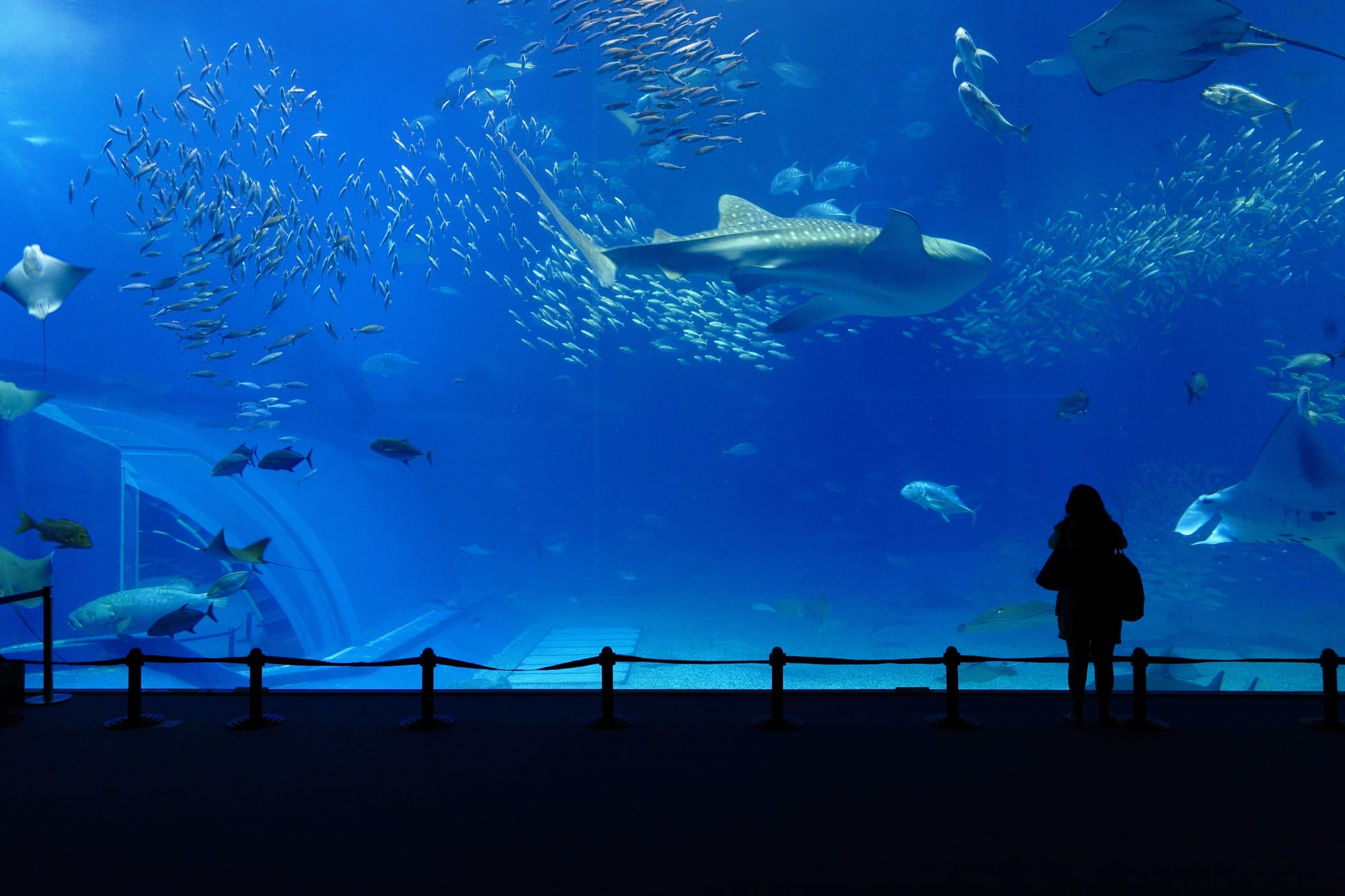
Watching fish swim in massive tanks beat sitting in class by a mile. The tunnel walkways with water overhead created the illusion of walking underwater.
Touch tanks let students feel starfish and sea anemones. Feeding demonstrations drew crowds to watch sea lions catch fish mid-air.
The jellyfish display mesmerized everyone with its otherworldly glow. Shark tanks prompted the same questions every tour: could the glass break, how often do they eat, and has anyone ever fallen in.
Gift shops moved serious volume in stuffed sea creatures and shark tooth necklaces.
The Theater Production
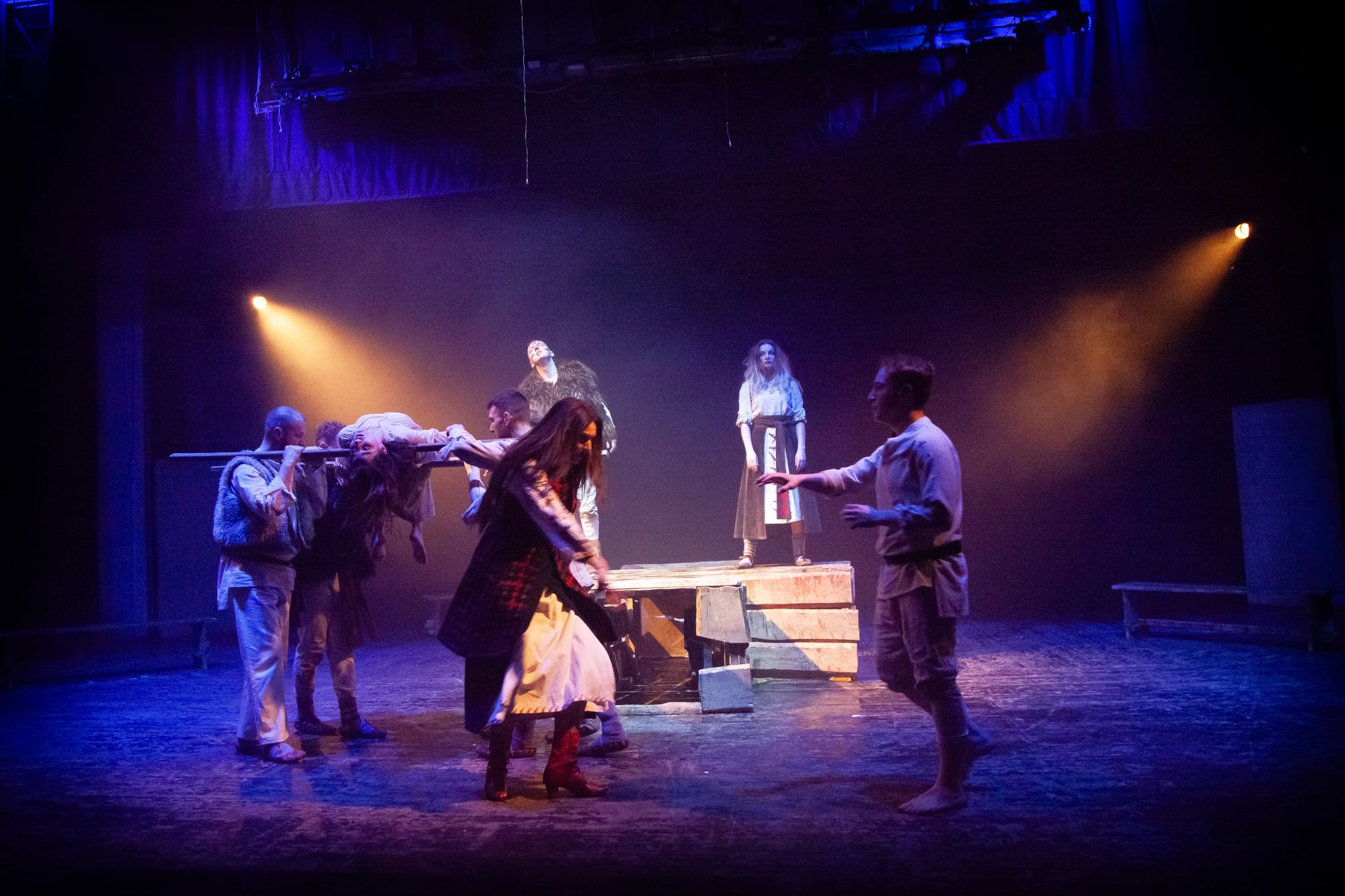
Cultural education came via matinee performances of children’s theater or scaled-down versions of classics. The theater etiquette lecture beforehand stressed not talking, not kicking seats, and applauding at the end.
Half the students enjoyed the performance. The other half counted ceiling tiles or fell asleep.
The actors worked hard to engage audiences that sometimes couldn’t care less about whatever adaptation of a fairy tale or historical drama was being performed. Teachers worried more about behavior than whether anyone absorbed the artistic experience.
The Planetarium

The dome ceiling, the reclining seats, and the darkness created perfect napping conditions disguised as astronomy education. The narrator walked through constellations, planets, and the solar system while projectors recreated the night sky with more stars than anyone had ever seen in light-polluted suburbs.
The technical effects impressed—shooting stars, flying through space, zooming into nebulas. But staying awake required real effort.
At least half the class zonked out by the time the presentation reached the outer planets.
The Fire Station
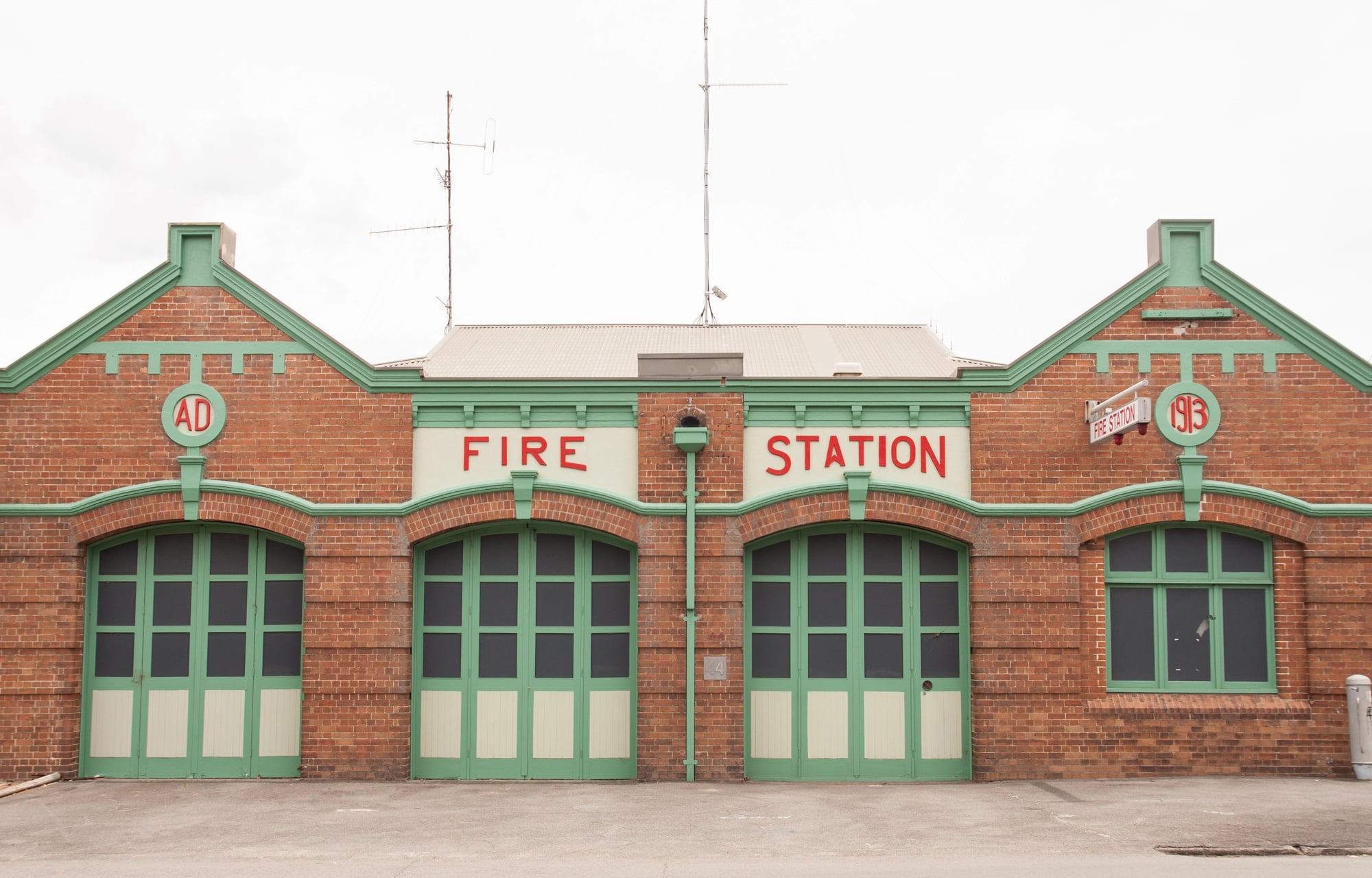
Firefighters showed off their equipment, let students climb on trucks, and tried on helmets that were too big for everyone. The pole that firefighters slid down fascinated kids who weren’t allowed to try it themselves.
Demonstrations included showing how the gear worked, explaining emergency response procedures, and maybe spraying the fire hose in a parking lot. The fire safety message came through loud and clear—stop, drop, and roll got practiced on gym mats.
Someone always asked about the dalmatian that no station actually had.
The Natural History Museum
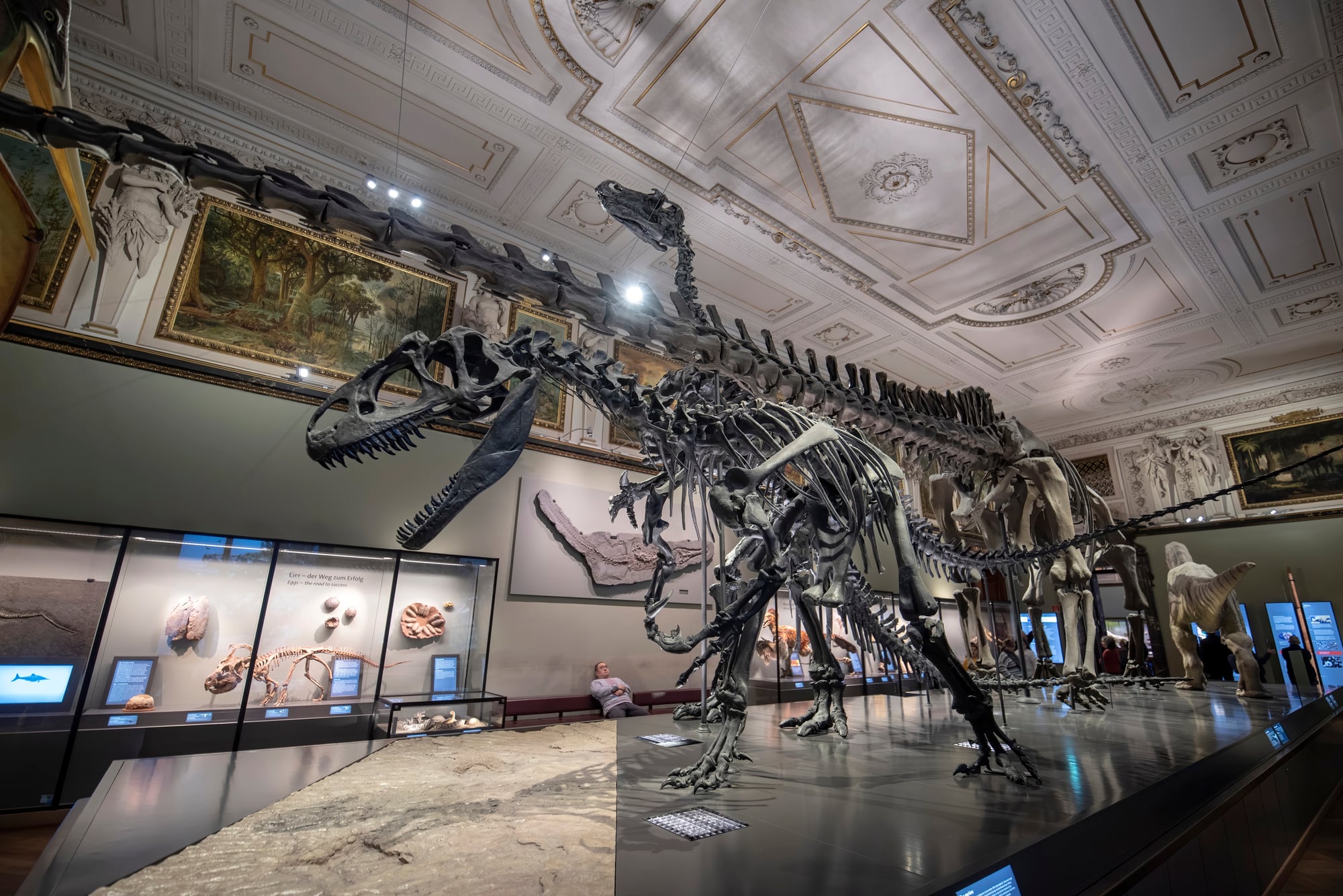
Dinosaur skeletons towered over school groups clutching worksheets about the Mesozoic era. The T-rex dominated the main hall, and students debated whether it was a hunter or a scavenger based on the plaque information.
Fossil exhibits showed evolution in action through millions of years. Dioramas recreated prehistoric landscapes with painted backgrounds and taxidermied mammals in frozen poses.
The meteorite display invited touching, and everyone did, hoping to feel something cosmic. The mummy room creeped out enough students to make it memorable.
The Chocolate Factory
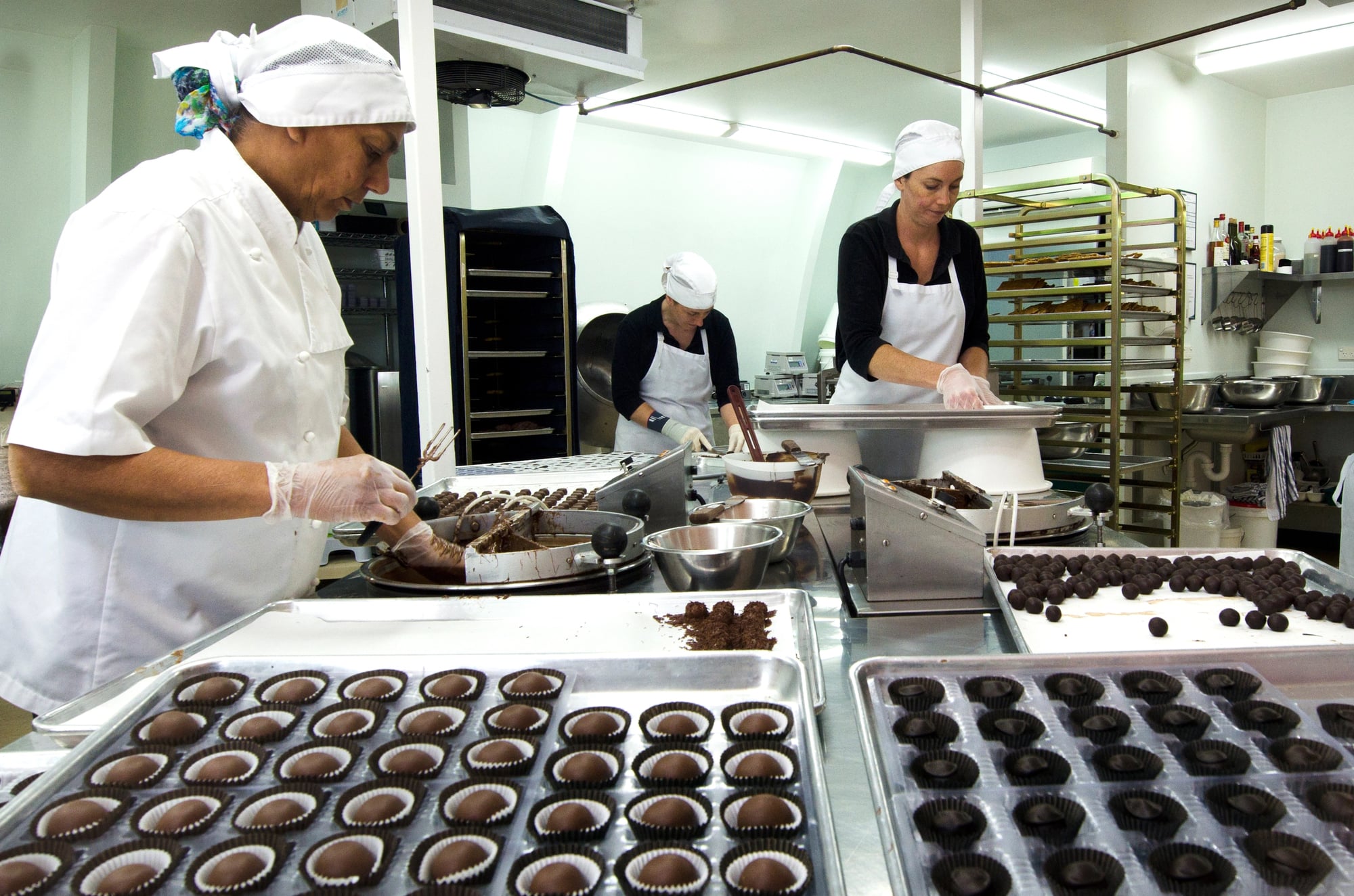
This trip tasted better than it educated. Walking through production facilities showed cocoa processing, chocolate molding, and quality control that somehow involved testing every batch.
The smell of chocolate permeated everything. Watching candy bars move down assembly lines proved hypnotic.
The tour guide shared random facts about cacao farming and chocolate history that nobody remembered because everyone was focused on the samples. The gift shop at the end moved product like nowhere else.
Students left with bags of chocolate and a loose understanding of manufacturing processes.
The Historical Reenactment Site
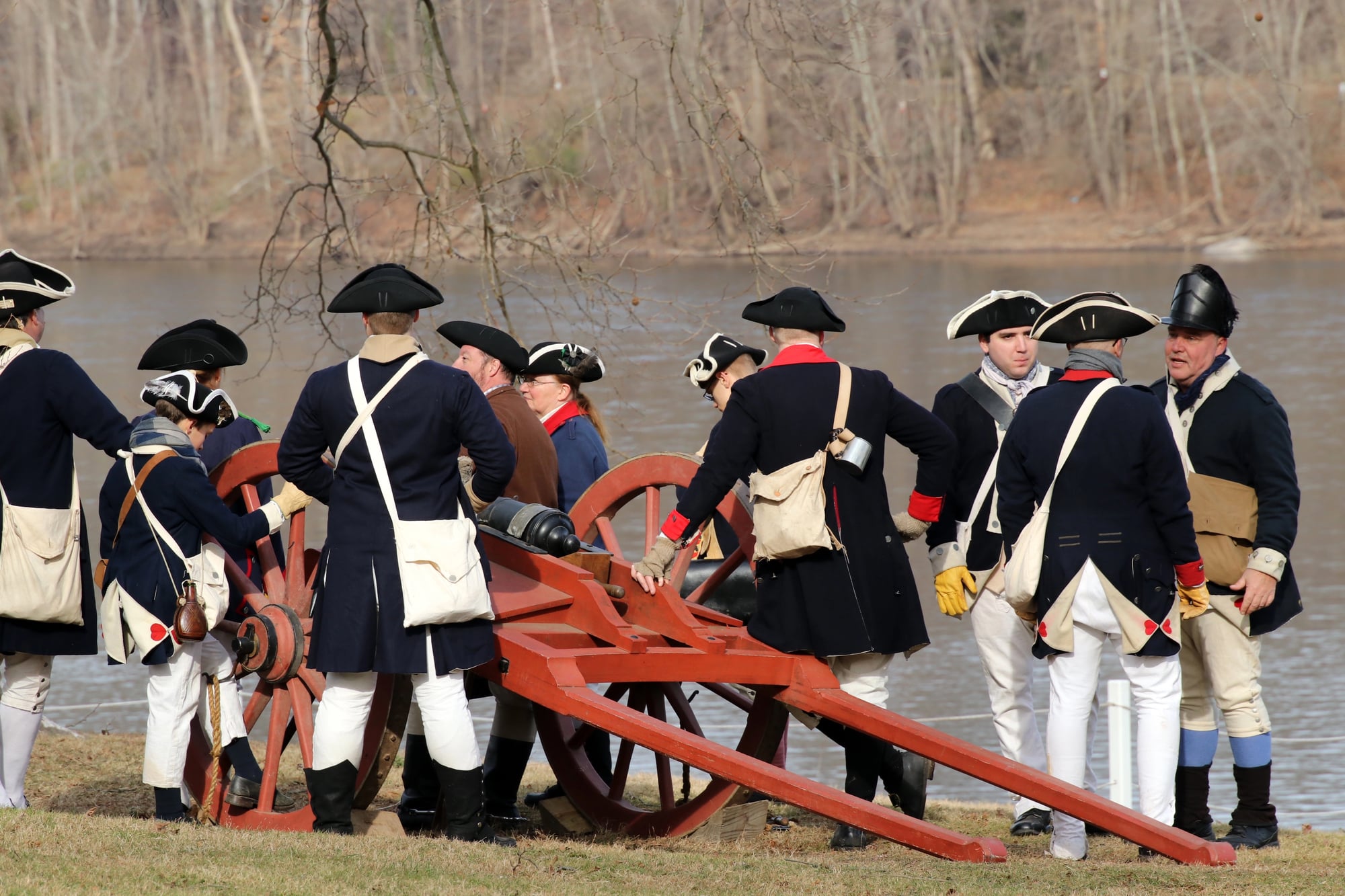
Living history museums transported students to colonial villages, Civil War encampments, or frontier settlements where costumed interpreters stayed in character. Blacksmiths hammered metal.
Bakers pulled bread from wood-fired ovens. Soldiers demonstrated musket loading.
The commitment to authenticity impressed when it worked and felt awkward when modern references slipped through. Students got to try activities like rope making, candle dipping, or using old-fashioned tools.
The immersive experience made history more tangible than textbooks, even when students mostly just wanted to see the gift shop.
The Art Museum

Docents led groups through galleries, explaining paintings and sculptures to audiences that ranged from genuinely interested to actively hostile. The rules seemed designed to prevent fun—don’t touch, don’t get too close, speak quietly, stay with the group.
Modern art sections confused everyone. Classical pieces prompted giggles at any hint of nudity.
Abstract works generated more questions than the tour guide could answer. The museum cafe sold overpriced snacks.
The gift shop sold postcards, posters, and art supplies that seemed incredibly expensive for things you could buy cheaper at any store.
Memories That Stick Around

Those trips had one thing in common, aside from whether they taught anything. They meant a break from the usual grind, no matter if the place was underwhelming.
What counted wasn’t just where you went – it was the drive there. Laughing through songs, goofing off during games, picking who to sit with rather than being told.
Even packed meals hit different on stone stairs or wooden slats outside, far from lunchroom tables.
The forms from moms and dads, pairs of kids teamed up for safety, headcounts done over and over – each bit built memories lasting way past the schoolwork. A few outings sparked real passions, later turning into jobs or favorite pastimes.
Others simply gave moments and inside jokes linking people across states, folks who went to different schools yet ended up at identical spots.
More from Go2Tutors!

- The Romanov Crown Jewels and Their Tragic Fate
- 13 Historical Mysteries That Science Still Can’t Solve
- Famous Hoaxes That Fooled the World for Years
- 15 Child Stars with Tragic Adult Lives
- 16 Famous Jewelry Pieces in History
Like Go2Tutors’s content? Follow us on MSN.