18 Sporting Events That Ended in Disaster
Sports unite people like few other activities can. Millions pack stadiums, arenas, and living rooms to support their favorite teams and athletes. The energy feels electric, the atmosphere buzzes with excitement and hope. Yet sometimes, what should be pure celebration transforms into something far more tragic.
Throughout history, sporting events have occasionally become stages for disaster. From structural collapses to crowd chaos, these tragedies serve as stark reminders that even our most cherished pastimes aren’t immune to catastrophe. Here are 18 sporting events that ended in disaster.
Hillsborough Stadium Disaster
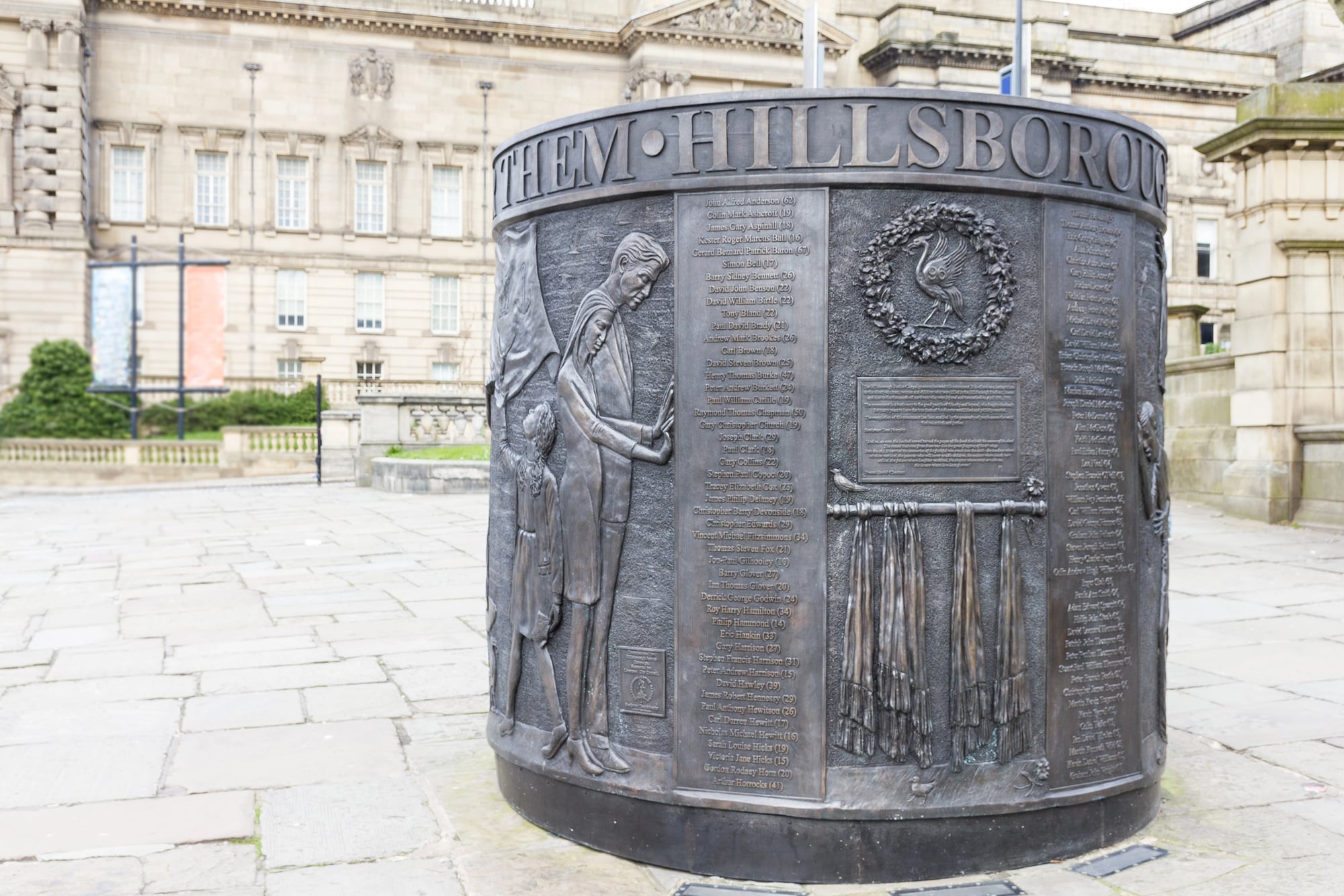
The 1989 FA Cup semi-final between Liverpool and Nottingham Forest at Sheffield Wednesday’s Hillsborough Stadium became one of Britain’s worst sporting tragedies. A crush in the standing terraces killed 96 Liverpool supporters — with hundreds more injured.
Police failures in crowd control and emergency response turned what should’ve been a joyful match into a nightmare that continues to haunt English football decades later.
Munich Air Disaster
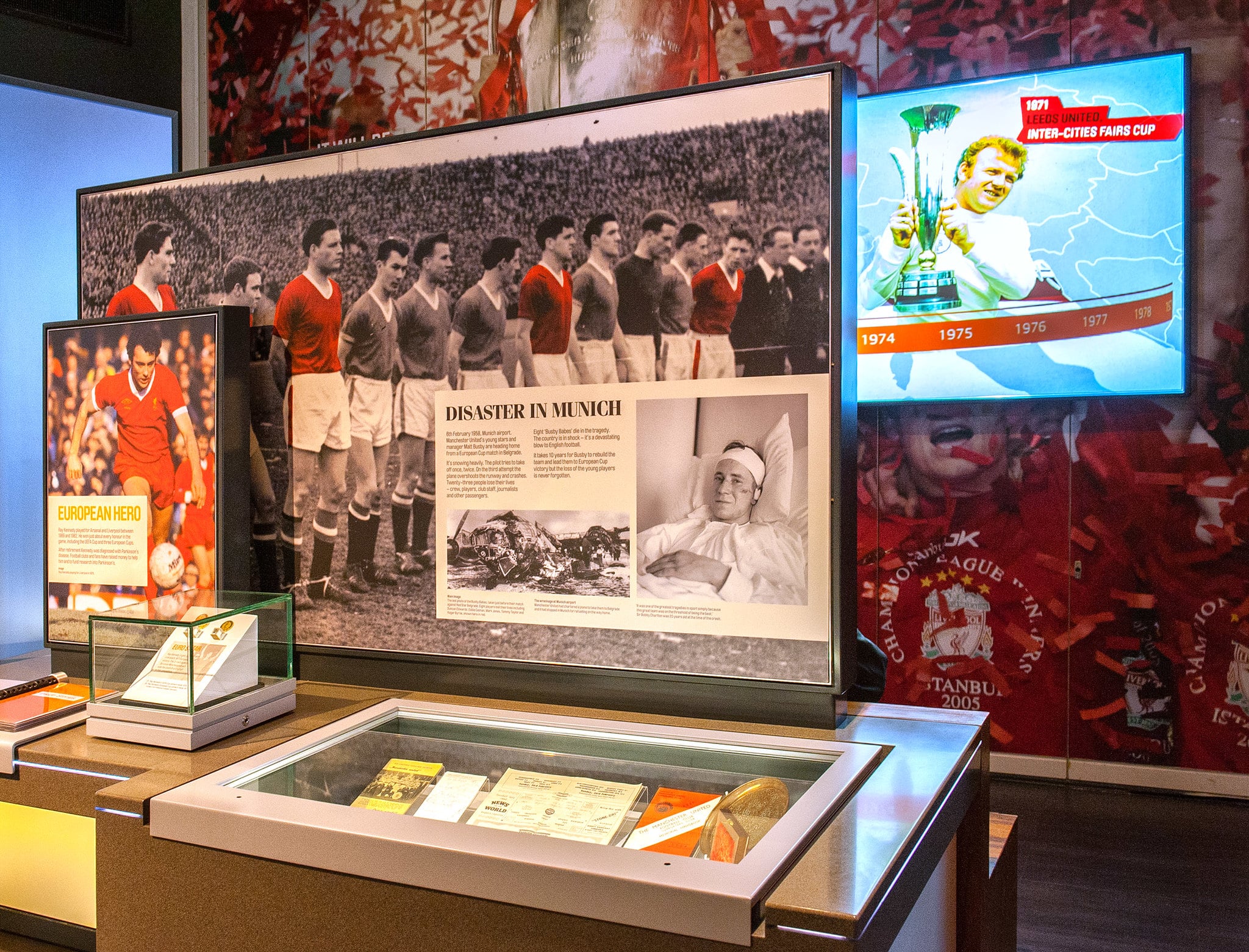
Manchester United’s team plane crashed during takeoff from Munich Airport in 1958, claiming 23 lives including eight players. The team was returning from a European Cup match against Red Star Belgrade when icy runway conditions caused the tragedy.
This disaster decimated one of English football’s most promising young squads, forever altering the club’s trajectory.
Ibrox Park Disaster
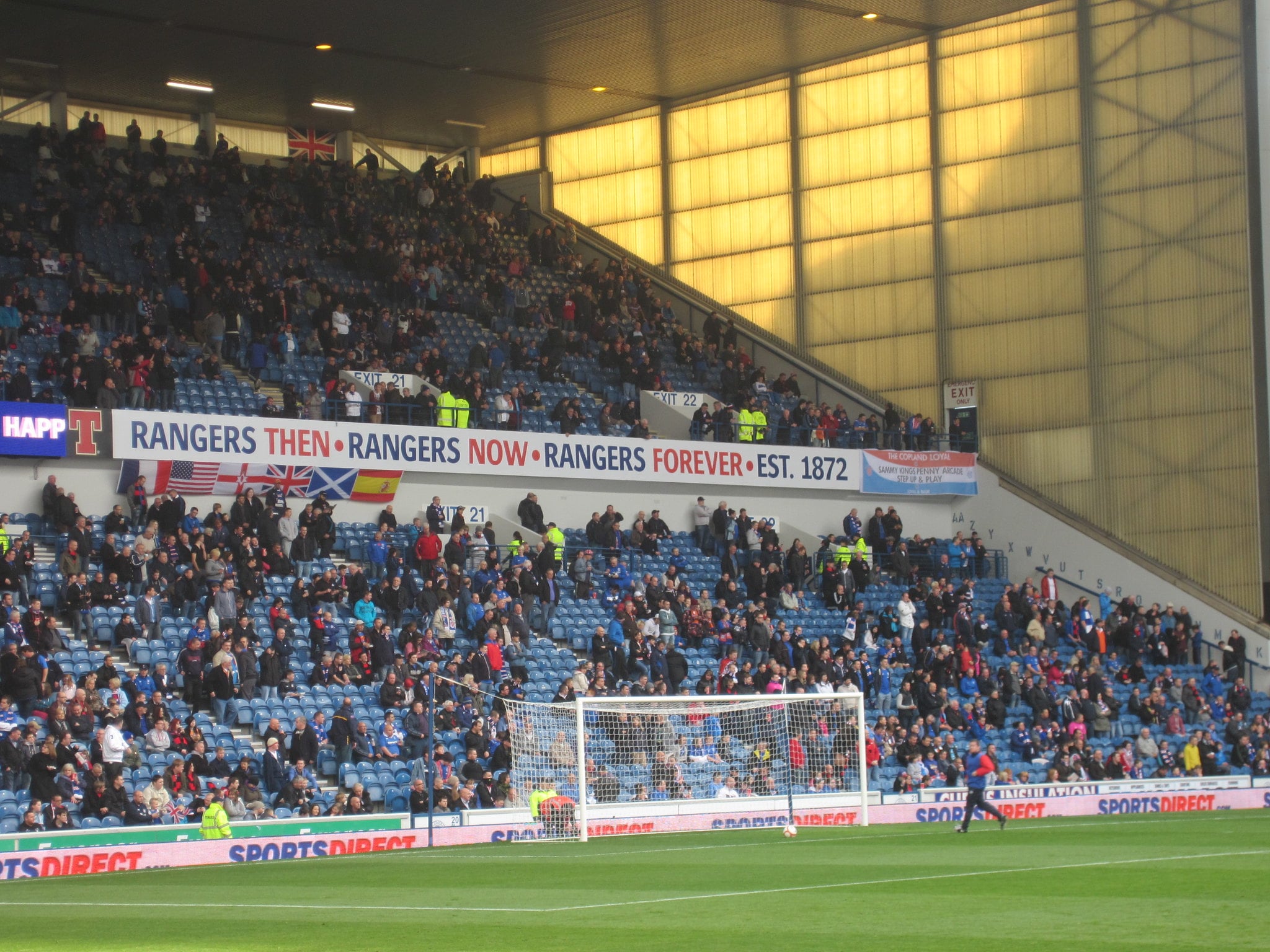
Rangers’ home stadium in Glasgow witnessed tragedy twice, though the 1971 incident remains the deadliest. As fans departed after an Old Firm match against Celtic, a crush on Stairway 13 killed 66 people and injured over 200.
The narrow stairway became a fatal bottleneck when departing supporters collided with others trying to return after hearing a late goal.
Bradford City Stadium Fire

The wooden stands at Bradford City’s Valley Parade stadium caught fire during a match against Lincoln City in 1985. What began as a small blaze under the main stand spread rapidly through the aging timber structure.
Within minutes, the entire stand was engulfed — killing 56 people and injuring 265 others in one of British sports history’s most horrific disasters.
Heysel Stadium Disaster

The 1985 European Cup final between Liverpool and Juventus in Brussels turned deadly when crowd trouble led to a stadium wall collapse. Liverpool fans charged at Juventus supporters, causing panic that resulted in 39 deaths and 600 injuries.
This tragedy led to English clubs being banned from European competition for five years while highlighting the dangerous state of many European stadiums.
Estadio Nacional Disaster
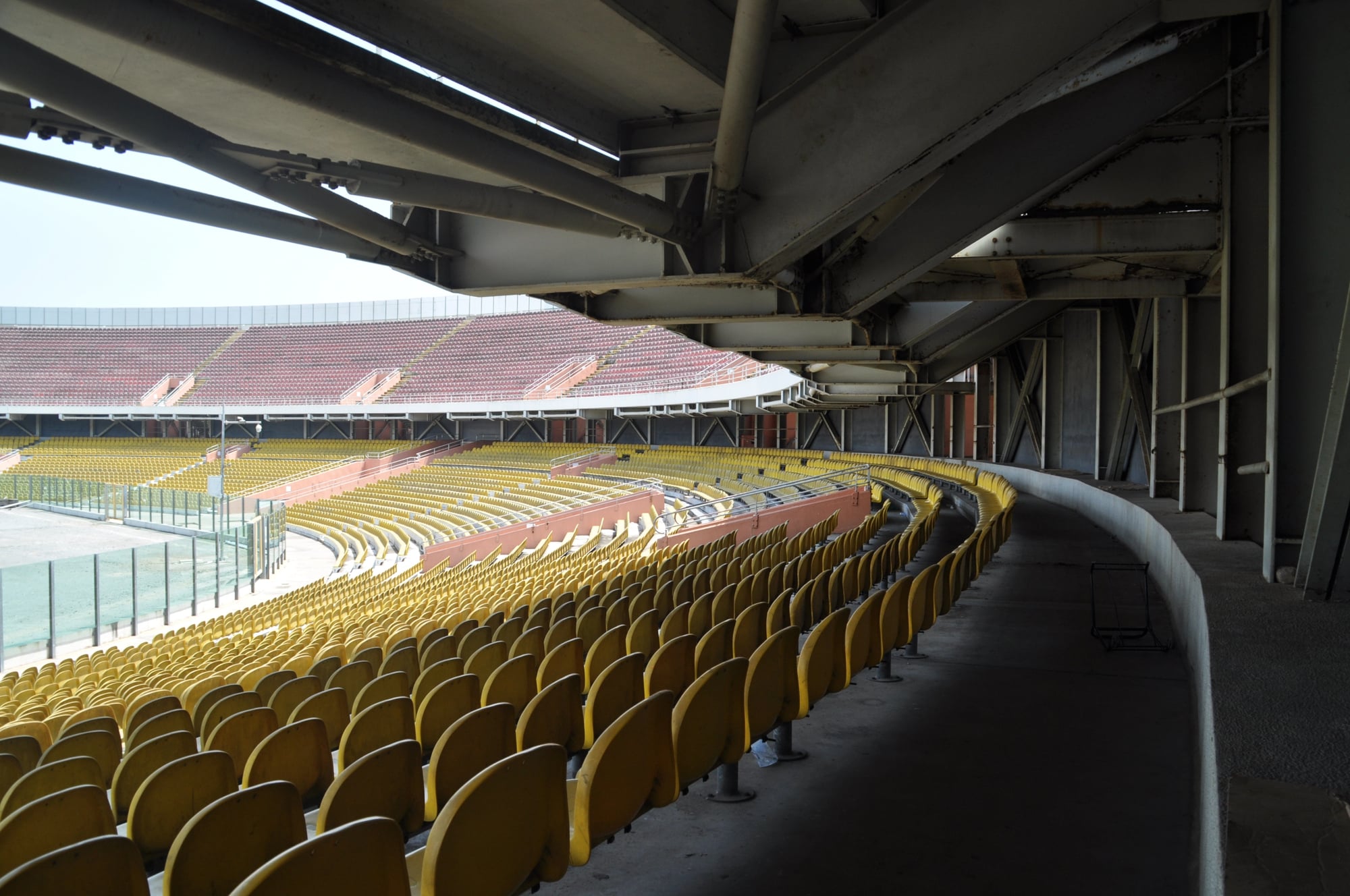
Peru’s national stadium in Lima became a scene of chaos during a 1964 World Cup qualifier against Argentina. When a controversial referee decision disallowed a Peruvian goal, fans invaded the pitch — prompting police to respond with tear gas.
The ensuing panic killed 328 people and injured over 500 in one of the deadliest stadium disasters ever recorded.
Luzhniki Stadium Disaster

Moscow’s Luzhniki Stadium experienced tragedy during a 1982 UEFA Cup match between Spartak Moscow and HFC Haarlem. Conflicting reports suggest either icy conditions or crowd control issues led to a crush that killed 66 people.
Soviet authorities initially covered up the disaster — the true death toll wasn’t confirmed until years later.
Accra Sports Stadium Disaster

Ghana’s national stadium witnessed one of Africa’s worst sporting disasters in 2001. During a match between Hearts of Oak and Asante Kotoko, police fired tear gas into the crowd after fans began throwing objects.
The panic that followed killed 127 people as supporters rushed toward locked exits — unable to escape the chaos.
Guatemala National Stadium Disaster

A World Cup qualifying match between Guatemala and Costa Rica in 1996 turned tragic when fans rushed the exits during a thunderstorm. The stampede killed 82 people and injured hundreds more as panicked spectators tried to escape what they thought was an earthquake.
Poor crowd management and inadequate safety measures contributed to the disaster.
Ellis Park Stadium Disaster

South Africa’s Ellis Park in Johannesburg became the site of tragedy during a 2001 match between Orlando Pirates and Kaizer Chiefs. Overcrowding and poor crowd control led to a crush that killed 43 people — with hundreds injured.
The disaster highlighted serious safety concerns at South African stadiums and led to improved crowd management protocols.
Kanjuruhan Stadium Disaster

Indonesia’s Kanjuruhan Stadium in Malang witnessed one of the world’s deadliest sporting disasters in 2022. After Arema FC lost to Persebaya Surabaya, fans invaded the pitch and police responded with tear gas.
The resulting stampede killed 135 people as fans rushed toward locked exits, unable to escape the toxic fumes.
Port Said Stadium Massacre

Egypt’s Port Said Stadium became a scene of unprecedented violence in 2012 when Al Masry fans attacked Al Ahly supporters after their team’s victory. The planned attack killed 74 people and injured hundreds more in what many consider a deliberate massacre rather than typical crowd trouble.
The incident exposed deep political tensions in post-revolutionary Egypt.
Estadio Cuscatlán Disaster

El Salvador’s national stadium experienced tragedy during a 1982 World Cup qualifier against Mexico. Overcrowding and poor crowd control led to a crush that killed 10 people and injured many more.
The disaster occurred during a politically tense time in El Salvador’s history, adding to the tragedy’s significance.
Bastia Stadium Collapse

France’s Stade Armand Cesari in Bastia suffered a partial collapse in 1992 during a French Cup semi-final against Marseille. A temporary stand gave way under the weight of overcrowded spectators, killing 18 people and injuring hundreds.
The disaster led to stricter stadium safety regulations across France while highlighting the dangers of temporary structures.
Dasarath Stadium Disaster

Nepal’s national stadium in Kathmandu became the site of tragedy during a 1988 match when a sudden hailstorm caused panic among spectators. As fans rushed toward the exits, a human crush developed that killed 93 people and injured hundreds.
The disaster remains one of the deadliest in Asian football history.
Estadio Nacional Disaster (Chile)

Santiago’s Estadio Nacional witnessed tragedy during a 1961 match between Chile and Brazil. Overcrowding and poor crowd management led to a crush that killed 8 people and injured dozens.
While smaller than other disasters, it highlighted the ongoing safety issues at Latin American stadiums during this era.
Oppenheimer Stadium Disaster

South Africa’s Oppenheimer Stadium in Orkney experienced tragedy during a 1991 match when a stampede killed 40 people. Poor crowd control and inadequate safety measures contributed to the disaster, which occurred during a tense period in South African history as apartheid was ending.
Republican Stadium Disaster
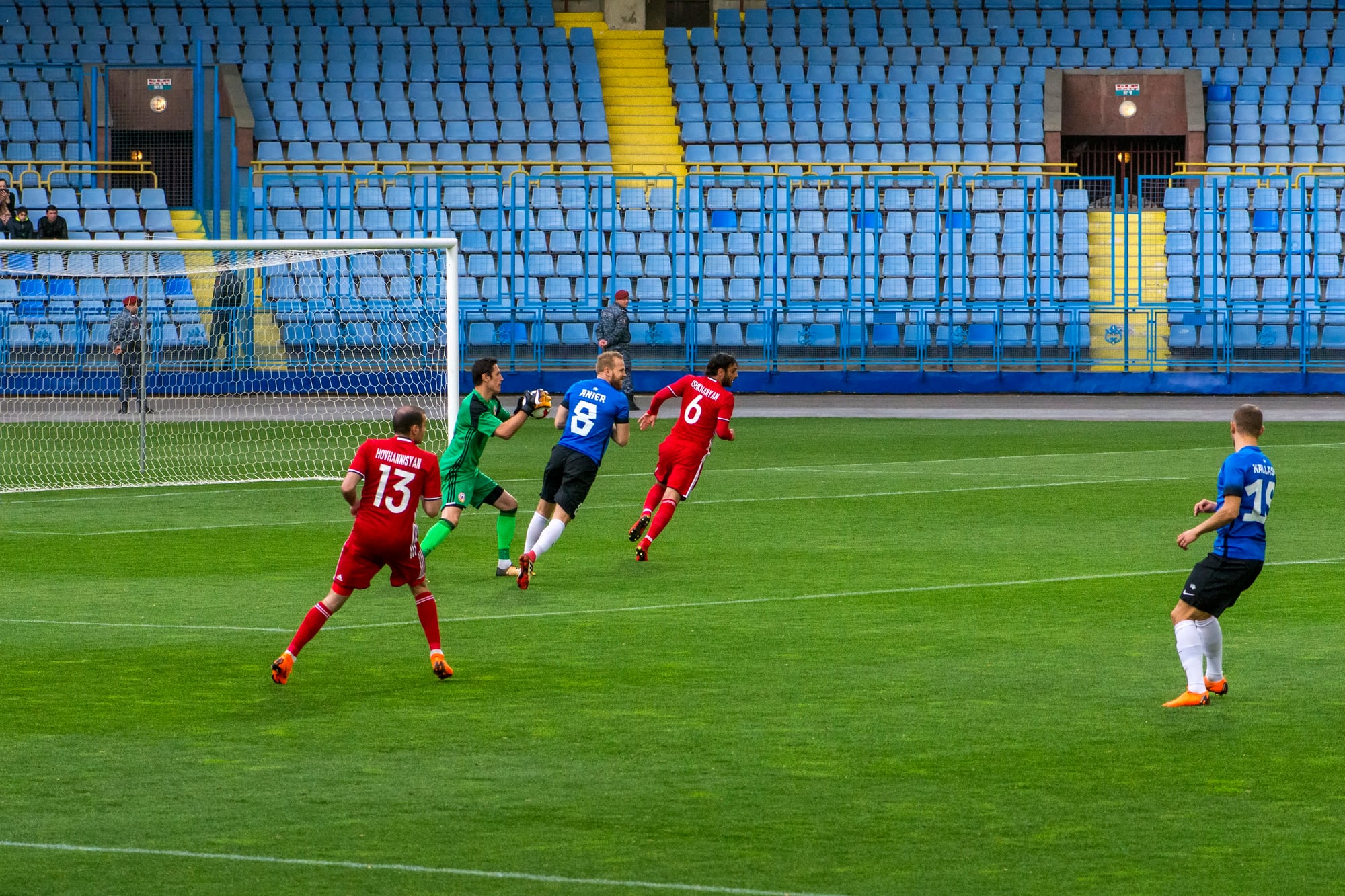
Armenia’s Republican Stadium in Yerevan became the site of tragedy during a 1999 match when overcrowding led to a crush that killed 1 person and injured dozens. While the death toll was relatively low, the incident highlighted safety concerns at post-Soviet stadiums and the need for improved crowd management.
When Joy Turns to Tragedy

These disasters span decades and continents, yet they share common threads that connect past tragedies to present-day concerns. Poor crowd control, inadequate safety measures, and outdated infrastructure have repeatedly turned celebration into catastrophe.
Modern stadiums now feature improved design, better emergency protocols, and advanced crowd management systems largely because of lessons learned from these dark chapters in sports history. The memories of those lost in these disasters continue to shape how we approach stadium safety today, ensuring that the joy of sport remains just that.
More from Go2Tutors!

- The Romanov Crown Jewels and Their Tragic Fate
- 13 Historical Mysteries That Science Still Can’t Solve
- Famous Hoaxes That Fooled the World for Years
- 15 Child Stars with Tragic Adult Lives
- 16 Famous Jewelry Pieces in History
Like Go2Tutors’s content? Follow us on MSN.



