Why Getting Picked Last in Gym Class Left a Mark That Never Faded
There’s a specific kind of humiliation that lives in the body rather than the mind — the kind you don’t process with language, you just absorb. Standing at the edge of a gym floor while two captains called names, watching the group you were standing with get smaller and smaller, until there was no group left.
Just you. For millions of people, that moment wasn’t a blip.
It was a before-and-after.
The Ritual Itself

The picking system was a performance of hierarchy, and everyone in that gym understood exactly what it meant. Two students — always the ones who’d already figured out where they stood — got to sort their classmates like cards in a deck, face-up.
The ones who got called last didn’t just feel unpicked; they felt ranked.
What the Body Remembers

Shame doesn’t store itself in memories the way embarrassment does — it settles into posture, into the instinct to shrink, into the flinch that arrives before the thought. A person who was routinely picked last often carries a particular wariness around group situations that has nothing to do with logic and everything to do with a nervous system that learned early to expect exclusion.
The brain treats social rejection the same way it treats physical pain: seriously, with full activation, no distinction made between a child in a gym and a grown adult in a conference room.
The Audience Problem

The worst part wasn’t the captains. It was everyone watching.
Every classmate standing in that shrinking line knew what the order meant, and the unspoken consensus — nobody objected, nobody broke ranks — made it feel like a verdict rather than a preference. Collective silence is surprisingly loud when you’re the subject of it.
Why Teachers Let It Happen

For decades, the team-picking ritual was treated as a neutral exercise in gym class logistics — efficient, familiar, requiring zero preparation from the adult in the room. Teachers who ran it weren’t necessarily indifferent to the children being sorted; many just hadn’t been handed a framework that named what was happening as harm.
Go figure: an institution that spent years teaching kids to read and write somehow never found time to teach them that public ranking causes damage.
Athletic Identity Forms Early
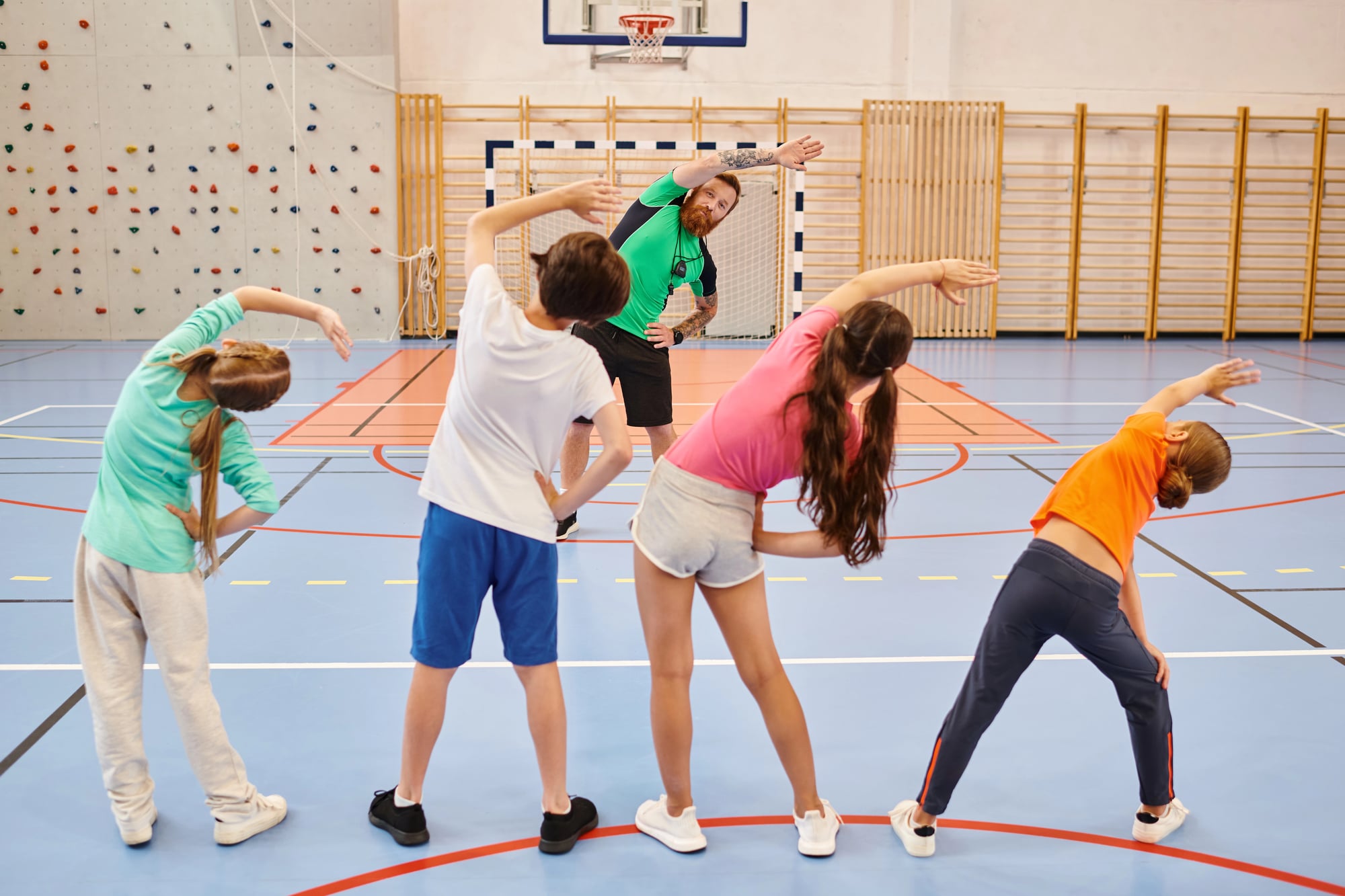
By the time most kids reach middle school, they’ve already sorted themselves — or been sorted — into “sporty” and “not sporty,” and that categorization tends to stick with stubborn tenacity well into adulthood. The child who got picked last in fourth grade often stopped putting their hand up for recreational leagues at thirty, not because they can’t play but because the association between group sports and public failure was cemented long before the prefrontal cortex finished developing.
Identity, it turns out, is surprisingly impressionable at age nine.
The Social Architecture of the Gym Floor

A gym class is a rare environment where social hierarchies get made visible, physical, and impossible to deny — the popular kid at the front of the line, the awkward kid at the back, the whole structure laid out like a diagram. Most social sorting in childhood happens in quieter, more ambiguous ways: who gets invited to whose birthday party, who eats lunch with whom.
The gym floor made it a ceremony.
What It Did to Friendships
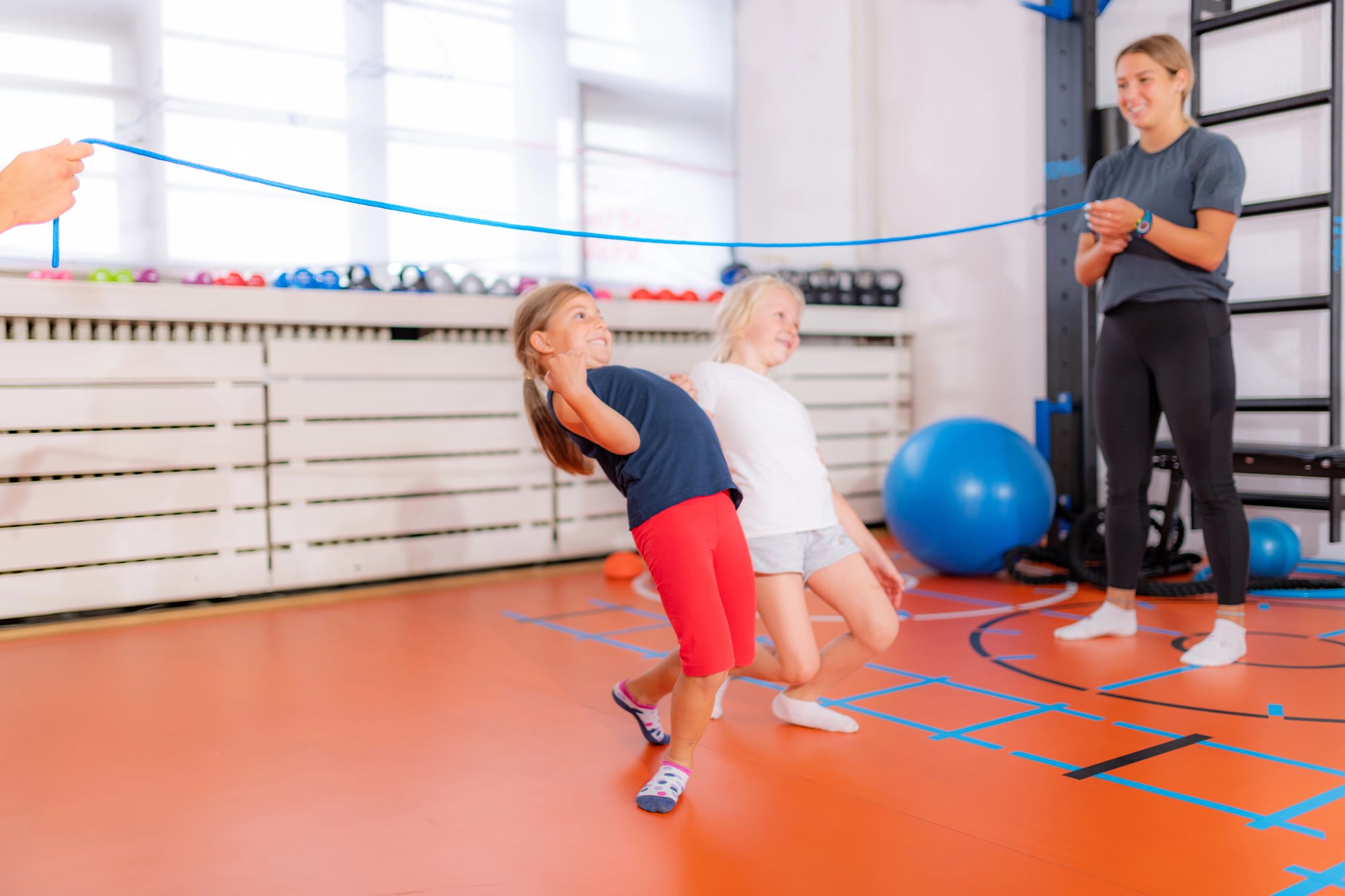
Being picked last in front of your friends — the people you’d eaten lunch with, walked to school with, traded snacks with — introduced a strange and difficult question: did they see you the same way the captains did? Something shifts when the people closest to you don’t fight for you in a lineup, even if fighting wasn’t an option they were given.
That particular doubt, once planted, doesn’t always stay confined to gym class.
The Weight of Being “Not Athletic”

Being labeled unathletic in childhood is one of the few identity tags that gets applied publicly, repeatedly, and with institutional backing — gym teachers grading, captains choosing, coaches cutting. The label doesn’t just describe a skill level; it attaches to a person’s sense of what they’re capable of in any competitive or physical space.
Plenty of adults who haven’t voluntarily exercised in years aren’t lazy — they’re avoiding a feeling that has nothing to do with fitness and everything to do with a gym floor from 1994.
The Kids Who Did the Picking
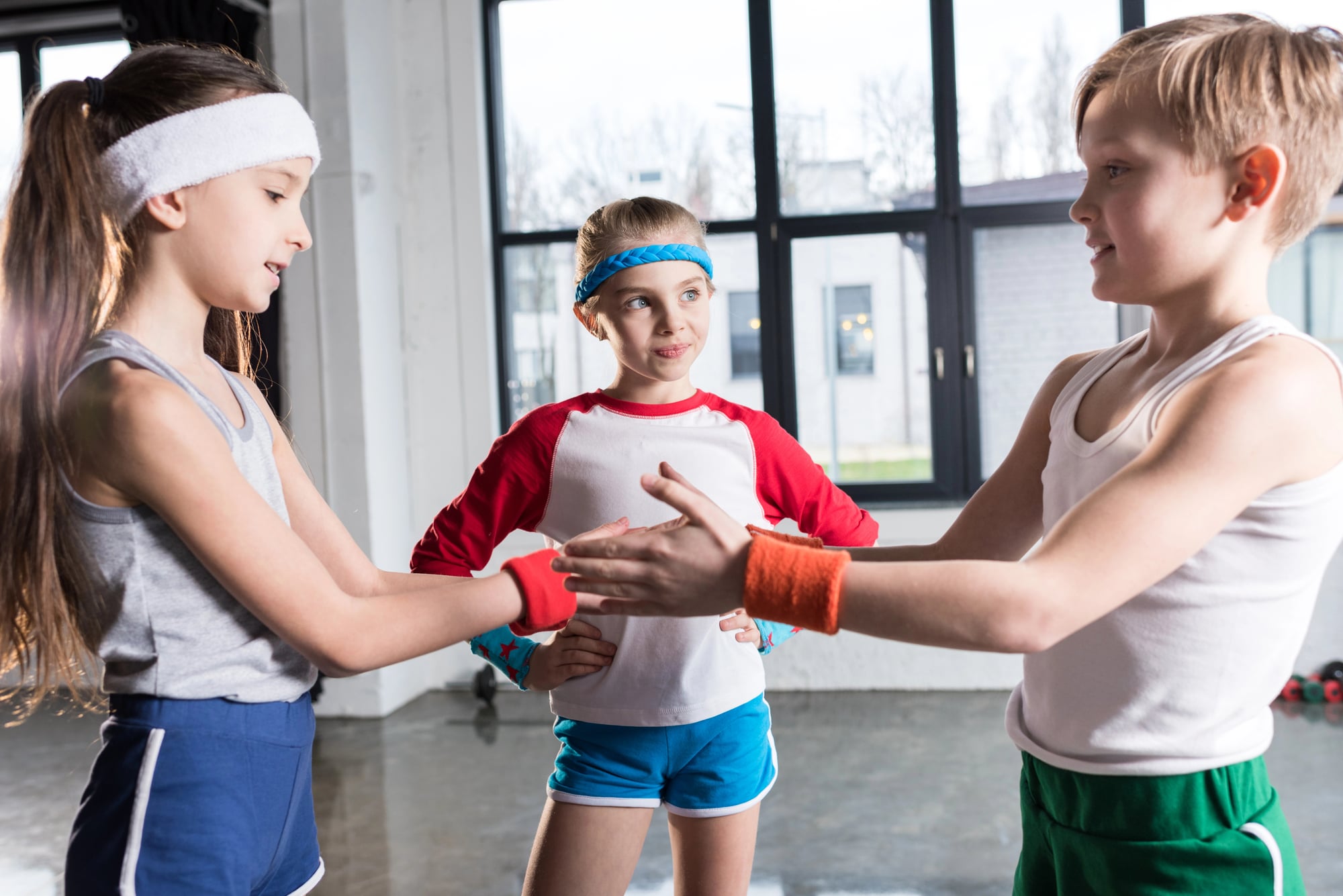
The captains were rarely villains — they were children navigating the same social pressures as everyone else, just handed a microphone. Most of them picked strategically because they’d been told, implicitly, that winning mattered more than anything happening to the kid at the end of the line.
They’ve grown up too, and a fair number of them look back on those moments with something that isn’t quite guilt but isn’t quite comfort either.
How Schools Began to Rethink It

Physical education researchers started flagging the team-selection ritual as psychologically harmful in earnest during the 1990s and early 2000s, which is roughly when some districts began quietly replacing it with random team assignment, teacher-selected groups, or rotating captains who had no authority to rank. The change was small logistically and enormous emotionally — it removed the performance from the equation.
What remained was just gym class.
The Ripple Into Adulthood

Adults who were consistently picked last often describe a particular reluctance around group physical activities — recreational sports leagues, fitness classes, anything that vaguely resembles a situation where their body might be assessed by others. The reluctance doesn’t announce itself as trauma; it presents as preference, as “I’m just not a gym person,” as a dozen reasonable-sounding explanations for avoiding a feeling that was originally formed at age ten.
Patterns don’t always look like patterns from the inside.
What Psychology Actually Says

Research on social exclusion — including landmark work by psychologist Kipling Williams on what he called “ostracism” — consistently shows that being excluded from a group activates distress signals in the brain with a speed and intensity that most people underestimate. The brain doesn’t wait for context before registering rejection; it processes the exclusion first and asks questions later, which is why being picked last in a low-stakes gym game still managed to feel like the end of something.
The stakes the brain assigns to social rejection are almost always higher than the stakes of the situation itself.
The Particular Sting of Being Last
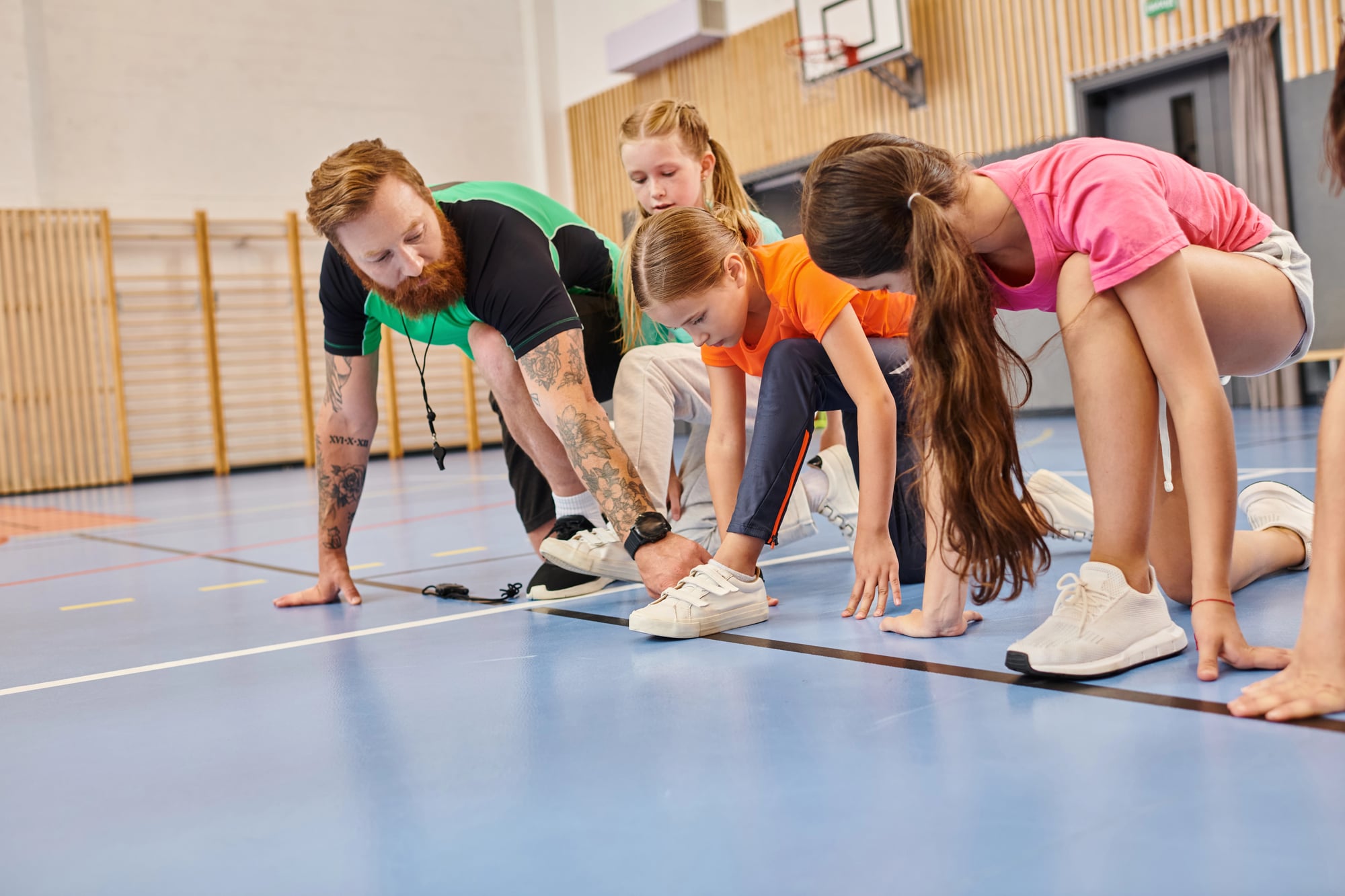
There’s a meaningful difference between being picked somewhere in the middle and being picked last — the last pick is a singular status, unmistakable and unambiguous, like a punctuation mark at the end of a sentence nobody wanted to finish. Everyone else in the gym got chosen; you got assigned.
The distinction between those two experiences is small in practical terms and enormous in the way it registers.
When the Wound Shows Up Later

A grown adult who flinches at team-building exercises at work, who avoids recreational leagues, who feels a specific dread when someone says “let’s split into groups” — that person is not being dramatic. They’re responding to a pattern that was written early, in a loud gym, in front of everyone.
The original event and the current trigger don’t need to look anything alike for the reaction to be genuine.
What Would Have Cost Nothing
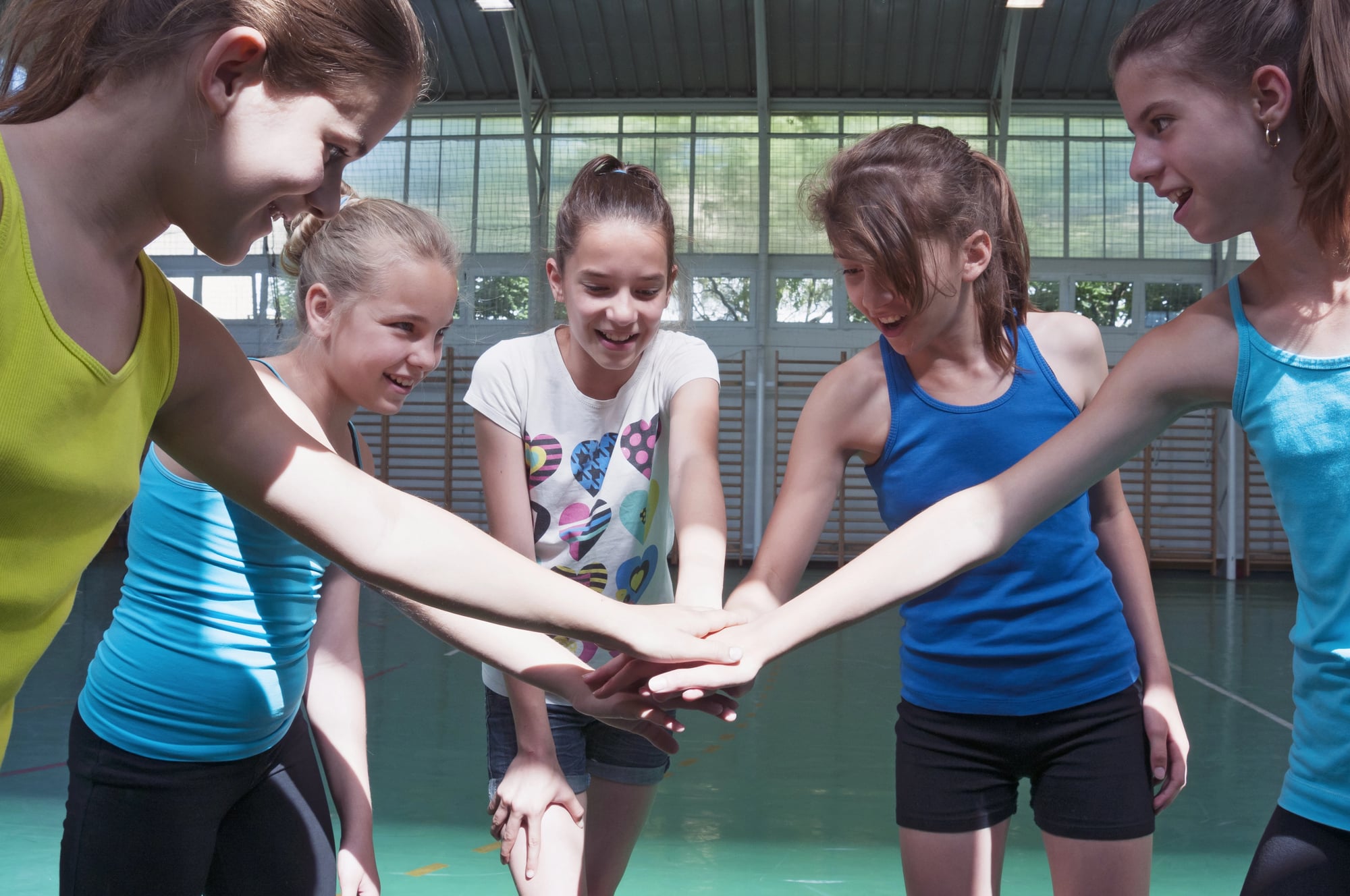
A teacher who privately assigned teams before class started, a random-number generator, a hat with names in it — any of these would have produced the same gym class and none of the ranking. The students would have played the same game.
The captains would have found other ways to establish status, because kids always do. The only thing that would have disappeared is the spectacle of sorting humans by perceived value in front of their peers, which, to be fair, was never a curriculum requirement in the first place.
The Quiet Ones Who Watched
There’s a category of person who rarely gets mentioned in this conversation: the ones who weren’t picked last but watched someone else be picked last, every time, and said nothing. Some of them felt relief — the relief of not being the one standing there — and that relief came with its own complicated aftertaste.
Witnessing someone else’s public diminishment without intervening leaves a mark too, just a different shape.
Where the Feeling Actually Lives Now

The gym is long gone. The teacher has retired, the classmates have scattered, the game that was being played that afternoon has been forgotten entirely.
And yet: ask someone who was routinely last, and they’ll remember the exact smell of the gym, the squeak of the sneakers on the floor, the specific way time stretched out while names that weren’t theirs kept getting called. Memory is selective about what it keeps.
It tends to keep this.
The Line Between Then and Now
It would be tidy to say that people grow out of it — and to be fair, some do, or at least build enough distance from it that it stops directing traffic. But for a meaningful number of adults, the experience of being publicly ranked last by their peers didn’t resolve into a lesson or a character-building moment; it just became a quiet assumption about where they stand when groups form.
That assumption doesn’t have to be permanent. It doesn’t automatically leave on its own, either.
Still Standing at the Edge
Some wounds announce themselves clearly enough that people know to tend to them. This one tends to masquerade as a personality trait — the introvert who doesn’t do group sports, the professional who declines the company softball team, the person who always has a reason not to join.
The gym floor eventually went away. For some people, the feeling of standing on it never entirely did.
And that’s not weakness — it’s just what it looks like when a child absorbed something they didn’t have the words for, and carried it forward into a life that turned out to be longer and more complex than any of them could have known, standing there in their sneakers, waiting to hear their name.
More from Go2Tutors!

- The Romanov Crown Jewels and Their Tragic Fate
- 13 Historical Mysteries That Science Still Can’t Solve
- Famous Hoaxes That Fooled the World for Years
- 15 Child Stars with Tragic Adult Lives
- 16 Famous Jewelry Pieces in History
Like Go2Tutors’s content? Follow us on MSN.



