15 Cool Things Carved Into Mountains and Cliffs
There’s something deeply satisfying about humans deciding a mountain face needs improvement. While nature spends millions of years shaping rock with wind and water, we show up with dynamite and chisels, convinced we can do better.
These carved monuments represent some of our most audacious attempts to leave a permanent mark on the landscape — and the results range from breathtaking to bizarre.
Mount Rushmore
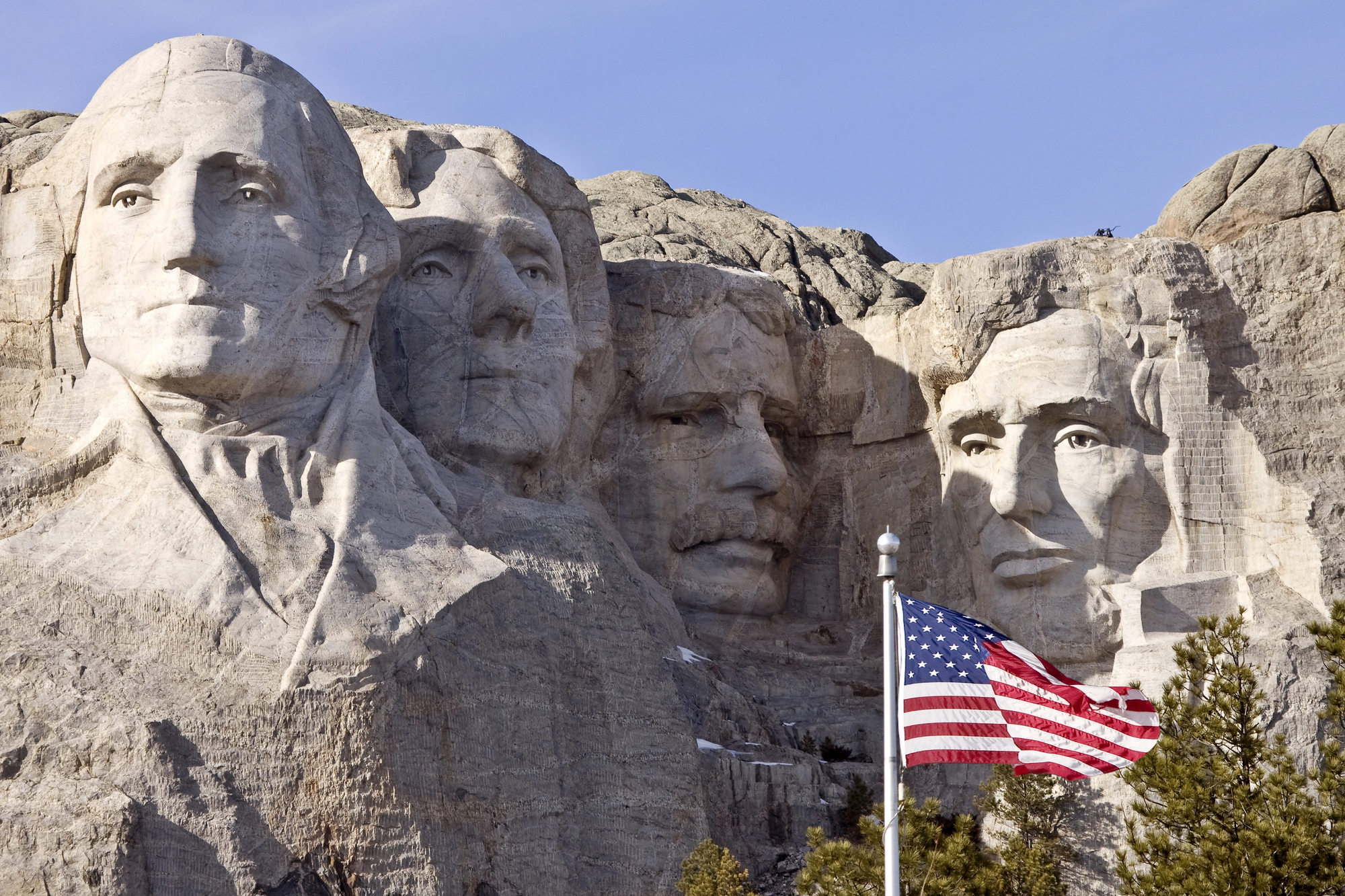
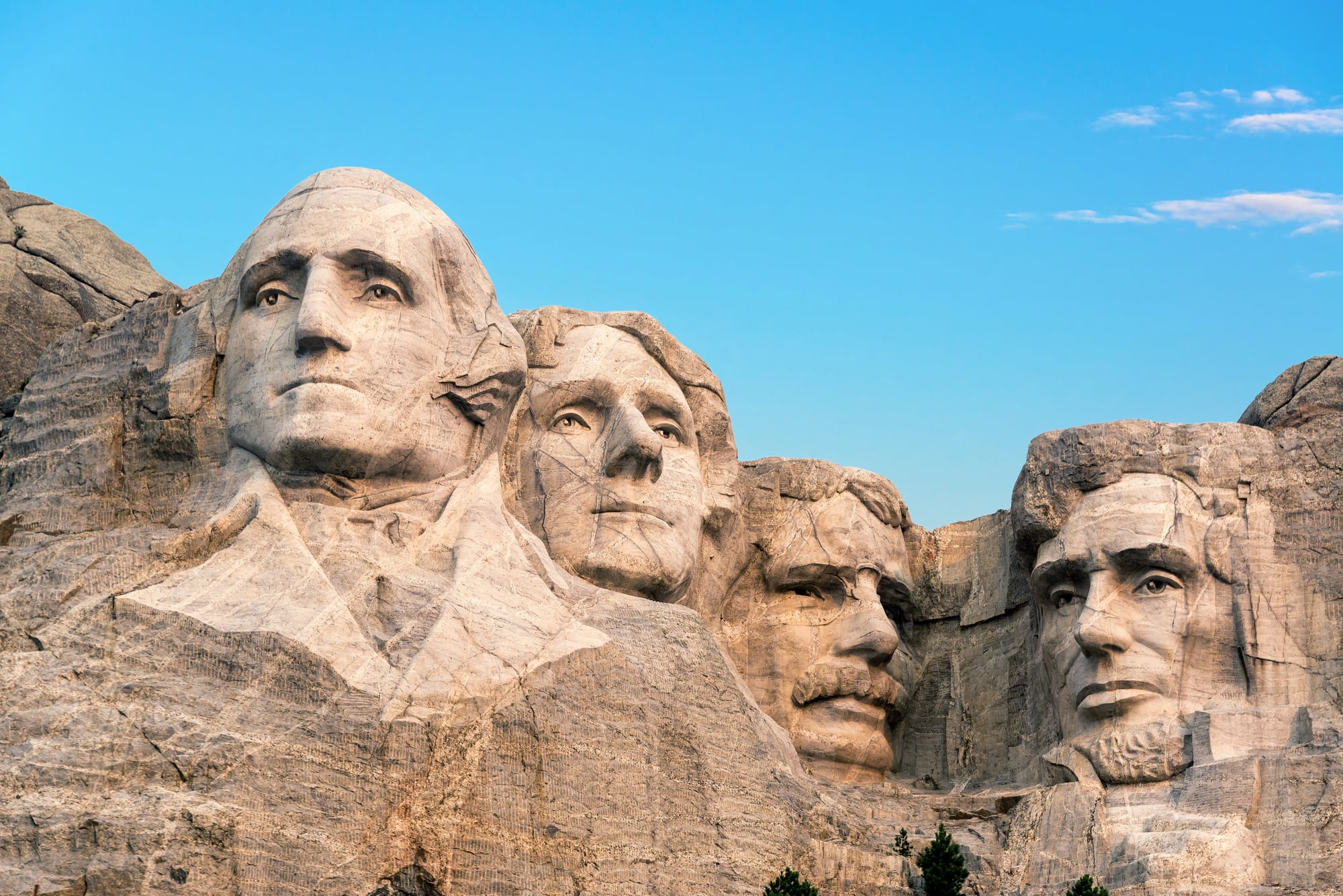
The four presidents staring out from South Dakota’s Black Hills remain America’s most famous mountain carving. Gutzon Borglum blasted and chiseled Washington, Jefferson, Roosevelt, and Lincoln into the granite between 1927 and 1941.
Each head stands 60 feet tall.
The monument draws millions of visitors annually. That’s despite — or perhaps because of — its audacious scale and the controversy surrounding its location on land sacred to the Lakota people.
Crazy Horse Memorial
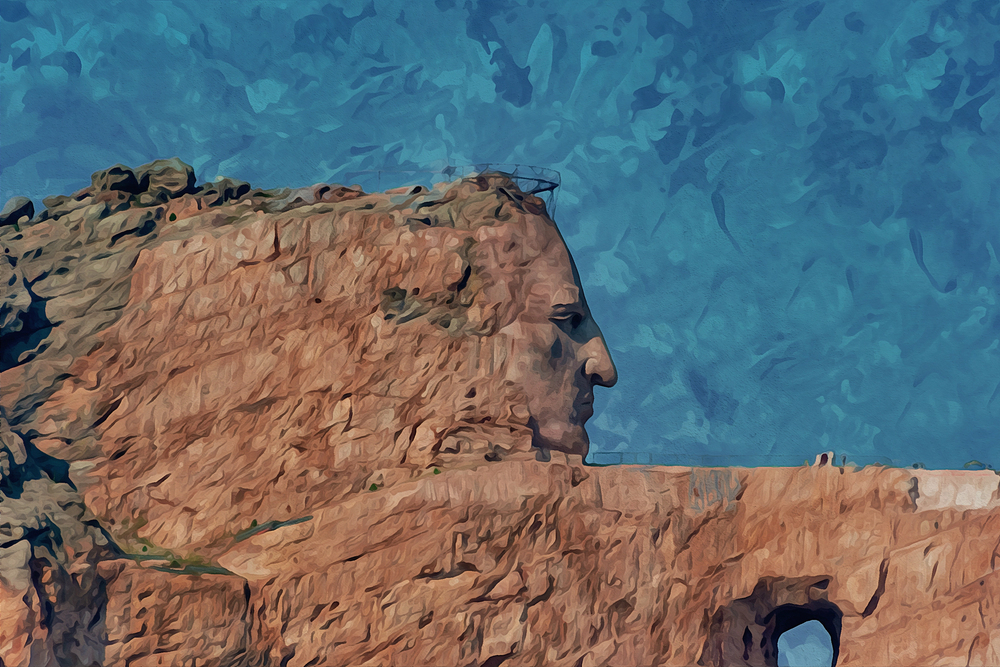
Not far from Mount Rushmore, another massive carving takes shape in the Black Hills (though “takes shape” might be generous, considering work began in 1948 and the memorial remains decades from completion). When finished, Crazy Horse will dwarf the presidential heads — the Lakota leader’s face alone will be 87 feet high, and his outstretched arm will extend 263 feet from the mountain.
The project operates entirely on private funding, which explains the glacial pace of progress. But there’s something admirable about the stubborn persistence: Korczak Ziolkowski’s family continues his work, chipping away at the mountain with the same methodical determination that carved the great cathedrals (those also took centuries to complete, and people complained about the timeline then too).
The memorial represents not just Crazy Horse, but the idea that some projects are worth starting even when you’ll never see them finished.
The Sphinx and Great Pyramid Context
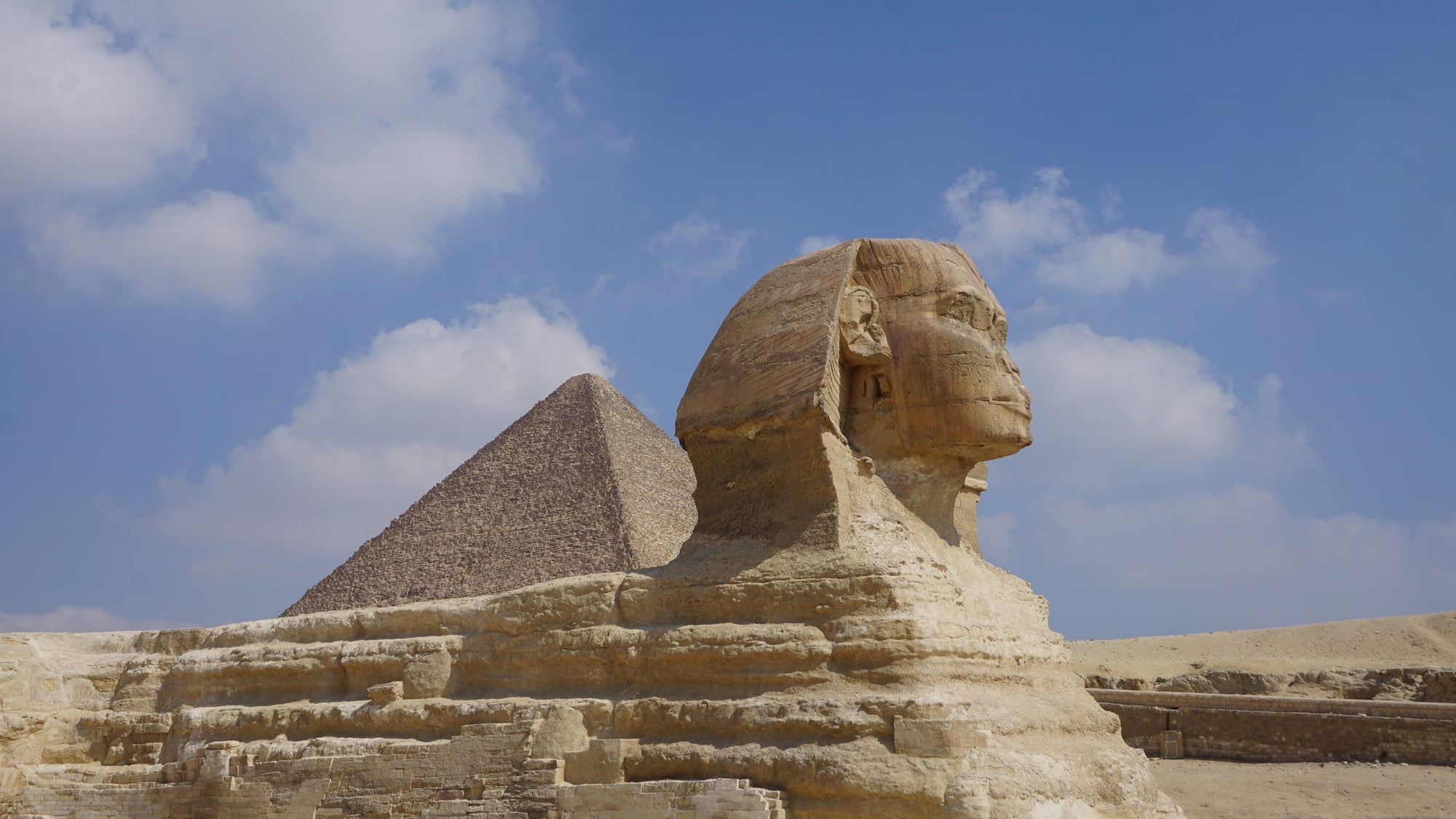
Rock carving isn’t new. Ancient civilizations understood that stone lasts when everything else crumbles.
The Abu Simbel temples in Egypt, carved directly into sandstone cliffs around 1264 BC, still draw crowds 3,000 years later. The four colossal statues of Ramesses II guard the entrance, each standing 65 feet tall.
They’ve survived floods, wars, and even relocation when the Aswan Dam threatened to submerge them.
Leshan Giant Buddha
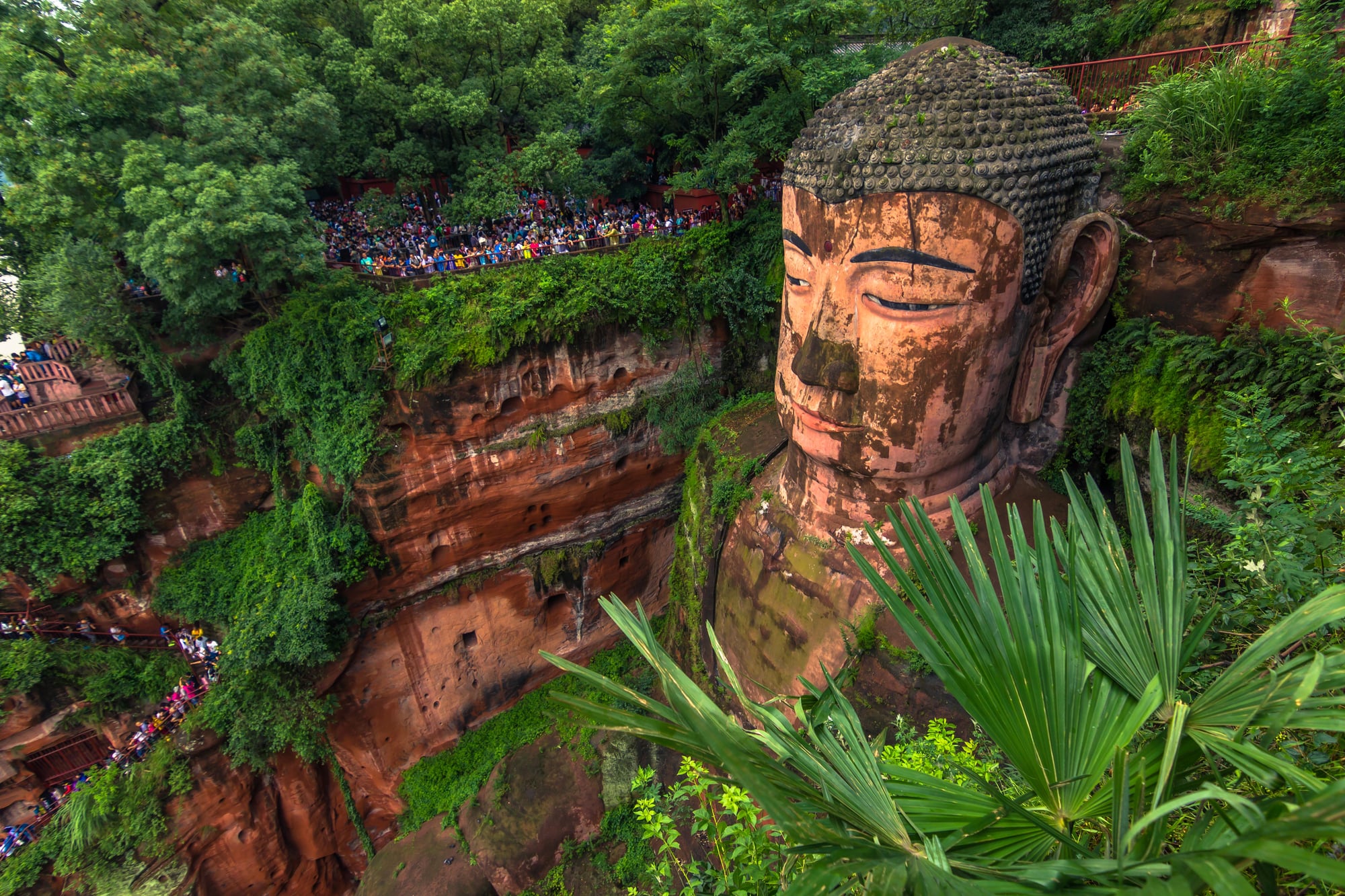
The world’s largest stone Buddha sits carved into a cliff face in China’s Sichuan Province. At 233 feet tall, this Tang Dynasty masterpiece dwarfs most buildings.
Monks began the carving in 713 AD, hoping the Buddha’s presence would calm the turbulent waters where three rivers meet.
The engineering remains impressive. Hidden drainage systems channel rainwater away from the statue, protecting it from erosion.
The Buddha’s hair contains 1,021 individual buns, each precisely carved. Tourism now threatens what centuries of weather couldn’t destroy.
Bamyan Buddhas
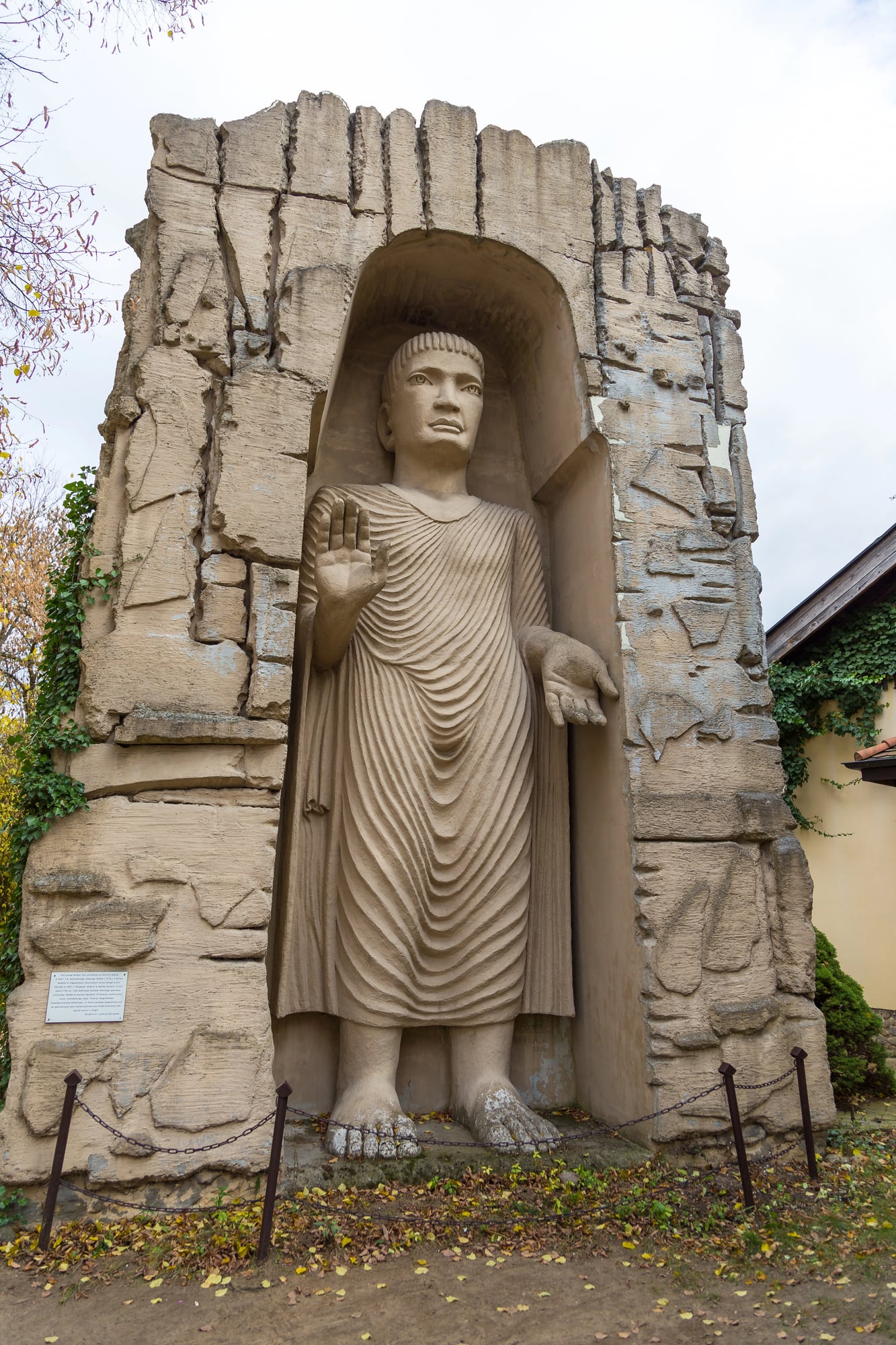
Two massive Buddha statues once stood carved into the cliffs of Afghanistan’s Bamyan Valley — the taller reaching 174 feet, the shorter 114 feet. For over 1,400 years, they watched over the Silk Road trade route, their serene faces greeting travelers crossing the Hindu Kush mountains.
The Taliban destroyed both statues in 2001, declaring them idolatrous. What remained were empty niches in the cliff face, like missing teeth in a smile that had welcomed visitors for millennia.
The destruction felt personal in a way that surprised the world: these weren’t just ancient artifacts, but patient guardians whose loss left the landscape somehow lonelier. Digital projections have occasionally filled the empty spaces with light, creating ghost Buddhas that flicker briefly against the stone before vanishing again.
Petra Treasury
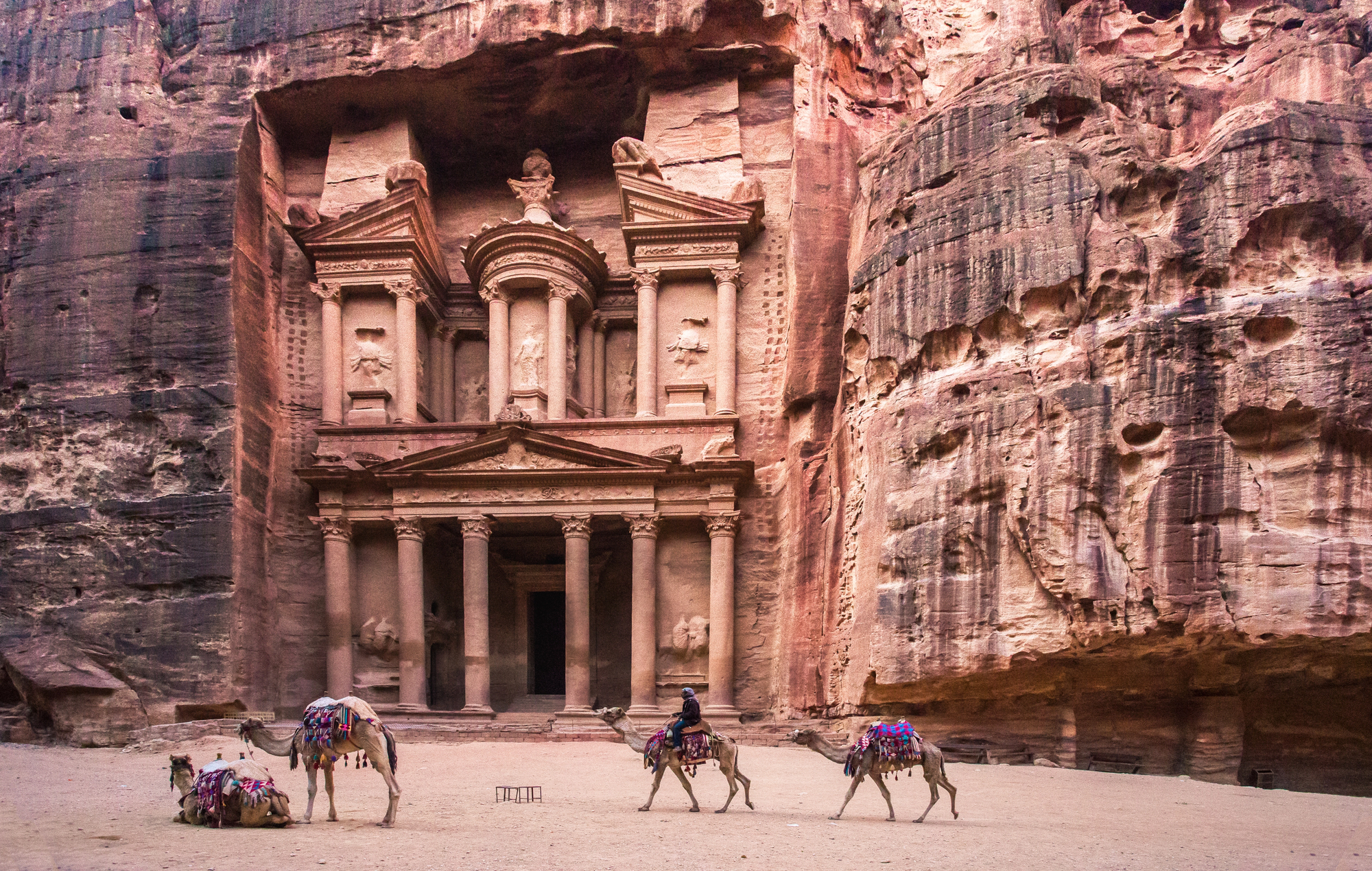
Petra’s Treasury stands as carved architecture’s greatest magic trick. The elaborate facade appears to emerge from rose-colored sandstone as if the mountain dreamed it into existence and woke up decorated.
Built by the Nabataeans around the first century AD, the Treasury served as a tomb rather than a bank. The name comes from local legends about treasure hidden in the urn carved at the top.
Bullet marks still scar the urn from treasure hunters who believed the stories enough to take shots at it.
Mount Nemrut
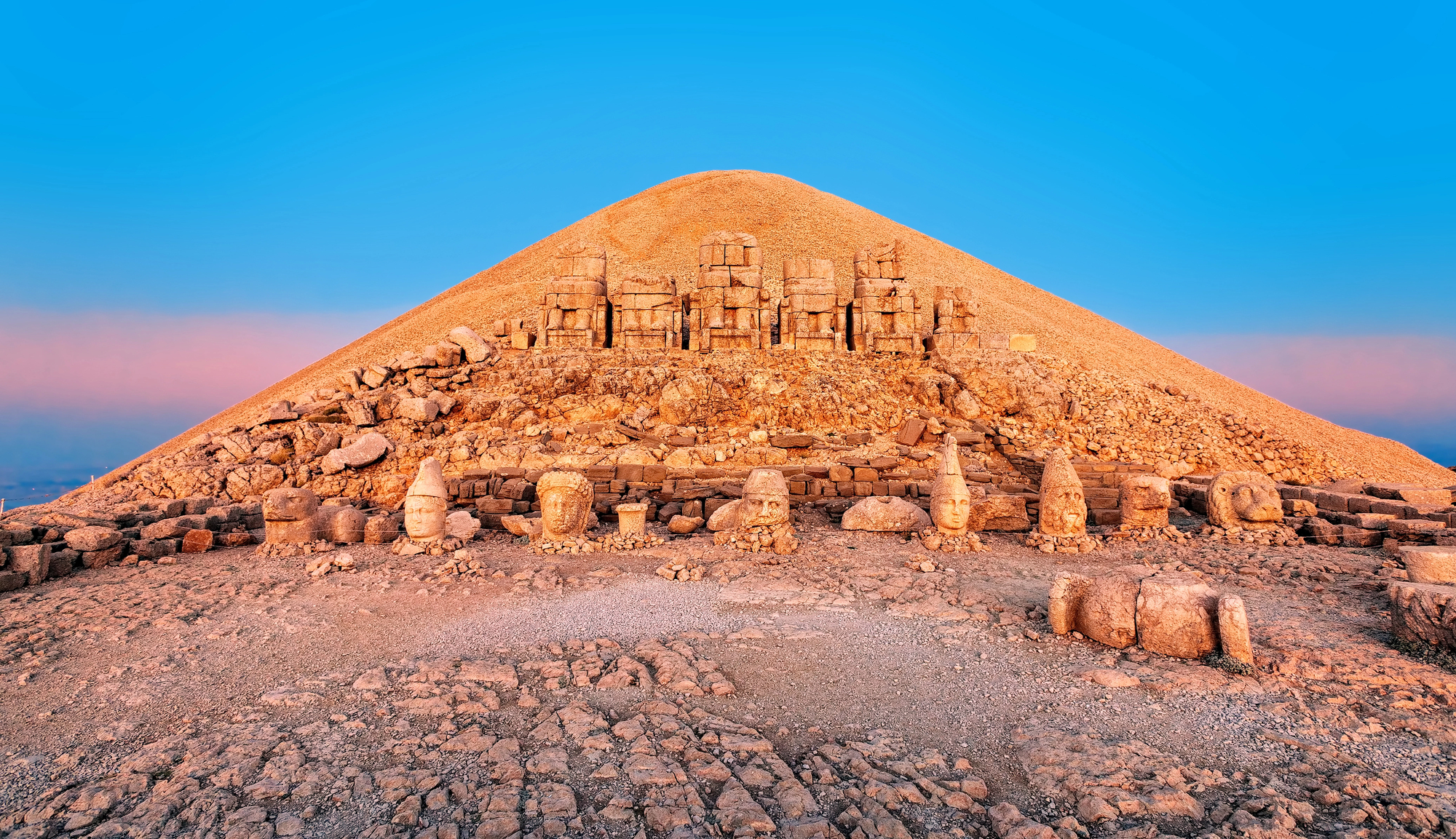
Antiochus I of Commagene had opinions about his place in history. Around 62 BC, he commissioned a mountaintop monument that would ensure his legacy: colossal seated statues of himself alongside various gods, their heads now tumbled and scattered like a giant’s abandoned chess set.
The monument sits at 7,000 feet elevation in southeastern Turkey. Antiochus designed it so the rising sun would illuminate the eastern terrace and the setting sun would light the western side — celestial spotlights for his eternal vanity project.
Tourism officials love the sunset views. Antiochus would be pleased.
Easter Island Moai
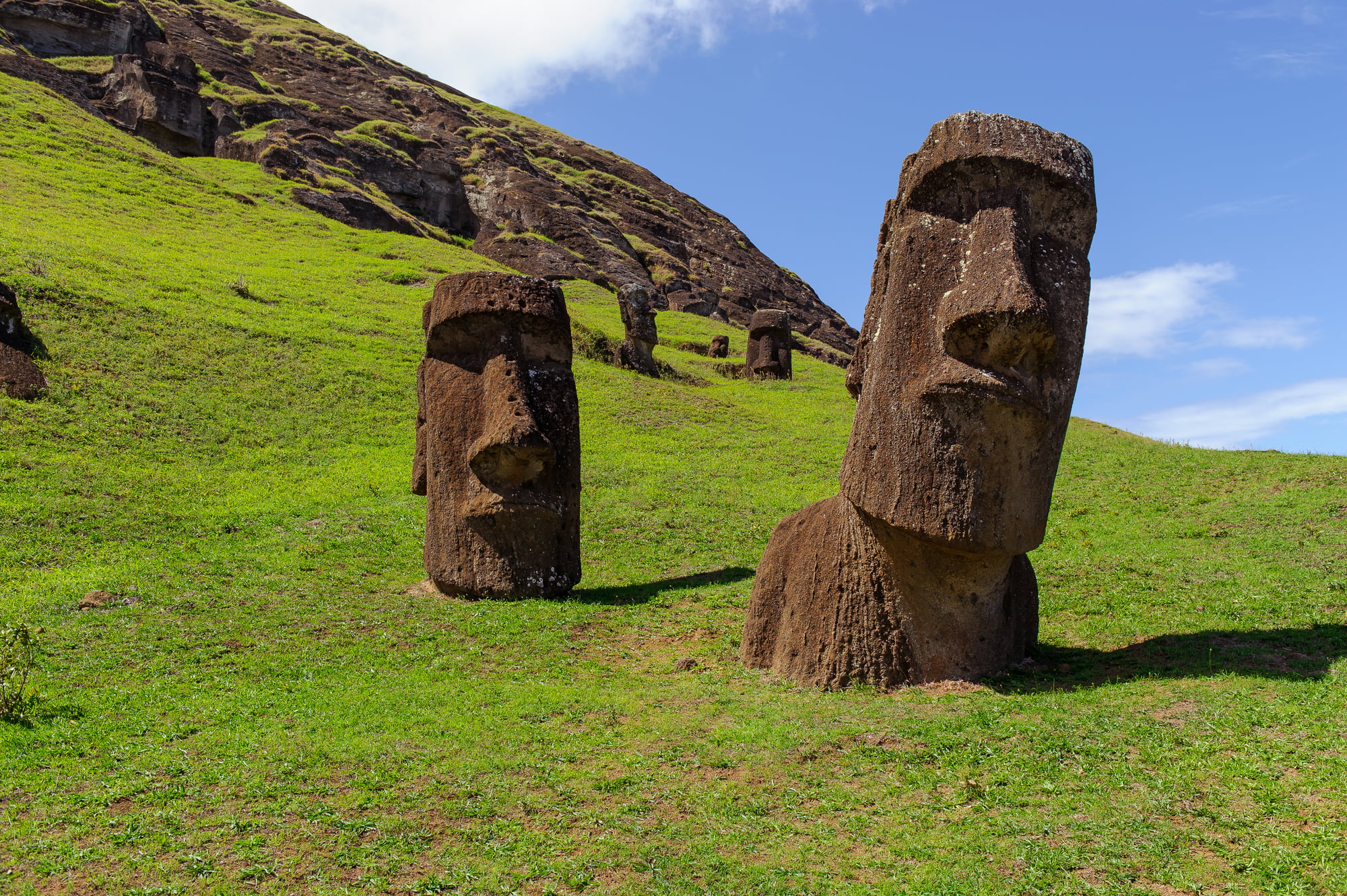
Nearly 1,000 stone heads dot Easter Island, each carved from volcanic rock and weighing up to 80 tons. The Rapa Nui people created them between 1250 and 1500 AD, though their exact purpose remains debated.
Recent excavations revealed that many moai have full bodies buried underground, extending the statues’ height by several meters. The discovery changed how archaeologists view the monuments — they’re not just heads, but complete figures that time and soil gradually swallowed.
The island’s isolation makes their creation even more remarkable: the nearest populated land sits over 1,000 miles away, yet the Rapa Nui developed one of history’s most distinctive sculptural traditions in complete isolation.
Stone Mountain Confederate Memorial
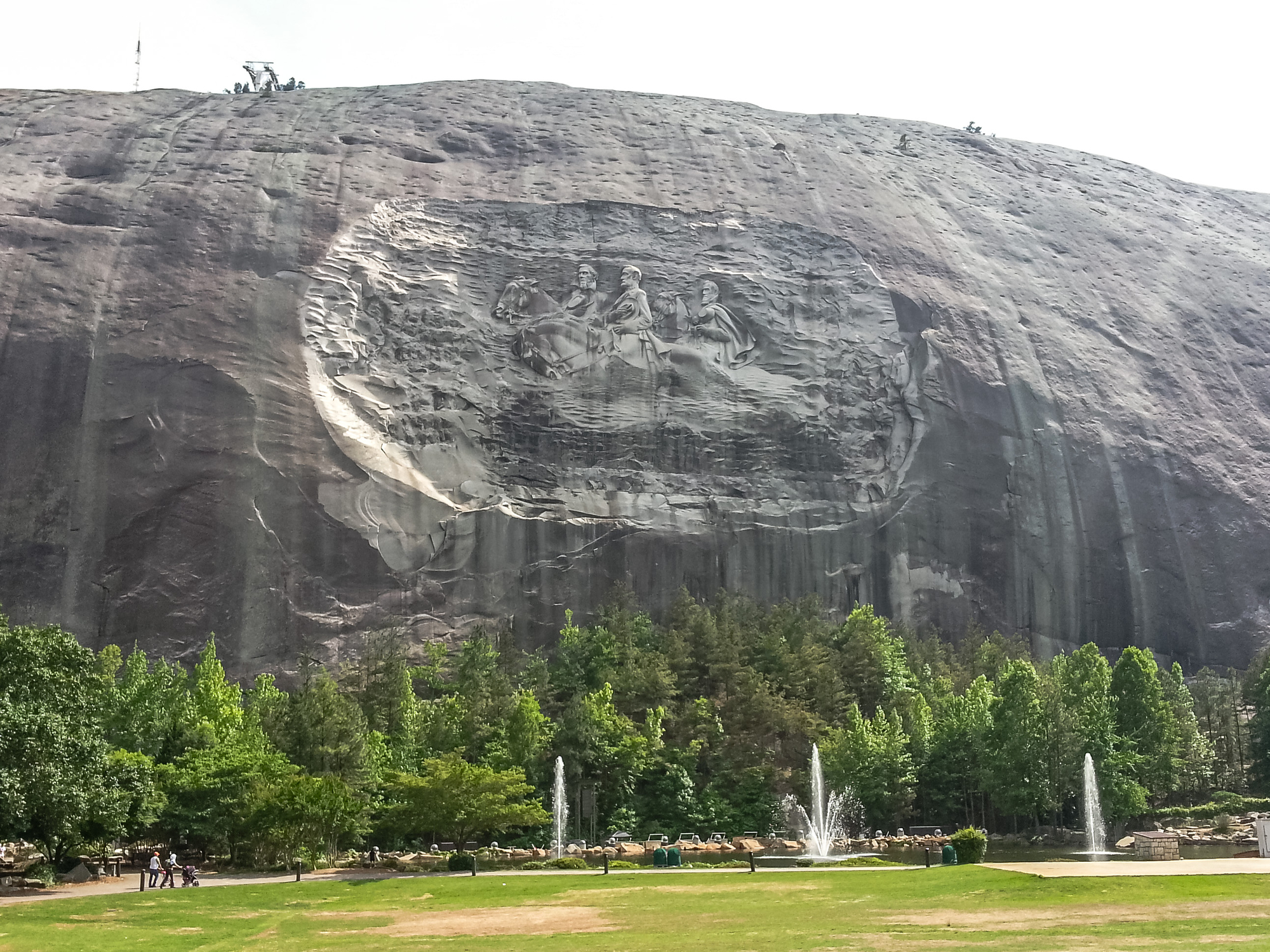
Stone Mountain in Georgia bears the largest bas-relief carving in the world. Jefferson Davis, Robert E. Lee, and Stonewall Jackson ride their horses across 3.2 acres of granite, with the carving measuring 190 feet in width and 90 feet in height, recessed 42 feet into the mountain and positioned 400 feet above the ground.
The carving began in 1923, stalled for decades, and wasn’t completed until 1972. The monument’s connection to the Ku Klux Klan — the project was originally commissioned by the organization — makes it one of America’s most controversial carved landmarks.
The technical achievement remains impressive even as the subject matter grows increasingly uncomfortable for modern visitors.
Valley of the Kings Rock-Cut Tombs
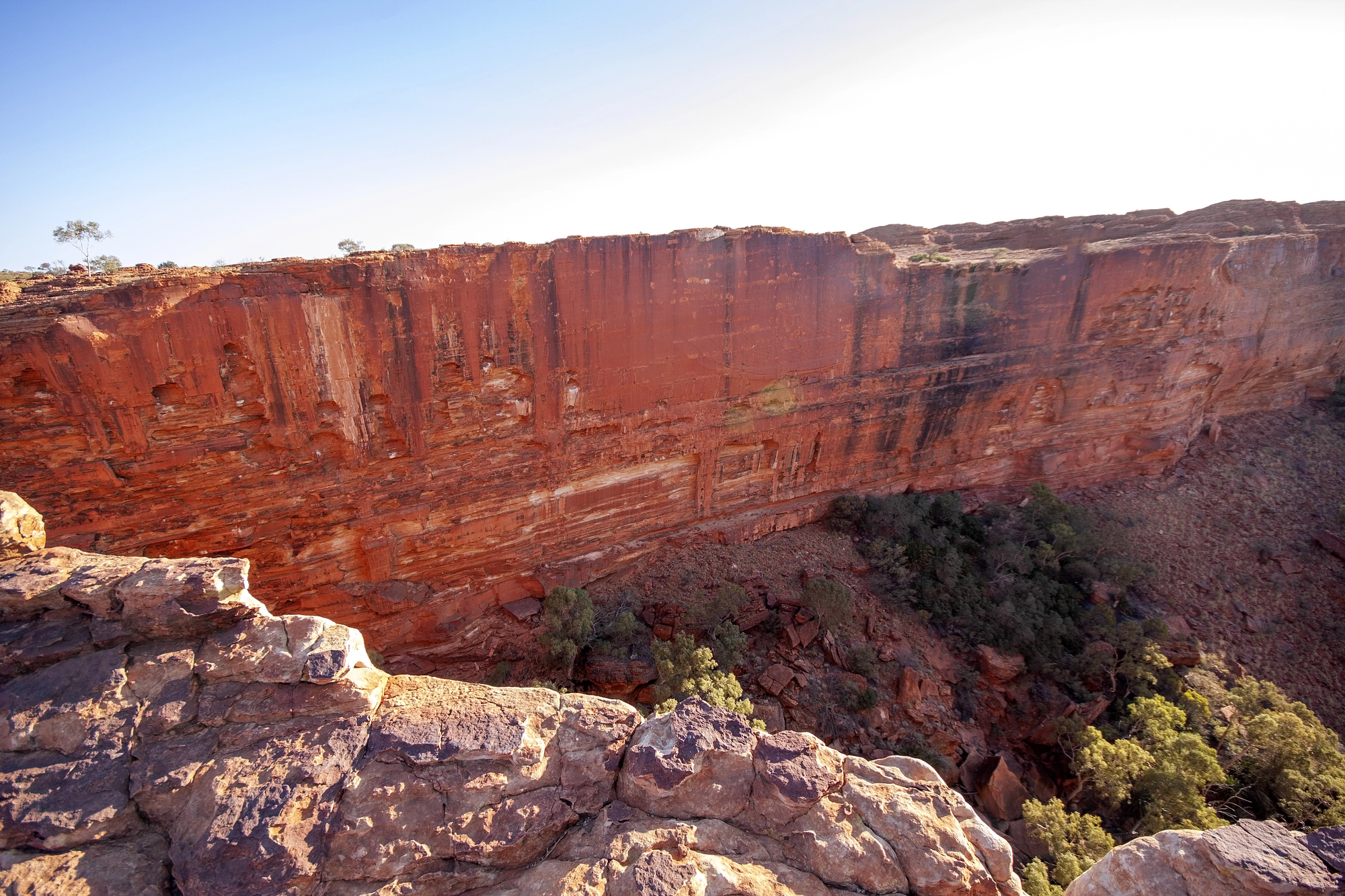
Egyptian pharaohs eventually tired of building pyramids that advertised their burial locations to every tomb robber in the kingdom. The solution: carved tombs hidden in the Valley of the Kings’ limestone cliffs, designed to be secret rather than spectacular.
The strategy failed spectacularly. The valley now hosts some of archaeology’s most famous discoveries, including Tutankhamun’s nearly intact tomb.
The carved corridors and chambers contain some of Egypt’s finest art: detailed wall paintings that depict the pharaoh’s journey through the afterlife, preserved by the dry desert climate and hidden darkness. These underground palaces prove that sometimes the most impressive architecture hides rather than shows off.
Ellora Caves
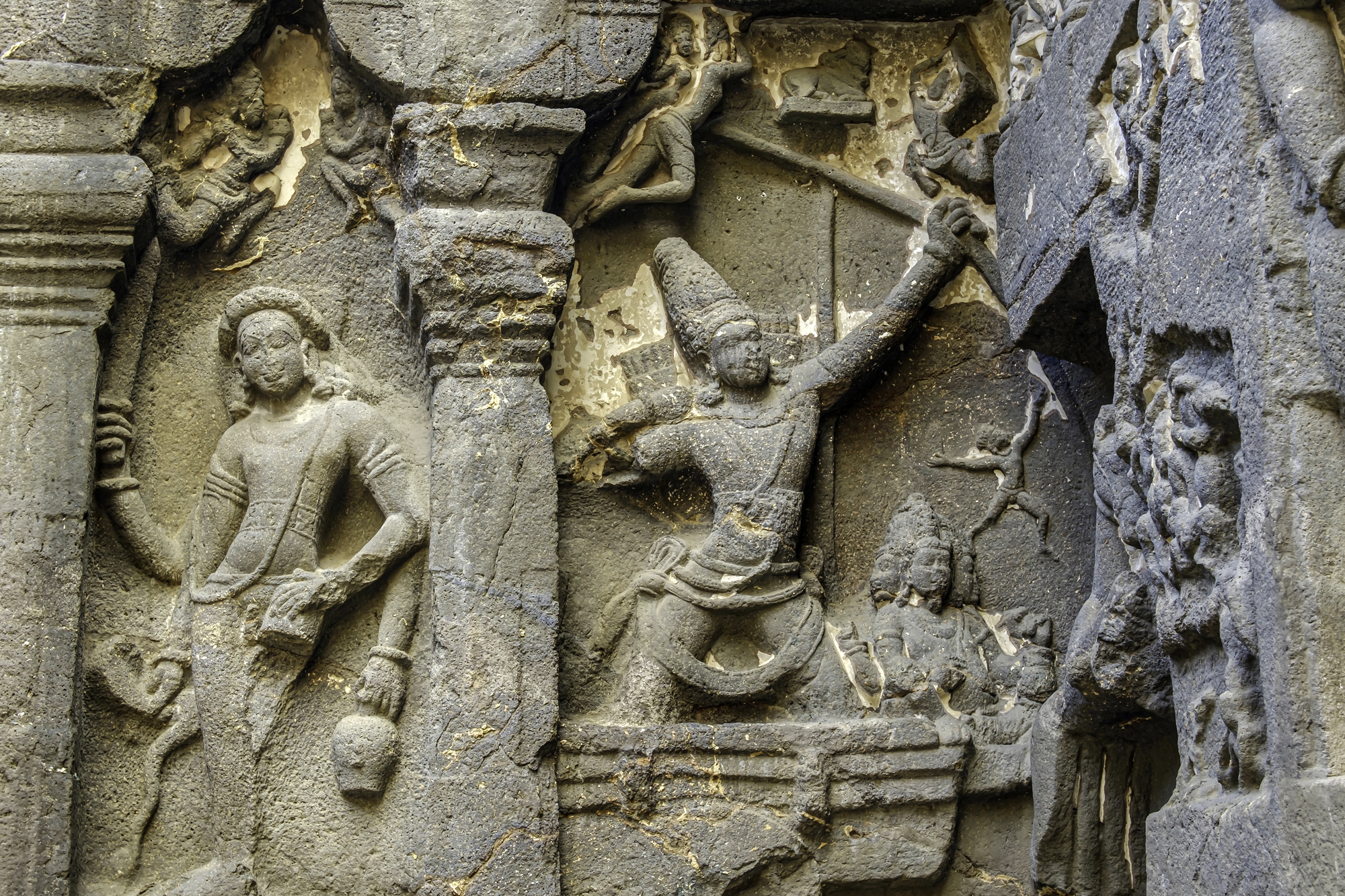
Ellora’s rock-cut temples in India represent religious tolerance carved in stone. Between the 6th and 10th centuries, Buddhist, Hindu, and Jain communities created 34 monasteries and temples side by side, each carved directly from volcanic basalt cliffs.
The Kailasa temple stands as the complex’s masterpiece — a complete Hindu temple carved from a single piece of rock. Workers started at the top and carved downward, removing an estimated 400,000 tons of stone.
The temple includes elephants, lions, and intricate architectural details, all carved from the original cliff face. The project took over 100 years and represents one of humanity’s most ambitious stone-carving undertakings.
Ajanta Caves
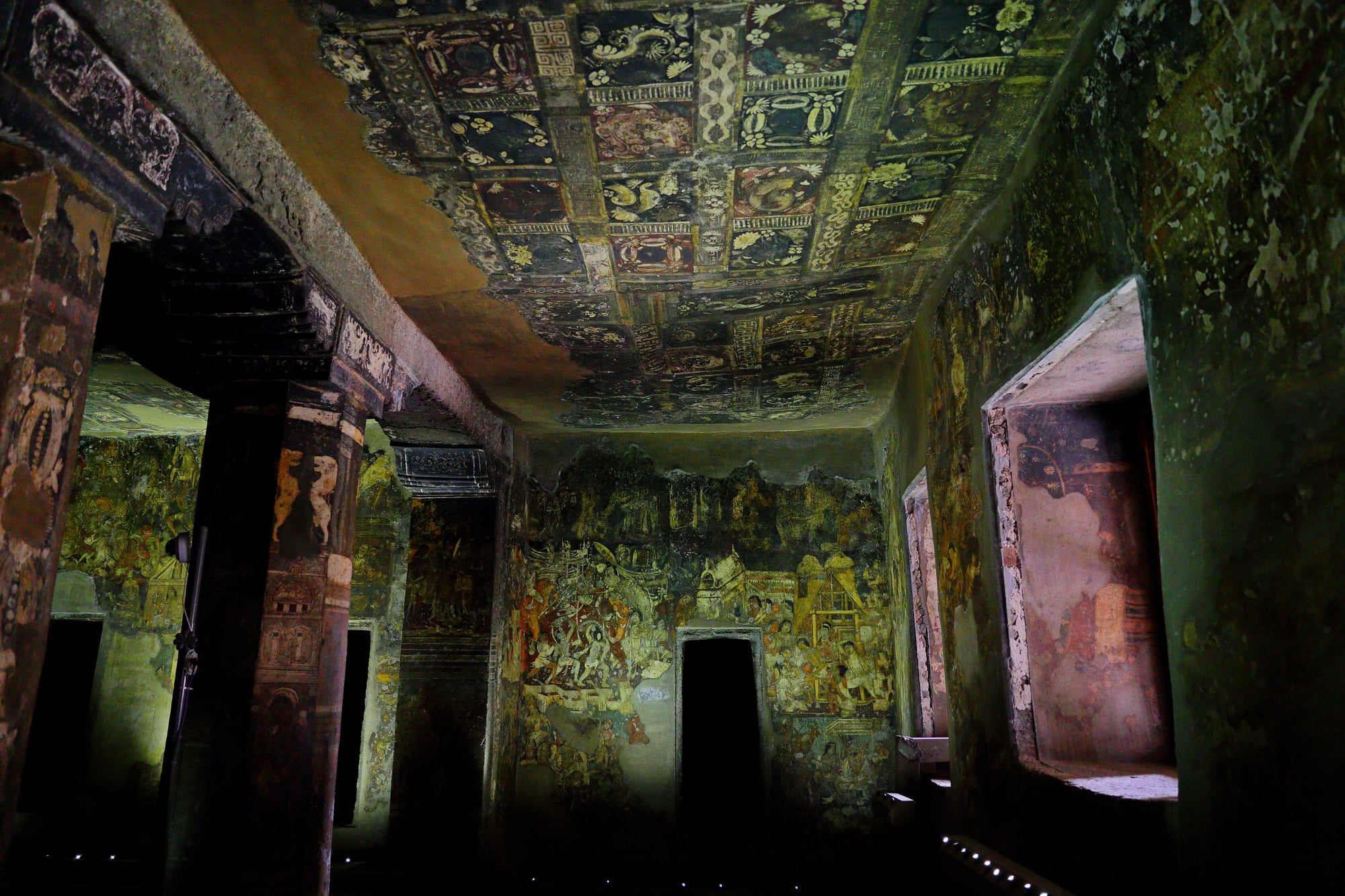
The Ajanta Caves remained hidden in the Indian jungle for over 1,000 years until a British officer hunting tigers stumbled across them in 1819. These 30 Buddhist cave temples, carved between the 2nd century BC and 6th century AD, contain some of India’s finest ancient art.
The caves served as monasteries and prayer halls, carved directly into a horseshoe-shaped cliff. The wall paintings inside depict stories from the Buddha’s life with remarkable detail and color preservation.
The isolation that hid the caves for centuries also protected their contents from weathering and vandalism, creating a time capsule of ancient Buddhist art.
Lycian Tombs
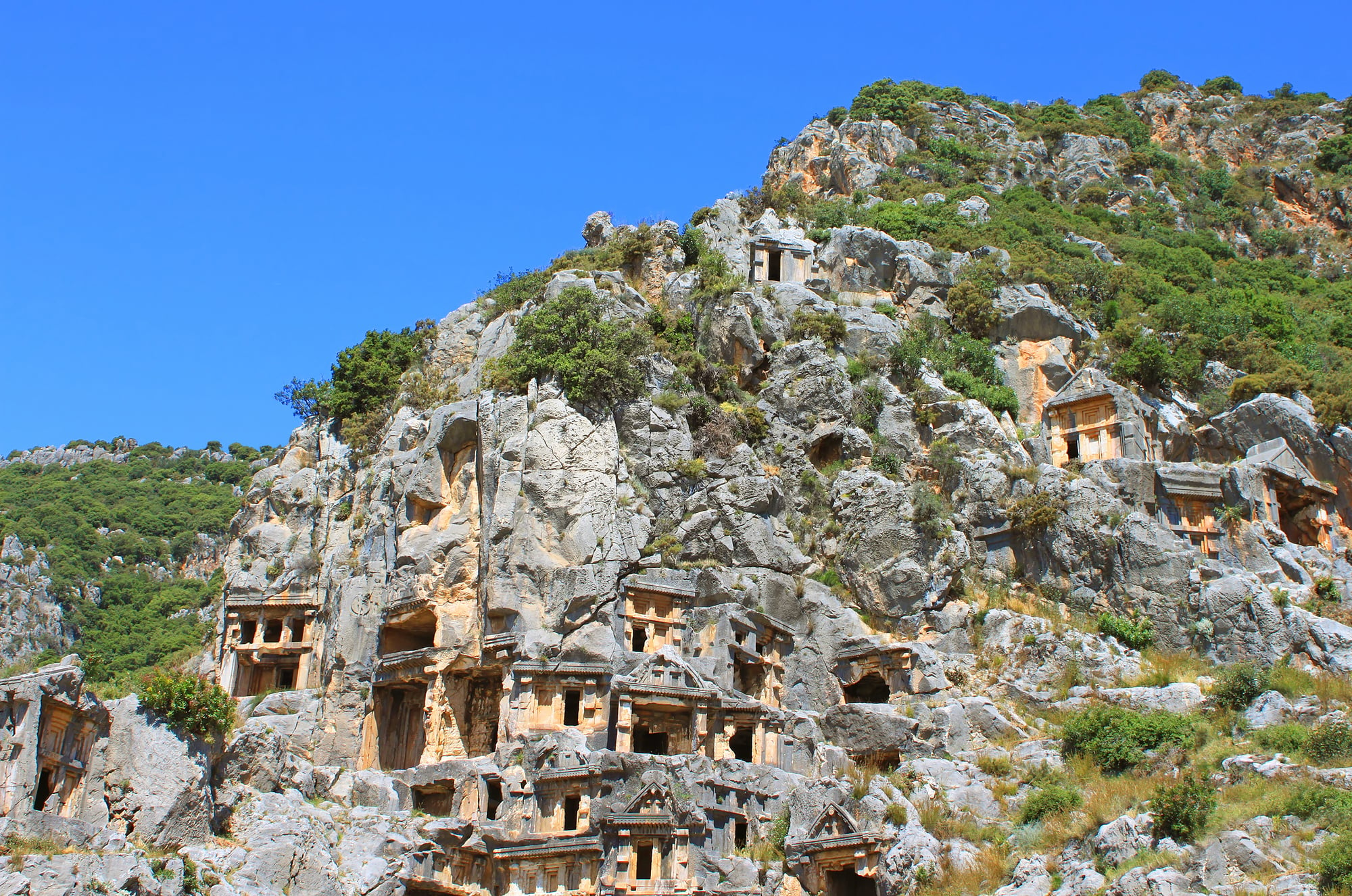
The ancient Lycians of Turkey had specific ideas about death: the closer to the sky, the better the burial. They carved elaborate tombs high into coastal cliff faces, creating a necropolis that seems to float above the Mediterranean.
The tombs at Myra and Dalyan feature intricate facades carved to resemble Greek and Roman architecture, complete with columns, pediments, and decorative reliefs. Many sit hundreds of feet above ground, accessible only by rope or ladder.
The effort required suggests that social status in Lycian society was literally measured by elevation — the higher your tomb, the higher your standing in the afterlife.
Longmen Grottoes
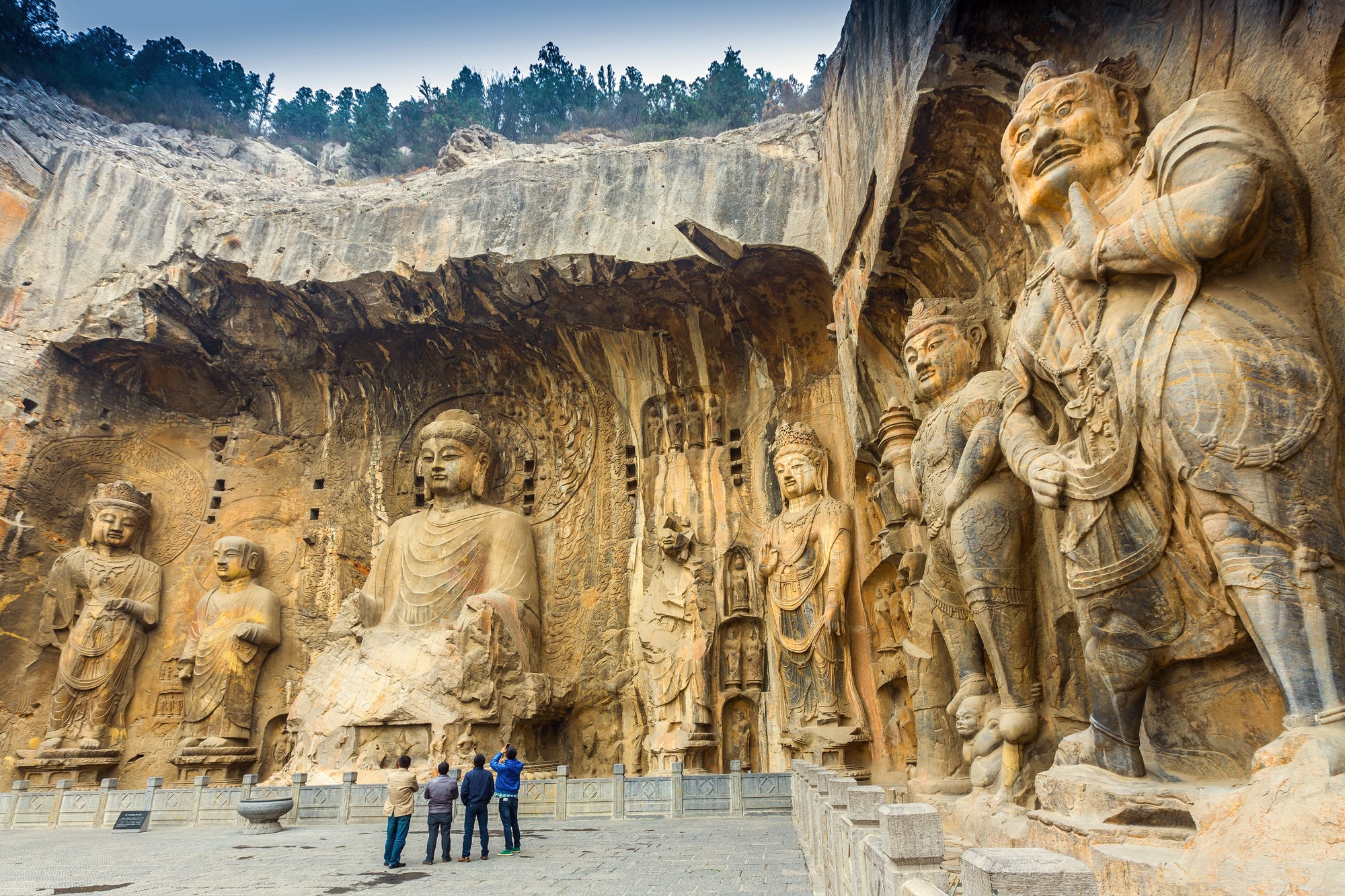
Over 100,000 Buddhist statues fill the limestone cliffs along China’s Yi River. Carved between the 5th and 8th centuries, the Longmen Grottoes contain everything from tiny devotional figures to massive Buddha statues reaching 56 feet in height.
The site represents a collaborative effort spanning centuries. Emperors, nobles, and common citizens all commissioned carvings, creating a vertical city of stone Buddhas.
Many statues show damage from centuries of weathering and cultural upheaval, but enough remain intact to demonstrate the original scope. The grottoes prove that sometimes the most impressive monuments grow slowly, one carved prayer at a time.
Dazu Rock Carvings
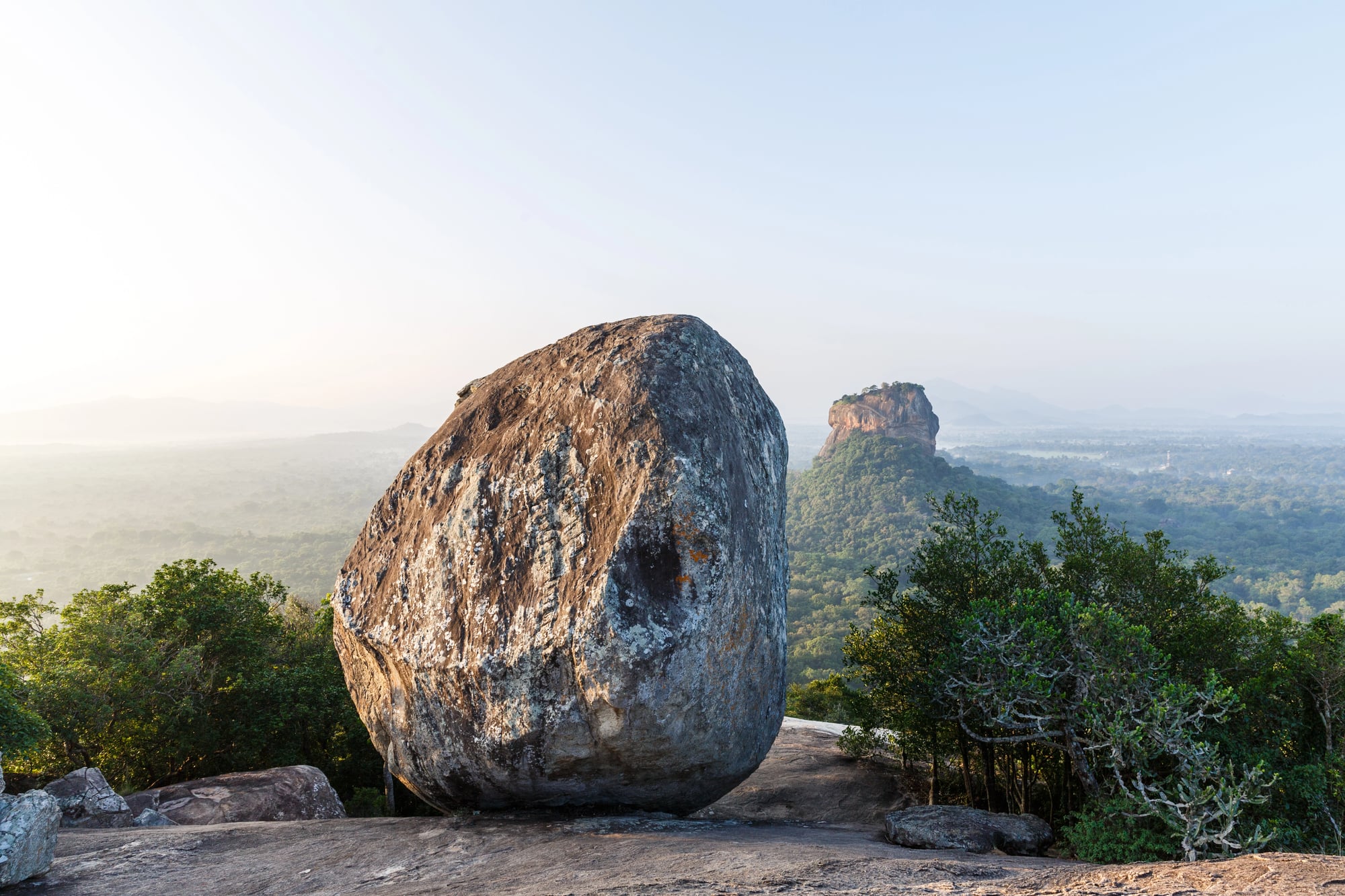
China’s Dazu Rock Carvings present religious sculpture as neighborhood art project. Between the 9th and 13th centuries, local communities carved over 50,000 statues into the region’s cliffs and caves, mixing Buddhist, Confucian, and Taoist imagery with startling creativity.
The carvings feel more intimate than imperial monuments — less about impressing visitors and more about creating sacred spaces for daily worship. The Wheel of Life carving at Baodingshan shows the cycle of reincarnation in graphic detail, while the Sleeping Buddha stretches 102 feet across the cliff face, his expression so serene that visitors instinctively lower their voices.
The site demonstrates how religious art can grow organically from community devotion rather than royal decree.
Monuments That Outlast Their Makers
These carved mountains and cliffs share one quality that their creators probably didn’t fully grasp at the time: permanence has its own weight. Long after the civilizations that carved them have transformed beyond recognition, these stone faces and figures continue their patient watch over the landscape.
The irony runs deep — most were created to preserve something specific, whether political power, religious devotion, or cultural memory. Instead, they’ve become time travelers, carrying fragments of vanished worlds into a future their makers couldn’t imagine.
The carved stone endures while everything else shifts and changes around it, creating accidentally profound conversations between past and present. Sometimes the most lasting human achievements are the ones we chisel directly into the bones of the earth.
More from Go2Tutors!

- The Romanov Crown Jewels and Their Tragic Fate
- 13 Historical Mysteries That Science Still Can’t Solve
- Famous Hoaxes That Fooled the World for Years
- 15 Child Stars with Tragic Adult Lives
- 16 Famous Jewelry Pieces in History
Like Go2Tutors’s content? Follow us on MSN.