Photos Of 16 Dangerous Destinations With Epic Scenery
Some places on Earth look so beautiful they seem almost unreal. But getting to these stunning spots often means taking real risks, whether it’s climbing steep cliffs, walking along narrow paths with huge drops, or braving unpredictable weather.
These destinations reward the brave with views that most people only see in pictures. Here are some of the most breathtaking yet risky places around the world.
Mount Huashan Plank Walk
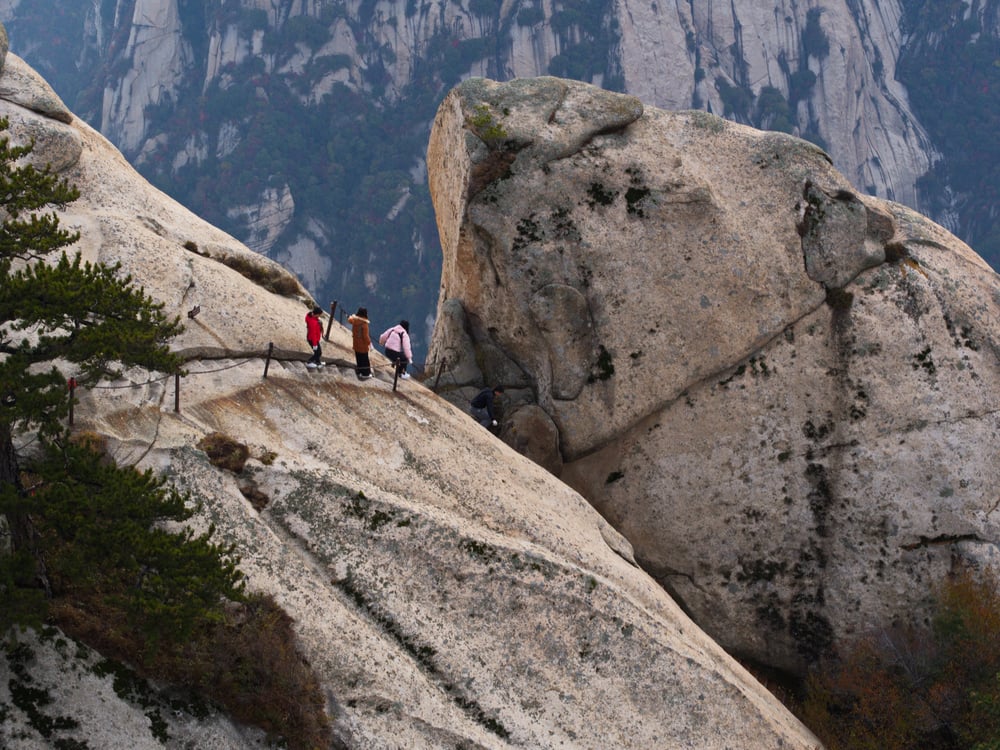
China’s Mount Huashan features wooden planks bolted into the side of a cliff thousands of feet above ground. Visitors strap on harnesses and shuffle along boards that are barely wide enough for one person’s feet.
The mountain has been a sacred site for centuries, but this particular trail became famous for being one of the most frightening walks on the planet. Despite the danger, thousands of adventurous travelers make the journey each year to reach the teahouse at the top and witness views that stretch for miles across the Shaanxi Province.
Trolltunga
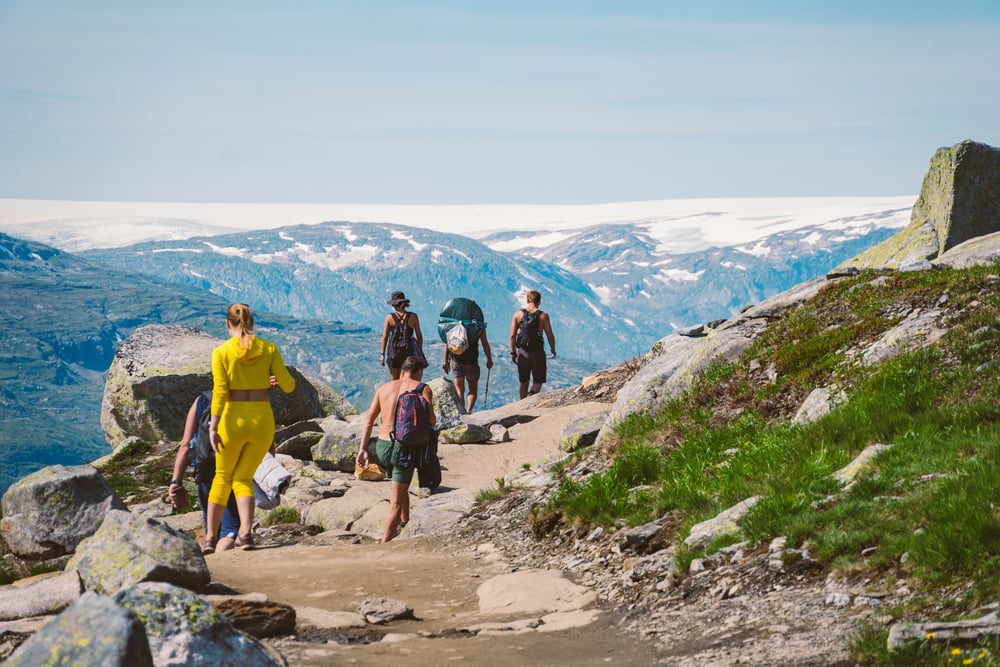
Norway’s Trolltunga juts out over a lake that sits nearly 2,300 feet below. The rock formation looks like a giant tongue sticking out from the mountainside, and standing on its edge takes nerves of steel.
Getting there requires a grueling hike that can take 10 to 12 hours round trip, often through snow and rain. The weather changes quickly in this part of Norway, and people have gotten stranded when conditions turn bad without warning.
Death Road
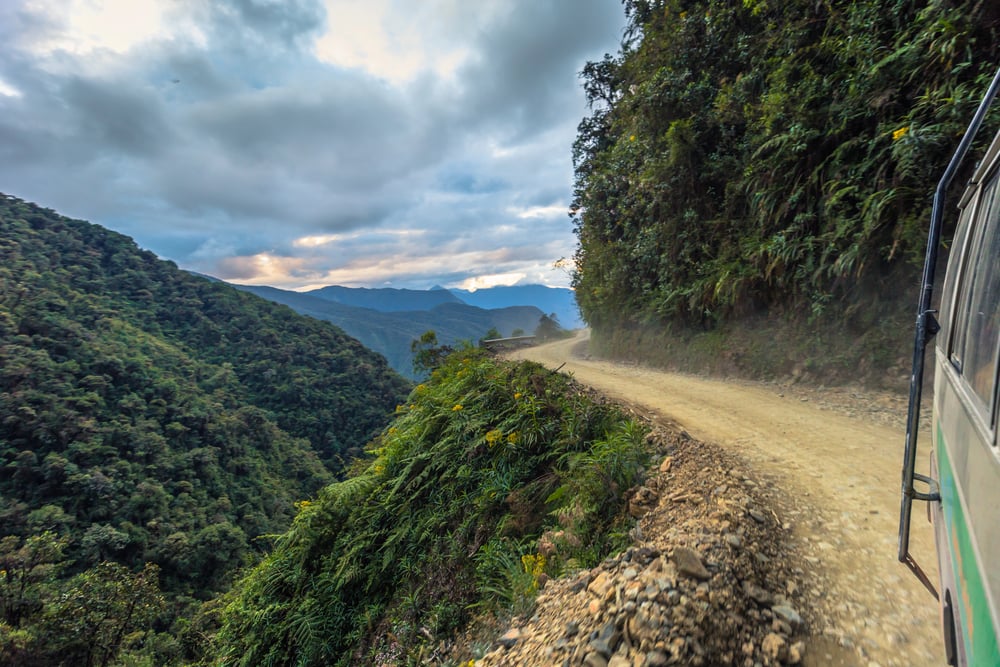
Bolivia’s Yungas Road earned its grim nickname from the number of vehicles that have plunged off its edges over the years. This narrow dirt path winds down the side of a mountain with sheer drops of up to 2,000 feet and almost no guardrails.
Rain and fog make the route even treacherous, yet the surrounding jungle-covered mountains and waterfalls create scenery that looks straight out of an adventure movie. Mountain bikers now use the road more than cars do, racing down the slopes while trying not to think about what happens if they veer too far to the side.
Angel Falls
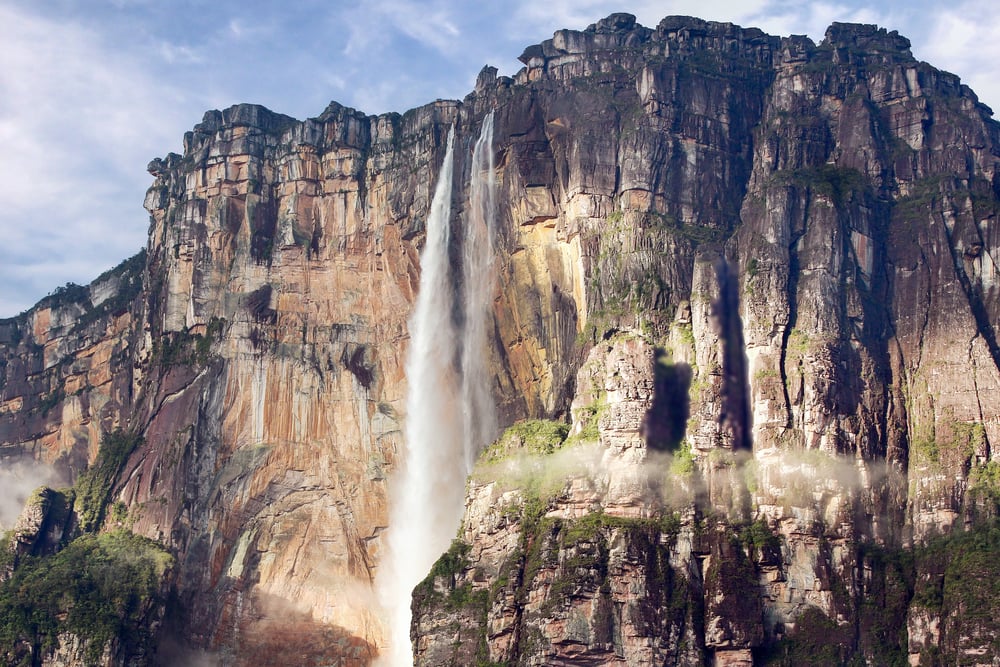
Venezuela’s Angel Falls drops water nearly 3,212 feet down the side of a flat-topped mountain called a tepui. The waterfall is so tall that much of the water turns to mist before it even reaches the bottom.
Reaching this remote location means flying in a small plane over dense rainforest and then hiking through jungle terrain where jaguars and other wildlife roam. The area’s isolation and unpredictable weather patterns make every trip an adventure, but the sight of the world’s tallest waterfall makes the journey worthwhile for those who dare to visit.
Cliffs Of Moher
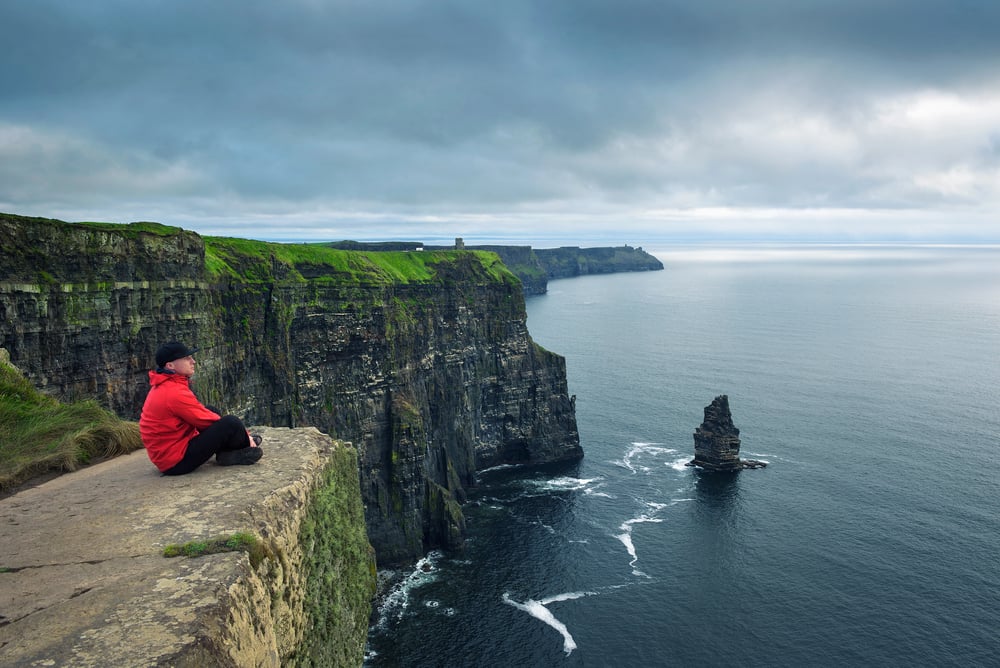
Ireland’s Cliffs of Moher rise up to 700 feet above the Atlantic Ocean, with powerful winds that can literally knock people off their feet. The edges crumble easily, and several visitors have fallen to their deaths after getting too close for photos.
Despite warning signs everywhere, the dramatic coastal views draw over a million tourists annually. On clear days, the Aran Islands appear in the distance while waves crash against the rocks far below, creating a scene that captures the raw power of nature.
Half Dome
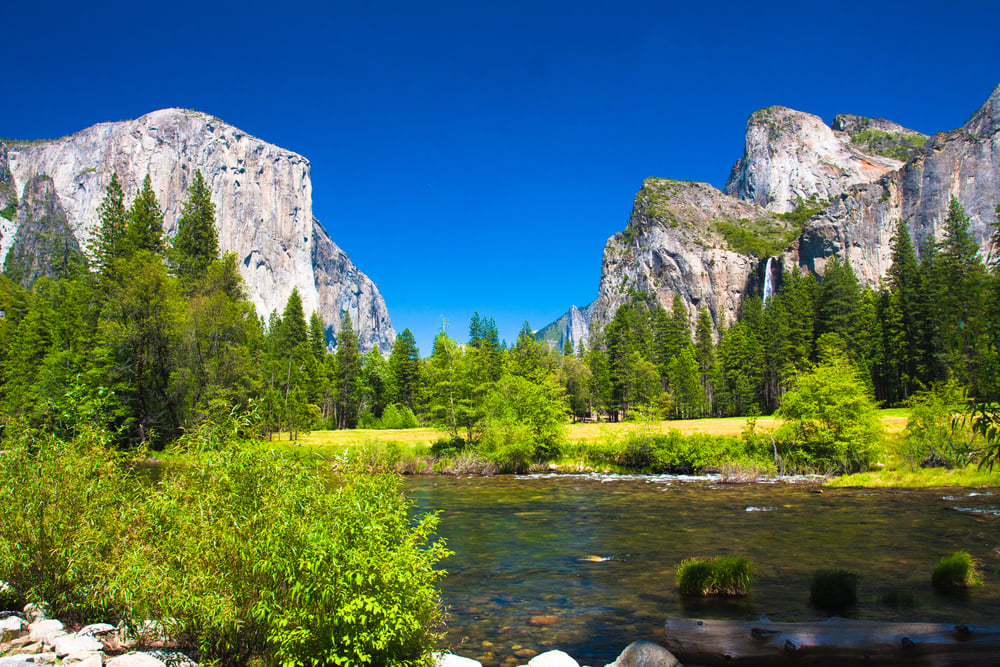
Yosemite’s Half Dome requires climbers to scale the final 400 feet using metal cables bolted into smooth granite. The rock face sits at such a steep angle that people essentially pull themselves up hand over hand while their feet slip on the polished stone.
Afternoon thunderstorms roll in regularly during summer, turning the metal cables into potential lightning rods. Park rangers limit the number of permits they issue each day, but that doesn’t stop this challenging climb from being one of the most sought-after hiking experiences in America.
Aogashima Volcano
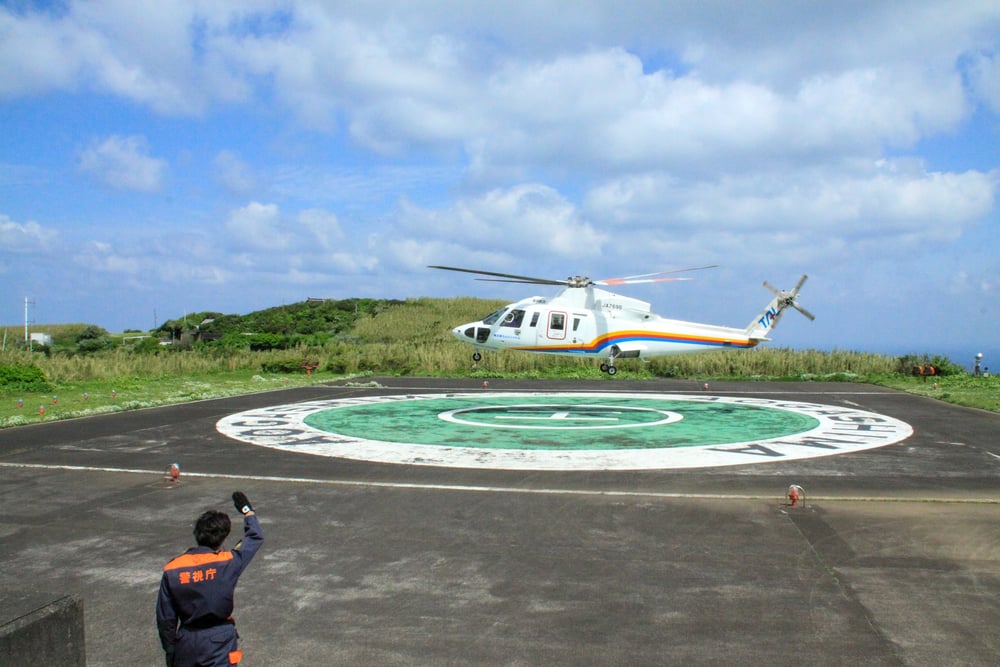
Japan’s Aogashima is a volcanic island where people actually live inside the outer crater of an active volcano. About 170 residents call this remote island home, even though it last erupted in the 1780s and could potentially blow again at any time.
Getting there requires either a helicopter ride or a ferry that only runs when the seas aren’t too rough. The island’s double-crater formation creates an otherworldly landscape that looks like something from science fiction, with steam vents reminding everyone that they’re literally living on top of a geological time bomb.
Skellig Michael
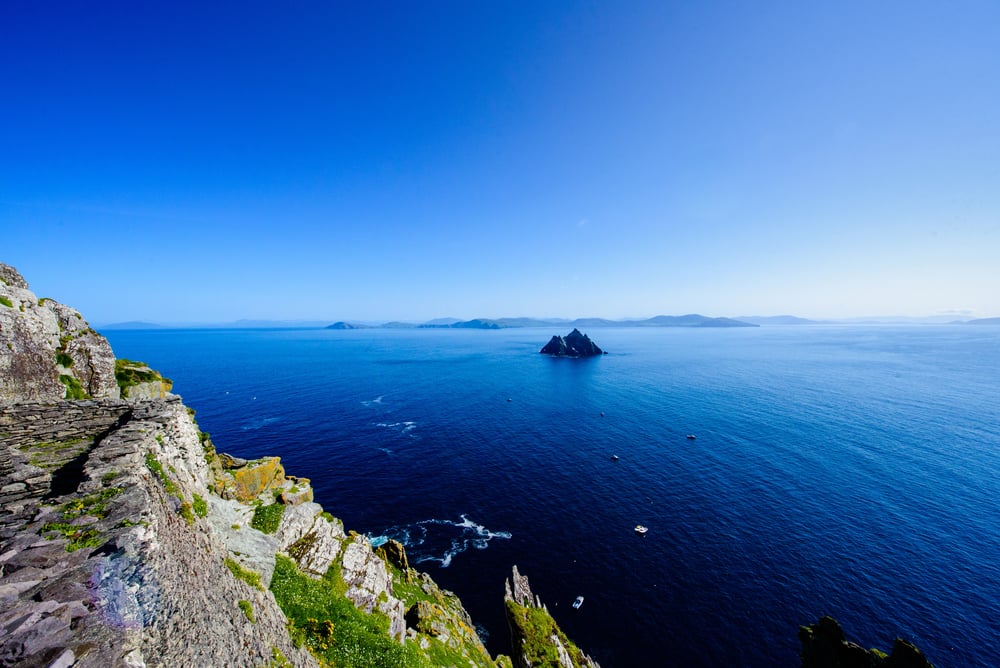
This jagged rock island off Ireland’s coast rises 600 feet above the Atlantic and houses a monastery built by monks over 1,400 years ago. Reaching the ancient stone structures means climbing 600 uneven steps with no handrails while wind whips around the exposed cliff face.
The island closes to visitors whenever weather conditions get dangerous, which happens frequently in this part of the ocean. Star Wars fans might recognize the location from recent films, but the real draw is the incredible feat of construction and the seabirds that nest on every available ledge.
Danakil Depression
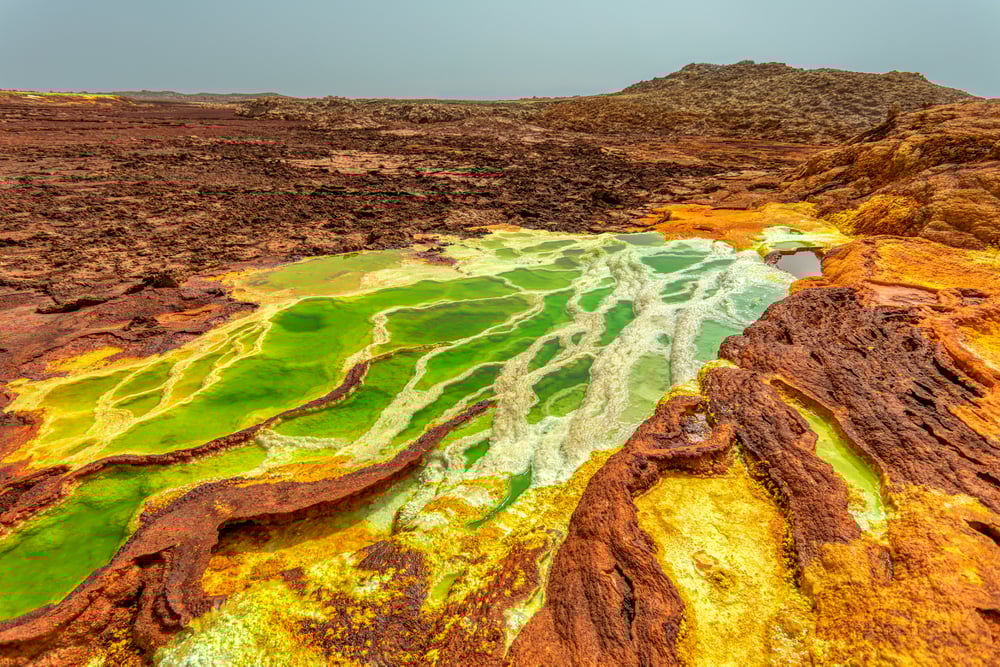
Ethiopia’s Danakil Depression sits in one of the warmest places on Earth, with temperatures regularly exceeding 120 degrees Fahrenheit. Sulfur springs bubble up in bright yellow and green pools, while active volcanoes dot the landscape alongside salt flats that stretch for miles.
The region’s extreme heat and toxic gases make it dangerous to visit without experienced guides. Armed escorts are also necessary because the area sits in a disputed border region, yet travelers still venture here to witness one of the most alien-looking environments on the planet.
Huayna Picchu
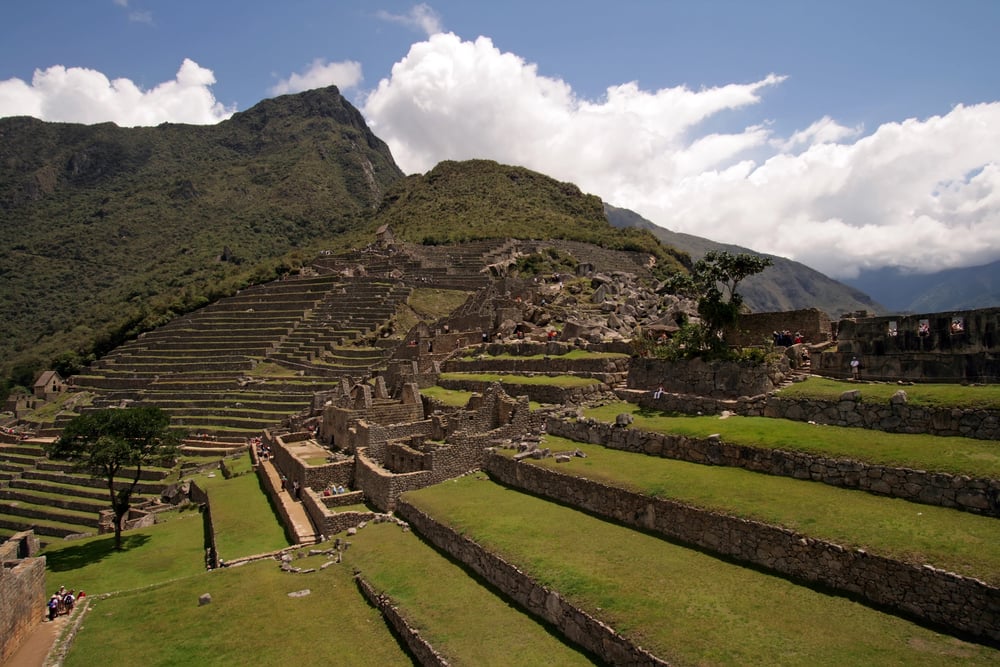
The peak behind Machu Picchu offers even more dramatic views than the famous ruins themselves, but getting to the top means navigating steep stone steps built by the Incas centuries ago. Some sections feature stairs carved directly into vertical rock faces with drops of hundreds of feet on either side.
Morning fog often makes the rocks slippery, and altitude sickness affects many climbers at this elevation. The Peruvian government restricts access to just a few hundred people per day, making permits hard to get but ensuring that those who make it up have room to enjoy the panoramic views of the ancient city below.
Volcano Boarding On Cerro Negro
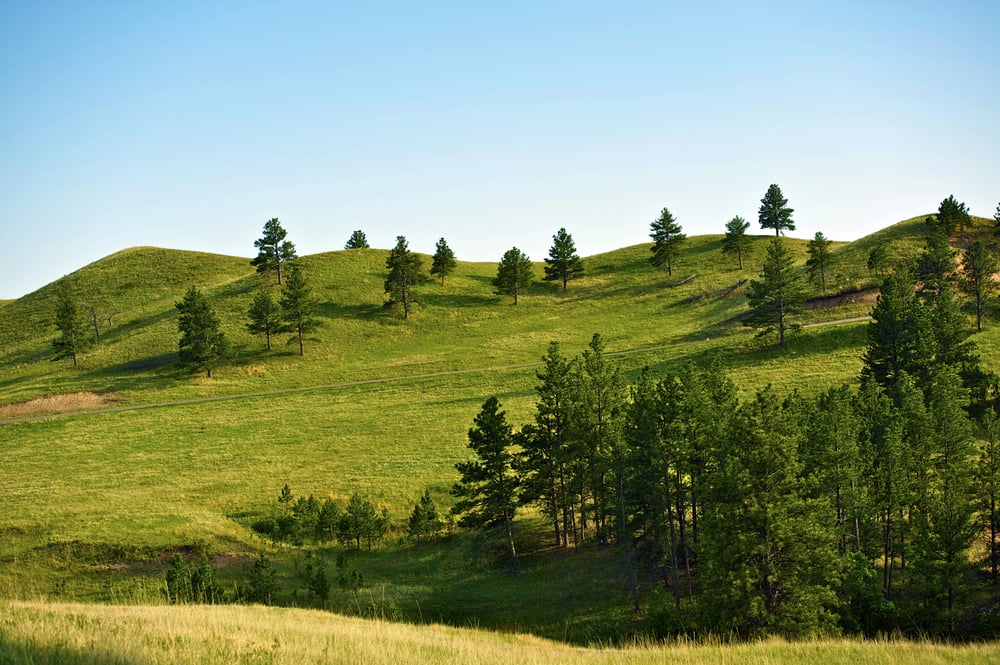
Nicaragua’s Cerro Negro volcano lets visitors hike up an active volcano and then slide down its loose gravel slopes on wooden boards at speeds reaching 50 miles per hour. The volcano has erupted more than 20 times since it first appeared in 1850, with the most recent activity in 1999.
Rocks tumbling down the slope pose a constant danger, and the volcanic ash gets into everything despite protective gear. The combination of an active volcano and high-speed sliding makes this one of the wildest adventure activities available anywhere.
Zhangjiajie Glass Bridge
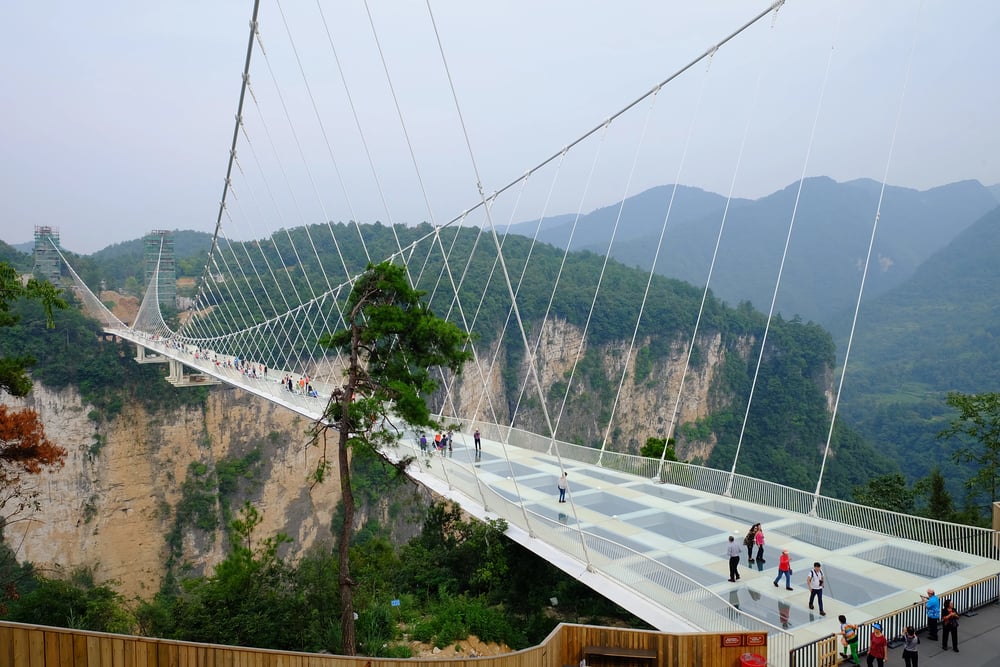
China’s Zhangjiajie Glass Bridge stretches 1,410 feet across a canyon and sits 980 feet above the ground below. The entire walkway is made of glass panels that let people see straight down to the valley floor, which is enough to make even fearless travelers weak in the knees.
Engineers designed the bridge to hold 800 people at once, but that doesn’t stop it from swaying slightly in the wind. The surrounding landscape of towering sandstone pillars inspired the floating mountains in the movie Avatar, creating a surreal backdrop for what might be the world’s most nerve-wracking stroll.
Caminito Del Rey
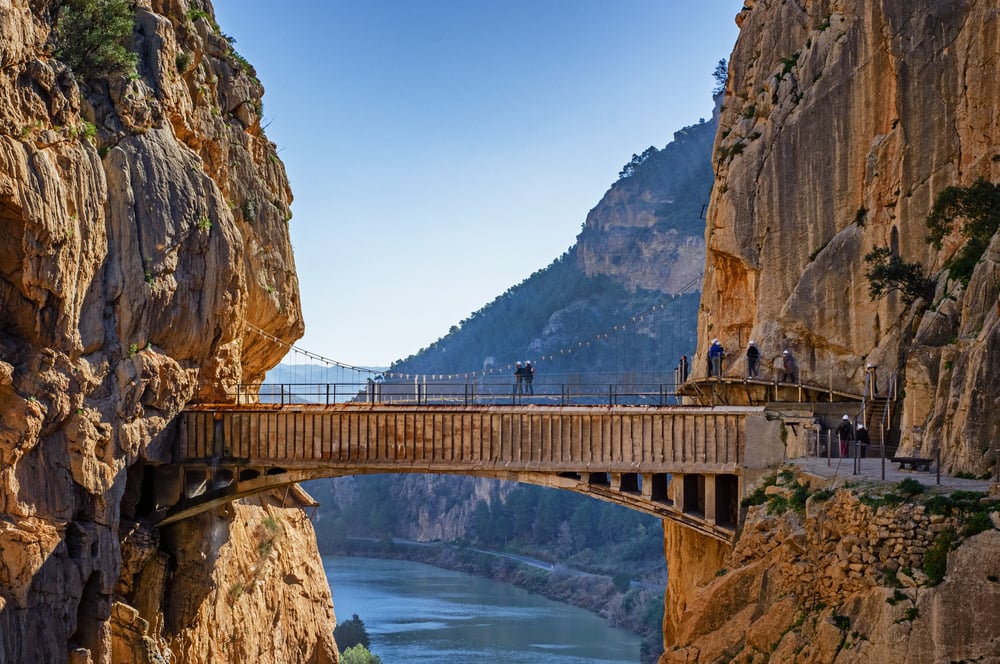
Spain’s Caminito del Rey was once called the most dangerous walkway in the world before authorities renovated it in 2015. The path clings to the side of a narrow gorge with a river running 300 feet below.
Even with the improvements, sections of the walkway are only about three feet wide with vertical cliffs on both sides. The original concrete path from 1905 had completely deteriorated, with gaping sections where people had to jump across.
Oeschinen Lake
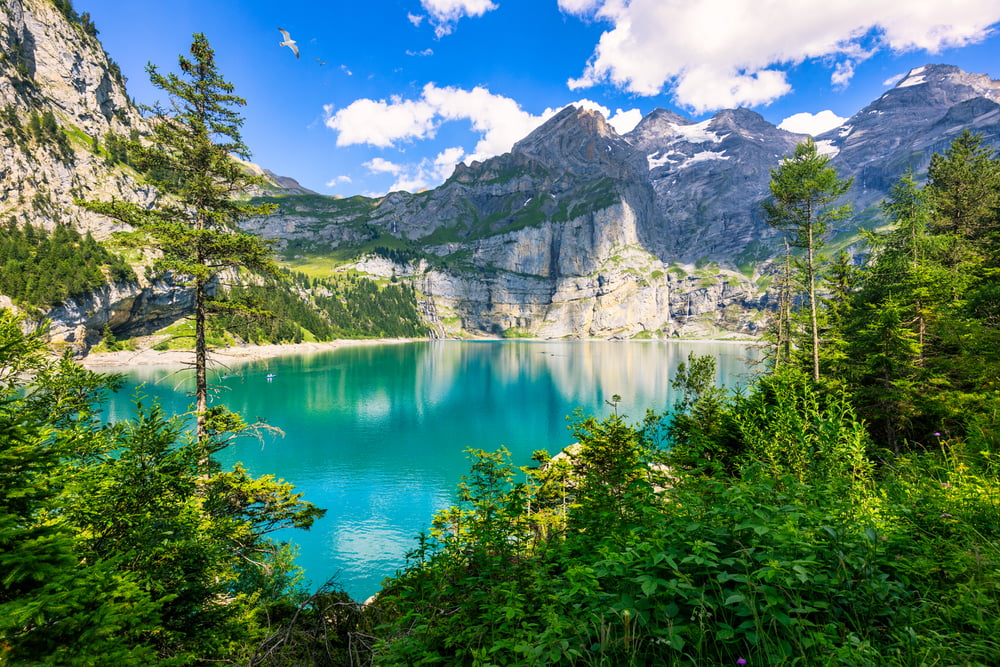
Switzerland’s Oeschinen Lake sits in a valley surrounded by towering peaks that regularly drop avalanches into the turquoise water below. The area closes during winter when the avalanche risk becomes too high, but even in summer, massive sheets of snow and ice occasionally break free from the cliffs above.
The lake’s stunning blue color comes from glacial melt, and the reflection of the mountains on its surface creates picture-perfect views. Hiking trails around the lake offer constantly changing perspectives, though keeping an eye on the slopes above is always a good idea.
Preikestolen
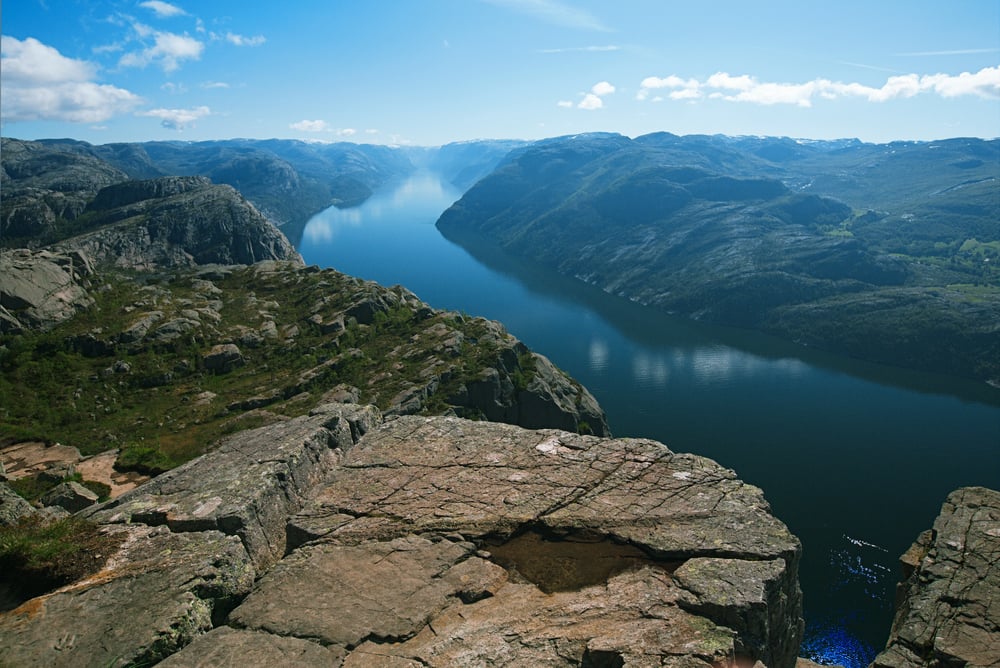
Up high at 1,982 feet, Norway’s Preikestolen juts out flat above a deep fjord. No railings block the drop-off, so visitors often step close to where the stone ends sharply.
Scientists agree it’ll break off someday – just not sure when exactly. The path there? A two-hour trek one way, rough underfoot, slick if wet.
Kawah Ijen
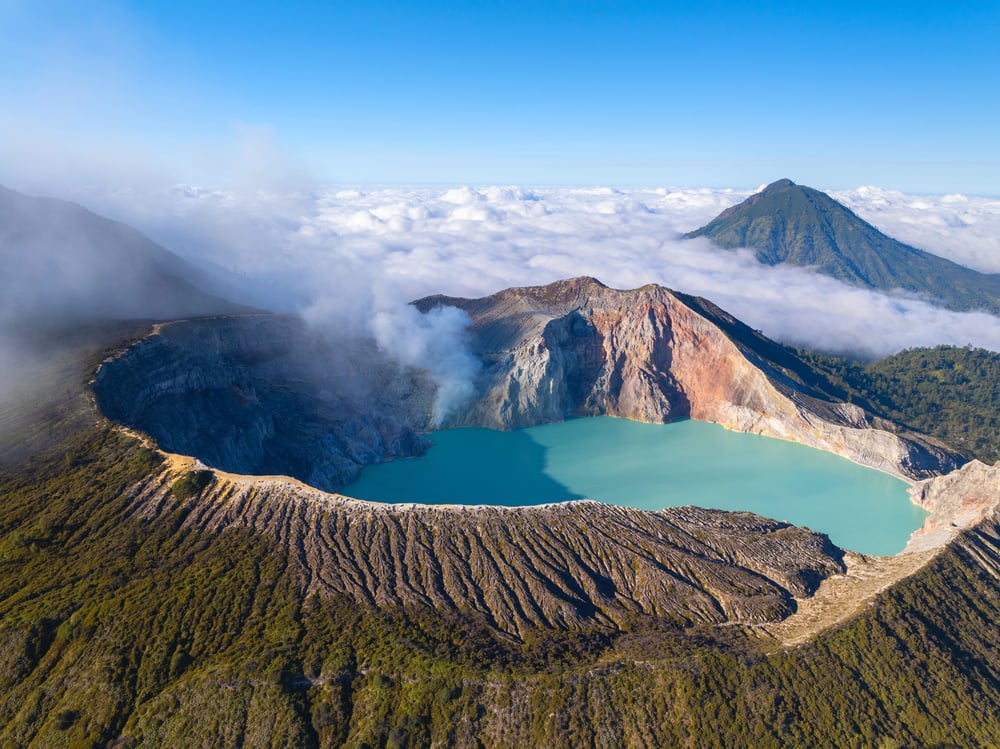
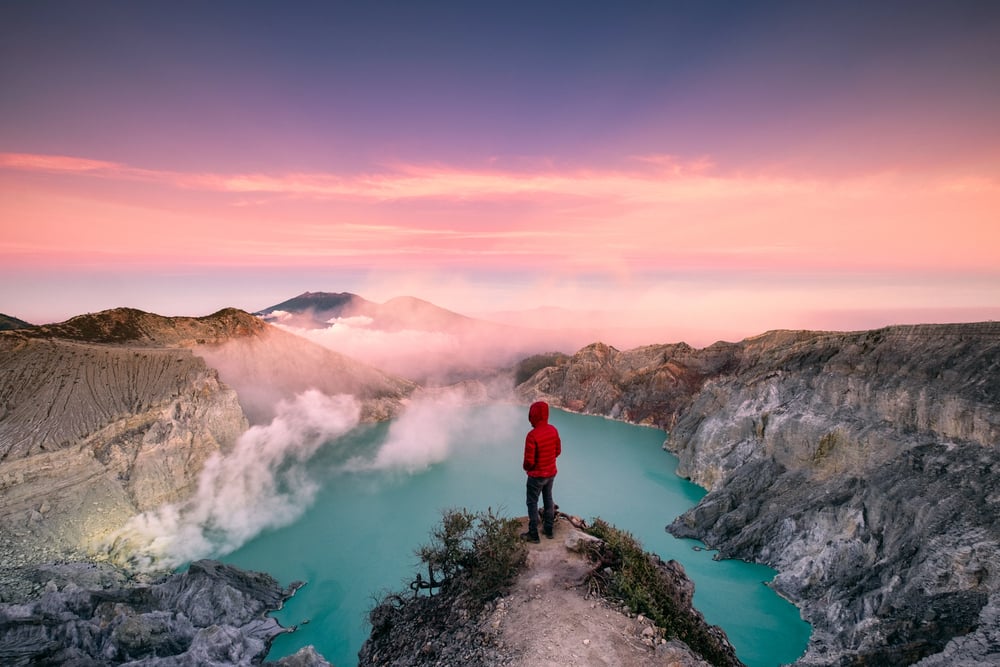
At night, blue fires flicker across Kawah Ijen in Indonesia – sulfur gas bursts into flame as it escapes rocky fissures. Though invisible by day, the heat still rises, curling through cracks where miners step without hesitation.
These workers haul heavy chunks of yellow sulfur, each load nearly matching their own weight. Because the air bites lungs raw, anyone near the vent wears a mask, even tourists drawn by eerie midnight glows.
Sunlight reveals a different wonder – a lake bright as tropical seas but far more hostile, its waters eating metal and stone alike. Beauty lives here, yes, yet so does strain, visible in bent backs climbing downhill under crushing burdens.
Beauty Shows Up Right Where Things Get Dangerous
Some spots show how amazing nature can be – yet bring tough hurdles too. Though gear today works well and paths are clearer, real dangers still wait beneath the surface.
Folks return anyway since seeing Earth’s variety up close means leaving routine behind now and then. Beauty mixed with risk sticks in your mind far longer than calm, easy views ever could.
More from Go2Tutors!

- The Romanov Crown Jewels and Their Tragic Fate
- 13 Historical Mysteries That Science Still Can’t Solve
- Famous Hoaxes That Fooled the World for Years
- 15 Child Stars with Tragic Adult Lives
- 16 Famous Jewelry Pieces in History
Like Go2Tutors’s content? Follow us on MSN.