15 Cool Things Math Can Actually PredictMath15 Cool Things Math Can Actually Predict
Most people think of math as something you suffer through in school and then forget about forever. But here’s the thing: math is quietly running the world behind the scenes, making predictions that would blow your mind. From knowing when your pizza will arrive to predicting the next big earthquake, mathematical models are the crystal orb of the modern world.
Think of math as the ultimate detective. It looks at patterns, crunches numbers, and makes educated guesses about what’s coming next. Here’s a list of 15 fascinating things that math can actually predict with surprising accuracy.
Weather Patterns
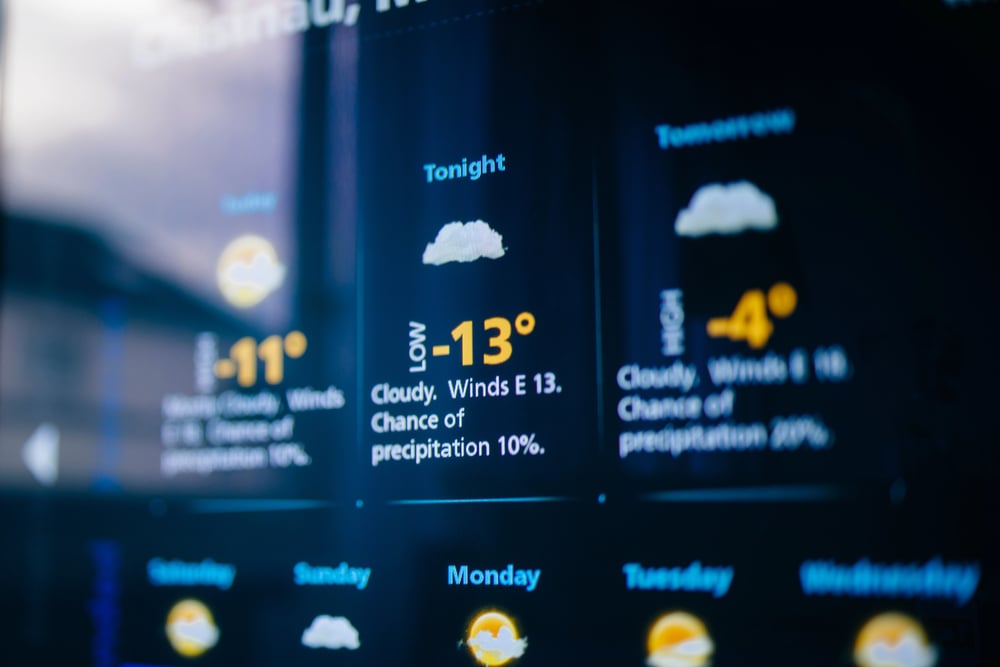
Weather forecasting is probably the most familiar example of math in action. Meteorologists use complex equations that take into account air pressure, temperature, humidity, and wind patterns to predict whether you’ll need an umbrella tomorrow.
These mathematical models process millions of data points from satellites and weather stations around the globe. While they’re not perfect, modern weather predictions are right about 90% of the time for five-day forecasts.
Stock Market Trends
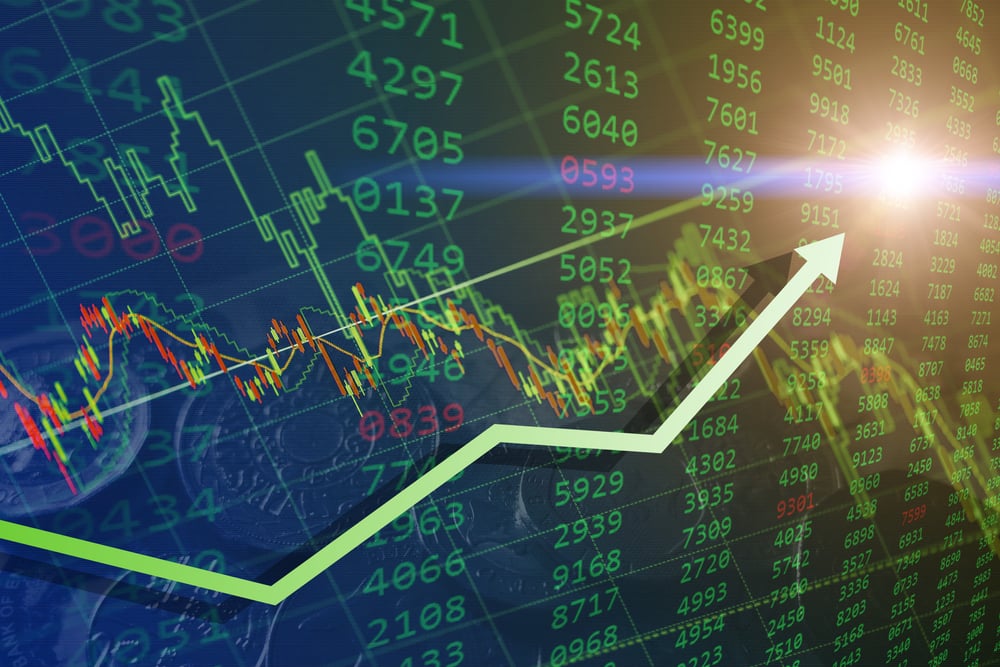
Wall Street runs on mathematical models that try to predict which way stocks will move. Algorithms analyze historical data, company performance, market sentiment, and economic indicators to make investment decisions.
Some hedge funds rely entirely on mathematical trading strategies, processing thousands of transactions per second based on statistical patterns. Of course, if math could perfectly predict the stock market, we’d all be millionaires by now.
Like Go2Tutors’s content? Follow us on MSN.
Disease Outbreaks

Epidemiologists use mathematical models to predict how diseases will spread through populations. These models consider factors like transmission rates, population density, and social behavior patterns.
During the COVID-19 pandemic, these mathematical predictions helped governments decide when to implement lockdowns and when it was safe to reopen. The models aren’t always spot-on, but they give health officials a roadmap for planning their response.
Traffic Flow

Ever wonder how traffic lights know exactly when to change, or how GPS apps can predict your arrival time so accurately? Traffic engineers use mathematical models that analyze vehicle density, speed patterns, and road capacity to optimize traffic flow.
These same models help city planners decide where to build new roads and how to time traffic signals for maximum efficiency.
Population Growth

Demographers use mathematical formulas to predict how populations will change over time. These models consider birth rates, death rates, migration patterns, and economic factors to forecast whether a country’s population will grow or shrink.
This information helps governments plan for future needs like schools, hospitals, and retirement systems. China’s one-child policy, for example, was based partly on mathematical predictions about population growth.
Like Go2Tutors’s content? Follow us on MSN.
Earthquake Timing

While we can’t predict exactly when an earthquake will hit, mathematicians can calculate the probability of seismic activity in specific regions. These models analyze historical earthquake data, fault line activity, and geological stress patterns to estimate the likelihood of future earthquakes.
The information helps engineers design earthquake-resistant buildings and helps emergency planners prepare for potential disasters.
Sports Outcomes

Sports analytics has revolutionized how teams evaluate players and predict game outcomes. Mathematical models analyze player statistics, team performance, weather conditions, and even psychological factors to forecast who’s likely to win.
Fantasy sports platforms and betting sites rely heavily on these predictions. While upsets still happen, the math gets it right more often than not.
Movie Box Office Success

Hollywood studios use mathematical models to predict how much money their movies will make. These algorithms consider factors like star power, genre popularity, release timing, marketing budget, and social media buzz to estimate opening weekend and total box office numbers.
The predictions help studios decide how many theaters to book and how much to spend on marketing campaigns.
Like Go2Tutors’s content? Follow us on MSN.
Consumer Behavior

Retailers use mathematical models to predict what customers will buy and when they’ll buy it. These algorithms analyze purchase history, seasonal trends, demographic data, and even social media activity to forecast demand for specific products.
Amazon’s recommendation system is a perfect example of math predicting what you might want to buy next, often with creepy accuracy.
Climate Change Effects

Climate scientists use mathematical models to predict how Earth’s climate will change over the coming decades. These models process enormous amounts of data about ocean temperatures, ice coverage, atmospheric composition, and solar radiation to forecast future temperature and weather patterns.
While there’s always uncertainty in long-term predictions, the math gives us our best estimate of what’s coming.
Energy Consumption
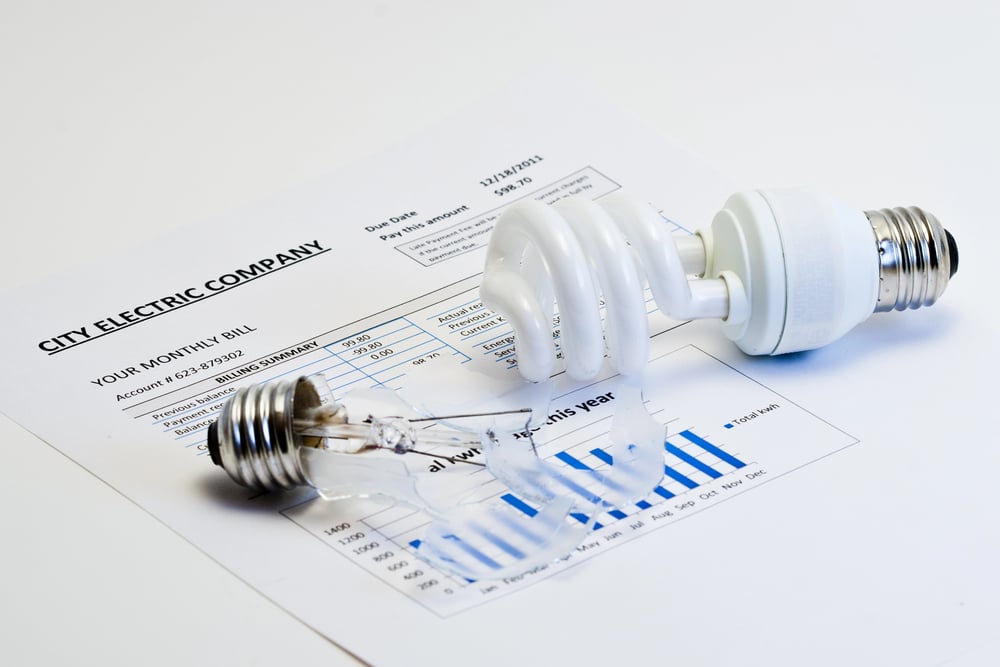
Utility companies use mathematical models to predict how much electricity, gas, and water their customers will use. These predictions consider factors like weather forecasts, historical usage patterns, economic conditions, and population growth.
The models help utilities plan for peak demand periods and decide when to fire up additional power plants or invest in new infrastructure.
Like Go2Tutors’s content? Follow us on MSN.
Election Results

Political analysts use mathematical models to predict election outcomes based on polling data, voter turnout patterns, demographic trends, and historical voting behavior. These models gained fame during the 2008 and 2012 presidential elections when statisticians like Nate Silver correctly predicted results in nearly every state.
While polls can be wrong, the mathematical models that combine multiple data sources tend to be remarkably accurate.
Housing Market Trends
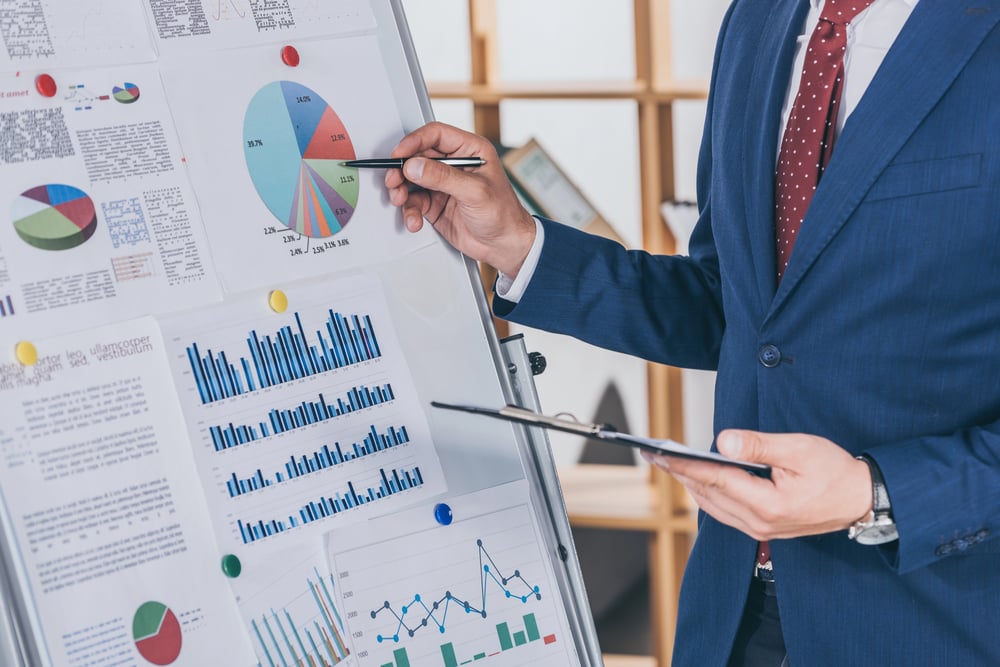
Real estate professionals use mathematical models to predict property values and market trends. These algorithms analyze factors like neighborhood demographics, crime rates, school quality, economic indicators, and historical price data to forecast whether home values will rise or fall.
Zillow’s Zestimate is probably the most famous example of math trying to predict what your house is worth.
Internet Traffic Patterns

Tech companies use mathematical models to predict how much bandwidth their services will need at different times of day. These predictions help them allocate server resources efficiently and prevent website crashes during peak usage periods.
Netflix, for instance, uses mathematical models to predict when everyone will be streaming movies and adjusts their infrastructure accordingly.
Like Go2Tutors’s content? Follow us on MSN.
Human Lifespan

Actuaries use mathematical models to predict life expectancy based on factors like age, health status, lifestyle choices, and family history. Insurance companies rely on these predictions to calculate premiums for life and health insurance policies.
While individual outcomes vary wildly, the math is surprisingly accurate when applied to large populations.
The Numbers Behind Tomorrow

Mathematics has evolved from a classroom subject into the invisible force shaping our daily lives. These predictive models aren’t just academic exercises; they’re practical tools that help businesses make smarter decisions, governments plan for the future, and individuals navigate an increasingly complex world.
Sure, math can’t predict everything, and surprises still happen all the time. But the next time someone tells you math isn’t useful in the real world, you can remind them that it’s probably predicting their tomorrow right now.
More from Go2Tutors!

- 16 Historical Figures Who Were Nothing Like You Think
- 12 Things Sold in the 80s That Are Now Illegal
- 15 VHS Tapes That Could Be Worth Thousands
- 17 Historical “What Ifs” That Would Have Changed Everything
- 18 TV Shows That Vanished Without a Finale
Like Go2Tutors’s content? Follow us on MSN.