20 Things You Didn’t Know About Disney
Forever seems built into Disney. Castles rise in daydreams.
Characters grow up alongside kids – then become parents themselves still humming those songs. Theme parks stretch through time like old photo albums opened each summer.
Behind every smooth cartoon beat there is sweat. A gamble once lived inside that mouse ear.
Change creeps in when nobody’s looking. Facts hide beneath painted backdrops things you won’t see in previews.
Here’s a closer look at 20 things you didn’t know about Disney, from early animation breakthroughs to design choices hiding in plain sight.
Mickey Mouse Was Not the First Choice

Walt Disney once made a rabbit called Oswald before Mickey ever existed. Ownership slipped away when Universal stepped in during the 1920s.
Losing that character pushed things toward something new instead. Out of that moment came Mickey Mouse by 1928.
Back then, the setback hit hard – yet it quietly guided where things would go next. Out of that moment came Mickey, stepping into “Steamboat Willie,” where moving pictures finally moved in step with sound, something few had pulled off before.
That shift didn’t shout – but everyone noticed.
The First Feature-Length Animated Film Was a Gamble
It started with doubt. Back in 1937, when “Snow White and the Seven Dwarfs” first appeared on screen, plenty of reviewers laughed.
They labeled it “Disney’s Folly,” a risky bet. No one had ever made an animated film so long before.
People thought viewers would grow restless halfway through. Yet they watched.
The fear turned out wrong.
A wave of applause followed the movie’s release, showing how cartoons might stir real feeling while filling theaters. One bold move shifted drawings from sideshow tricks into serious storytelling on screen.
Disneyland Was Built in Just One Year
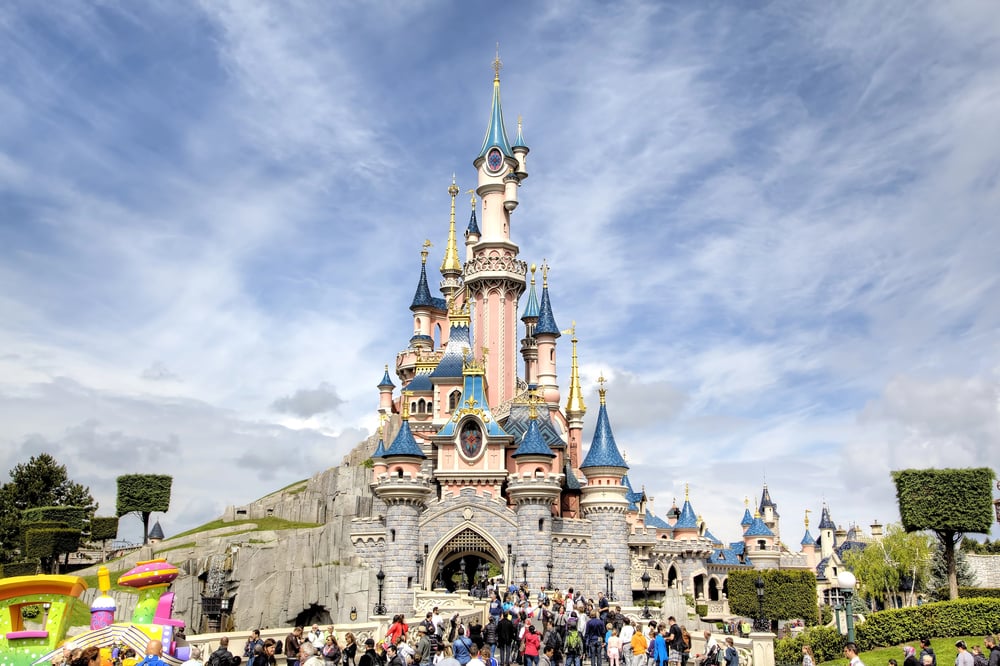
Construction on Disneyland in Anaheim began in 1954 and opened in July 1955. The timeline was ambitious, and opening day faced technical issues, including malfunctioning rides and fresh asphalt that had not fully set.
Even so, the park’s design philosophy changed theme parks forever. Walt Disney insisted on immersive storytelling rather than simple amusement rides, creating a template that competitors still follow.
Disney Animators Pioneered the Multiplane Camera
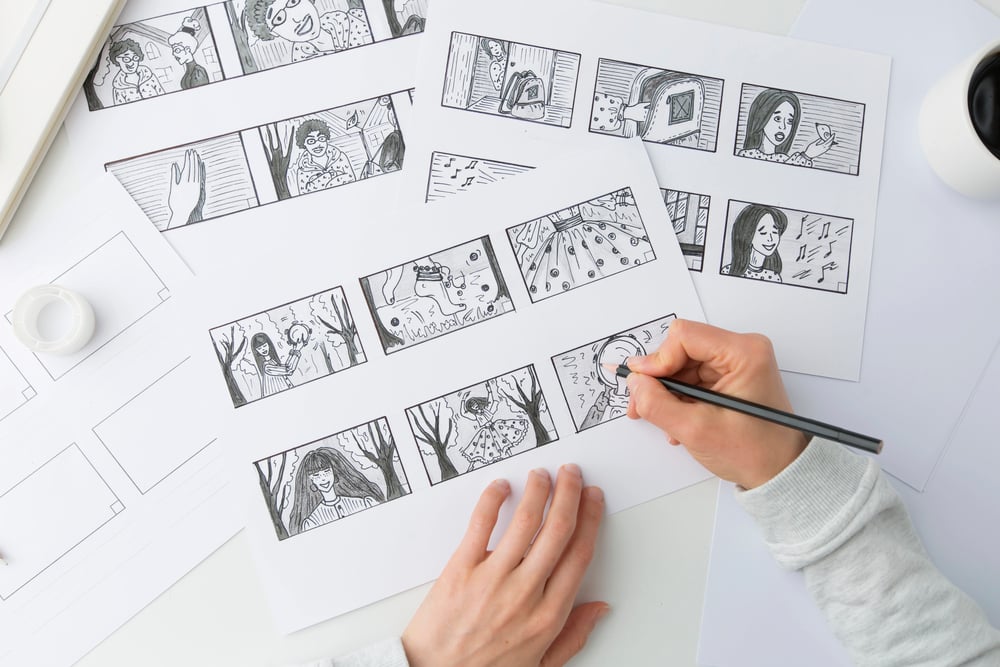
To create depth in early animated films, Disney artists used a multiplane camera system that stacked layers of artwork at different distances. This technique allowed scenes to feel more dynamic and three-dimensional.
The innovation made forests appear deeper and backgrounds more immersive. It was a technical leap that elevated animation far beyond flat drawings.
Cinderella Castle Is Not the Tallest Disney Castle

While Cinderella Castle in Florida is iconic, it is not the tallest castle in the Disney park lineup. Several international parks feature structures that reach higher into the skyline.
The design varies intentionally to reflect local culture and architectural style. Each castle is customized, reinforcing the idea that Disney parks are themed worlds rather than duplicates.
The Original Park Had No Alcohol
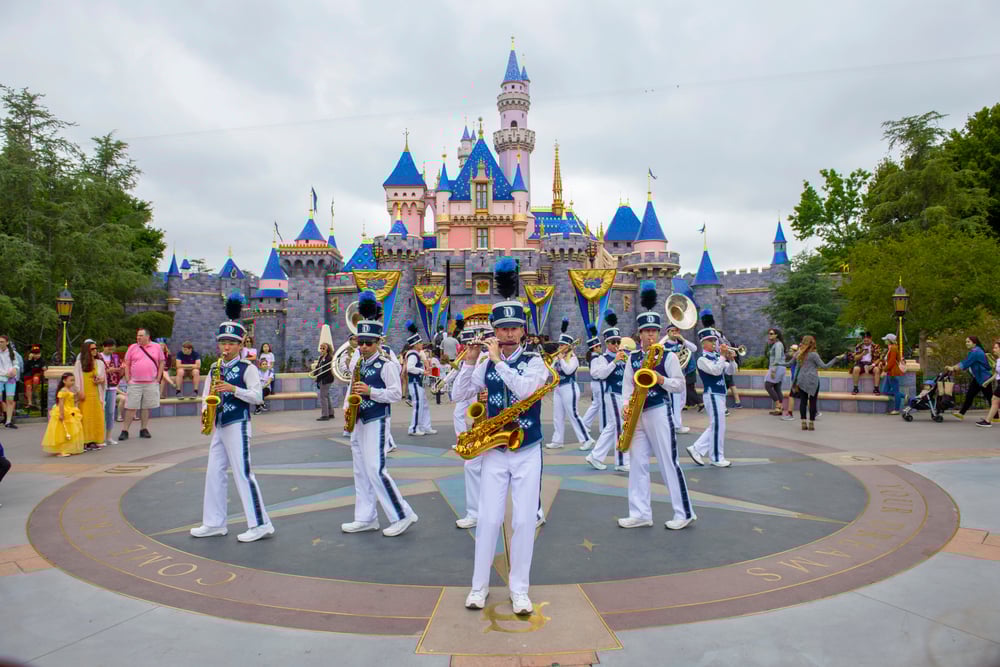
When Disneyland first opened, alcohol was not sold inside the park. Walt Disney believed it would detract from the family-friendly atmosphere he envisioned.
For decades, the policy remained largely intact, with limited exceptions. The approach reflected Walt’s specific view of what a wholesome entertainment space should feel like.
Hidden Details Are Placed Deliberately

Disney parks are known for ‘hidden Mickeys,’ subtle outlines of Mickey Mouse embedded into architecture, landscaping, and décor. These shapes are intentionally designed by Imagineers.
The detail adds a layer of discovery for observant guests. It reinforces the idea that even the smallest design elements are carefully considered.
The Company Almost Went Bankrupt in the 1980s

During the early 1980s, The Walt Disney Company faced financial struggles and internal leadership shifts. Corporate restructuring and strategic changes followed, reshaping the business model.
That period of instability ultimately led to expansion, new film divisions, and broader global growth. The downturn forced reinvention, strengthening the brand’s long-term resilience.
Voice Actors Were Not Always Credited

In early animated films, voice actors were often uncredited. The focus remained on characters rather than performers.
Over time, celebrity voice casting became common. The shift reflects changing industry dynamics.
Today, star power is often part of a film’s marketing strategy.
Walt Disney Did Not Cryogenically Freeze Himself

A persistent myth claims Walt Disney’s body was preserved through cryogenics. There is no evidence to support this claim.
Walt Disney was cremated after his death in 1966. The rumor likely grew from his reputation for futurism and innovation.
Still, it remains firmly in the realm of legend rather than fact.
Main Street Is Designed With Forced Perspective

Disney parks use forced perspective to make buildings appear taller than they are. Upper floors are built smaller than ground levels, creating the illusion of greater height.
The technique subtly manipulates perception without guests noticing. It is architectural storytelling at work.
Every Park Has an Underground System
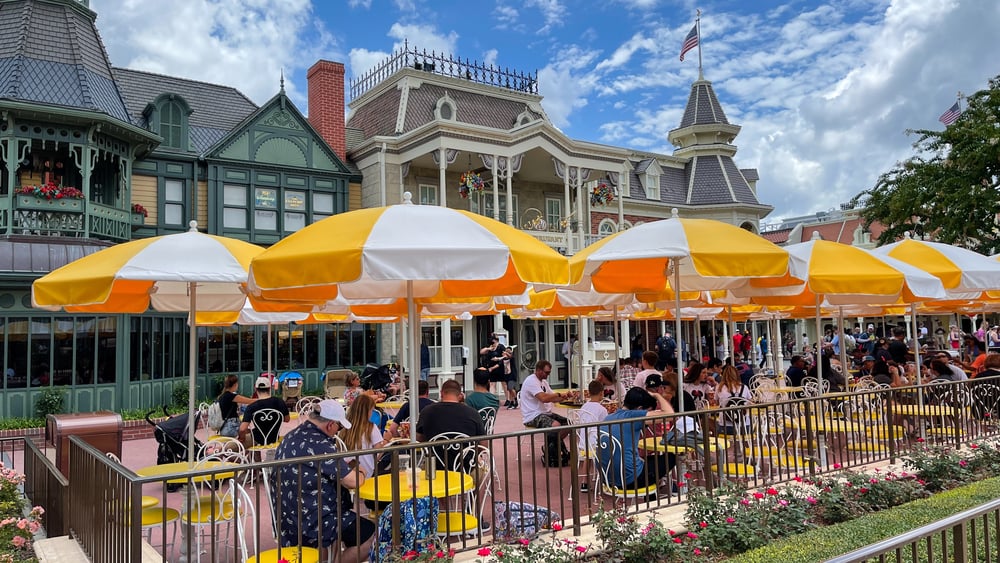
At Walt Disney World in Florida, an underground network called ‘Utilidors’ allows staff to move unseen between areas. This system prevents characters from appearing in the wrong themed land.
The design preserves immersion. Guests never see a futuristic character walking through a frontier setting.
Disney Once Experimented With Darker Storytelling

In the 1980s, films like ‘The Black Cauldron’ reflected a willingness to explore darker themes. The movie did not achieve the success executives hoped for.
The experience influenced future creative decisions. It reminded the studio of the delicate balance between innovation and audience expectation.
The Company Owns Far More Than Animated Films

Over the decades, Disney expanded into television networks, streaming platforms, and major film franchises. Its acquisitions reshaped the entertainment landscape.
The brand evolved from a single animation studio into a global media powerhouse. That transformation required strategic risk-taking and long-term planning.
The Theme Park Trash Cans Are Placed Intentionally
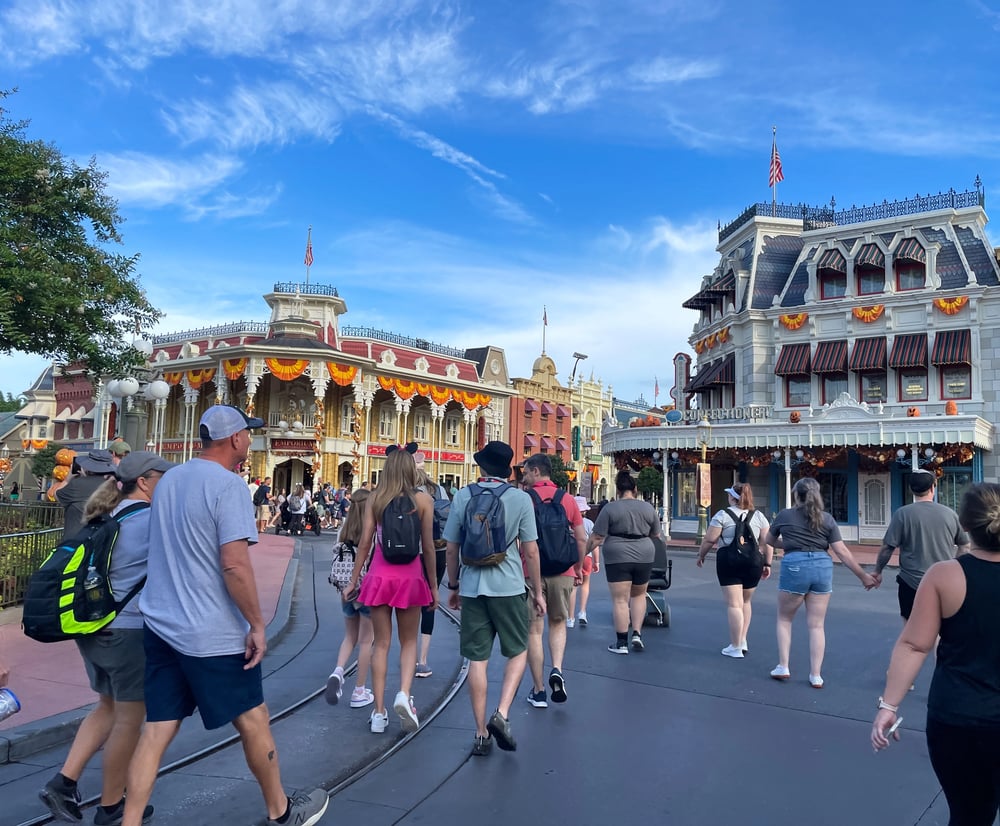
Disney parks are known for cleanliness. Trash cans are spaced strategically so guests rarely have to walk far to find one.
The detail sounds minor, but it reflects the company’s meticulous planning. Guest experience is shaped by dozens of invisible decisions.
Animators Once Studied Live Animals on Site

During the production of early films like ‘Bambi,’ animators observed real animals to capture authentic movement. They studied posture, pacing, and subtle expressions.
The research contributed to lifelike animation that felt emotionally resonant. It blurred the line between realism and fantasy.
Club 33 Exists Inside Disneyland

Club 33 is a private membership club located within Disneyland. It was originally conceived as a place for corporate sponsors and VIP guests.
The exclusivity adds a layer of mystique. It remains one of the park’s most talked-about hidden spaces.
Sound Design Is Carefully Layered
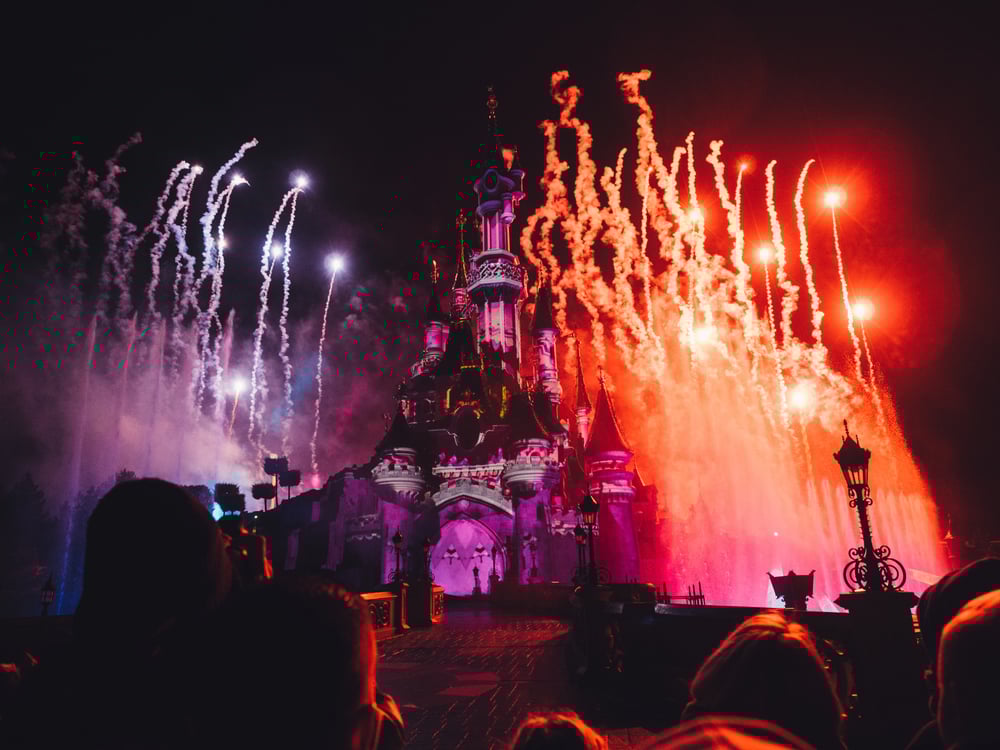
In Disney parks, background music shifts subtly between lands. The audio transitions are smooth, reinforcing thematic immersion.
Guests may not consciously notice the change, but it shapes their emotional experience. Sound becomes part of the storytelling.
The Company Archives Nearly Everything
Disney maintains extensive archives of artwork, scripts, and production materials. These records preserve the creative evolution of films and attractions.
The commitment to preservation reflects an understanding of legacy. History becomes part of the brand’s identity.
Walt Disney Originally Envisioned a Living City
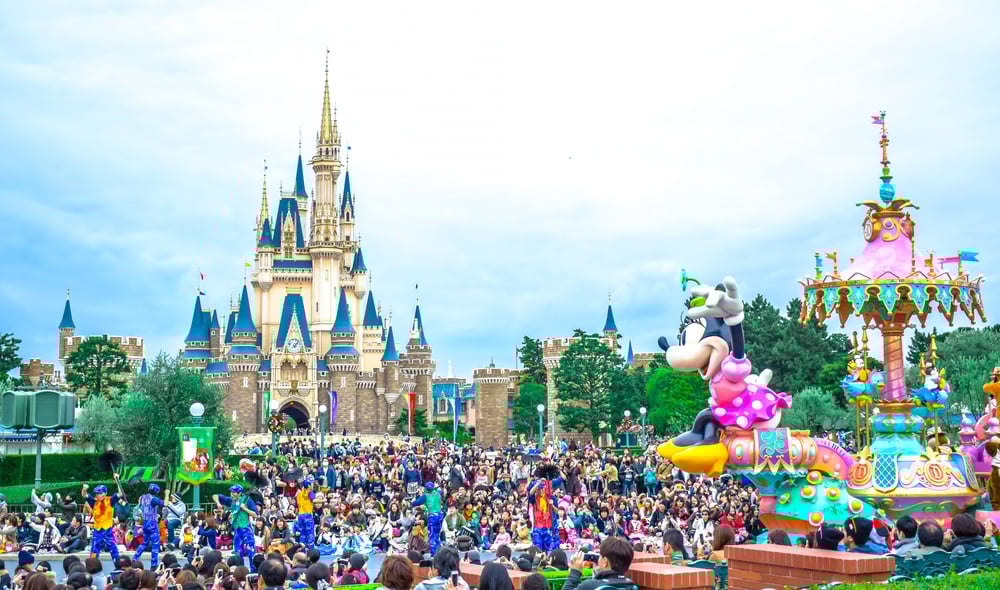
Futuristic streets curved through Walt Disney’s planned town – meant to actually be lived in, not just visited. Instead of cars, people might glide along quiet pathways, part of his vision for how cities could move forward.
Homes, workplaces, even schools were woven into one compact layout, aiming to reshape daily life.
Following his passing, plans turned toward building a theme park instead. Still, glimpses of the early dream show just how far he aimed.
Why The Magic Still Evolves
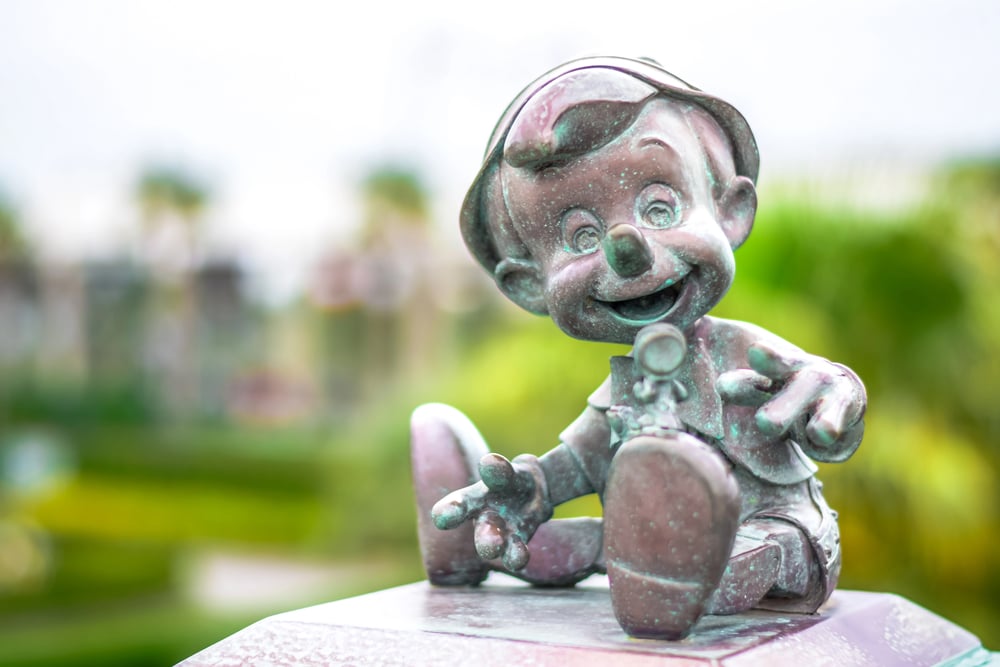
What began with hand-drawn sketches soon shifted into something larger. Moving through time, new challenges shaped fresh directions instead of halting progress.
Each phase unfolded differently than expected, yet momentum held. Mistakes opened paths nobody planned at first.
Behind smooth scenes at parks lies years of trial, bold choices. Decades back still steer today’s moves – showing old names tied to memory can’t just rest on fame.
Effortless charm? That hides a past full of twists, turns, never straightforward. History hums beneath every smile.
More from Go2Tutors!

- The Romanov Crown Jewels and Their Tragic Fate
- 13 Historical Mysteries That Science Still Can’t Solve
- Famous Hoaxes That Fooled the World for Years
- 15 Child Stars with Tragic Adult Lives
- 16 Famous Jewelry Pieces in History
Like Go2Tutors’s content? Follow us on MSN.