18 Last Names That Could Mean You’re Related to Royalty
Names hold older stories than many guess. Not simply tags, they trace jobs, origins, even loyalty or bloodline across time.
Quiet ties to royalty sleep inside certain family names, handed forward age after age with little notice. Maybe your surname has always sparked curiosity – now could be when answers start showing up.
Stewart
A royal link like this is rare in Britain’s past. Rulers from the Stewart line – sometimes called Stuart – held power across Scotland and England for generations, among them Mary, known as Queen of Scots, alongside James the Sixth of Scotland.
Rooted in duty, the word stems from ‘steward,’ an official role overseeing palace affairs. Power shifted quietly when what began as a job title turned into a last name. Those entrusted with service climbed until their influence stretched through courts beyond the sea.
Plantagenet
These days, few bear the name, yet anyone who does holds a link to one of England’s oldest royal lines. Ruling between 1154 and 1485, the Plantagenets saw figures such as Richard the Lionheart and Henry V take the throne.
Once the line faded, families spread out – some changed their names, while others held tight to altered forms of the old one. Spotting it in ancestry records feels like brushing against knights and crowns without stepping into legend.
Fitzroy
Starting with ‘Fitz,’ that bit slipped into English from Norman French, where it pointed to being born of someone. So ‘Fitzroy’ unfolds as ‘son of the king,’ clear as day.
Back then in England, rulers handed this label to kids not born inside marriage – still tied to the crown, just off the record. Take King Henry VIII – he fathered a boy called Henry Fitzroy, one example among several royals doing the same thing.
Carrying the name now? Could mean distant ties to kings, though passed down sideways, never official.
Bourbon
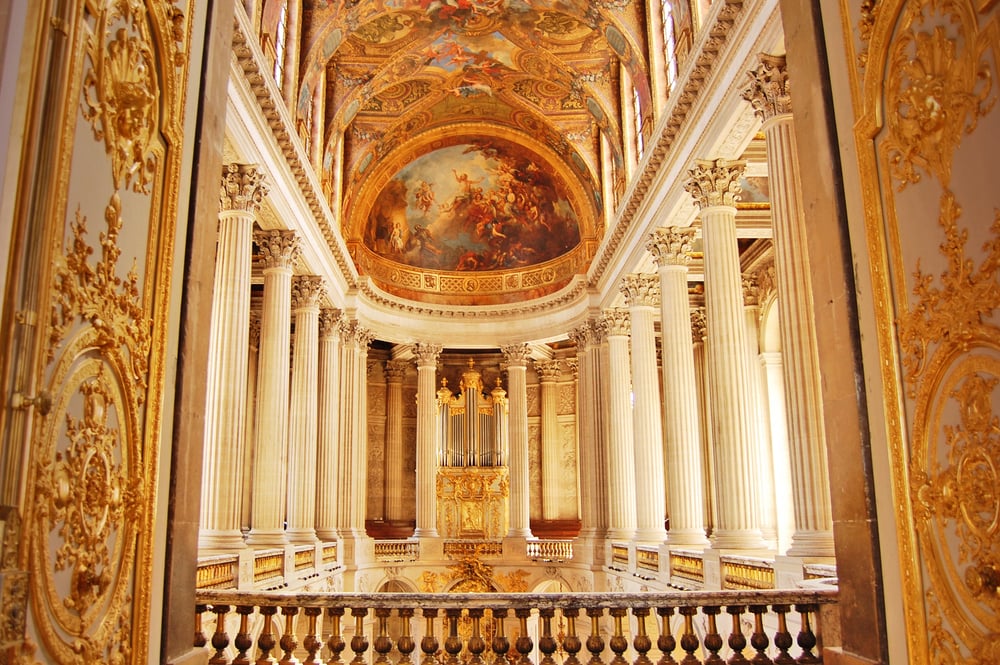
Bourbon – that last name rings bells across Europe’s past. Rulers once bore it in France, then later in Spain and Naples too, power shifting like tides over generations.
Even now, Spain’s crown rests within the Bourbon line. If someone bears this name, their ancestors probably walked through French or Spanish towns. Some might even trace whispers of palaces back in their bloodline.
Windsor
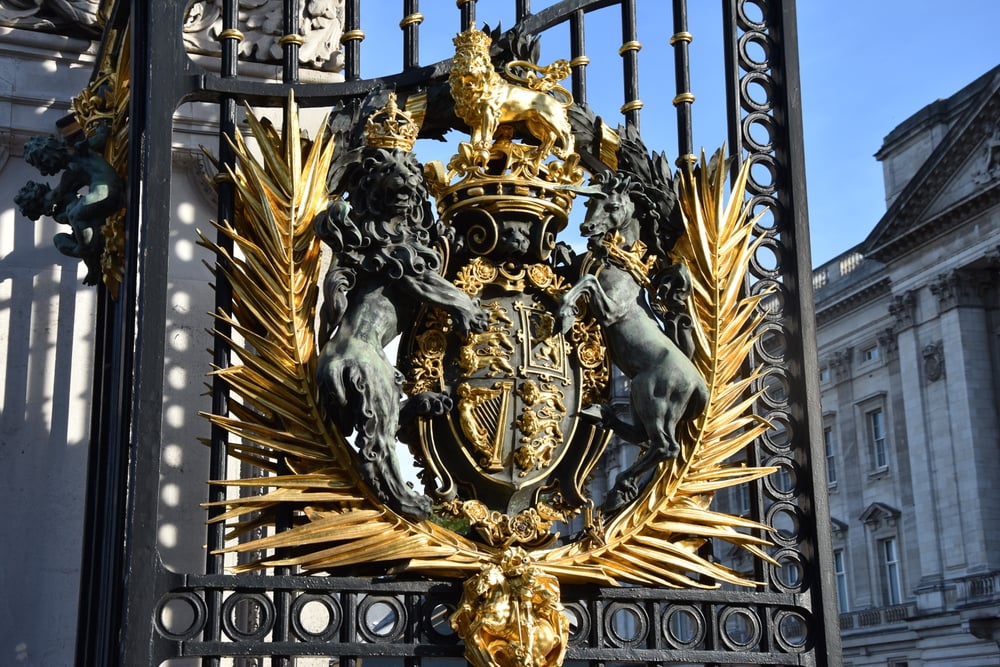
The last name Windsor belongs to Britain’s royal household officially, picked in 1917 so it would feel less foreign. Back then, King George V dropped ‘Saxe-Coburg and Gotha’ because it sounded too German during a tense time.
Though linked strongly to royalty now, plenty of people named Windsor aren’t related at all to those living inside palaces. Yet if someone traces their past far enough – through old records and village lines – a distant tie might quietly appear.
Roots buried deep in England often hold odd links, even between strangers who share only a name at first glance.
Percy
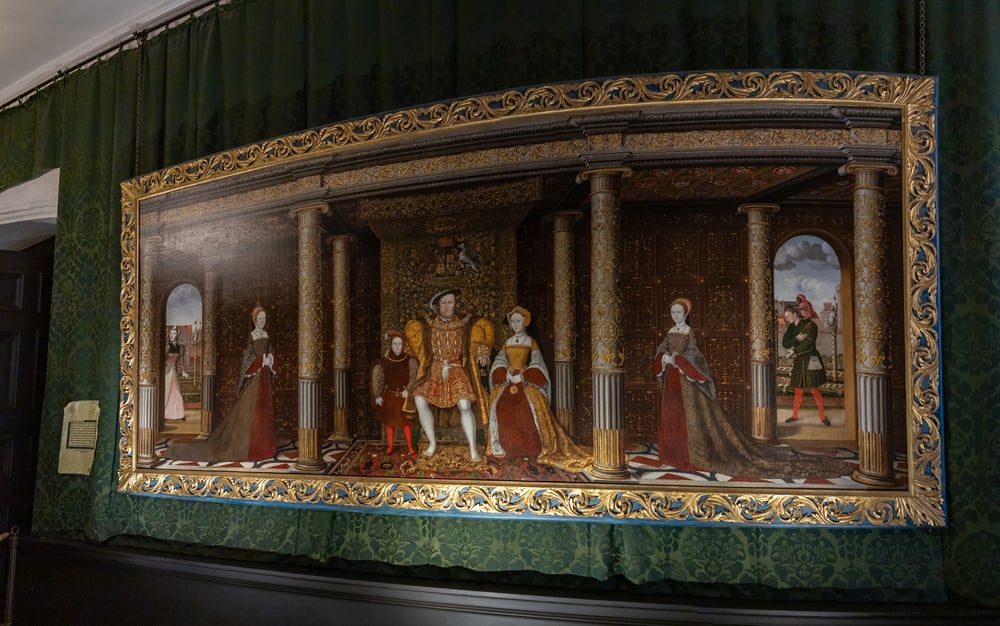
From the time of William the Conqueror, the Percys stood among England’s mightiest aristocrats. Holding power as Earls of Northumberland, they tied themselves closely to royalty – through unions, strategic matches, even uprisings now and then.
You’ll spot their name woven into Shakespeare’s historical dramas, hinting at their lasting influence. Those carrying the Percy name today, particularly with roots in northern regions, could uncover a lineage full of notable figures.
Neville
Born into power, the Nevilles shaped royal fate when kingdoms cracked under civil war. Power didn’t just come to them – circumstance handed it through marriage after marriage into crown lines.
One man, Richard Neville, earned a nickname not by birth but by influence strong enough to shift crowns. His reach went beyond title; courts bent where he leaned.
Through unions carved over decades, their lineage wove deep into aristocracy’s fabric. Today, bearing the name means brushing against echoes of thrones long cold.
De Clare
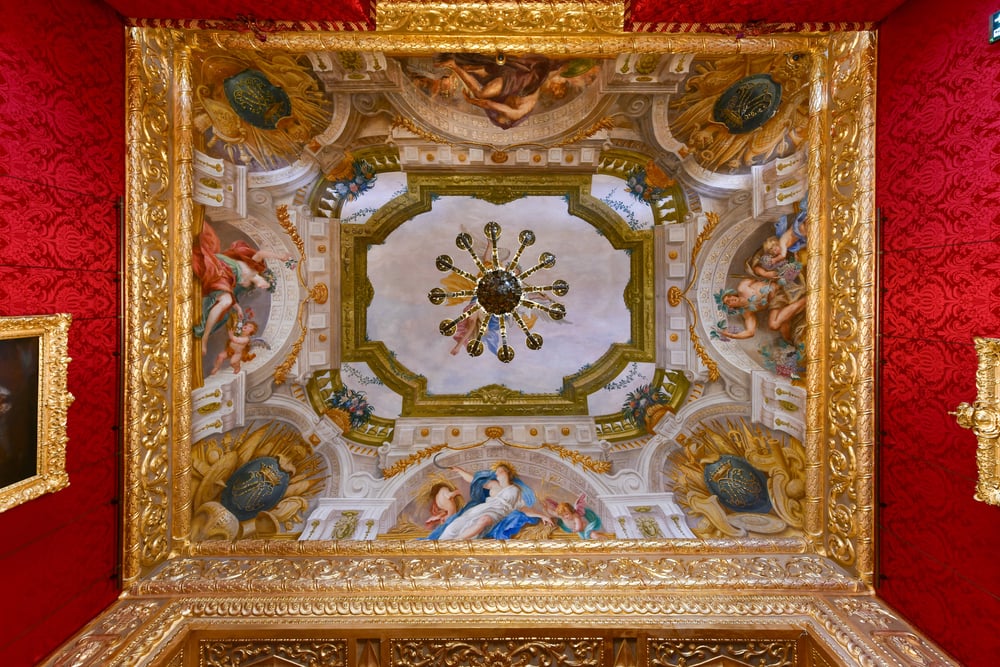
This surname traces back to the powerful Norman lords who came to England with William the Conqueror in 1066. The De Clare family became one of the most important noble families in medieval England and Ireland, holding vast lands and significant influence over the crown.
Several members of the family married directly into royalty. The ‘De’ prefix often signals French or Norman ancestry, and in this case, it points to a family that sat very close to the seat of power.
Tudor
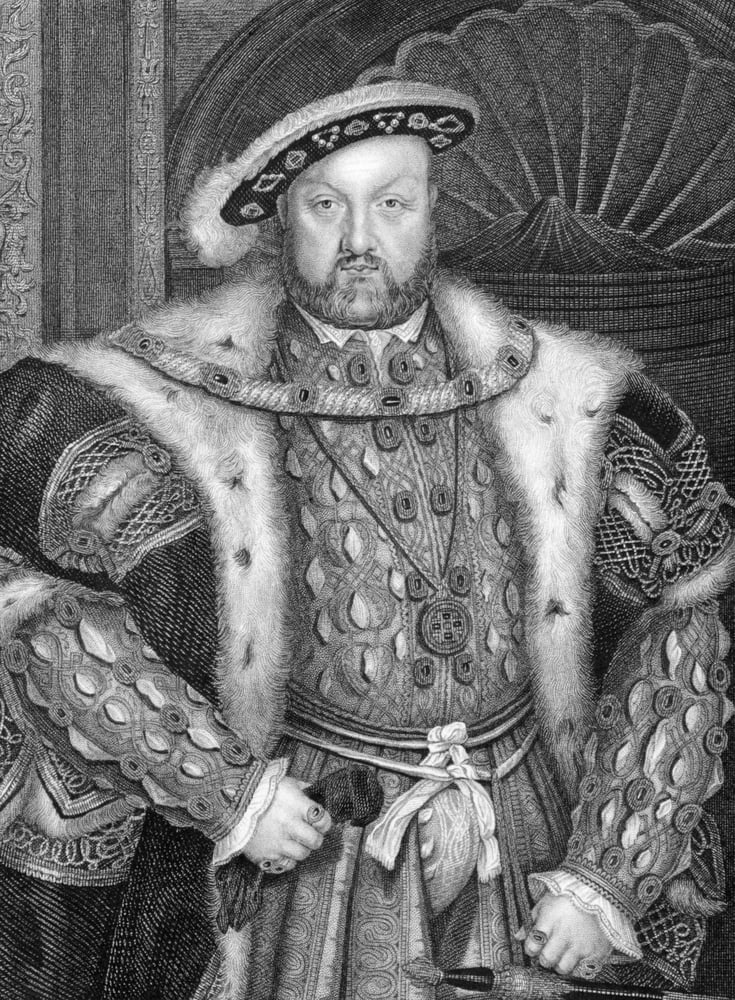
Few surnames in history are as associated with royal power as Tudor. The Tudor dynasty ruled England from 1485 to 1603, producing monarchs like Henry VIII and Queen Elizabeth I.
After the dynasty ended, descendants carrying the name spread throughout Wales and England. The name itself is Welsh in origin, and people with Welsh ancestry are more likely to encounter it somewhere in their family history.
Capetian
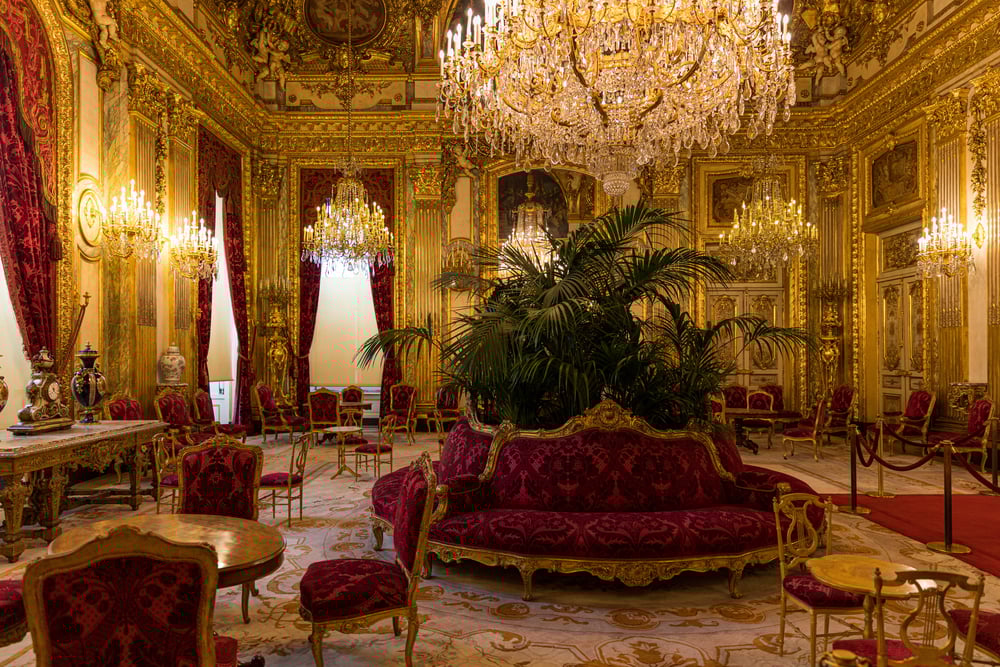
The Capetian dynasty ruled France for over three centuries, and their descendants spread across Europe through strategic marriages and alliances. The name itself is not commonly used as a modern surname, but variations and branches of the family name appear in French and European records.
Because the Capetians were so prolific and their descendants so widespread, genealogists often point out that a significant portion of people with French ancestry can trace a line back to this family. It is one of those surnames that quietly sits at the root of many European royal trees.
Hohenzollern
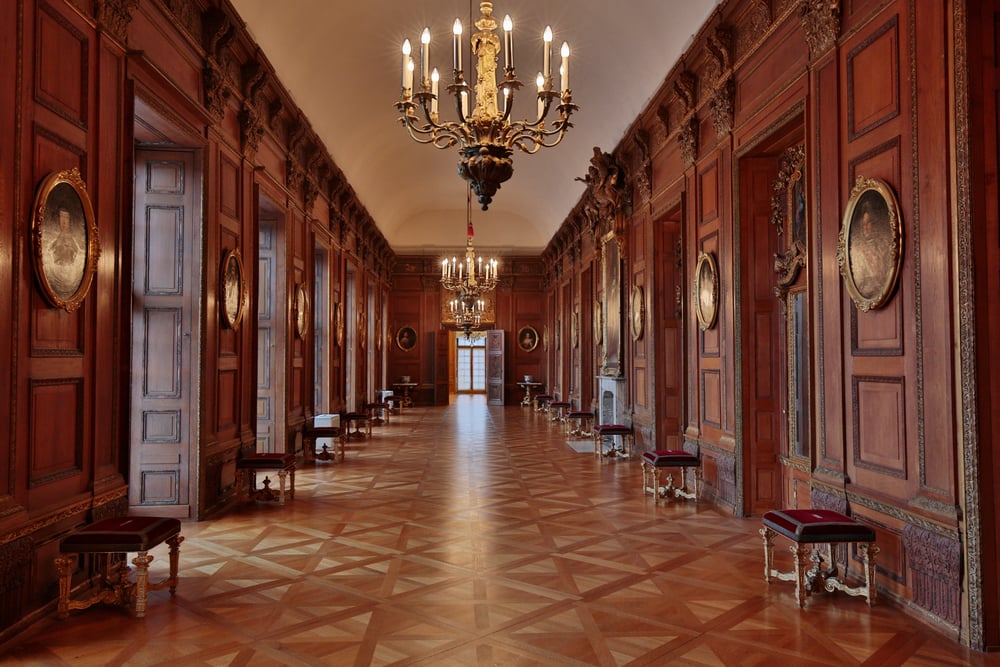
This name belongs to the royal family that ruled Prussia and later unified Germany, producing Kaiser Wilhelm II among others. The Hohenzollern dynasty shaped modern European history, and while the German monarchy ended after World War I, the descendants of the family are still around today.
People with German ancestry who carry this name or variations of it may have a more direct connection to German royalty than they expected. It is a name that carries the weight of empires.
Romanov

The Romanovs ruled Russia for over 300 years, from 1613 until the Russian Revolution in 1917. The name became globally known after the tragic execution of Tsar Nicholas II and his family.
However, many relatives of the royal family had already left Russia or lived abroad before the revolution, and their descendants are spread across Europe and beyond. Finding this surname in a family tree is a signal worth exploring, especially for families with Russian or Eastern European roots.
Hapsburg
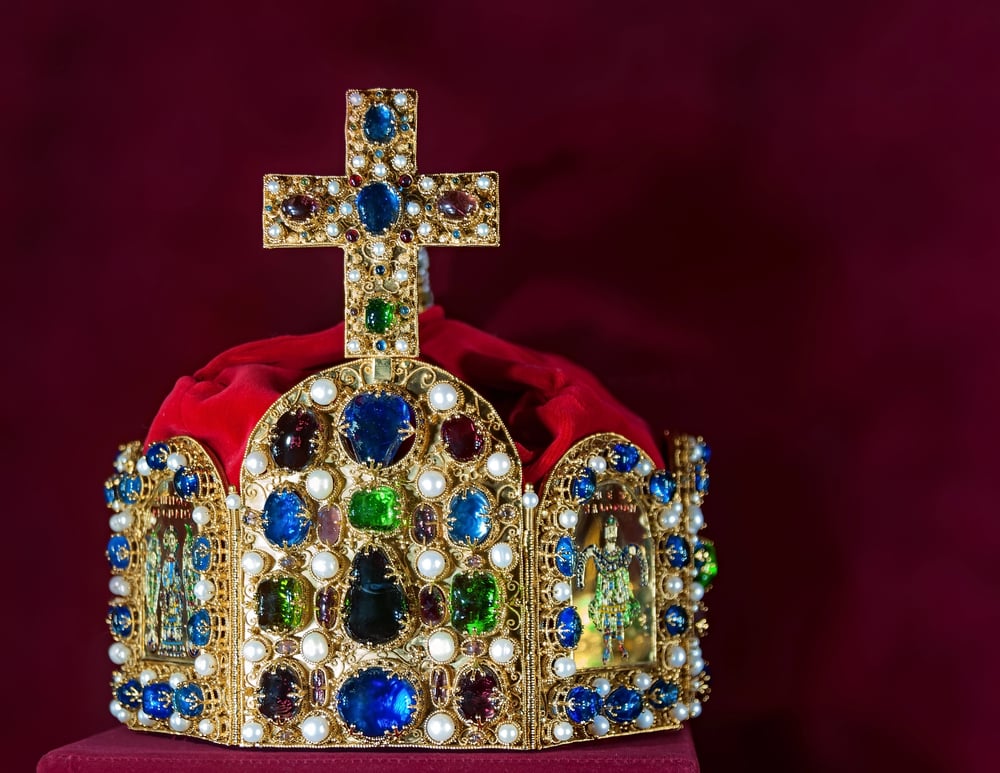
The Hapsburg (also written Habsburg) family ruled over the Holy Roman Empire, Austria, Spain, and numerous other territories, making them one of the most powerful dynasties in European history. Their influence lasted for centuries, and they were famous for keeping power through carefully arranged marriages.
The family’s reach was so wide that genealogists sometimes call them the most connected royal family in European history. People with this surname or close variations of it often have roots in central Europe.
Valois
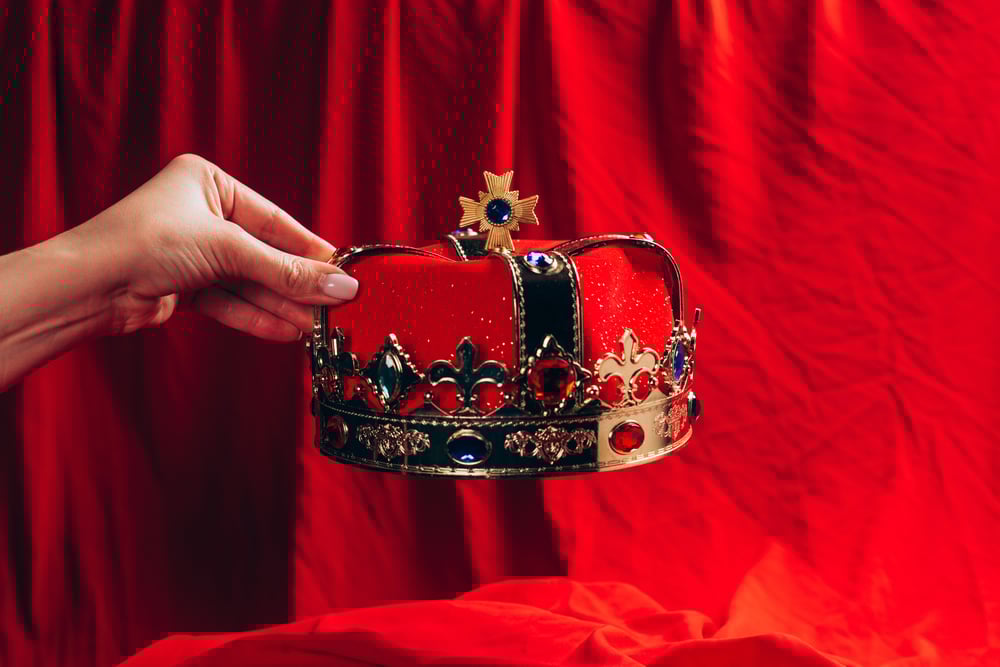
The House of Valois ruled France from 1328 to 1589, and their legacy is woven into the history of French art, culture, and politics. Several of Europe’s most famous monarchs, including Francis I, came from this line.
After the dynasty ended, descendants dispersed through France and neighboring countries. Someone with the Valois surname today likely has French ancestry, and with some genealogical research, a royal connection is more plausible than it might seem.
Anjou
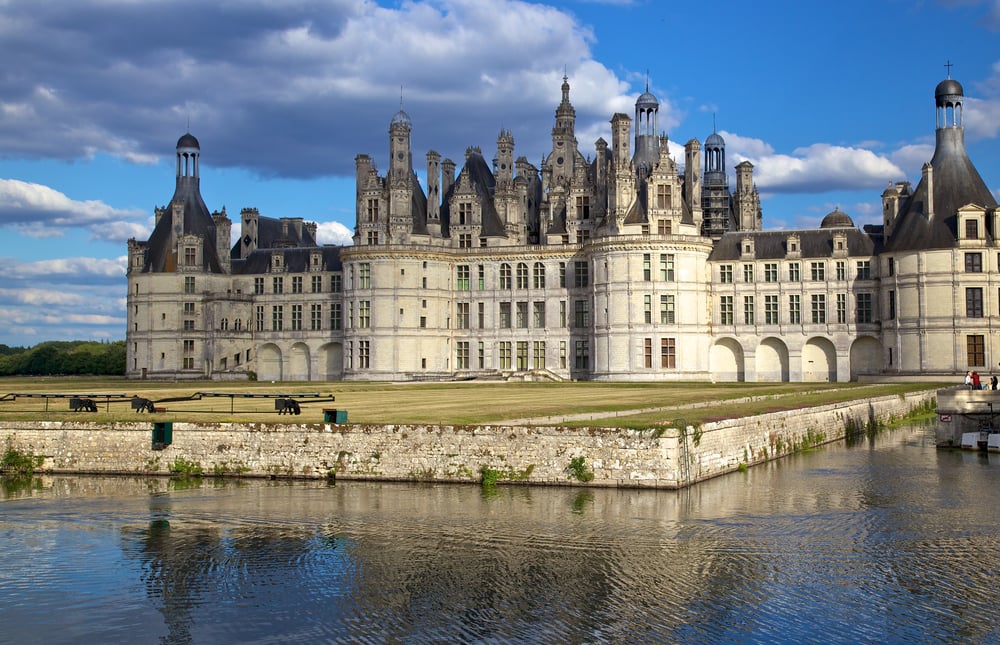
The name Anjou comes from the Angevin dynasty, which had roots in the French region of Anjou and produced English kings starting with Henry II. The Plantagenet kings of England were sometimes called Angevins because of this connection.
The name traveled with noble families across England and France, and descendants settled in both countries over the centuries. It is one of those surnames that signals a medieval noble or royal lineage almost immediately.
Sobieski
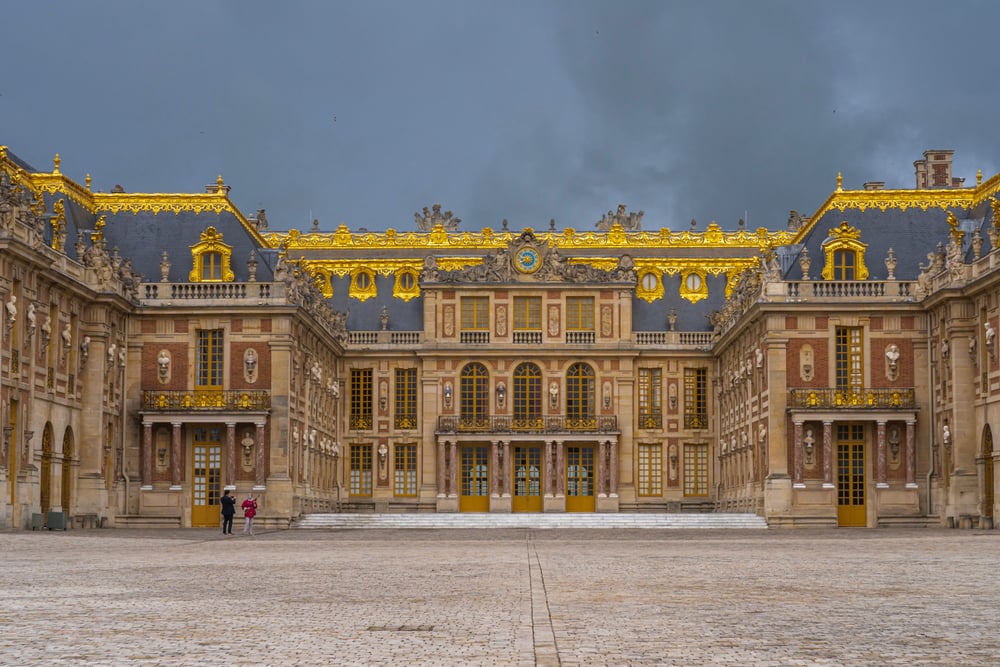
John III Sobieski was one of Poland’s most celebrated kings, famous for his military victories and his role in defending Europe at the Battle of Vienna in 1683. The Sobieski name carries strong royal associations in Polish history, and descendants of the family spread across Poland and parts of central Europe.
The name is not extremely common today, which makes finding it in a family history even more notable. Polish families with this surname have a particularly interesting story to trace.
Grimaldi
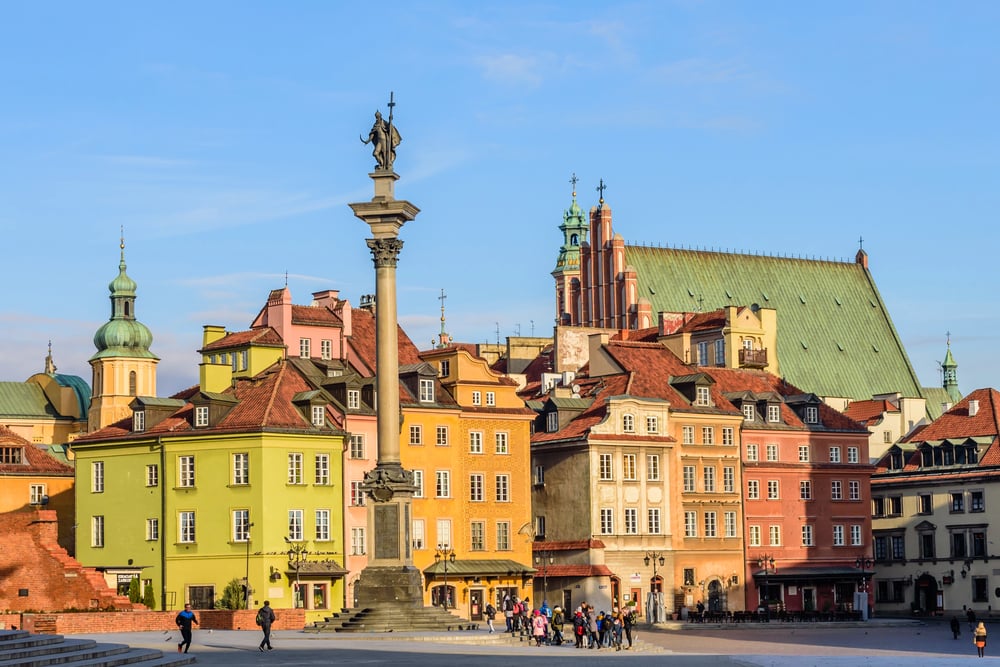
The Grimaldi family has ruled Monaco since the 13th century, making them one of the oldest reigning royal families in the world. The name is Italian in origin, and the family’s roots trace back to Genoa.
While the Grimaldi surname is closely tied to Monaco today, other branches of the family with the same name exist across Italy and France. Someone with this surname and Italian or French ancestry may find a fascinating royal thread running through their family history.
Medici
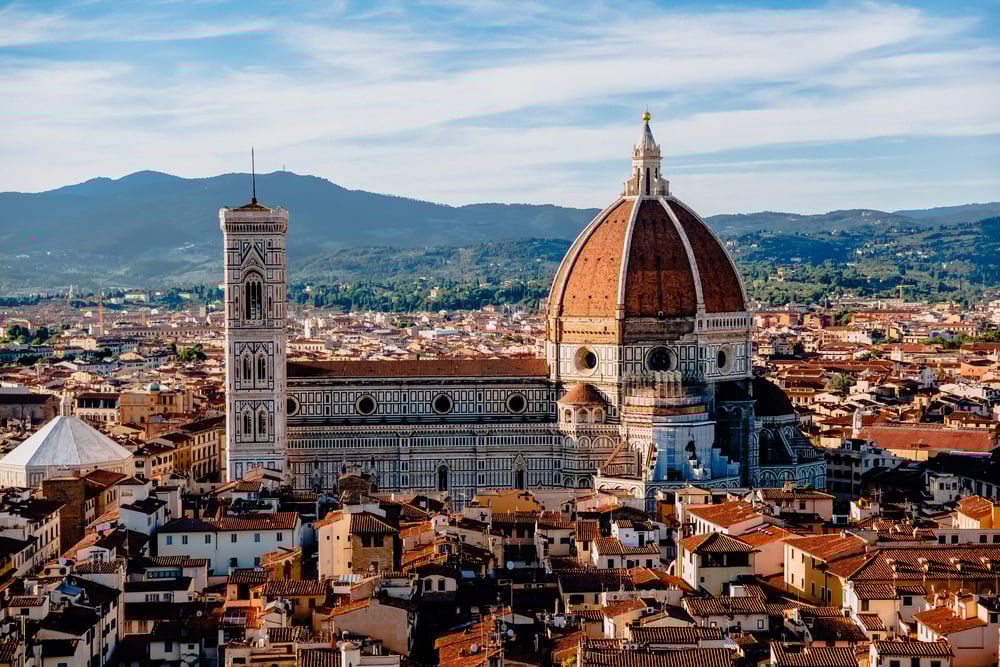
The Medici family was not technically royal in the traditional sense, but they were so powerful in Renaissance Italy that the distinction barely matters. They produced popes, queens of France, and rulers of Florence, and their influence on European history and culture was enormous.
The family name is Italian and most common among people with Tuscan ancestry. Finding Medici in a family tree is the kind of discovery that tends to turn casual genealogy into a serious hobby very quickly.
What Your Last Name Has Been Carrying All Along
Last names have always been more than just identifiers. They are tiny history books, passed quietly from one generation to the next without much fanfare.
The people carrying these names today might work ordinary jobs, live in ordinary towns, and have no idea that somewhere several centuries back, their ancestors stood in royal courts or signed treaties that changed the course of history. Genealogy research has become more accessible than ever, and services like Ancestry.com or even local historical archives can help anyone trace these connections with real records.
The name a person was born with might just be the oldest and most interesting thing about them.
More from Go2Tutors!

- The Romanov Crown Jewels and Their Tragic Fate
- 13 Historical Mysteries That Science Still Can’t Solve
- Famous Hoaxes That Fooled the World for Years
- 15 Child Stars with Tragic Adult Lives
- 16 Famous Jewelry Pieces in History
Like Go2Tutors’s content? Follow us on MSN.