15 Engineering Marvels Hidden in Plain Sight
Engineering brilliance doesn’t always announce itself with towering skyscrapers or massive bridges. Some of the most ingenious solutions to complex problems blend so seamlessly into our daily lives that we barely notice them. These hidden marvels represent decades of innovation, testing, and refinement—yet they work so well that they’ve become invisible parts of our routine.
From the mundane objects you touch every day to the systems humming quietly in the background, countless engineering achievements surround us. Here’s a list of 15 engineering marvels that hide in plain sight, solving problems you might not even realize exist.
Manhole Covers

Those heavy metal discs scattered across every street represent a masterclass in practical engineering. They’re designed as circles because a circular cover can never fall through its own opening, no matter how you position it—a square or rectangular cover could slip through diagonally.
The raised patterns you see aren’t just decoration; they provide traction for pedestrians while allowing water to drain through specific channels. Most weigh between 200–300 pounds, heavy enough to stay put during floods or high winds, yet balanced, so one person can still lift them with the right tools.
Traffic Light Timing Systems

The synchronized dance of traffic lights across a city involves incredibly sophisticated algorithms that most drivers never think about. Modern systems use sensors, cameras, and real-time data to adjust timing based on traffic flow, pedestrian crossing patterns, and even emergency vehicle priority.
Some advanced systems can detect when an ambulance is approaching from two miles away and automatically trigger a ‘green wave’ to clear its path. The engineering challenge isn’t just moving cars efficiently—it’s balancing the needs of vehicles, pedestrians, bicycles, and public transit in a constantly changing environment.
Like Go2Tutors’s content? Follow us on MSN.
Ballpoint Pen Mechanisms

The humble ballpoint pen solves an engineering problem that stumped inventors for decades. The ball at the tip must be perfectly spherical and fit precisely in its socket—too loose and it leaks, too tight and it won’t roll.
The ink formula took years to perfect: thick enough not to leak but thin enough to flow smoothly around a tiny metal sphere. Modern ballpoint pens can write for over a mile before running out of ink, yet the entire mechanism costs pennies to manufacture and works reliably in temperatures from freezing to over 100 degrees.
Escalator Safety Systems
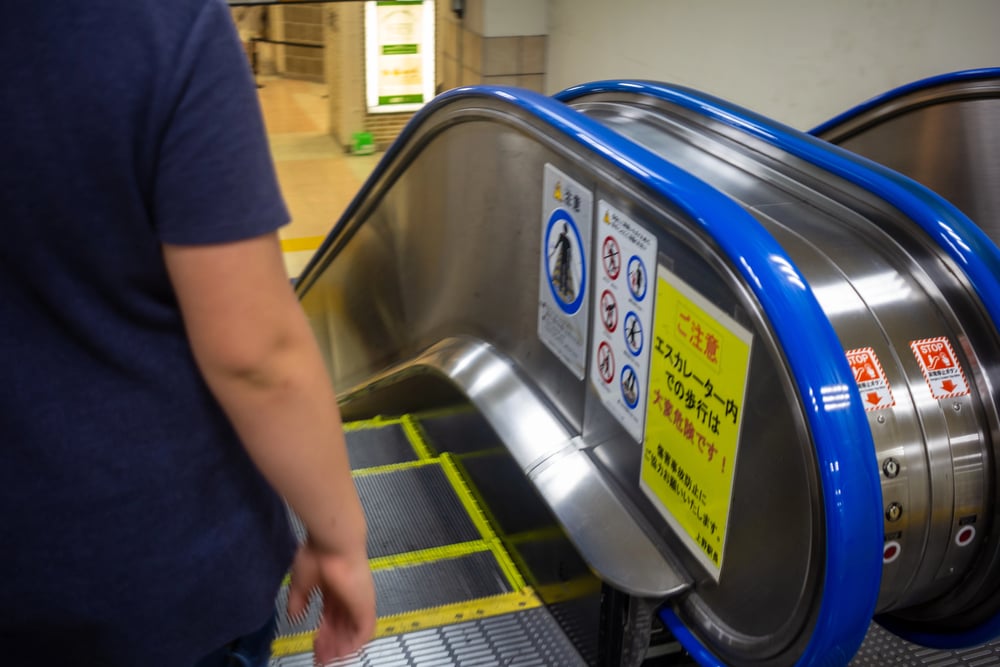
Every escalator contains dozens of safety mechanisms working constantly to prevent accidents. The steps are designed with specific groove patterns that mesh perfectly at the top and bottom, while sensors detect if clothing or shoelaces get caught.
Hidden underneath, multiple brakes can stop the entire system in less than a second if anything goes wrong. The handrails move at exactly the same speed as the steps through a complex system of chains and gears, and if they fall out of sync by even a small amount, the escalator automatically shuts down.
Grocery Store Checkout Barcodes

Those simple black and white stripes encode information in a way that can be read accurately even when the barcode is damaged, dirty, or scanned at odd angles. The system uses redundant data encoding, meaning the same information is stored multiple times within each barcode.
Even if 30% of the barcode is missing or unreadable, scanners can still decode the product information. The width of each line and space is precisely calculated, and the entire system can distinguish between thousands of different products in milliseconds while accounting for human error in scanning angles and speed.
Like Go2Tutors’s content? Follow us on MSN.
Elevator Control Systems
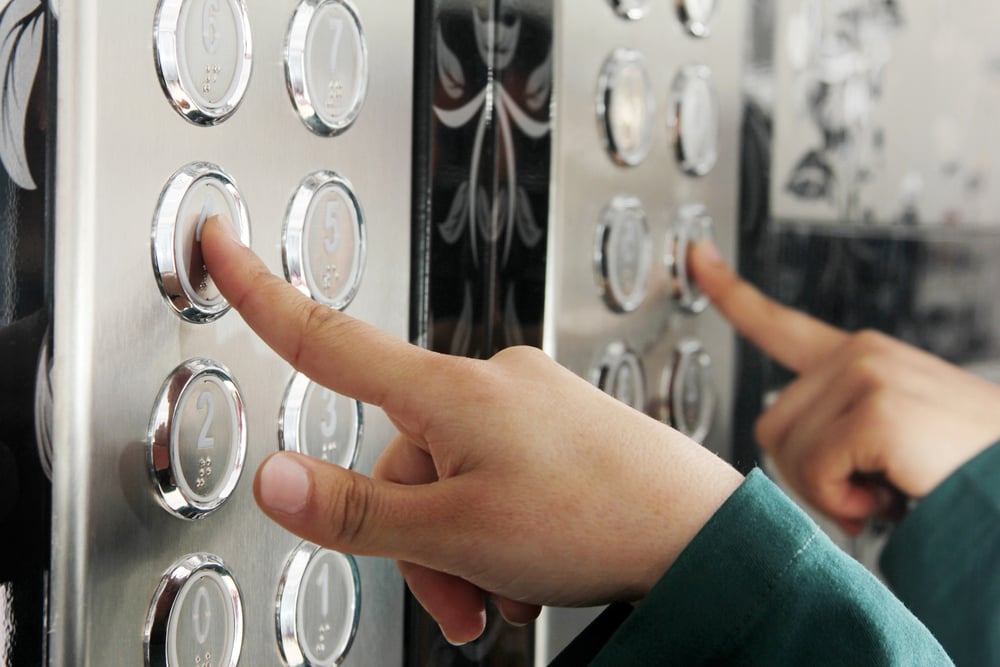
Modern elevators use algorithms that would impress computer scientists to minimize wait times and energy consumption. The system doesn’t just respond to button presses—it predicts traffic patterns based on time of day, building usage, and historical data.
Some elevators can detect how many people are inside based on weight and adjust their speed accordingly. The emergency systems are even more impressive: multiple independent cables, automatic braking systems, and backup power supplies ensure that even in the worst-case scenarios, passengers remain safe.
Credit Card Magnetic Strips

Those black magnetic stripes on credit cards pack an enormous amount of engineering sophistication into a space thinner than a human hair. The stripe contains three tracks of data encoded in magnetic particles, with built-in error correction and security features.
The magnetic encoding is designed to withstand being stored next to other magnetic objects, bent repeatedly, and swiped thousands of times. The read heads in card readers can detect and decode this information even when the card is swiped at varying speeds or slightly misaligned.
Automatic Door Sensors

The sensors that open doors at grocery stores and office buildings use multiple detection technologies working together. Most combine microwave motion detection with infrared heat sensing to avoid false triggers from wind or small animals while reliably detecting approaching humans.
The timing algorithms ensure doors open early enough to feel responsive but not so early that they waste energy. Advanced systems can even distinguish between someone approaching the door and someone just walking parallel to it, preventing unnecessary door activations.
Like Go2Tutors’s content? Follow us on MSN.
Zipper Engineering
Zippers represent over a century of mechanical refinement packed into something most people take for granted. The interlocking teeth must be precisely manufactured to engage and disengage smoothly while maintaining a strong seal when closed.
The slider mechanism includes multiple springs, wedges, and guides that work together to align the teeth perfectly as you zip or unzip. Quality zippers can withstand thousands of open-close cycles while maintaining their seal, and the best ones include self-lubricating materials that keep them operating smoothly for decades.
Refrigerator Thermostats
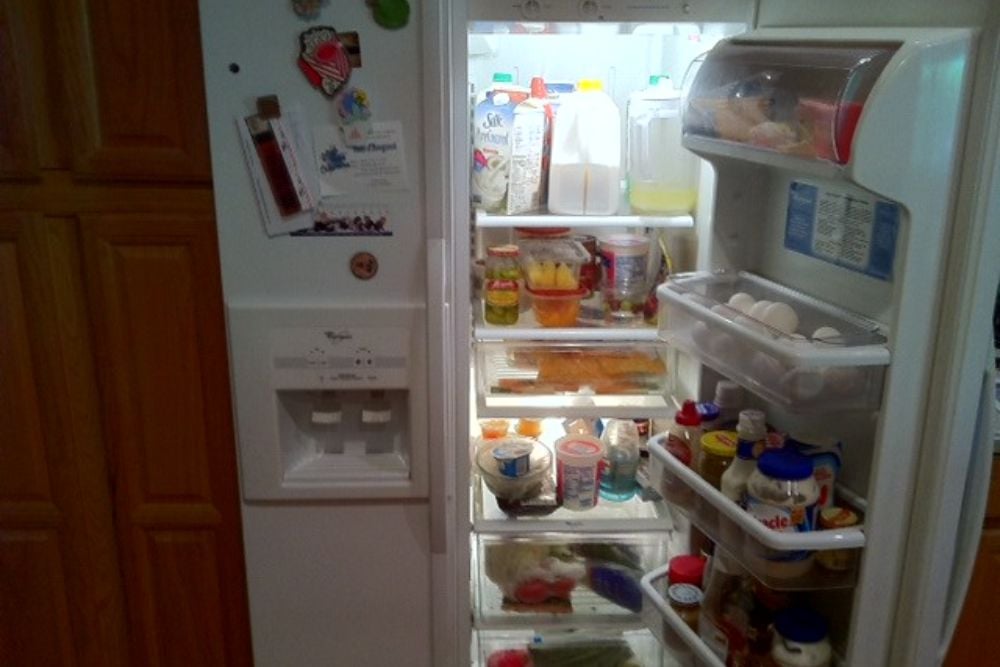
The temperature control in your refrigerator manages a delicate balancing act using surprisingly sophisticated engineering. The system must maintain consistent temperatures while accounting for how often the door opens, ambient room temperature, and the thermal mass of food inside.
Modern refrigerators use multiple sensors and variable-speed compressors to minimize energy consumption while preventing temperature fluctuations that could spoil food. The defrost cycles are carefully timed to prevent ice buildup without wasting energy, and the entire system adjusts its operation based on usage patterns.
Gas Pump Safety Systems
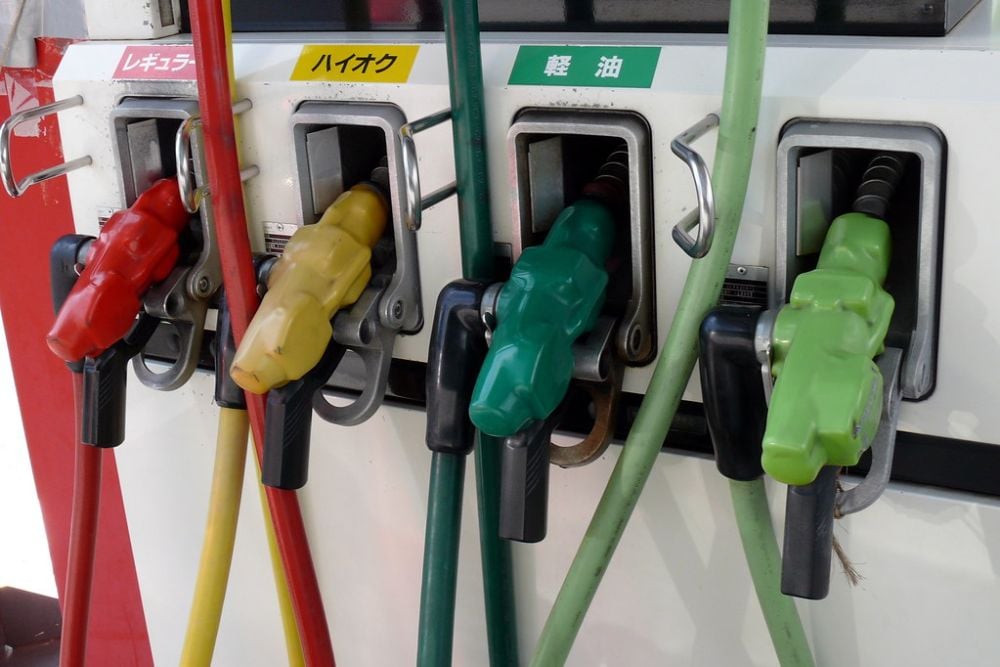
Every gas pump contains numerous safety systems designed to prevent fires, spills, and overfilling. The automatic shutoff mechanism uses a clever Venturi effect—as your tank fills up, air can no longer flow through a small tube in the nozzle, creating a pressure change that triggers the shutoff.
Multiple vapor recovery systems capture gasoline fumes and route them back to underground storage tanks. Emergency shutoff switches can instantly stop fuel flow from inside the station, and breakaway hoses are designed to separate safely if someone drives away without removing the nozzle.
Like Go2Tutors’s content? Follow us on MSN.
USB Connectors

The Universal Serial Bus standard solved a massive compatibility problem through clever engineering that most users never appreciate. USB connectors can provide power and data simultaneously while automatically negotiating the right voltage and data transfer speeds between devices.
The connector design ensures proper insertion while preventing damage from incorrect connections. Modern USB systems can deliver enough power to charge laptops while simultaneously transferring data at speeds that would have seemed impossible just a few years ago, all through a connector small enough to fit on thin mobile devices.
Toilet Flush Mechanisms

The modern toilet flush system represents centuries of hydraulic engineering refinement. The entire mechanism uses gravity and water flow dynamics to create enough force to clear waste while using minimal water.
The float valve system automatically refills the tank to exactly the right level, and the chain-and-flapper design creates a precise seal that prevents water waste. Low-flow toilets use carefully designed bowl geometry and water jet angles to maintain effectiveness while reducing water consumption by over 60% compared to older models.
Road Paint Reflectivity

Those painted lines on roads that seem to glow in headlights use sophisticated materials engineering to enhance nighttime visibility. The paint contains thousands of tiny glass beads that act as retroreflectors, bouncing light directly back to its source.
The beads are precisely sized and applied at specific densities to maximize reflectivity while maintaining durability under traffic. Different bead sizes are used for different applications—smaller beads for lane lines, larger ones for stop bars—and the entire system must withstand weather, snowplow blades, and millions of tire passes while maintaining visibility.
Like Go2Tutors’s content? Follow us on MSN.
Vending Machine Coin Mechanisms

Vending machines can distinguish between genuine coins and slugs using multiple detection methods working simultaneously. The mechanisms test coins for size, weight, thickness, and electromagnetic properties as they roll through a carefully designed pathway.
Genuine coins create specific electromagnetic signatures when passed through detection coils, while their rolling characteristics reveal details about metal composition and manufacturing precision. The coin path includes precise channels and gates that sort different denominations automatically, and rejection mechanisms can identify and return invalid coins in less than a second.
The Engineering Legacy Around Us

These everyday marvels demonstrate how the best engineering often goes unnoticed, working so seamlessly that we forget how complex the problems they solve really are. Each represents countless hours of research, testing, and refinement by engineers who understood that true success means creating solutions that feel effortless to use.
The next time you swipe a card, ride an escalator, or watch a traffic light change, remember that you’re witnessing the result of human ingenuity applied to making daily life just a little bit better. The most profound engineering achievements aren’t always the ones that make headlines—sometimes they’re the ones that simply work, day after day, without calling attention to themselves.
More from Go2Tutors!

- 16 Restaurant Chains That Went Too Fast
- 12 Things Sold in the 80s That Are Now Illegal
- 15 VHS Tapes That Could Be Worth Thousands
- 17 Historical “What Ifs” That Would Have Changed Everything
- 18 TV Shows That Vanished Without a Finale
Like Go2Tutors’s content? Follow us on MSN.