15 Customs of Ancient Egypt That Feel Unreal
Ancient Egypt was one of those civilizations that did things so differently from us that it's hard to believe people actually lived this way for thousands of years. From their weird beauty routines to their intense focus on death and the afterlife, the Egyptians had customs that seem completely wild by today's standards.
Here's a list of 15 ancient Egyptian customs that sound made up but were totally real parts of daily life back then.
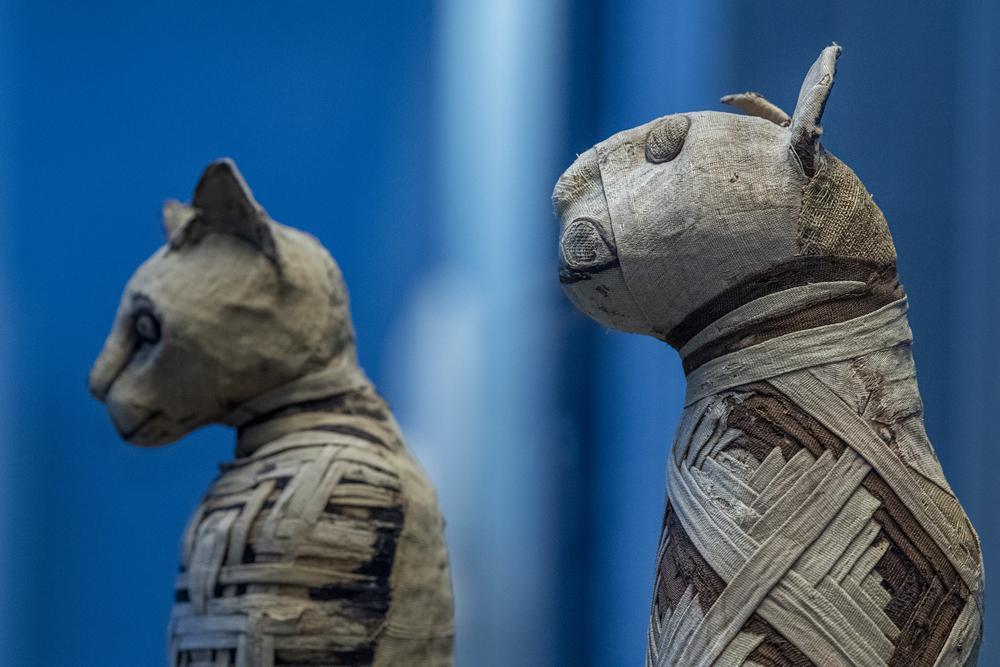
They Shaved Off Their Eyebrows When Cats Died

When a family cat died, everyone in the household would shave off their eyebrows as a sign of mourning and wouldn't grow them back until the eyebrows naturally returned. Cats were considered sacred animals, and killing one was punishable by death, even if it was an accident. Some families would mummify their dead cats and bury them in special cat cemeteries, treating them with the same respect as human family members.
Rich People Wore Cones of Fat on Their Heads

At fancy dinner parties, wealthy Egyptians would put cones made of animal fat mixed with perfume on top of their heads. As the evening went on, the fat would slowly melt and drip down over their hair and clothes, spreading nice smells around them. This was considered the height of sophistication and showed that you had enough money to literally wear your perfume instead of just dabbing it on.
They Used Crocodile Dung as Birth Control
Egyptian women would make contraceptive pessaries out of crocodile dung mixed with honey and other ingredients. The idea was that the acidic nature of the dung would prevent pregnancy, and weirdly enough, modern scientists think this method might have actually worked to some degree. They also used crocodile dung mixed with mud as face masks, believing it would make their skin beautiful and young-looking.
Workers Got Paid in Beer and Bread
Instead of money, most Egyptian workers received daily rations of bread and beer as payment for their labor. A typical worker might get three loaves of bread and two jugs of beer per day, which was considered a decent wage. Even the workers who built the pyramids were paid this way, and archaeologists have found records showing that work would stop if the beer rations ran out.
They Mummified Everything, Not Just People

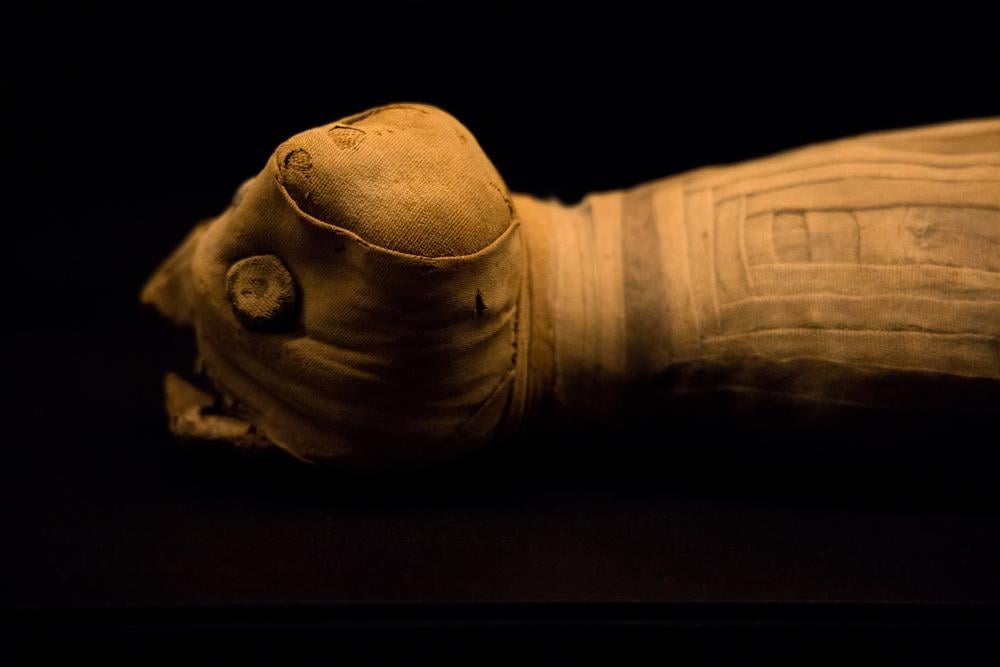
Egyptians mummified millions of animals including cats, dogs, birds, crocodiles, and even beetles because they believed these creatures would serve them in the afterlife. Some wealthy families spent fortunes mummifying their pets with the same care given to human mummies, complete with tiny coffins and burial goods. Archaeological sites have uncovered entire animal cemeteries with millions of mummified creatures, showing just how seriously they took this practice.
Pharaohs Married Their Sisters
Egyptian royal families regularly practiced brother-sister marriage to keep the bloodline pure and maintain their divine status. Cleopatra VII was married to two of her younger brothers at different times, which was completely normal for Egyptian royalty. This practice was considered necessary because pharaohs were believed to be living gods, and marrying outside the family would dilute their divine blood.
They Thought the Heart Did All the Thinking

Ancient Egyptians believed the heart was the center of intelligence, emotion, and memory, while the brain was just useless stuffing inside the skull. During mummification, they would carefully preserve the heart but throw away the brain after pulling it out through the nose with long metal hooks. This is why Egyptian mummies still have their hearts but no brains – they literally thought the heart was what made someone who they were.
Everyone Wore Makeup, Including Men

Both men and women wore heavy black eyeliner made from ground-up minerals like kohl, believing it would protect them from evil spirits and eye diseases. The makeup was so thick that it looked like face paint, and people would spend hours each morning applying it perfectly. Wealthy Egyptians would have servants whose only job was to apply their daily makeup and maintain their appearance throughout the day.
They Worshipped a God Who Created the Universe Through Self-Pleasure

The creation god Atum was believed to have created the first gods through a solitary act of self-pleasure, which was considered a perfectly normal and sacred part of Egyptian mythology. This story was told openly and wasn't considered embarrassing or inappropriate because it explained how life began. Pharaohs would sometimes reenact this creation myth during religious ceremonies to ensure fertility and prosperity for Egypt.
Servants Were Buried Alive with Dead Pharaohs
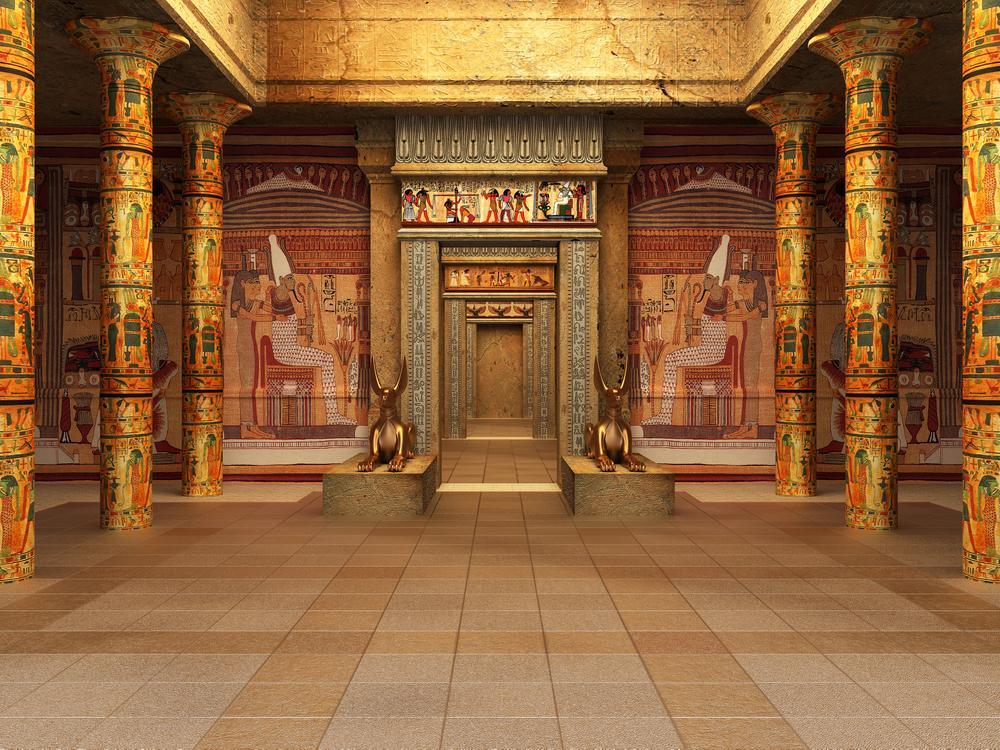
During the earliest dynasties, when a pharaoh died, dozens of servants and officials would be killed and buried with him to serve in the afterlife. These people were sometimes buried alive in the tomb chambers surrounding the pharaoh's burial chamber. Later dynasties replaced this practice with small figurines called shabtis that were supposed to magically come to life and do the work instead.
They Used Moldy Bread as Medicine

Egyptian doctors would apply moldy bread directly to infected wounds because they noticed it helped prevent infection. This was actually an early form of antibiotic treatment, since certain molds produce penicillin-like substances that kill bacteria. They also used honey, which has natural antibacterial properties, making their medical treatments surprisingly effective for an ancient civilization.
Women Could Divorce Their Husbands Easily

Unlike most ancient cultures, Egyptian women had the right to divorce their husbands for almost any reason and keep their property and children. A woman could simply announce she was divorcing her husband and move back to her family's house, taking her belongings with her. Women could also own businesses, inherit property, and work in professions like medicine and religion, giving them more freedom than women would have in many cultures for thousands of years afterward.
They Believed You Could Take Your Stuff to the Afterlife

Egyptians buried people with everything they thought they'd need in the next world, including furniture, jewelry, food, and even board games. Wealthy people would have entire rooms in their tombs filled with possessions, while poor people might just have a few pottery jars and some bread. The most elaborate tombs contained thousands of items, essentially packing for an eternal vacation that required bringing your entire life with you.
Priests Had to Shave Their Entire Bodies Every Day

Temple priests were required to remove every single hair from their bodies daily, including their heads, eyebrows, and body hair, to maintain ritual purity. They would use bronze razors and tweezers to make sure no hair remained anywhere on their bodies before entering the temple. This daily hair removal was considered so important that priests who missed even a tiny bit of hair could be banned from temple duties.
The Calendar Started When the Dog Star Appeared

Egyptians based their entire calendar on when the star Sirius (which they called Sopdet) became visible just before sunrise, marking the beginning of the Nile flood season. This event happened once a year and was so important that the whole society would celebrate for days when someone spotted the star. Their calendar was amazingly accurate because of this system, and they figured out that a year was 365.25 days long thousands of years before other civilizations caught on.
More from Go2Tutors!

- 16 Historical Figures Who Were Nothing Like You Think
- 12 Things Sold in the 80s That Are Now Illegal
- 15 VHS Tapes That Could Be Worth Thousands
Like Go2Tutors’ content? Follow us on MSN.