17 Things People Use as Lucky Charms
Everyone wants a little extra help when life gets tough. Some people pray, some people plan, and others just carry around a beat-up penny or wear the same socks on game day.
Lucky charms come in all shapes and sizes, and the reasons behind them are just as varied as the objects themselves.
Whether it’s a family heirloom passed down through generations or something picked up on a whim, these items hold special meaning for the people who carry them. Let’s look at some of the most common lucky charms people swear by.
Four-leaf clovers
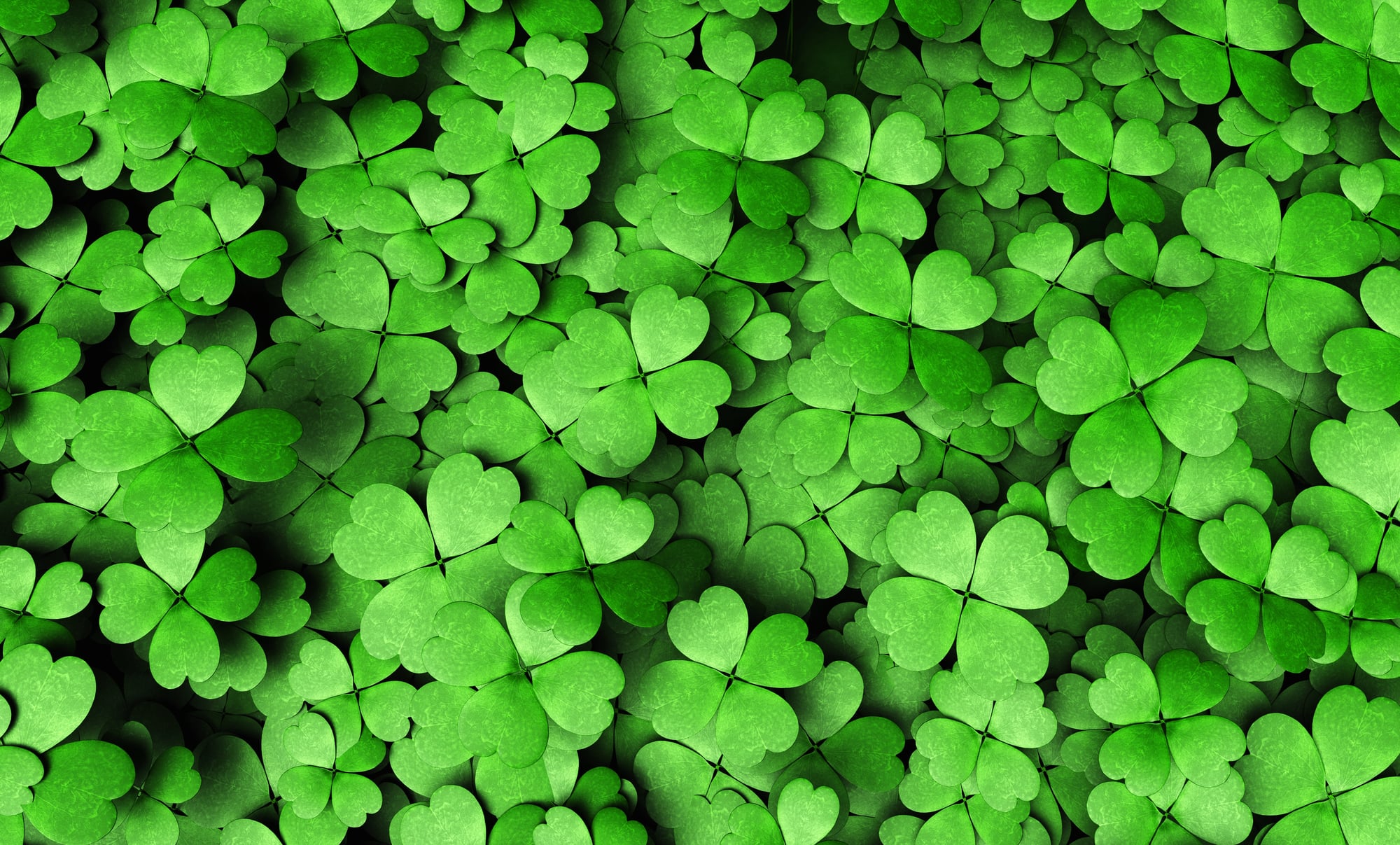
Finding a four-leaf clover feels like winning a tiny lottery in the grass. These rare plants pop up about once in every 5,000 regular three-leaf clovers, which explains why people get so excited when they spot one.
The four leaves supposedly represent faith, hope, love, and luck, though most people just know they’re hard to find and that makes them special. People press them in books, laminate them, or even get them tattooed on their bodies.
Rabbit’s feet

This charm has a darker origin than most people realize, but it’s been considered lucky in various cultures for centuries. The tradition likely comes from old European folk magic, where people believed the rabbit’s speed and fertility transferred good fortune to whoever carried the foot.
Modern versions are usually synthetic, which is probably better for everyone involved. Despite the questionable ethics, you’ll still see these fuzzy charms on keychains and backpacks everywhere.
Horseshoes
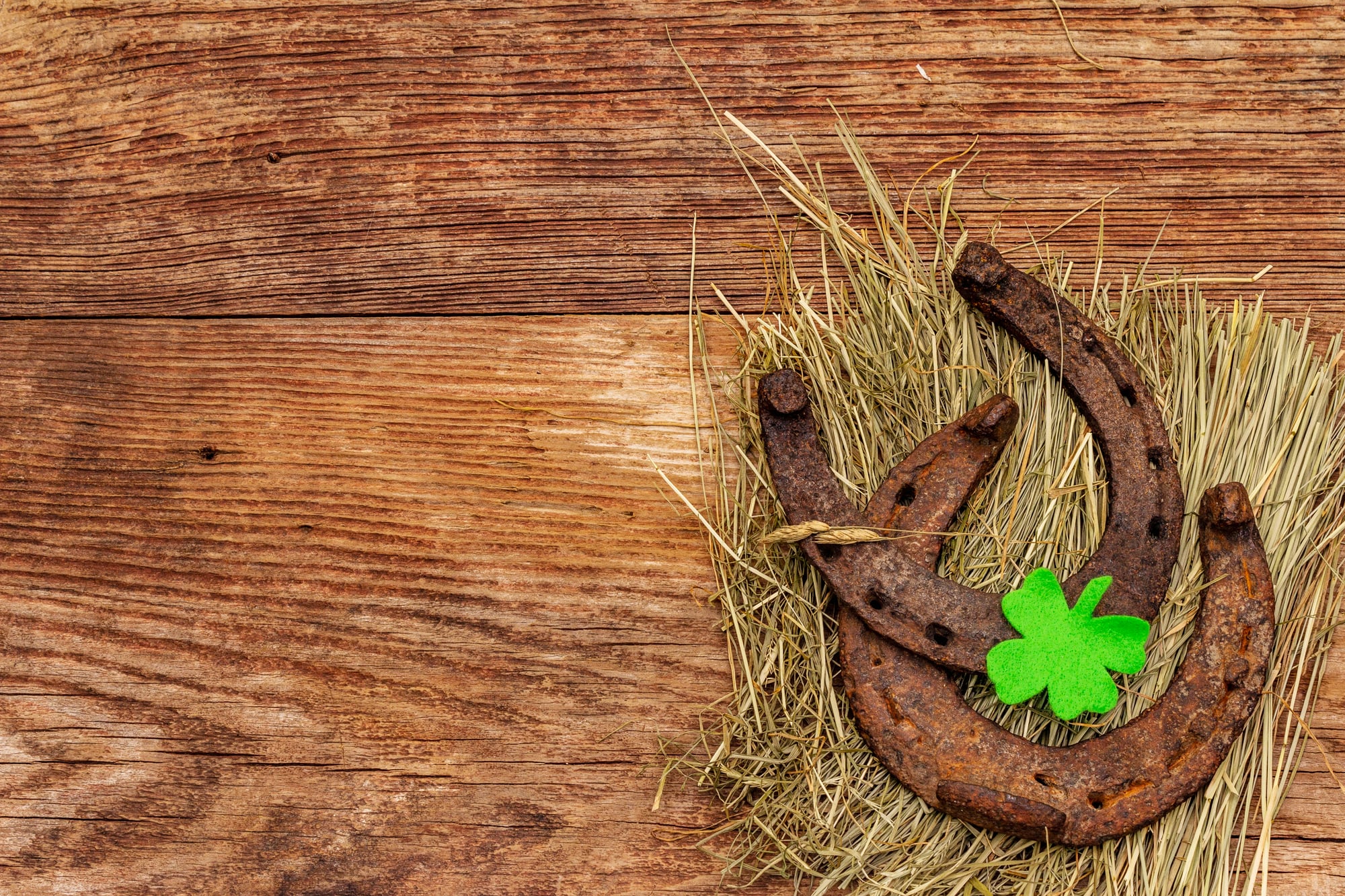
Hang a horseshoe above your door and you’re supposedly protected from evil spirits and bad luck. The tradition goes back to when people believed iron had magical properties that could ward off mischief.
There’s actually a debate about which way to hang it though. Some say points up to hold the luck in, others say points down to pour luck onto people walking through.
Either way, blacksmiths have been making these for doorways since medieval times.
Pennies
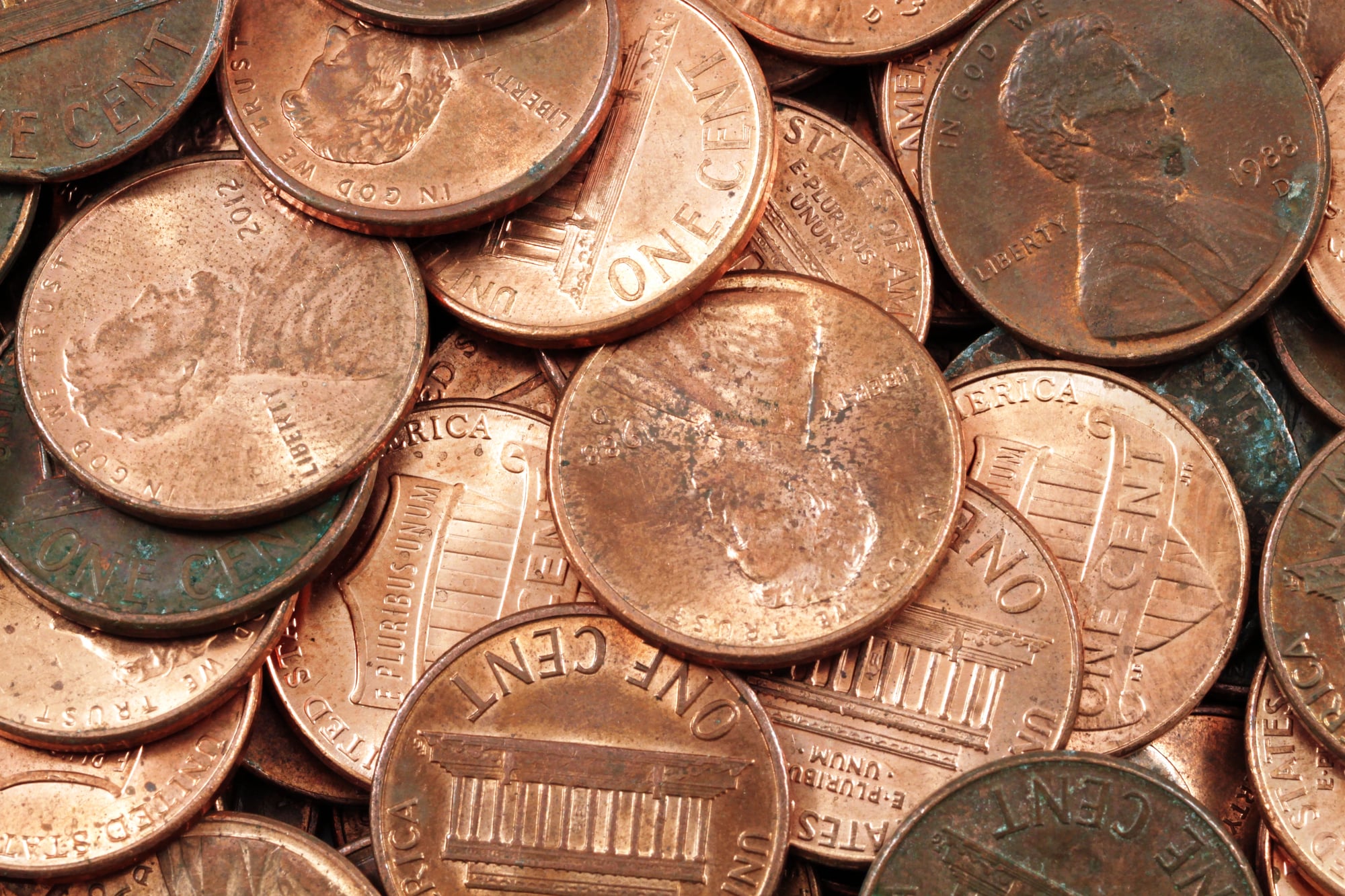
Pick up a penny and all day long you’ll have good luck, or so the old rhyme goes. Some people only pick up pennies that are heads up, believing tails means bad luck instead.
The copper content in older pennies might have something to do with the superstition, since copper was once thought to have healing properties. Now people toss pennies into fountains and make wishes, turning spare change into hope.
Lucky bamboo
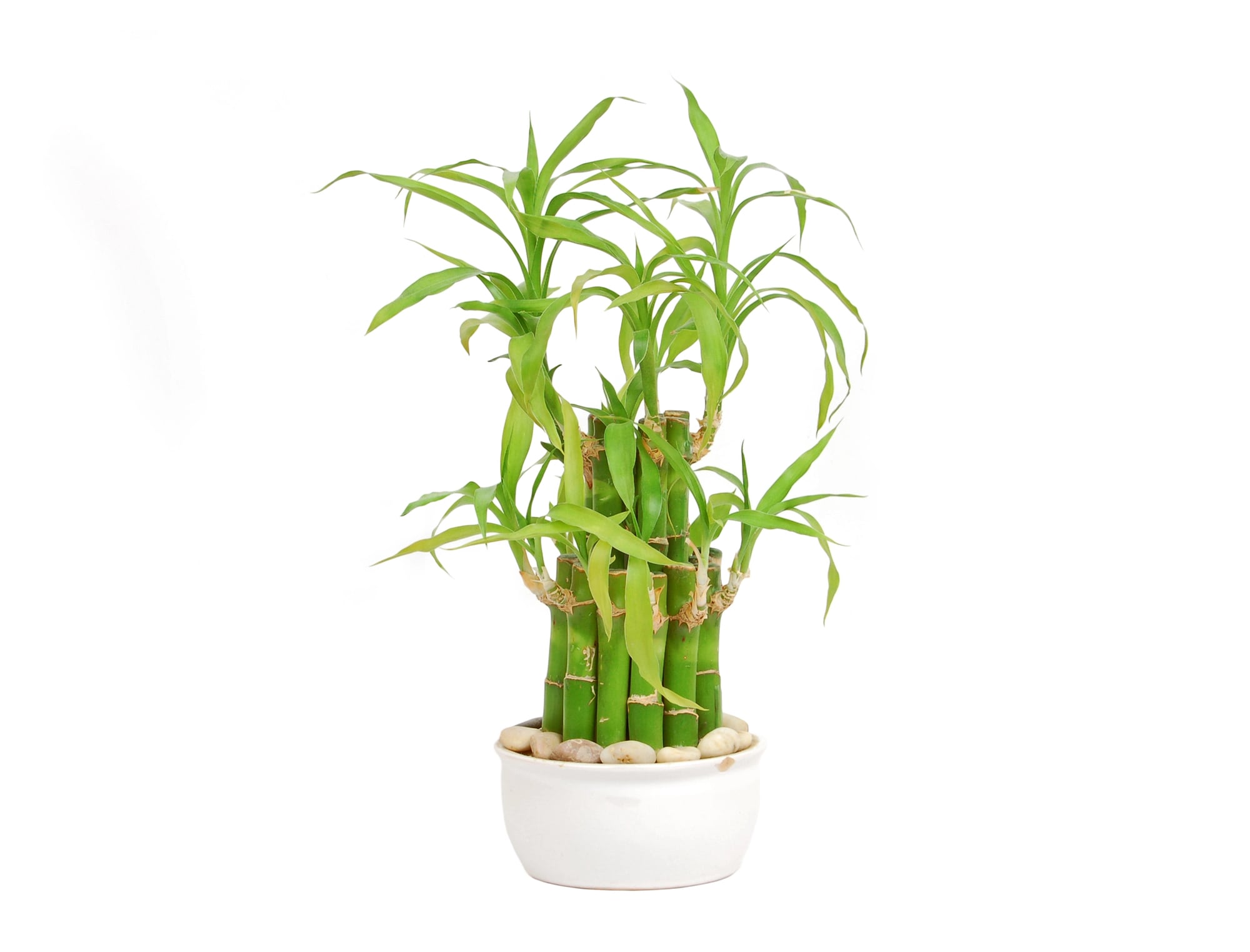
This isn’t actually bamboo at all but a type of tropical water lily that looks similar. Different numbers of stalks mean different things in Chinese tradition, with three stalks representing happiness, wealth, and long life.
The plants are nearly impossible to kill, which might explain part of their lucky reputation. Office workers and apartment dwellers love these because they survive in low light and need barely any care.
Dreamcatchers
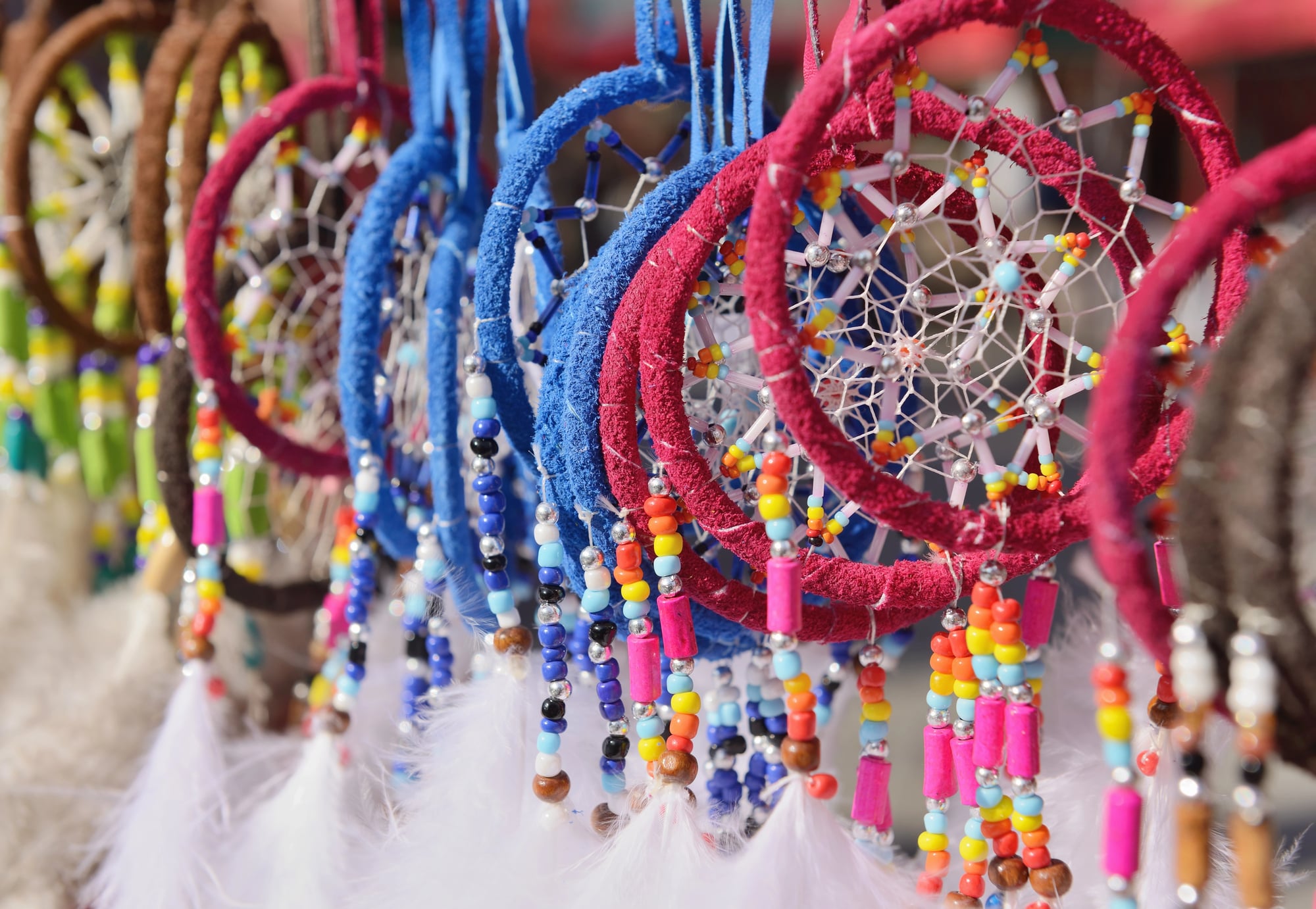
Originally from Ojibwe culture, these webbed hoops were meant to filter out bad dreams while letting good ones pass through. The bad dreams get caught in the web and disappear with the morning sun.
What started as a specific cultural tradition has spread worldwide, though often without much understanding of the original meaning. People hang them over beds, in cars, and anywhere they want protection during sleep.
Acorns
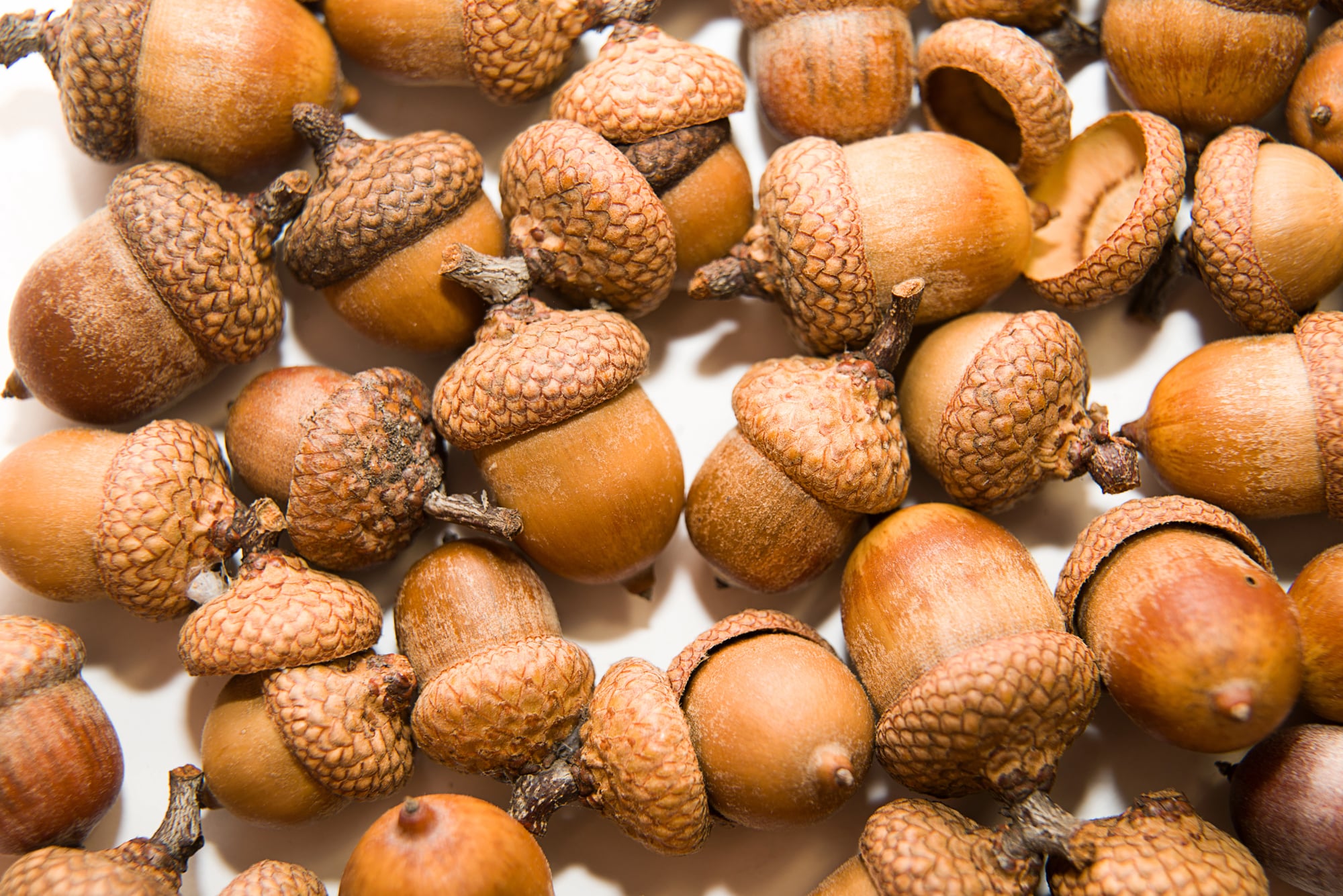
Carrying an acorn supposedly brings youth, prosperity, and protection from illness. The Norse associated them with Thor and his power over thunder, believing they could protect houses from lightning strikes.
Oak trees live for hundreds of years and produce thousands of acorns, so the connection to longevity makes sense. People slip them in pockets, keep them on desks, or string them into jewelry.
Lucky socks

Athletes are famous for this one, wearing the same pair of socks during winning streaks until they basically disintegrate. The logic is simple but powerful: if it worked before, it might work again.
Basketball players, runners, and even business people have their lucky sock routines. These crusty, worn-out foot coverings represent the human need to control uncertainty through ritual.
Evil eye charms
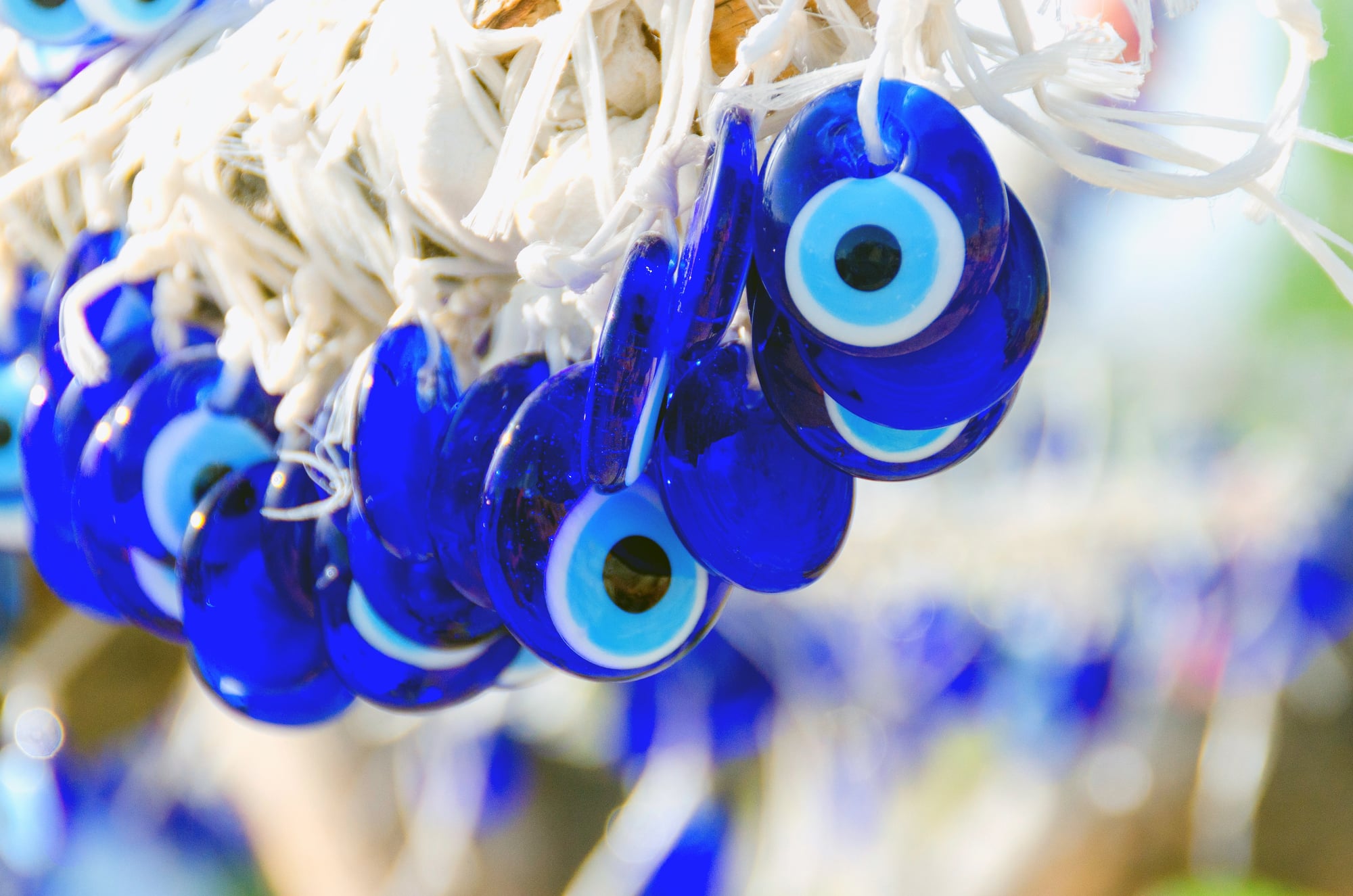
This bright blue amulet with a white and black eye in the center comes from Mediterranean and Middle Eastern traditions. The belief is that jealous looks from others can curse you, and wearing this symbol deflects that negative energy back at them.
You’ll see these on bracelets, necklaces, keychains, and even hanging from rearview mirrors. The tradition has spread so widely that gift shops from Turkey to Mexico sell them.
Wishbones
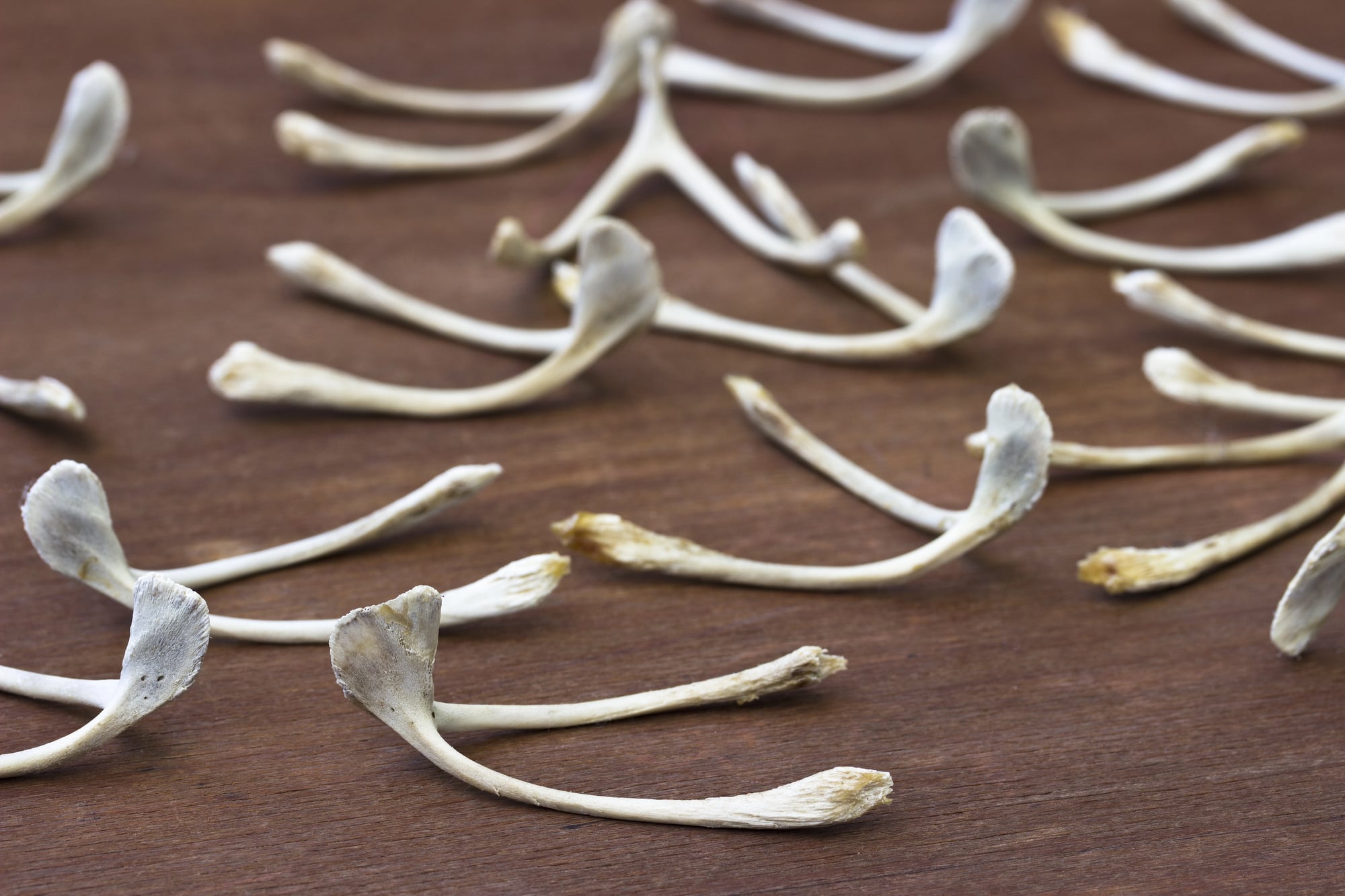
Two people pull on the dried breastbone of a turkey or chicken until it snaps, and whoever gets the larger piece gets their wish. This tradition dates back to the Etruscans in Italy, long before anyone was celebrating Thanksgiving.
The bone has to dry out completely or it won’t break cleanly, which is why people leave them sitting on windowsills for days. It’s one of the few lucky charms that gets destroyed in the process of using it.
Lucky number seven
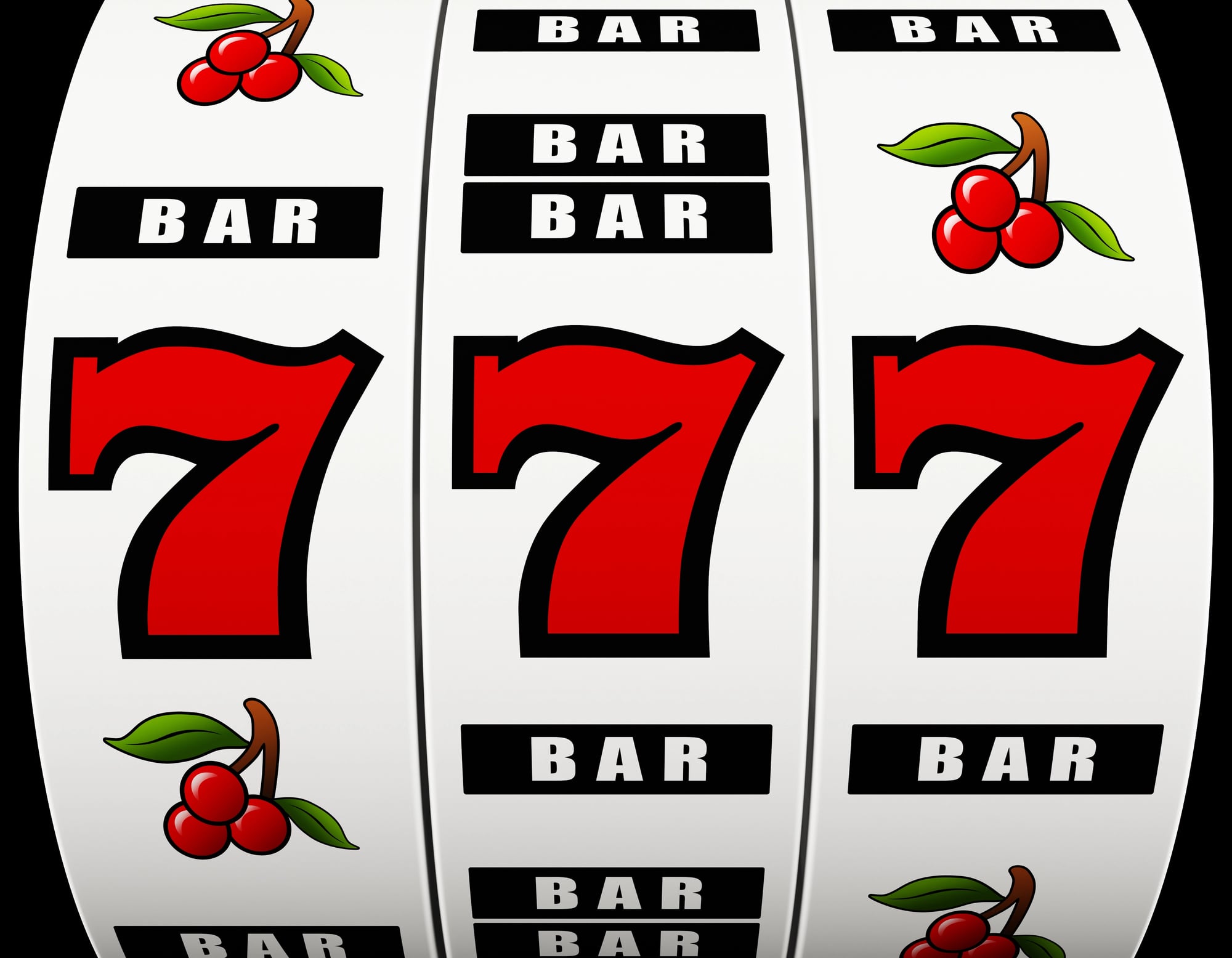
Slot machines, dice games, and lottery tickets all lean heavily on this number’s reputation. Seven days in a week, seven wonders of the ancient world, seven colors in a rainbow, seven notes in a musical scale.
The number shows up everywhere in nature and human culture, which probably explains why people gravitate toward it. Casinos make millions off this superstition alone.
Jade stones
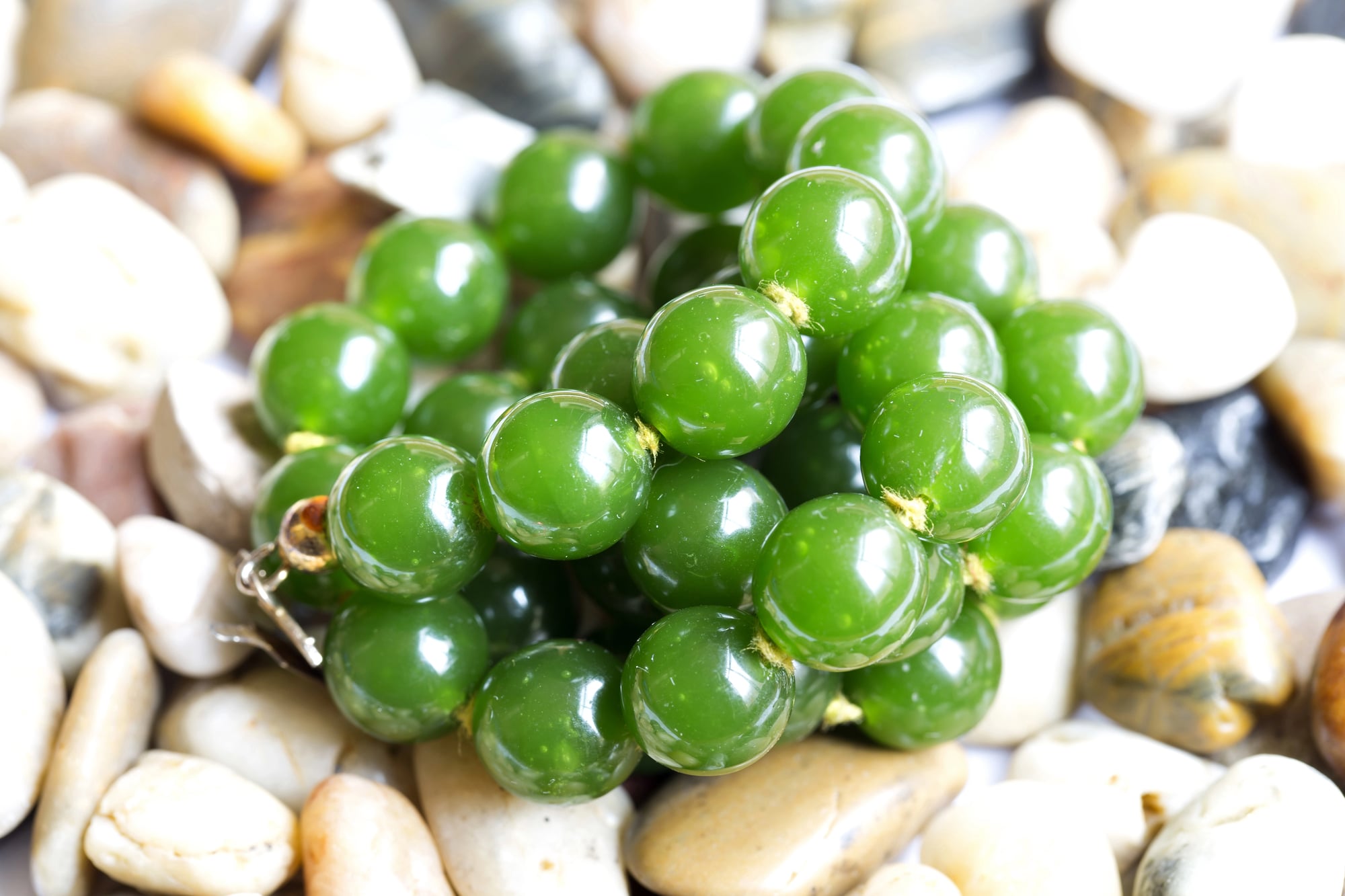
Chinese culture has prized jade for thousands of years, believing it brings harmony and balance to whoever wears it. The stone supposedly protects travelers and brings prosperity to business owners.
Real jade comes in various shades of green, though white and lavender versions exist too. People wear it as jewelry, carry polished stones in pockets, or display carved figures in their homes.
Lucky coins
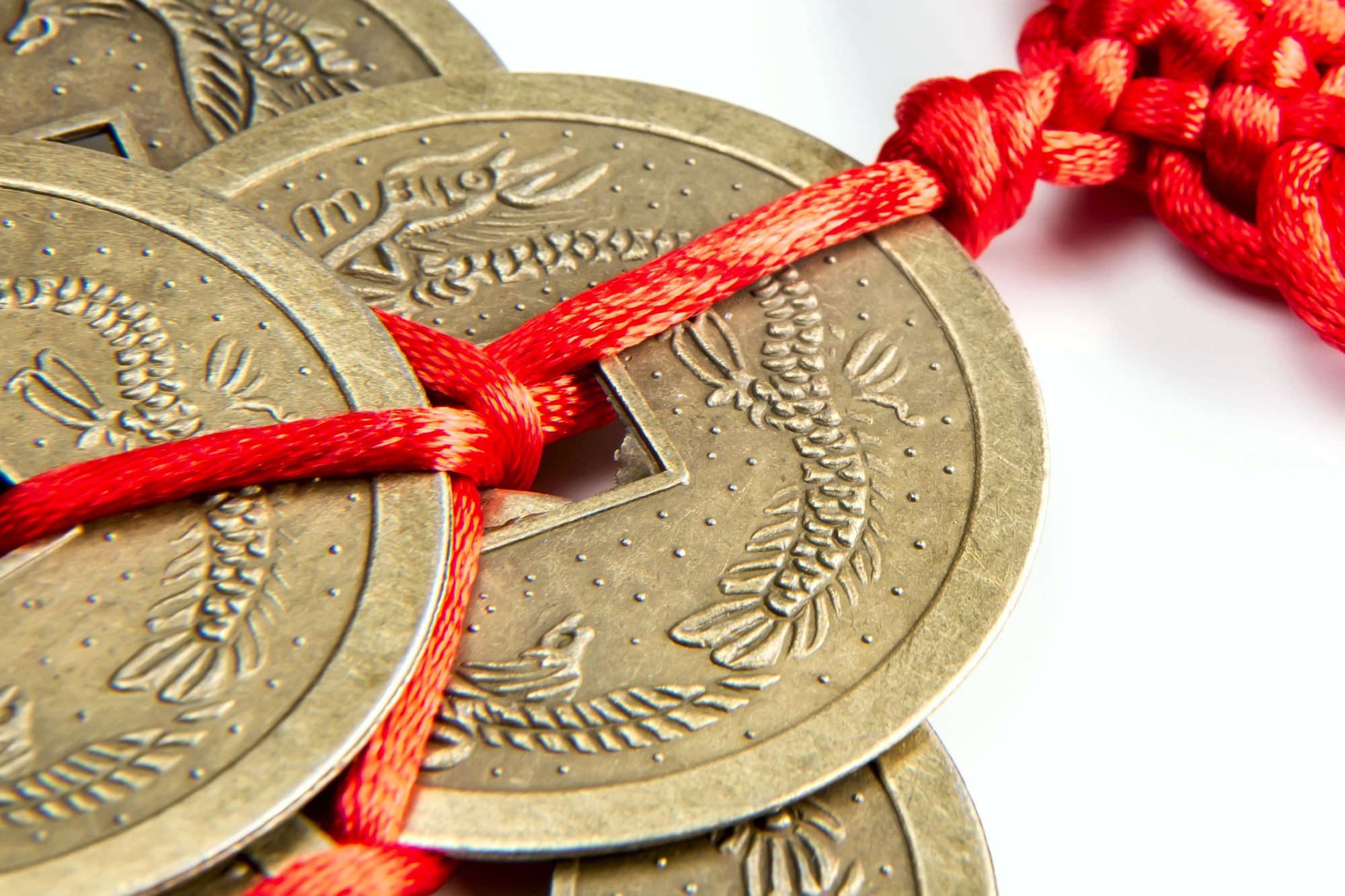
Different cultures have their own versions, but Chinese coins with square openings in the middle are probably the most recognized. Three coins tied together with red string are meant to attract wealth and success.
Some people carry coins from the year they were born, while others hold onto foreign currency from meaningful trips. The weight and physical presence of metal currency makes it feel more substantial than paper money as a charm.
Saints medals
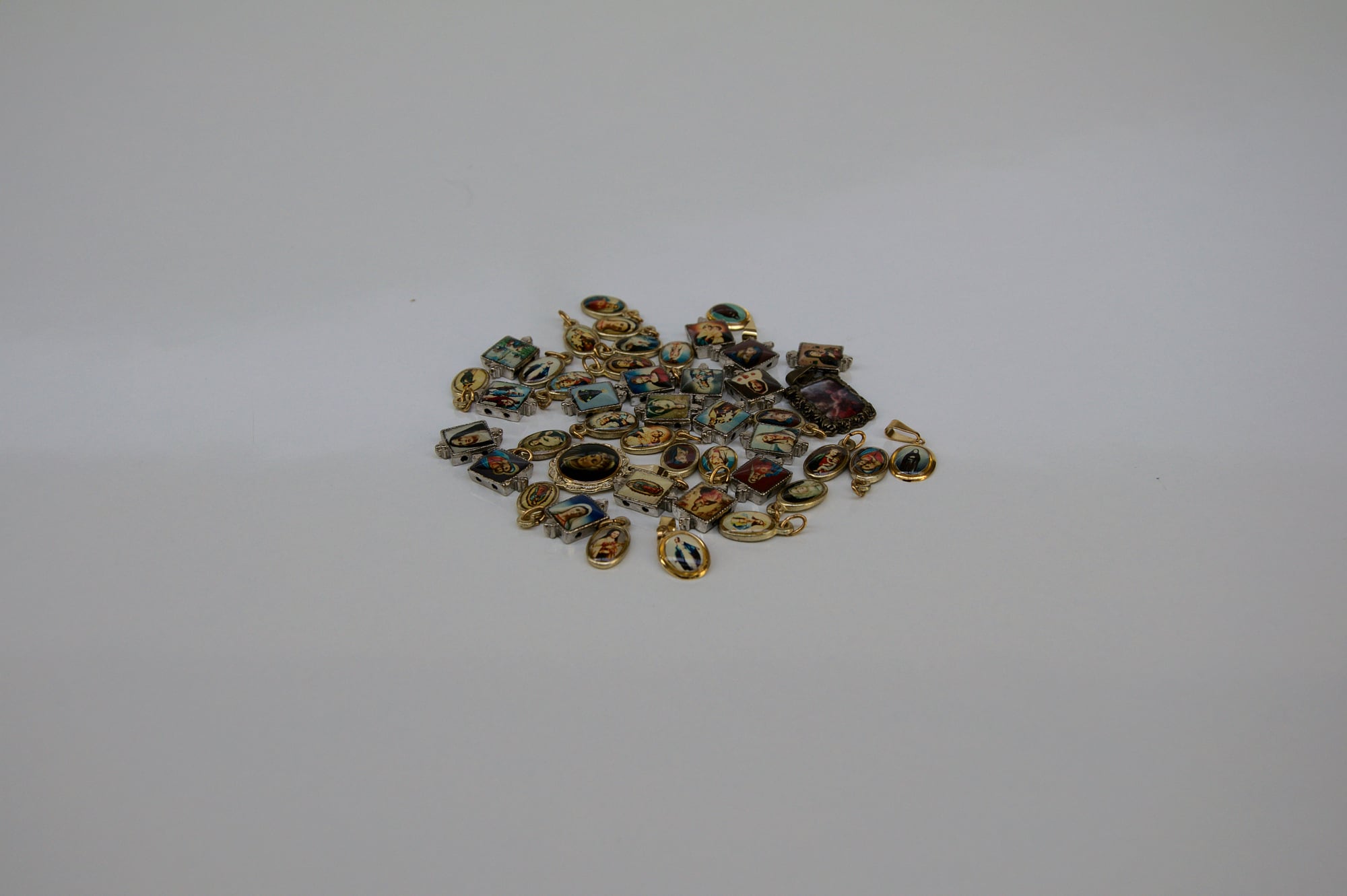
Catholic tradition includes hundreds of patron saints, each protecting different groups of people or situations. Saint Christopher protects travelers, Saint Anthony helps find lost things, and Saint Jude handles impossible causes.
People wear these medals on chains, pin them inside clothing, or keep them in wallets. Even non-religious people sometimes carry them as inherited family pieces.
Ladybugs

Those speckled bugs? They’re seen as a sign of luck across Europe and parts of North America – maybe ‘cause they chow down on crop-ruining aphids.
Out in the fields, farmers were always happy to spot them, so eventually folks linked them with good breaks. Should one land on your arm, tradition says blurt out a wish before it takes off.
Generally speaking, redder color plus extra dots means better odds it’s bringing fortune.
Lucky dice
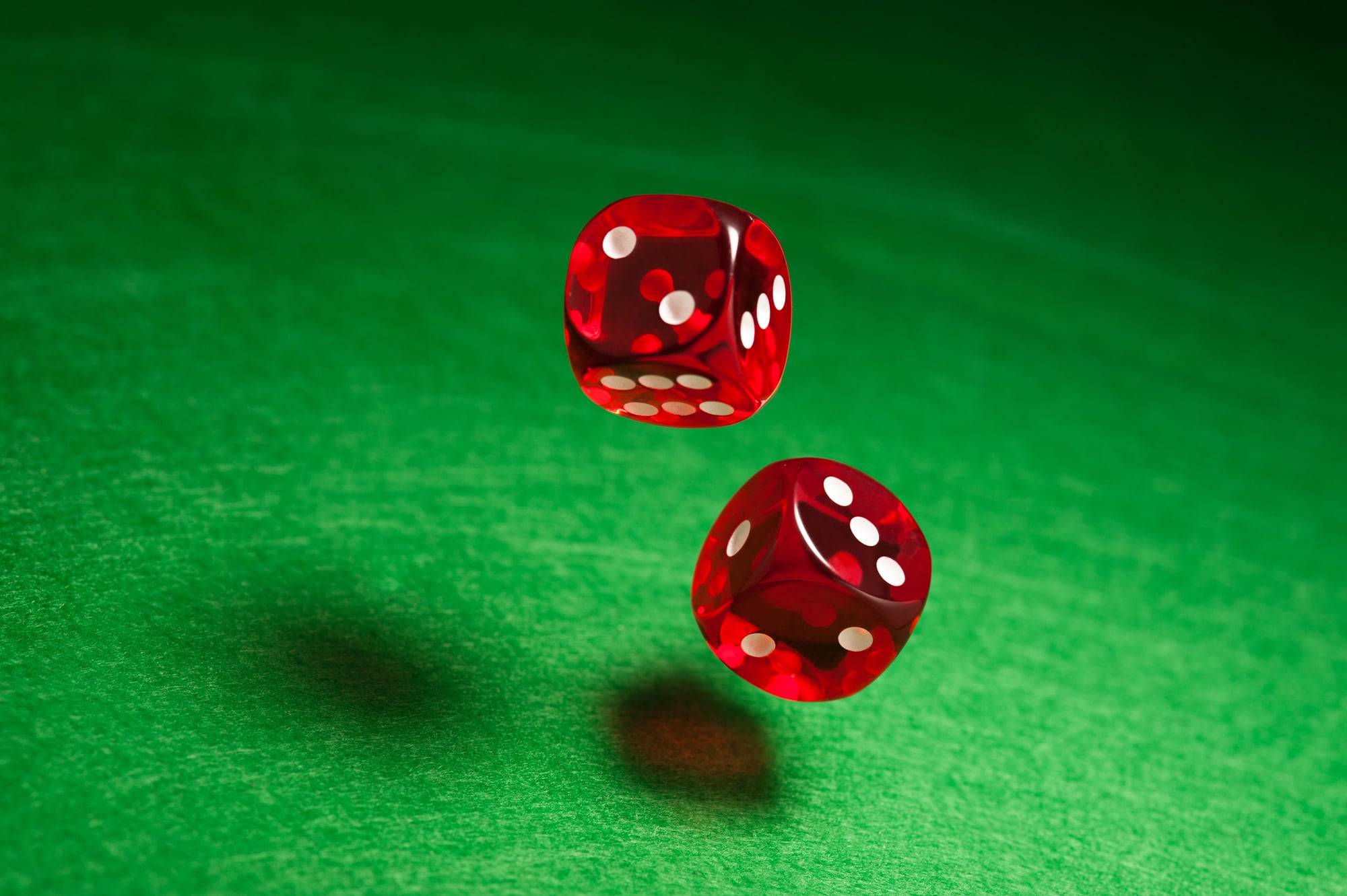
Fuzzy dice dangling from rearview mirrors began in 1950s car customizing scenes – then spread everywhere. Gamblers often do little routines with their dice, like giving them a blow or a set shake before tossing.
For some, it matters which number shows face-up right before the roll. Since you can’t predict how they’ll land, dice feed all kinds of beliefs.
Because outcomes are wild and unpredictable, folks attach meaning to every tiny detail.
Cinnamon
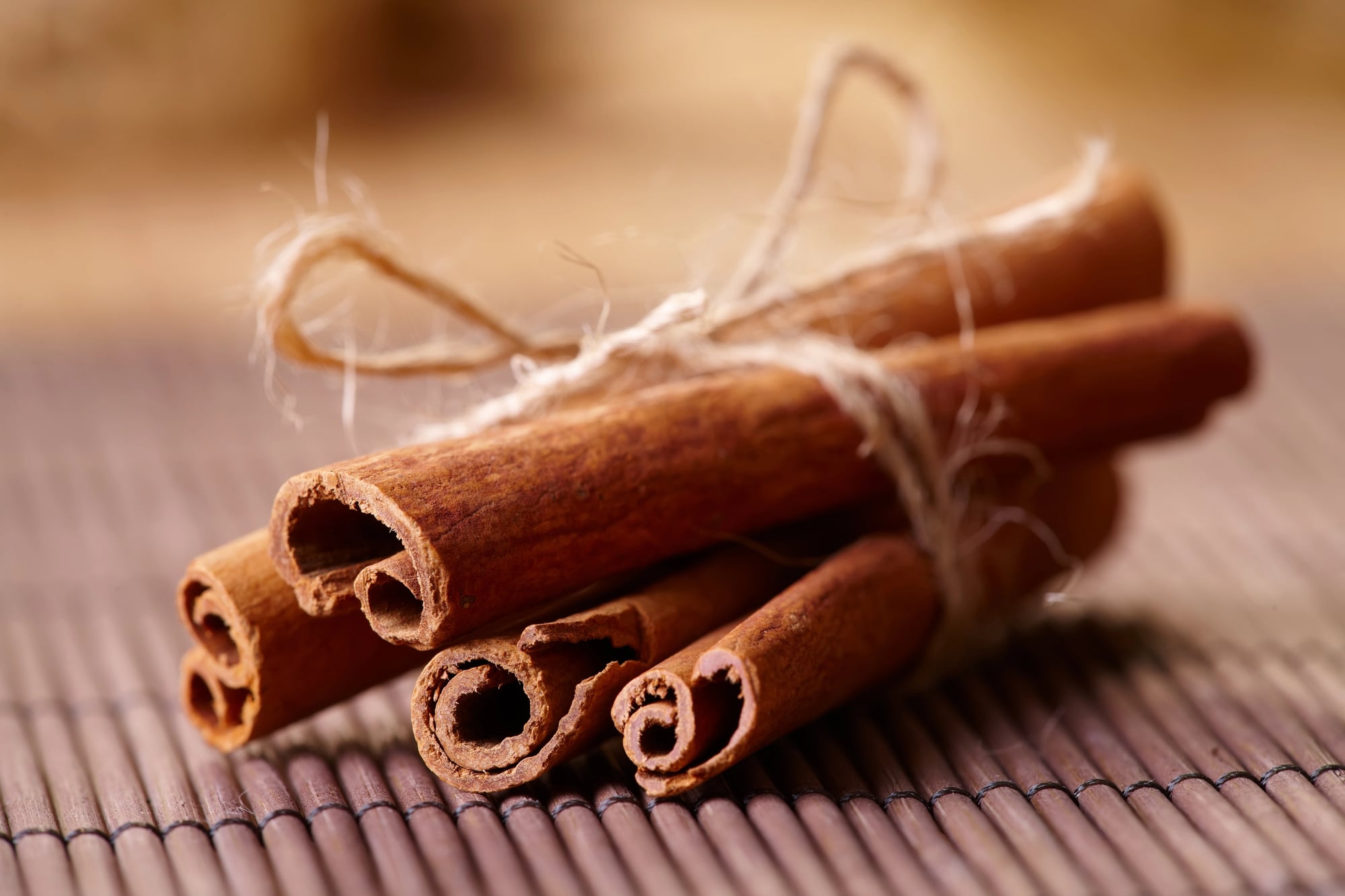
This spice appears in wealth-attracting traditions around the world – folks toss it into purses or puff it past doorways. Its cozy, sugary scent, along with how hard it once was to get and high price tag, likely boosted its charm status.
A bunch of shopkeepers dust it close to tills each month’s start. Among odd beliefs, this one sure smells nice.
The charm remains
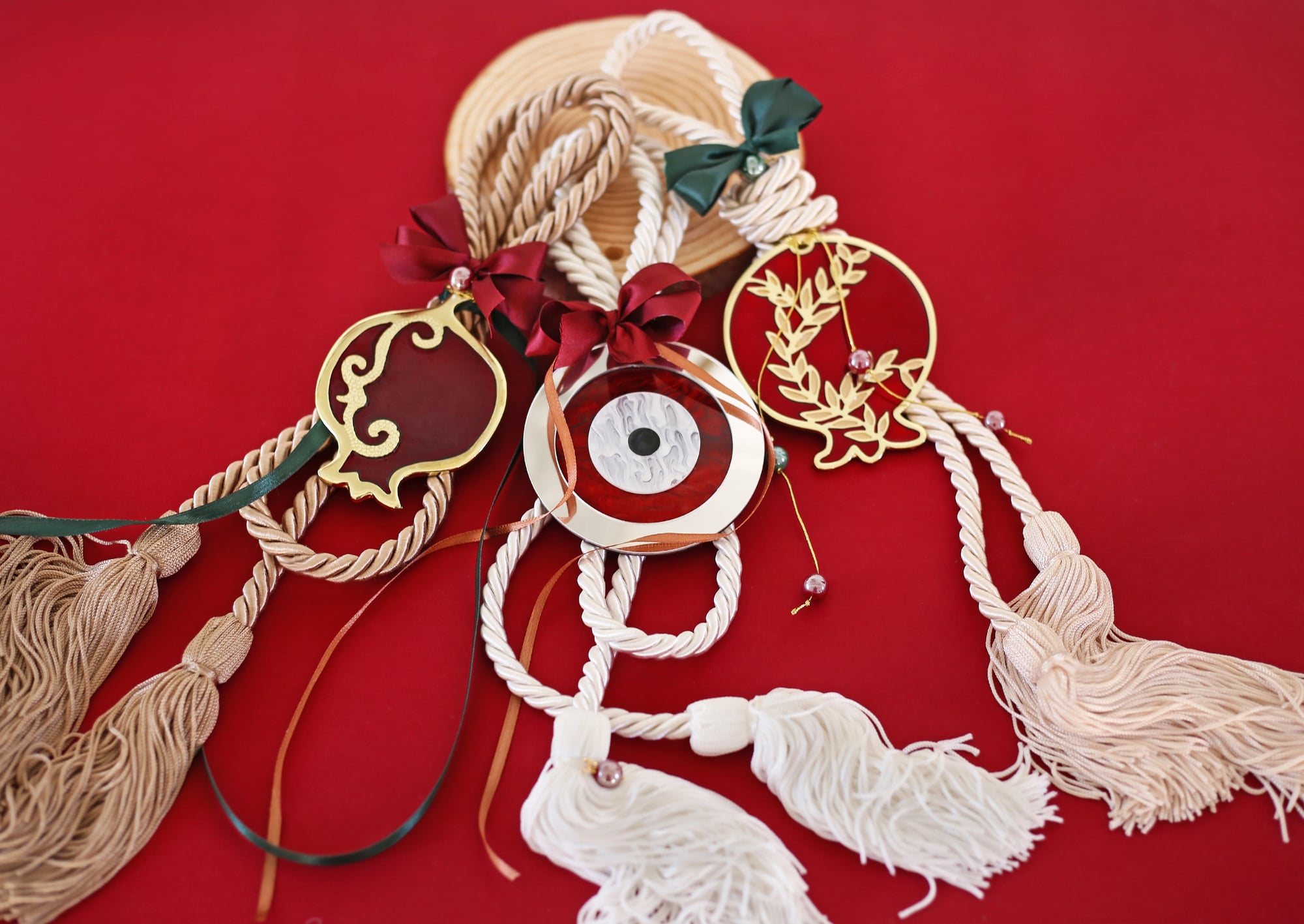
Lucky trinkets tell us way more about how people think than about good fortune. When things feel shaky, folks hold tight to anything that boosts their mood – could be a smooth rock or an old sock.
If you trust it works, sometimes it kinda does, even if just in your head. Stuff like this acts like a grip on chaos, giving a tiny sense of order when life gets messy.
More from Go2Tutors!

- The Romanov Crown Jewels and Their Tragic Fate
- 13 Historical Mysteries That Science Still Can’t Solve
- Famous Hoaxes That Fooled the World for Years
- 15 Child Stars with Tragic Adult Lives
- 16 Famous Jewelry Pieces in History
Like Go2Tutors’s content? Follow us on MSN.



