15 Details About the Day the Berlin Wall Fell
The fall of the Berlin Wall on November 9, 1989, stands as one of the most significant moments of the 20th century. This concrete barrier, which had divided families and symbolized the Iron Curtain separating East and West for 28 years, came down in a surprising cascade of events that few had predicted.
What appeared to be an overnight revolution was actually the culmination of mounting pressures, political miscommunications, and the unstoppable will of ordinary citizens. Here is a list of 15 details about the day the Berlin Wall fell that reveal the human stories, unexpected moments, and historical significance behind this pivotal event.
It All Started With a Misunderstood Press Conference
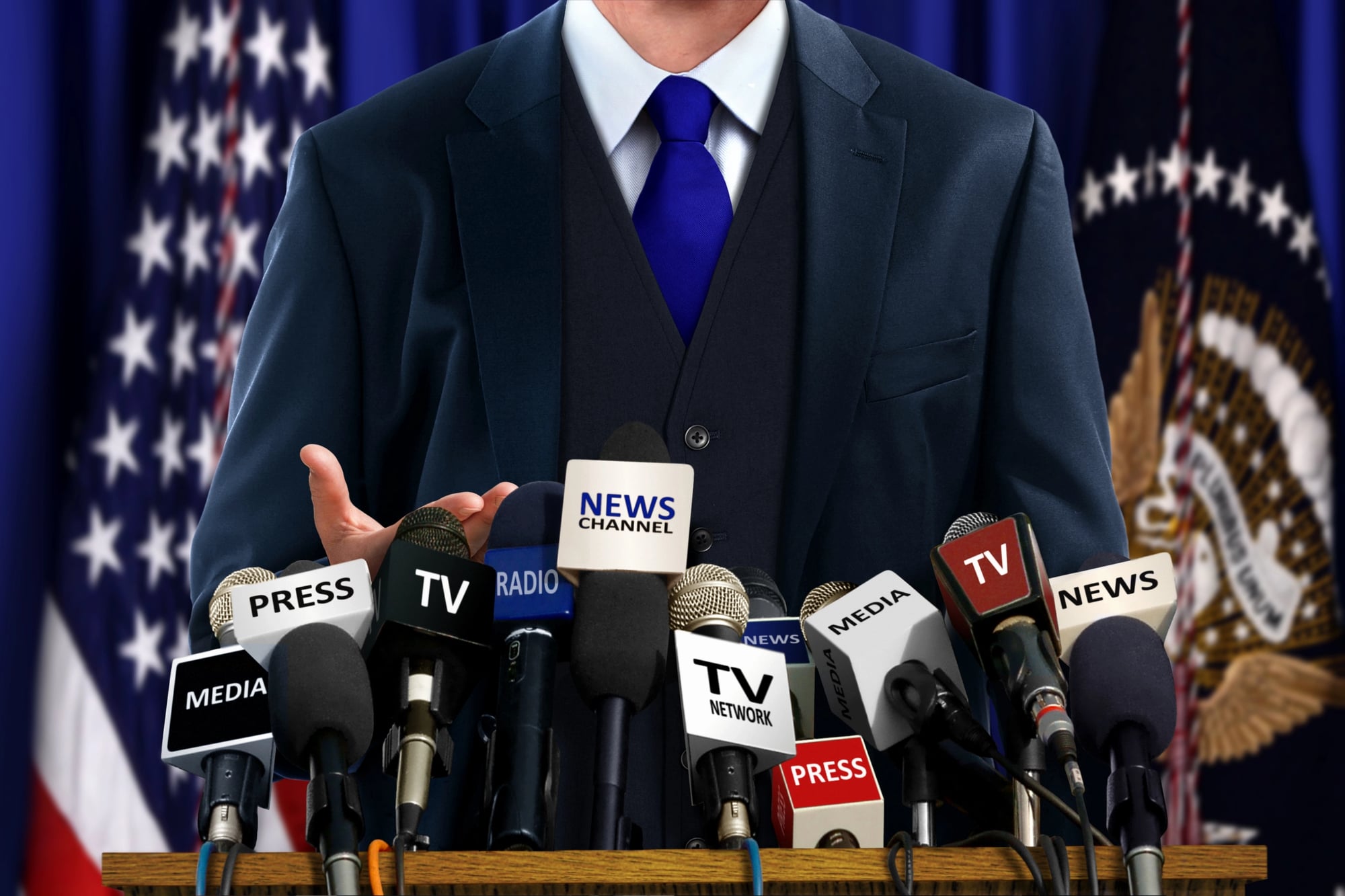
The chain of events began with a bungled press conference by East German official Günter Schabowski. When asked when new travel regulations would take effect, he glanced at his notes and impromptu replied, ‘As far as I know, it takes effect immediately, without delay.’
Schabowski had not been fully briefed on the regulations, which were actually intended to allow controlled applications for travel, not open the borders immediately.
Western Media Broke the News Before Officials Knew

West German television news quickly reported that the Berlin Wall was open, based on Schabowski’s statement. The American network NBC broke into regular programming to announce the wall’s opening while East German officials were still trying to figure out what was happening.
East Germans watching Western channels learned about their supposed new freedom before their own government had intended to grant it.
Border Guards Were Completely Unprepared
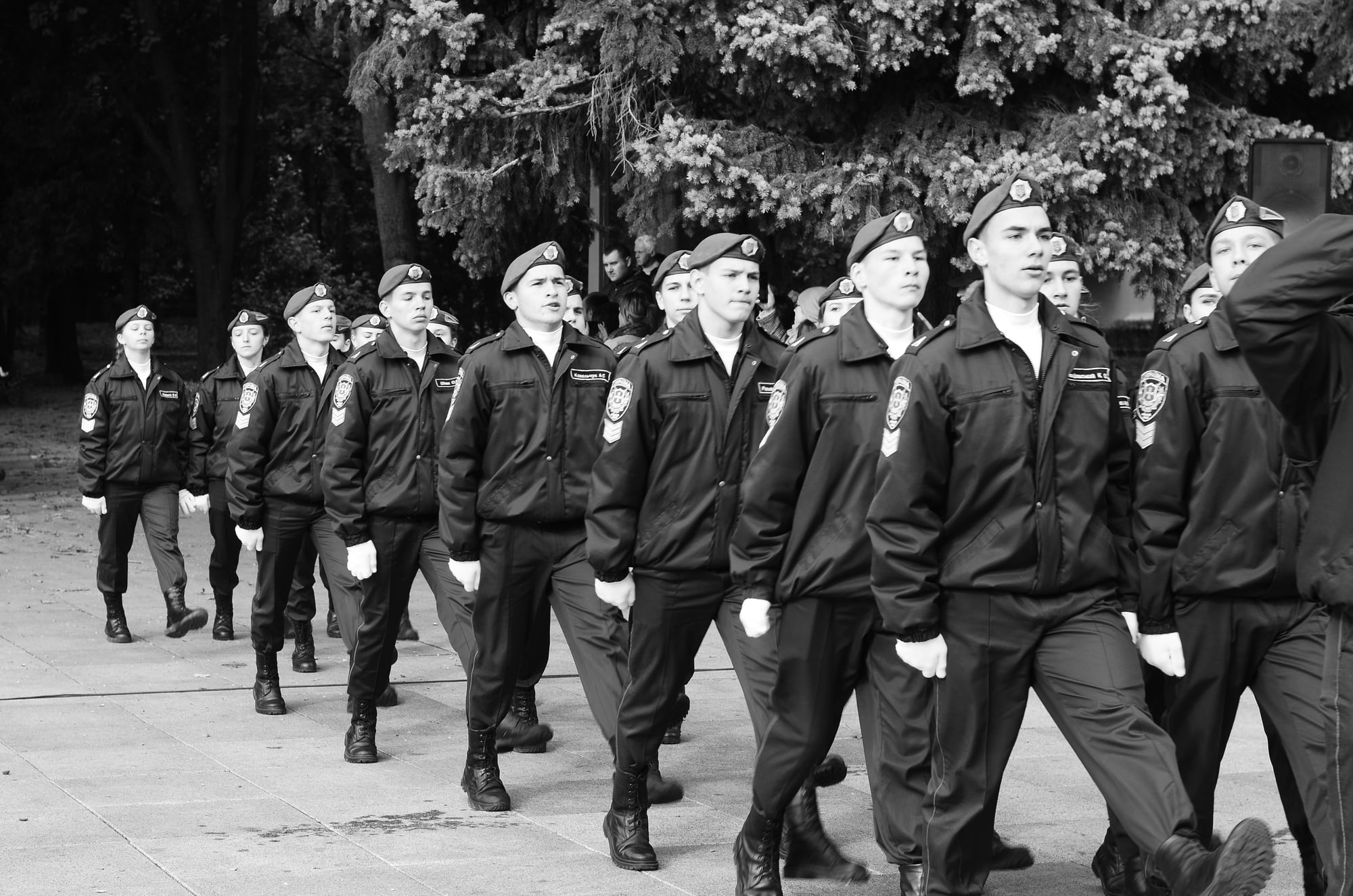
Border guards at crossing points had received no instructions about any policy changes. When crowds began gathering at checkpoints, demanding to cross based on news reports, these young soldiers faced an impossible situation.
Many called their superiors for guidance but got contradictory instructions or no answers at all.
The First Checkpoint to Open Was Bornholmer Street

At the Bornholmer Street crossing, the situation reached a critical point around 10:30 PM. Lieutenant Colonel Harald Jäger, the officer in charge, repeatedly called for instructions but received none.
With thousands of East Germans chanting and pushing forward, and no willingness to use force, Jäger made the fateful decision to open the gates on his own authority.
Champagne Flowed in the Streets

West Berliners welcomed East Germans with impromptu street celebrations. Local residents brought out champagne, beer, and food to share with their Eastern counterparts.
Some West Berlin supermarkets stayed open late to accommodate the influx of visitors, and many shopkeepers gave away free goods as gestures of goodwill.
The Wall Was Not Physically Demolished That Night

Despite iconic images of people chipping away at the wall, the physical structure remained largely intact on November 9th. The ‘fall’ referred primarily to the opening of crossing points and the end of the wall’s function as a barrier.
Systematic demolition of the 96-mile concrete structure would take nearly two years to complete.
East Germans Received ‘Welcome Money’

Every East German visitor received 100 Deutsche Marks as ‘welcome money’ from the West German government. This long-standing policy, originally established for rare authorized visits, was suddenly applied to thousands crossing over that night.
Banks stayed open late to handle the unprecedented demand for this greeting cash.
David Hasselhoff Did Not Perform That Day

Contrary to popular myths, David Hasselhoff did not perform his song ‘Looking for Freedom’ at the Berlin Wall on November 9, 1989. His famous performance actually took place months later on New Year’s Eve 1989, when he sang suspended above the partially demolished wall.
The timing confusion has persisted in popular culture, linking him more directly to the fall than actually occurred.
The Wall Opening Wasn’t Supposed to Happen At All

The East German government had planned a gradual easing of travel restrictions to relieve building pressure, not an overnight revolution. They intended to allow East Germans to apply for visas to visit the West, maintaining control over the process.
The government hoped this measured approach would release enough tension to prevent more drastic changes to the communist system.
No One Was Killed During the Opening

Despite the chaotic situation, the opening of the wall happened without bloodshed. This peaceful transition stands in stark contrast to the wall’s deadly history – at least 140 people have been killed trying to cross the wall during its 28-year existence.
The restraint shown by security forces that night averted what could have become a tragic confrontation.
Television Reporters Became Impromptu Heroes

West German television reporters broadcasting live from the wall became unexpected participants in the historic event. East Germans recognized them from years of secretly watching Western broadcasts and treated them like celebrities.
Some reporters abandoned journalistic detachment to embrace and celebrate with people whose faces they had never expected to see in person.
Trabant Cars Created an Iconic Traffic Jam
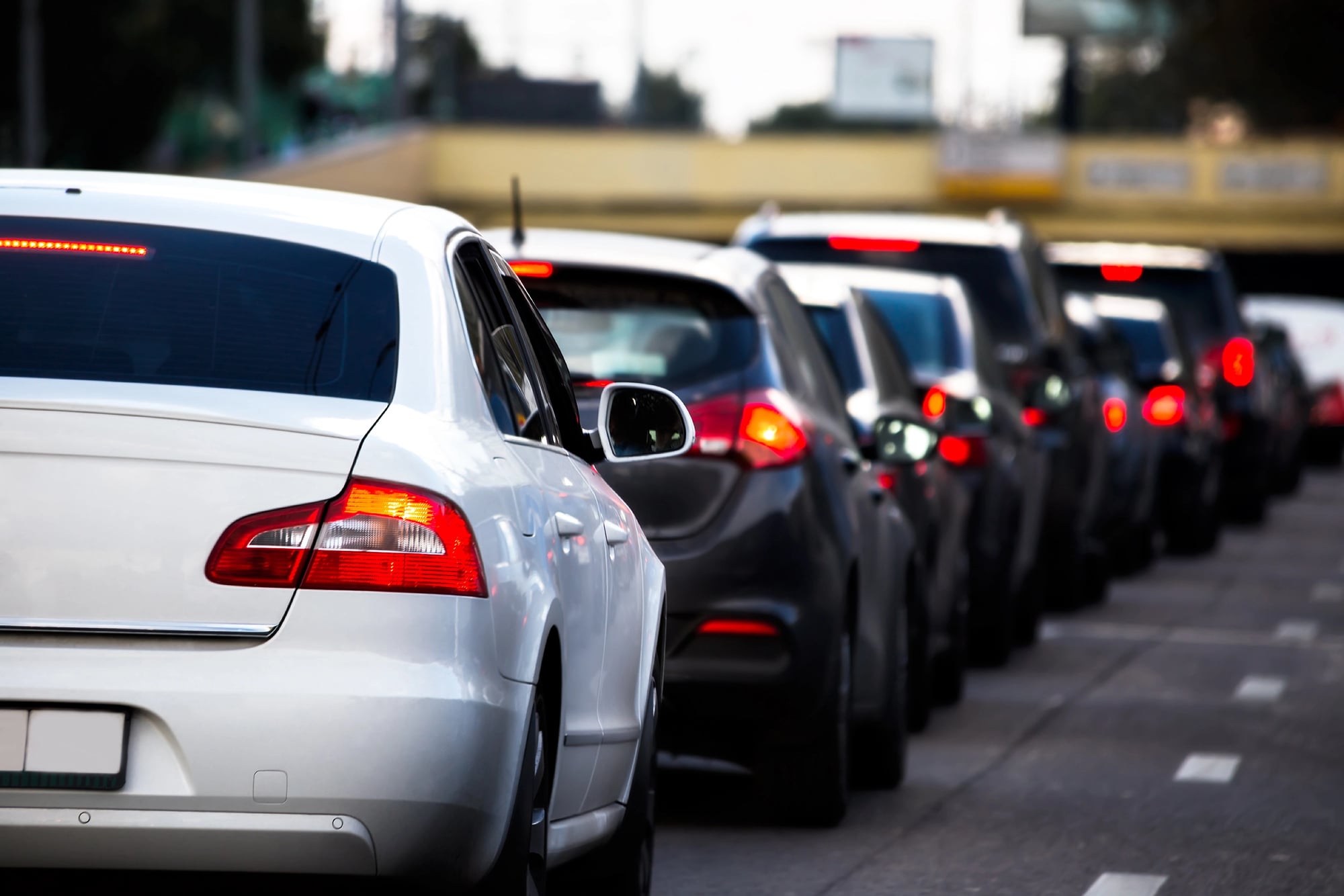
By the morning of November 10th, thousands of East Germans had brought their Trabant cars across the border, creating an emblematic parade of these smoke-belching vehicles through West Berlin streets. West Berliners cheered as these distinctively boxy cars, nicknamed ‘Trabis,’ puttered through neighborhoods that had been off-limits just hours before.
The Soviet Union Stayed Surprisingly Silent

Soviet leader Mikhail Gorbachev chose not to intervene as events unfolded in Berlin. This remarkable restraint broke from decades of Soviet policy that had previously crushed uprisings in East Germany (1953), Hungary (1956), and Czechoslovakia (1968).
Gorbachev’s decision to allow events to proceed without military intervention proved crucial to the peaceful resolution.
East German Money Became Instant Souvenirs

The virtually worthless East German mark suddenly gained value as a souvenir. Street vendors quickly set up stands selling pieces of the wall alongside East German currency, military caps, and uniform insignia.
East Germans were astonished to find their nearly unusable currency had become collectible overnight, with tourists eagerly paying Western money for these communist artifacts.
Many East Germans Returned Home

Contrary to Western expectations that East Germans would flee en masse, most visitors returned to East Germany after their initial visits to the West. An estimated two million East Germans visited West Berlin that weekend, but the vast majority went back, wanting to be part of the changes happening in their own country rather than abandoning it.
This pattern of ‘commuter revolution’ continued in the months that followed, with East Germans pushing for reform from within.
From Division to Unity

What began as confusion at a press conference culminated in not just the fall of a wall but the reunification of a nation and the reshaping of Europe. The concrete barrier that had cut through the heart of a city for nearly three decades crumbled not primarily through political negotiations or military force but through the peaceful determination of ordinary citizens who simply decided to walk through doors that had long been closed.
The story of the Berlin Wall’s fall serves as a powerful reminder that some of history’s most consequential moments arrive not through careful planning but through the unexpected courage of individuals facing extraordinary circumstances.
More from Go2Tutors!

- 16 Historical Figures Who Were Nothing Like You Think
- 12 Things Sold in the 80s That Are Now Illegal
- 15 VHS Tapes That Could Be Worth Thousands
- 17 Historical “What Ifs” That Would Have Changed Everything
- 18 TV Shows That Vanished Without a Finale
Like Go2Tutors’s content? Follow us on MSN. MSN.