15 Early Influencers Before Social Media
Long before anyone had heard of Instagram stories or TikTok dances, certain individuals possessed an almost magical ability to shape what people wanted, bought, and believed. These early influencers didn’t need follower counts or engagement rates – they had something even more powerful: genuine cultural impact that could change entire societies.
From ancient Roman gladiators who endorsed olive oil to fashion-forward queens who sparked global trends, history is packed with people who understood the art of influence centuries before it had a name. Here is a list of 15 remarkable individuals who prove that influencer marketing is actually one of humanity’s oldest professions.
Roman Gladiators
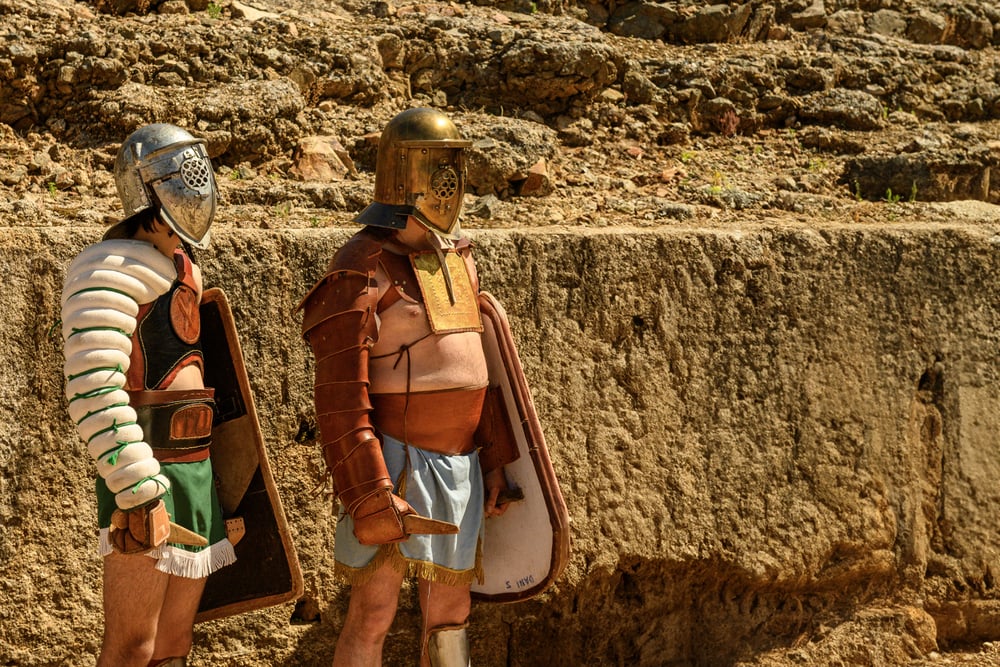
The earliest evidence of influencer marketing as a strategy dates back to 105 BCE, with Roman gladiators as the first iteration of “the influencer.” These ancient athletes were the ultimate celebrity endorsers of their time.
As the most well-attended organized events in ancient Rome, highly anticipated gladiator bouts were often advertised on billboards throughout the city. Gladiators would endorse everything from olive oil to wine, and their recommendations carried serious weight with Roman citizens who idolized these larger-than-life fighters.
Josiah Wedgwood
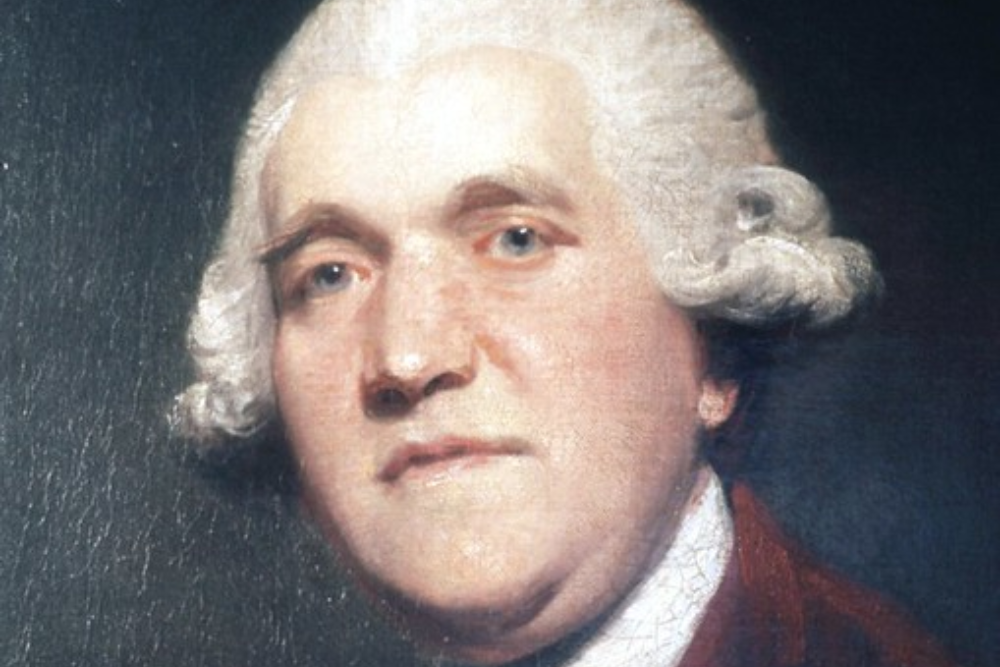
One of the first “influencer” collaborations dates back to 1760, when a potter by the name Wedgwood made a tea set for the Queen of England. This brilliant businessman understood that royal approval was the ultimate marketing tool.
Since the monarchy were the influencers of their time, his forward-thinking decision to market his brand as Royal-approved afforded it the luxury status the brand still enjoys today. Wedgwood essentially invented celebrity endorsement by gifting his pottery to Queen Charlotte, instantly transforming his brand into a status symbol.
Like Go2Tutors’s content? Follow us on MSN.
Queen Elizabeth I
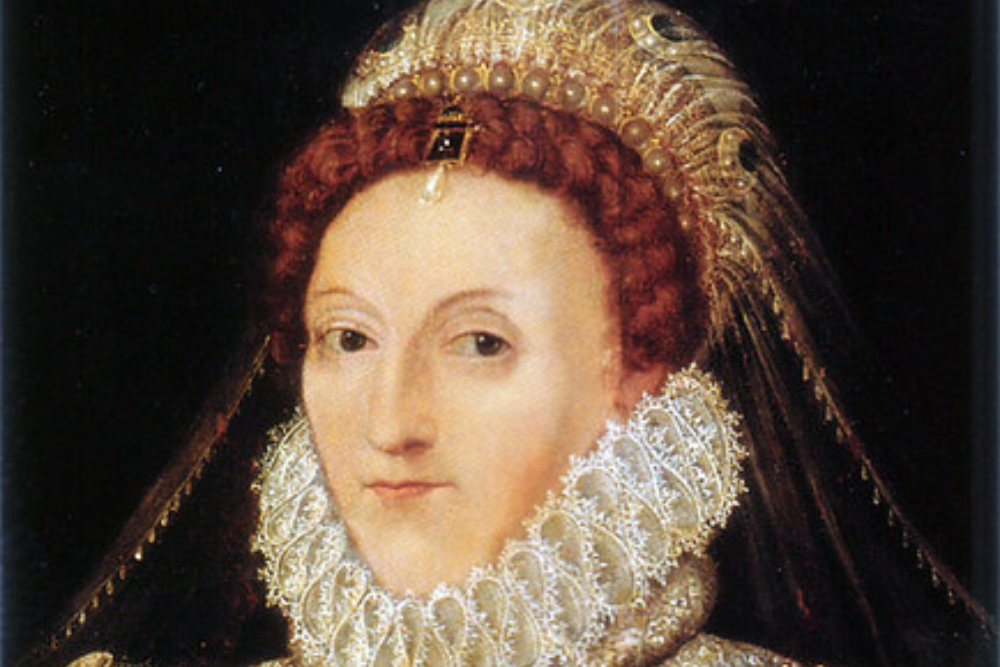
In 1562, Queen Elizabeth I of England contracted smallpox. She very nearly died, though thankfully didn’t. But it left her with scars all over her body that could be very easily seen by the unaided eye.
Rather than hide away, Elizabeth turned her recovery into a beauty trend that lasted centuries. Still, it was not long before Elizabeth’s makeup—and other distinctive features and fashions—heavily influenced Elizabethan standards of beauty.
A white face began to symbolize youth and wealth, since it meant never having needed to work in the sun. Her pale, porcelain-like makeup became the gold standard of beauty across Europe.
Coco Chanel
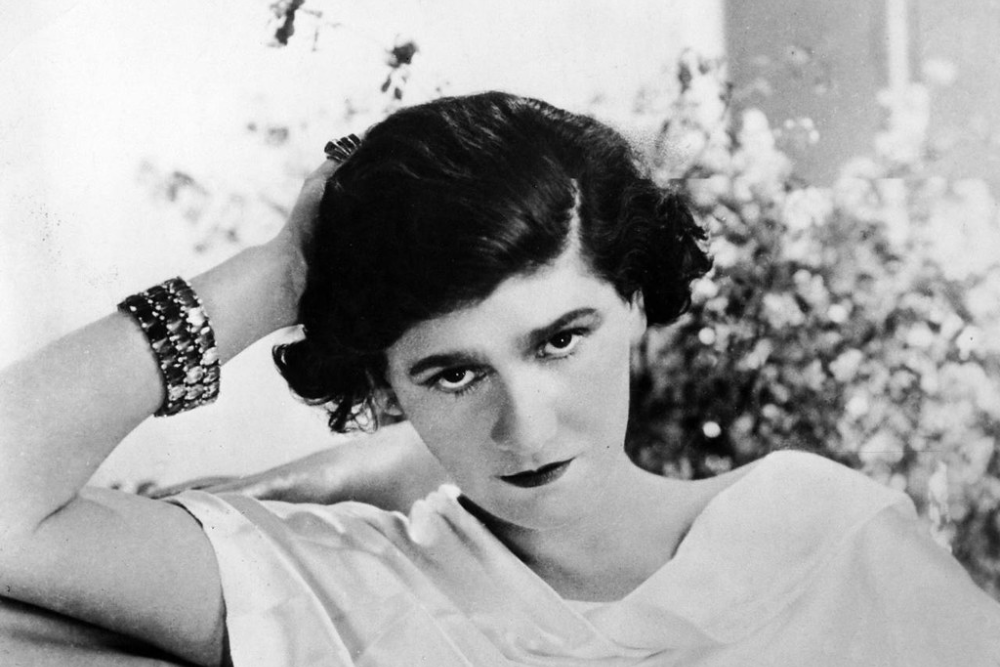
When Chanel was photographed leaving a yacht in Cannes, France, with tanned skin in 1923, tanning became not only more socially acceptable but also a symbol of beauty. This single moment completely flipped centuries of beauty standards on their head.
Before Chanel, pale skin was desirable because it showed you didn’t have to work outdoors, but her casual tan suddenly made sun-kissed skin fashionable among the wealthy. Because Chanel’s fashion had already made her such a trendsetter, it seemed natural that her tanned skin would be imitated by many of the people who saw her.
The Marlboro Man

For nearly 50 years, at a time when huffing smoke sticks was still acceptable to many and advertising permitted, the Marlboro Man was familiar and popular. Between 1950 and 1999, his face represented masculinity and toughness.
This fictional cowboy became one of the most recognizable faces in America, single-handedly transforming Marlboro from a women’s nicotine brand into the epitome of rugged masculinity. The campaign was so successful that it created an entire cultural archetype that still influences how we think about American masculinity today.
Like Go2Tutors’s content? Follow us on MSN.
Santa Claus (Coca-Cola Version)

Coke entered the influencer marketing space in 1931 when it introduced Santa Claus as the jolly grandfather figure most imagine today. Before the company’s ad campaign, Santa took many different forms—none of which you would feel good about finding in your chimney.
Santa even entered the influencer picture in 1931 holding a bottle and endorsing Coca-Cola. Coca-Cola’s version of Santa – the rotund, red-suited, white-bearded figure we all know – became the global standard, proving that even fictional characters could be powerful influencers.
Michael Jordan
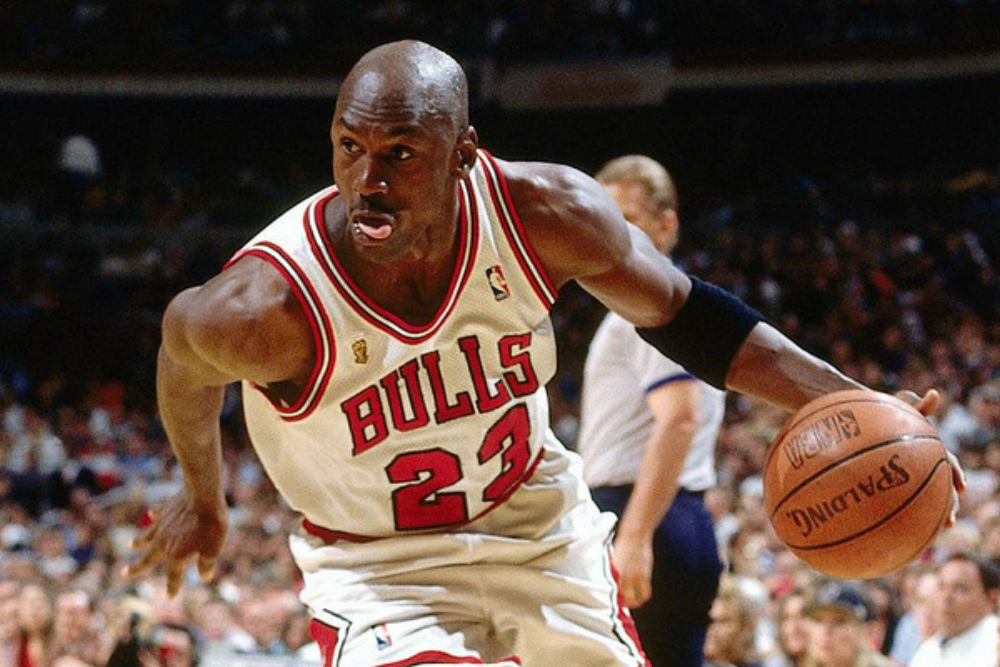
Moving forward to 1984, NBA star Michael Jordan made history and helped Nike sell $70 million worth of Air Jordans the first year they came out. Jordan didn’t just endorse shoes; he created an entirely new category of sports marketing.
His partnership with Nike proved that athletes could transcend their sport to become lifestyle brands. The Air Jordan line became more than footwear – it became a cultural symbol that bridged sports, fashion, and street credibility.
Beau Brummell

In Regency England, Brummell, a man of relatively modest birth and limited wealth, achieved extraordinary social influence. His currency wasn’t noble titles or vast estates, but entirely his carefully cultivated persona and revolutionary style.
Instead of the flashy opulence common at the time, he promoted an understated elegance in men’s fashion – clean lines, perfect tailoring, and muted colours – essentially creating an early version of a minimalist aesthetic trend. Brummell proved that personal style could be more powerful than inherited wealth.
Like Go2Tutors’s content? Follow us on MSN.
Madame Wellington Koo
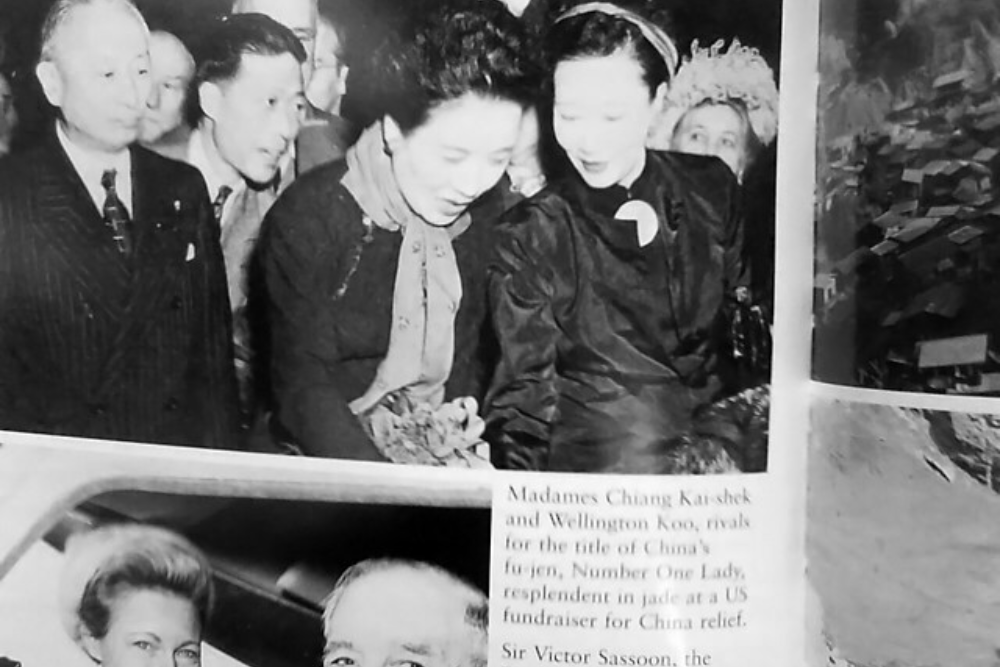
Oei Hui-lan, better known as Madame Wellington Koo, was the first lady of the Republic of China from late 1926 to 1927, but she also left her mark on history in other ways. Madame Koo re-envisioned the garment, made it a figure-hugging dress, and cut a side slit up along the hip that developed it into an even more fashionable outfit.
Her modernized version of the traditional Chinese qipao dress became a global fashion phenomenon that influenced women’s fashion far beyond China’s borders.
Ambrose Burnside

Although Burnside was forced to maintain a clean-cut appearance at West Point, he still managed to personalize his look with sideburns. Because he was such a military hero and a notable public figure at the time, the public took obvious interest in his sideburns.
And because they were so undeniably full and thick, Americans sort of couldn’t look away. His distinctive facial hair became so popular that the term ‘sideburns’ is literally derived from his last name – originally called ‘burnsides’ before the words got flipped around.
William Dorsey Swann

In 1888 William Dorsey Swann hosted one of his regular drag gala in Washington, D.C., with dozens of Black men adorned in gowns, Swann included. Soon enough, that phrase—drag queen—took hold. And from there, it was history.
Swann became the first person to openly refer to himself as a drag queen, and his lavish gala influenced drag culture and LGBTQ+ expression for generations to come. By being the first person to refer to himself as a drag queen and hosting lavish events with singing and dancing, Swann left an influence on drag and queer culture that persists to this day.
Like Go2Tutors’s content? Follow us on MSN.
The Pope and Medieval Royalty

Going all the way back to Medieval Times (no, not the weirdly fun dinner theater), the ruling class heavily influenced (or rather, dictated) the behavior of their subjects. According to Feudal Law, Medieval royalty had the divine right to rule, and the only person above them was God (or his earthly representative, the Pope).
These early influencers used their supposed divine connections to promote everything from religious practices to medical treatments. When the Pope recommended something, millions of people listened – making him perhaps history’s most powerful influencer.
Louis XIV
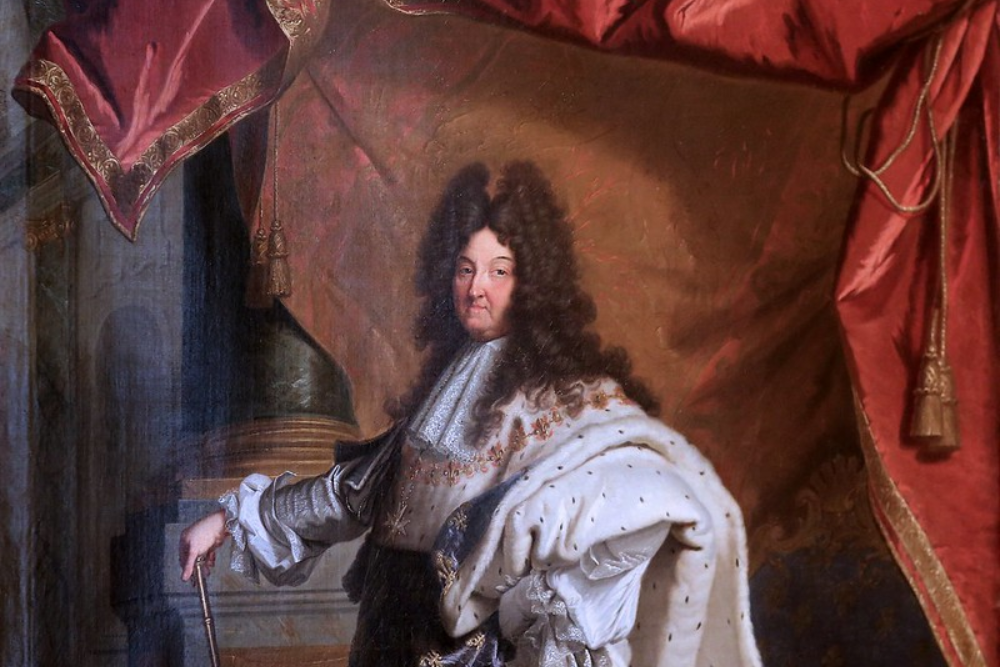
The court of Louis XIV at Versailles was perhaps history’s most elaborate stage for the performance of status. Much like today’s social media platforms, the court was a space where visibility equaled relevance, and relevance translated directly to power and wealth.
The Sun King turned his entire court into an influencer machine, where nobles competed for attention and status through elaborate fashion displays. His court essentially invented the concept of lifestyle branding, with every aspect of daily life becoming a performance designed to maintain and project power.
Fatty Arbuckle

Other famous early influencers include Fatty Arbuckle, The Marlboro man, and even Santa Claus. Roscoe ‘Fatty’ Arbuckle was one of Hollywood’s first major stars and among the earliest celebrity product endorsers.
During the 1910s and early 1920s, his endorsements could make or break products, and his comedic persona influenced everything from fashion to food trends. He demonstrated how entertainers could leverage their popularity to become powerful marketing forces.
Like Go2Tutors’s content? Follow us on MSN.
Jennifer Aniston (‘The Rachel’)

Many other influential figures can be considered influencers of their time, such as the fashion icon Coco Chanel, Michael Jordan and his celebrity endorsements for sports gear, and Jennifer Aniston and “The Rachel” haircut from the hit show, Friends. Aniston’s layered haircut from Friends became one of the most requested hairstyles of the 1990s, with millions of women asking their stylists for ‘The Rachel.’
This proved that TV characters could influence real-world fashion choices just as powerfully as any paid advertisement.
The Timeless Art of Influence

These historical figures prove that influence isn’t about algorithms or follower counts – it’s about connecting with people in ways that feel authentic and meaningful. A common thread among these early influencers was authenticity. In an era before filtered photos and meticulously curated feeds, they provided unpolished, genuine glimpses into their everyday lives.
Whether they were gladiators endorsing olive oil or queens setting beauty standards, these early influencers understood something that today’s digital creators are still learning: true influence comes from genuine connection, not just visibility. Their legacies remind us that the power to shape culture has always belonged to those brave enough to be themselves in public.
More from Go2Tutors!

- 16 Historical Figures Who Were Nothing Like You Think
- 12 Things Sold in the 80s That Are Now Illegal
- 15 VHS Tapes That Could Be Worth Thousands
- 17 Historical “What Ifs” That Would Have Changed Everything
- 18 TV Shows That Vanished Without a Finale
Like Go2Tutors’s content? Follow us on MSN.



