Most Dangerous Roads to Drive On
Some roads aren’t like others. Built for fast travel, a few stretch straight with smooth turns, making trips feel nearly automatic.
Yet different paths twist along cliffs, run through dry flatlands, or cross snow-covered lands where silence rules. Where terrain leads, those tracks follow – nature decides their shape.
Fear isn’t just born from careless choices. Sometimes it creeps in with thin air, sudden storms, far-off places where help won’t arrive fast, broken paths meant for wheels, or land shaped like a trap.
These routes didn’t get their names from stories whispered at night – real events carved them, ground pulled steep into rock, and tests few expected to pass. Take a moment to consider just how treacherous certain highways can be across the globe.
North Yungas Road, Bolivia
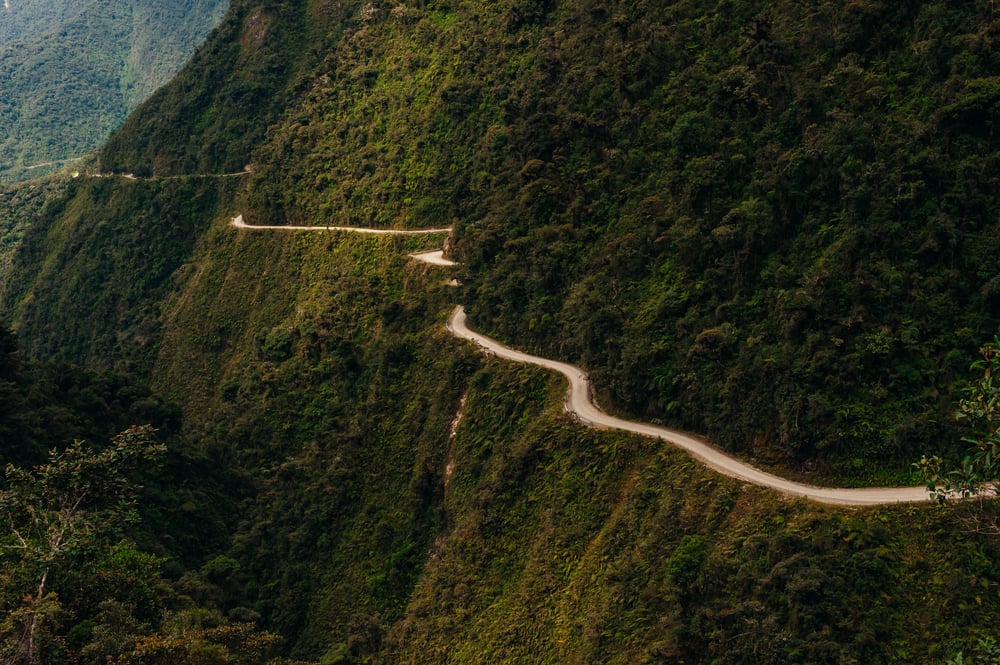
Often referred to as ‘Death Road,’ North Yungas Road connects La Paz to the Yungas region. The route drops roughly 11,800 feet from the Andes into the rainforest over about 40 miles.
In many sections, the road is barely wide enough for a single vehicle, with steep drop-offs and minimal guardrails. Before a bypass opened in 2006, hundreds of fatalities were reported over the years due to landslides, fog, and narrow passes.
Even today, cyclists use the route, drawn by its dramatic descent. The combination of altitude and exposure makes it one of the world’s most notorious drives.
James Dalton Highway, Alaska
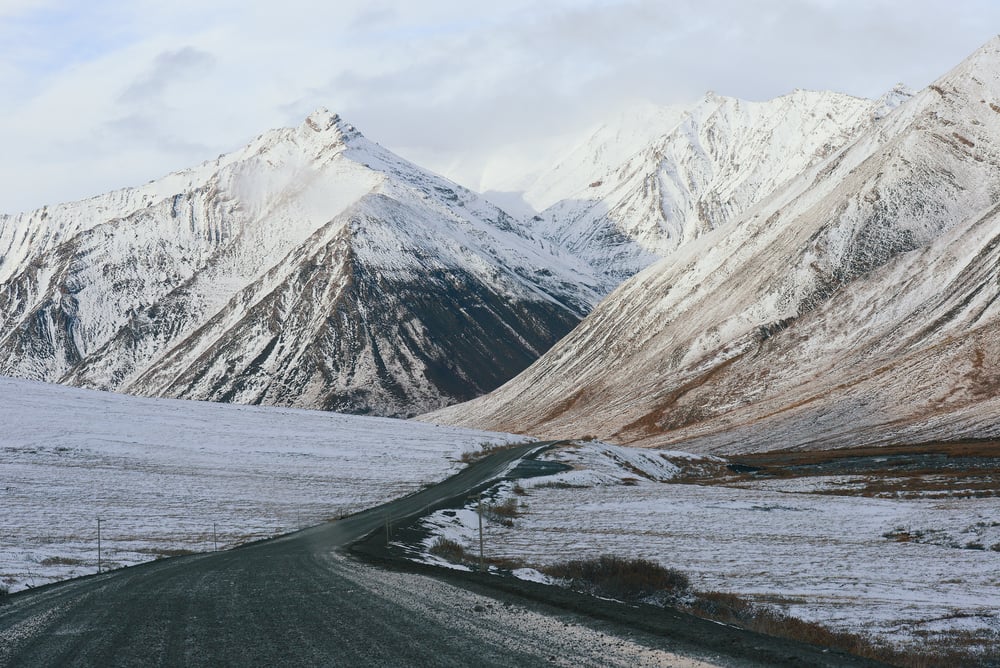
The Dalton Highway stretches 414 miles across remote Alaska, originally built to support the Trans-Alaska Pipeline. Much of the road is gravel, and services are sparse.
Long stretches pass without cell reception, fuel stations, or repair facilities. That said, the real danger lies in weather and isolation.
Snowstorms, ice, and extreme cold can quickly turn mechanical trouble into a serious emergency. Heavy truck traffic adds another layer of risk on narrow segments.
It is less about cliffs and more about endurance.
Karakoram Highway, Pakistan–China
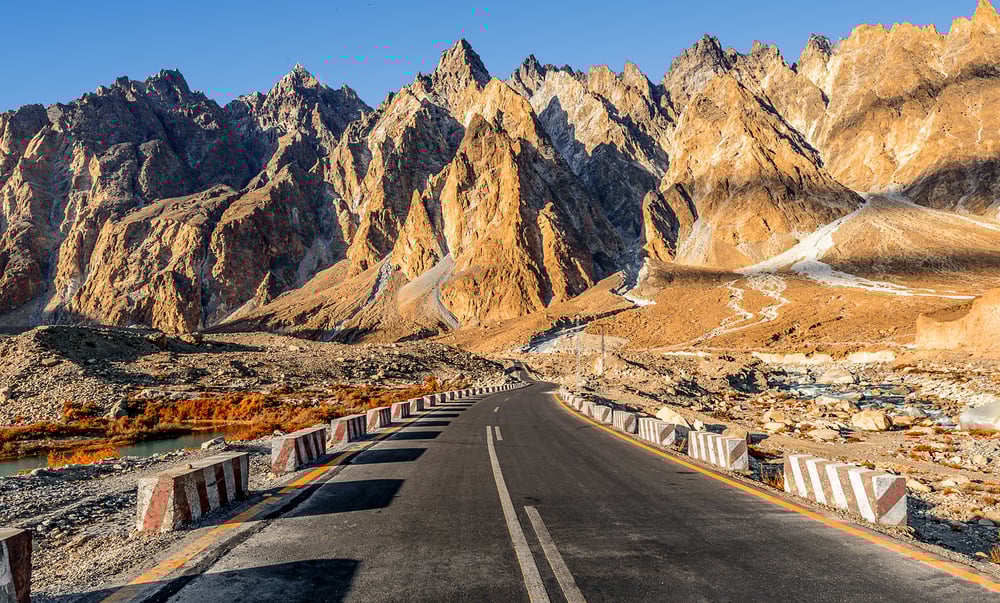
The Karakoram Highway, climbing through some of the world’s highest mountains, reaches elevations above 15,000 feet. Built along ancient trade routes, it connects Pakistan and China across dramatic terrain.
Even so, landslides and rockfalls are common due to seismic activity. Sections have been rebuilt multiple times after natural disasters.
Drivers face sharp bends, high altitudes, and unpredictable mountain weather that can change within minutes.
Zoji La Pass, India
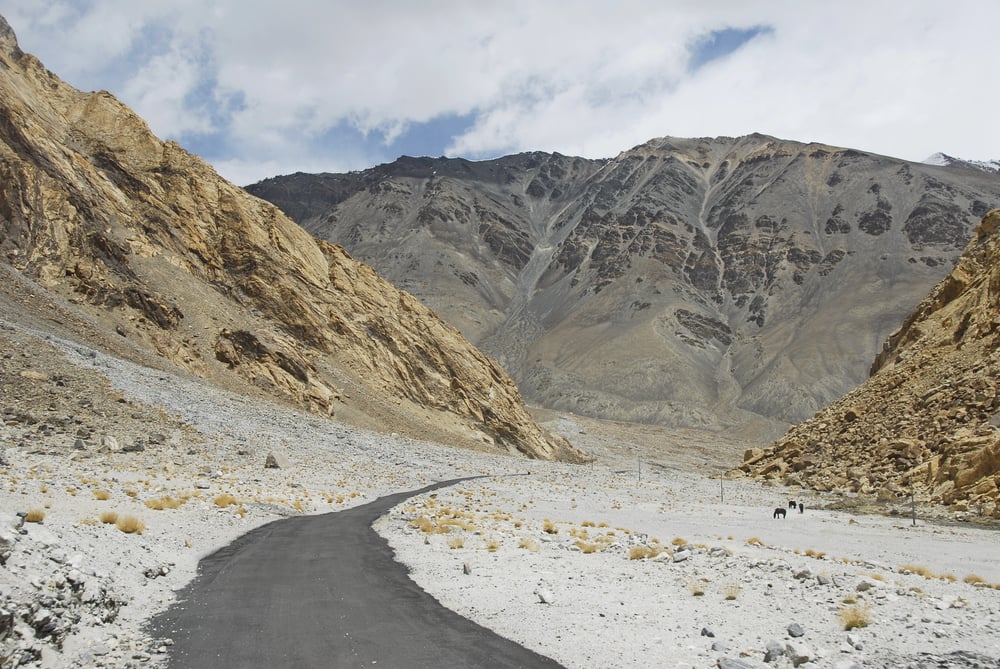
Zoji La connects the Kashmir Valley to Ladakh and sits at more than 11,500 feet above sea level. The narrow mountain road lacks consistent guardrails and is frequently affected by snow and landslides.
Still, it remains a critical supply route. During winter, heavy snowfall often forces closures.
When open, drivers navigate steep edges with little room for error. Ongoing infrastructure projects aim to improve safety, but conditions remain challenging.
Skippers Canyon Road, New Zealand
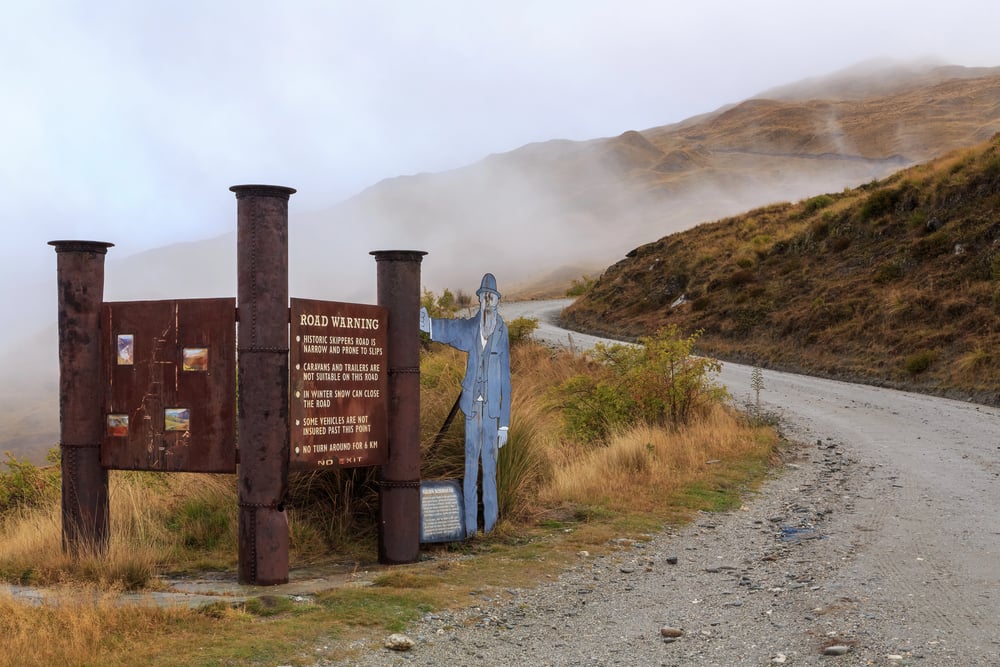
Skippers Canyon Road winds through steep cliffs in New Zealand’s South Island. Originally built during the gold rush era in the 1800s, it was carved by hand into rock faces.
Even so, modern rental car companies often prohibit travel on it due to its narrow width and limited turning space. Sharp corners and loose gravel require slow, careful driving.
The views are spectacular, but the margin for error is slim.
Guoliang Tunnel Road, China
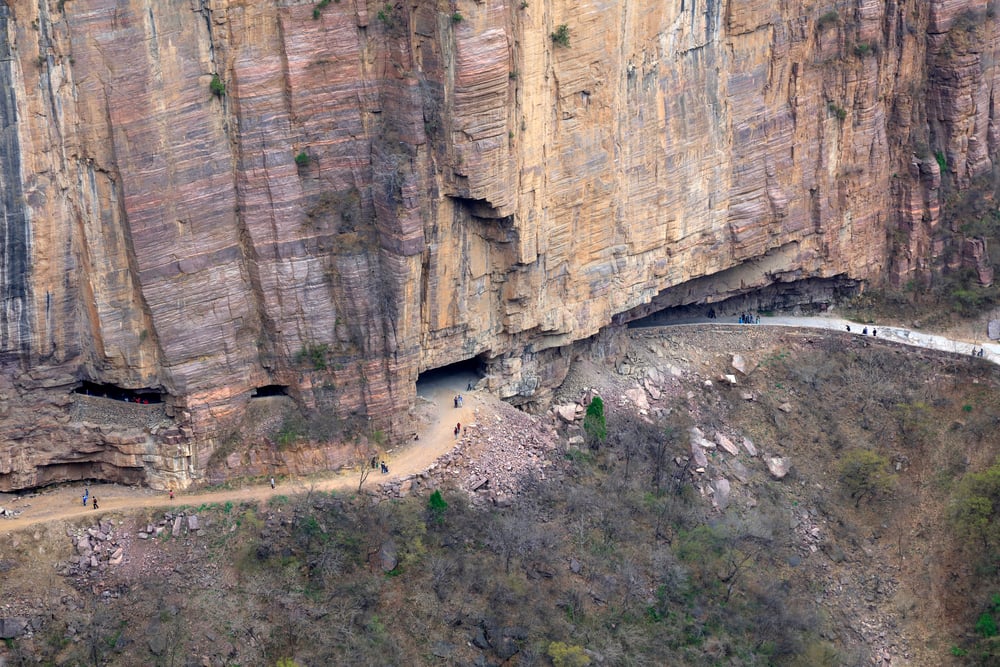
The Guoliang Tunnel Road was carved directly into a mountainside by villagers in the 1970s. Stretching about three-quarters of a mile, the tunnel features open ‘windows’ cut into sheer rock walls.
That said, its narrow width and limited lighting create tight navigation conditions. Rockfalls and weather exposure add to the risk.
The road stands as a testament to determination, but it demands attention from every driver.
BR-116, Brazil
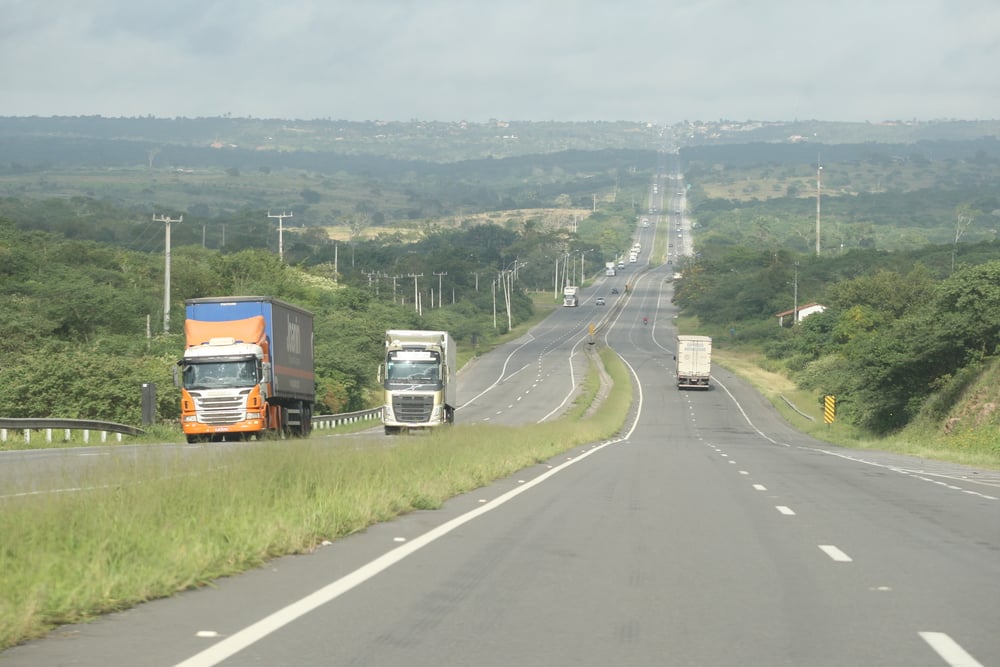
BR-116 is one of Brazil’s longest highways, stretching over 2,700 miles. Certain sections have earned a reputation for high accident rates, particularly in mountainous regions and areas with heavy traffic.
Still, infrastructure conditions vary widely along its length. Sharp curves, limited lighting, and inconsistent enforcement contribute to risk.
Economic importance keeps traffic volume high despite safety concerns.
I-70 Through the Colorado Rockies, United States
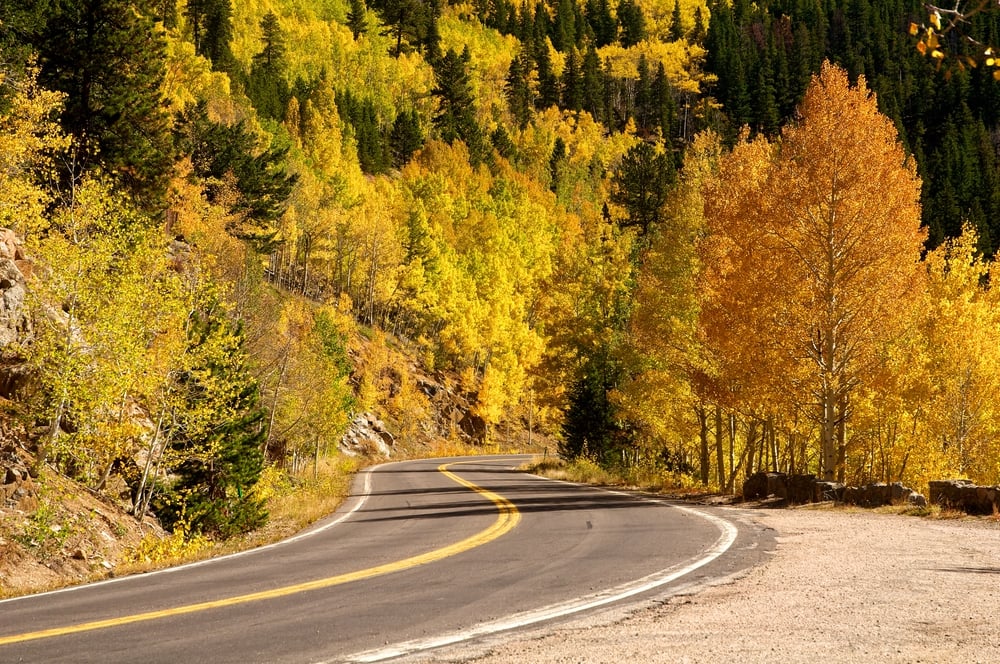
Interstate 70 cuts through the Rocky Mountains, reaching elevations above 11,000 feet at the Eisenhower Tunnel. Winter weather can transform the roadway quickly, bringing snow, ice, and reduced visibility.
Even so, steep grades challenge heavy trucks and passenger vehicles alike. Chain laws are often enforced during storms.
While it is a modern highway, the mountain environment keeps it demanding.
Transfăgărășan Highway, Romania
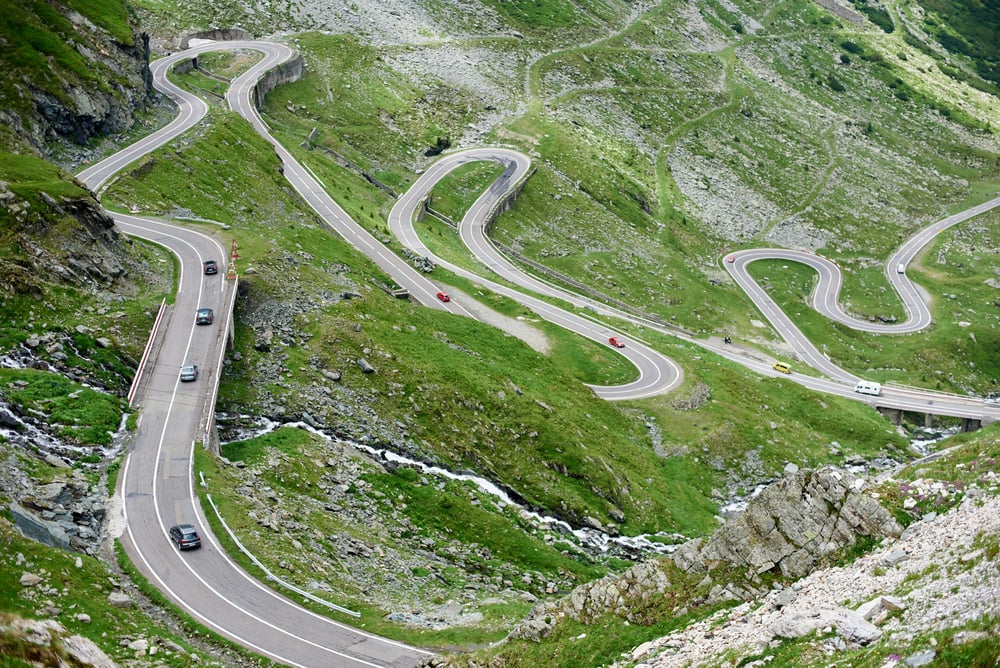
Built in the 1970s, the Transfăgărășan Highway snakes through the Carpathian Mountains. The road features tight switchbacks and dramatic elevation changes over about 56 miles.
That said, it is typically open only during warmer months due to snow. The combination of sharp turns and tourism traffic can create congestion in precarious spots.
Its beauty is undeniable, but it requires focus.
Sichuan–Tibet Highway, China
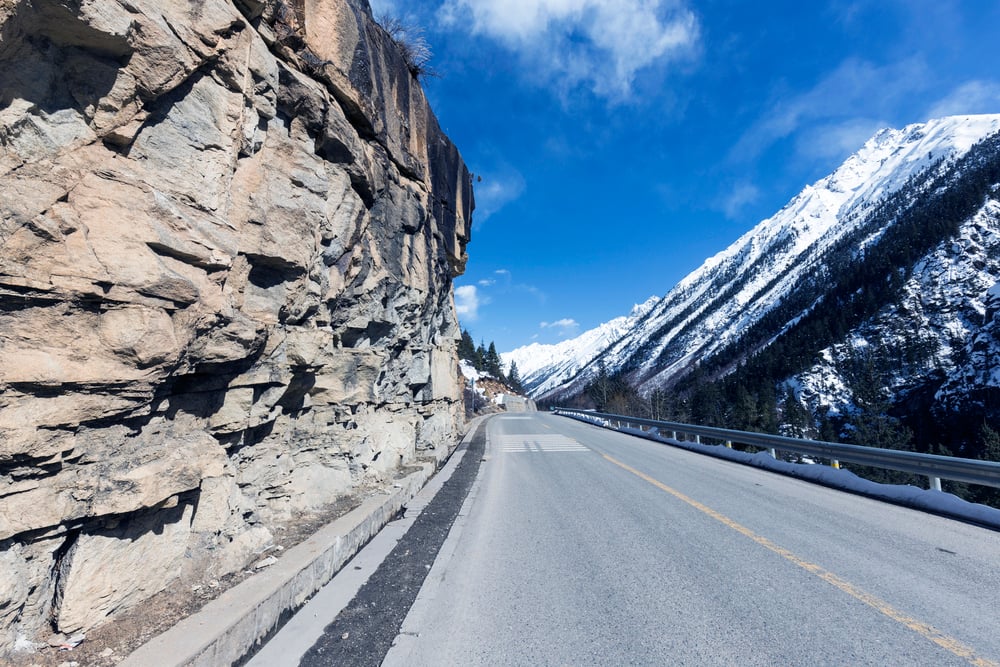
The Sichuan–Tibet Highway stretches across rugged terrain prone to landslides and earthquakes. Elevations fluctuate dramatically, and weather conditions can shift without warning.
Still, the remoteness amplifies danger. Assistance may be hours away in certain stretches.
The road connects vital regions but remains one of the more physically demanding routes to navigate.
Stelvio Pass, Italy
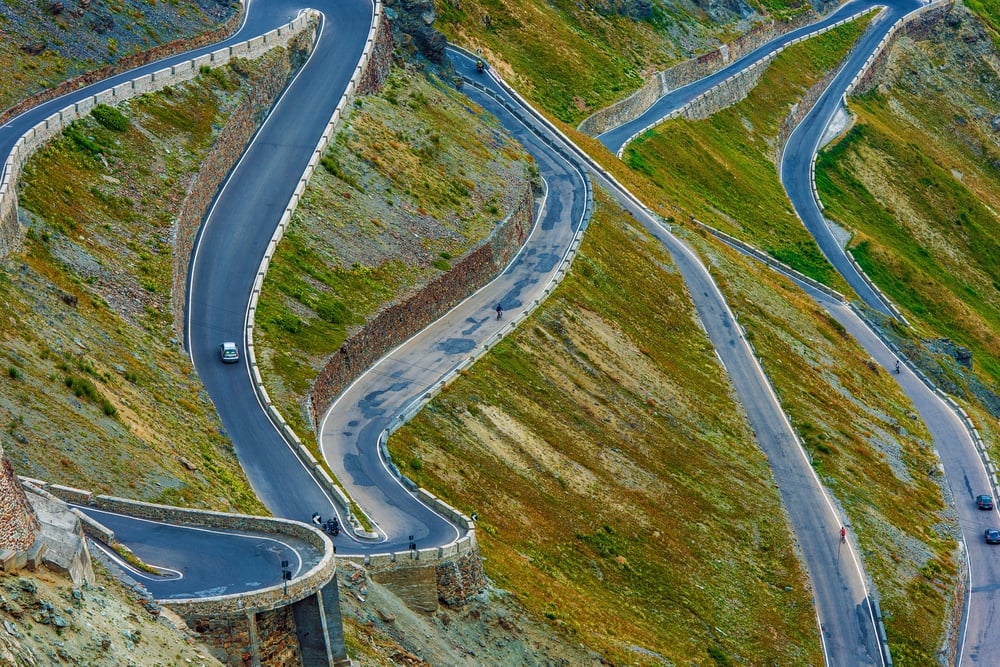
The Stelvio Pass in northern Italy rises to about 9,000 feet and features 48 tight hairpin turns on one side alone. It is popular with motorcyclists and sports car drivers drawn to its precision curves.
Even so, narrow lanes and tourist traffic increase risk during peak season. Guardrails exist in many sections, but misjudging a turn can have serious consequences.
It is a driver’s road, but not a forgiving one.
Halsema Highway, Philippines
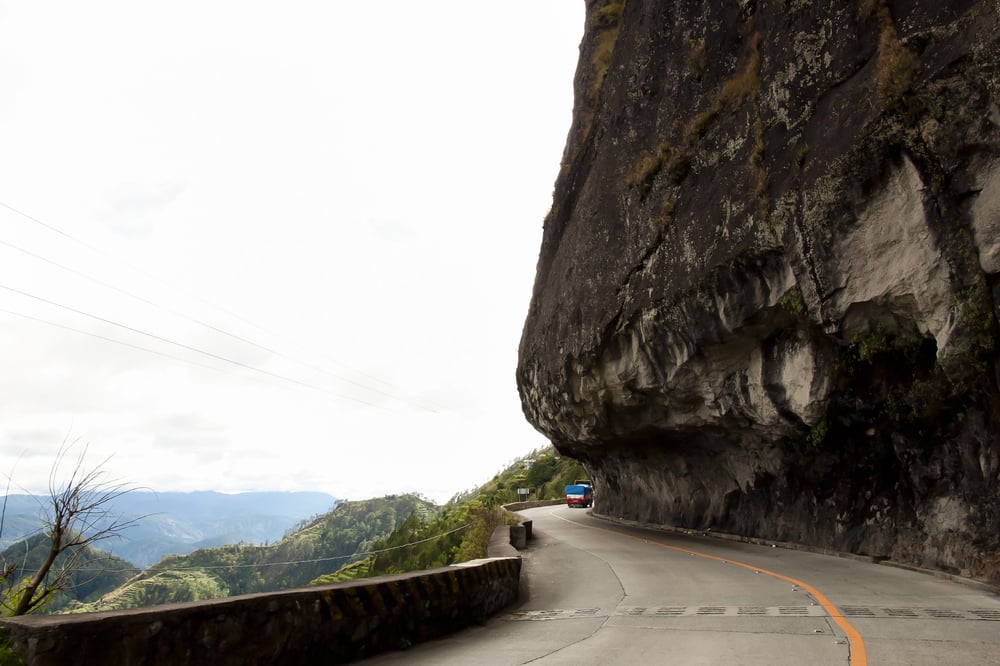
Halsema Highway winds through mountainous terrain in the northern Philippines. Heavy rainfall often triggers landslides, and fog reduces visibility along steep sections.
That said, infrastructure improvements have reduced some of the earlier risks. Still, the combination of weather and elevation continues to make it demanding, especially for inexperienced drivers.
Kabul–Jalalabad Road, Afghanistan
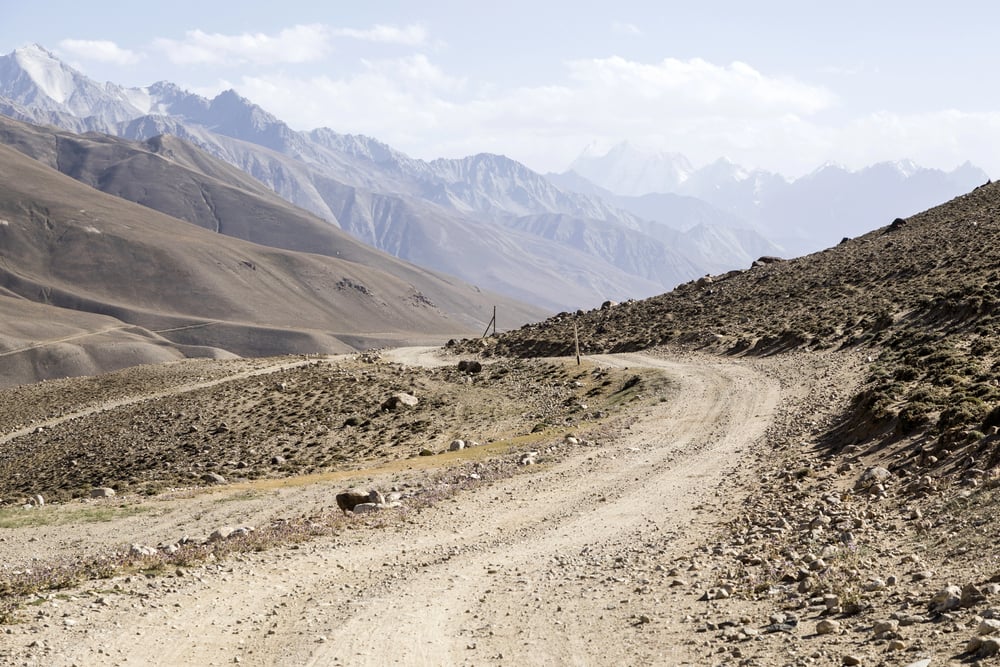
This highway connects Kabul to Jalalabad through mountainous terrain. Sharp curves, narrow lanes, and heavy truck traffic create hazardous conditions.
Even so, political instability has historically compounded the physical risks. Infrastructure limitations and congestion contribute to a high accident rate along certain stretches.
The Atlantic Road, Norway
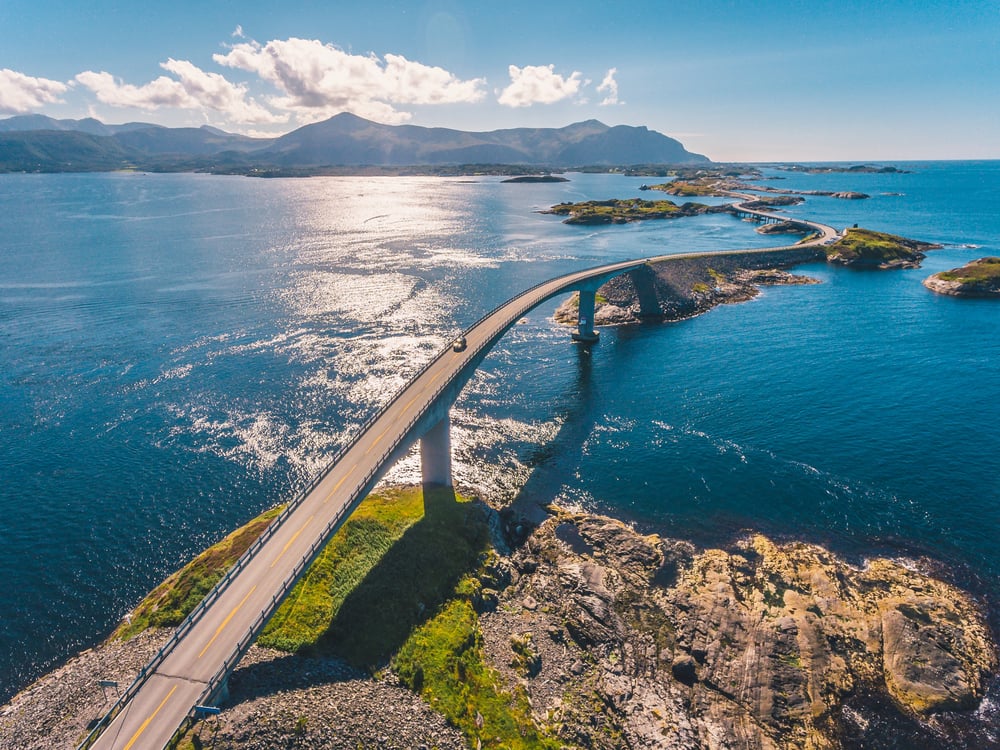
The Atlantic Road in Norway stretches across a series of small islands connected by bridges. While only about five miles long, it is exposed to severe coastal storms.
That said, high winds and crashing waves can make driving unpredictable. Though modern engineering has reinforced the structure, weather remains a formidable factor.
Fairy Meadows Road, Pakistan
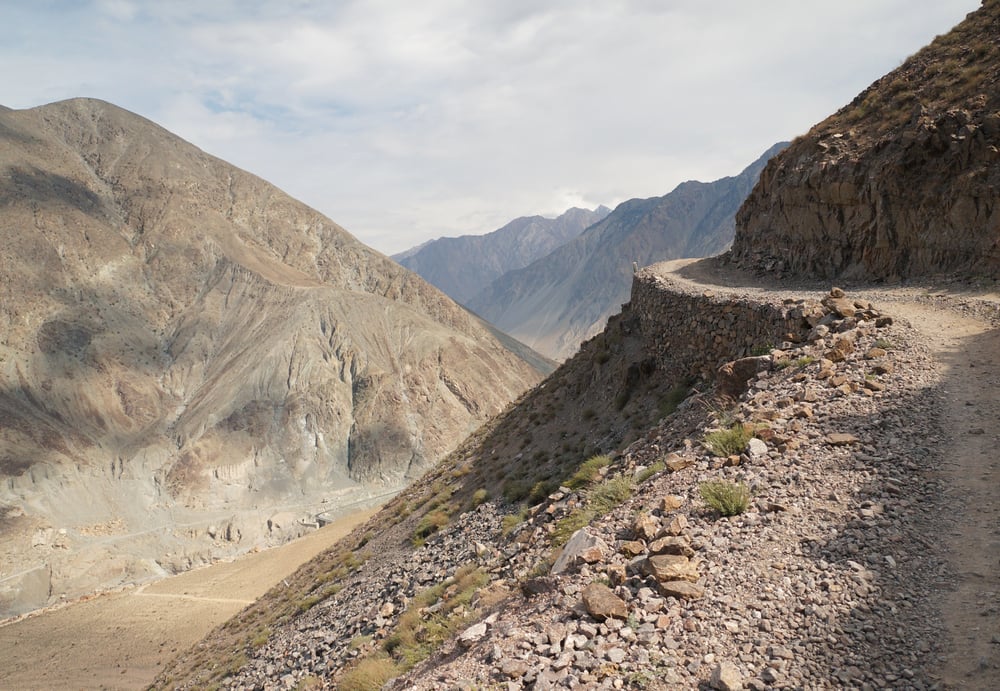
Fairy Meadows Road winds toward Nanga Parbat’s base, rough under tires, barely wide enough for one vehicle. Where the land falls sharply away, metal rails often disappear – just open air beside moving cars.
Even so, this road feels tough for many because repairs happen rarely and corners squeeze close. Locals move along it every day without pause, yet tourists might find the layout harsh. Still.
Where Engineering Meets Nature
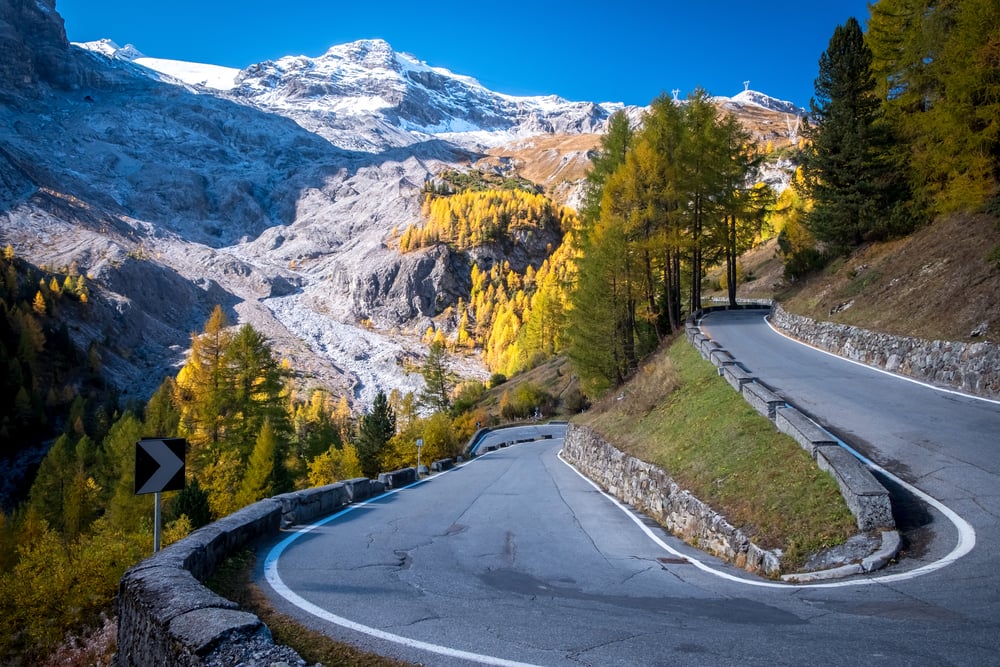
Winding paths show up where dreams meet rugged landscapes. Not just linking faraway villages, yet opening doors for goods to move, even drawing travelers despite steep slopes, storms, always battling erosion.
Years pass, clever fixes slowly make some stretches safer, though nature still pushes back hard. Still, you can’t manage everything around you.
These routes show people behind the wheel that paying attention matters just as much. Even when machines handle more tasks and roads get smarter, some asphalt speaks plainly – slow down, stay sharp.
More from Go2Tutors!

- The Romanov Crown Jewels and Their Tragic Fate
- 13 Historical Mysteries That Science Still Can’t Solve
- Famous Hoaxes That Fooled the World for Years
- 15 Child Stars with Tragic Adult Lives
- 16 Famous Jewelry Pieces in History
Like Go2Tutors’s content? Follow us on MSN.