Brands That Destroyed Their Own Exclusivity
Exclusivity is a delicate thing.
It’s built on perception, scarcity, and an almost intangible sense that owning something means you’re part of a select group.
But that same exclusivity can vanish overnight when a brand gets too eager, too greedy, or simply loses sight of what made it special in the first place.
Over the decades, some of the world’s most prestigious names have watched their carefully cultivated mystique evaporate—not because competitors outsmarted them, but because they undermined themselves.
Here’s a closer look at the brands that fumbled their own exclusivity, and how they managed to turn prestige into ubiquity.
Pierre Cardin
Few designers embody the self-inflicted fall from grace quite like Pierre Cardin.
In the 1960s and early 1970s, Cardin was a visionary—a couturier whose space-age designs attracted celebrities and tastemakers.
His name carried weight in the fashion world, synonymous with innovation and high-end craftsmanship.
Then he decided to license that name to just about anyone willing to pay for it.
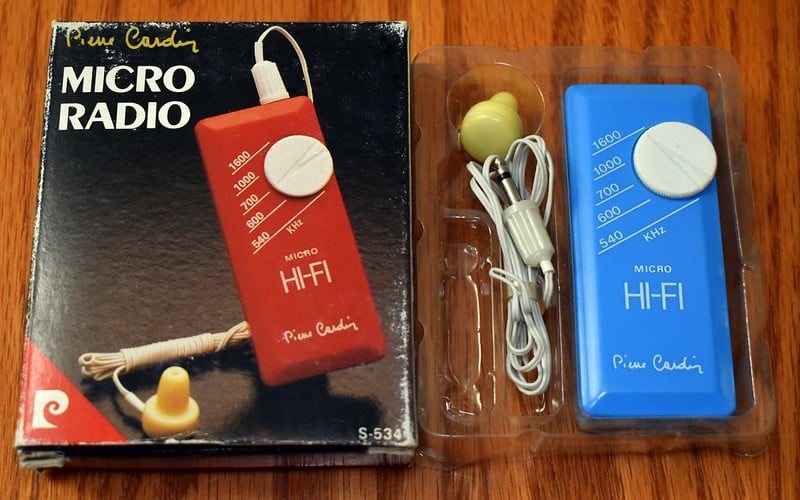
By the 1980s, the Pierre Cardin label appeared on everything from alarm clocks to bidets.
Estimates suggest the brand was attached to more than 800 products across 90 countries at its peak.
Frying pans, toilets, even sardine cans bore his name.
The strategy generated enormous revenue in the short term, but it gutted the brand’s prestige entirely.
Luxury buyers don’t want their couture designer’s name on a toilet seat.
Cardin became a punchline, a cautionary tale about what happens when a brand forgets that scarcity and selectivity are part of the value proposition.
Burberry’s Chav Era
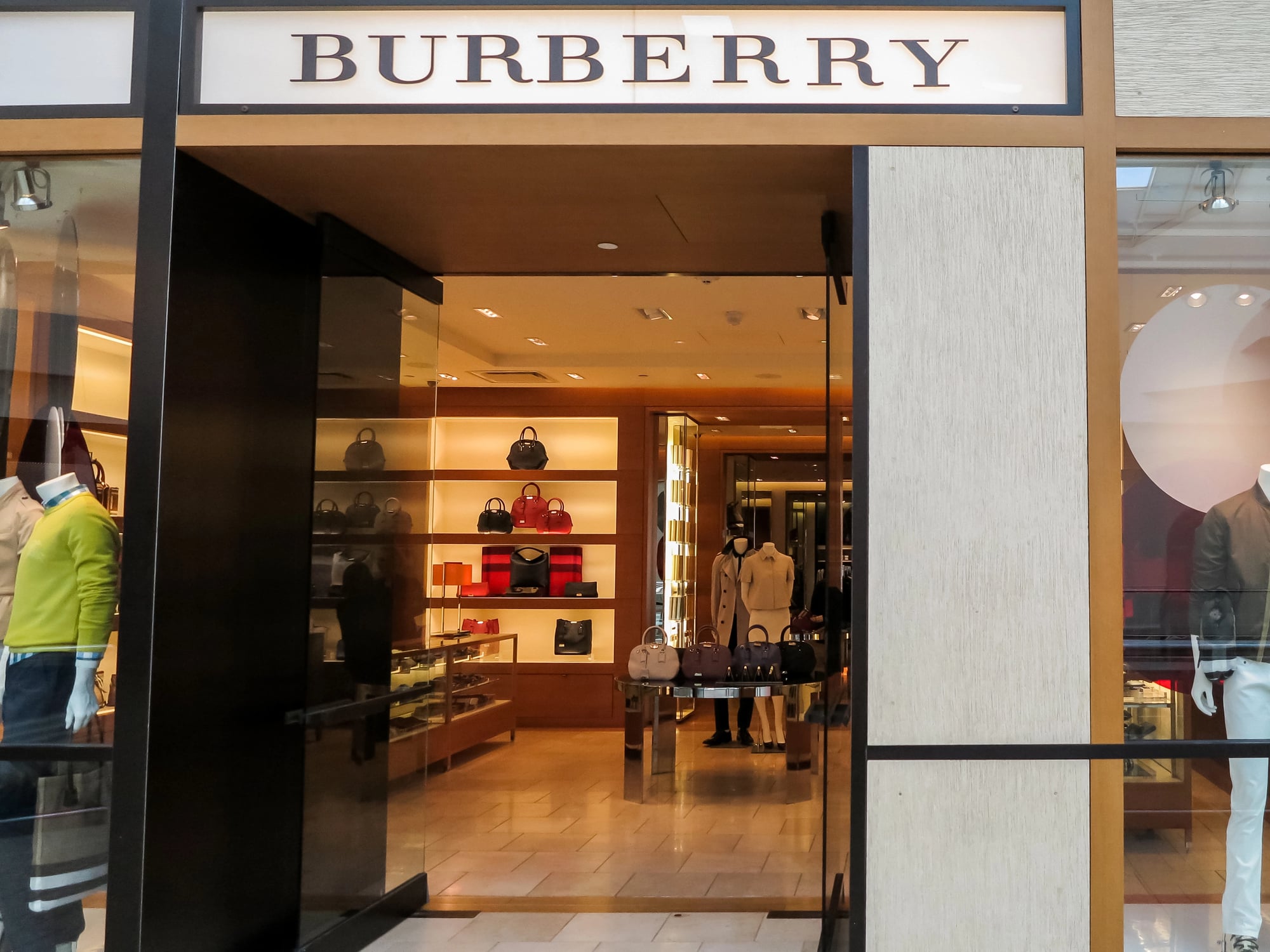
Burberry spent more than a century building its reputation as a quintessentially British luxury brand.
Its iconic check pattern adorned trench coats worn by everyone from wartime officers to Hollywood royalty.
Then, in the late 1990s and early 2000s, something went wrong.
The brand’s signature plaid was everywhere—baseball caps, bikinis, dog collars, and worse.
Counterfeiters flooded the market, but the real damage came from Burberry’s own overexposure.
In the U.K., the brand became unwittingly associated with ‘chav’ culture—a derogatory term for working-class youth often stereotyped for flashy, logo-heavy fashion.
Suddenly, Burberry wasn’t aspirational; it was a joke.
Nightclubs reportedly banned patrons wearing the check pattern.
The brand’s valuation and desirability cratered.
It took years of deliberate repositioning under CEO Angela Ahrendts and creative director Christopher Bailey to claw back respectability.
They pulled the pattern from most products, focused on heritage craftsmanship, and tightened distribution.
Burberry eventually recovered, but the lesson was clear—ubiquity kills mystique.
Coach’s Outlet Addiction

Coach was once the pinnacle of American accessible luxury.
In the 1990s, owning a Coach bag meant something—quality leather, timeless design, a touch of elegance without the intimidating price tag of European luxury houses.
But the brand got hooked on outlet stores, and that addiction nearly destroyed it.
By the mid-2010s, Coach operated more than 200 outlet locations in the U.S. alone, far outnumbering its full-price stores.
The outlets didn’t just sell overstock or last season’s designs—they produced cheaper, lower-quality merchandise specifically for discount shoppers.
The brand became ubiquitous in suburban strip malls, and its logo-heavy bags were everywhere.
Exclusivity vanished.
Shoppers who once aspired to own a Coach bag now saw them as something their aunt bought at an outlet center for 40 percent off.
Sales stagnated, and the brand struggled to compete with newer names like Michael Kors and Tory Burch, which still carried aspirational appeal.
Coach eventually attempted a rebrand, simplifying its name to ‘Tapestry’ at the corporate level and hiring new designers to refresh its image.
The turnaround has been slow, and the brand still wrestles with the perception that it’s just another outlet staple.
Cadillac’s Long Decline

There was a time when Cadillac wasn’t just a car—it was the car.
In the 1950s and 1960s, Cadillac epitomized American automotive luxury.
Owning one signaled success, taste, and status.
Then General Motors made a series of strategic blunders that turned an icon into an afterthought.
The rot started in the 1980s when GM decided Cadillac should share platforms, engines, and parts with cheaper brands like Chevrolet and Oldsmobile.
Badge engineering, they called it—a cost-saving measure that destroyed differentiation.
Suddenly, a Cadillac Cimarron was essentially a dressed-up Chevy Cavalier with a $12,000 markup.
Buyers weren’t fooled.
The quality suffered, reliability nosedived, and the brand’s reputation evaporated.
By the 1990s, Cadillac’s average buyer was in their 60s, and younger consumers saw it as their grandparents’ car.
The exclusivity was gone, replaced by a sense of dated irrelevance.
GM has spent decades trying to revive Cadillac, introducing sportier designs and technology-forward models, but the brand has never fully recovered the prestige it once commanded.
Lacoste’s Logo Overload
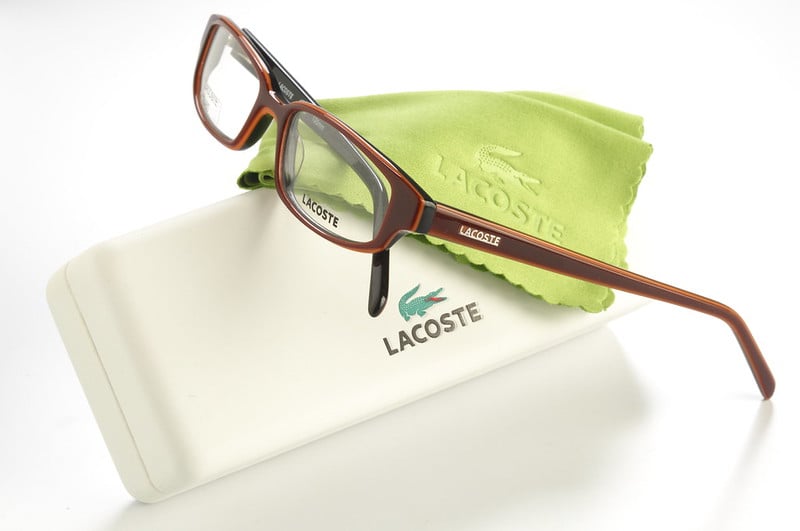
Lacoste’s crocodile logo is one of the most recognizable symbols in fashion.
For decades, it stood for understated French elegance—tennis whites, polo shirts, a certain refined sportiness.
Then the brand got careless with licensing and lost control of its image.
In the 1980s and 1990s, Lacoste licensed its logo to manufacturers who slapped the crocodile on just about everything, often with questionable quality.
The market flooded with counterfeit and overproduced Lacoste products, from cheap polo shirts in discount bins to knockoffs sold on street corners.
The brand became associated with imitation rather than authenticity, and its aspirational appeal dimmed considerably.
Lacoste eventually pulled back, reining in licensing agreements and focusing on quality and design.
The brand has regained some footing, but it took years to shake the perception that it had become just another mass-market logo.
Abercrombie & Fitch’s Over-Saturation

In the late 1990s and early 2000s, Abercrombie & Fitch was the brand for American teenagers.
Its stores were dark, loud, and doused in cologne, and its logo-emblazoned hoodies and T-shirts were everywhere in high schools and college campuses.
Owning Abercrombie meant you were cool, aspirational, part of the in-crowd.
Then the brand opened too many stores and printed its logo on everything.
At its peak, Abercrombie operated more than 1,000 locations globally.
The brand became so ubiquitous that it lost its edge.
Wearing a giant moose logo stopped being cool and started feeling try-hard.
The company’s controversial marketing—thin models, exclusionary messaging, a CEO who openly said the brand was for ‘cool kids’—backfired spectacularly as cultural attitudes shifted toward inclusivity.
Sales plummeted, stores closed, and the brand became a relic of early-2000s excess.
Abercrombie eventually pivoted, dropping logos, updating designs, and embracing inclusivity.
The turnaround has been surprisingly successful, but the brand’s original exclusivity is gone forever.
Maserati’s Volume Mistake

Maserati once occupied a rarefied space in the automotive world—Italian craftsmanship, exotic appeal, cars that felt special even among other luxury marques.
Then parent company Fiat Chrysler decided Maserati should sell more cars.
A lot more.
In the mid-2010s, Maserati set aggressive sales targets, aiming to quintuple global deliveries.
The company introduced the Ghibli, a ‘entry-level’ sedan priced to compete with BMW and Mercedes, and expanded production rapidly.
The problem? Maserati wasn’t built for volume.
Quality control suffered, reliability issues plagued models, and the brand’s reputation took a beating.
Suddenly, Maseratis were common sights in luxury car markets, often parked next to far more reliable German competitors.
The mystique evaporated.
Buyers who once saw Maserati as an exotic alternative now viewed it as an overpriced risk.
Sales have since declined, and the brand is once again trying to reposition itself as low-volume and exclusive—the very thing it abandoned.
Why It Still Matters

The brands that destroyed their own exclusivity share a common thread—they prioritized short-term revenue over long-term brand equity.
Licensing deals, outlet expansions, platform sharing, and volume targets all generated immediate cash, but they hollowed out the intangible value that made these brands desirable in the first place.
Exclusivity isn’t just about high prices or limited availability; it’s about maintaining a sense that owning something means you’re part of a select group, that the brand respects its own identity enough not to dilute it.
Once that perception breaks, it’s incredibly difficult to rebuild.
The market is littered with brands that learned this lesson too late, and their struggles serve as a reminder that in the luxury world, less is almost always more.
More from Go2Tutors!

- The Romanov Crown Jewels and Their Tragic Fate
- 13 Historical Mysteries That Science Still Can’t Solve
- Famous Hoaxes That Fooled the World for Years
- 15 Child Stars with Tragic Adult Lives
- 16 Famous Jewelry Pieces in History
Like Go2Tutors’s content? Follow us on MSN.