15 Escape Plans That Seemed Impossible But Worked
Human ingenuity reaches its peak when freedom hangs in the balance. Throughout history, people trapped in seemingly hopeless situations have devised escape plans so audacious and clever that they defied all odds.
These stories prove that determination, creativity, and sometimes a bit of luck can overcome even the most secure barriers designed to keep people contained. From prisoners of war to political dissidents, these individuals turned impossible situations into legendary escapes that continue to inspire us today.
Here is a list of 15 escape plans that seemed impossible but worked.
The Great Escape from Stalag Luft III

Allied prisoners of war orchestrated one of the most ambitious prison breaks in history by digging three massive tunnels beneath their German camp. The operation involved 600 prisoners working in shifts to excavate tunnels over 300 feet long, complete with electric lighting, air pumps, and underground railways made from bed slats.
While only three of the 76 escapees made it to freedom, the audacity and complexity of the plan became legendary.
Alcatraz Prison Break of 1962

Three inmates escaped from America’s most secure prison by creating dummy heads from soap and hair to fool guards during bed checks. Frank Morris and the Anglin brothers spent months carefully removing cement around air vents in their cells, then built a raft from raincoats to cross the frigid San Francisco Bay.
Despite an extensive manhunt, the escapees were never found, and their fate remains one of America’s greatest unsolved mysteries.
East Berlin Tunnel Escape
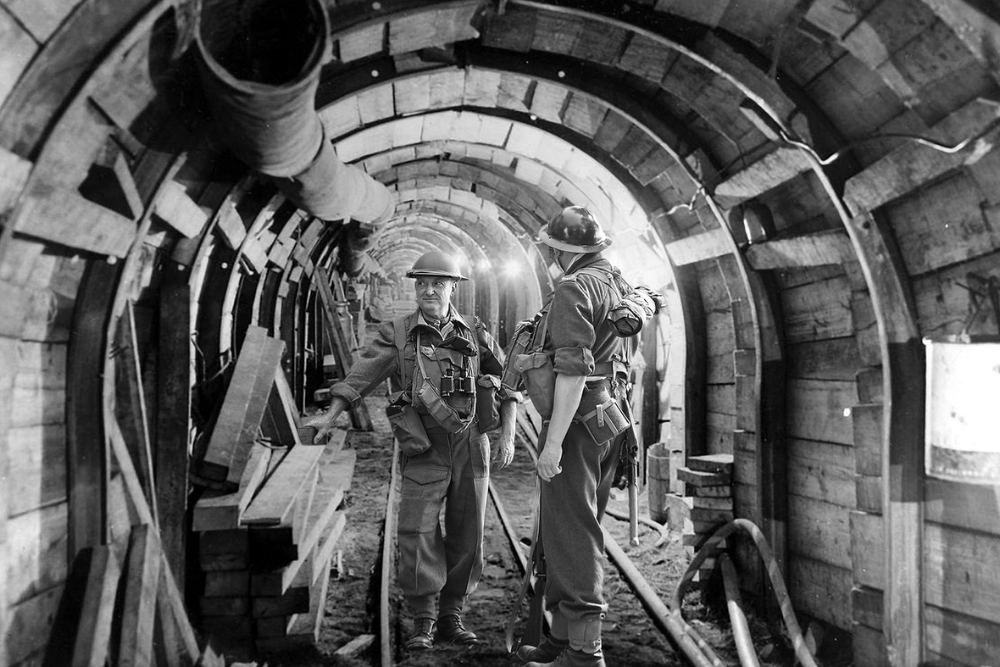
A group of East Germans dug a 500-foot tunnel beneath the Berlin Wall to help friends and family escape to West Berlin in 1964. The tunnel stretched from a basement in West Berlin to a bathroom in an East Berlin building, taking months to complete while avoiding detection by border guards.
Twenty-nine people successfully crawled through the narrow passageway to freedom before East German authorities discovered the operation.
Henri Charrière’s Devil’s Island Escape

The man known as ‘Papillon’ escaped from the supposedly inescapable Devil’s Island penal colony off the coast of French Guiana using coconuts as flotation devices. Charrière jumped from a cliff into shark-infested waters during a storm, riding the waves on his makeshift raft until currents carried him to safety on the mainland.
His daring leap to freedom became one of the most famous prison escapes in history.
The Wooden Horse Escape

British prisoners at Stalag Luft III created a wooden vaulting horse to conceal their tunnel-digging operations in plain sight of German guards. Each day, prisoners would carry the hollow horse to the same spot for exercise while a digger hidden inside excavated soil and passed it to accomplices who scattered it around the compound.
Three men eventually escaped through the 100-foot tunnel, with two making it all the way to neutral Sweden.
Pascal Payet’s Helicopter Escapes

French criminal Pascal Payet orchestrated not one but two helicopter prison breaks that seemed straight out of an action movie. His accomplices hijacked helicopters and landed directly in prison courtyards, allowing Payet to climb aboard and fly to freedom while guards watched in amazement.
The audacious nature of these escapes earned him international notoriety and proved that even maximum-security prisons weren’t helicopter-proof.
The Maze Prison Escape
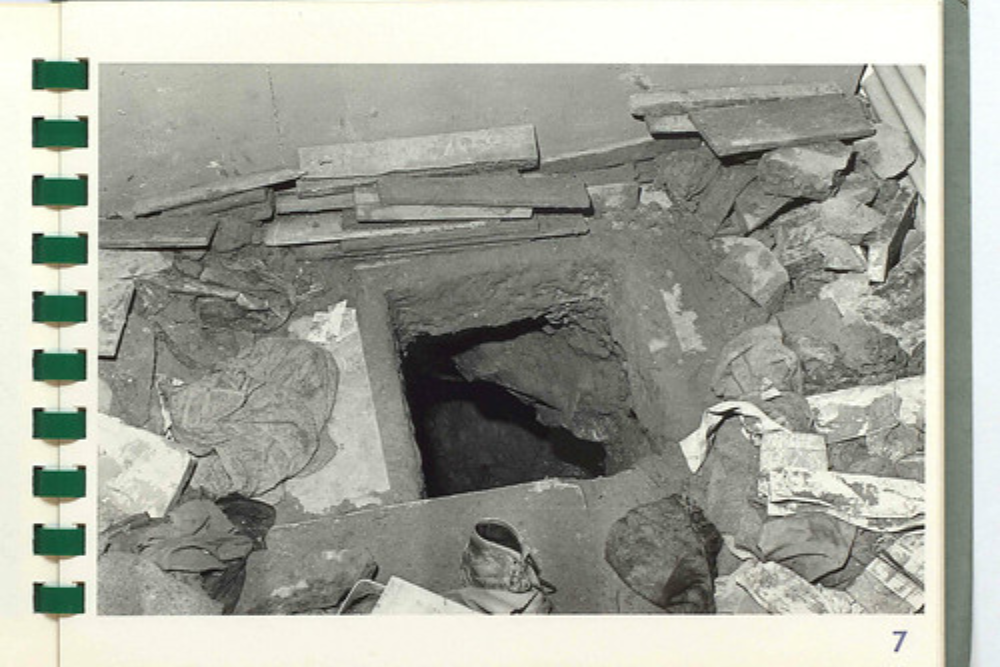
Thirty-eight Irish Republican prisoners escaped from Northern Ireland’s most secure prison in 1983 by taking over an entire wing and disguising themselves as guards. The inmates spent months planning the operation, creating fake uniforms and studying guard routines until they could seamlessly blend in with prison staff.
They walked out the front gate in broad daylight, making it the largest prison break in British history.
Cold War Balloon Escape
Two East German families built a hot air balloon from bedsheets and plastic tarps to fly over the Berlin Wall to freedom in 1979. The Strelzyk and Wetzel families spent two years secretly constructing their aircraft in basements and forest clearings, testing materials and calculating wind patterns.
Their 23-minute flight carried eight people across the heavily fortified border in what became known as one of the most creative Cold War escapes.
John Dillinger’s Wooden Gun Break
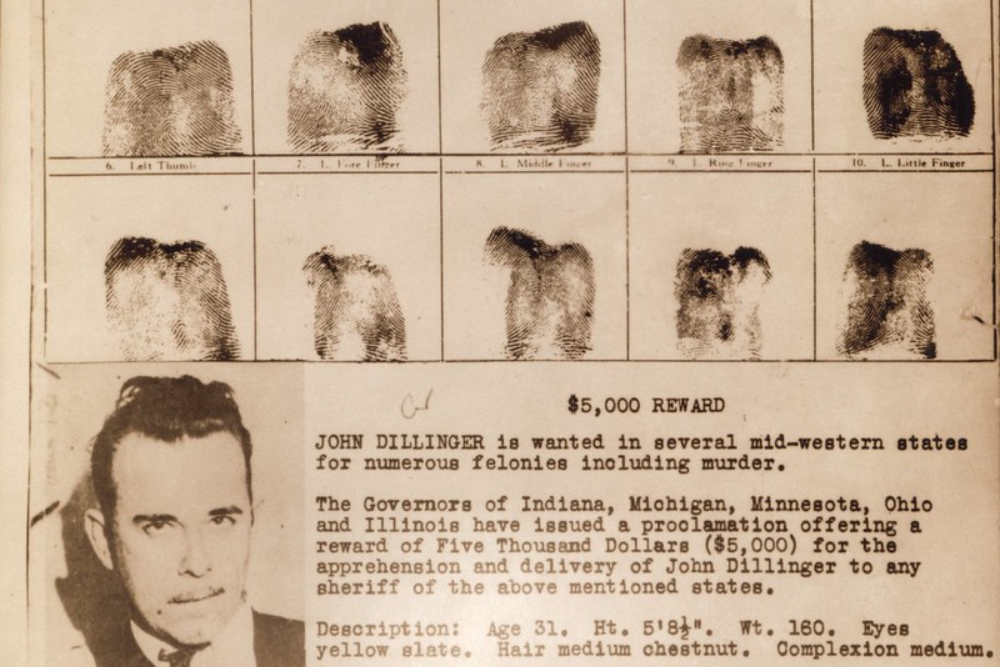
Depression-era bank robber John Dillinger carved a fake pistol from wood and used shoe polish to make it look real, then bluffed his way out of an Indiana jail. He held guards at gunpoint with his wooden weapon, locked them in his cell, and walked out wearing a deputy’s uniform he had stolen.
The escape became legendary not just for its success, but for the sheer audacity of threatening armed guards with a piece of carved wood.
The Sobibor Uprising and Escape
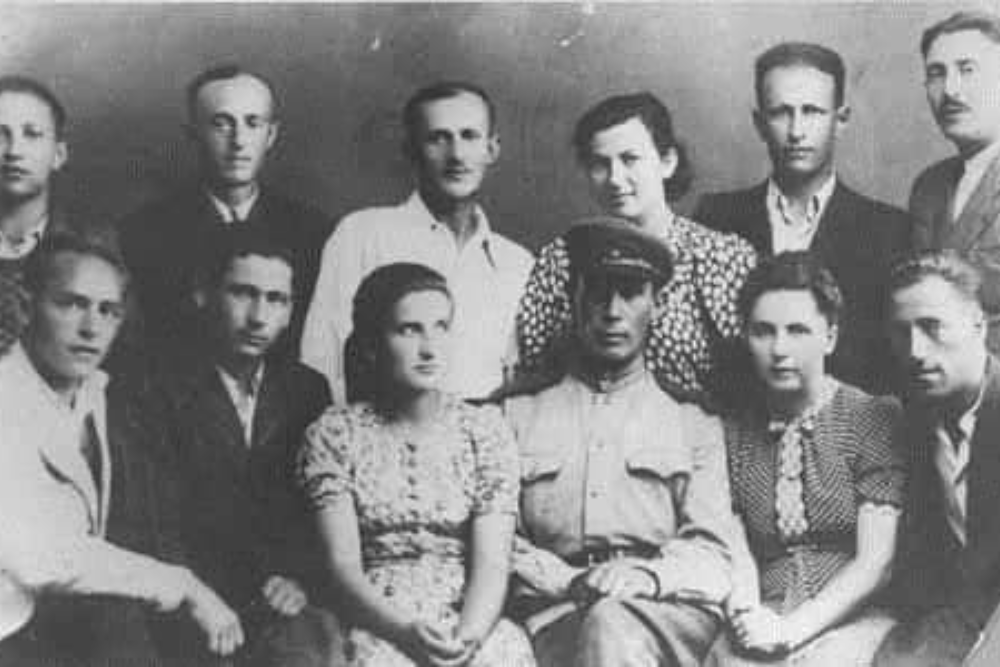
Jewish prisoners at the Sobibor extermination camp organized a revolt that allowed 300 people to break through the camp’s defenses and flee into nearby forests. Led by Soviet prisoner of war Alexander Pechersky, the inmates secretly killed guards and seized weapons before cutting through barbed wire and running across minefields.
About 50 survivors lived to see the end of the war, making this one of the most successful uprisings at a Nazi death camp.
Frank Abagnale’s Airport Escape

Master con artist Frank Abagnale walked out of a federal detention center by convincing guards he was an undercover FBI agent investigating security vulnerabilities. He created fake business cards and badges, then told officials he needed to meet with FBI supervisors at a nearby hotel.
Guards escorted him out of the facility, where he simply disappeared into the crowd, remaining free for several more months.
The Libby Prison Tunnel
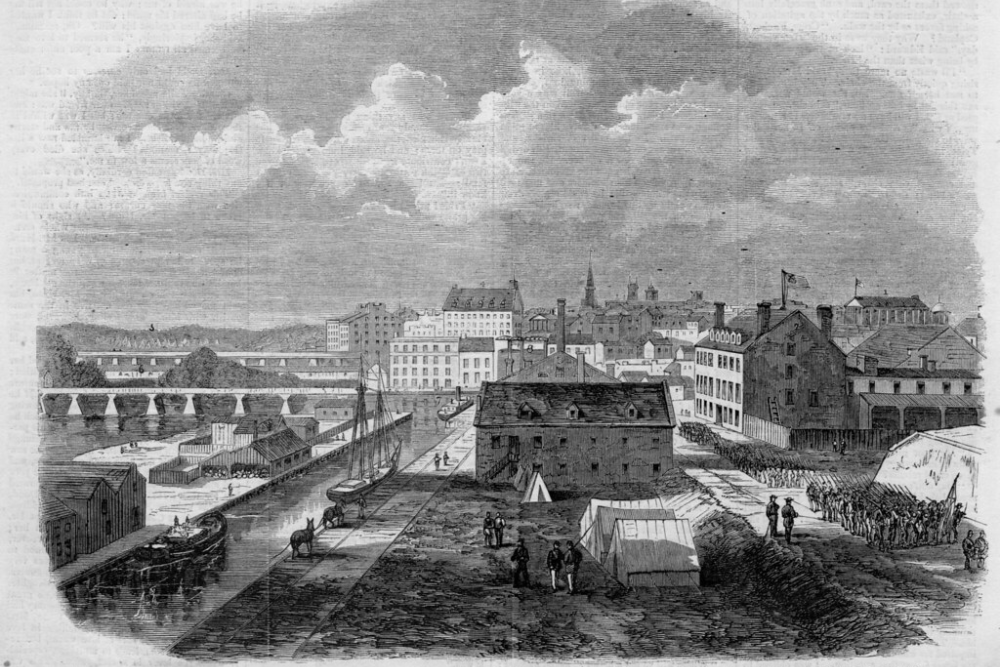
Union prisoners during the Civil War dug a 60-foot tunnel from the basement of Richmond’s Libby Prison to a nearby warehouse, allowing 109 men to escape in one night. The tunnel took months to complete as prisoners worked in shifts, removing soil one handful at a time and hiding it throughout the building.
The mass escape embarrassed Confederate authorities and provided a major morale boost for Union forces.
Vietnamese Boat People Escapes

Thousands of Vietnamese refugees built makeshift boats and navigated treacherous ocean waters to reach freedom after the Vietnam War ended. These desperate voyagers faced storms, pirates, and mechanical failures while crossing hundreds of miles of open sea in overcrowded, barely seaworthy vessels.
Many didn’t survive the journey, but those who did demonstrated incredible courage and determination to escape oppression.
The Great Train Robbery Escape

After pulling off Britain’s Great Train Robbery in 1963, gang member Ronnie Biggs escaped from Wandsworth Prison by scaling a 20-foot wall with a rope ladder thrown by accomplices. The breakout required split-second timing as a furniture van pulled up to the prison wall just as Biggs reached the top.
He then fled to Brazil, where he lived as a fugitive for over 30 years before voluntarily returning to Britain.
Ted Bundy’s Courthouse Jump
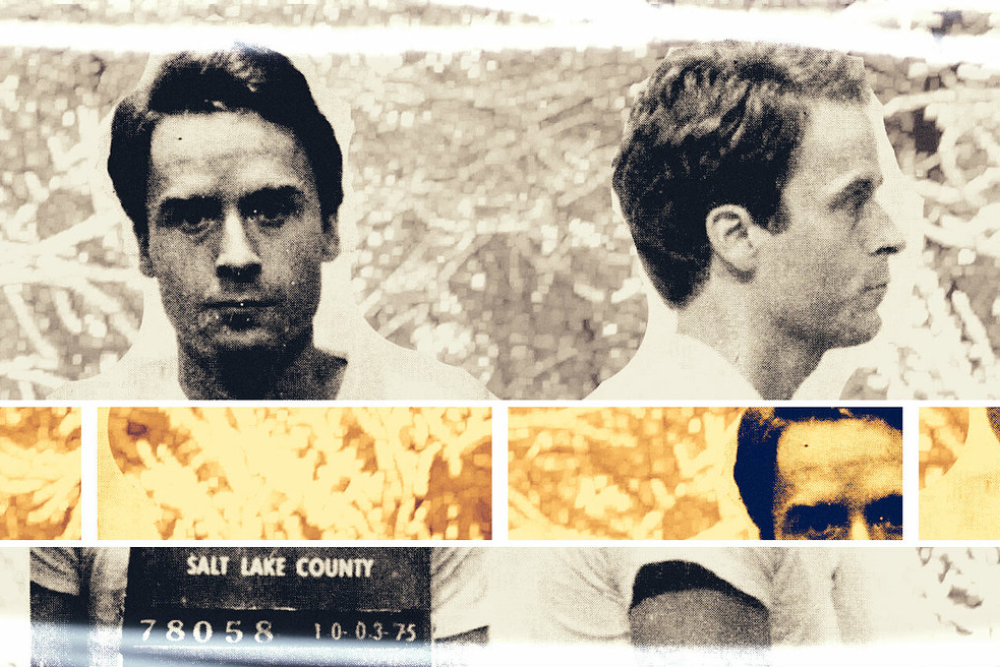
Serial killer Ted Bundy escaped from a Colorado courthouse by jumping from a second-story window during a recess in his murder trial. He had spent weeks loosening screws in his cell window and studying the building’s layout, waiting for the perfect moment when guards were distracted.
Bundy landed in the bushes below and disappeared into the mountains, remaining free for several days before his recapture.
Freedom’s Finest Hour

These remarkable escapes remind us that the human spirit refuses to be contained when freedom calls. Whether driven by desperation, injustice, or simply the unbreakable desire for liberty, these individuals found ways to overcome seemingly impossible odds through careful planning, incredible courage, and sometimes pure luck.
Their stories continue to captivate us because they represent the triumph of human determination over the barriers that seek to confine us. While we may not condone all the circumstances that led to these escapes, we can’t help but admire the ingenuity and boldness required to turn the impossible into reality.
More from Go2Tutors!

- The Romanov Crown Jewels and Their Tragic Fate
- 13 Historical Mysteries That Science Still Can’t Solve
- Famous Hoaxes That Fooled the World for Years
- 15 Child Stars with Tragic Adult Lives
- 16 Famous Jewelry Pieces in History
Like Go2Tutors’s content? Follow us on MSN.