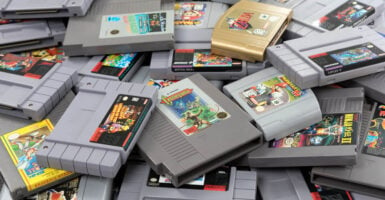
15 Classic Bicycles That Ruled The Streets
There’s something magical about the bikes we rode as kids. They weren’t just transportation—they were freedom machines, status symbols, and tickets to adventure.
From the muscle-car-inspired cruisers of the 1960s to the trick-ready BMX bikes of the 1980s, certain bicycles transcended their two-wheeled origins to become cultural icons. These weren’t bikes you’d see gathering dust in a garage.
They were everywhere—lined up outside corner stores, jumping makeshift ramps in empty lots, and racing down neighborhood streets like their riders were competing in the Tour de France. The bikes on this list didn’t just sell well.
They defined entire generations and sparked movements that changed how people viewed cycling altogether. Here is a list of 15 classic bicycles that truly ruled the streets.
Schwinn Sting-Ray
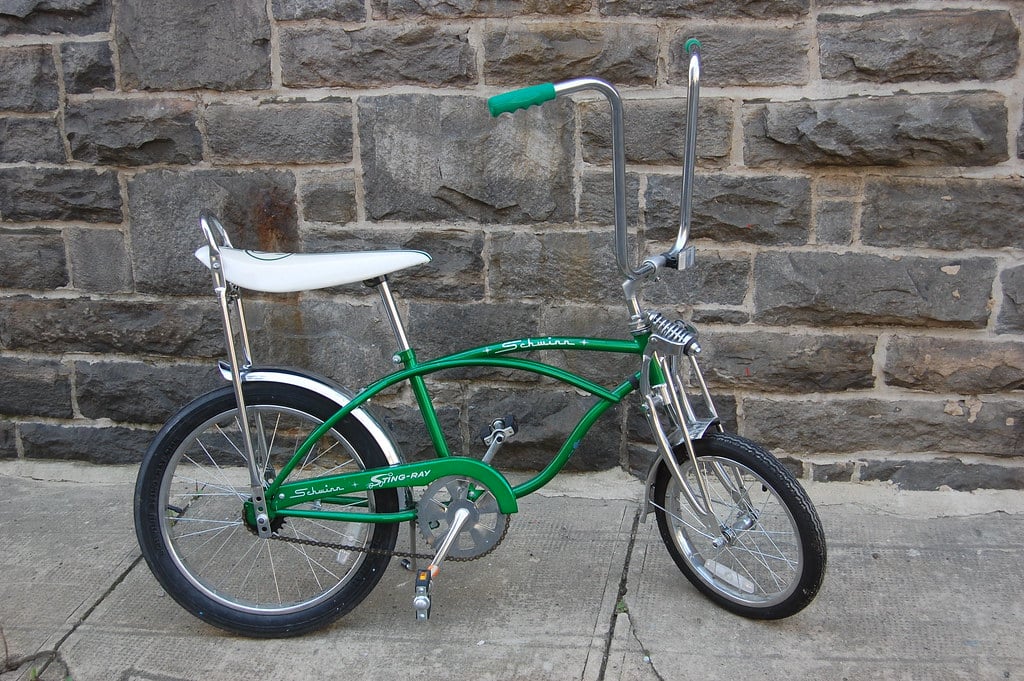
The bike that started it all. When Schwinn released the Sting-Ray in 1963, they weren’t just selling a bicycle—they were selling attitude.
With its high-rise handlebars, banana seat, and stick shifter that looked like it belonged in a hot rod, the Sting-Ray captured the muscle-car mania sweeping America. Kids didn’t want boring transportation anymore.
They wanted the ‘bike with the sports car look,’ and Schwinn gave it to them. The Sting-Ray became one of the best-selling bikes in history, produced from 1963 to 1981, and set the template for youth bikes that followed.
Raleigh Chopper
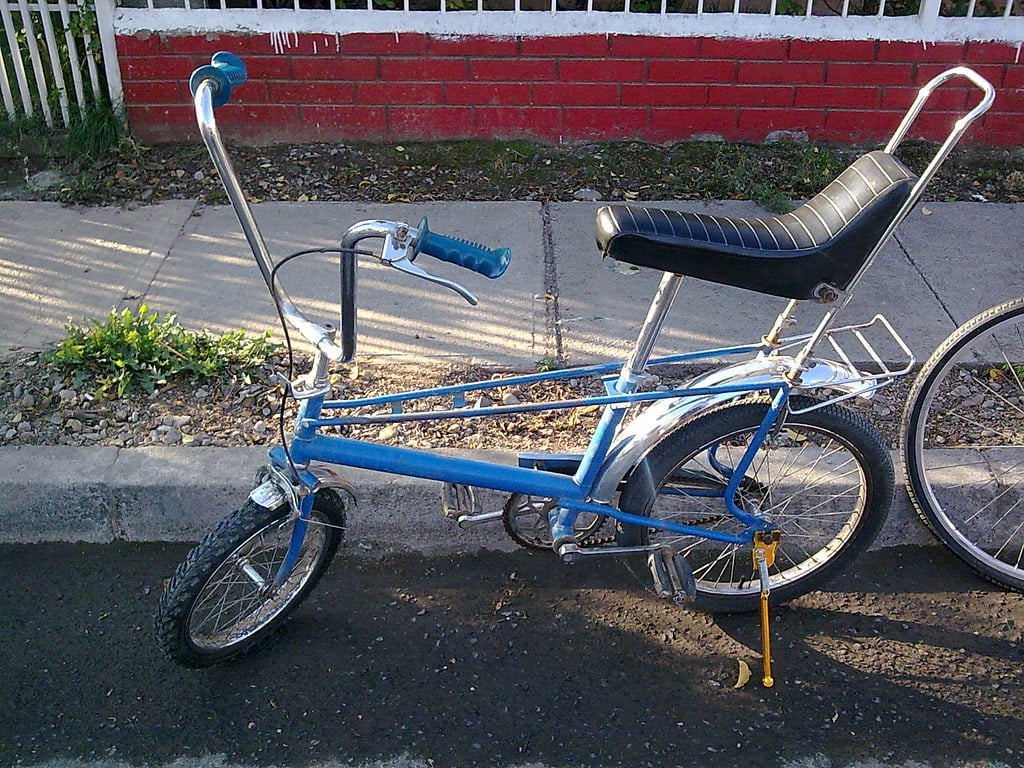
While American kids were popping wheelies on Sting-Rays, British youth got their own rebellion machine. The Raleigh Chopper launched in 1969 and became an instant sensation in the UK, selling 1.5 million units throughout the 1970s.
Inspired by the chopped motorcycles from Easy Rider, the Chopper featured mismatched wheel sizes, a swept-back frame, and an iconic padded seat with a backrest. That gear shifter mounted between your legs was notoriously dangerous, but nobody cared.
The Chopper was so popular it reportedly saved Raleigh from bankruptcy.
Schwinn Apple Krate
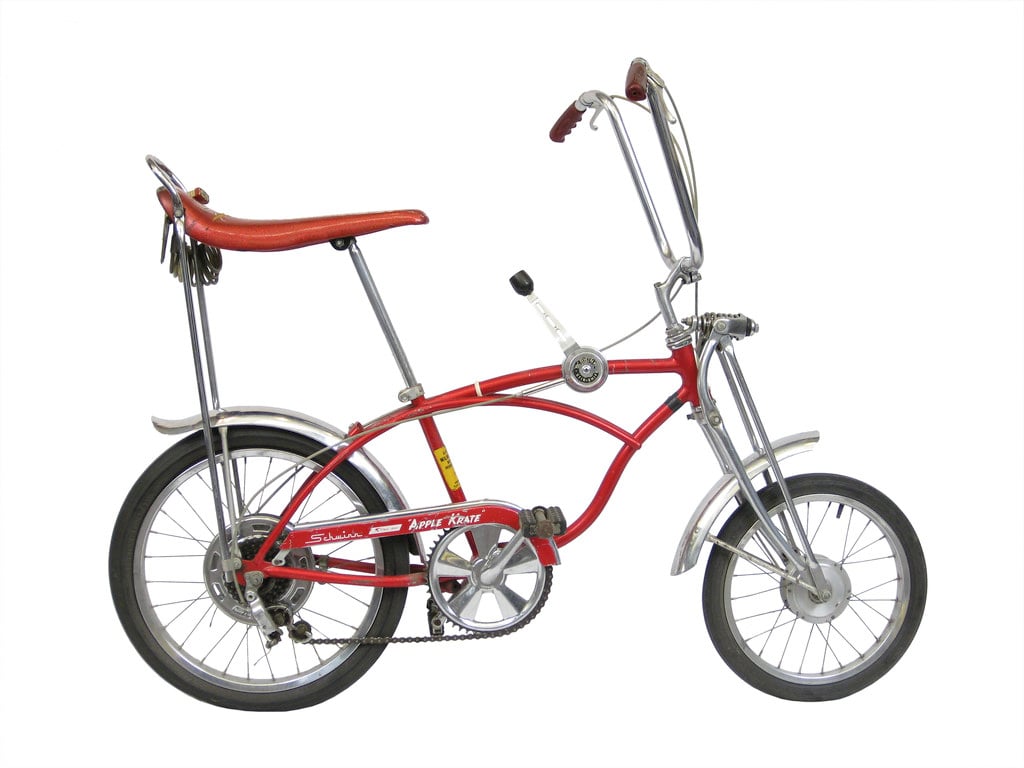
The Sting-Ray grew up and got wilder. Schwinn’s Krate series took everything kids loved about the original and cranked it up with flashy metallic paint jobs and names like Apple Krate, Orange Krate, and Lemon Peeler.
Released in the early 1970s, these bikes featured a rear-mounted stick shift, a massive spring-loaded saddle, and a front-mounted ‘muscle bike’ headlight. The Apple Krate’s candy apple red finish made it the most coveted bike on the block.
Today, original Krates fetch thousands of dollars from collectors who remember begging their parents for one back in the day.
Schwinn Varsity
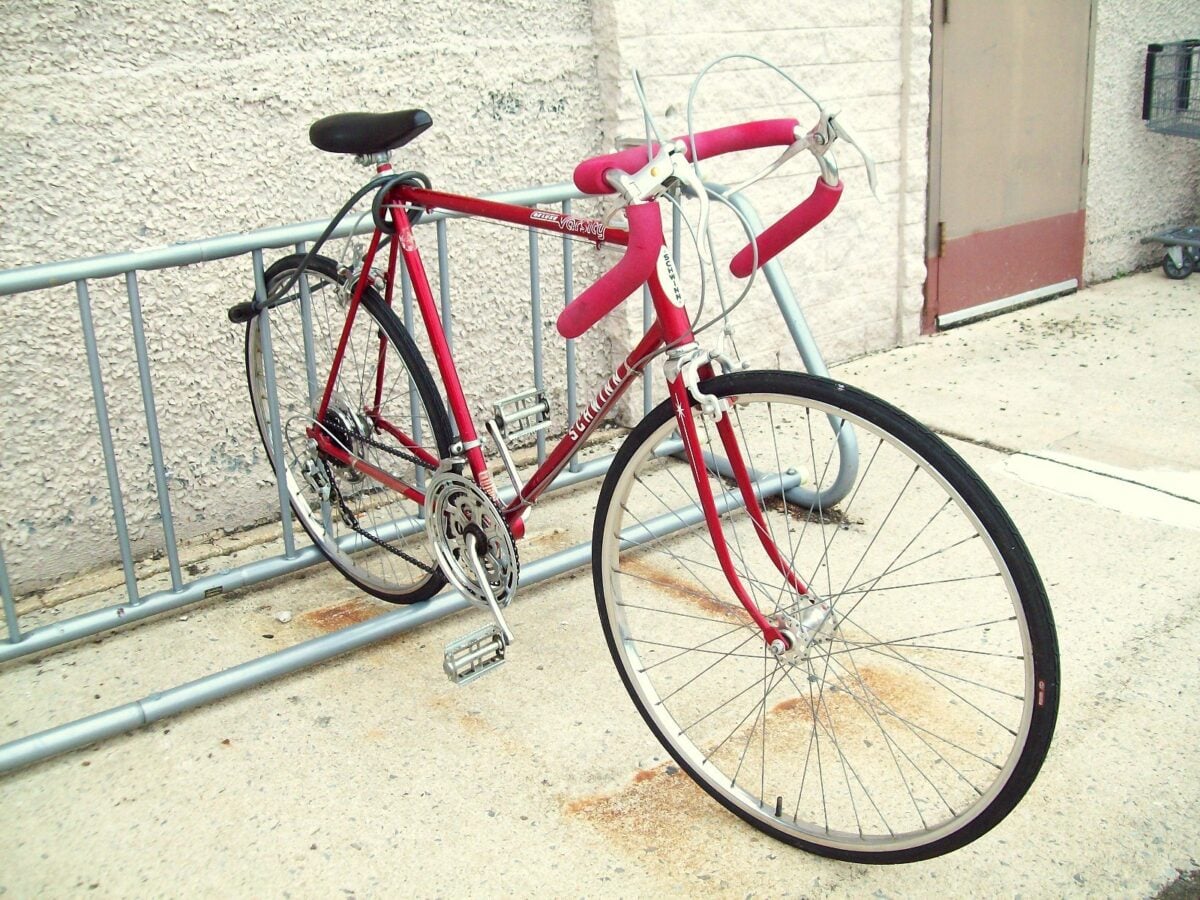
Not every classic bike needed flash to dominate. The Schwinn Varsity was the workhorse that introduced millions of Americans to multi-speed cycling.
Made using Schwinn’s electro-forged frame construction, the Varsity was essentially the VW Beetle of bicycles—affordable, durable, and everywhere. It popularized the term ‘ten-speed’ with its signature derailleur system.
The Varsity wasn’t trying to win races or turn heads. It was just getting people from point A to point B reliably, which is exactly why it became such a cultural touchstone from the 1960s through the 1980s.
Mongoose BMX
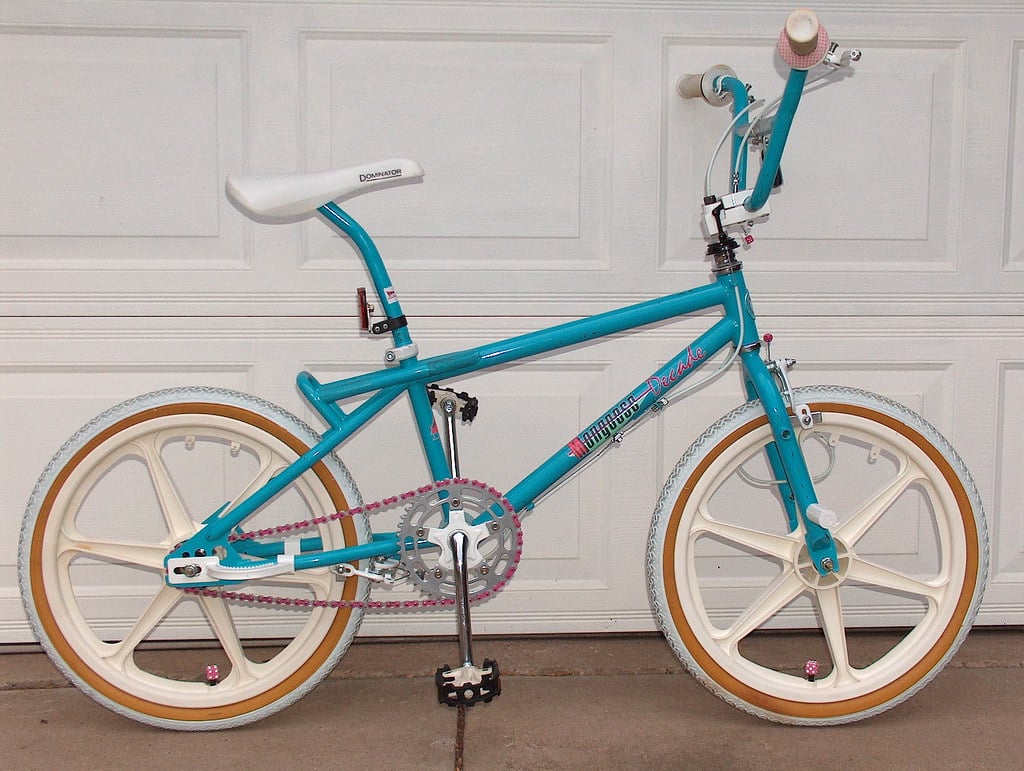
When BMX racing exploded in the late 1970s, Mongoose was right there at the starting gate. Founded in 1974 in Southern California, Mongoose became synonymous with BMX culture.
Their bikes were built tough enough to handle dirt tracks, ramps, and the general abuse that BMX riding demanded. Mongoose sponsored some of the sport’s biggest names and appeared in iconic films like E.T. and BMX Bandits.
The brand produced everything from entry-level models to pro-level race machines, and by the 1980s, you’d see Mongoose bikes at virtually every BMX track and skate park in America.
Haro Freestyler
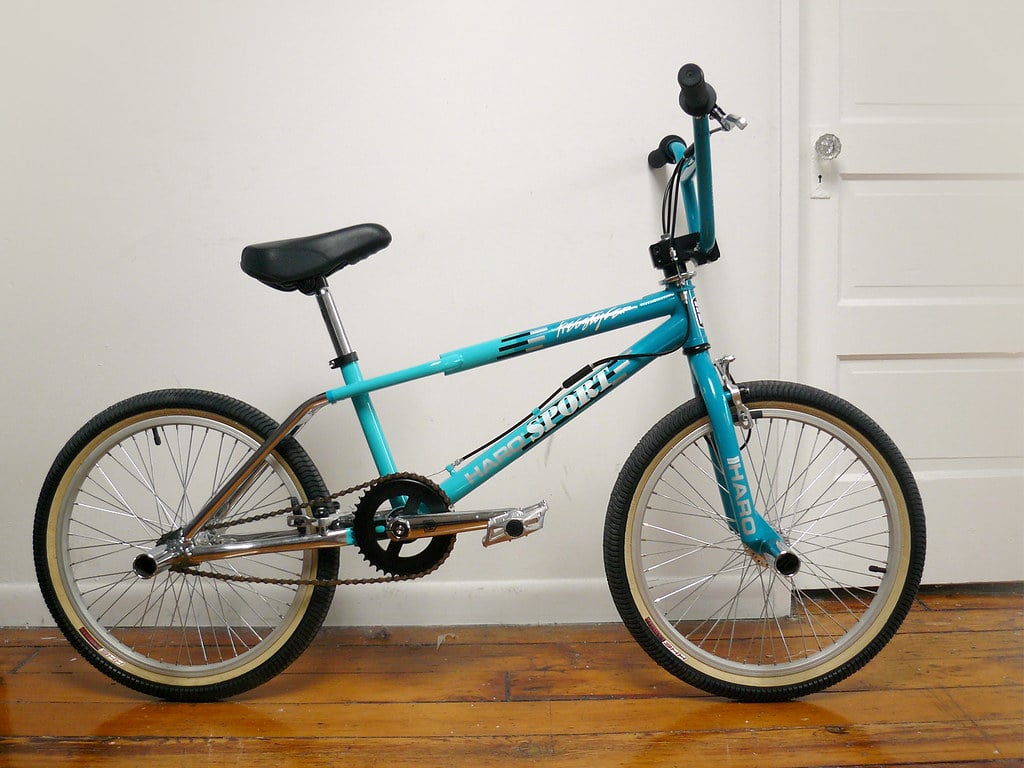
Bob Haro didn’t just ride BMX bikes—he reimagined what they could do. In 1982, he designed the first bike frame specifically built for BMX freestyle, and the Haro Freestyler changed everything when it launched in 1983.
Before this, kids were doing tricks on bikes designed for racing. The Freestyler featured reinforced frames, pegs for grinding, and geometry optimized for aerial maneuvers rather than speed. Haro essentially created an entire industry segment.
The distinctive twin top tubes became a signature look, and suddenly bike parks filled with kids attempting tail whips and can-cans on their Haros.
GT Performer
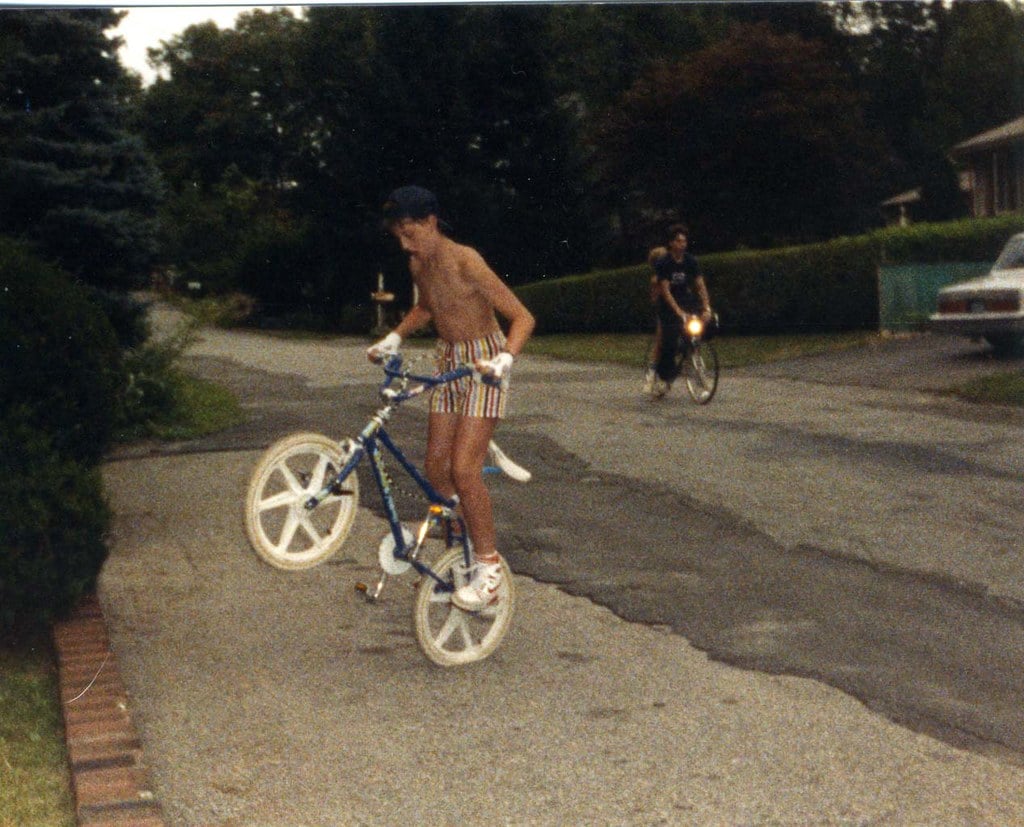
GT entered the BMX freestyle scene in 1984 and immediately made waves. The GT Performer was built like a tank, with triple-triangle frame geometry that became GT’s trademark design.
This wasn’t just clever branding—the extra structural support actually made the bike tougher and more responsive. The Performer dominated freestyle competitions throughout the mid-1980s, and its distinctive look made it instantly recognizable.
Riders loved how the bike handled both street riding and ramp sessions, and the GT logo became as coveted as any sneaker brand among BMX enthusiasts.
Diamondback
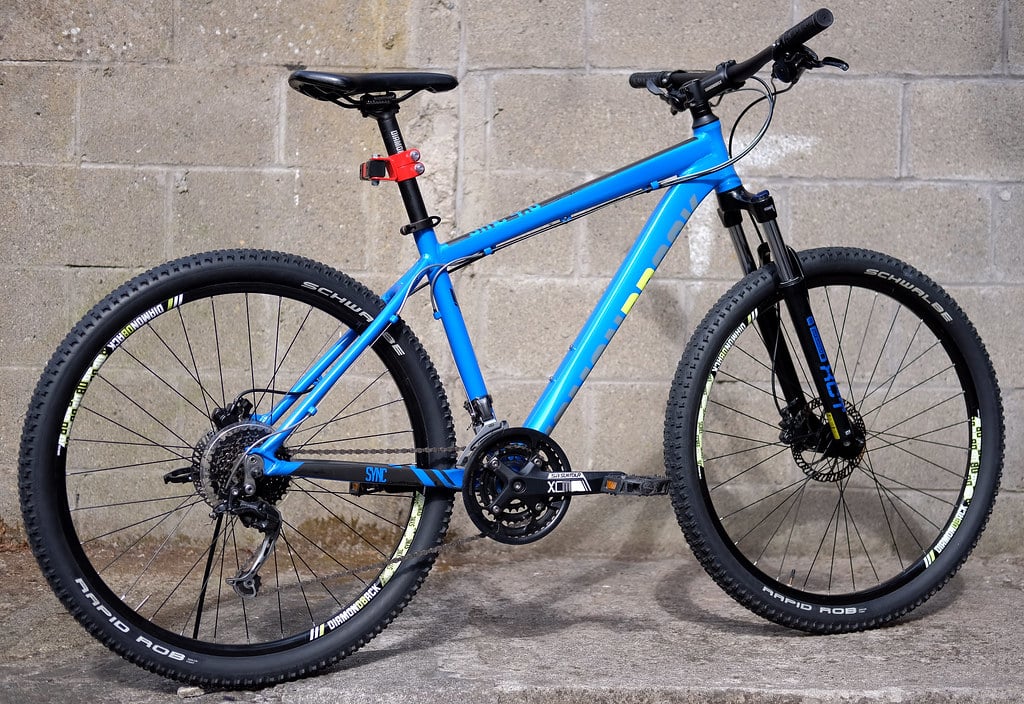
Founded in 1977, Diamondback built its reputation on quality BMX bikes that could take serious punishment. Their sleek frames and attention to detail made them favorites among competitive riders.
The 1983 Diamondback Team Pro Koizumi, with its black and gold paint scheme, became particularly legendary—original models can fetch $5,000 or more today. Diamondback sponsored top-tier riders and consistently pushed frame design forward.
While other brands came and went during the BMX boom and bust cycles, Diamondback maintained its reputation for building bikes that performed as good as they looked.
Redline BMX
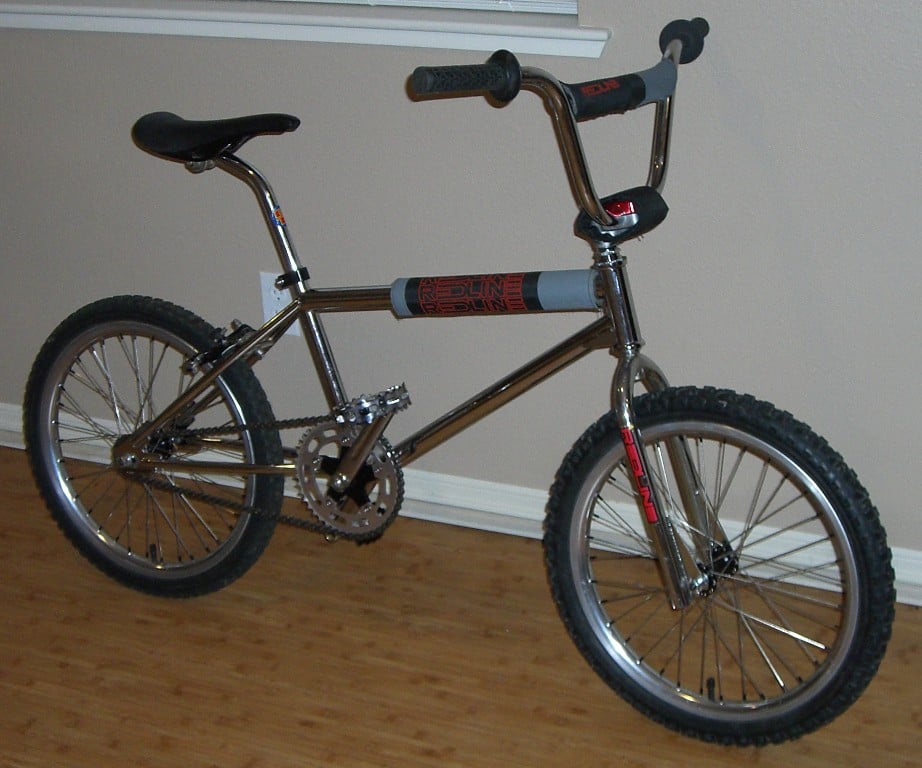
Redline started in 1974 and quickly became one of the most respected names in BMX racing. Their bikes were engineered for speed and handling on dirt tracks, with lightweight frames and components that gave riders every possible advantage.
The Redline RL 20II became particularly iconic in the early 1980s, featuring distinctive red graphics and chromoly construction. Redline wasn’t trying to be the flashiest brand on the block.
They focused on performance, and serious BMX racers knew a Redline meant business. The brand’s commitment to racing heritage kept them relevant even as BMX trends shifted toward freestyle.
Hutch BMX
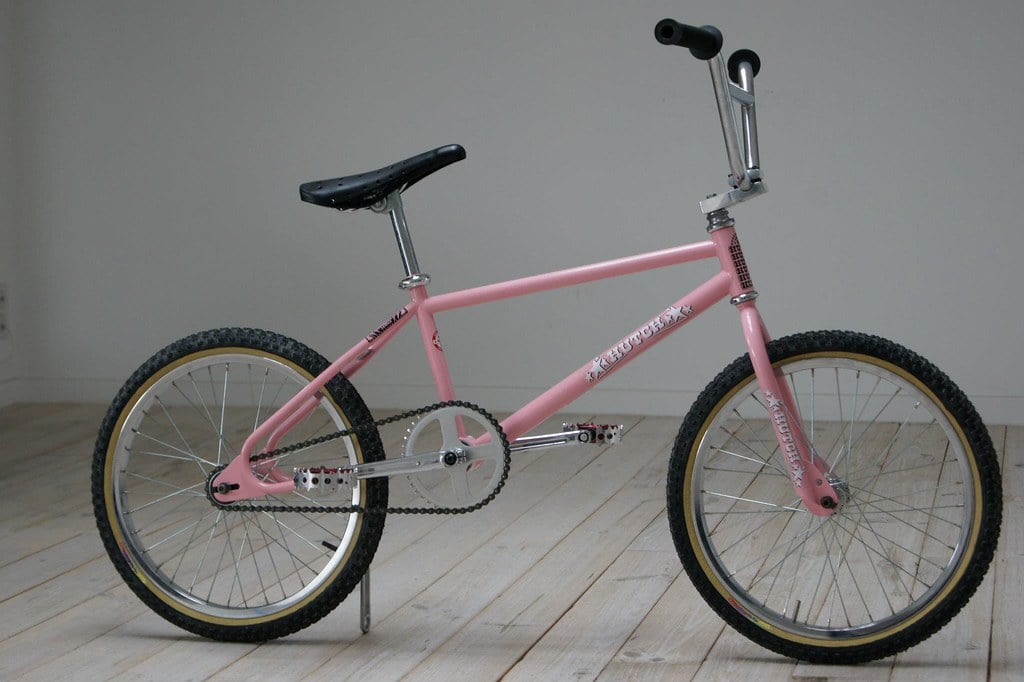
Hutch bikes were the choice of riders who wanted something different. Founded by Richard Hutchins, Hutch produced some of the most distinctive BMX bikes of the 1980s, with bold graphics and innovative frame designs.
Their Pro Racer model featured unique styling that stood out in any lineup. Hutch bikes had a cult following among riders who appreciated the brand’s attention to detail and willingness to try unconventional approaches.
While Hutch never reached the mass-market appeal of Mongoose or GT, their bikes were treasured by those in the know, and original Hutch frames remain highly collectible today.
Schwinn Predator
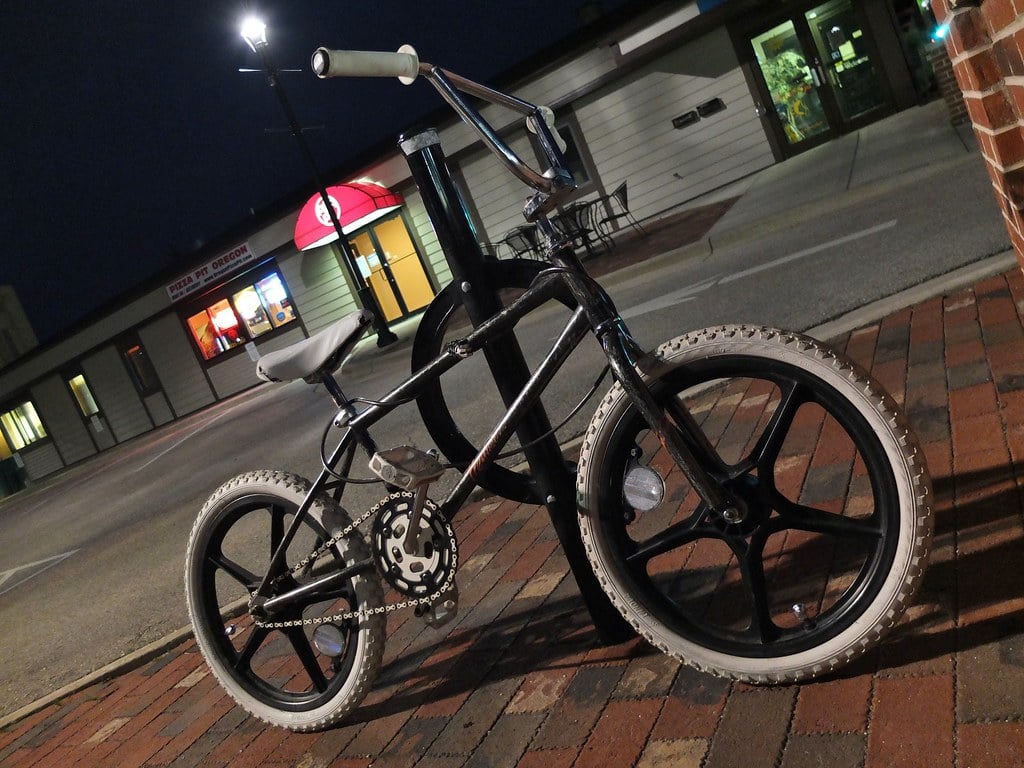
When BMX freestyle exploded in popularity during the 1980s, Schwinn jumped in with the Predator line. These bikes featured chromoly frames, reinforced construction for trick riding, and aggressive styling that appealed to a new generation.
The Predator represented Schwinn’s evolution from cruiser bikes to serious BMX machines. It wasn’t quite as refined as some dedicated freestyle brands, but the Schwinn name recognition and nationwide dealer network made Predators accessible to kids everywhere.
You’d see them at suburban skate parks and urban street spots alike, holding their own against more specialized competition.
Fuji S-10S
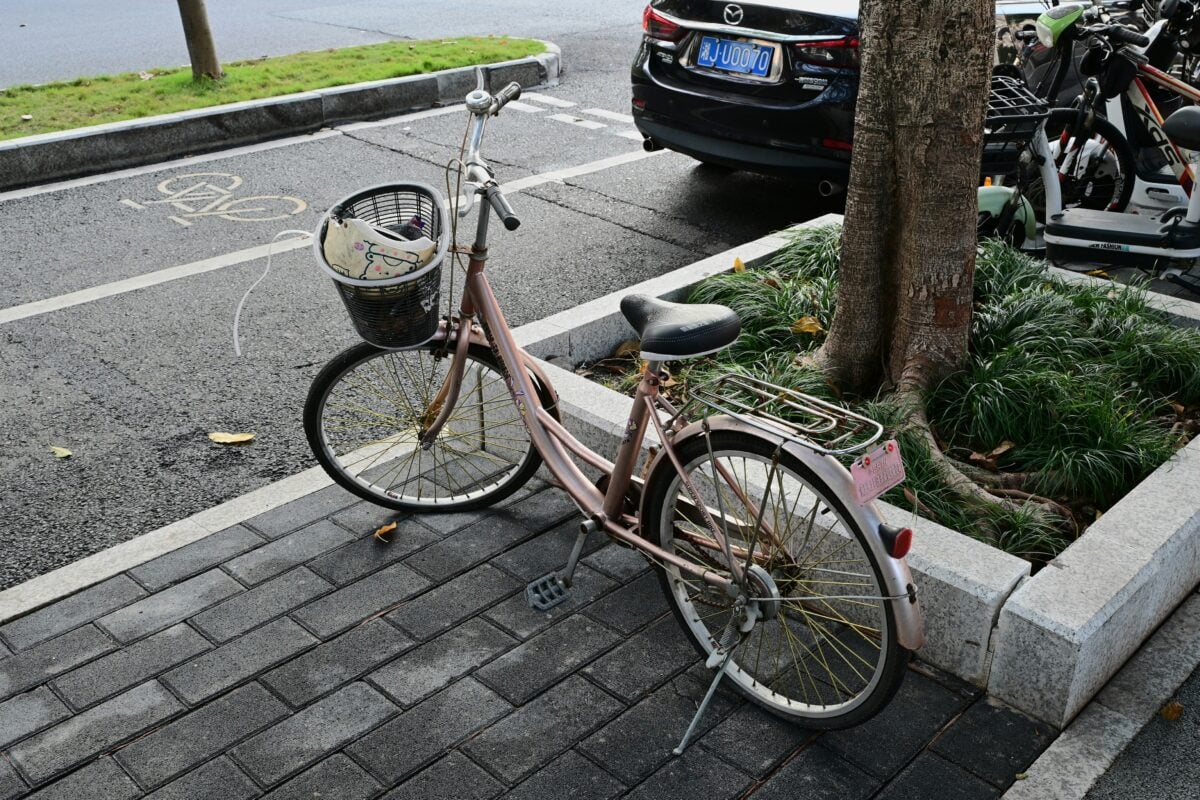
While BMX bikes dominated youth culture, the Fuji S-10S was converting American adults to road cycling during the 1970s bike boom. This Japanese import featured quality components at a reasonable price point, making serious cycling accessible beyond the racing elite.
The S-10S essentially made Fuji a household name in the United States after 1971. It proved that you didn’t need a European racing pedigree to build a legitimate performance bike.
The S-10S became a common sight on weekend group rides and commuter routes, helping establish cycling as mainstream adult recreation rather than just childhood transportation.
Schwinn Paramount
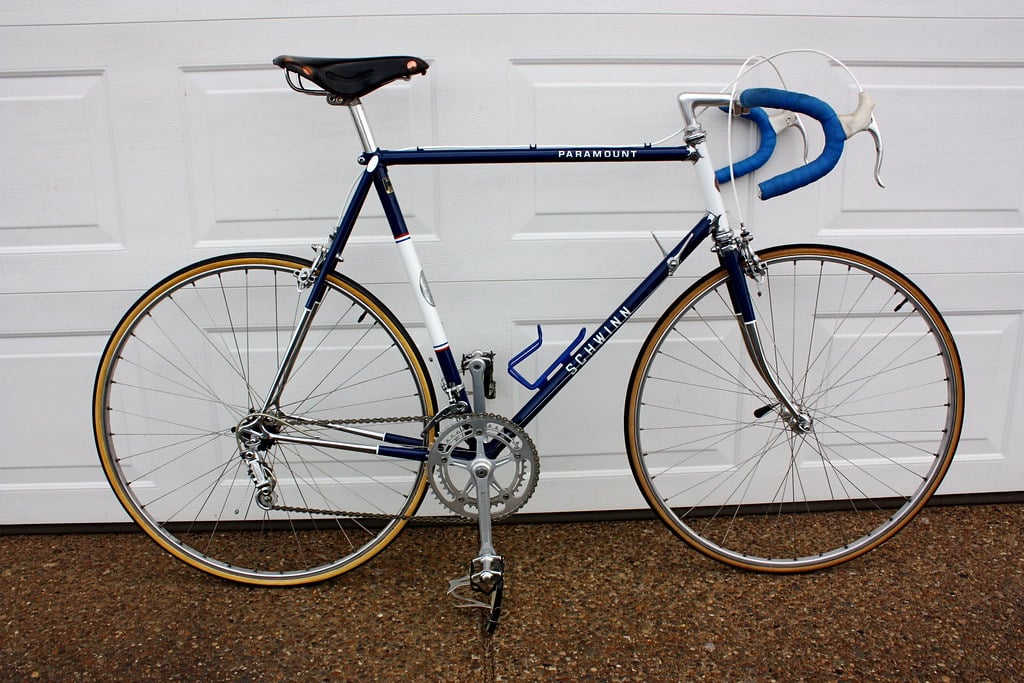
At the opposite end of the spectrum from the mass-market Varsity sat Schwinn’s crown jewel. The Paramount was designed for serious racing and dubbed the ‘king of the track’ when it debuted in the 1940s.
Hand-built with premium materials and components, the Paramount represented American bicycle craftsmanship at its finest. These bikes weren’t common on neighborhood streets—they were too expensive and specialized for casual riding.
But their presence in bike shops and racing circuits elevated cycling’s status and gave weekend warriors something to aspire toward. The Paramount proved American manufacturers could compete with European builders on quality and performance.
Breezer Mountain Bike
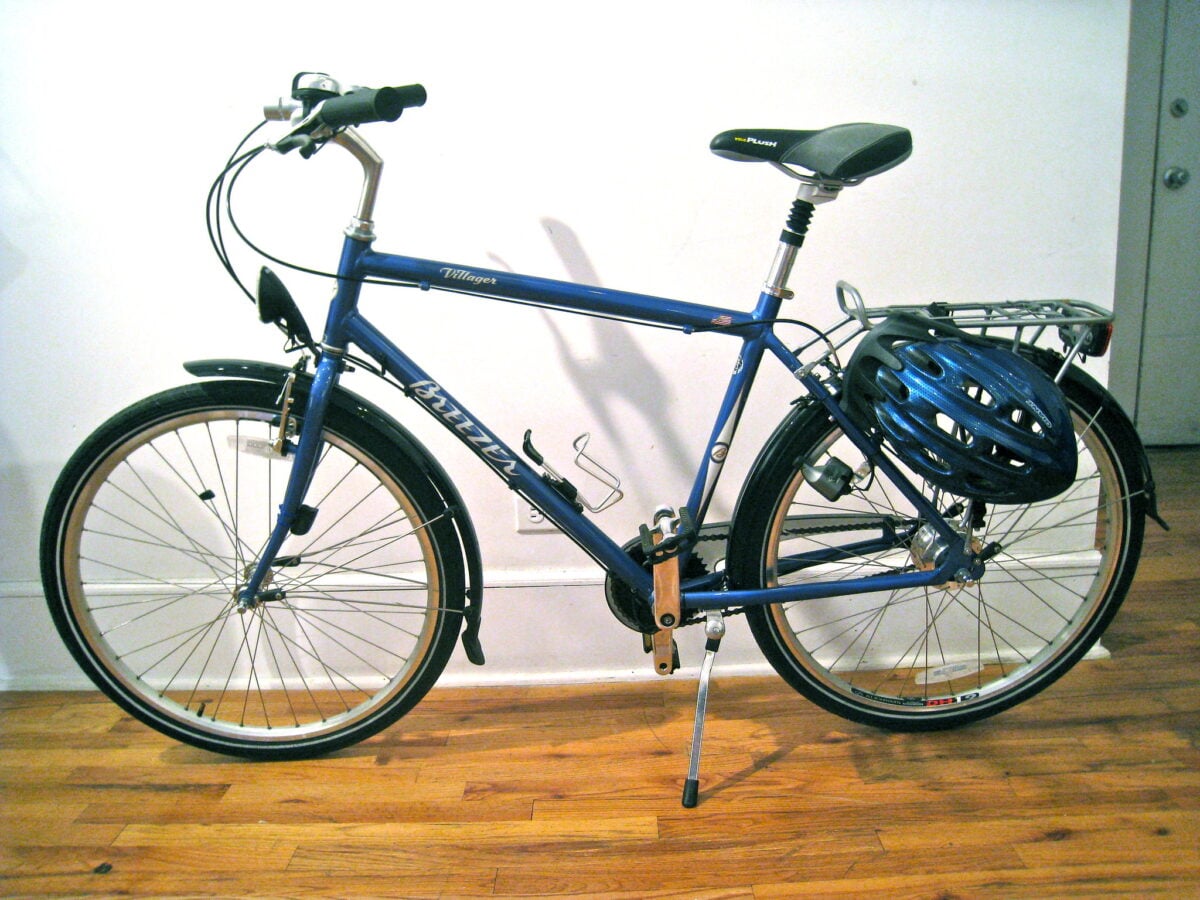
In 1977, Joe Breeze built the first purpose-made mountain bike, and cycling would never be the same. Before the Breezer, adventurous riders were modifying beach cruisers with wider tires and better brakes to tackle off-road terrain.
Breeze designed a bike specifically for mountain riding, with a stronger frame, proper geometry, and components that could handle rough trails. Only a few dozen original Breezers were built, but they sparked the mountain bike revolution that transformed the cycling industry.
Within a decade, mountain bikes would outsell traditional road bikes and open cycling to entirely new terrain and riders.
Bowden Spacelander
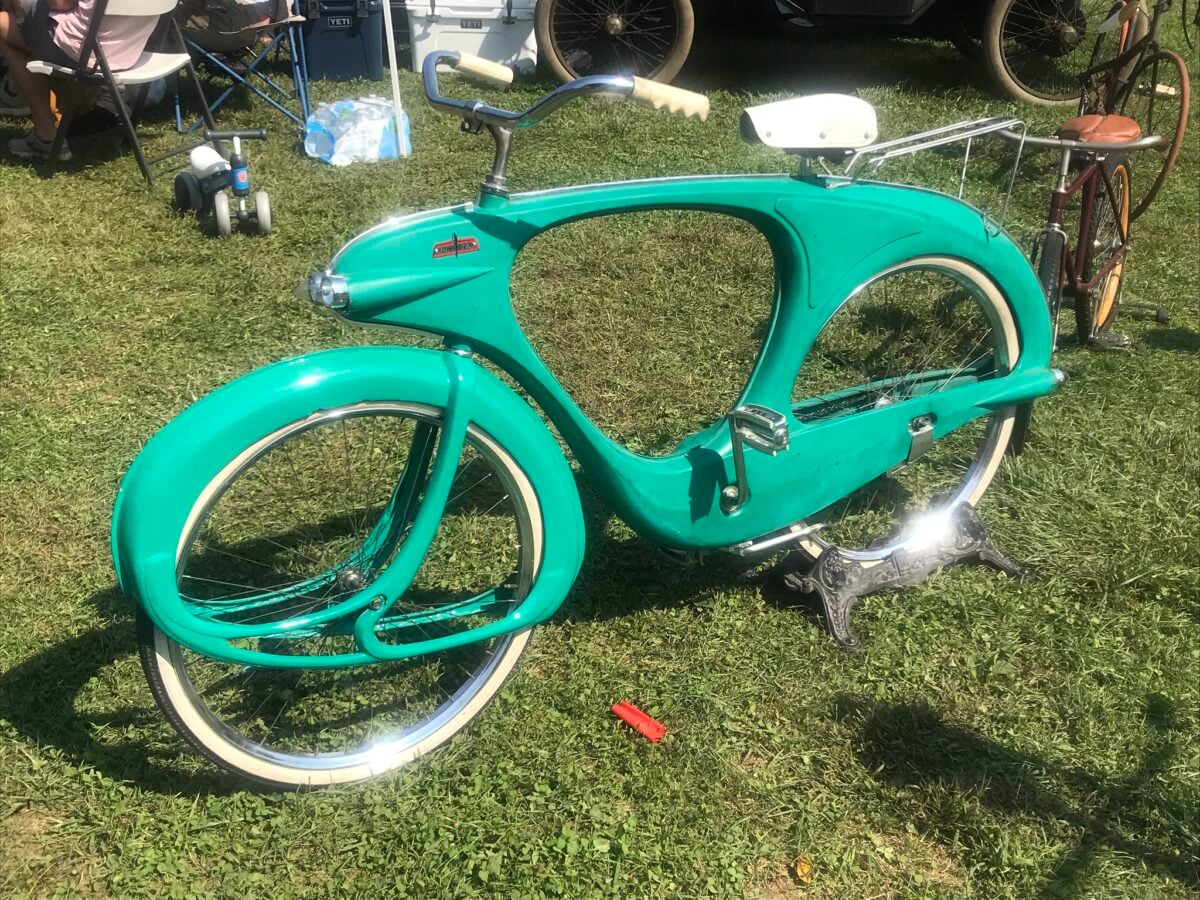
Not every classic bike succeeded commercially, but some achieved legendary status anyway. The Bowden Spacelander looked like it rolled straight out of a science fiction movie.
Designed by British engineer Benjamin Bowden in 1946 and finally produced in Michigan in 1960, the Spacelander featured a fiberglass body, fully enclosed drivetrain, and aerodynamic styling decades ahead of its time. Fewer than 600 were made before production stopped, making survivors incredibly rare.
Original Spacelanders have sold for $15,000 or more. The bike was too weird and expensive for 1960s consumers, but its futuristic design captured imaginations and inspired generations of bike designers who followed.
Two Wheels Forward
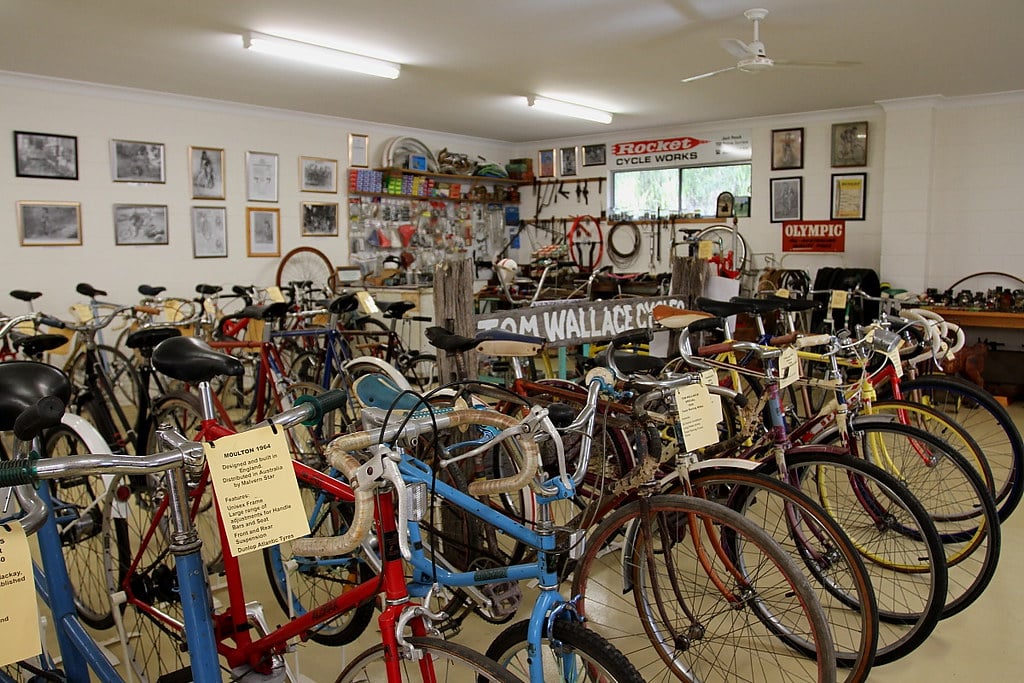
The bikes that ruled the streets didn’t just transport us—they shaped how we thought about cycling itself. They turned bikes from utilitarian tools into expressions of personality, from the rebellious cool of a Chopper to the serious performance of a Paramount.
Many of these classics are now experiencing renewed interest as adults seek to recapture childhood memories or appreciate the design innovations that seemed normal at the time but were actually revolutionary. Vintage bike collectors scour online marketplaces and garage sales hunting for original Sting-Rays and Krates, while companies like Schwinn and Raleigh have reissued modernized versions of their most iconic models.
These classic bikes proved that two wheels and some clever design could create cultural movements that lasted generations.
More from Go2Tutors!

- The Romanov Crown Jewels and Their Tragic Fate
- 13 Historical Mysteries That Science Still Can’t Solve
- Famous Hoaxes That Fooled the World for Years
- 15 Child Stars with Tragic Adult Lives
- 16 Famous Jewelry Pieces in History
Like Go2Tutors’s content? Follow us on MSN.