15 Facts About Durian and Its Strong Smell
If you’ve ever walked through Southeast Asia and suddenly hit a wall of smell that made you question your life choices, you probably encountered durian. This spiky fruit has a reputation that precedes it by several city blocks, and opinions about it split pretty much down the middle.
People either love it with a passion that borders on obsession, or they can’t get far enough away from it. The smell is legendary, but there’s way more to durian than just its ability to clear out elevators and hotel lobbies.
This fruit has been dividing people for centuries, and it’s not going anywhere anytime soon. Here is a list of 15 facts about durian that explain why this smelly fruit has such a devoted following.
The Smell Comes from Over 40 Chemical Compounds
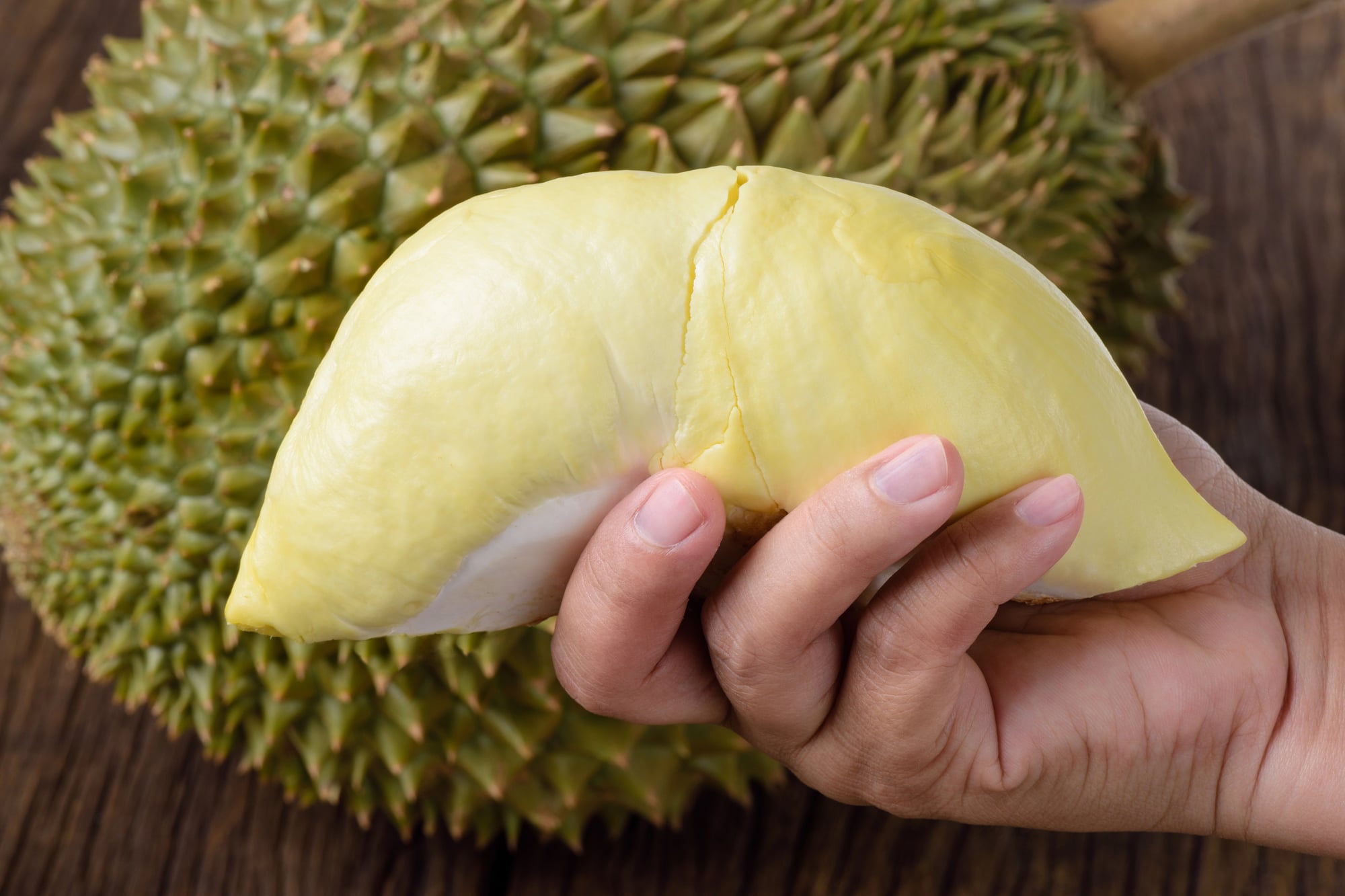
Scientists have identified more than 40 different chemical compounds that create durian’s signature aroma, including sulfur compounds that also show up in rotten eggs and onions. The combination is so complex that no artificial flavoring has ever successfully recreated it.
It’s like nature decided to throw every pungent ingredient into one fruit and see what happened.
It’s Banned in Many Public Places

Hotels, airlines, public transportation, and shopping malls across Southeast Asia commonly post ‘No Durian’ signs because the smell lingers for hours. Even after the fruit is gone, the odor can stick around in enclosed spaces for days.
Some places treat durian like other people treat pets – you just can’t bring them inside.
People Describe the Taste Completely Differently Than the Smell
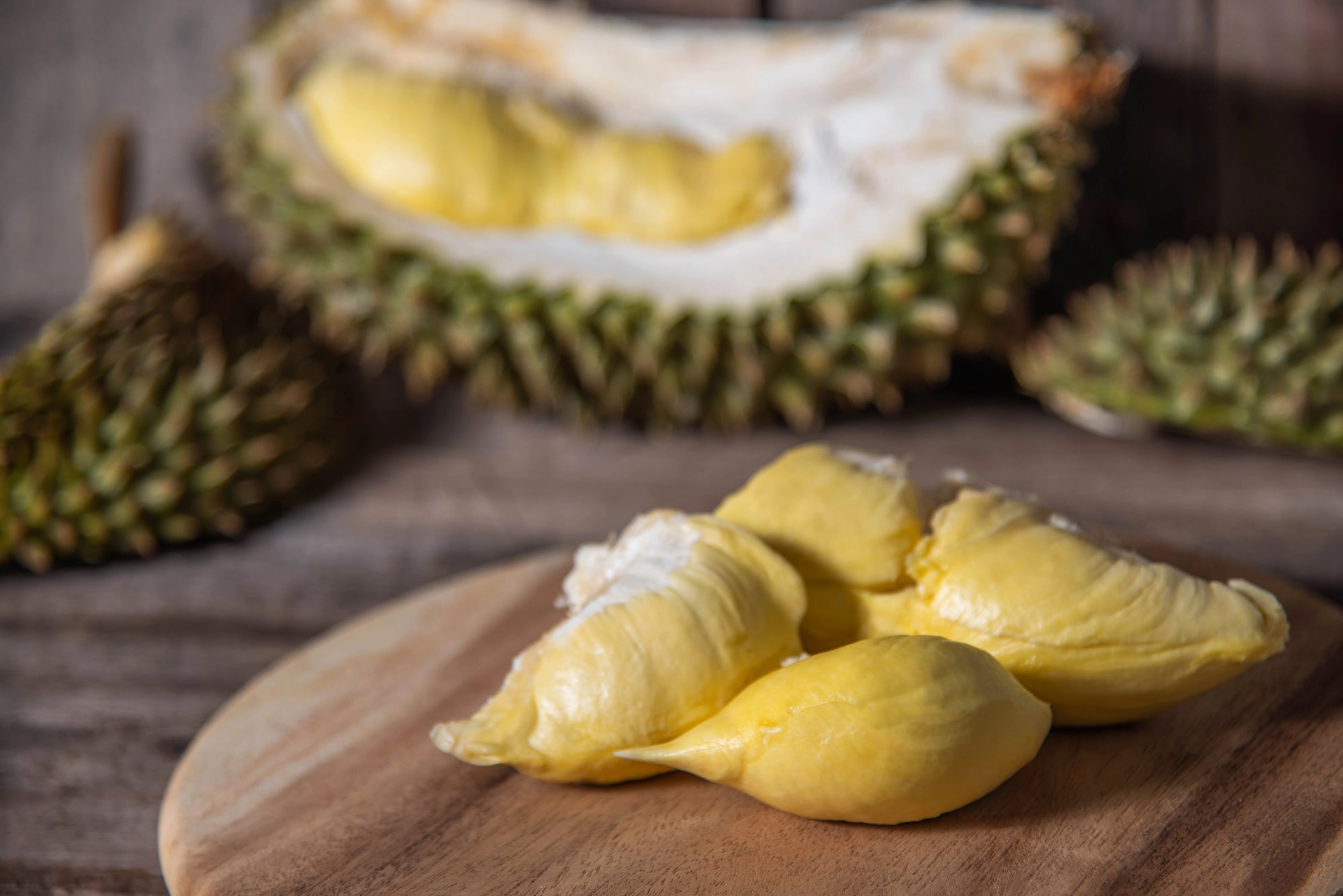
While the smell gets compared to garbage, gym socks, and worse, people who love durian describe the taste as sweet, custard-like, and almost addictive. The contrast between smell and taste is so dramatic that first-time eaters often can’t believe they’re experiencing the same fruit.
It’s like the ultimate case of not judging a book by its cover.
There Are Over 300 Varieties

Most people think all durians are the same, but there are actually hundreds of different varieties with distinct flavors, textures, and even smell intensities. Some varieties are sweet, others are bitter, and a few are considered mild enough for beginners.
Thai durians tend to be sweeter, while Malaysian varieties often pack more intense flavors.
It’s Called the King of Fruits

Throughout Southeast Asia, durian holds the official title of ‘King of Fruits’ because of its size, distinctive appearance, and cultural importance. The crown-like spikes and commanding presence make the nickname pretty fitting.
In many countries, durian season is a legitimate cultural event that people plan their schedules around.
The Spikes Are Actually Protective Armor

Those intimidating spikes aren’t just for show – they protect the fruit from animals until it’s ripe enough to fall naturally from the tree. Once ripe, the fruit drops to the ground and splits open, releasing its smell to attract animals that will eat it and spread the seeds.
The spikes also protect humans from getting bonked on the head by falling durians, which can weigh up to 7 pounds.
Durian Trees Can Live for 150 Years
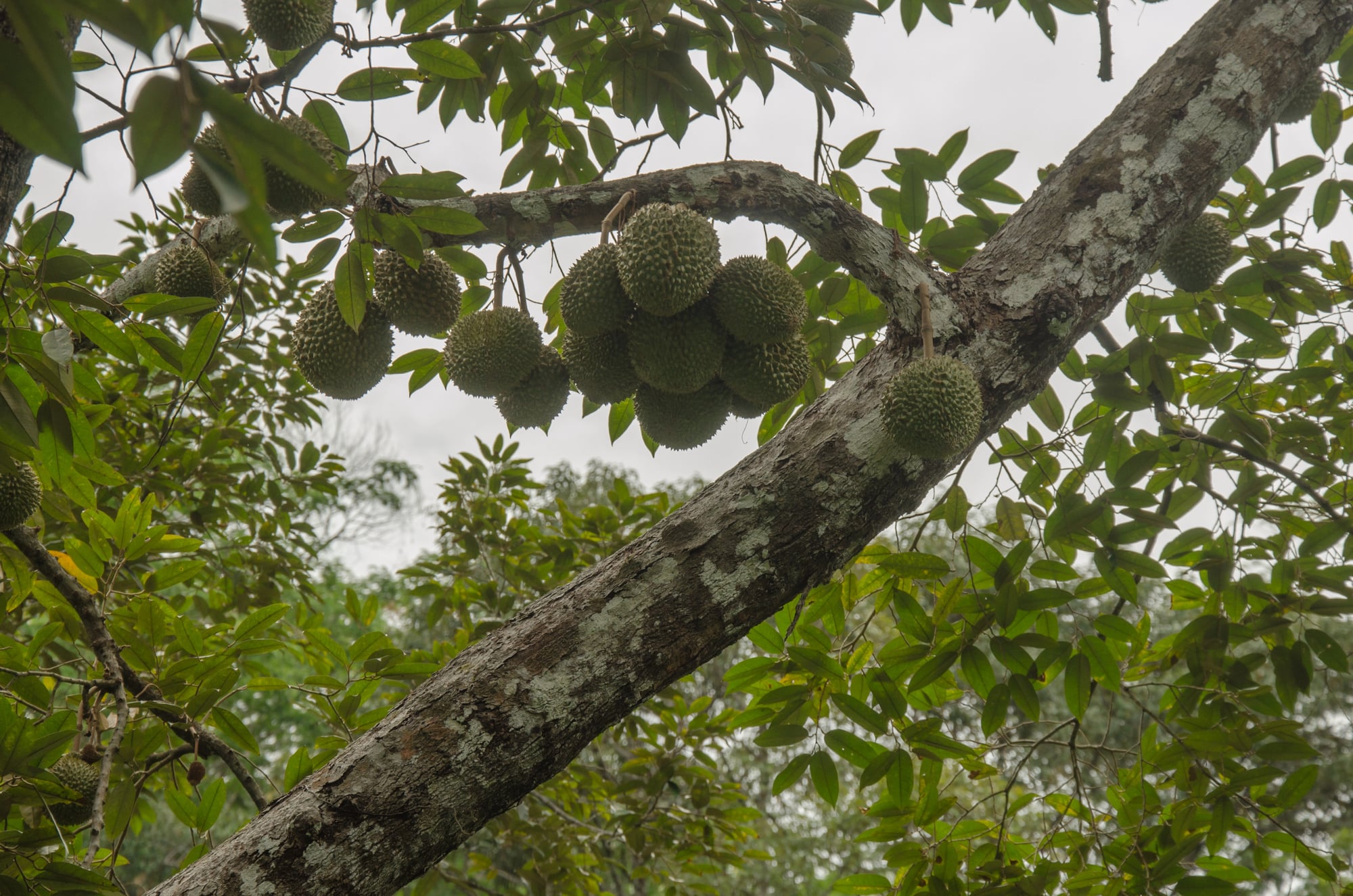
These massive tropical trees can produce fruit for over a century, with some specimens living well beyond 150 years while still bearing fruit. A single mature tree can yield 50-100 durians per season, making them incredibly valuable long-term investments for farmers.
Some durian trees become family heirlooms passed down through generations.
It’s Packed with Nutrients

Despite its reputation for being weird, durian is loaded with vitamin C, potassium, healthy fats, and fiber. One serving contains more vitamin C than most citrus fruits and enough potassium to rival bananas.
The creamy texture comes from healthy monounsaturated fats similar to what you’d find in avocados.
The Smell Gets Stronger As It Ripens
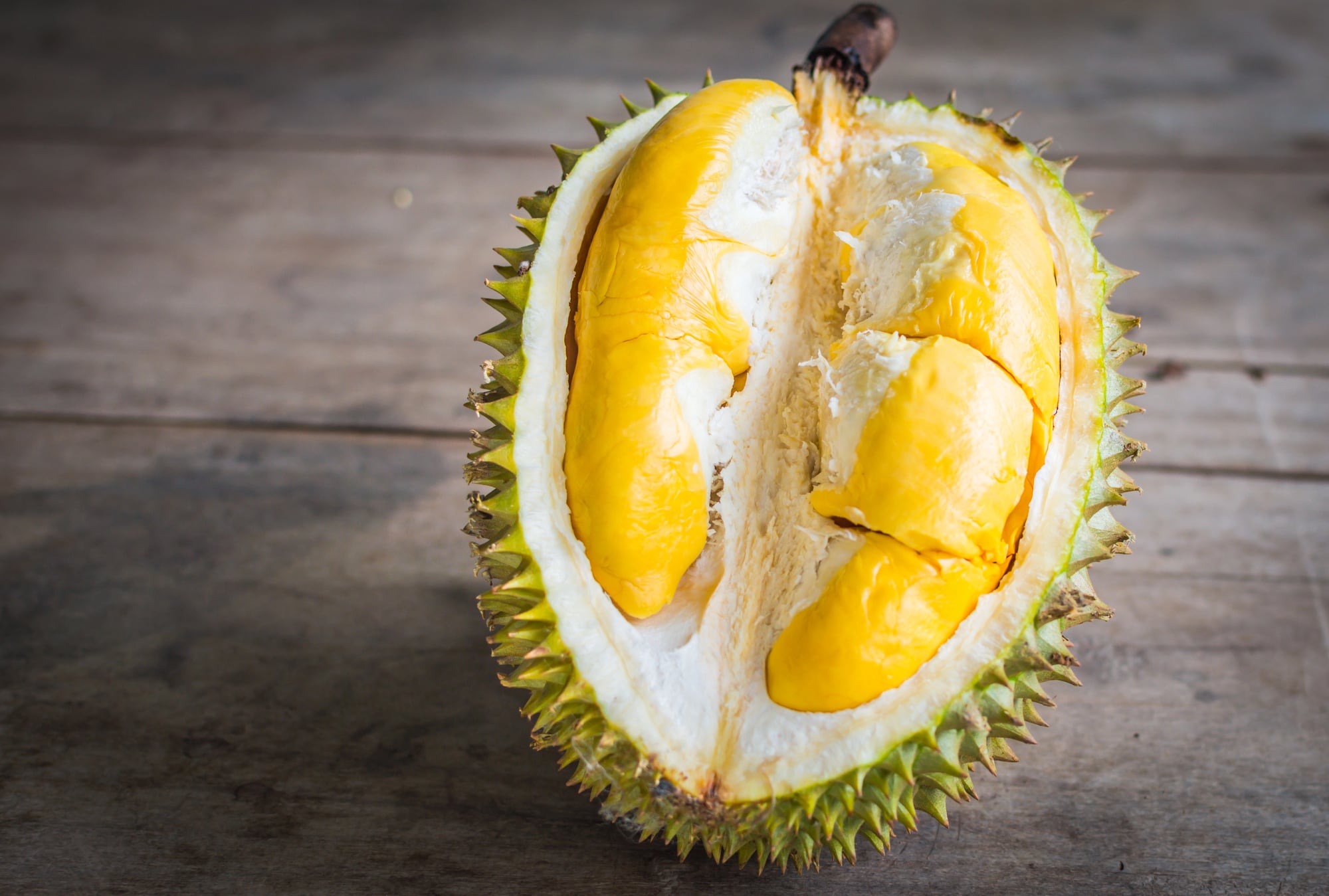
Fresh durian that’s not fully ripe has a much milder smell, but as it ripens, the chemical compounds intensify dramatically. This is why durian vendors can tell exactly when a fruit is ready just by smelling it from several feet away.
The progression from mild to overwhelming happens pretty quickly once the ripening process starts.
It’s Traditionally Eaten with Your Hands

The proper way to eat durian involves pulling apart the natural segments with your hands and scooping out the custard-like flesh around the large seeds. Using utensils is considered unnecessary since the fruit naturally divides into portions.
Most experienced durian eaters develop their own technique for extracting the flesh without getting their hands too messy.
Alcohol and Durian Don’t Mix

Traditional belief in many Asian cultures warns against combining durian with alcohol because it can cause digestive problems or worse. While scientists debate whether this is actually dangerous, most locals take the warning seriously.
Many durian enthusiasts avoid drinking anything alcoholic on durian eating days just to be safe.
It Can Cost More Than Steak

Premium durian varieties can sell for $50-100 per fruit, making them more expensive per pound than high-end beef. The most prized varieties from specific regions or farms command prices that would make most people think twice.
Durian auctions in places like Thailand can get pretty intense, with buyers competing for the best specimens.
The Trees Only Fruit Twice a Year

Durian trees typically produce fruit during two distinct seasons, which makes fresh durian a seasonal treat rather than a year-round option. The timing varies by location, but each season lasts only a few months before ending abruptly.
This scarcity is part of what makes durian so special to people who love it.
Animals Love It Despite the Smell
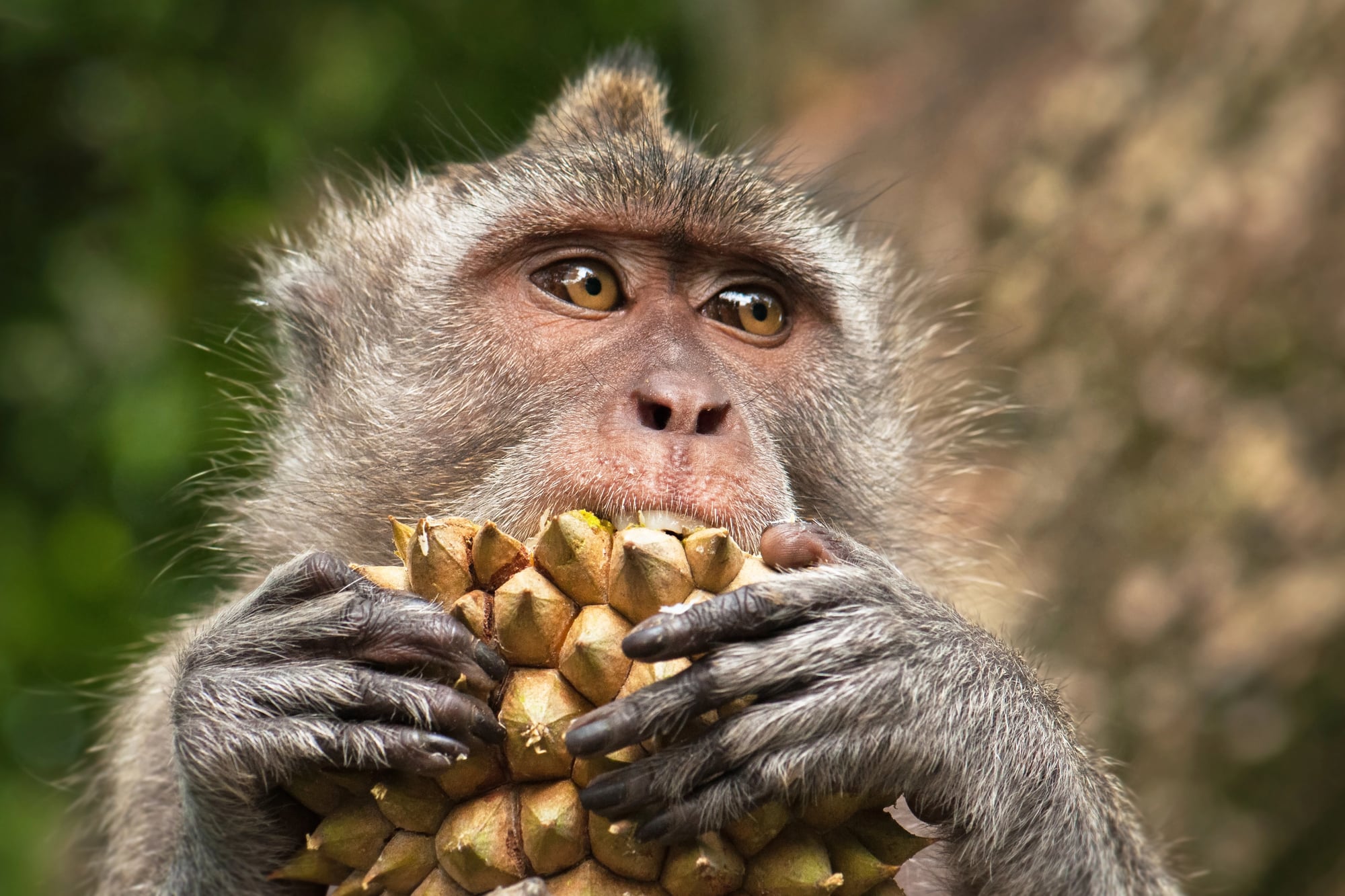
Wild animals including elephants, tigers, and various primates actively seek out ripe durians and seem completely unbothered by the smell that repels many humans. The fruit evolved to attract these animals as seed dispersers, which suggests that humans might be the weird ones for finding the smell offensive.
Some zoos use durian as enrichment treats for animals that would encounter it in the wild.
You Can Tell Quality by Sound

Experienced durian buyers shake the fruit and listen for the sound of the flesh moving around inside the shell. A good durian should make a subtle thudding sound when shaken gently, indicating the flesh has separated from the shell.
Fruits that don’t make any sound are usually either under-ripe or past their prime.
The Ultimate Love-It-or-Hate-It Food
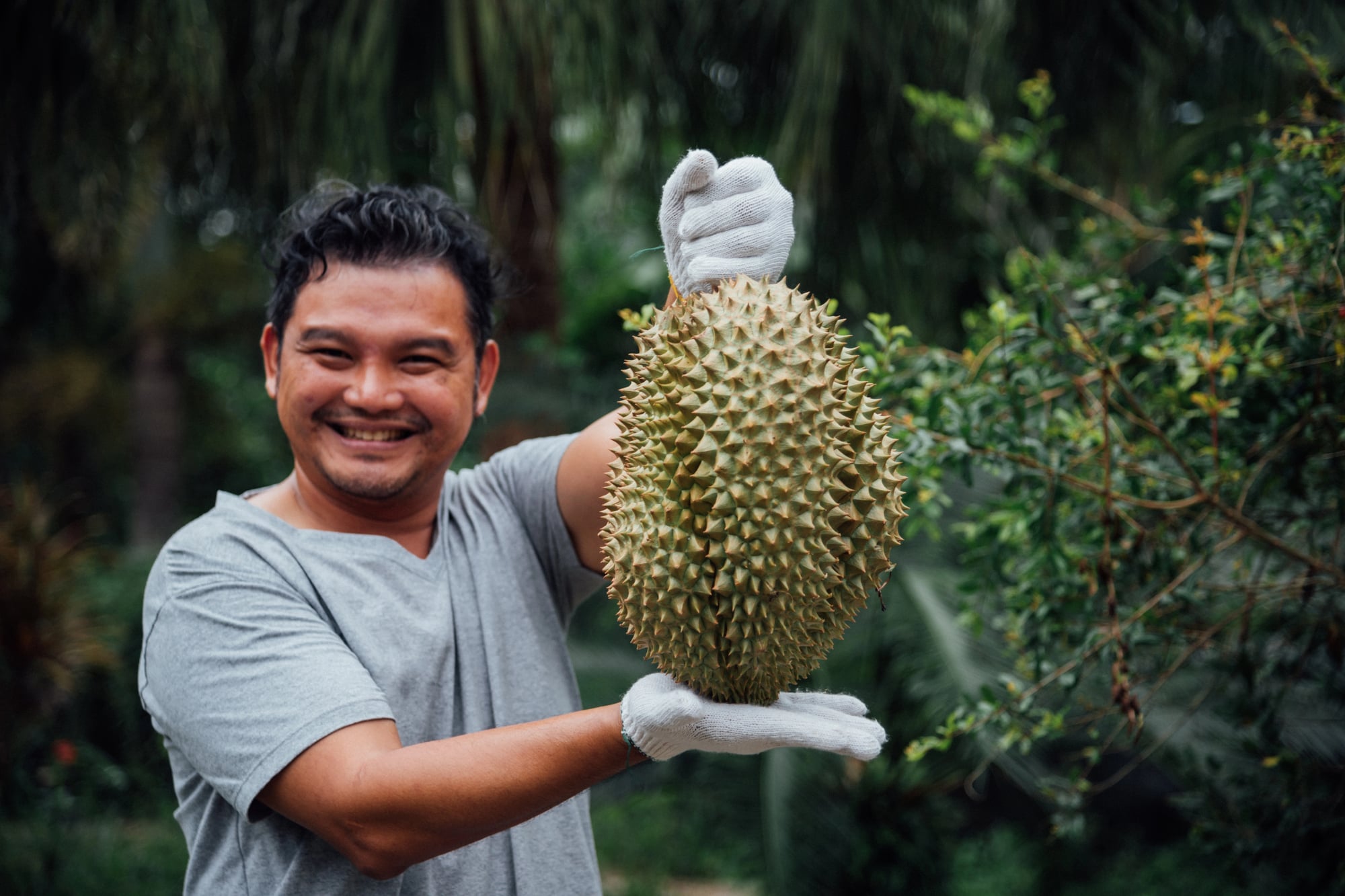
Few foods divide people as completely as durian does, creating a cultural split that crosses all demographic lines and has persisted for generations. What started as a regional Southeast Asian specialty has become a global phenomenon that continues to baffle newcomers while creating devoted fans who plan entire trips around durian season.
The fruit’s ability to simultaneously repel and attract people makes it one of nature’s most polarizing creations, proving that sometimes the things that challenge us the most end up being the most memorable. Whether you love it or hate it, durian definitely leaves an impression that’s impossible to forget.
More from Go2Tutors!

- The Romanov Crown Jewels and Their Tragic Fate
- 13 Historical Mysteries That Science Still Can’t Solve
- Famous Hoaxes That Fooled the World for Years
- 15 Child Stars with Tragic Adult Lives
- 16 Famous Jewelry Pieces in History
Like Go2Tutors’s content? Follow us on MSN.