World’s Best Cities for Art and Culture
There’s something almost intoxicating about stepping off a plane in a city where creativity seems to pour from every corner. The museums, the galleries tucked into narrow alleyways, the street art that transforms concrete walls into canvases — these places pulse with an energy that feels both ancient and immediate.
Art cities don’t just house culture; they breathe it, argue with it, and constantly reinvent it.
Some destinations have spent centuries perfecting their cultural offerings, while others have emerged as unexpected powerhouses, surprising visitors with their depth and innovation. What makes a city truly great for art and culture isn’t just the number of museums it holds or the fame of its collections — it’s how seamlessly creativity weaves through daily life, how accessible that culture feels, and how it manages to honor its past while embracing what comes next.
Paris
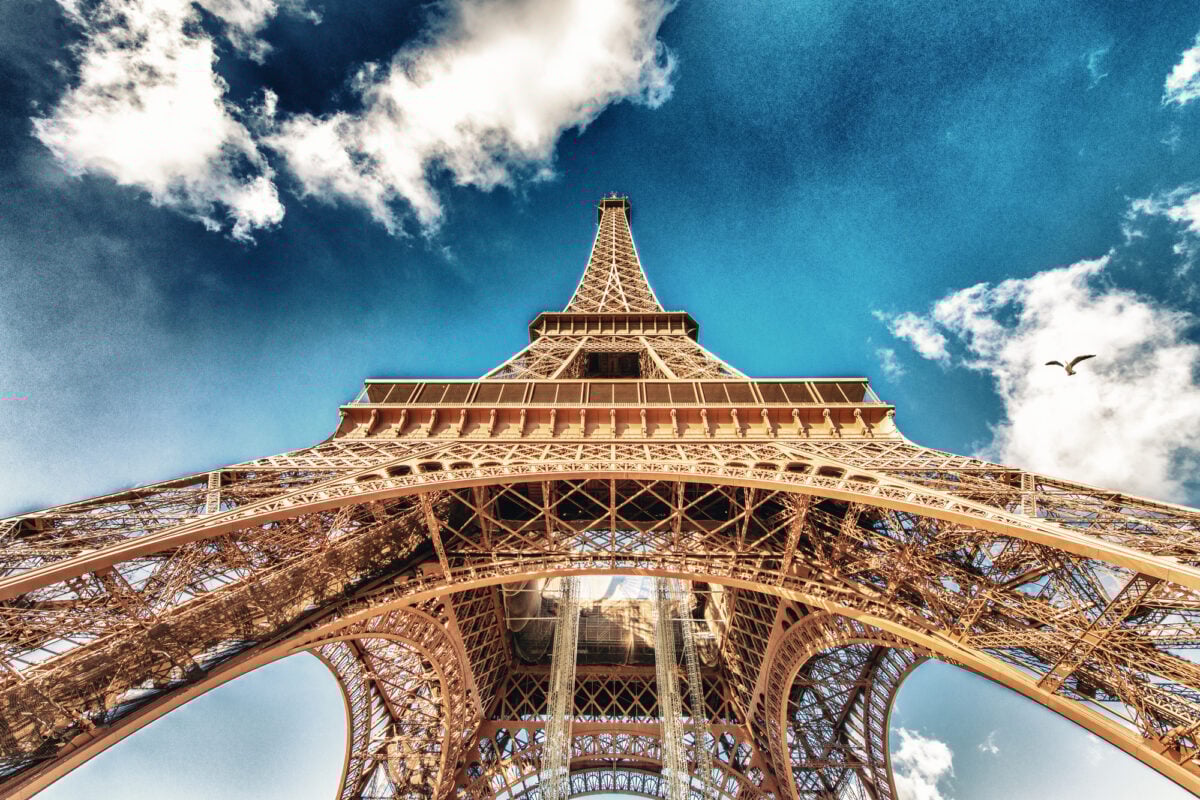
Art doesn’t get more iconic than Paris. The Louvre alone could occupy weeks, but that’s just the beginning.
The city spreads its cultural wealth across arrondissements like breadcrumbs leading to constant discovery.
Montmartre still carries the ghosts of Picasso and Renoir in its winding streets. The Musée d’Orsay houses the world’s finest collection of Impressionist works.
And the contemporary scene thrives in spaces like the Palais de Tokyo, where experimental art pushes boundaries in ways that would make the old masters proud.
Florence
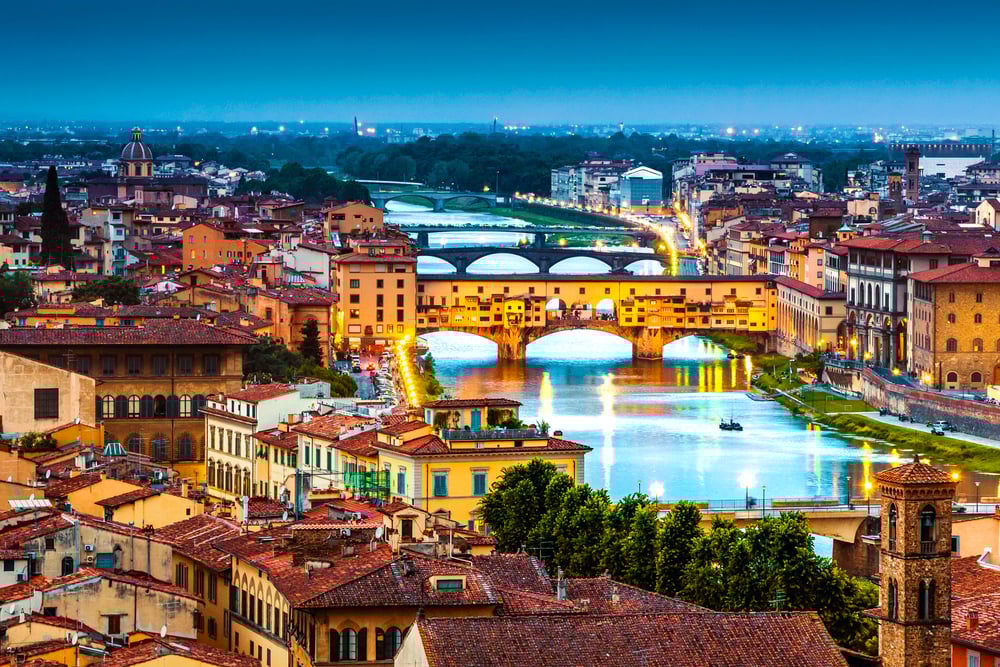
Walking through Florence feels like stepping inside a Renaissance painting that refuses to stay still. Every palazzo corner, every bridge crossing the Arno, every chapel tucked between gelato shops — the city doesn’t separate art from life because (and here’s the thing most people miss when they’re rushing between the Uffizi and the Accademia) it was built by people who couldn’t imagine doing anything else.
Michelangelo’s David stands in his marble perfection, but the real magic happens when you catch the late afternoon light hitting the Duomo’s facade just right, or when you stumble into Santa Croce and find Giotto’s frescoes waiting there like old friends. The Renaissance didn’t happen here by accident — it happened because the entire city became a canvas.
New York City
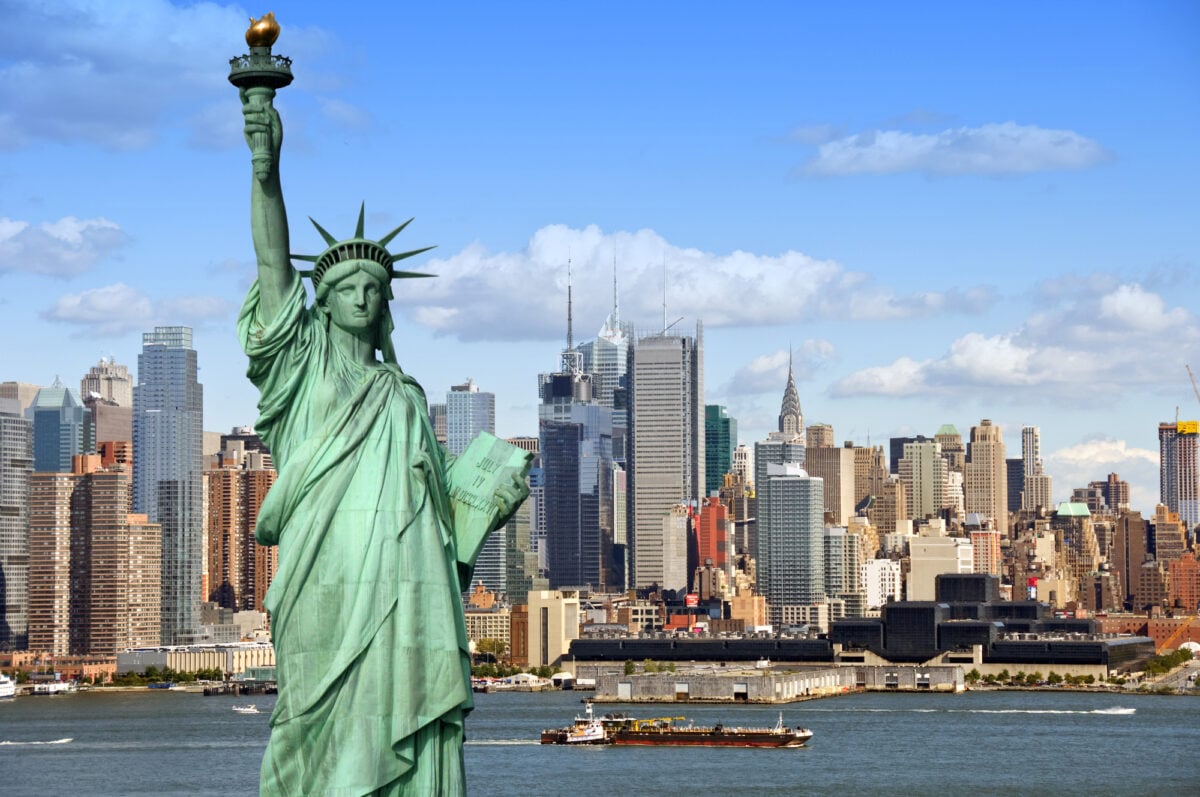
Museums here are democratic in the way only New York can manage them. The Met spreads across Fifth Avenue like a small country, housing everything from Egyptian temples to contemporary installations that were controversial last week.
But the real cultural pulse lives in neighborhoods. Chelsea galleries rotate fresh work monthly.
The Lower East Side nurtures emerging artists who can’t afford SoHo rents yet.
And Lincoln Center anchors performing arts with the kind of programming that sets global standards.
Street art thrives in Brooklyn. Broadway runs eight shows a night.
The city never stops creating because it never stops changing.
Rome
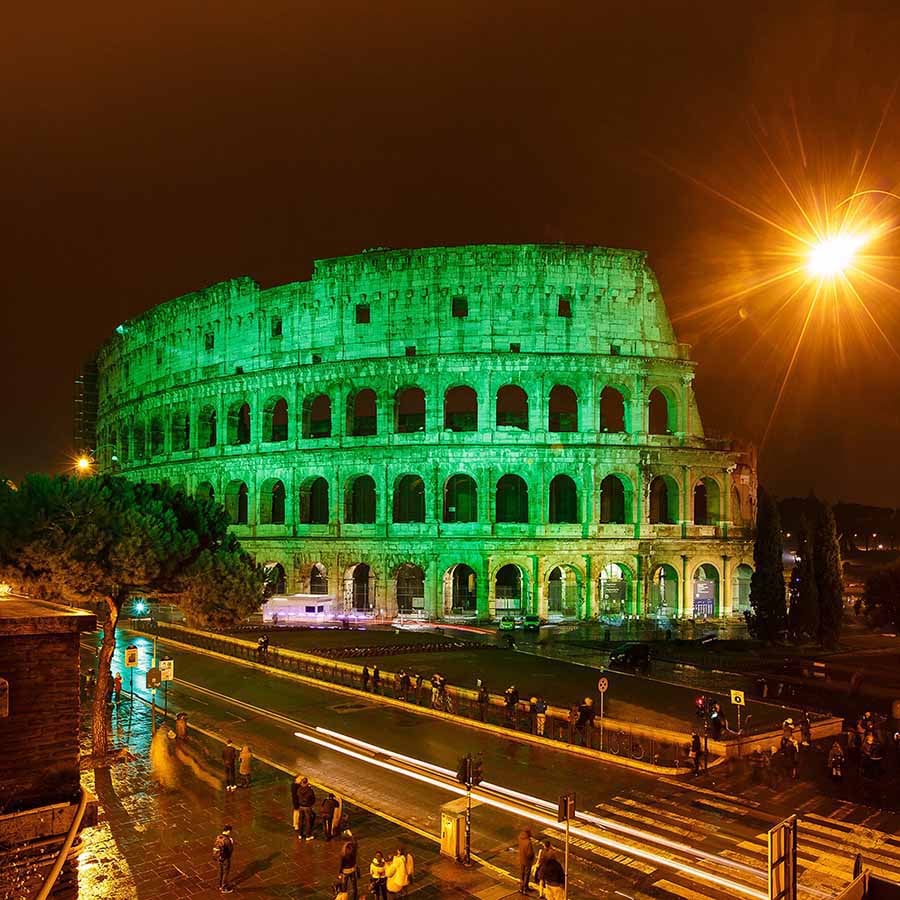
Rome corrects you gently about what constitutes old. Stand in the Pantheon — still the world’s largest unreinforced concrete dome after two millennia — and modern architecture suddenly seems like a recent experiment that hasn’t proven itself yet.
The Vatican Museums overwhelm by design, but smaller treasures hide throughout the city. Caravaggio’s paintings glow in dimly lit churches where you drop coins for lighting.
The Capitoline Museums offer quieter contemplation of classical sculpture that influenced every art movement since.
Ancient Roman engineering still functions. Aqueducts still carry water.
The city treats its cultural inheritance not as museum pieces but as living infrastructure.
Tokyo
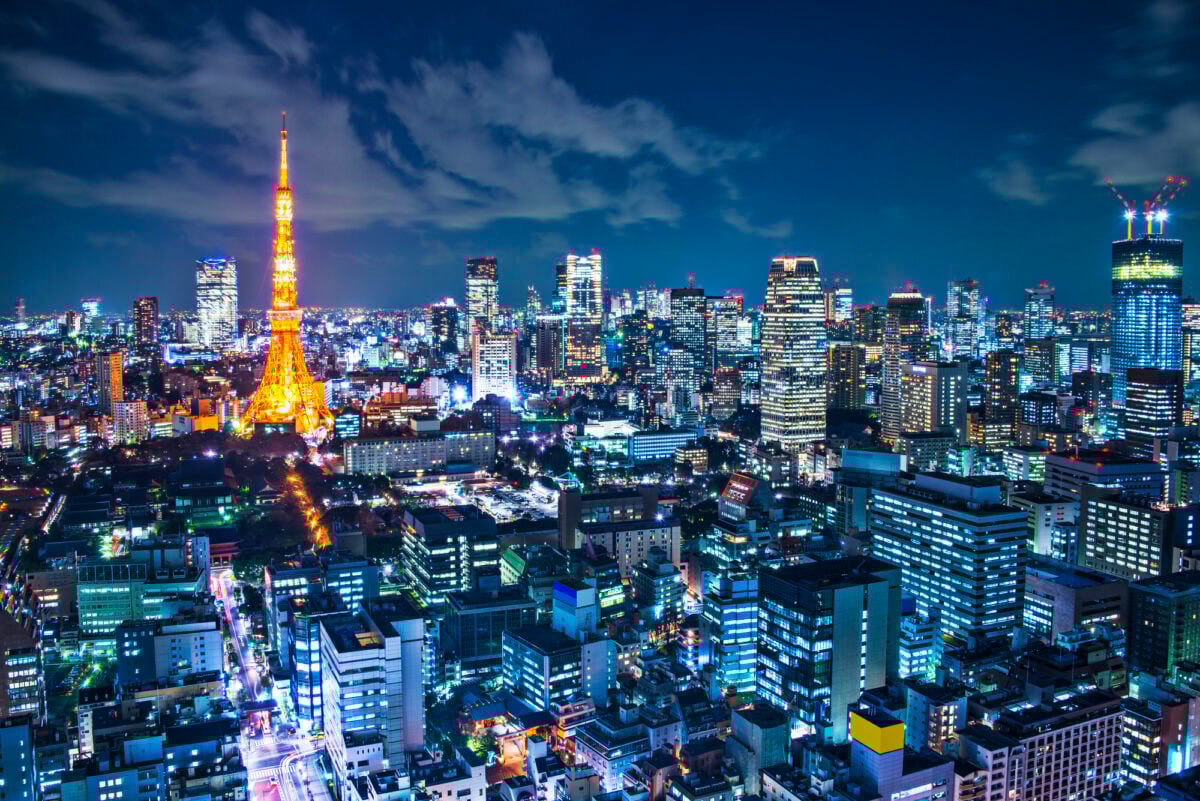
Art in Tokyo moves at two speeds simultaneously: the meditative pace of traditional tea ceremony and the strobe-light flash of digital innovation. Walk through the city and the contrasts don’t jar — they dance together with a precision that feels almost choreographed.
Ancient temples sit comfortably beside galleries showcasing video art that hasn’t been invented yet, and somehow both feel entirely natural in the same afternoon. The Tokyo National Museum houses samurai swords and delicate ceramics that represent centuries of refined craft, while districts like Harajuku celebrate pop culture as art form, treating fashion and street style as serious creative expressions.
Museums here don’t just display culture; they participate in creating it.
London
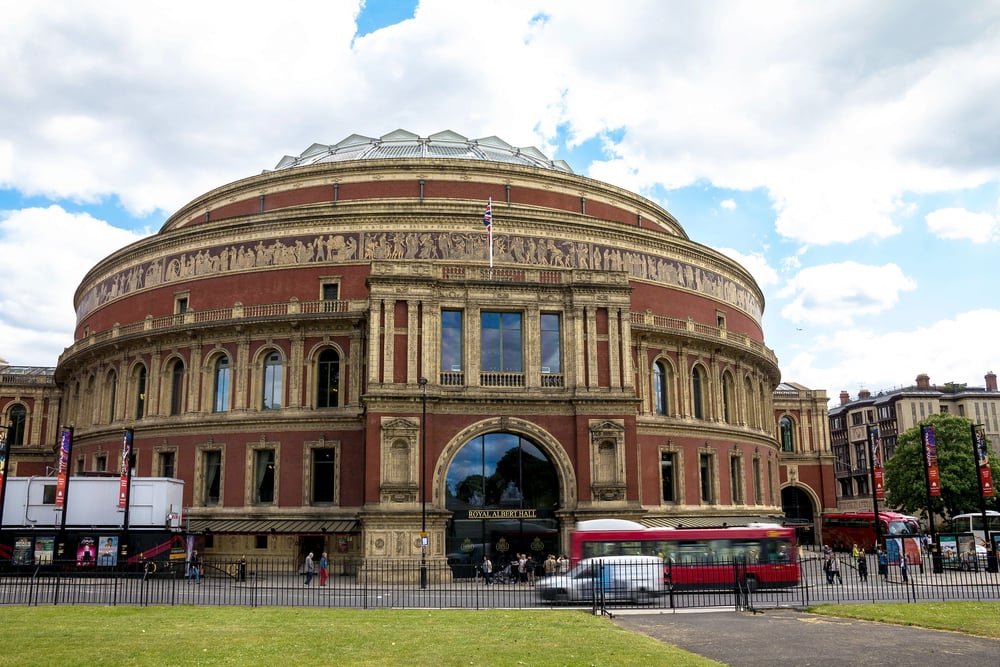
The British Museum holds treasures from civilizations that no longer exist. The Tate Modern transforms industrial architecture into spaces where contemporary art feels at home.
The National Gallery houses works that defined Western painting.
But London’s cultural strength runs deeper than its institutions. The West End produces theater that travels worldwide.
Neighborhoods like Shoreditch nurture street art that influences global trends. And the city’s pub culture creates informal spaces where creative conversations happen naturally.
Free admission to major museums removes barriers other cities maintain. Culture becomes accessible rather than exclusive.
Berlin
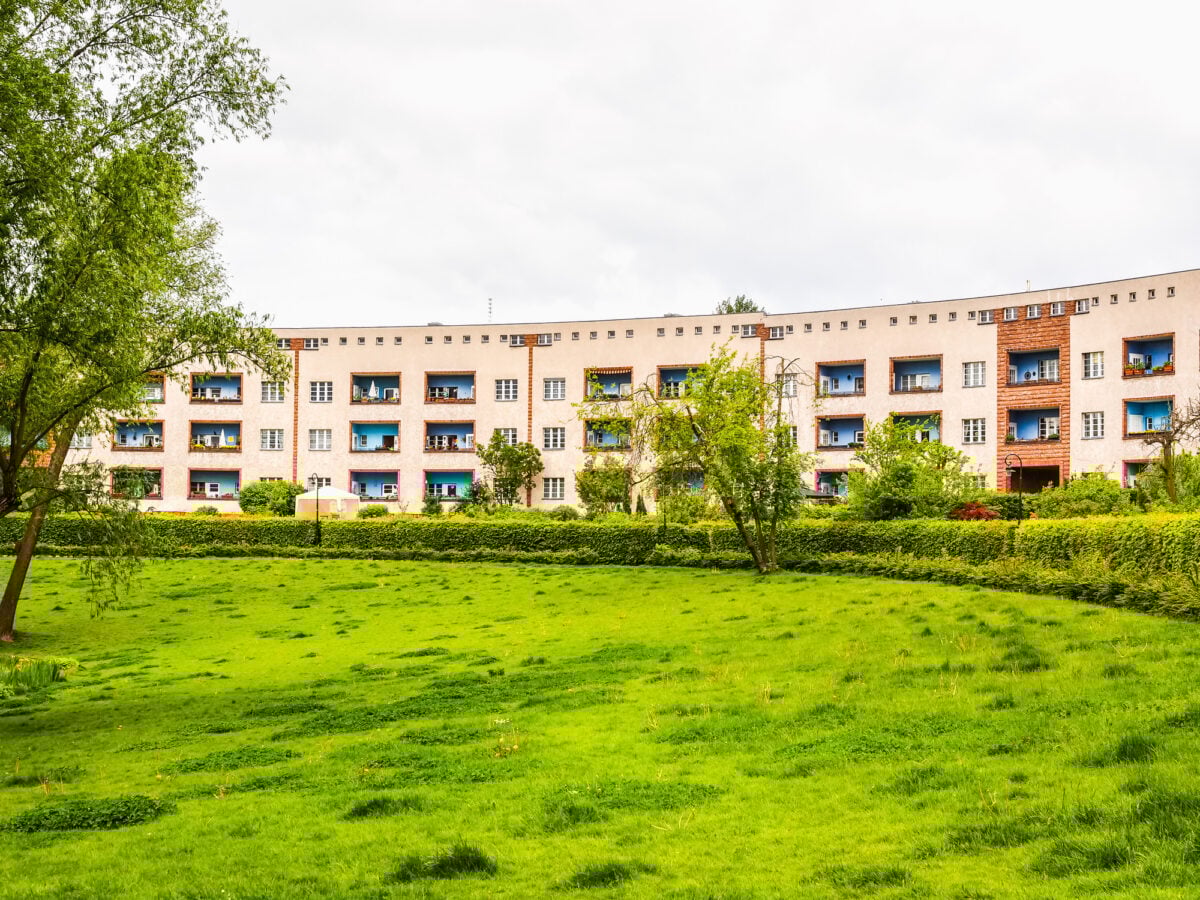
Berlin treats its complicated history as raw material for art rather than something to overcome. The city’s creative energy feeds directly from its past struggles and present freedoms.
Museums on Museum Island house classical antiquities and Byzantine art. But the real cultural pulse beats in converted warehouses, abandoned buildings turned gallery spaces, and neighborhoods where artists can still afford rent.
The Berlin Wall becomes public canvas. Techno music emerges from bunkers and industrial spaces. The city creates new culture from the ruins of old conflicts.
Vienna
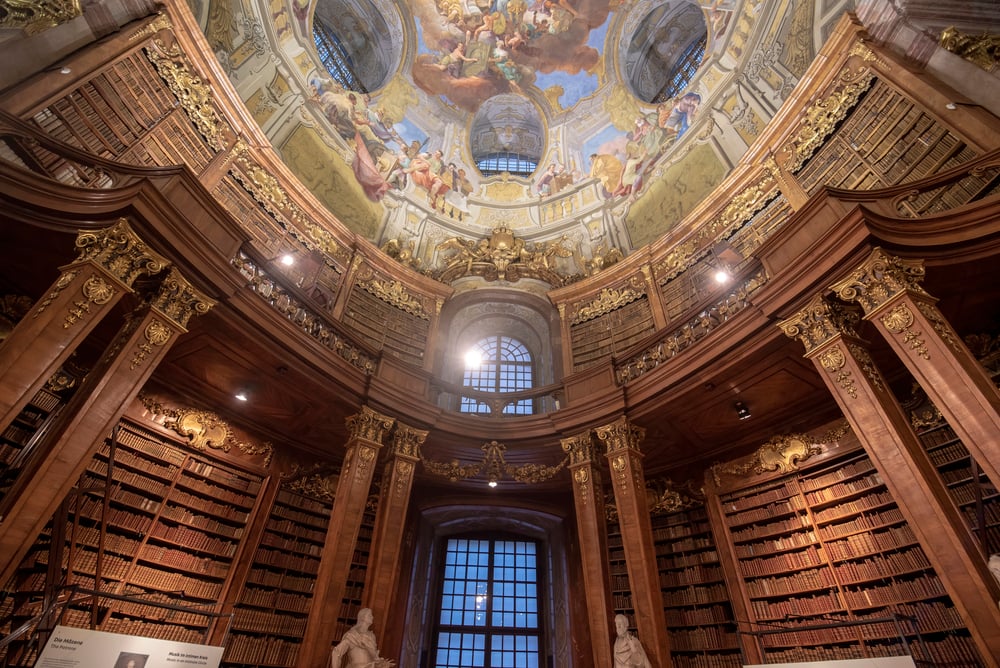
Vienna approaches culture like a master craftsman approaching a centuries-old trade — with patience, precision, and an understanding that some things improve when they’re allowed to develop slowly, without rushing. The city’s coffeehouses have hosted intellectual conversations for three hundred years, and they still serve the same purpose today, just with different newspapers and occasionally a laptop where a handwritten manuscript used to sit.
Museums here feel like extensions of the city’s living rooms: the Kunsthistorisches Museum displays Habsburg treasures with the kind of casual elegance that suggests these paintings and sculptures have always belonged exactly where they are. And the opera house — well, the opera house treats performance as a civic responsibility rather than entertainment, which explains why tickets remain affordable and why half the city seems to know the difference between a good tenor and a great one.
Amsterdam
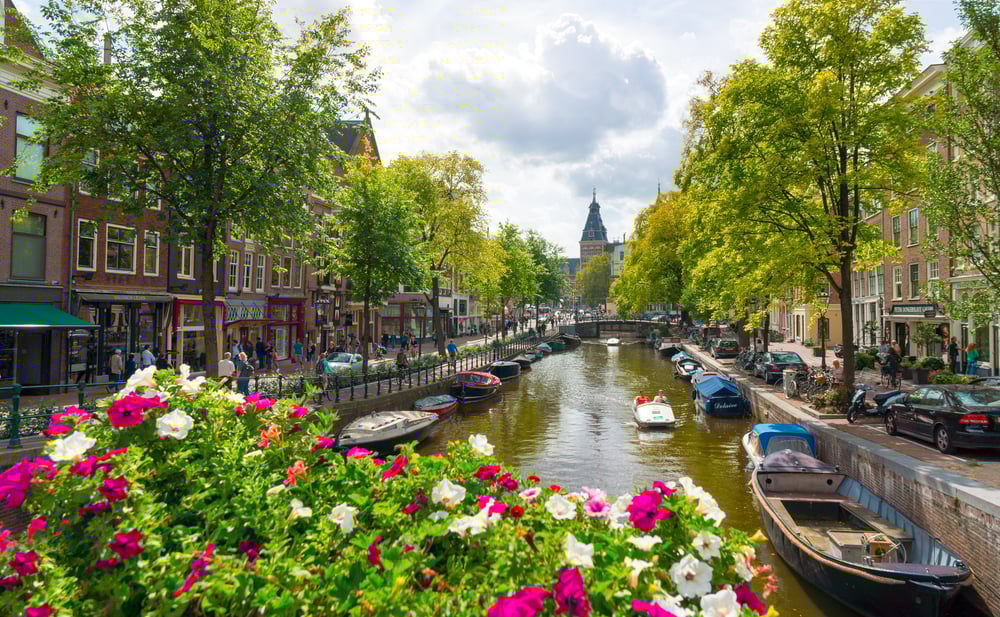
Amsterdam packs remarkable cultural density into a city you can bicycle across in thirty minutes. The Rijksmuseum and Van Gogh Museum anchor world-class collections, while the Anne Frank House provides historical context that resonates far beyond art history.
But the city’s creative spirit lives in its approach to daily life.
Houseboats become artist studios. Historic canal houses transform into intimate concert venues.
And the city’s tolerance for experimentation creates space for cultural forms that might struggle elsewhere.
Museums here feel integrated into neighborhood life rather than separated from it. Culture happens at street level.
St. Petersburg

The Hermitage Museum contains three million works of art spread across palatial rooms that were designed to overwhelm visitors with imperial grandeur — and it succeeds, though probably not in the way the tsars intended.
Russian ballet and opera maintain standards that influence global performance. The Mariinsky Theatre produces work that other companies study and attempt to replicate.
Classical music venues throughout the city treat performances as cultural necessities rather than entertainment luxuries.
Architecture itself becomes art form. Building facades tell stories of imperial ambition, Soviet ideology, and contemporary adaptation.
Barcelona

Gaudí’s architectural fantasies transformed Barcelona into a city where buildings dream out loud. The Sagrada Família continues construction according to designs that push engineering and artistry into territories that still seem impossible, even while watching workers install stones that won’t complete their intended patterns for another decade.
Park Güell sprawls across hillsides like a playground designed by someone who understood that adults need wonder as much as children do, maybe more. But Barcelona’s cultural energy doesn’t stop with its most famous architect — Picasso’s early years live on in the museum dedicated to his Blue Period, while contemporary artists fill galleries in the Gothic Quarter with work that responds to centuries of creative precedent.
The city treats art as conversation rather than monument, something that grows and changes rather than something that gets preserved behind velvet ropes.
Istanbul
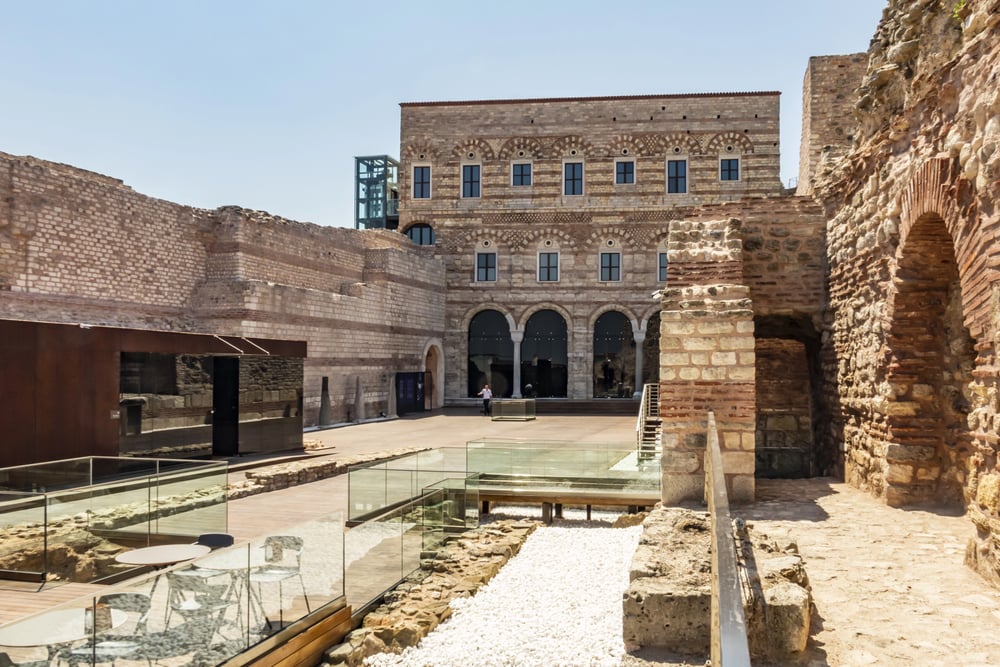
Two continents meet in Istanbul, and so do artistic traditions that spent centuries developing separately before discovering they had more in common than anyone expected.
Byzantine mosaics in Hagia Sophia share space with Islamic calligraphy that transforms Arabic script into visual poetry. The Grand Bazaar continues craft traditions that connect contemporary artisans directly to medieval guilds.
And modern Turkish artists work in galleries that bridge European and Middle Eastern aesthetic approaches.
The city’s position creates cultural possibilities that exist nowhere else. Art forms merge and separate and merge again in ways that feel both ancient and experimental.
Mexico City
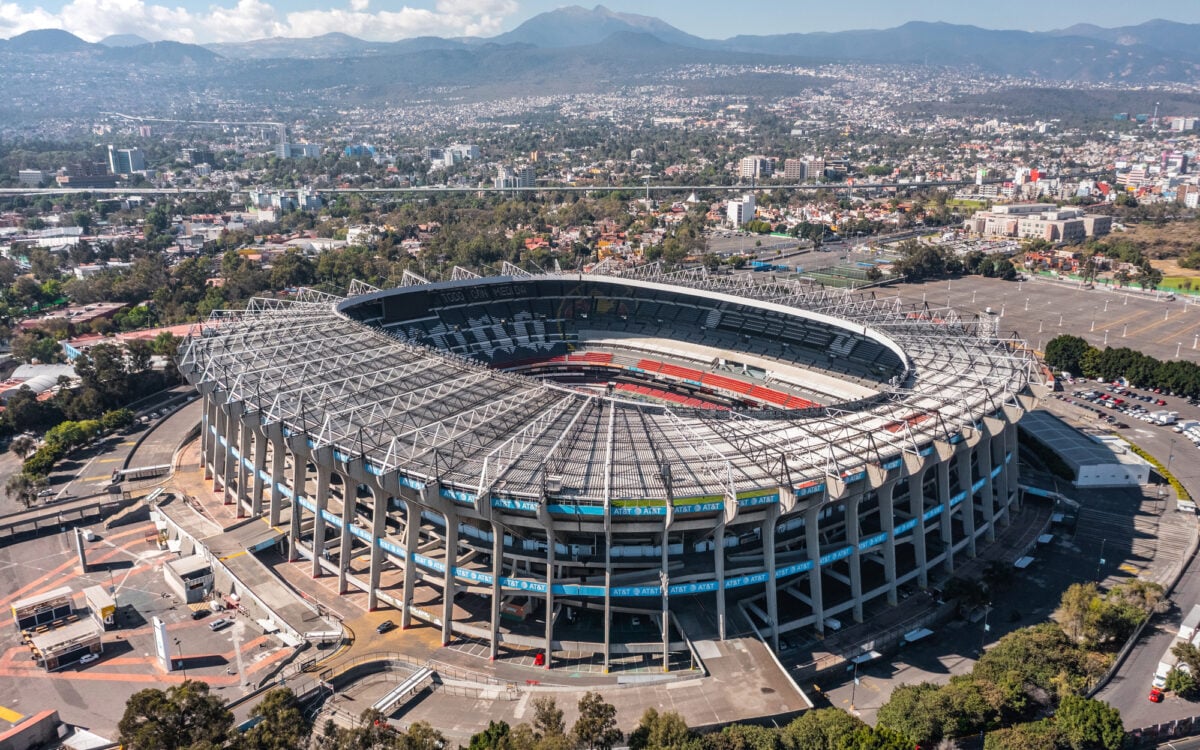
Mexico City creates murals the way other cities create street signs — as necessary public information that happens to be beautiful. Diego Rivera and Frida Kahlo established artistic traditions that contemporary Mexican artists continue developing rather than simply imitating.
Museums here house pre-Columbian artifacts that predate European contact, colonial art that reflects cultural fusion, and contemporary work that addresses current social realities. The city’s creative output feels urgent and immediate.
Street food vendors work alongside galleries in neighborhoods where high culture and daily life intersect naturally. Art doesn’t separate itself from ordinary experience.
Prague
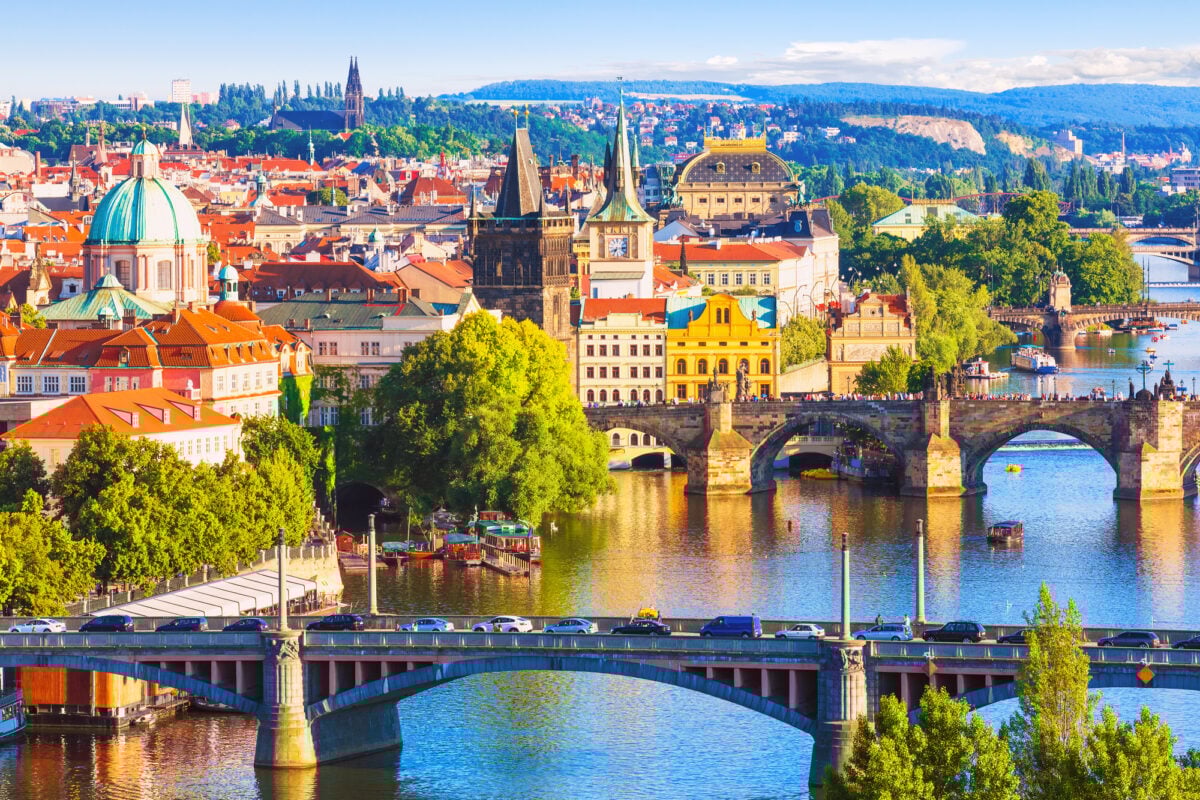
Prague’s Old Town Square looks like a fairy tale illustration that decided to accommodate actual residents and daily commerce. The city’s architecture spans Gothic cathedrals, Baroque palaces, and Art Nouveau buildings that create visual harmony despite representing different centuries of artistic development.
Classical music venues throughout the city maintain programming that honors Czech composers while supporting international performers. Museums house collections that reflect Central European artistic traditions often overlooked by Western institutions.
The city treats cultural preservation as living practice rather than historical recreation. Buildings remain functional while maintaining their aesthetic integrity.
The Culture Lives On
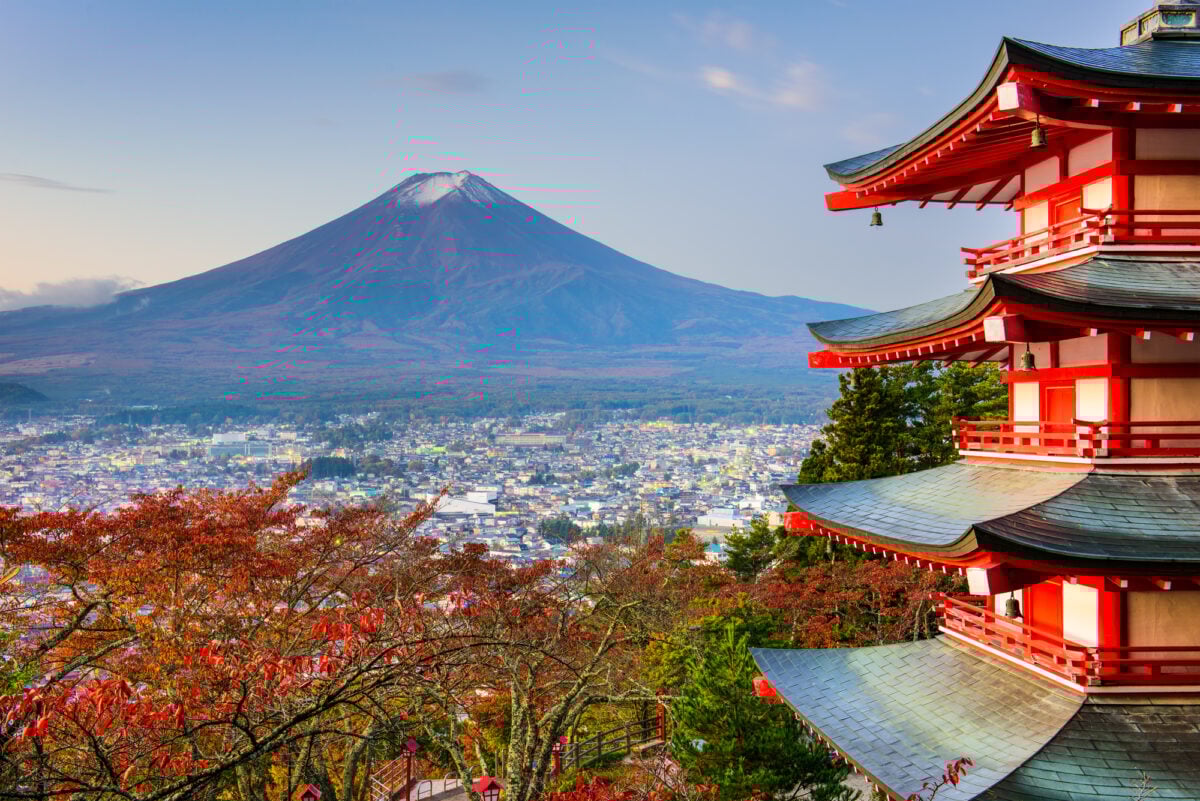
These cities prove that great art doesn’t happen by accident or emerge from single moments of inspiration. Instead, it grows from places where creativity gets treated as essential infrastructure — as necessary as clean water or reliable transportation.
The best cultural destinations understand that art needs both preservation and evolution, both reverence for tradition and space for experimentation.
They create environments where a morning spent studying Renaissance masterpieces can flow naturally into an evening discovering work by artists whose names nobody will recognize for another decade.
More from Go2Tutors!

- 16 Historical Figures Who Were Nothing Like You Think
- 12 Things Sold in the 80s That Are Now Illegal
- 15 VHS Tapes That Could Be Worth Thousands
- 17 Historical “What Ifs” That Would Have Changed Everything
- 18 TV Shows That Vanished Without a Finale
Like Go2Tutors’s content? Follow us on MSN.



