16 Government Agencies Created for Weird Reasons
Government bureaucracy often feels like a mystery wrapped in red tape, but some federal agencies have origin stories that sound more like comedy sketches than serious policy decisions. While most departments emerge from legitimate needs or national crises, others came about through bizarre circumstances, political feuds, or solutions to problems that barely existed.
The following agencies prove that sometimes the path to government expansion takes some truly unexpected turns. Here are 16 government agencies created for weird reasons.
The Office of Strategic Influence
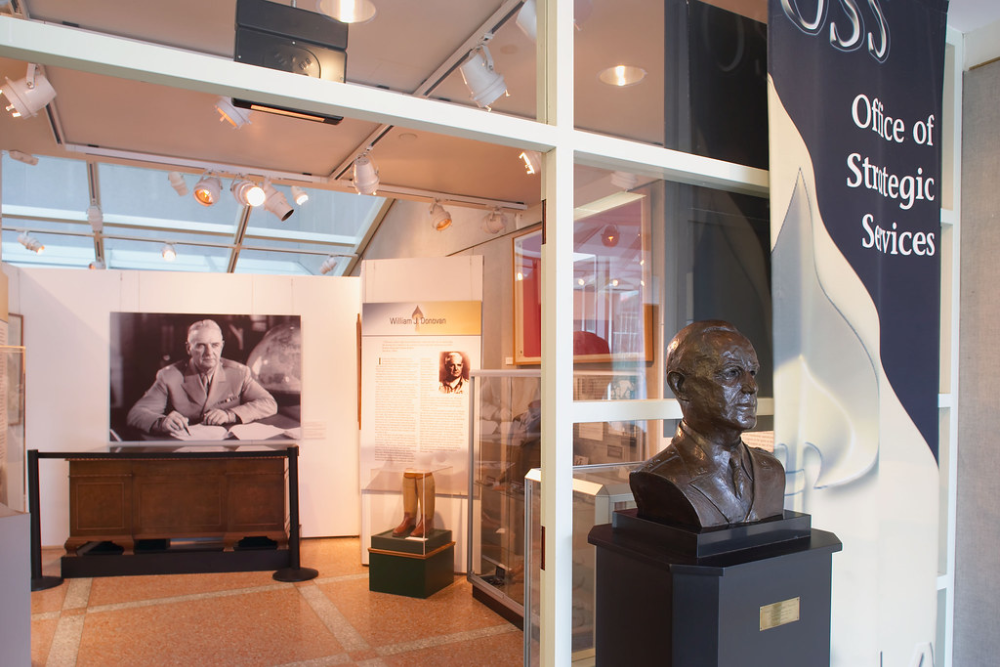
The Pentagon briefly created this agency in 2001 to spread propaganda overseas, but things went sideways fast. Officials realized they might accidentally target American audiences with their own misinformation campaigns.
The office lasted less than a year before getting shut down when someone pointed out that lying to foreign governments while maintaining credibility at home creates some serious logistical problems.
The Raisin Administrative Committee

California raisin farmers convinced the government in 1949 that America desperately needed federal raisin management. This committee controls how many raisins enter the market each year, essentially running a cartel with official government backing.
They even have the power to confiscate excess raisins from farmers, which led to a Supreme Court case about whether taking someone’s raisins counts as stealing.
Like Go2Tutors’s content? Follow us on MSN.
The Federal Helium Reserve
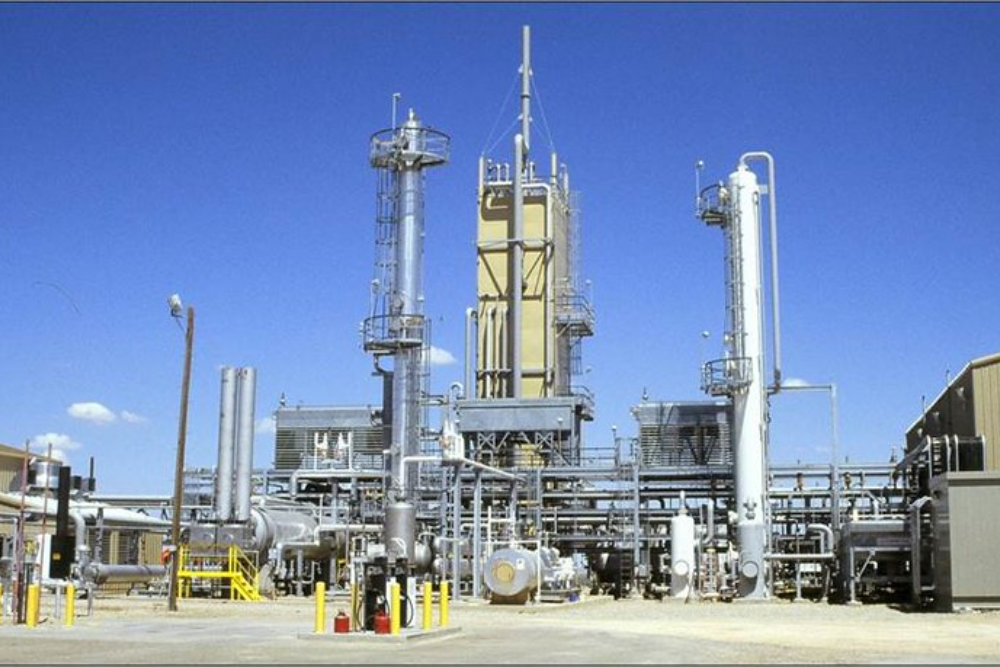
During World War I, the government decided America needed to stockpile helium for military blimps and balloons. The program continued for decades, accumulating a massive underground helium storage facility in Texas that became essentially useless when military airships went out of style.
By the 1990s, taxpayers were spending millions to maintain a strategic helium reserve that nobody really needed anymore.
The Office of Alternative Medicine
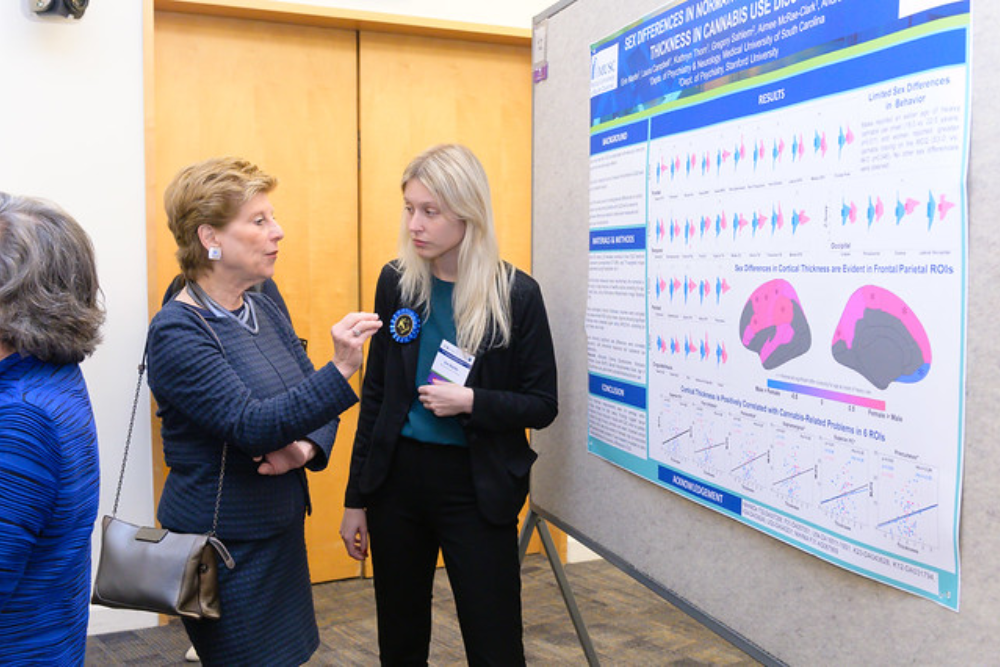
Created in 1991 after intense lobbying from alternative medicine advocates, this office was supposed to investigate unconventional treatments that mainstream medicine ignored. The problem was that most alternative treatments get ignored by mainstream medicine for good reasons.
The office spent years studying things like crystal healing and energy fields, producing research that often confirmed why these methods weren’t widely adopted.
The Federal Subsistence Board
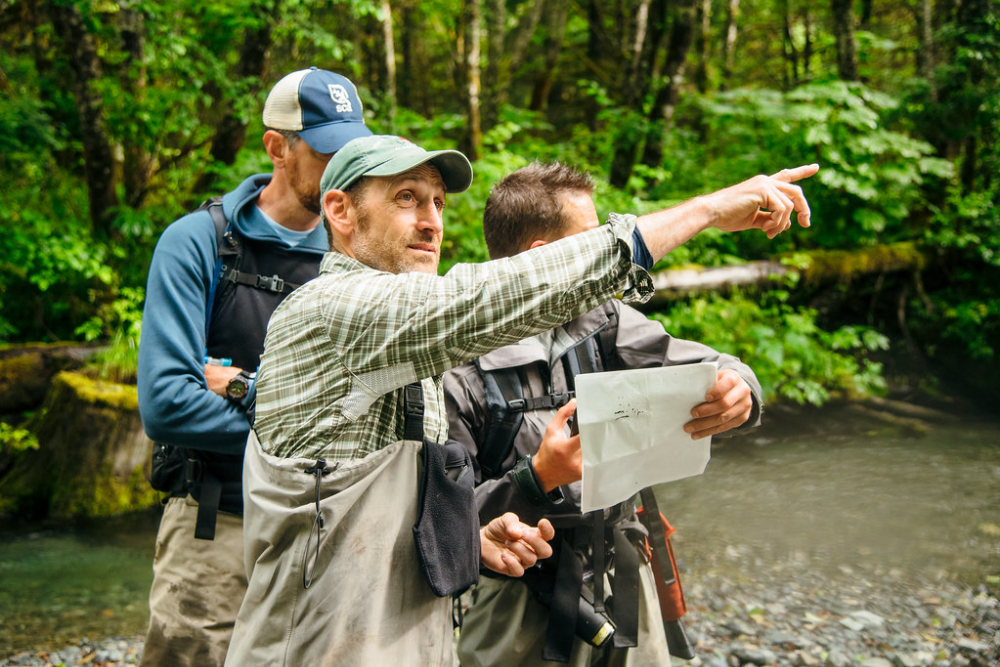
Alaska’s unique hunting and fishing rights created such a bureaucratic mess that the government needed an entire board to sort it out. Rural Alaskans get priority access to fish and game for subsistence living, but determining who qualifies and what counts as subsistence requires constant federal oversight.
The board basically exists because Alaska is so complicated that normal wildlife management rules don’t work there.
Like Go2Tutors’s content? Follow us on MSN.
The Christmas Tree Promotion Board

In 2011, Christmas tree farmers decided they needed government help competing against artificial trees. The board collects fees from tree growers to fund pro-Christmas tree advertising campaigns.
While the agriculture industry has plenty of promotional boards, this one stands out for essentially asking taxpayers to help subsidize holiday decorating preferences.
The Federal Laboratory Consortium
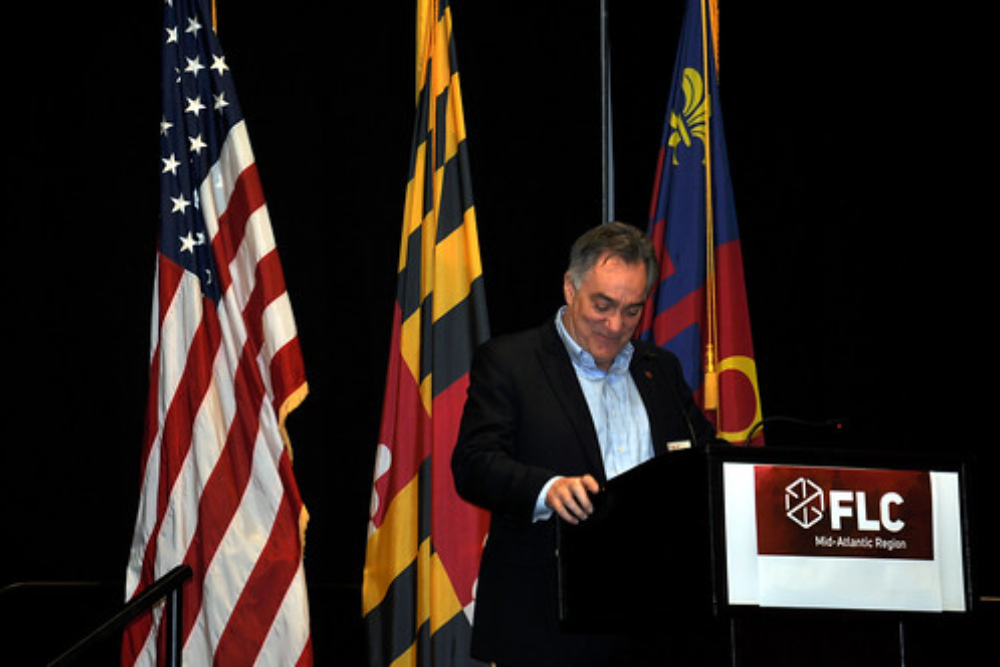
Someone in the 1970s noticed that government labs weren’t sharing their research effectively with private companies. Rather than just telling the labs to communicate better, Congress created an entire organization to facilitate technology transfer between federal facilities and businesses.
The consortium basically exists because government scientists and private entrepreneurs apparently needed official matchmakers to start talking to each other.
The Advisory Council on Historic Preservation
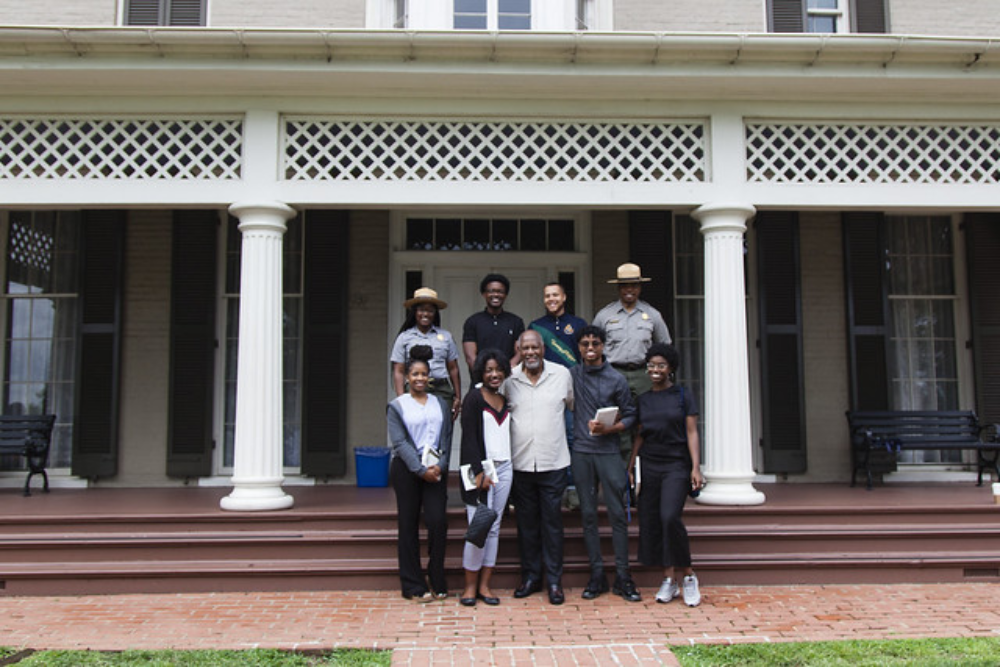
This agency emerged from the realization that urban renewal projects were demolishing historically significant buildings faster than anyone could catalog them. Created in 1966, the council reviews federal projects that might affect historic sites, which sounds reasonable until you consider how broadly they interpret ‘historic.’
They’ve held up construction projects to protect everything from old gas stations to abandoned shopping centers.
Like Go2Tutors’s content? Follow us on MSN.
The Federal Financing Bank

The Treasury Department created this bank in 1973 because other government agencies kept borrowing money in confusing ways that made federal debt hard to track. Instead of requiring agencies to improve their accounting, officials decided to funnel all government borrowing through one institution.
The bank essentially exists because federal bookkeeping was such a mess that they needed a separate entity just to lend money to themselves.
The Office of Inspector General for Tax Administration

After numerous scandals at the IRS, Congress decided the tax agency needed its own internal watchdog separate from other oversight mechanisms. This office investigates IRS employees and operations, which creates the surreal situation of government investigators investigating other government investigators who investigate taxpayers.
It’s basically oversight of oversight, with its own budget and staff.
The Federal Permitting Improvement Steering Council

Multiple agencies reviewing the same construction projects created such delays that the government needed another agency to coordinate the agencies doing the reviewing. Established in 2015, this council tries to streamline federal permitting by adding another layer of federal oversight.
They essentially created more bureaucracy to solve problems caused by too much bureaucracy.
Like Go2Tutors’s content? Follow us on MSN.
The United States Geological Survey Astrogeology Science Center
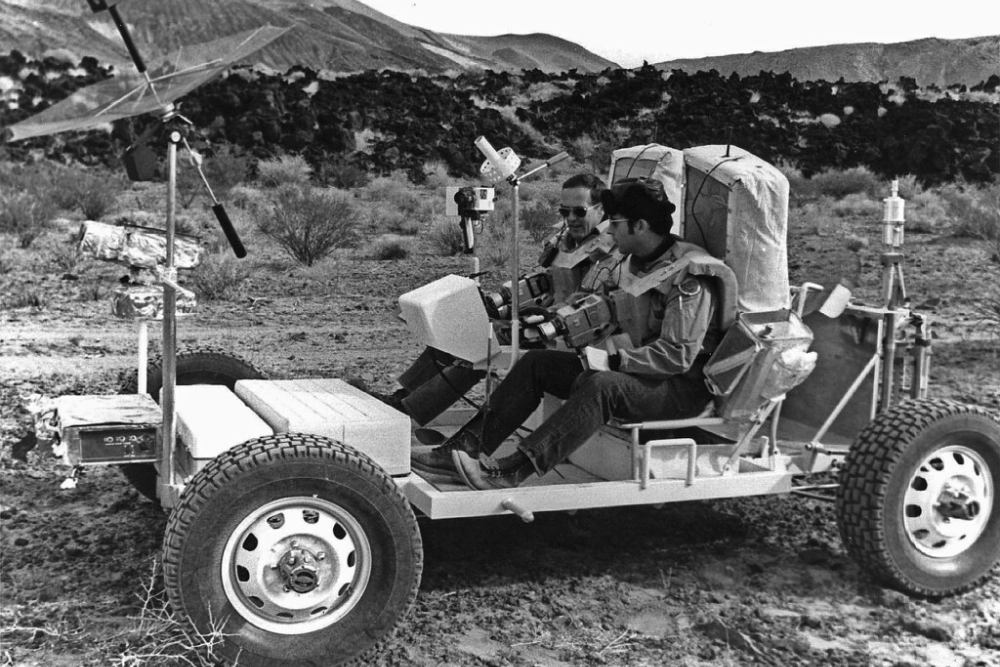
During the space race, someone realized that astronauts would eventually need to understand moon rocks and planetary geology. The USGS expanded into space science, creating a division that studies extraterrestrial geology using Earth-based methods.
While scientifically valuable, it’s still amusing that the agency responsible for mapping American rivers and mountains also employs people who specialize in Martian soil composition.
The Federal Acquisition Regulation Council
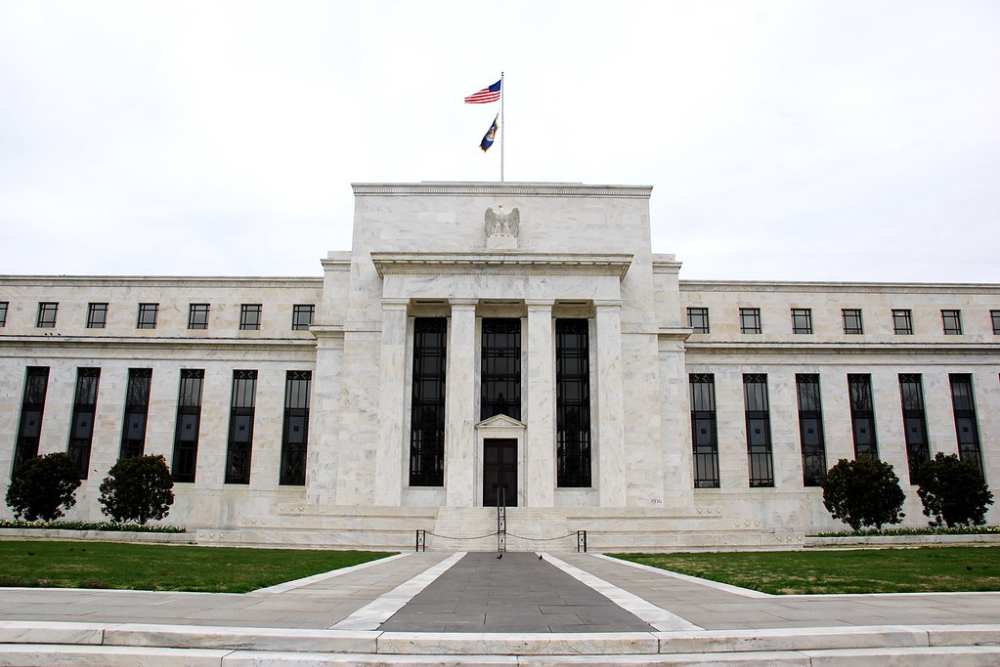
Government agencies were buying supplies and services using different rules and procedures, creating inefficiency and confusion among contractors. Rather than standardizing the existing system, officials created a council to write universal procurement regulations that all agencies must follow.
The council exists primarily because the government couldn’t figure out how to buy things consistently without forming a committee about it.
The Surface Transportation Board
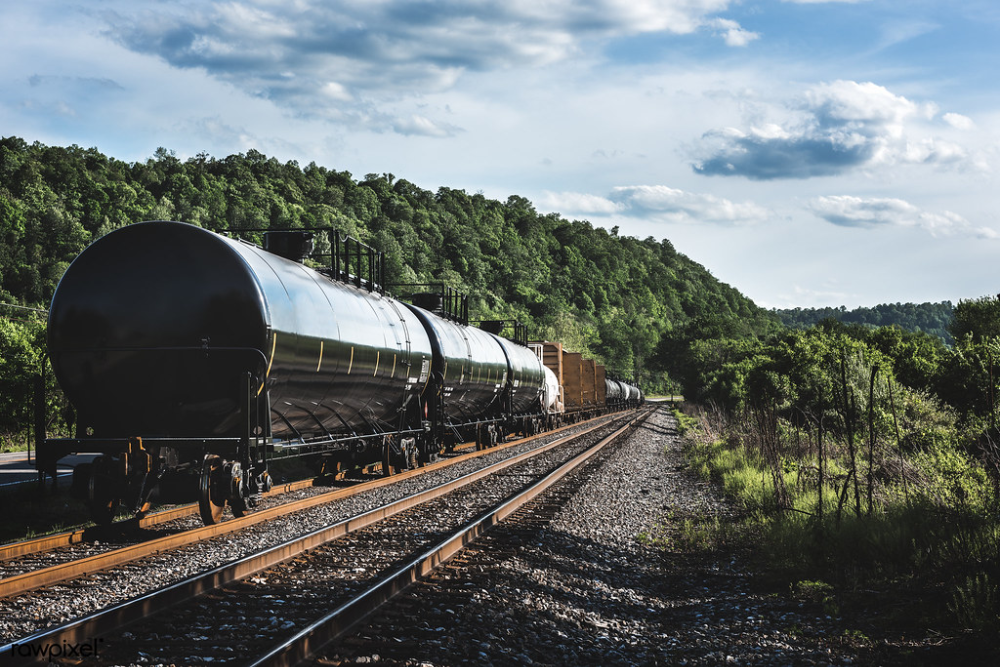
When Congress deregulated the railroad industry in the 1980s, they worried about creating transportation monopolies in rural areas. The board oversees railroad mergers and rate disputes, essentially regulating an industry that was supposed to be deregulated.
They solve problems created by deregulation through selective re-regulation, which perfectly captures the logic of federal transportation policy.
Like Go2Tutors’s content? Follow us on MSN.
The Federal Mine Safety and Health Review Commission
Mine safety violations were being handled by the same agency that regulated mining operations, creating obvious conflicts of interest. Congress solved this by creating a separate commission to review safety decisions made by mine safety regulators.
This commission essentially exists because putting enforcement and appeals in the same agency seemed like a bad idea, which probably should have been obvious from the start.
The Defense Nuclear Facilities Safety Board
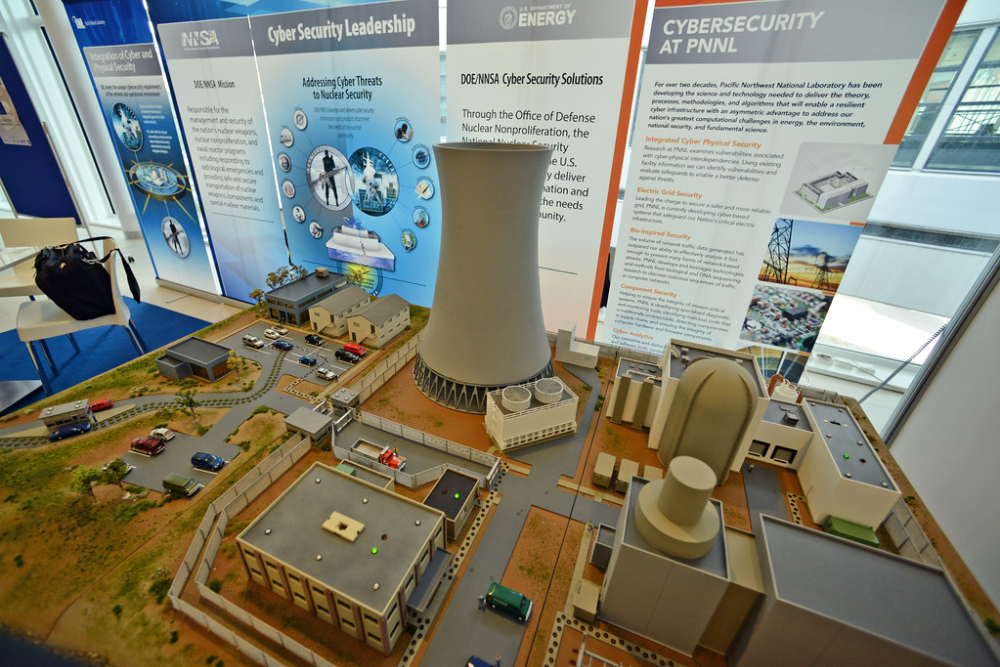
After several accidents at nuclear weapons facilities, officials realized that the Department of Energy was both operating dangerous nuclear sites and overseeing its own safety procedures. The board provides independent safety oversight for nuclear weapons facilities, filling a role that probably should have existed from the beginning.
They basically exist because someone finally noticed that self-regulation of nuclear weapons production might not be the best policy.
Bureaucracy’s Peculiar Evolution
These agencies illustrate how the government responds to problems with more government, often creating solutions that seem obvious in hindsight but bizarre in their complexity. Many arose from genuine needs that could have been addressed through simpler means, while others emerged from political pressure or bureaucratic logic that made sense at the time.
Today, they represent billions in federal spending and thousands of employees dedicated to missions that range from essential to questionable, proving that once the government creates an agency, eliminating it becomes nearly impossible regardless of its original purpose.
Like Go2Tutors’s content? Follow us on MSN.
More from Go2Tutors!

- 16 Restaurant Chains That Went Too Fast
- 12 Things Sold in the 80s That Are Now Illegal
- 15 Strange Things People Have Tried to Ban (And Failed)
- 16 Collectibles People Tossed Out Too Soon
- 17 Myths from Your Childhood That Were Actually Based on Real Things
Like Go2Tutors’s content? Follow us on MSN.