18 Everyday Items Named After People
Most of the time, we use things without giving a second thought to where their names come from. But tucked into our everyday vocabulary are names that actually belong to real people—some famous, some forgotten. These names became so attached to the objects that today, most folks don’t even realize there’s a person behind the item.
So let’s pull back the curtain and meet the people hiding in plain sight—right there on the things we use, wear, or eat every day.
Sandwich
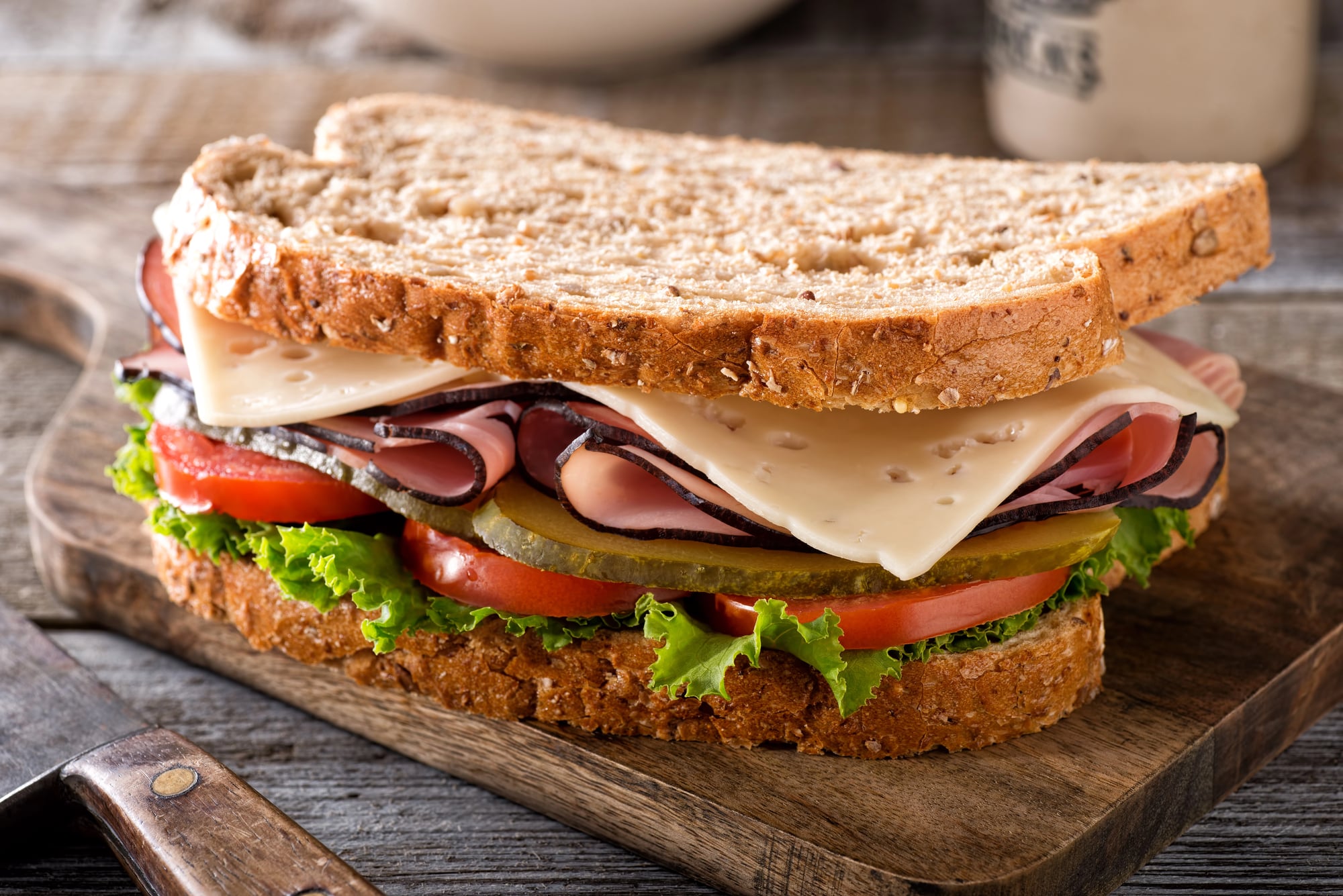
This popular meal owes its name to John Montagu, the 4th Earl of Sandwich. He was a British noble who, according to stories, asked for meat to be served between two slices of bread so he could keep playing cards without using utensils.
People began ordering “the same as Sandwich,” and eventually, the name stuck. Whether or not the story is completely accurate, his title is now one of the most eaten words in the world.
Not a bad legacy for a snack.
Saxophone
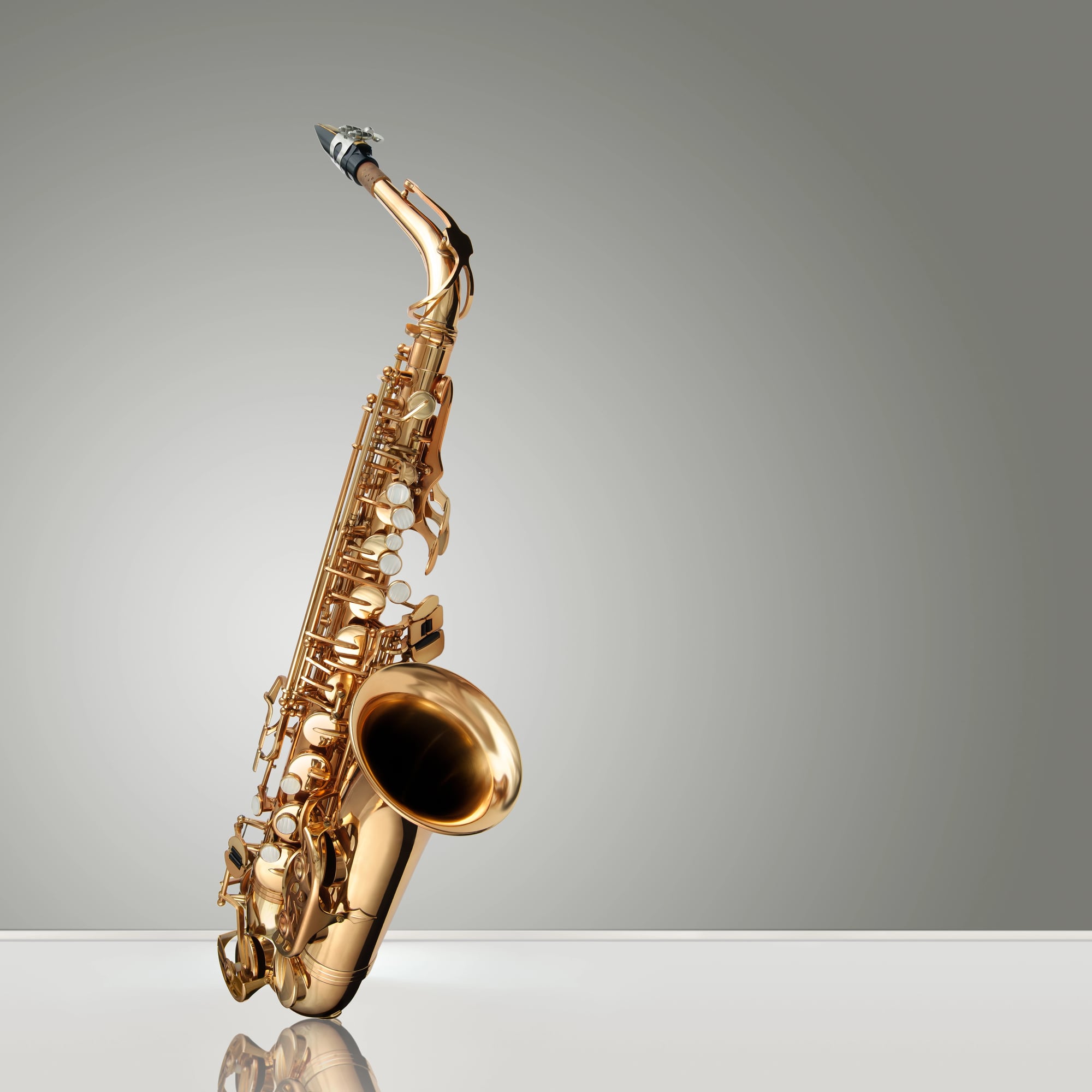
Adolphe Sax didn’t just lend his name to this musical instrument—he invented it. A Belgian instrument maker in the 1800s, Sax designed the saxophone to combine the power of brass with the flexibility of woodwinds.
It became a key part of jazz and military bands, and his name is now forever tied to smooth solos and bold stage performances. Ironically, his life was full of struggles, but the sound he created still fills music halls.
Diesel

The fuel that runs many engines is named after Rudolf Diesel, a German engineer who developed the diesel engine in the late 19th century. His invention was designed to be more efficient than the steam engine, using compressed air to ignite fuel.
Today, “diesel” powers trucks, buses, and even some cars, but many don’t realize it all started with one man’s name. His mysterious death at sea only adds to the story, but his invention lived on.
Braille
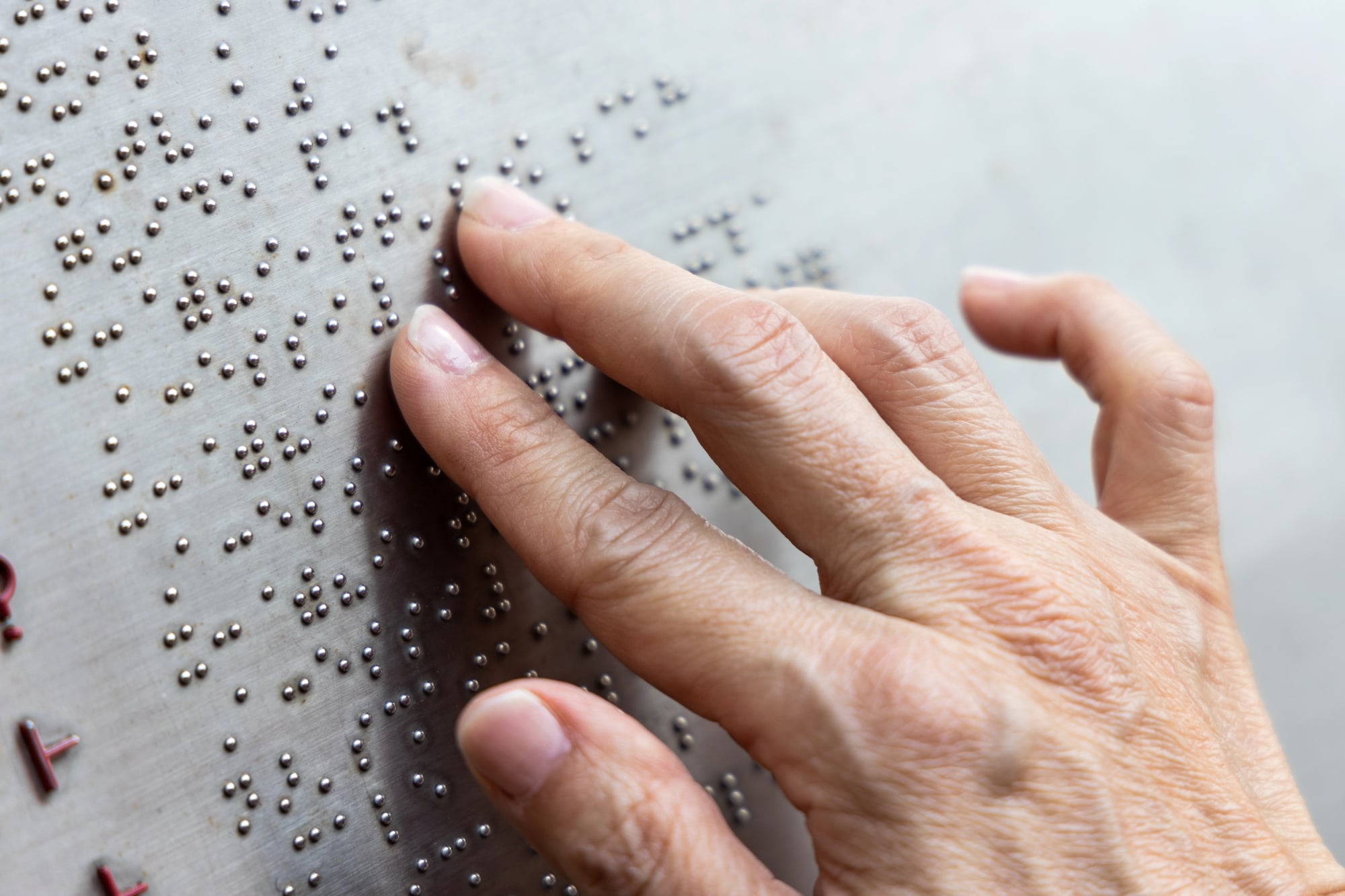
The system that allows blind and visually impaired people to read through touch was created by Louis Braille. Blinded as a child, Braille developed the raised-dot system when he was just a teenager.
His method replaced earlier systems that were harder to use and is still the standard around the world. It made literacy more accessible and turned his last name into a symbol of learning and independence.
Fahrenheit
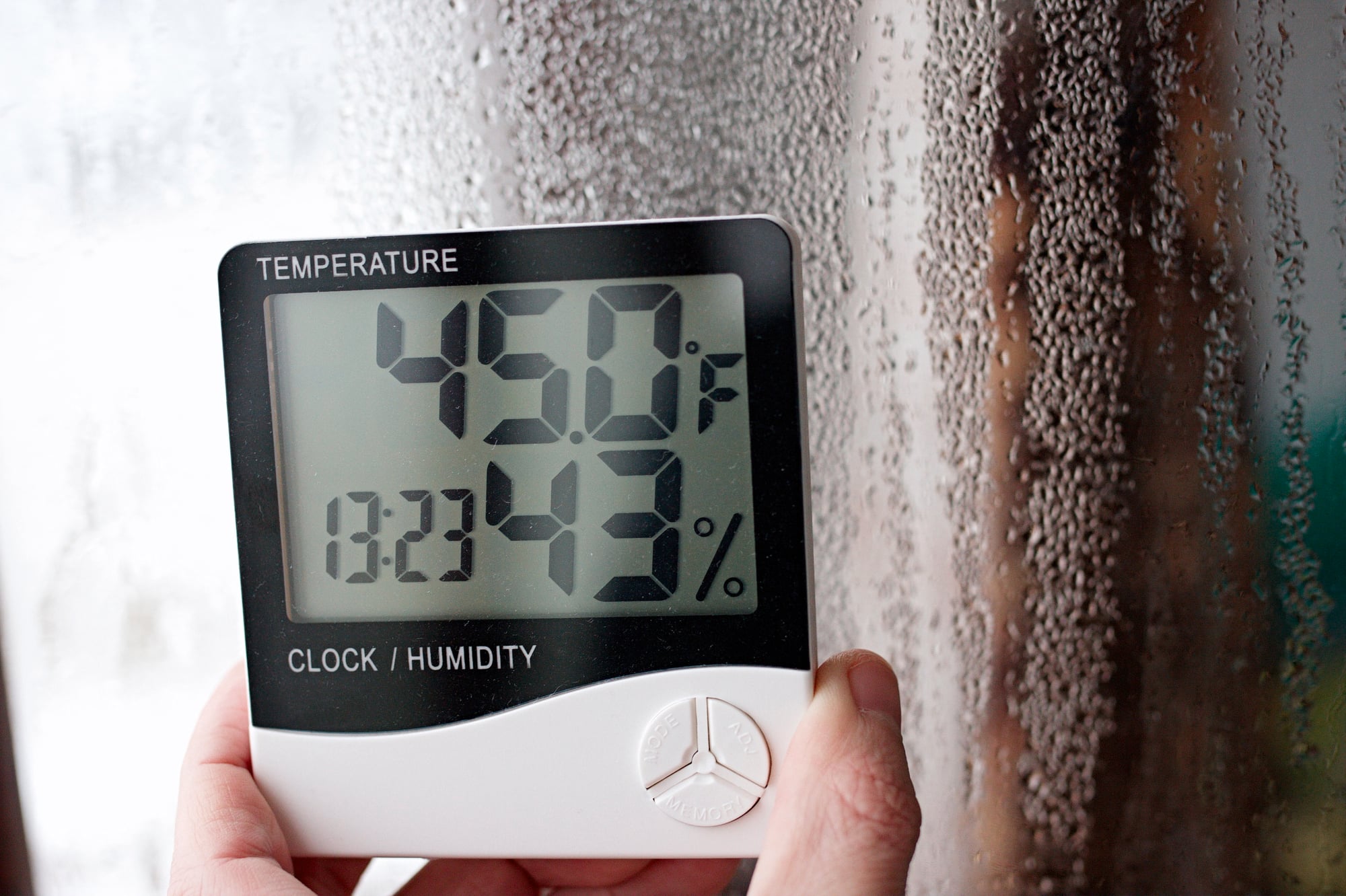
If you’ve ever checked the weather in degrees Fahrenheit, you’ve used the name of Daniel Gabriel Fahrenheit. He was a Polish-German physicist who created the first reliable mercury thermometer and the temperature scale that bears his name.
Though many countries now use Celsius, Fahrenheit remains the go-to in the U.S. and a few others. It may seem like just numbers on a weather app, but there’s real history behind every degree.
Guillotine

Despite its dark past, this tool of execution was named after Dr. Joseph-Ignace Guillotin. He didn’t invent it but supported its use as a more “humane” method of capital punishment during the French Revolution.
Ironically, Guillotin didn’t want his name attached to the device, but it stuck anyway. Today, the word carries a heavy historical weight, reminding people of a bloody chapter in France’s past.
Silhouette

This art style of dark outlines comes from Étienne de Silhouette, a French finance minister in the 1700s. Known for being extremely frugal, his name became linked to cheap, outline-only portraits that used little detail.
At the time, calling something a “silhouette” was actually an insult. But the term survived and evolved into a respected form of art that’s still used today.
Boycott
This word for organized refusal is named after Charles Boycott, a land agent in Ireland. In the late 1800s, local workers protested his treatment by refusing to work with him or even speak to him.
The tactic was so effective that his name became the word for this kind of protest. Now, “boycott” is used all over the world—far beyond Irish farmland.
Cardigan

This sweater style takes its name from James Brudenell, the 7th Earl of Cardigan. He was a British military officer known for leading the Charge of the Light Brigade.
The cardigan sweater was modeled after the wool waistcoats his soldiers wore. While his military career had its ups and downs, his fashion legacy lives on in closets everywhere.
Jacuzzi

The relaxing whirlpool tub is named after the Jacuzzi brothers, Italian immigrants who moved to California. They originally designed airplane parts, but later created a water pump to help a family member with arthritis.
That invention evolved into the hot tubs we now enjoy. Today, “Jacuzzi” is often used as a general word for spa tubs, even though it’s still a brand name.
Mesmerize

This word comes from Franz Mesmer, an 18th-century German doctor who believed in something called “animal magnetism.” His theories were strange, but his methods of putting people in trance-like states caught on.
Though modern hypnosis moved far beyond his ideas, “mesmerize” still means to hold someone’s attention completely. His name lives on even if his science doesn’t.
Zipper
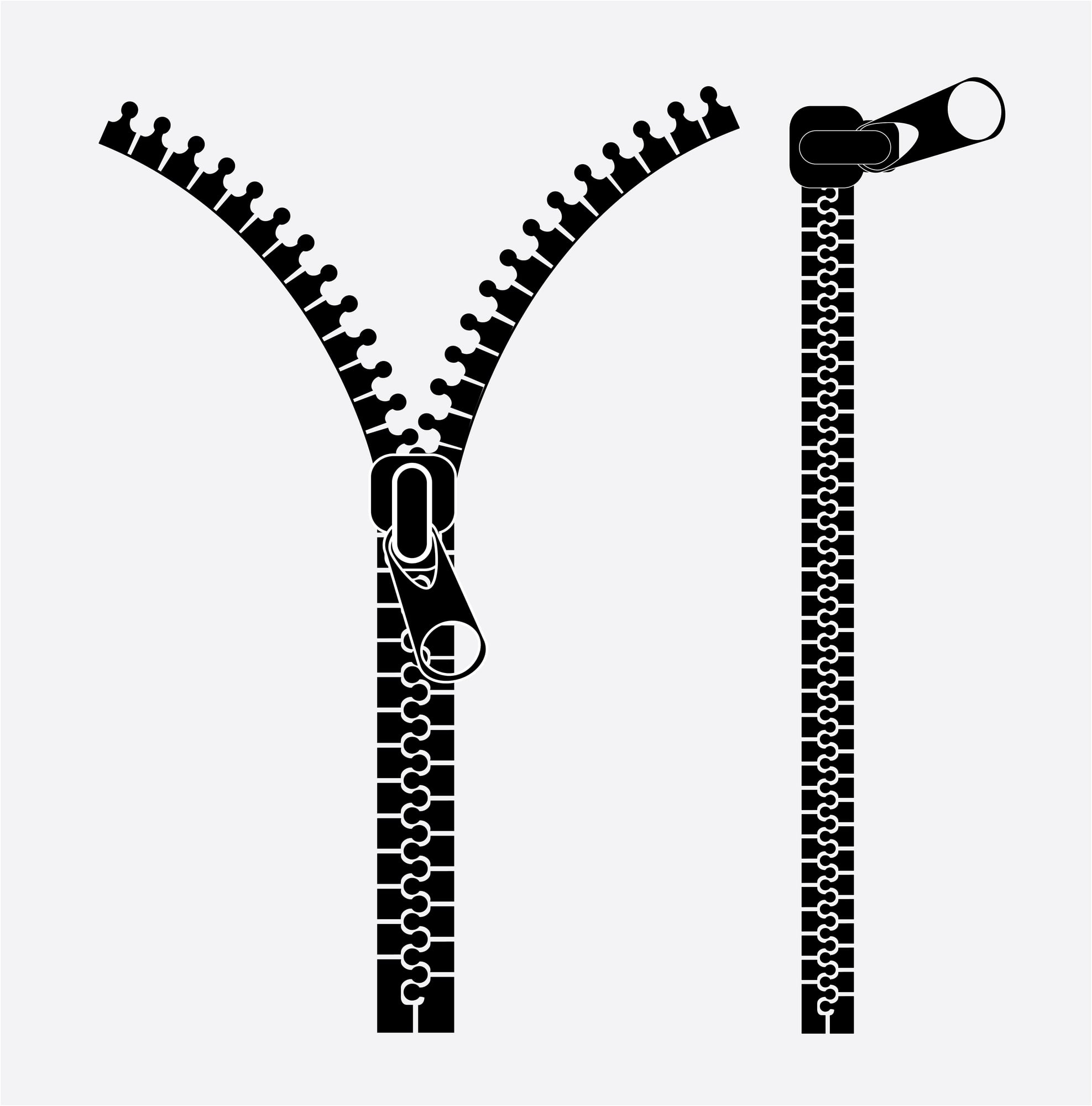
The word “zipper” wasn’t originally tied to a person, but the popular name came from B.F. Goodrich, who used it in boots with fasteners made by Gideon Sundback. Sundback, a Swedish-American engineer, improved early versions of the device.
Goodrich called the boots “zippers” because of the zip sound. Even though Sundback made the modern zipper possible, the catchy sound is what stuck in people’s heads.
Leotard

This tight-fitting outfit used in gymnastics and dance is named after Jules Léotard, a 19th-century French acrobat. He wore a similar garment during his trapeze acts to allow more freedom of movement.
It quickly became popular in circuses and later in ballet studios. His daring performances helped turn a practical piece of clothing into a wardrobe staple.
Nicotine

The chemical in nicotine is named after Jean Nicot, a French diplomat who introduced nicotine to France in the 16th century. He sent it as a medicinal plant to the royal family, believing it could cure illnesses.
The plant’s genus was named Nicotiana in his honor, and later the addictive chemical became known as nicotine. It’s a big name in both science and health discussions now.
Tupperware
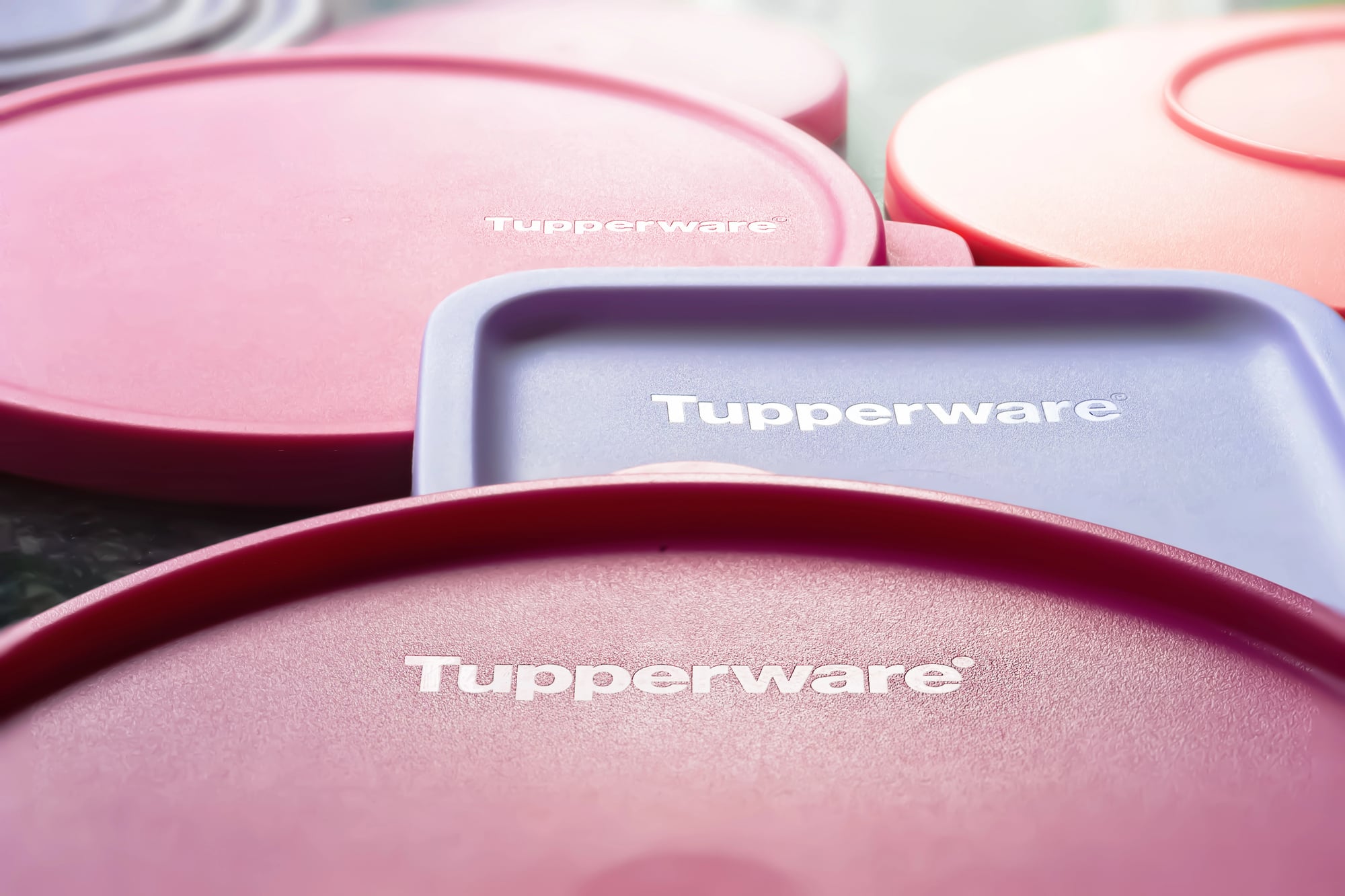
This household storage container was created by Earl Tupper, an American chemist. He developed a special plastic that kept food fresh longer and introduced airtight lids.
The product became hugely popular in the 1950s thanks to Tupperware parties. Earl Tupper’s invention quietly changed the way people stored leftovers and packed lunches.
Graham crackers
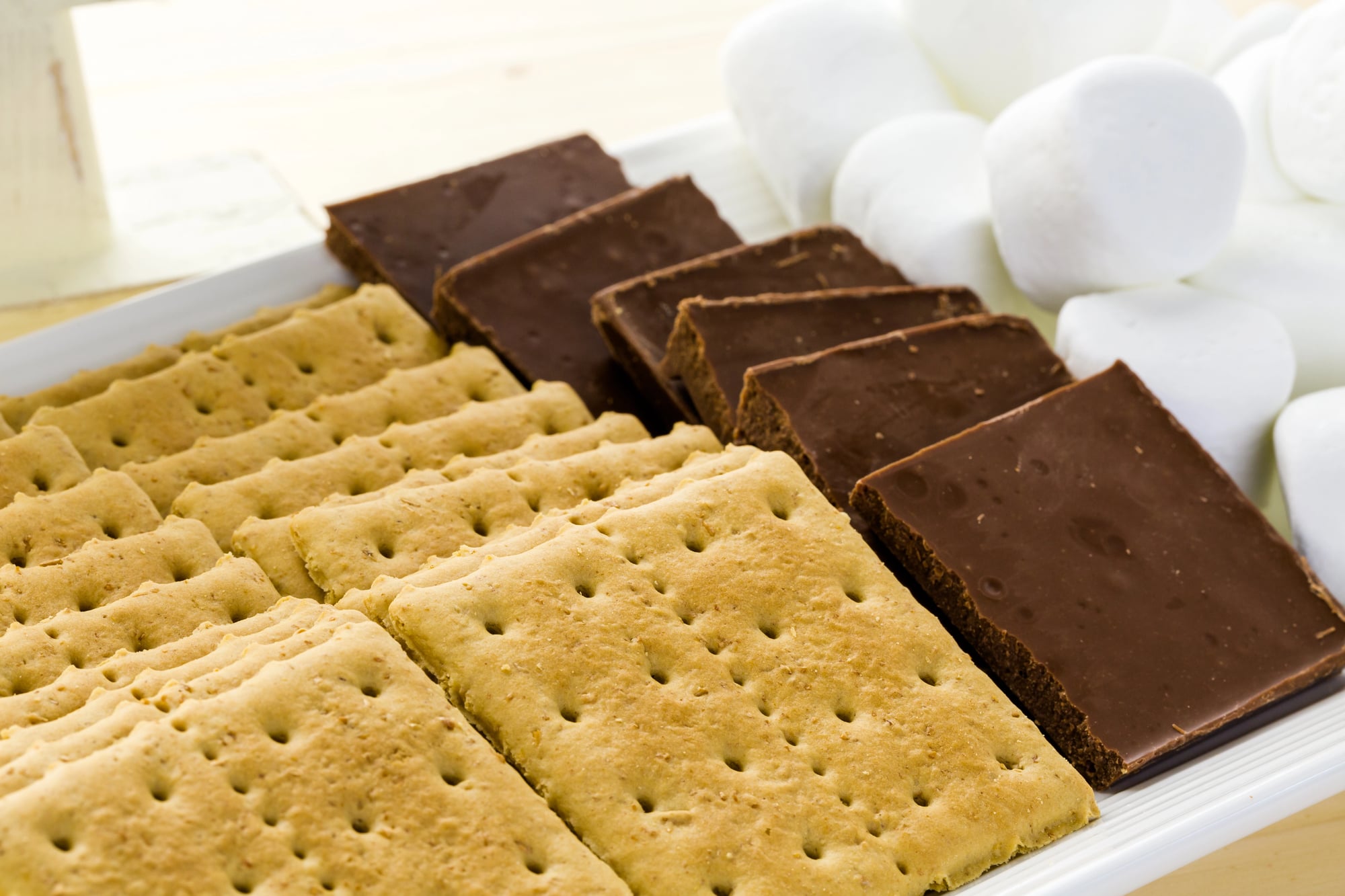
The sweet, crunchy cracker is named after Sylvester Graham, a 19th-century American preacher who believed in healthy eating. He promoted a vegetarian diet and whole grains, hoping it would lead to moral and physical purity.
His followers created the cracker based on his food principles. Today’s sugary version is a far cry from what he had in mind, but his name stuck.
Molotov cocktail
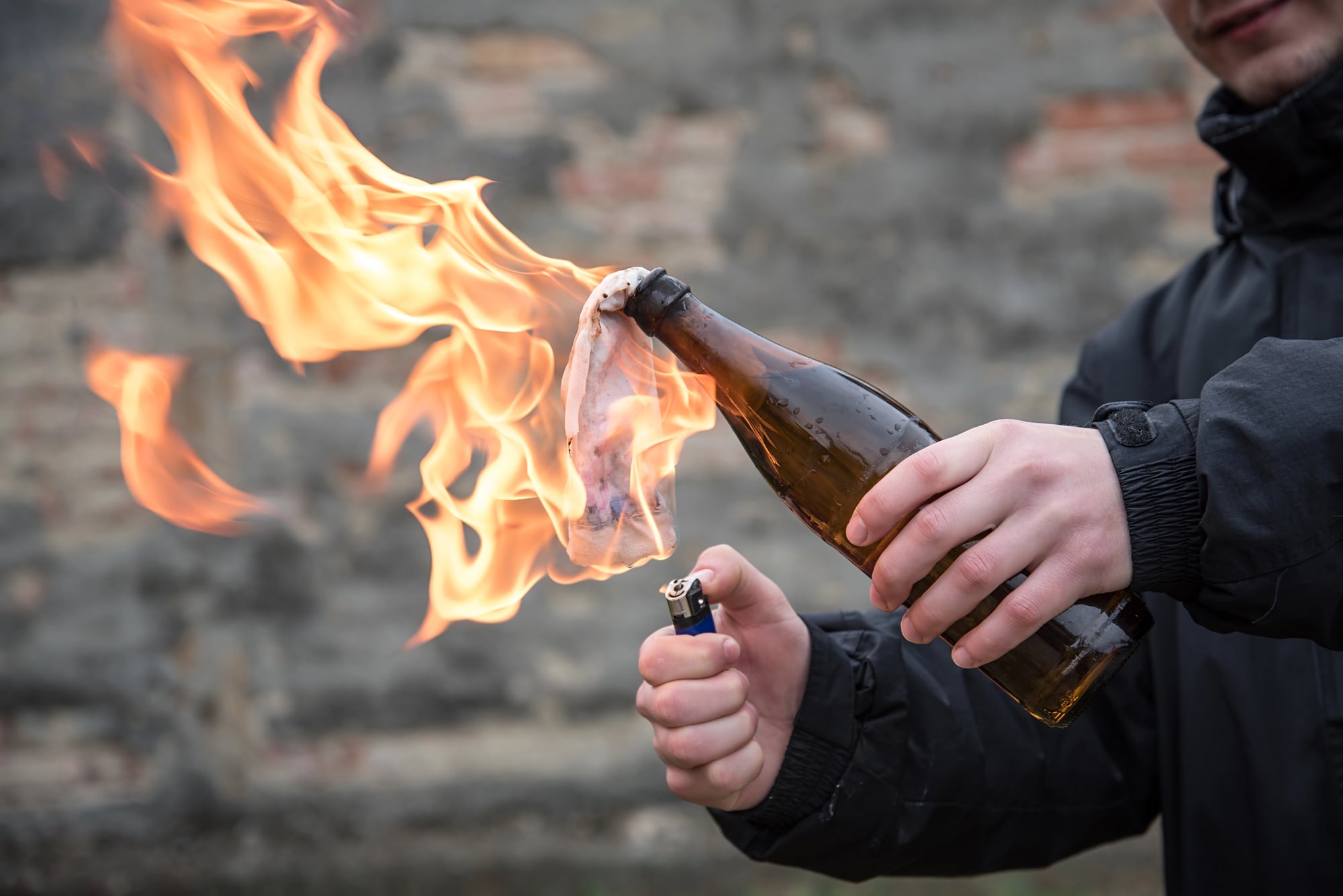
This makeshift weapon got its name during the Winter War between the Soviet Union and Finland. Vyacheslav Molotov, a Soviet official, claimed that Russian planes were dropping food supplies, not bombs.
As a sarcastic response, the Finnish people named their homemade firebombs after him, calling them “Molotov cocktails.” The name has been used ever since for improvised incendiary weapons.
Nachos
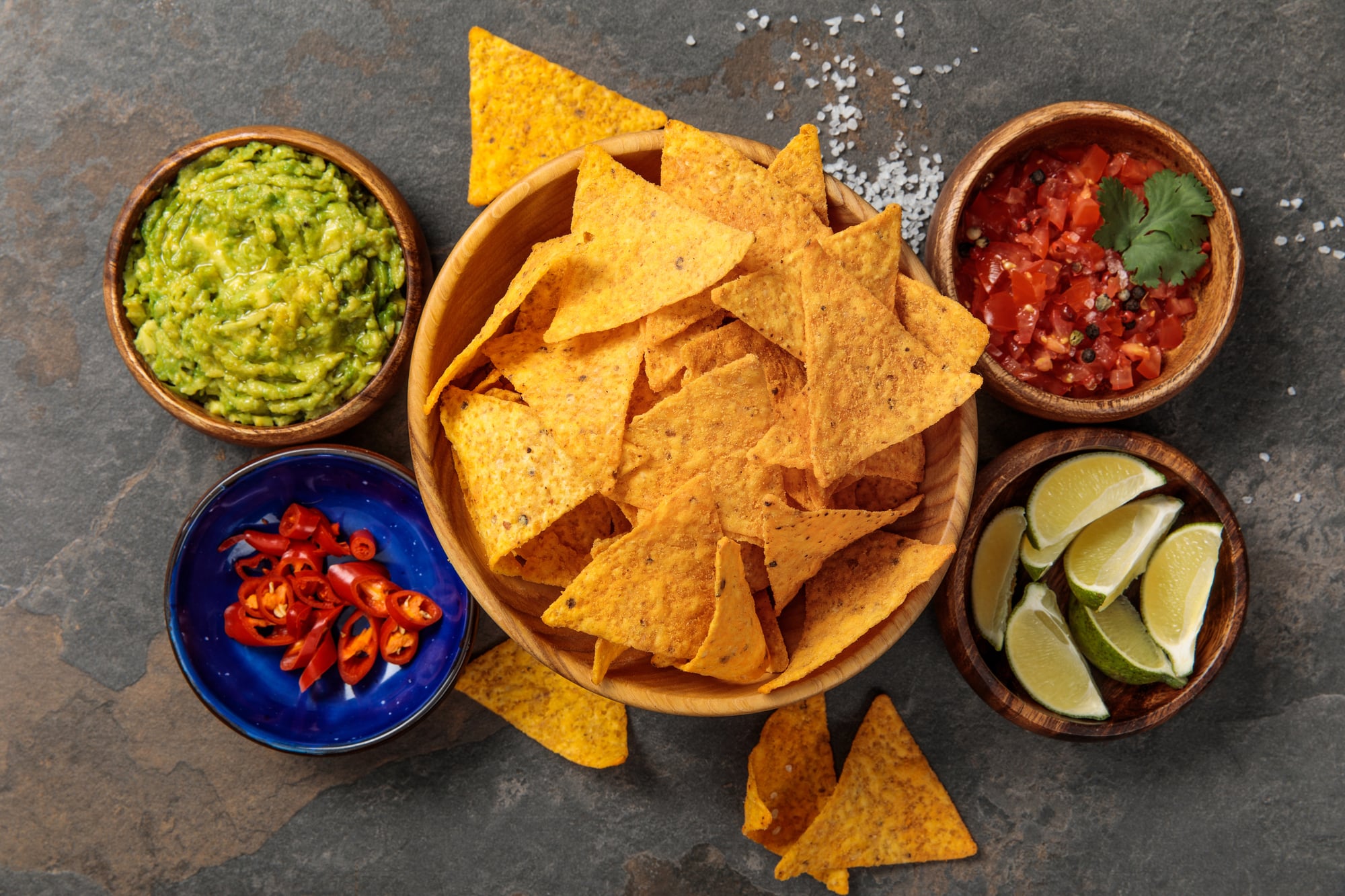
This snack was invented by a man named Ignacio “Nacho” Anaya in Mexico during the 1940s. When customers needed a quick meal, he threw together some tortilla chips, cheese, and jalapeños.
The simple dish became a hit and spread far beyond the restaurant. “Nachos” was a nickname that turned into a snack known worldwide.
Tying names to objects, past to present

Names have power, especially when they stick around long after the people who wore them. What began as a simple sandwich or a sound called a “zip” is now tied to someone’s legacy, even if the original person is long gone.
These objects, whether in our kitchens, closets, or history books, carry more than just function—they carry stories. So the next time something seems ordinary, there might be a name and a tale hiding behind it.
Everyday items aren’t always so everyday when you look a little closer.
More from Go2Tutors!

- The Romanov Crown Jewels and Their Tragic Fate
- 13 Historical Mysteries That Science Still Can’t Solve
- Famous Hoaxes That Fooled the World for Years
- 15 Child Stars with Tragic Adult Lives
- 16 Famous Jewelry Pieces in History
Like Go2Tutors’s content? Follow us on MSN.



