Accidental Inventions That Changed Lives
Sometimes, the best inventions happen when no one expects them. A simple mistake or a random idea can lead to something that changes the way people live.
Many of the things we use every day started because someone was trying to solve a problem in a different way. It’s amazing how accidents or unplanned moments became major breakthroughs.
Here are some of the most surprising accidental inventions that have made a big difference in the world.
Penicillin came from a forgotten petri dish

Alexander Fleming was studying bacteria when he left a petri dish uncovered. Mold grew on it and killed the bacteria around it.
This discovery led to penicillin, the first true antibiotic, saving millions of lives from infections.
Microwave oven was invented while testing radar
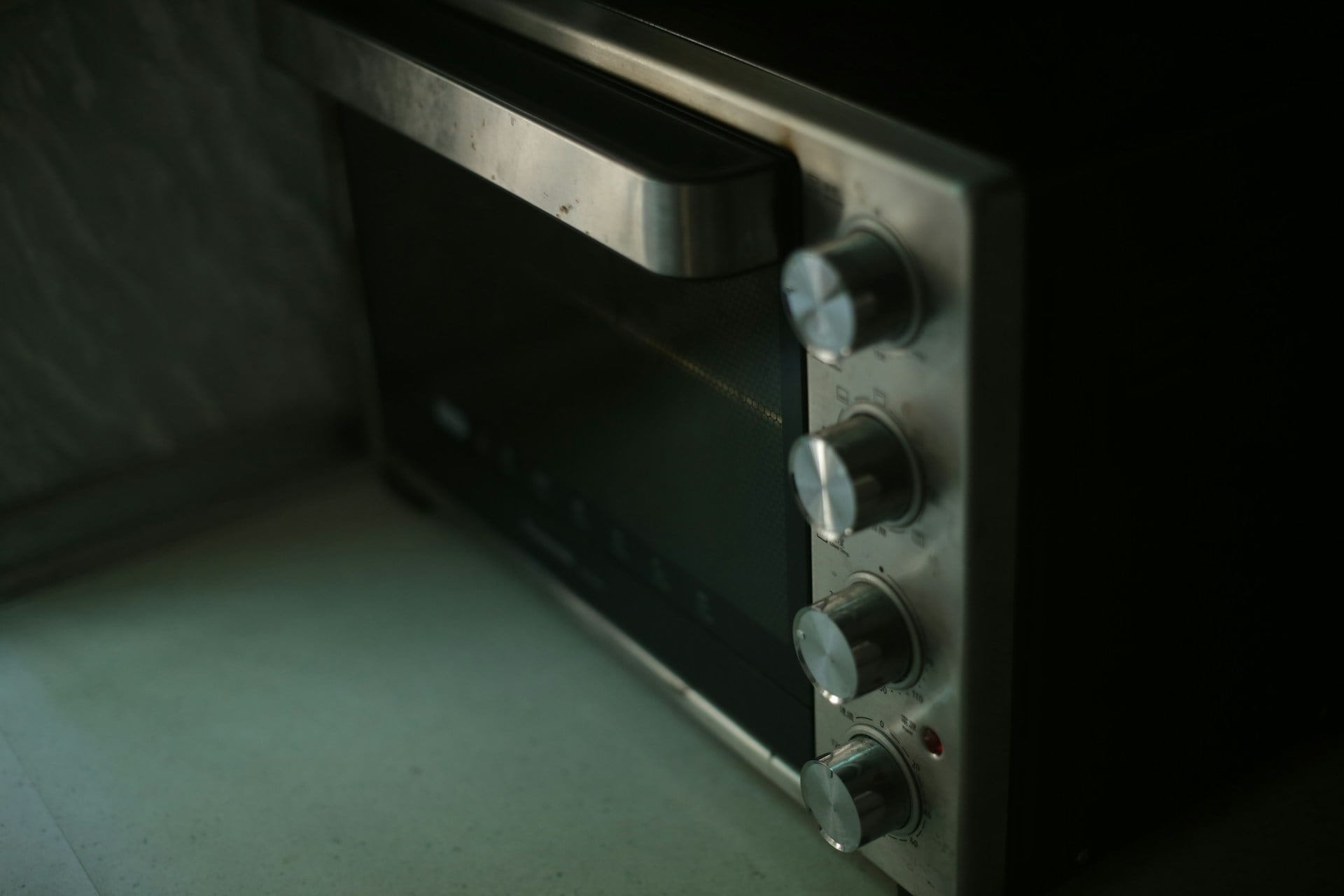
Percy Spencer was working on radar technology when a chocolate bar melted in his pocket. Curious, he tested microwaves on popcorn and eggs.
That accidental experiment led to the first microwave oven, changing how kitchens work forever.
Post-it notes were a failed glue attempt

A scientist at 3M tried to create a super strong adhesive but ended up with a weak, reusable glue. It seemed like a failure until someone used it to stick bookmarks in a book.
This accidental idea turned into Post-it notes, now found in offices everywhere.
X-rays were discovered by accident

Wilhelm Röntgen was experimenting with cathode rays when he noticed a glowing light coming from a nearby screen. He realized these rays could see inside the human body without surgery.
This unexpected finding opened up a new world in medicine.
Vulcanized rubber was found by heating latex accidentally

Charles Goodyear tried to make rubber more durable and accidentally dropped latex on a hot stove. Instead of melting, it hardened and became more flexible.
This process, called vulcanization, made rubber useful for tires and many other products.
Teflon was created when a gas leaked inside a lab

Roy Plunkett was working with gases when one container stopped releasing gas but had a white, slippery solid inside. This slippery material became Teflon.
It is now famous for non-stick pans and many industrial uses.
Safety glass was born from a broken experiment
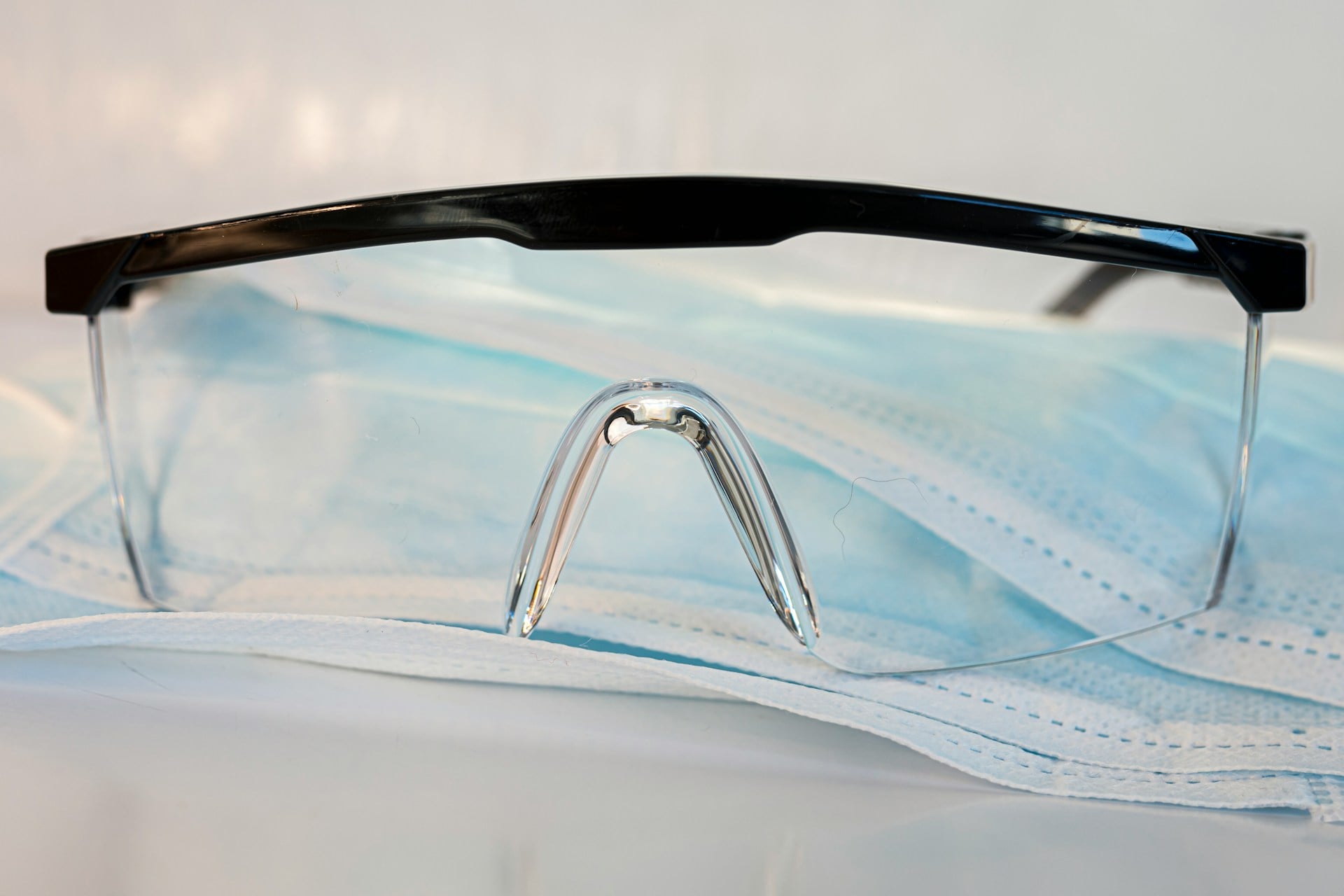
Edouard Benedictus dropped a glass flask coated with plastic inside. Instead of shattering, the glass cracked but stayed in place.
This led to safety glass, which is now used in car windows and buildings to protect people.
Pacemaker came from studying heart rhythm
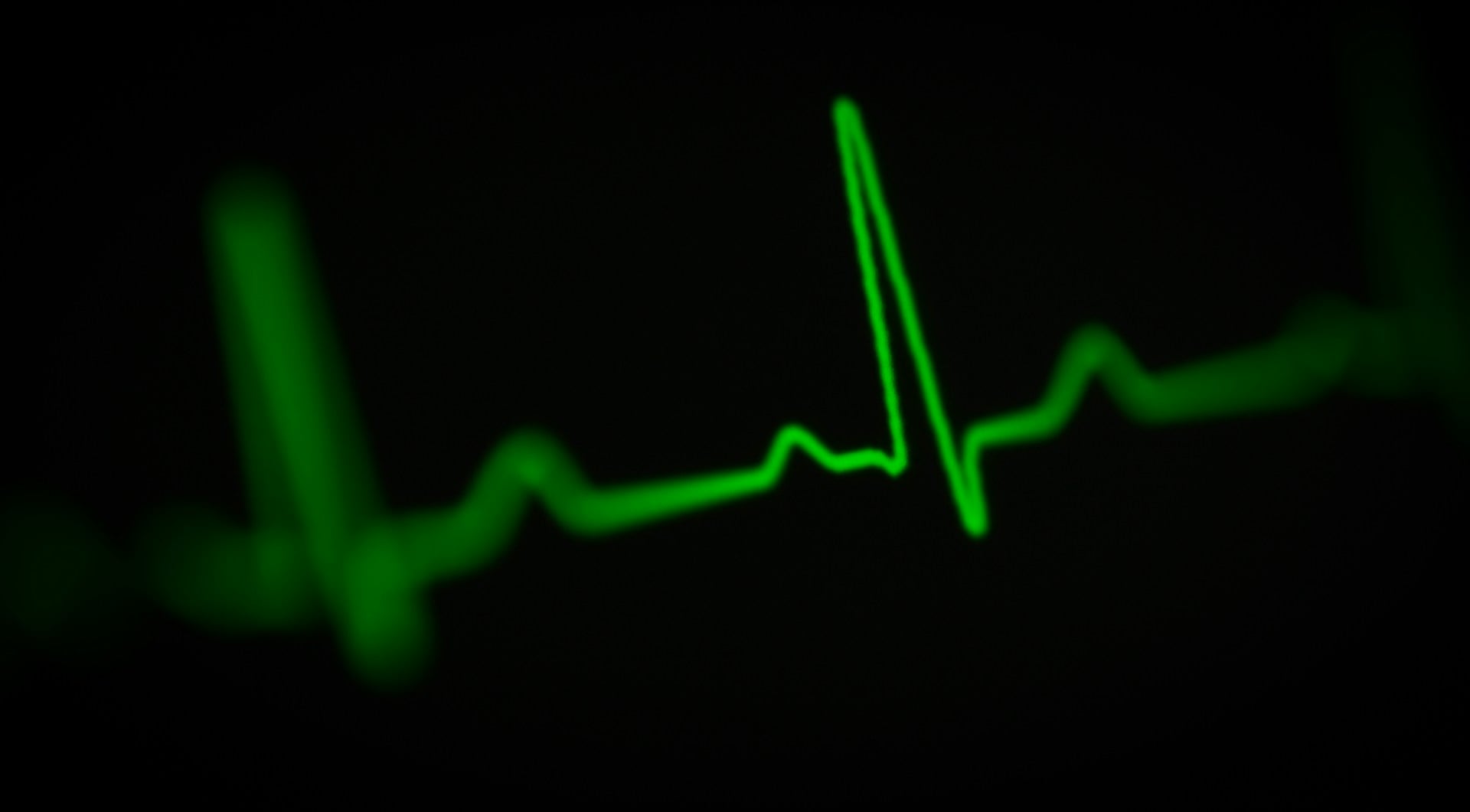
While working on ways to record heart signals, scientists accidentally discovered how to control the heart’s rhythm using electrical pulses. This led to the development of the pacemaker.
It is a device that saves many lives every day.
Slinky was a toy made by accident

A naval engineer was trying to create springs that could stabilize instruments on ships. One spring fell and “walked” down a stack of books.
That simple mistake gave birth to the Slinky, a toy loved by generations.
Velcro was inspired by burrs sticking to clothes

George de Mestral took a close look at burrs that stuck to his clothes and his dog’s fur. He copied the tiny hooks and loops pattern to invent Velcro.
It’s now used in everything from shoes to space suits.
Saccharin sweetener came from a lab mix-up

A chemist was testing coal tar derivatives and accidentally tasted a sweet residue on his hand. That discovery led to saccharin.
It is one of the first artificial sweeteners, providing a sugar substitute for millions.
Slinky dog came from a broken toy spring

The Slinky’s creator once noticed a spring that stretched and moved like a dog’s body. This inspired the idea for the Slinky dog.
It is a toy that combines fun and creativity from an unexpected moment.
Play-Doh was a failed wallpaper cleaner

Play-Doh started as a putty meant to clean wallpaper. When that market disappeared, someone realized kids could use it as modeling clay.
This shift turned a cleaning product into a classic children’s toy.
Bubble wrap was originally meant to be wallpaper

The inventors created a textured plastic thinking it would be a new kind of wallpaper. It didn’t sell well, but a couple of years later, someone found it made great protective packaging.
Bubble wrap is now a packing essential.
Pacemaker wires were tested with fish

Early research on heart devices involved testing electrical wires on fish to see how their hearts reacted. This strange but useful step helped scientists understand how to control heartbeats safely.
Matches were found after a failed chemical mix

The first friction matches appeared when a chemist accidentally mixed chemicals that ignited with friction. This discovery made starting fires easier and safer.
It changed daily life around the world.
Inkjet printing came from a drop generator

Engineers working on radar and electronics found ways to control tiny droplets of liquid. This accidentally led to inkjet printing.
It revolutionized how people print photos and documents at home and work.
The pacemaker’s battery came from watching watches

The small, long-lasting batteries used in pacemakers came from tiny watch batteries. This crossover from one technology to another made implants more reliable.
It also made them less bulky.
Silicone was found during oil research

Scientists trying to make better lubricants accidentally created a rubber-like material called silicone. It became popular in medical implants, sealants, and cookware.
It is known for its flexibility and durability.
Everyday accidents turned into tools for life
It’s amazing how many things people use daily came from accidents or surprises. These inventions show how being curious and open to mistakes can lead to big changes.
What started as failures often became the stepping stones for better solutions. Today’s technology owes a lot to these happy accidents that changed the world in small but powerful ways.
More from Go2Tutors!

- The Romanov Crown Jewels and Their Tragic Fate
- 17 Halloween Costumes Once Considered Taboo
- Famous Hoaxes That Fooled the World for Years
- 15 Child Stars with Tragic Adult Lives
- 16 Famous Jewelry Pieces in History
Like Go2Tutors’s content? Follow us on MSN.



