15 Homework Rituals in the Pre-Computer Era
Before laptops and Google became household staples, completing homework required a completely different set of skills and rituals. Students had to rely on physical resources, careful planning, and sometimes creative problem-solving to get their assignments done.
The process was slower, more deliberate, and often involved the whole family in ways that seem almost quaint today. These rituals weren’t just about getting work done—they were formative experiences that taught patience, resourcefulness, and the value of preparation.
Here is a list of 15 homework rituals that defined the pre-computer era.
Sharpening Pencils to Perfection
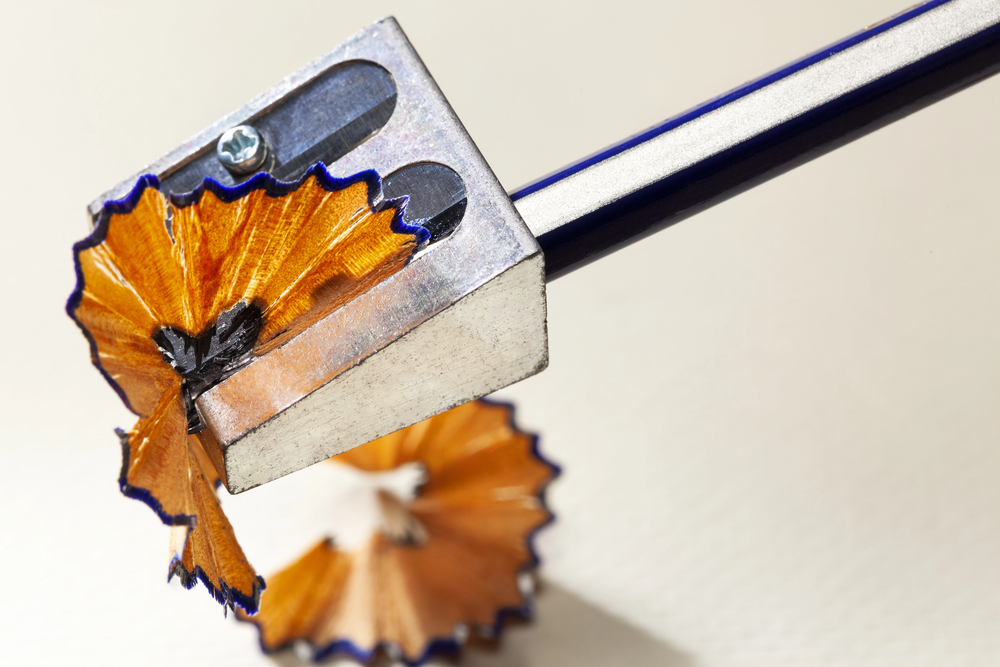
Every homework session began with the sacred ritual of pencil sharpening. Students would line up their wooden pencils and carefully sharpen each one to a fine point—creating a small pile of wood shavings in the process.
The sound of the pencil sharpener became synonymous with serious study time. Having perfectly sharp pencils felt like being properly armed for battle.
Racing to the Encyclopedia Set

When a research question arose, it meant a sprint to the family encyclopedia set—usually Britannica or World Book. Students would pull out the heavy volumes, flip through thin pages, and copy information by hand onto notebook paper.
Finding the right volume and the exact entry felt like striking gold, especially when siblings were competing for the same resource.
Like Go2Tutors’s content? Follow us on MSN.
Mastering the Card Catalog System
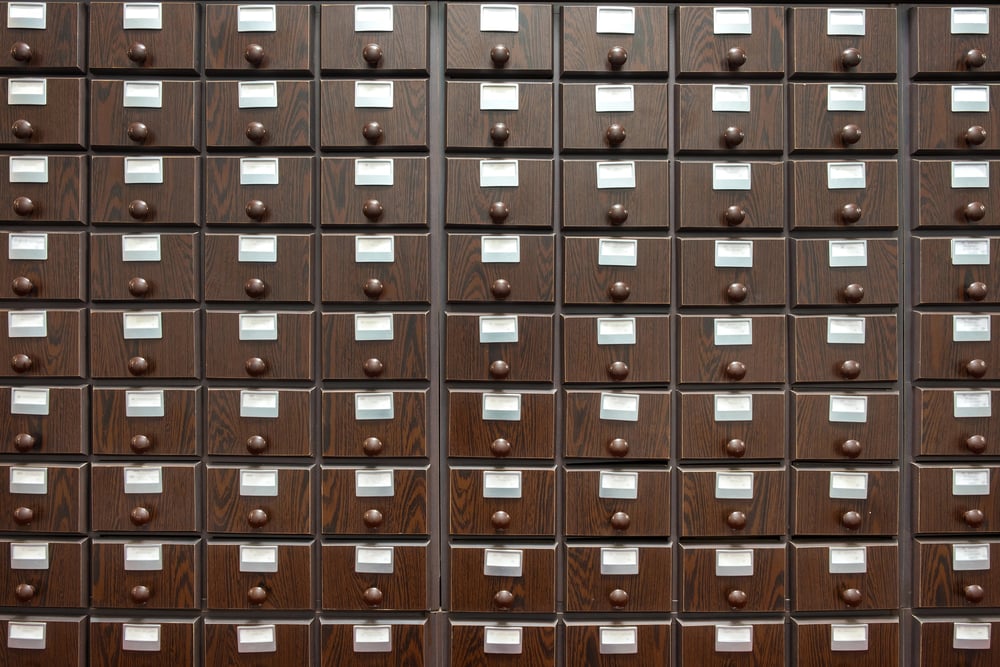
Library visits required genuine detective work at the card catalog. Students learned to navigate the Dewey Decimal System—flipping through thousands of index cards organized by author, title, and subject.
Writing down call numbers on small slips of paper became second nature, though losing that precious slip meant starting the search all over again.
Creating Hand-Drawn Charts and Graphs

Visual projects meant breaking out rulers, protractors, and colored pencils to create charts and graphs by hand. Every line had to be measured precisely, every angle calculated carefully—mistakes meant starting over completely.
The process took hours, yet the final product had a craftsmanship that copy-and-paste graphics could never match.
Coordinating Family Phone Time

Research often required calling libraries, museums, or even interviewing family members for projects. Students had to negotiate phone time with parents and siblings—planning their calls during appropriate hours and taking detailed notes while balancing the receiver on their shoulder.
Busy signals and missed connections were just part of the process.
Like Go2Tutors’s content? Follow us on MSN.
Typing on Manual Typewriters
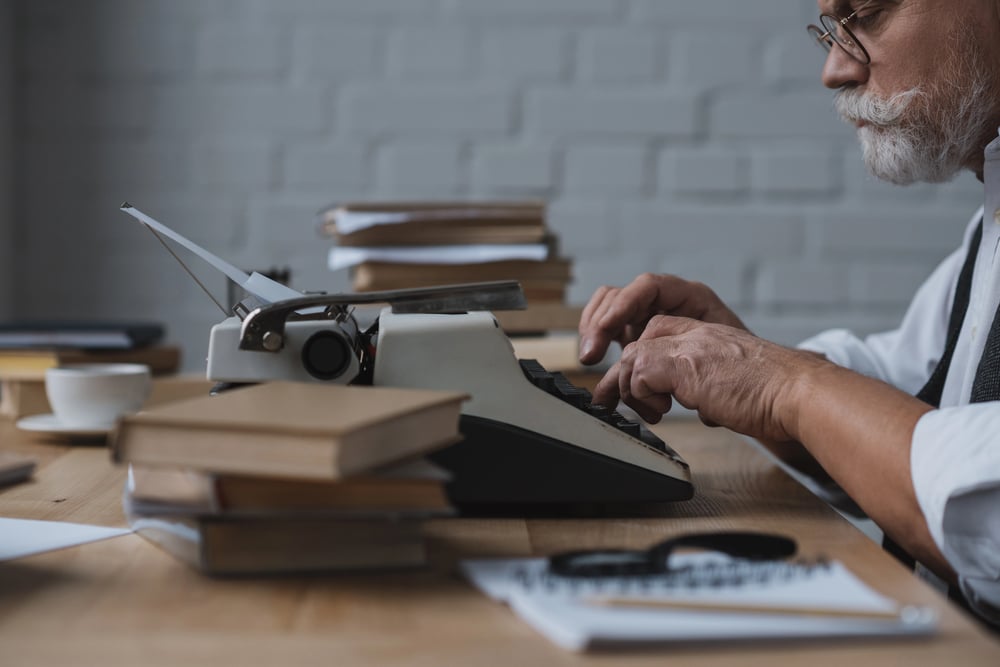
For final drafts of important papers, students gathered around the family typewriter—often a heavy manual or electric model. Making corrections meant using correction fluid or correction tape, while major mistakes required retyping entire pages.
The rhythmic clacking of keys created a soundtrack for serious academic work.
Organizing Physical File Systems

Students developed elaborate filing systems using folders, binders, and index cards to keep track of assignments and research materials. Color coding became an art form—with different subjects assigned specific colors, and maintaining these systems required constant attention and reorganization.
Planning Library Expedition Days

Research projects required dedicated library days—complete with planning and preparation. Students would pack bags with notebooks, pencils, and quarters for the copy machine, then spend entire afternoons gathering information.
These expeditions often turned into social events when classmates ran into each other in the stacks.
Like Go2Tutors’s content? Follow us on MSN.
Copying Information by Hand

Before photocopiers became widely accessible, students spent countless hours copying information by hand from reference books and magazines. This slow process actually helped with retention and comprehension—writing out information forced students to process and understand what they were recording.
Creating Physical Study Aids
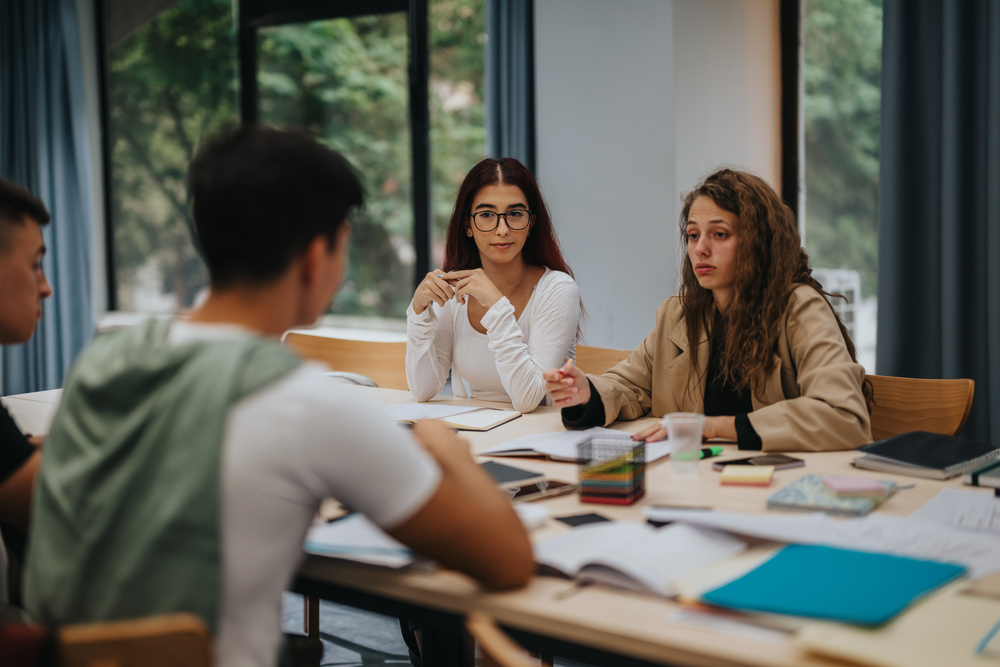
Making flashcards, study guides, and visual aids meant cutting, pasting, and hand-lettering everything. Students would spread materials across kitchen tables—using scissors, glue sticks, and markers to create study tools.
The physical act of creation helped reinforce the material being studied.
Coordinating Group Projects Without Digital Communication

Group projects required face-to-face meetings and careful coordination through phone calls and written notes. Students would meet at each other’s houses, divide up responsibilities using handwritten lists, and track progress through regular check-ins.
Miscommunication was common, but it taught valuable interpersonal skills.
Like Go2Tutors’s content? Follow us on MSN.
Using Reference Books as Primary Sources
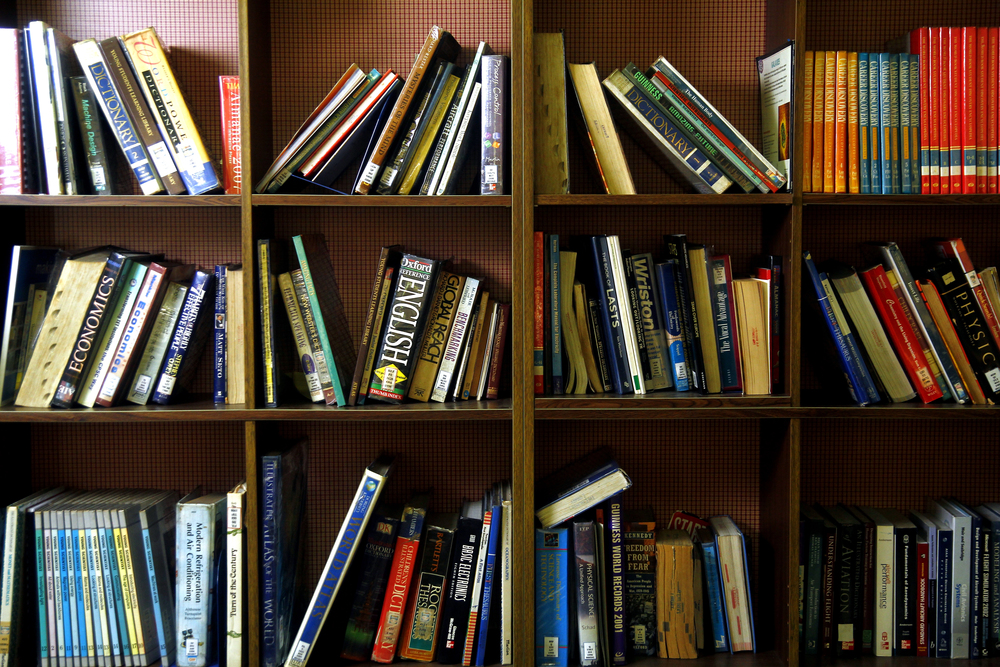
Dictionaries, thesauruses, atlases, and almanacs were essential homework companions. Students learned to navigate these reference tools efficiently, understanding how information was organized and cross-referenced.
Having a good dictionary nearby was like having a reliable friend who always knew the right answer.
Managing Physical Paper Organization
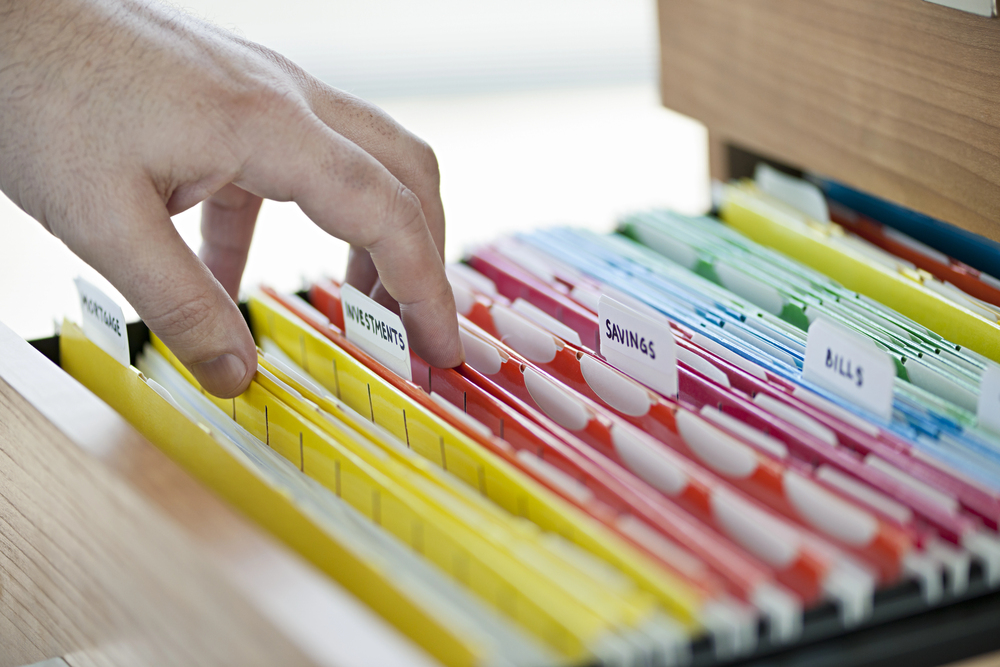
Keeping track of assignments, handouts, and completed work required sophisticated paper management systems. Students used three-ring binders with dividers, accordion folders, and careful filing habits to prevent the chaos of lost assignments.
Many developed their own organizational methods that served them well into adulthood.
Calculating Math Problems Step by Step

Math homework meant showing every step of work by hand, using only basic calculators for verification. Students learned to set up problems neatly on graph paper, work through complex calculations methodically, and double-check their work through different approaches.
Mental math skills were essential survival tools.
Like Go2Tutors’s content? Follow us on MSN.
Planning Homework Sessions Around TV Schedules

Students had to work around family television schedules and their own favorite shows. Popular programs created natural homework breaks, and many students became experts at timing their work to finish just as their favorite show began.
The discipline of working around these constraints actually helped many students develop better time management skills.
How These Rituals Shaped Learning

These pre-computer homework rituals created a fundamentally different relationship with information and learning. Students developed patience, attention to detail, and problem-solving skills that came from working within constraints rather than having unlimited access to information.
While modern technology has made homework more efficient, these old-school methods taught valuable lessons about preparation, persistence, and the satisfaction of working through challenges step by step. The physical nature of these tasks created muscle memory and deeper engagement that many educators argue is missing from today’s digital-first approach to learning.
More from Go2Tutors!

- 16 Historical Figures Who Were Nothing Like You Think
- 12 Things Sold in the 80s That Are Now Illegal
- 15 VHS Tapes That Could Be Worth Thousands
- 17 Historical “What Ifs” That Would Have Changed Everything
- 18 TV Shows That Vanished Without a Finale
Like Go2Tutors’s content? Follow us on MSN.