Dark Truths Behind the Fast Fashion Industry
Fashion feels different now than it did twenty years ago. You can walk into a store and buy a complete outfit for the cost of what a single shirt used to run, then toss it after a few wears without much thought.
The speed is intoxicating — new styles drop weekly, sometimes daily, and keeping up feels both possible and necessary. But behind those surprisingly low prices and endless options sits a system that’s far more costly than the numbers on the tags suggest.
The fashion industry has quietly become one of the world’s most destructive forces, and the cute top you bought last week carries a story you probably don’t want to hear.
Workers face dangerous and exploitative conditions

Garment workers endure conditions that would be illegal in most developed countries. Eighteen-hour shifts in buildings with locked exits and no fire safety measures.
Payment is so low that families can barely afford food, let alone the clothes they’re sewing. The 2013 Rana Plaza collapse in Bangladesh killed over 1,100 workers.
The building had visible cracks the day before. Workers were ordered to return anyway.
The environmental cost is staggering

Fashion now produces more carbon emissions than international aviation and shipping combined — which is saying something, considering how much people complain about airplane pollution. The industry consumes 93 billion cubic meters of water annually, enough to meet the needs of five million people.
Textile dyeing ranks as the second-largest polluter of water globally, turning rivers near manufacturing centers into rainbows of chemical runoff that nothing can live in. To be fair, not every company is equally destructive, but the math doesn’t lie: when you’re churning out 100 billion garments per year, the environmental damage adds up fast.
Clothing has become disposable by design

There’s something almost violent about the way clothes fall apart now (and maybe that’s the right word for it, because the destruction feels intentional rather than accidental). The fabric thins after three washes, seams split for no apparent reason, and zippers stick permanently after a month of normal use — because when a company’s business model depends on you buying more clothes every few weeks, durability becomes the enemy of profit.
And so your shirt becomes a kind of timer: you buy it knowing it won’t last, the company designs it knowing it won’t last, and everyone pretends this arrangement makes sense while your closet fills up with things that look worn out before they’ve actually been worn much at all. The average garment gets worn seven times before disposal. Seven.
Your morning coffee probably gets more consistent use than most of the clothes hanging in your closet.
Trend cycles have accelerated beyond reason
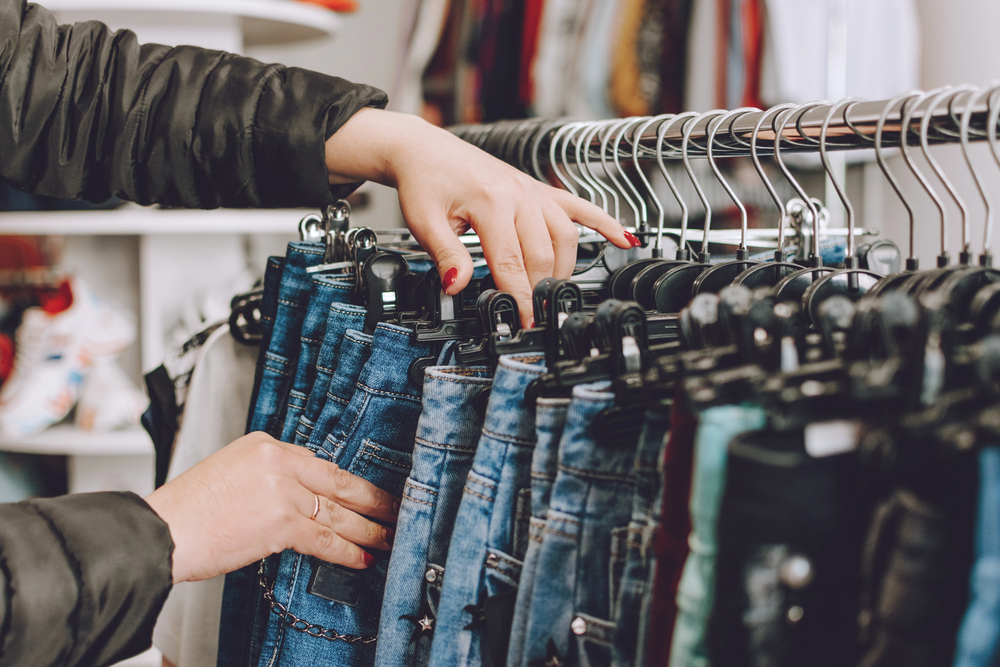
Fast fashion companies now release new collections every two weeks. Traditional fashion houses used to operate on four seasons per year.
Now consumers are expected to refresh their wardrobes monthly to stay current. Social media amplifies this pressure.
Wearing the same outfit twice in photos becomes a social defeat. The fear of being “outfit repeating” drives purchasing decisions more than actual need.
Chemical treatments create health hazards
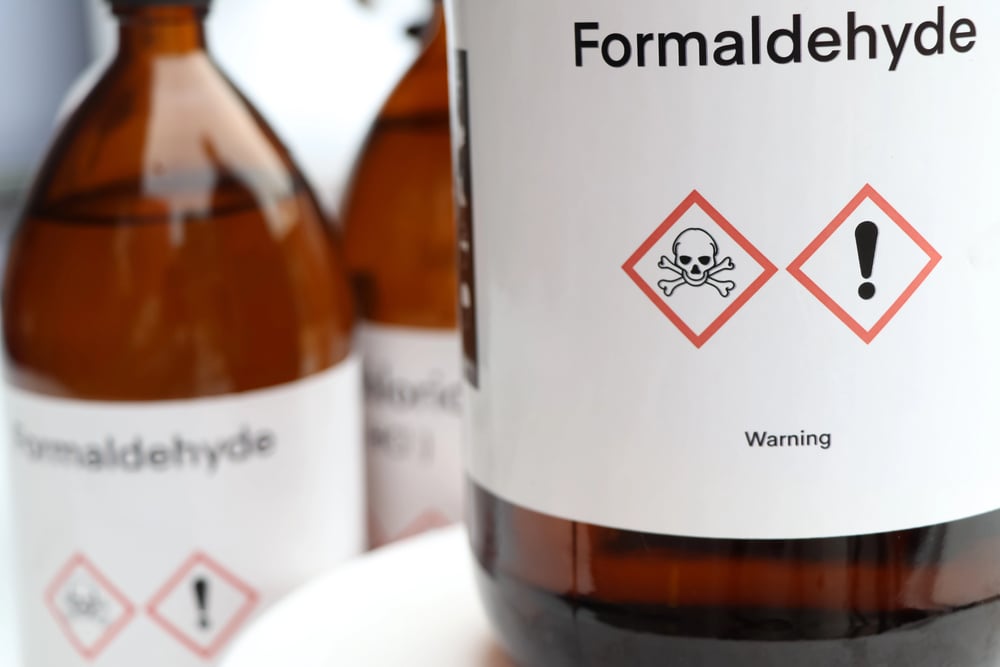
The chemicals used to treat fabrics read like a chemistry textbook written by someone with a grudge against human health: formaldehyde to prevent wrinkles, nonylphenol ethoxylates that disrupt hormones, azo dyes that can release cancer-causing compounds when they break down (which they do, just slowly, against your skin, over time). Workers in textile factories develop respiratory problems at rates that would trigger investigations in any other industry, while consumers wear these chemical cocktails directly against their bodies without much thought about what long-term exposure might mean.
And the strange part is that none of these treatments are really necessary — they exist to make clothes look perfect in stores and photographs, to maintain that artificial newness that justifies impulse purchases. But here’s what’s particularly unsettling: the people making these clothes are exposed to concentrated versions of the same chemicals that end up in finished products.
Their risk is exponentially higher, yet they have the least power to refuse the exposure.
Labor laws are routinely ignored
Companies set up shop in countries with weak labor enforcement for a reason. Child labor persists in cotton fields and garment factories despite international agreements.
Workers who attempt to organize face immediate termination or worse. Major brands claim they can’t monitor every supplier in their chain, which is convenient considering how profitable those unmonitored suppliers turn out to be.
The plausible deniability is built into the system.
Water pollution devastates local communities
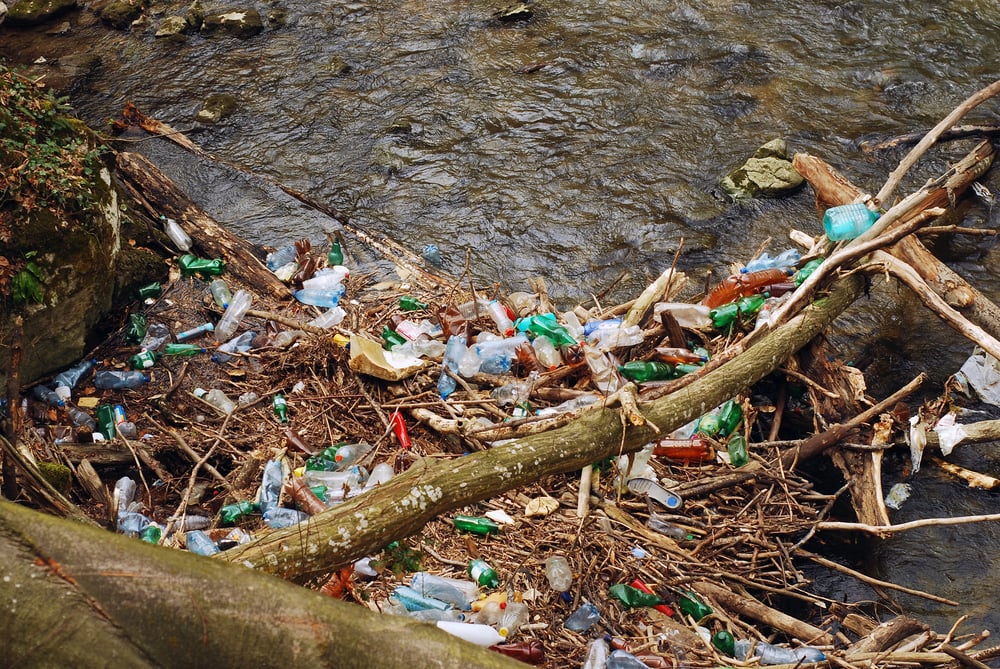
Picture this: rivers that change color with the fashion seasons, because textile factories dump their dye waste directly into waterways, and the color of the water literally depends on what’s trending in stores that month (blue jeans phase means blue rivers, red dress surge means red rivers, and so on until the whole ecosystem becomes a kind of toxic mood ring reflecting consumer preferences). Communities downstream can’t fish, can’t farm, can’t drink the water, but they also can’t move because they’re trapped by poverty — often working in the very factories that are poisoning them, because those jobs are the only economic opportunity available.
The irony is brutal and perfect: the same people making clothes for global consumers can’t afford clean water because making those clothes has contaminated their own supply. Children in these areas develop skin conditions and respiratory problems at alarming rates.
The correlation is obvious. The solutions remain expensive and therefore unlikely.
Marketing deliberately targets insecurities
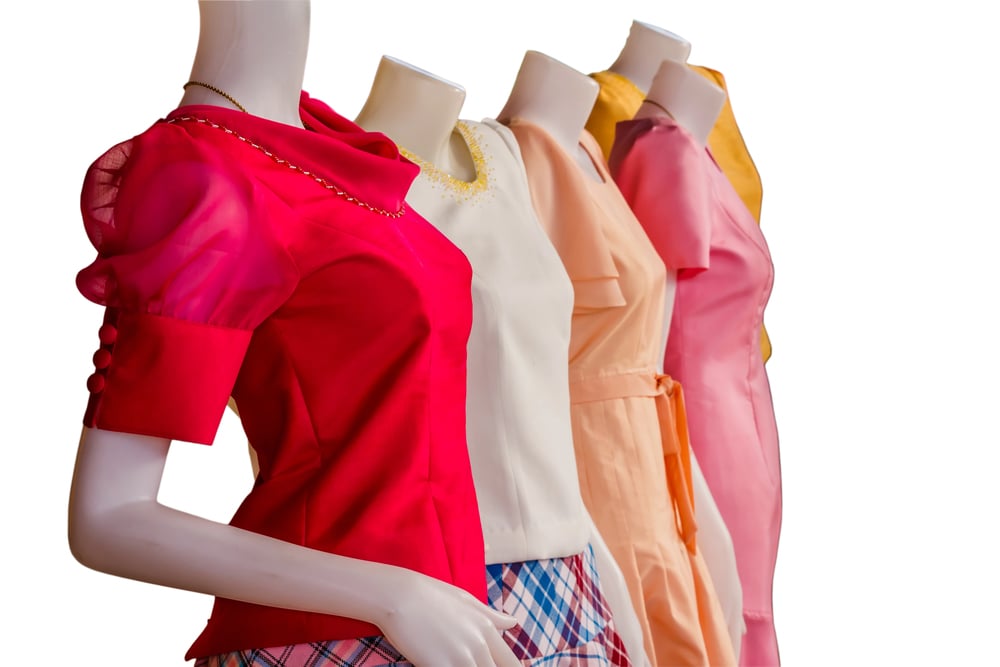
Fast fashion advertising doesn’t sell clothes so much as inadequacy. Every campaign suggests your current wardrobe is somehow wrong, outdated, or insufficient for the person you should be.
The messaging is sophisticated and relentless. Influencer partnerships amplify this effect.
Seeing someone you admire in a new outfit creates instant desire and the sense that purchasing similar items will transfer their confidence to you. The psychological manipulation is subtle but effective.
Quality has declined dramatically
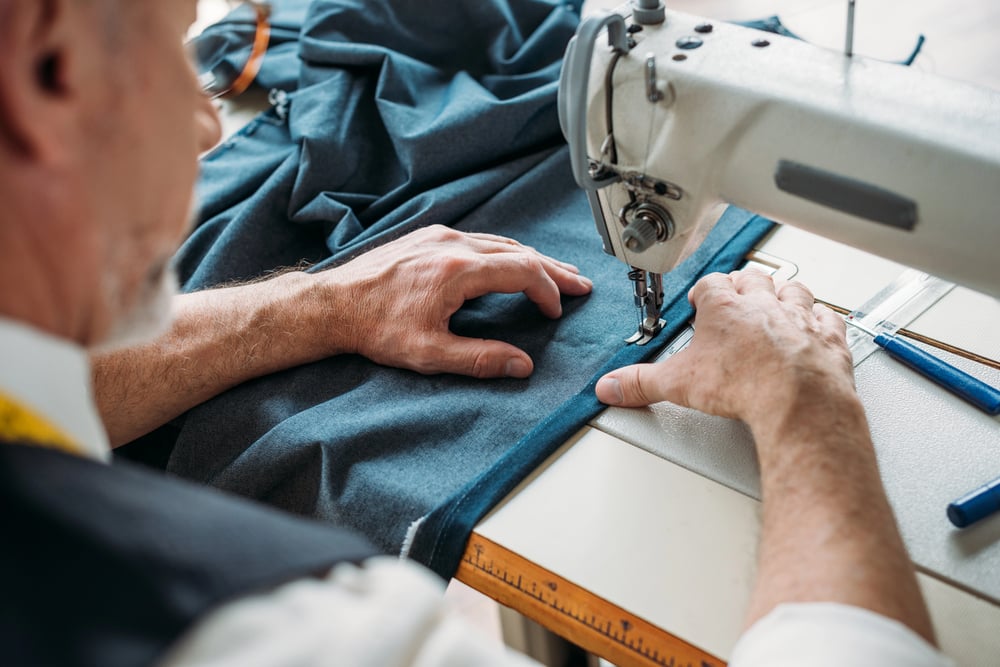
Fabrics are thinner, stitching is looser, and construction shortcuts have become industry standard. A sweater that would have lasted decades now pills after the first wash.
Buttons fall off before you’ve worn the item home. This isn’t accidental cost-cutting — it’s strategic obsolescence.
When clothes fall apart quickly, replacement purchases follow inevitably.
Supply chains obscure responsibility

The path from cotton field to retail rack now involves dozens of middlemen across multiple countries. This complexity makes it nearly impossible to trace where specific items were made or under what conditions.
When labor violations surface, brands can claim ignorance or blame subcontractors. The diffusion of responsibility is convenient for corporate lawyers and devastating for accountability.
Textile waste overwhelms disposal systems
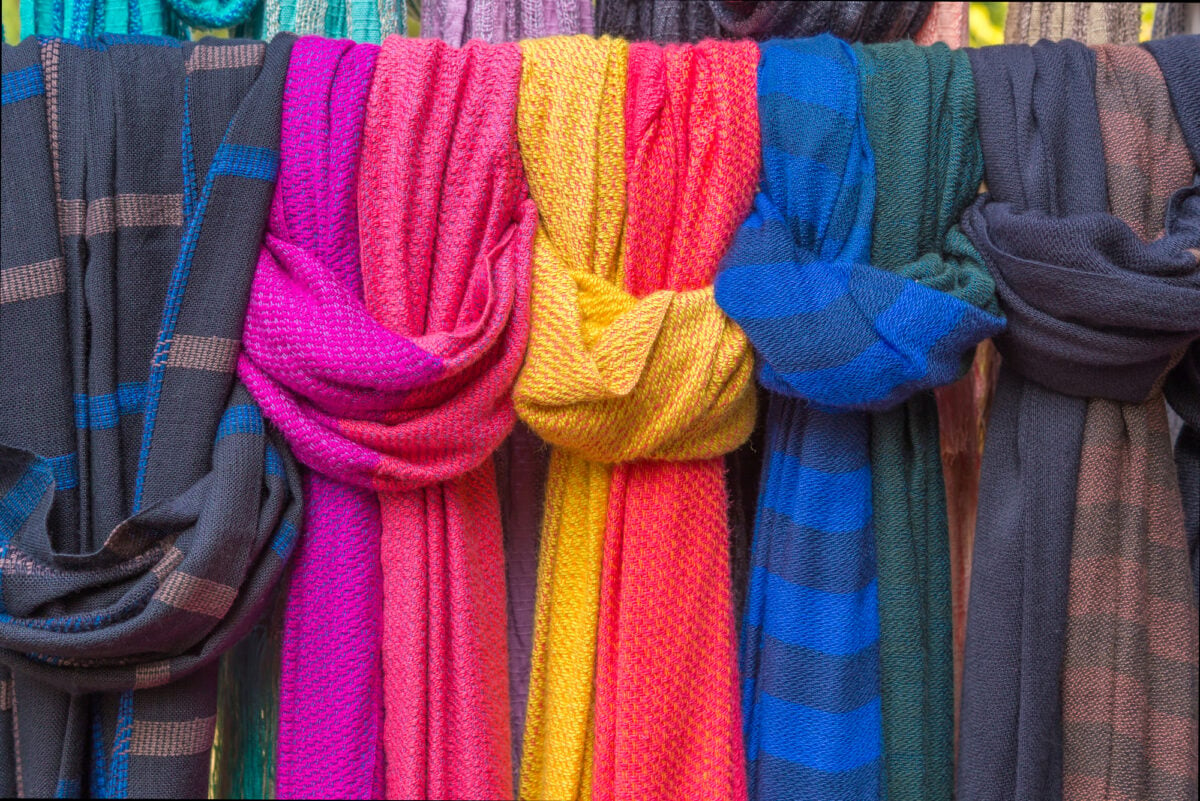
Americans throw away 70 pounds of clothing per person annually. Most donated clothes never get worn again — they end up in landfills or shipped to developing countries where they undermine local textile industries.
Synthetic fabrics don’t biodegrade. That polyester dress will outlast several generations of the family that threw it away.
The permanence is almost impressive if it weren’t so destructive.
Alternative materials often carry hidden costs
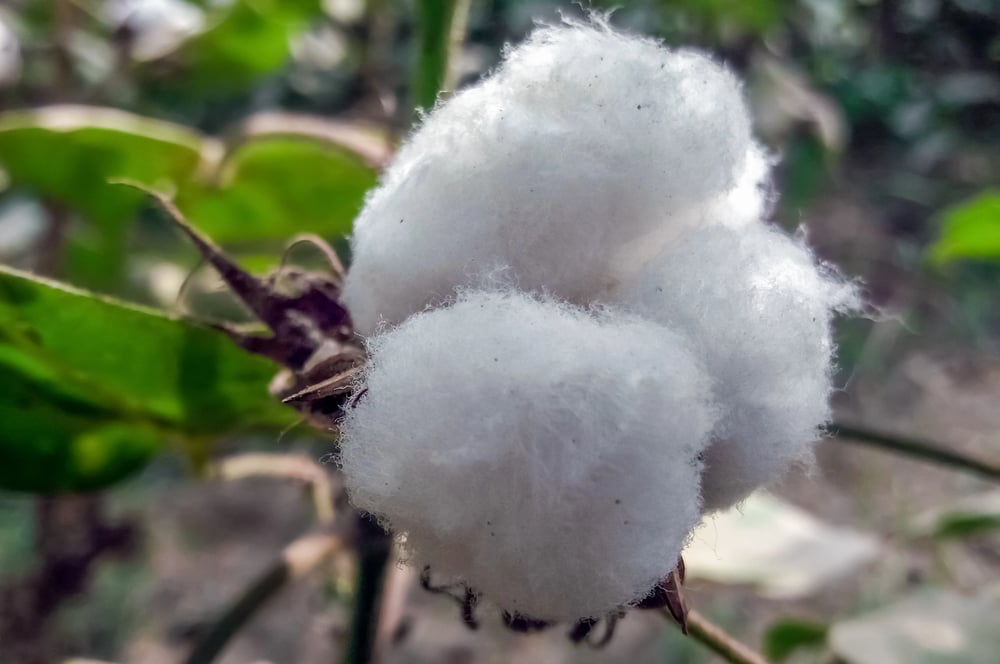
Organic cotton requires significantly more water than conventional cotton. Bamboo fabric processing involves harsh chemicals that negate many environmental benefits.
Recycled polyester still sheds microplastics with every wash. Companies market these alternatives as guilt-free options, but the reality is more complex than the advertising suggests.
Truly sustainable fashion requires fundamental changes to production and consumption patterns.
Workers lack basic protections

There’s something deeply wrong with a system where the people making clothes can’t afford to buy them (and that contradiction tells you everything you need to know about how wealth gets distributed in this industry). Garment workers in Bangladesh earn roughly $68 per month while producing items that retail for $20 to $50 each — which means a single shirt represents a significant portion of the monthly wages for the person who sewed it, and a full outfit costs more than many workers take home in a week.
And yet these same workers are essential to keeping prices low for consumers in wealthy countries, creating a global economy where poverty in one place subsidizes convenience in another. The power imbalance is staggering.
Workers have no leverage to negotiate better conditions because there’s always another factory willing to accept the contract at an even lower price. The race to the bottom has no finish line.
The true cost gets externalized

The cheap prices you pay at checkout don’t reflect the actual cost of production. The difference gets absorbed by workers through low wages, by communities through environmental damage, and by future generations through climate impact.
This cost shifting is the foundation of the entire fast fashion business model. The clothes aren’t actually cheap — someone else is just paying for them.
The reckoning we’re avoiding
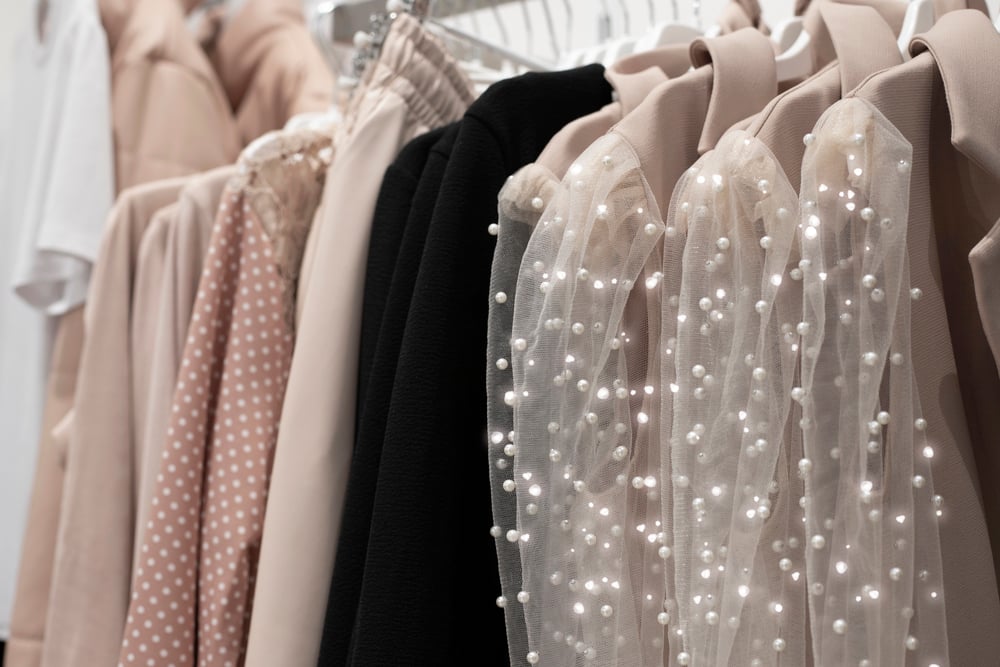
Fast fashion works because most consumers never see the factories, never meet the workers, and never visit the poisoned rivers. The distance is crucial to the system’s survival.
As long as the consequences remain invisible, the shopping can continue guilt-free. But that distance is shrinking.
Climate change affects everyone. Microplastics are showing up in human bloodstreams.
The externalized costs are coming home eventually. The question isn’t whether the current system is sustainable — it obviously isn’t.
The question is what happens when the bill finally comes due.
More from Go2Tutors!

- The Romanov Crown Jewels and Their Tragic Fate
- 13 Historical Mysteries That Science Still Can’t Solve
- Famous Hoaxes That Fooled the World for Years
- 15 Child Stars with Tragic Adult Lives
- 16 Famous Jewelry Pieces in History
Like Go2Tutors’s content? Follow us on MSN.